
This Ann Arbor Michigan Wildlife Center Lets Kids Get Face To Face With Animals They Will Not Find At A Zoo
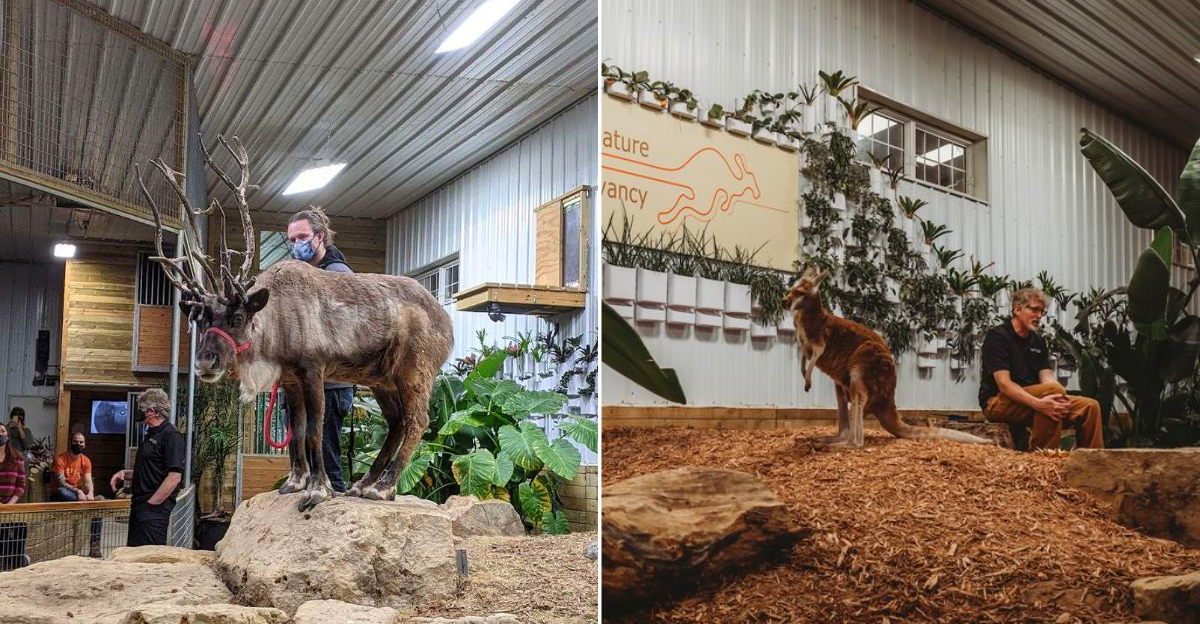
Your kid presses both hands against the glass and watches an emu the size of a grown man stare back from two feet away. There is no zoo wall between you and the animals here, just a low fence and a guide who knows every animal by name.
Tour groups stay small, usually under a dozen people, so you can ask questions and hear the answers. The collection includes wolf hybrids, snapping turtles the size of a serving platter, porcupines, and a kangaroo known to steal hats during feeding time.
The animals are rescue residents, not performers, and the staff explains each story as part of the tour. Outside, a walking trail loops past more enclosures and a picnic area.
Programs run year-round, including evening events and summer camps that fill up fast. Families walk out knowing the name of at least one animal they had never heard of before walking in.
Time Your Visit Around The Live Presentations
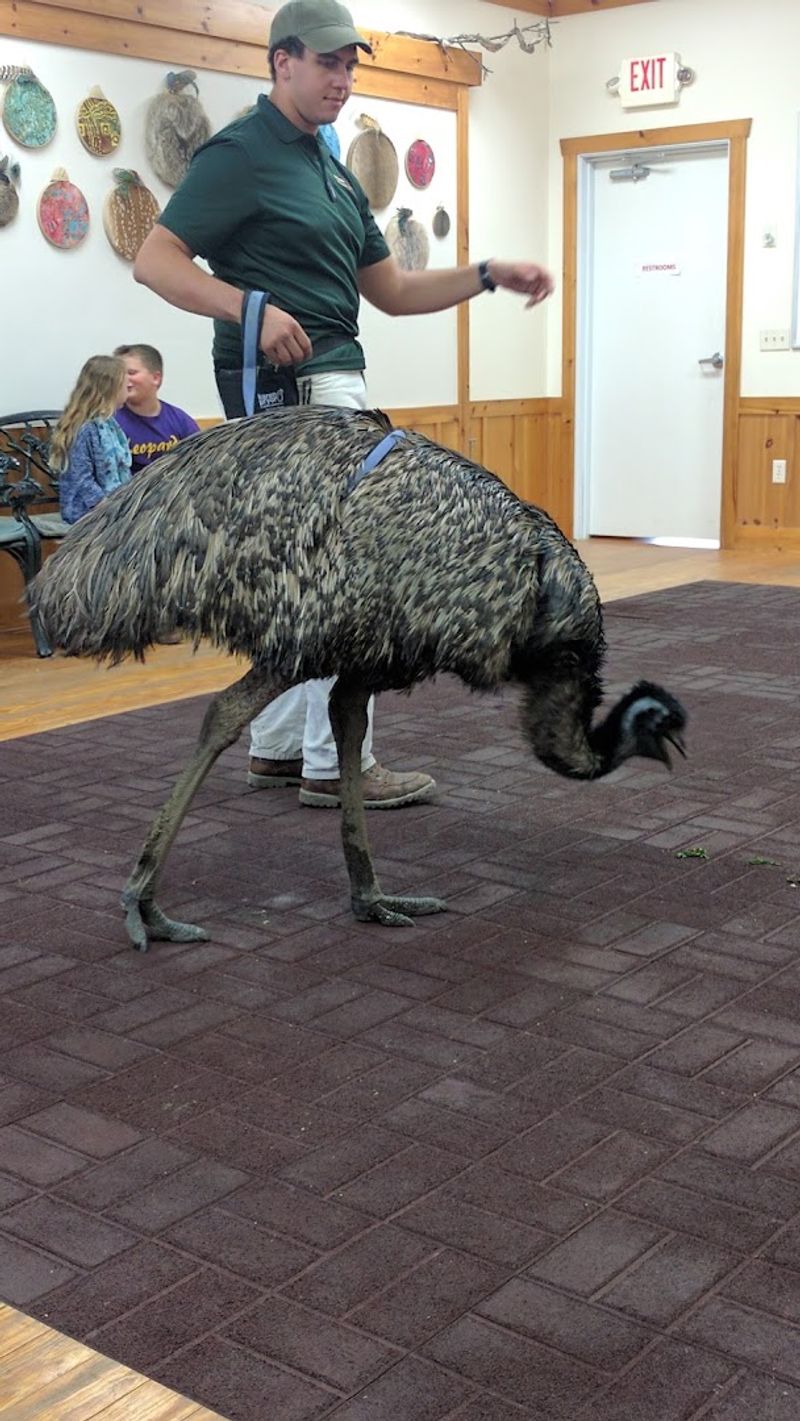
The liveliest moments often happen when everyone gathers for a presentation. On public weekends, The Creature Conservancy typically offers live animal programs at scheduled times, including afternoon shows that bring animal ambassadors and trained educators into the spotlight.
Instead of treating the presentation as an add-on, make it the spine of your visit. You get context, names, habits, rescue stories, and a better sense of why certain species live here in the first place.
The educational format also helps younger visitors settle into the visit with a clear focal point. After a show, the rest of the conservancy makes more sense because kids can connect enclosures to animals they have just seen up close, rather than wandering first and piecing the story together later.
The Animals Are Waiting Behind The Pond
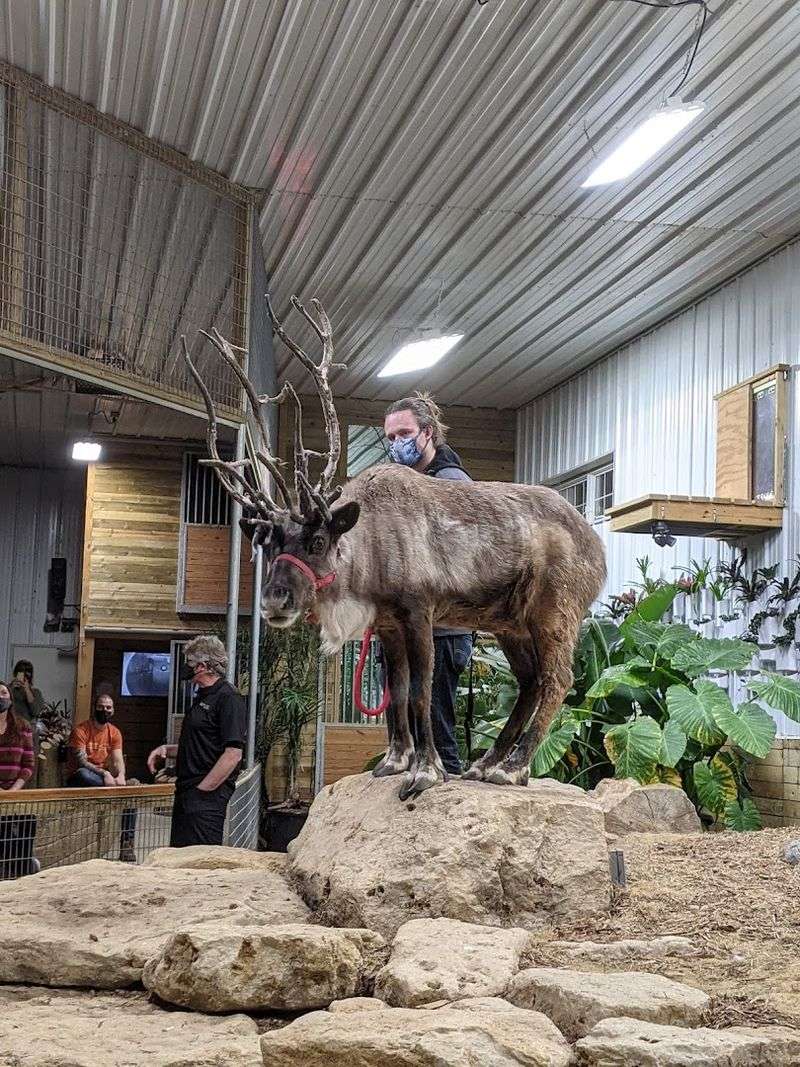
The Creature Conservancy is at 4940 Ann Arbor-Saline Road in Ann Arbor, Michigan, a few miles south of I-94. Approach along Ann Arbor-Saline Road and use the shared veterinary and animal-care property as the arrival landmark.
The final approach can be misleading because the public entrance is not at the front of the roadside complex. Turn into the property, continue past the first buildings, and follow the driveway toward the pond at the rear.
Park in the main lot shared with Animal Kingdom Veterinary Hospital and Creature Comforts Bed & Bath. From there, walk toward the back of the property and enter near the pond; weekend admission tickets are currently sold at the door rather than online.
Look Up, Slow Down, And Let The Strange Details Find You
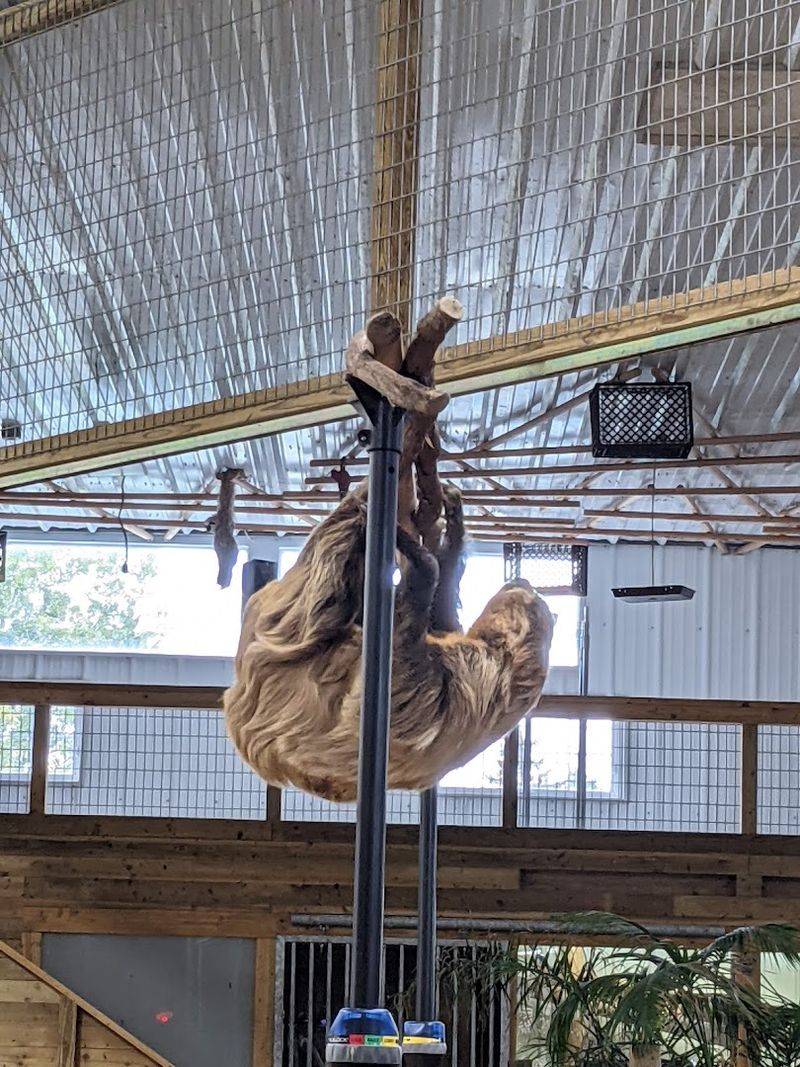
One of the oddest and most charming habits this place teaches you is to stop staring straight ahead. In some indoor spaces, animals such as sloths may be above you, and the ceiling suddenly becomes part of the exhibit in a way most families do not expect.
That upward-looking, slow-moving quality is part of the appeal. Because the conservancy is compact, you are not spending energy on miles of walking, so attention can shift to smaller observations – claws, feathers, whiskers, posture, eye contact.
I found that children respond especially well to this scale. They can linger without fatigue, double back without complaint, and spot things adults miss.
The reward here is not speed. It is the feeling that the place keeps quietly revealing itself if you move a little slower.
Use The Smaller Scale To Your Advantage
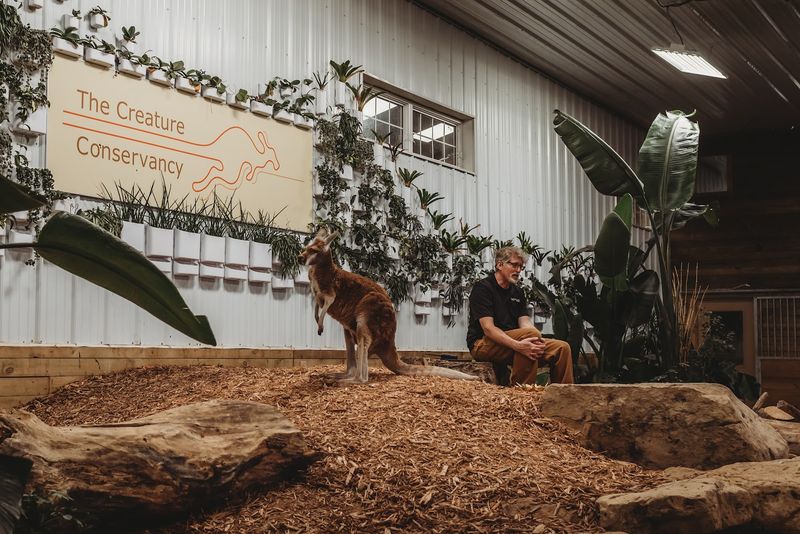
Large zoos can be thrilling, but they can also flatten a child’s attention by midafternoon. Here, the smaller footprint works in your favor.
You can see a surprising range of species without turning the day into an endurance event.
That matters more than it sounds. When kids are not exhausted, they ask better questions, notice more behavior, and stay engaged long enough to absorb the educational side of the visit.
The layout also makes it easier to revisit favorite areas after a presentation or pause somewhere that unexpectedly clicks. Most displays are indoors or under cover, which helps during Michigan weather swings.
If you are planning with younger children, grandparents, or anyone who prefers shorter walking distances, this scale is not a compromise. It is part of what makes the conservancy unusually approachable and memorable.
Ask The Keepers Questions While You Are There
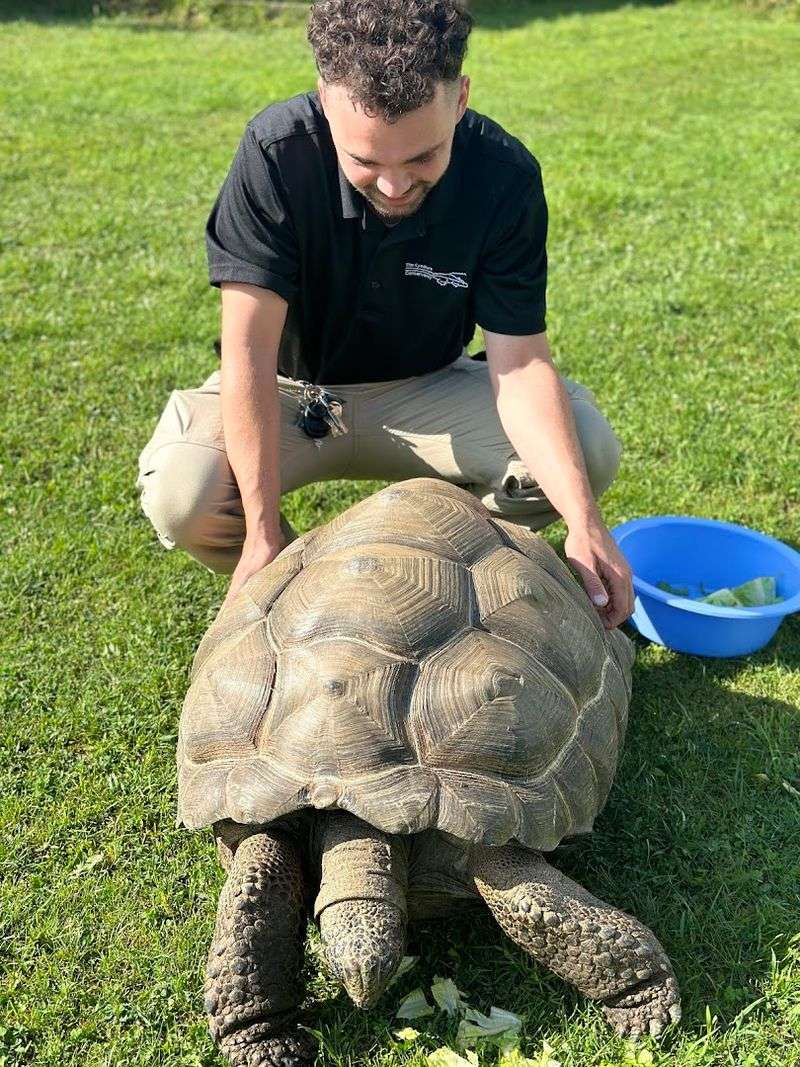
The staff and keepers are part of the experience, not background scenery. At The Creature Conservancy, conversation often unlocks the visit, because the people caring for the animals can explain behavior, routines, and rescue histories in practical, vivid terms.
Children tend to ask wonderfully direct questions here, and this is exactly the right place for them. A keeper might explain why a specific animal cannot return to the wild, what it eats, or how training supports safe care rather than entertainment.
Those details give the conservancy moral clarity. You begin to understand the distinction between exhibition and stewardship.
If you are unsure when to ask, linger respectfully near an enclosure or after a presentation. The tone is educational and welcoming, and even brief exchanges can turn a curious visit into a genuinely informed one.
Notice How The Founding Story Shapes The Whole Place
Some places have an origin story that feels decorative. Here, it feels structural.
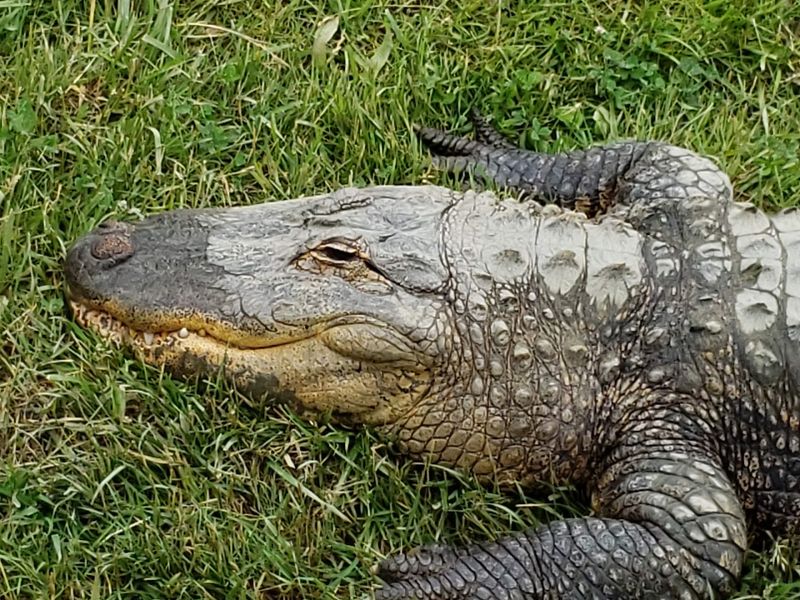
The Creature Conservancy began after founder Steve Marsh encountered Al, an abandoned alligator left at a veterinary clinic, and that act of rescue still explains the institution better than any slogan could.
You see it in the emphasis on second chances, in the educational framing, and in the way individual animal histories are treated as central rather than incidental. The conservancy, co-shaped by Marsh and veterinarian Vicki Daldin Marsh, grew on a 23-acre property into a home for hundreds of animals.
That scale is impressive, but the deeper point is emotional. Kids may arrive excited by unusual species.
They often leave with a more durable lesson about responsibility, care, and what happens when wild animals become human problems.
Come Ready For Species You Rarely See In Michigan
The species list is part of the thrill. You are not here for familiar petting-zoo standbys.
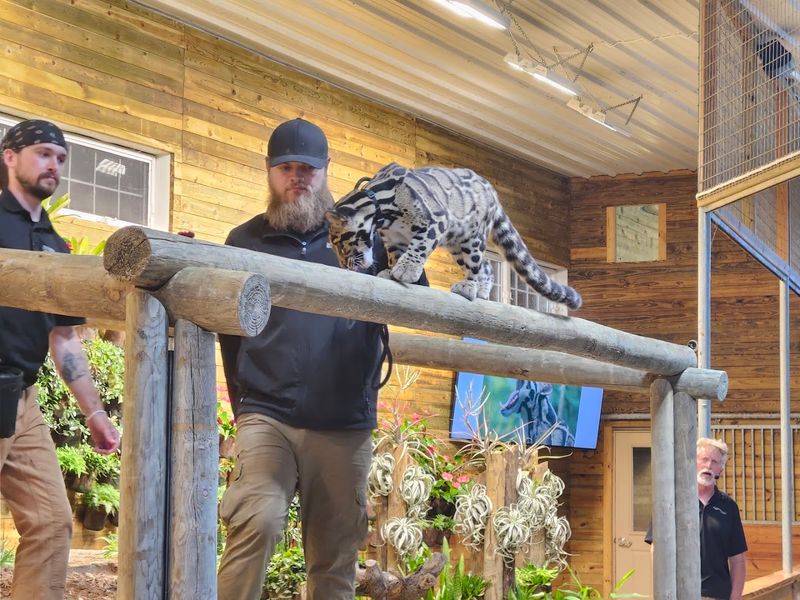
Depending on the day and season, the conservancy may introduce you to sloths, clouded leopards, giant tortoises, reptiles, birds, and other animals rarely seen this closely in Michigan.
That variety gives the place its almost improbable quality. One moment you are discussing rainforest animals, and the next you are face to face with a predator, a parrot, or an ancient-looking reptile with impossible texture.
The collection supports educational goals rather than novelty for novelty’s sake, which matters. I liked that the unusual species never felt random once staff began connecting them to habitat, rescue circumstances, or conservation issues.
For kids, that mix of surprise and explanation is powerful. Wonder lands first, then the understanding catches up.
Check The Monthly Theme And Special Programs Before You Go
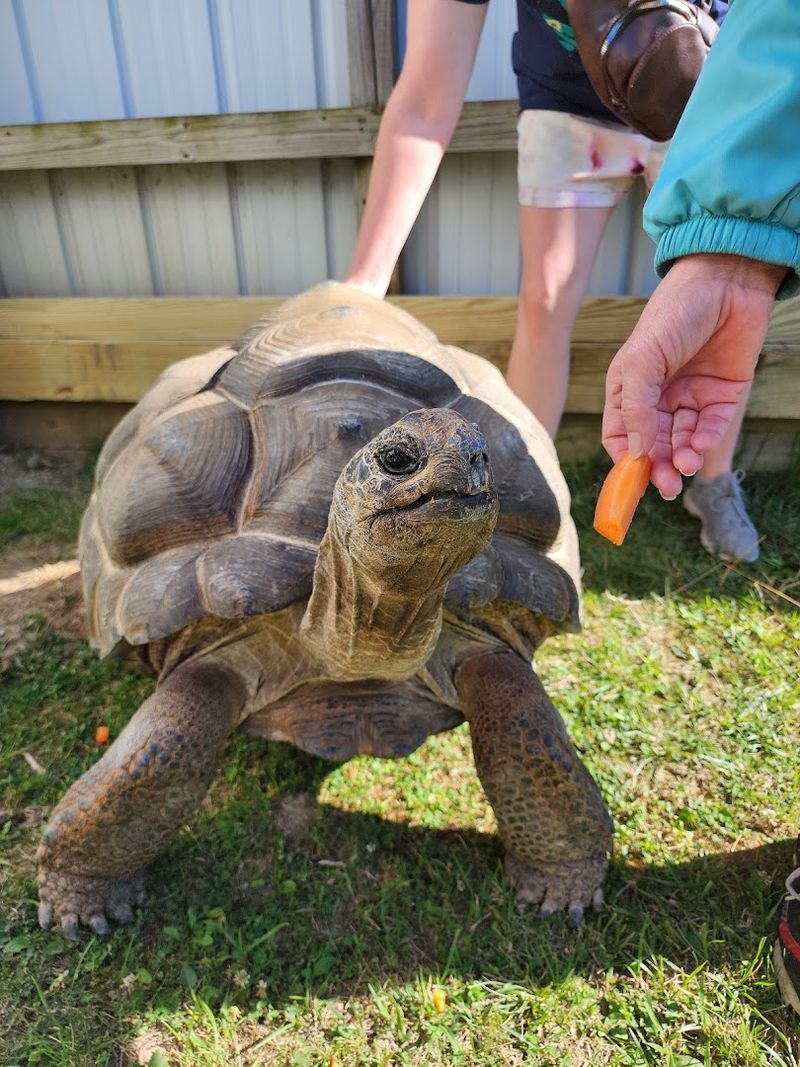
The conservancy changes character a bit depending on the calendar. Monthly themes and special programs can shape what animals are highlighted in presentations, which means two visits in different months may feel meaningfully different without the place losing its core identity.
That is worth planning around, especially if your child already loves reptiles, predators, arboreal animals, or tortoises. Public information has also included special offerings such as reptile showcases, themed evenings, and other educational events beyond standard weekend admission hours.
Before heading out, check the current schedule on the conservancy’s website or social channels. Because the facility is generally open to the public on Saturdays and Sundays from 12 PM to 5 PM, timing matters.
A little planning can turn a good visit into one that feels surprisingly tailored.
Consider A Private Tour For Older Kids
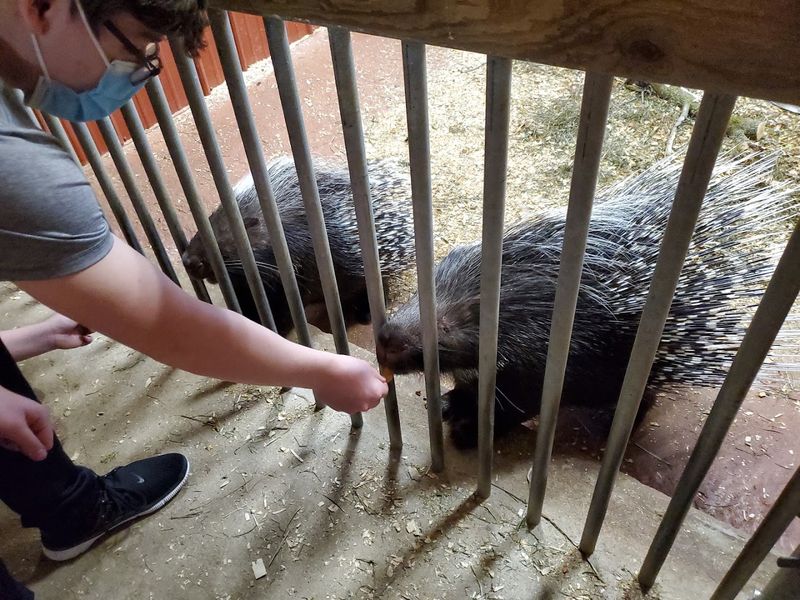
If your family wants something more immersive than general admission, private tours are worth considering. The Creature Conservancy offers guided experiences that go deeper into animal biology, behavior, and care, with opportunities for closer interaction depending on the animals involved.
This format works especially well for older kids who are ready to listen, ask follow-up questions, and handle the excitement of proximity without melting into chaos. Public information notes that these tours typically run about ninety minutes and are generally intended for participants over age ten.
What you gain is not just access, but focus. The visit becomes more like a seminar with live examples than a casual walk-through.
For children already fascinated by animals, that shift can be the moment curiosity hardens into genuine knowledge and lasting memory.
Do Not Worry Too Much About Michigan Weather
Michigan family outings often collapse under weather anxiety. This one holds up better than most.
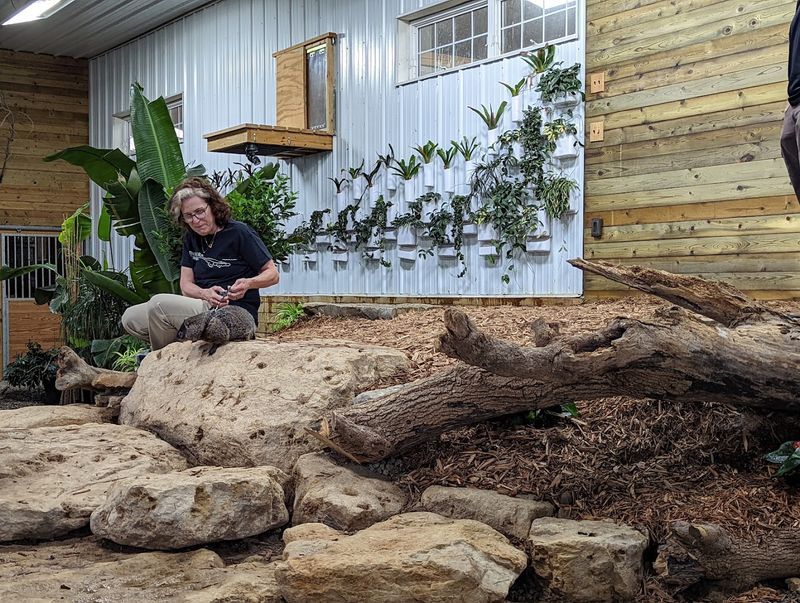
Much of The Creature Conservancy experience is indoors or under cover, so a cold snap, rain, or heavy summer heat does not automatically ruin your plans.
That practical advantage changes the mood before you even arrive. You are less likely to rush, less likely to spend half the day negotiating coats and complaints, and more likely to stay for a full presentation.
The facility is also described as handicap and stroller accessible, with ramped sidewalks leading to ground-floor presentation rooms. For families managing mixed ages or mobility needs, that matters enormously.
I would still dress for a bit of outdoor movement, but this is one of those rare wildlife outings that remains realistic in January as well as July, which feels almost luxurious.
Treat It As A Conservation Lesson Disguised As Fun
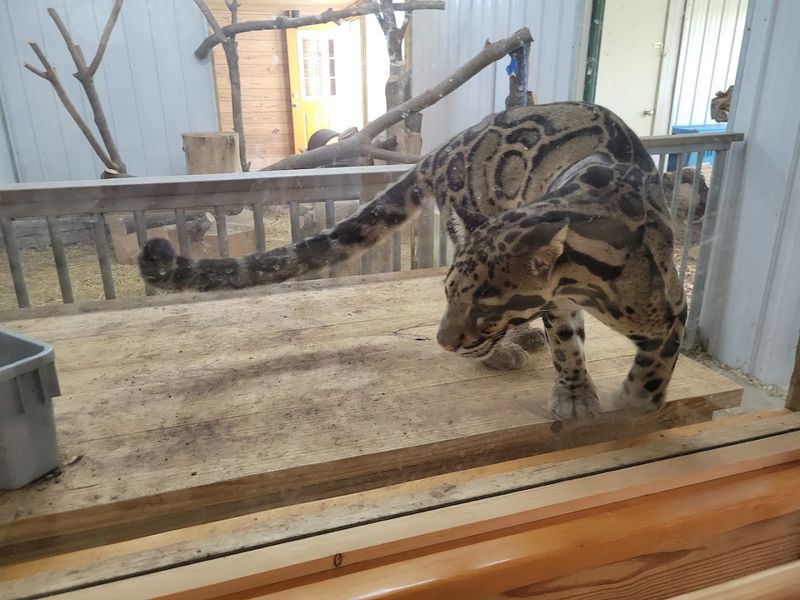
The smartest way to frame this visit for kids is simple: come for the wow factor, stay for the ethic underneath it. The Creature Conservancy’s mission is conservation through education, and the rescued animals are not props for that message. They are the message.
Once you understand that, the whole place sharpens. Enclosures, presentations, keeper conversations, and programming all point back to what responsible care looks like when an animal cannot return to the wild.
That can be a subtle lesson or a big family conversation, depending on your child. Either way, it gives the day unusual depth.
You leave with memorable sightings, certainly, but also with a clearer sense of human responsibility toward animals that fall outside ordinary domestic life. That is not just entertaining. It is the reason the visit stays with you.