
This Arizona Campground Is So Secluded Even Longtime Locals Miss It
Some campgrounds announce themselves with signs, crowds, and a line of RVs. Others make you wonder whether you took a wrong turn somewhere.
This Arizona campground belongs firmly in the second group. Hidden near a quiet stretch of Eagle Creek, it feels wonderfully removed from the usual weekend rush.
I like places where the road gets narrower, the phone signal gets weaker, and the whole trip starts feeling a little more adventurous before you even unpack.
The campground itself is small and primitive, which is part of the appeal. You come for shade, water, wildlife, and the kind of silence that makes a camp chair feel like luxury furniture.
Arizona has plenty of famous camping spots, but this one proves the best escapes are sometimes the places longtime locals still manage to overlook.
The Long Road That Keeps Crowds Away
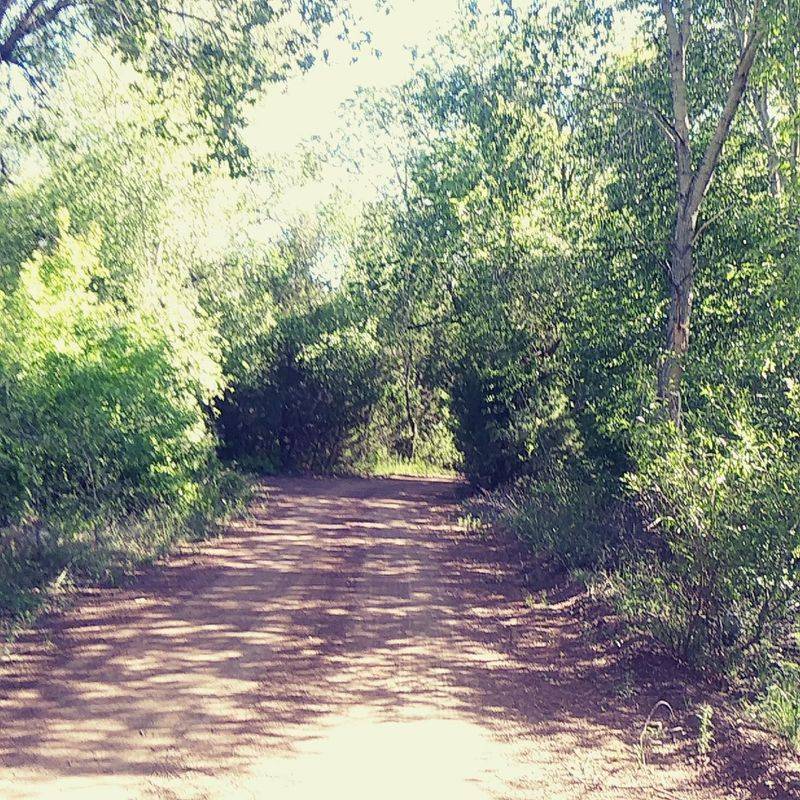
Reaching Honeymoon Campground felt like earning a secret, and honestly that is half the fun. You travel US Highway 191 and then turn onto Forest Road 217 for a full 22 miles of rough, rocky driving.
The road includes several low water crossings, and I found myself grinning every time my tires hit the creek. These splashy spots are tricky, so a high-clearance vehicle is a smart choice, and trailers should stay under 16 feet.
Because the drive is slow and bumpy, plenty of longtime locals simply never bother, which is exactly why the campground stays so quiet. I planned extra time for the trip and drove carefully through each crossing to protect my vehicle.
Rain can raise the water levels quickly, so checking conditions before you go is wise. The remote, primitive feeling starts the moment you leave the highway, and by the time you arrive, the outside world seems very far behind. That long, wild road is the campground’s best security guard.
A Shady Home Beside Eagle Creek
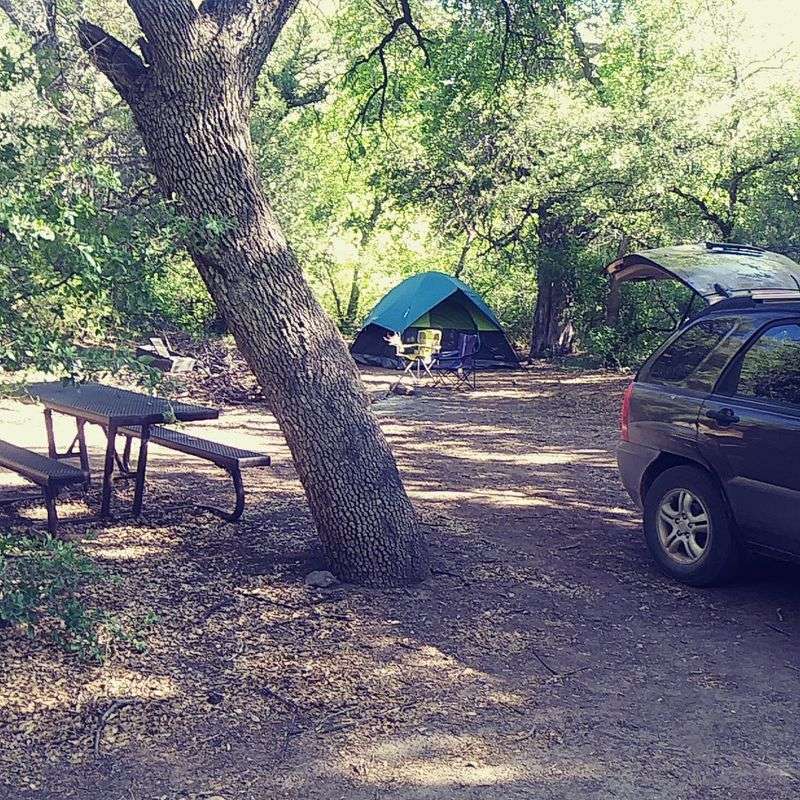
Pulling up to my site, the first thing I noticed was the shade, and lots of it. Sycamore, cottonwood, pinyon, and juniper trees stretch overhead, cooling the whole area even on warm afternoons.
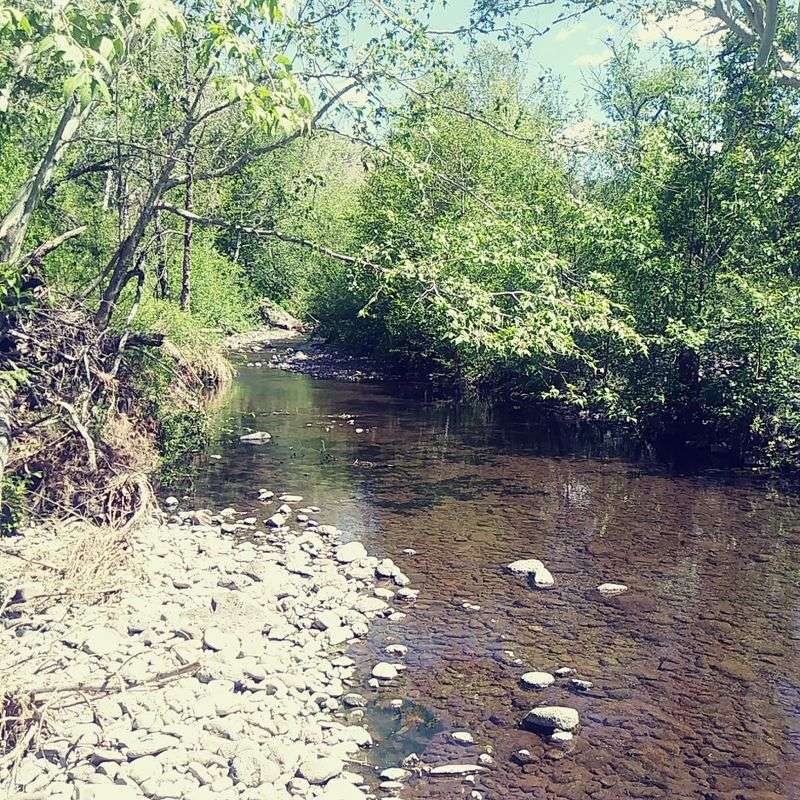
The campground sits right next to Eagle Creek, and that gentle water sound followed me everywhere I walked. Resting at 5,440 feet, the elevation keeps temperatures friendlier than the scorching desert floor below.
I set up my tent close enough to hear the creek but far enough to stay dry. The setting feels tucked away and protected, nestled inside some seriously pretty scenery.
One thing worth knowing: a working ranch sits nearby, so I heard the occasional truck and saw livestock wandering about. It never bothered me, and it actually added a bit of rural charm to the visit.
Waking up to filtered sunlight and cool creek air made every bumpy mile of the drive completely worth it. This shaded riverside pocket quickly became my favorite corner of the forest.
Simple Amenities And What To Pack
Do not expect fancy comforts here, and that is part of the appeal. Each of the roughly four sites comes with a picnic table and a cooking grill, plus there are vault toilets on site.
The biggest thing to remember is that no drinking water is available anywhere at the campground. I hauled in every drop I needed, along with plenty extra for cooking and cleaning.
There is also no trash service, so this is a strict pack-in, pack-out spot. I brought sturdy bags and carried out everything I brought in, leaving my site cleaner than I found it.
Because cell service does not exist out here, I downloaded maps ahead of time and told a friend my plans. That little bit of preparation gave me real peace of mind.
Packing smart turned a bare-bones campground into a comfortable stay. Bring water, food, a first-aid kit, and a good attitude, and these humble amenities will feel like plenty.
Free Camping On A First-Come Basis
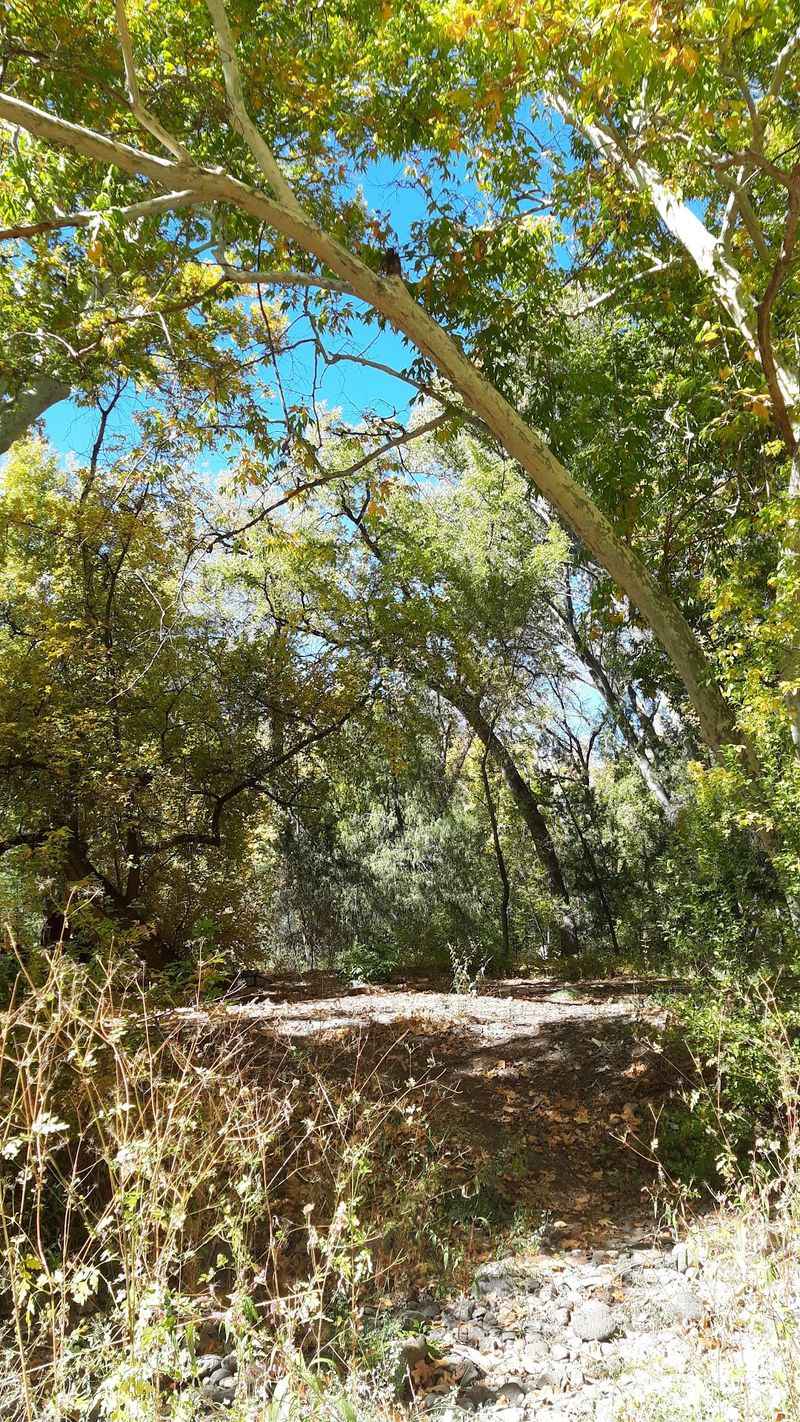
Here is a happy surprise: staying at this campground costs nothing at all. There is no fee, no booth, and no online reservation system through Recreation.gov to fuss with.
Everything runs on a first-come, first-served basis, which means the early bird claims the best spot. With only about four sites, I made sure to arrive well before the weekend rush.
Free camping is wonderful, but it also means you cannot guarantee a space, so I brought a backup plan just in case. Nearby forest areas offer other options if every site is taken.
Arriving on a weekday gave me the pick of the sites and the entire creek nearly to myself. The relaxed setup matches the laid-back mood of the whole place.
Because there is no host collecting money, campers here truly look after the land themselves. I loved knowing my only cost was a little planning and a willingness to share this quiet treasure with respect and care.
Fishing, Crawfish, And Wildlife Watching
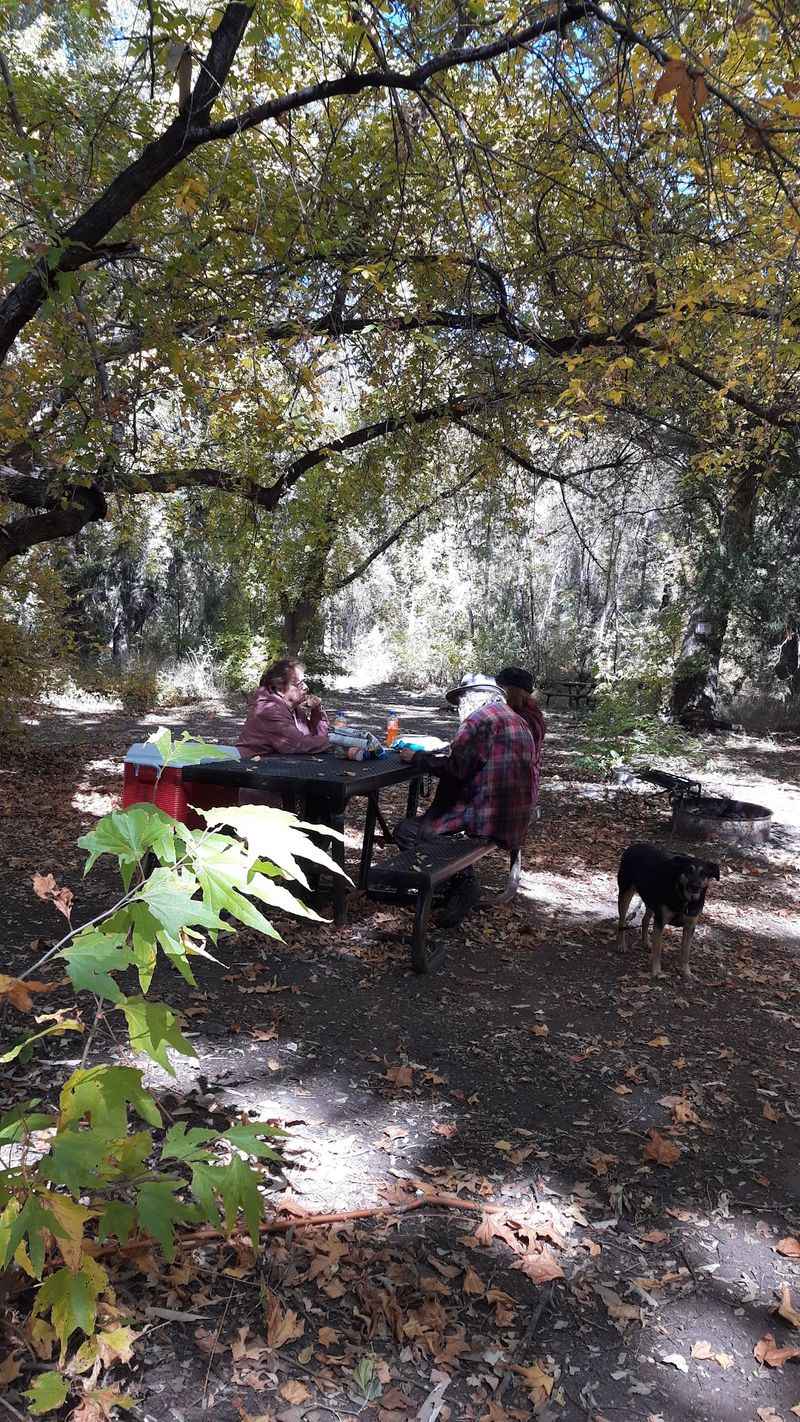
The creek turned out to be the star of my whole trip. Eagle Creek offers fishing right beside camp, and nearby waters like the Black River and Tonto Creek give anglers even more room to cast.
My favorite discovery came upstream from the water crossings, where crawfish scuttle around in the shallows. Watching them dart under rocks kept me entertained for ages.
Wildlife viewing is easy here since the area stays so quiet and undisturbed. I spotted birds flitting through the trees and caught glimpses of animals moving along the banks at dusk.
Bird watchers should pack binoculars, because the mix of trees attracts plenty of feathered visitors. I kept a small notebook and jotted down every new species I noticed.
Remember that livestock roam nearby too, so give any animals space and never feed them. Between the fishing line, the crawfish, and the constant chirping overhead, I never once reached for my phone. Nature put on a nonstop show completely free of charge.
Starry Skies And Peaceful Nights
Once the sun dipped behind the trees, the real magic began. With zero cell service and no city glow for miles, the night sky exploded with more stars than I could count.
I laid a blanket on the ground and stared upward for what felt like hours. The Milky Way stretched clear across the darkness, and shooting stars showed up like tiny surprises.
Stargazing here is some of the best I have ever enjoyed, thanks to the high elevation and remote location. I brought a star chart app I had downloaded earlier, since there was no signal to load anything new.
The nights get cool at 5,440 feet, so I bundled up in warm layers and a heavy sleeping bag. That crisp air actually made the stars look even sharper.
Falling asleep to the creek’s murmur under a glittering sky felt like a reward for all that effort getting here. If you love dark skies, this campground delivers them in stunning fashion.
Picking The Right Season To Visit
Timing matters a lot at a spot this rugged, and I learned that quickly. Some sources list the season as May through September, while the Apache-Sitgreaves National Forests site says it stays open year-round.
The catch is that rough roads and water crossings can make access tricky no matter what the calendar claims. Thanks to the higher elevation, this campground stays cooler than the lowland deserts during Arizona’s hot summer stretch.
July and August bring peak crowds along with afternoon monsoon storms, so I kept a close eye on the weather. Those sudden rains can swell the creek crossings fast, which is a real safety concern.
Spring and fall gave me the mildest temperatures and the calmest driving conditions overall. I would happily return in autumn when the leaves turn and the air feels crisp.
Whenever you choose to go, check current road and weather reports first. A little planning around the seasons made my visit smooth, safe, and truly memorable in the best way.
The Rich History Behind The Name
Ever wonder how a campground this remote got such a sweet name? Local stories say a Forest Service ranger once brought his new bride here to spend their honeymoon, and the name simply stuck through the years.
Whether every detail is true or not, it adds a layer of charm you can feel while walking the grounds. Old-timers who do remember the place often share these tales with a grin.
Knowing the backstory made my stay feel special, like I was part of something older than myself. Take a moment to imagine the couples and rangers who came before you.
The name gives the campground a little personality before you even pitch a tent. I like stories like this because they make remote places feel less anonymous. It is easy to picture early Forest Service workers stopping here when the roads were rougher and the area felt even farther away.
The creek, trees, and quiet setting probably looked much the same to them. Even if the story has picked up a few extra details over time, that only makes it more fun to retell.
By the end of your stay, you may find yourself sharing it with the next curious camper.