
This Arizona Canyon Is Home To 14 Hummingbird Species You Can See Up Close
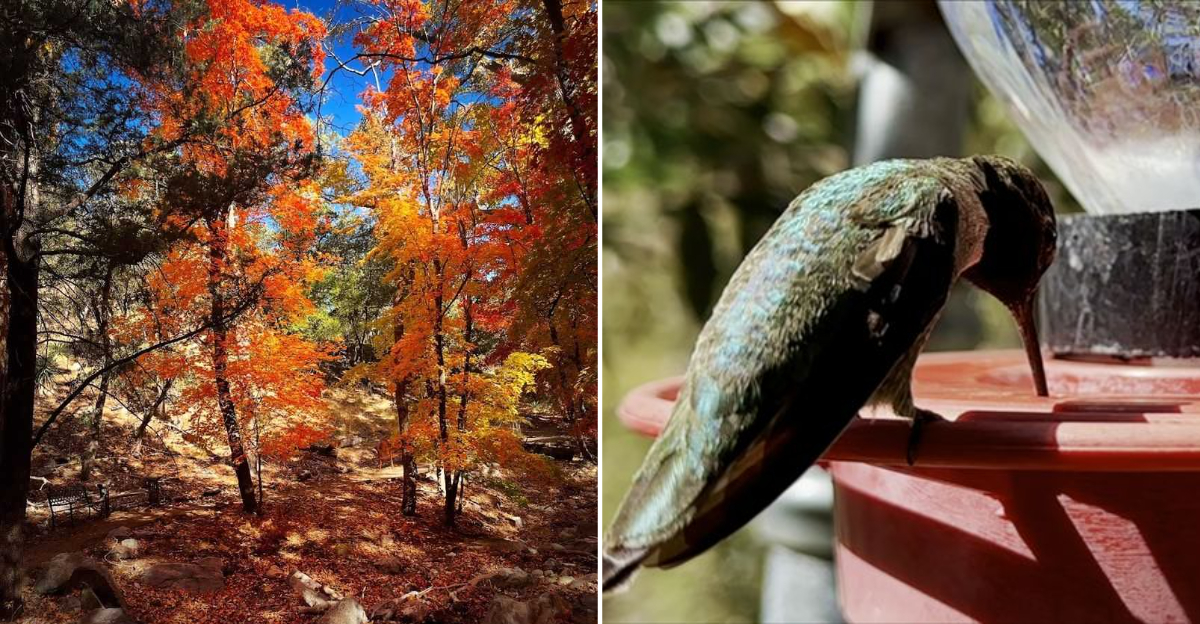
People travel the world chasing whale sharks and mountain gorillas, but I’ll take a hummingbird any day-especially when there are fourteen different varieties living in one jaw-dropping stretch of Arizona canyon.
My obsession started innocently enough, but now I’ve memorized flight patterns, identified favorite perches, and developed what my friends generously call “a concerning knowledge” of iridescent plumage. What makes this place extraordinary isn’t just the sheer number of species, though that alone would be enough to write home about.
It’s the sheer audacity of these tiny creatures, weighing less than a penny, performing aerial dogfights with the confidence of creatures ten times their size.
Every visit brings new drama: territorial disputes, courtship dives, and the occasional bold hummer who lands on an offered feeder like royalty accepting a tribute.
This canyon, managed by The Nature Conservancy and recognized as a National Natural Landmark, earns its reputation as the hummingbird capital of the United States without any argument.
The Hummingbirds Are The Headliners, And They Know It
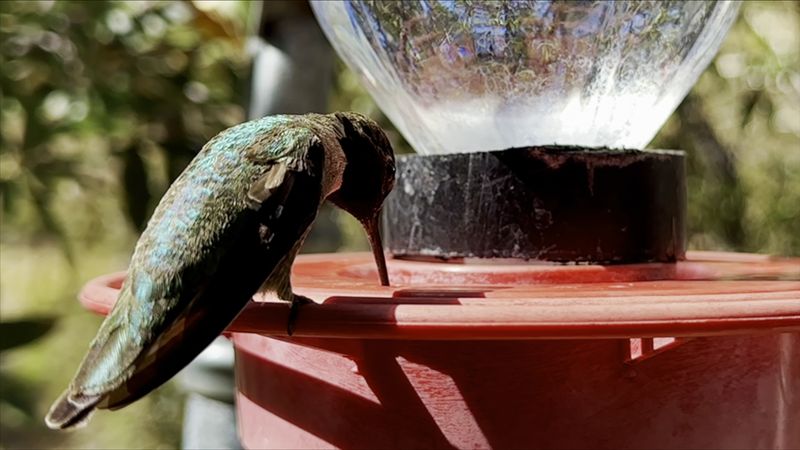
Let’s be honest. Most people come here hoping to see hummingbirds. Ramsey Canyon is famous for them, and the title is not exaggerating.
The preserve and surrounding canyon area are widely known for attracting an impressive variety of hummingbirds, with sources noting 14 or more species associated with Ramsey Canyon and its birding scene. The Nature Conservancy also describes the preserve as important habitat for hummingbirds and other birds, including species such as Rivoli’s hummingbirds and Anna’s hummingbirds.
The fun part is how close the experience can feel. You are not just staring at a distant speck and pretending to be impressed. Around the visitor area, there is hummingbird viewing, and the preserve even has a live hummingbird camera because the birds are such a central part of the place.
When one zips past, it feels less like a bird sighting and more like a tiny jeweled interruption. One second the air is empty.
The next second, something metallic and impossible is hovering near you like it owns the canyon.
This Is A Sky Island, Which Explains A Lot
Ramsey Canyon is not special by accident.
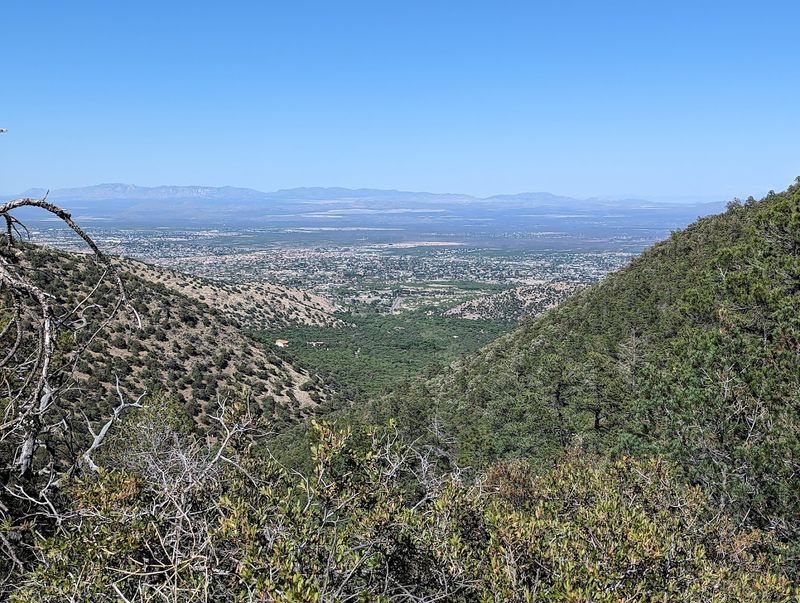
Southeastern Arizona sits at a wild ecological meeting point, where the Sierra Madre of Mexico, the Rocky Mountains, and the Sonoran and Chihuahuan deserts all come together. The Huachuca Mountains rise sharply out of the surrounding grasslands, creating what are often called sky islands, mountain habitats that act like stepping stones between very different worlds.
That is why a single canyon can feel so full of life.
In one area, you get water-loving plants like sycamores, maples, and columbines along Ramsey Creek. Not far away, you can still see desert plants like cacti, yucca, and agaves. The preserve area includes habitats ranging from semi-desert grassland to pine-fir forest, which is a huge reason the wildlife variety feels so rich.
Walking here feels like nature kept changing its mind in the best possible way. A little shade.
A little desert. A little mountain forest.
A little creekside magic.
The Trail Is Shady, But It Still Has A Bit Of Drama
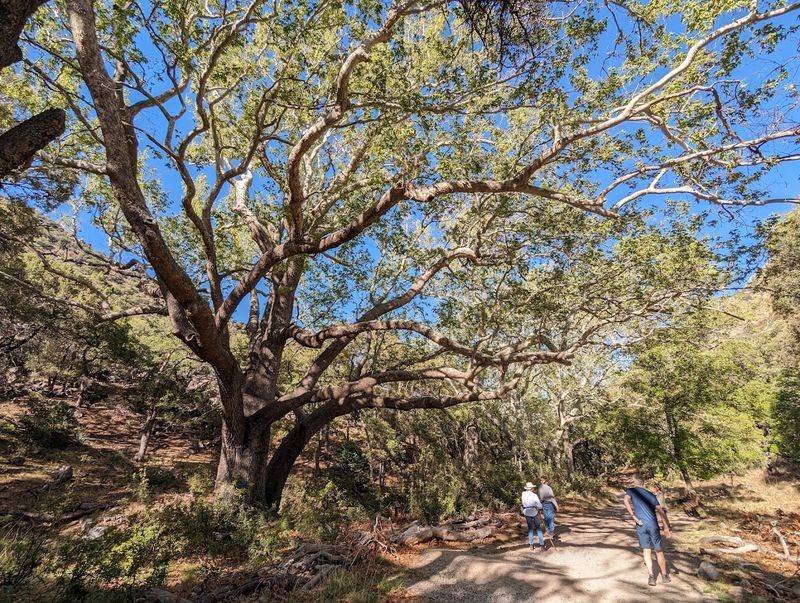
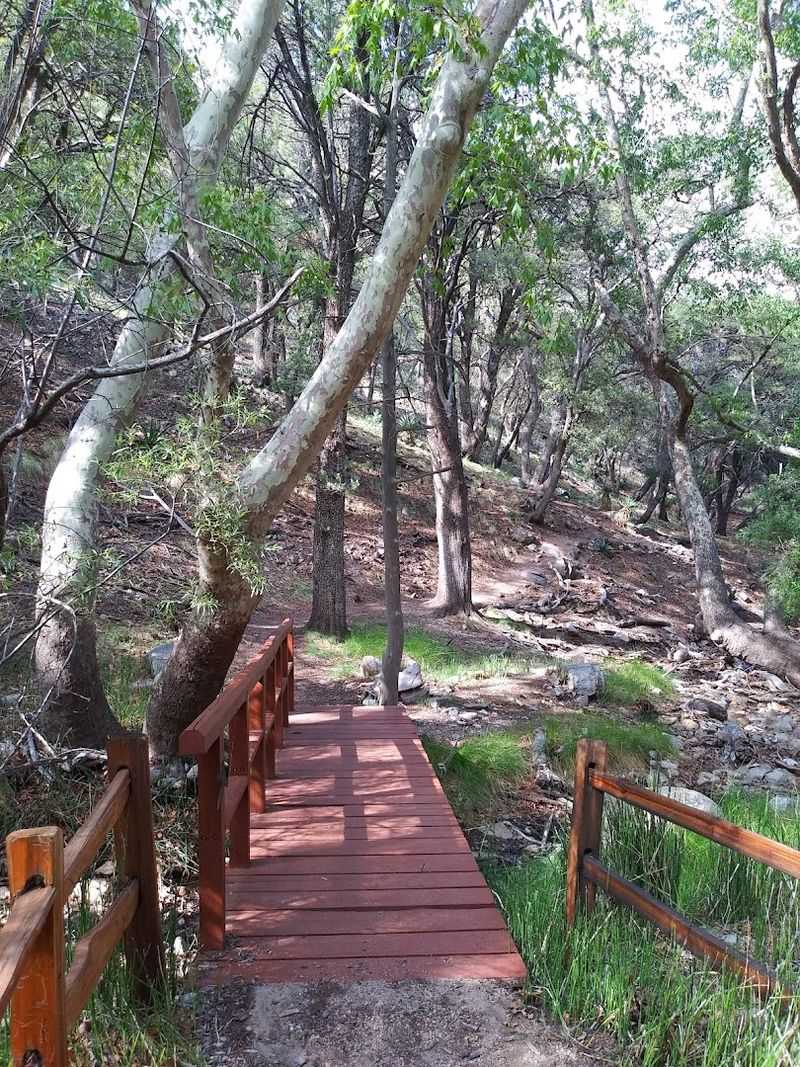
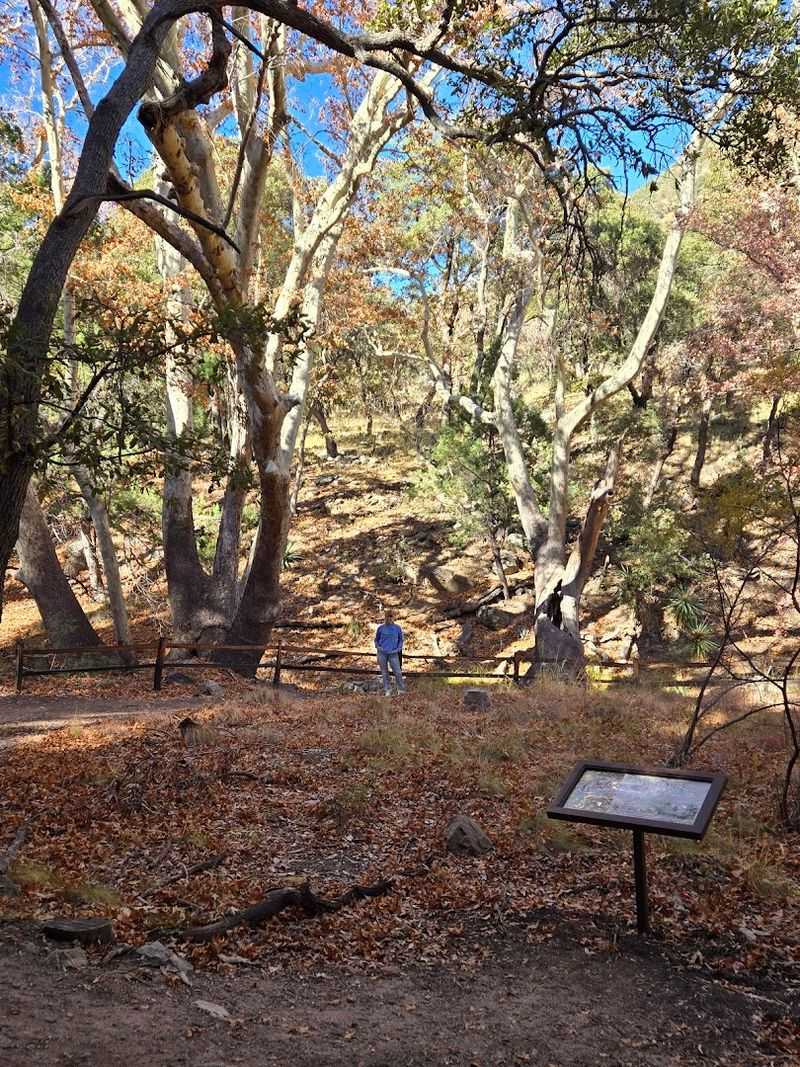
The main route through the preserve is the Hamburg Trail, and it starts out in a way that feels friendly rather than intimidating.
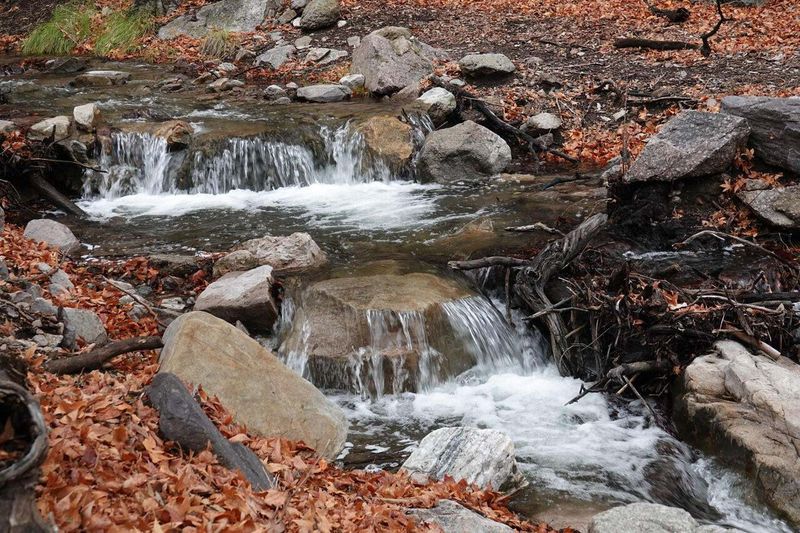
The trail parallels Ramsey Creek through the preserve, giving visitors a chance to experience the canyon’s wildlife and habitat up close.
From there, it eventually climbs about 500 feet in a half-mile series of steep switchbacks to a scenic overlook in the Coronado National Forest, about one mile from the preserve headquarters. Beyond that, the trail continues toward the Miller Peak Wilderness Area and connects with other trails.
So yes, you can keep things easy. You can linger near the lower canyon, enjoy the shade, watch for birds, and call that a perfectly wonderful visit.
But if you keep going, the canyon makes you work a little. The switchbacks add that “okay, I am hiking now” moment, and the reward is a broader view of the landscape that helps you understand why this place has such a loyal following.
It is not a huge, showy attraction. It is better than that.
It sneaks up on you.
The Canyon Has More Characters Than Just Hummingbirds
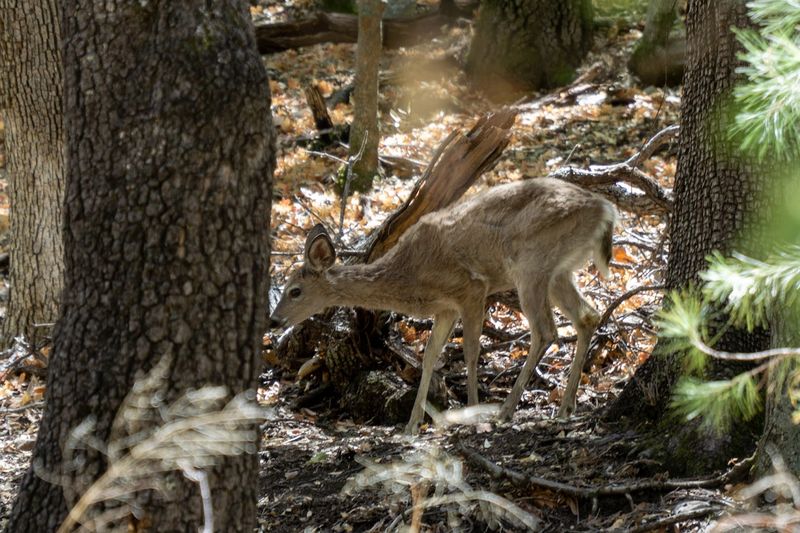
The hummingbirds get top billing, but Ramsey Canyon is not a one-bird show.
The Nature Conservancy highlights a long list of wildlife and regional specialties tied to this preserve, including elegant trogon, ridge-nosed rattlesnake, lesser long-nosed bat, Apache and Chihuahua pines, and multiple hummingbird species.
The preserve’s photo information also notes wildlife such as coatis, butterflies, Chiricahua leopard frogs, and creekside life.
That is what makes the place feel so alive. You come in thinking about hummingbirds, but then every rustle matters.
A deer might appear quietly in the trees. A lizard may flick across a warm patch of ground. A butterfly might make you stop mid-sentence.
And somewhere above you, bird calls bounce around the canyon walls like the whole place is quietly talking to itself.
Spring And Late Summer Feel Like Prime Time
If you are planning around birds, timing matters.
The Nature Conservancy says the best months for birding at Ramsey Canyon Preserve are April through September. Spring is usually cool and dry, early summer is generally dry and warm, and July and August can bring brief afternoon rainstorms.
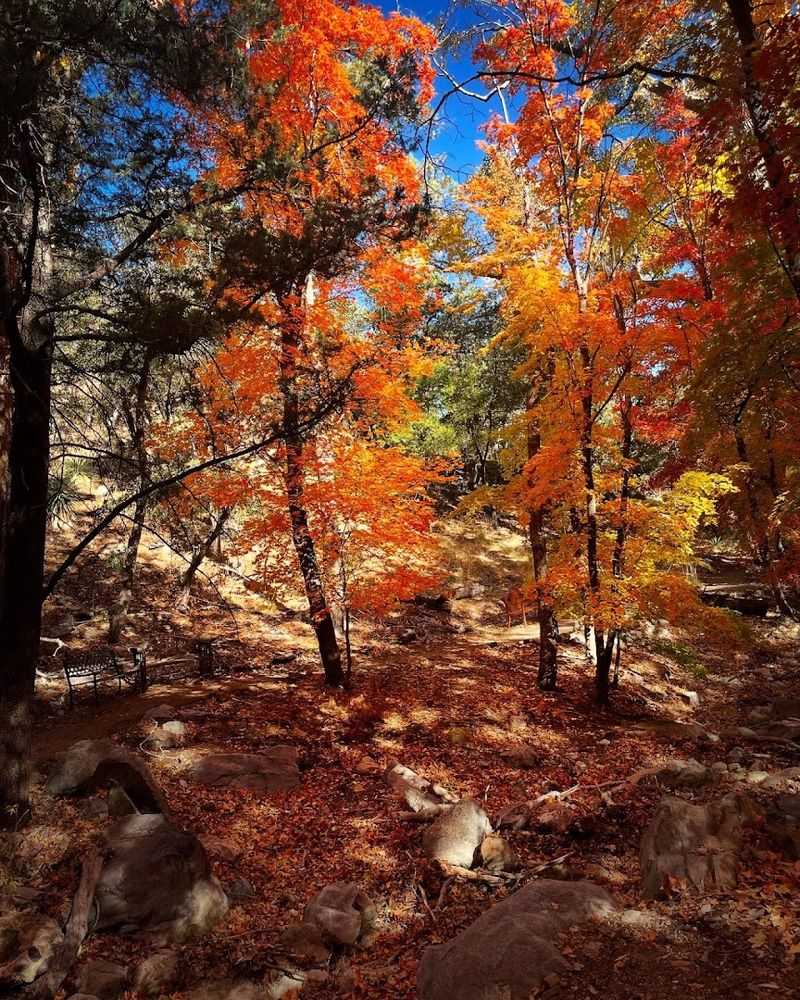
Fall days tend to be cool and bright, while occasional snow can change the look of the canyon from late November through late March.
That April-through-September window is the sweet spot for many bird lovers, especially if hummingbirds are the main reason you are going.
Still, I would not treat Ramsey Canyon like a place that only works during one narrow season. The preserve is open year-round, though hours change by season, and the canyon’s mood changes with the weather.
In spring, it feels fresh and alert. In summer, it feels busy and buzzing
Costa’s Hummingbird
Costa’s Hummingbird looks like it arrived wearing a royal purple cape, and it carries that regal energy with every hover and dart. The male sports a deep violet crown and gorget that flares out dramatically at the sides, creating a look that is hard to forget once you have seen it in good light.
This species is more commonly associated with the Sonoran Desert lowlands, which makes its appearances at Ramsey Canyon a pleasant surprise for visitors expecting only the canyon’s more typical mountain species.
Costa’s tends to show up earlier in the season than many other hummingbirds, sometimes arriving while the desert below is still blooming in late winter or early spring.
I found watching a male Costa’s perform his courtship dive particularly memorable. He climbs high, then plunges in a tight U-shaped arc while producing a shrill, looping whistle at the bottom of the dive.
The whole performance lasts only seconds but feels like a tiny aerial acrobatics show put on specifically for anyone paying attention.
Rivoli’s Hummingbird
Formerly known as the Magnificent Hummingbird, Rivoli’s Hummingbird lives up to that old name every single time it appears at a feeder. This is one of the largest hummingbirds found in the United States, and its combination of a deep purple crown and a brilliant emerald-green throat makes it one of the most visually dramatic species in the canyon.
Rivoli’s Hummingbirds prefer high-elevation habitats in mountain canyons, which makes Ramsey Canyon an ideal address for them during the warmer months. The species was renamed in 2017 to honor Victor Massena, the Duke of Rivoli, a 19th-century naturalist who had a passion for collecting bird specimens.
Watching a Rivoli’s claim a feeder perch and then hold it with calm authority is quite different from watching the frantic energy of smaller hummingbird species. There is something almost unhurried about the way this bird operates, as if it knows its size commands respect. Its low-pitched call is also noticeably different from the higher squeaks of its smaller neighbors at the preserve.
Go Early, Bring Binoculars, And Do Not Count On Extra Parking
This is one of those places where a little planning makes the visit much smoother.
The preserve’s parking is limited to 27 spaces, and spaces are first-come, first-served. There is also no parking along the road below the preserve, so arriving early is not just nice, it is practical.
The visitor center has parking, restrooms, interpretive exhibits, and hummingbird viewing, which makes it a good place to slow down before walking farther into the canyon. As for what to bring, keep it simple but smart: sturdy shoes, a hat, sunscreen, binoculars, and plenty of water are all recommended by the preserve.
Pets are not allowed in the preserve, though service animals are permitted, and visitors are asked not to smoke, camp, collect, feed wildlife, use drones, or bring bicycles and motorized vehicles into the preserve.
Basically, Ramsey Canyon is not the place for a noisy, rushed outing. It is the place for patience.
The canyon rewards people who stand still.
It Feels Less Like Checking Off A Stop And More Like Borrowing The Canyon For A While
What I like most about Ramsey Canyon Preserve is that it does not feel manufactured.
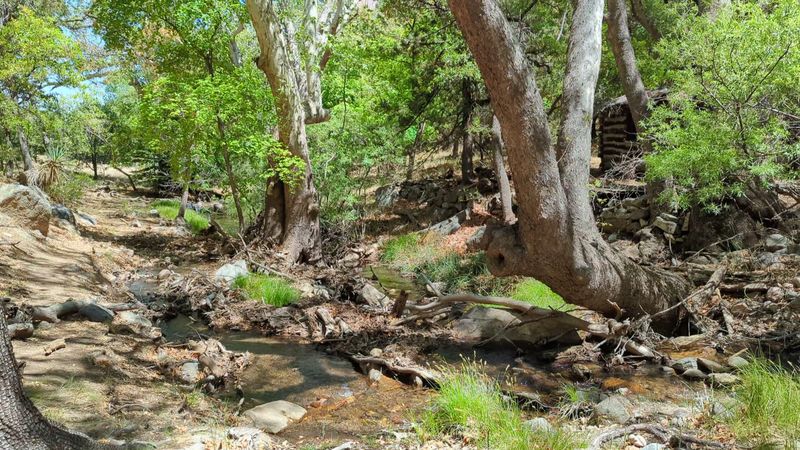
Nothing about it screams for attention. The beauty is quieter than that. It is in the coolness under the trees, the quick shimmer of a hummingbird, the soft sound of Ramsey Creek, and the weird little thrill of realizing desert plants and water-loving greenery are sharing the same space.
The preserve is operated by The Nature Conservancy, and it also serves as a base for broader conservation work in the region, including efforts connected to fire management, stream restoration, rare species protection, and work with regional partners.
That gives the whole visit a deeper feeling. You are not just walking through a pretty canyon. You are stepping into a protected pocket of southeastern Arizona where water, mountains, migration routes, and careful conservation all come together.
And then, just when you start getting a little too thoughtful about it, a hummingbird darts past your face like a tiny flying emerald with somewhere very important to be.
That is Ramsey Canyon. Peaceful, but never boring. Quiet, but absolutely full of movement.