
This Arizona Canyon Trail Leads To A Hidden Riverside Oasis Most Visitors Never See
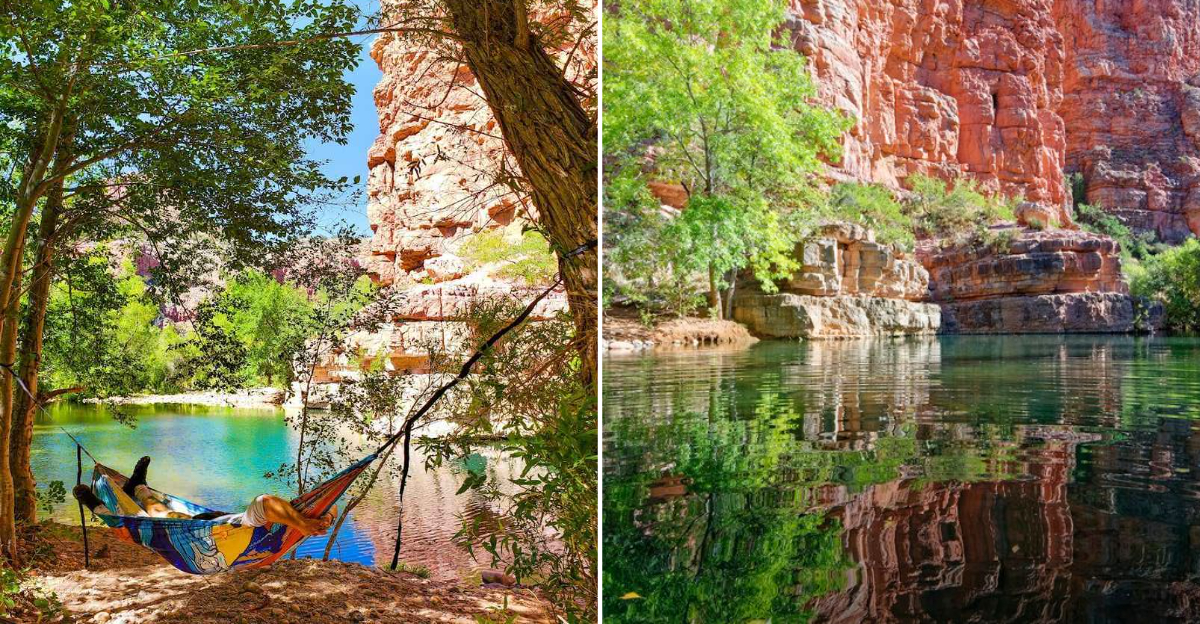
Getting out of bed at dawn is usually a crime, but today it felt like a tactical necessity. The goal was to reach the river before the afternoon heat turned me into a human raisin. The trail tested my patience with endless switchbacks, but the scenery was a masterclass in dramatic textures and colors.
Suddenly, the dry landscape vanished, replaced by a lush corridor of greenery that felt lifted from a dream.
It is truly wild how Arizona plays a master trick on your senses, hiding a cool, emerald sanctuary deep within a landscape of scorched earth. I sat by the bank, dipped my toes in the icy flow, and sighed in pure relief.
It’s a secret spot I’m tempted to keep for myself, but the beauty is just too good.
The Road Less Traveled
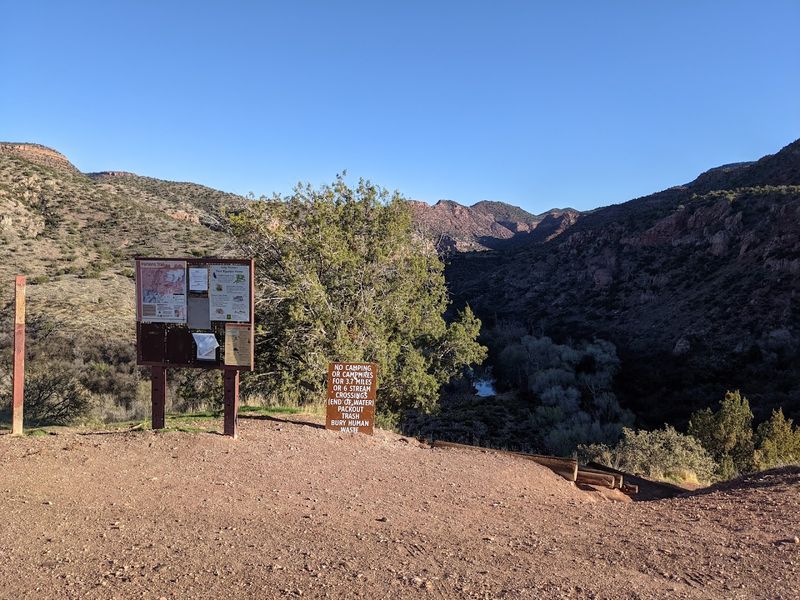
Before your boots ever touch the trail, the adventure starts on Forest Road 131, also known as Sycamore Canyon Road. This unpaved route is the only way to reach Parsons Trailhead, and it pulls no punches.
The final mile is notoriously rocky, with loose stones and uneven terrain that will make any low-clearance sedan regret the journey.
A high-clearance vehicle is strongly recommended, and many hikers suggest checking road conditions after heavy rain or winter storms before heading out. The trailhead sits near the towns of Cottonwood and Clarkdale, roughly 76 miles south of Flagstaff.
There is no fee station and no paved parking lot, just a simple trailhead sign and a dirt lot that fills up fast on weekends.
Getting here early not only secures your parking spot but also means cooler temperatures for the hike ahead. Pack extra water, double-check your spare tire, and enjoy the drive because the scenery along the road is already pretty spectacular.
The Steep Drop Into Sycamore Canyon
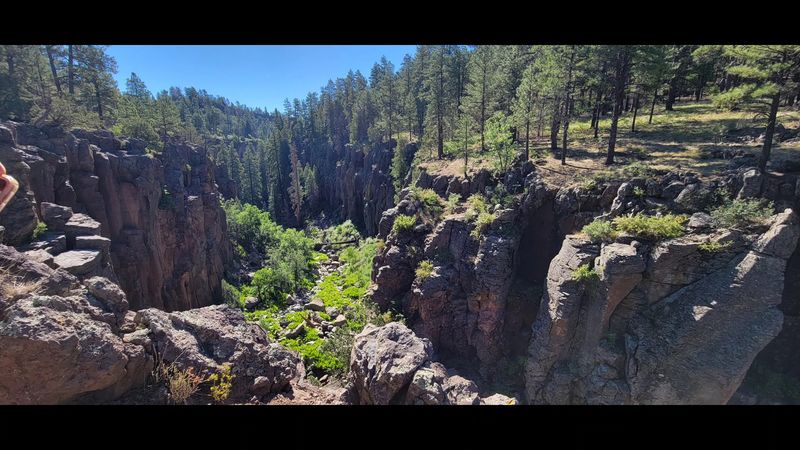
Stepping onto Parsons Trail #144, the first thing you notice is the drop. Within the opening stretch, the trail descends roughly 180 to 200 feet down to the canyon floor, and the path is steep enough to make your knees feel every single step on the way back up.
Trekking poles are not a bad idea here. Once you reach the bottom, though, the trail levels out almost entirely, and the hard part is essentially over.
The canyon floor opens up around you, and the walls rise dramatically on both sides, displaying a fascinating mix of dark columnar basalt, buff-colored limestone, and rich red sandstone layered together like a geological history book.
That initial descent is also a kind of natural filter, discouraging casual visitors who are not prepared for a real hike. The result is a canyon that feels refreshingly uncrowded compared to the busy trailheads in nearby Sedona. Once you are down there, the quiet is almost startling.
Crossing Sycamore Creek Multiple Times
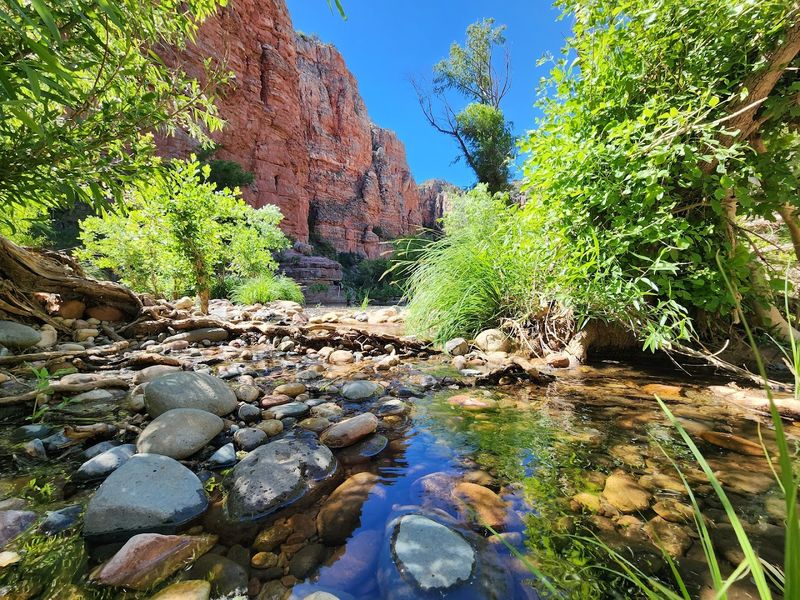
One of the most distinctive features of hiking Parsons Trail is the creek crossings. You will ford Sycamore Creek around five to six times along the 3.3 to 4 mile route to Parsons Spring, and each crossing has its own personality.
Some are easy rock-hops, others require a bit of balance and careful footing. Cairns typically mark the crossing points, but floods can sweep them away, so paying attention to the general trail direction is smart.
Waterproof hiking shoes or sandals with good grip make the experience far more comfortable than regular trail runners that will stay soggy for miles.
Trekking poles help here too, especially if water levels are higher after monsoon rains or spring snowmelt. These crossings are not just obstacles, they are actually highlights of the hike.
The sound of moving water, the cool splash on a warm day, and the way the creek reflects the canyon walls above make each crossing feel like a small reward. You earn the oasis one step at a time.
The Riparian Canopy That Feels Like Another World
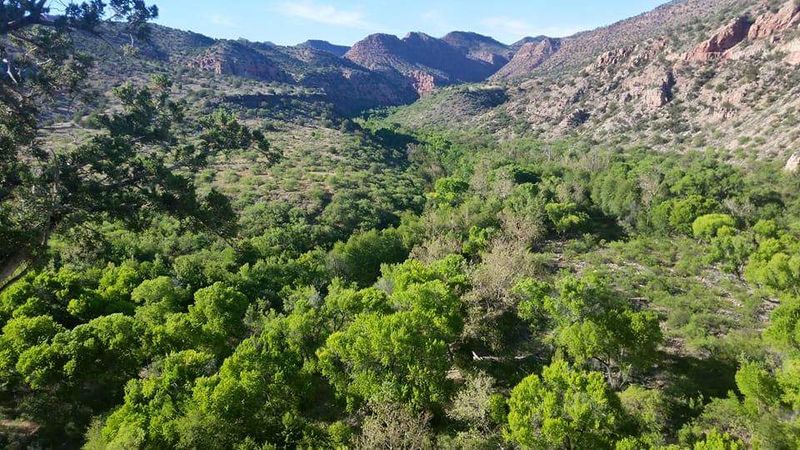
Walking through the canyon, you quickly realize this is not your average dry Arizona desert hike.
The riparian environment along Sycamore Creek is genuinely lush, with towering cottonwoods and sycamore trees forming a leafy canopy overhead that blocks the sun and drops the temperature noticeably.
Arizona walnut, willow, ash, and mesquite fill in the understory. The Sycamore Canyon Wilderness was established in 1935, making it one of Arizona’s oldest designated wilderness areas.
That long-standing protection has allowed the vegetation to thrive undisturbed, and the result is a corridor of greenery that feels wildly out of place in the surrounding high desert landscape.
Extra springs seep out from the canyon walls in places, creating small hanging gardens of columbine and watercress that cling to the rock.
The contrast between the stone walls above and the soft green below is one of those details that stays with you long after the hike is over. This place has a mood that photographs struggle to fully capture.
Wildlife That Calls This Canyon Home
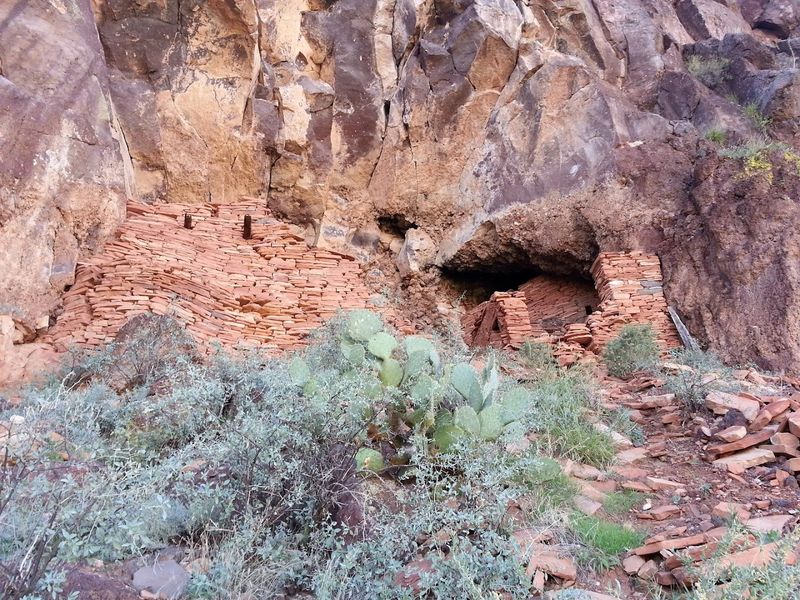
Sycamore Canyon is not just a pretty walk. It is a functioning wilderness ecosystem, and the wildlife list reads like a highlights reel of the American Southwest.
Golden eagles soar above the canyon rim, great blue herons stand motionless along the creek banks, and black bears, mountain lions, and bobcats all move through the area, though most hikers will never spot them.
Badgers also inhabit the canyon, and the perennial water source from Sycamore Creek makes this a year-round haven for animals that struggle to find reliable water elsewhere in the region.
Birdwatchers in particular tend to love this trail, since the riparian corridor attracts species that would never appear in the open desert nearby. Seeing wildlife is never guaranteed, and that is part of the appeal.
The canyon keeps its secrets well. Moving quietly, avoiding loud music, and keeping dogs leashed as required all improve your chances of catching a glimpse of something truly memorable along the way.
Parsons Spring And The Hidden Swimming Pool
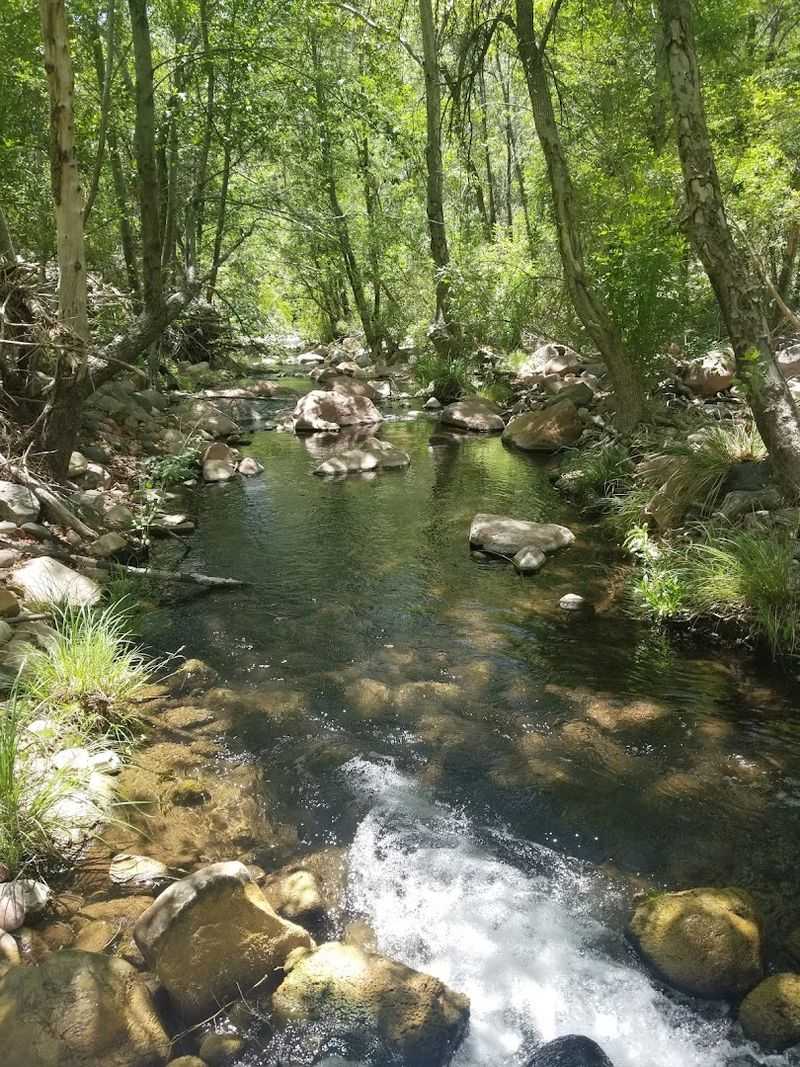
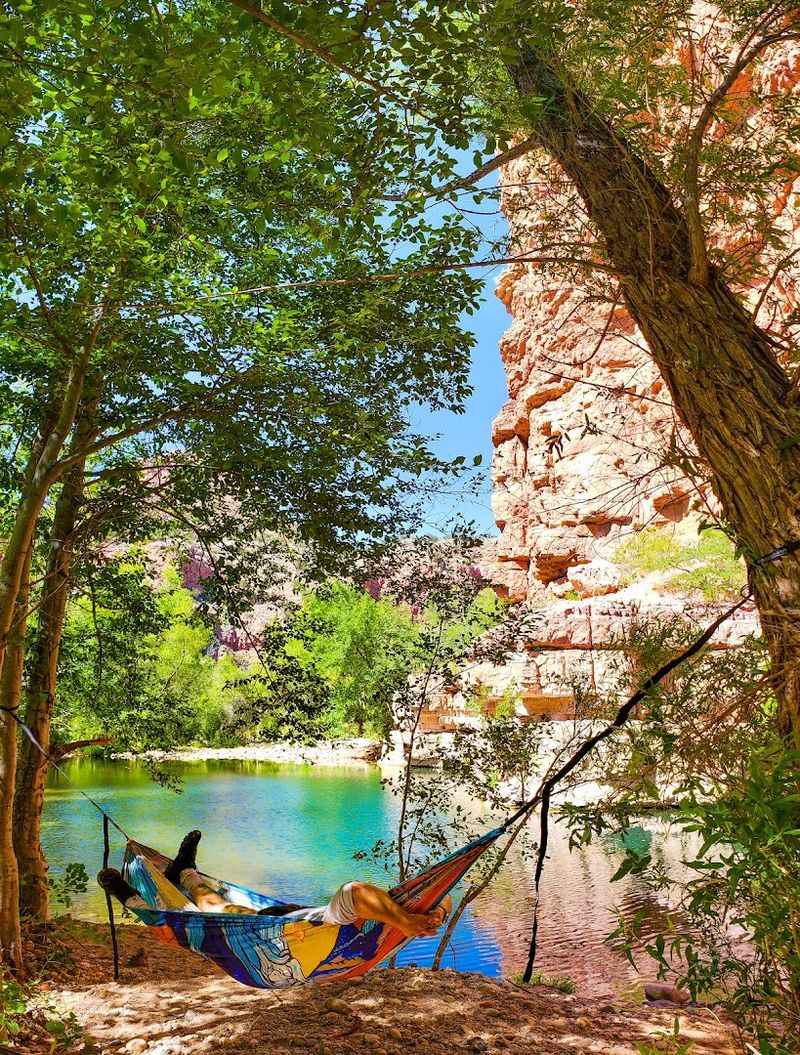
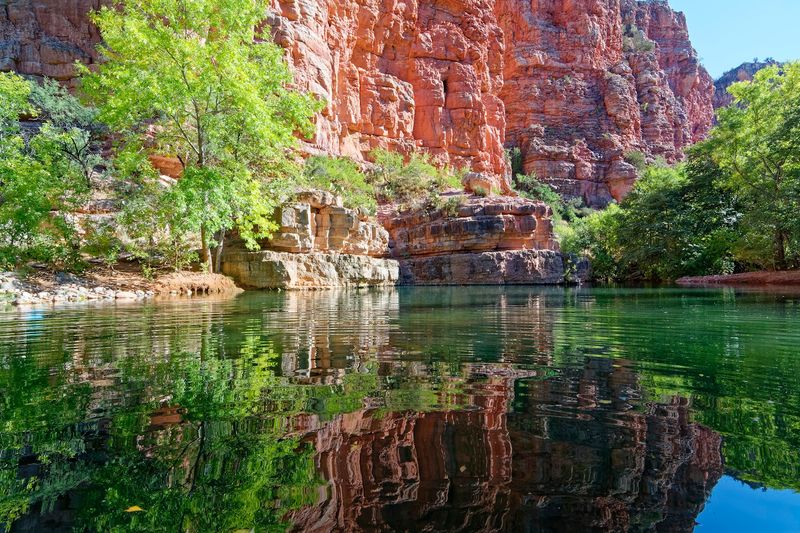
After roughly 3.3 to 4 miles of hiking, the canyon delivers its big payoff. Parsons Spring emerges from the rock and pumps an astonishing 5,000-plus gallons of water per minute into a wide, clear pool that sits at the foot of towering canyon walls.
On a hot Arizona afternoon, that first glimpse of blue-green water is genuinely breathtaking.
The pool is a popular swimming spot, and for good reason. The water is cool and refreshing, the surrounding vegetation provides shade, and the canyon walls create a sense of total seclusion.
Most visitors to Arizona never make it here because the access road, the distance, and the creek crossings quietly filter out anyone who is not fully committed. Upstream from the spring, water flow is typically seasonal, fed by snowmelt and summer monsoons.
But right at the spring itself, the water is consistent and reliable year-round. Camping is allowed 200 feet north of the spring, making this a genuinely rewarding overnight destination for backpackers who want the pool all to themselves at sunrise.
Best Times To Visit And Practical Tips
Spring and fall are the sweet spots for hiking Parsons Trail. Temperatures are comfortable, the creek is often flowing well, and the canyon vegetation is at its most vibrant.
Summer hiking is possible thanks to the shade and swimming opportunities, but afternoon temperatures can still climb high enough to be draining, so starting before 7 a.m. is wise.
Winter visits can be magical when the canyon is quiet and the light is low and golden, but cold water crossings and the possibility of ice on the steep descent require extra caution.
The round trip covers approximately 7.4 to 8 miles and takes most hikers around five hours, so budgeting a full day is the safest approach.
Dogs are welcome on the trail but must stay on a leash throughout. Bicycles and mechanized vehicles are prohibited in the wilderness area. Bring more water than you think you need, wear sun protection for the exposed sections, and pack a snack for the spring.
The canyon has a way of making you want to linger.
Gear That Makes Or Breaks The Trip
Showing up underprepared at Parsons Trailhead is a mistake you will only make once. The trail demands respect, and your gear list should reflect that.
Water is the single most important thing to pack – plan on at least three to four liters per person, especially during warmer months when temperatures climb fast inside the canyon. Sturdy water shoes or trail runners work better than traditional hiking boots because of the creek crossings.
Trekking poles help with balance on slippery rocks. Sunscreen, a hat, and a lightweight snack like trail mix or energy bars round out the essentials. Pack smart, hike happy.
A dry bag is also a smart addition, especially if you are carrying a phone, camera, keys, or anything else that does not appreciate surprise creek drama.
Download your map before you go, because canyon service can be unreliable and confidence disappears quickly when your phone decides to become a decorative rectangle.
A small first-aid kit is worth the space, since wet rocks, brushy sections, and tired feet can turn a tiny scrape into an annoying problem. Start earlier than you think you need to, because this is not the trail where you want to race the heat, the light, or your own questionable time management.