
This Arizona Desert Monastery’s Ornate Chapels Feel A World Away From Everyday Life
Golden domes are about the last thing you expect to spot rising out of the Sonoran Desert scrub in Arizona. Yet down a quiet desert road, a community of monks has built a place of chapels, fountains, and orange trees that feels like a corner of Greece.
Entry and parking are free, and the calm you find there costs nothing at all. It is the kind of easy day trip that sticks with you long after the drive home.
A Greek Monastery in the Sonoran Desert
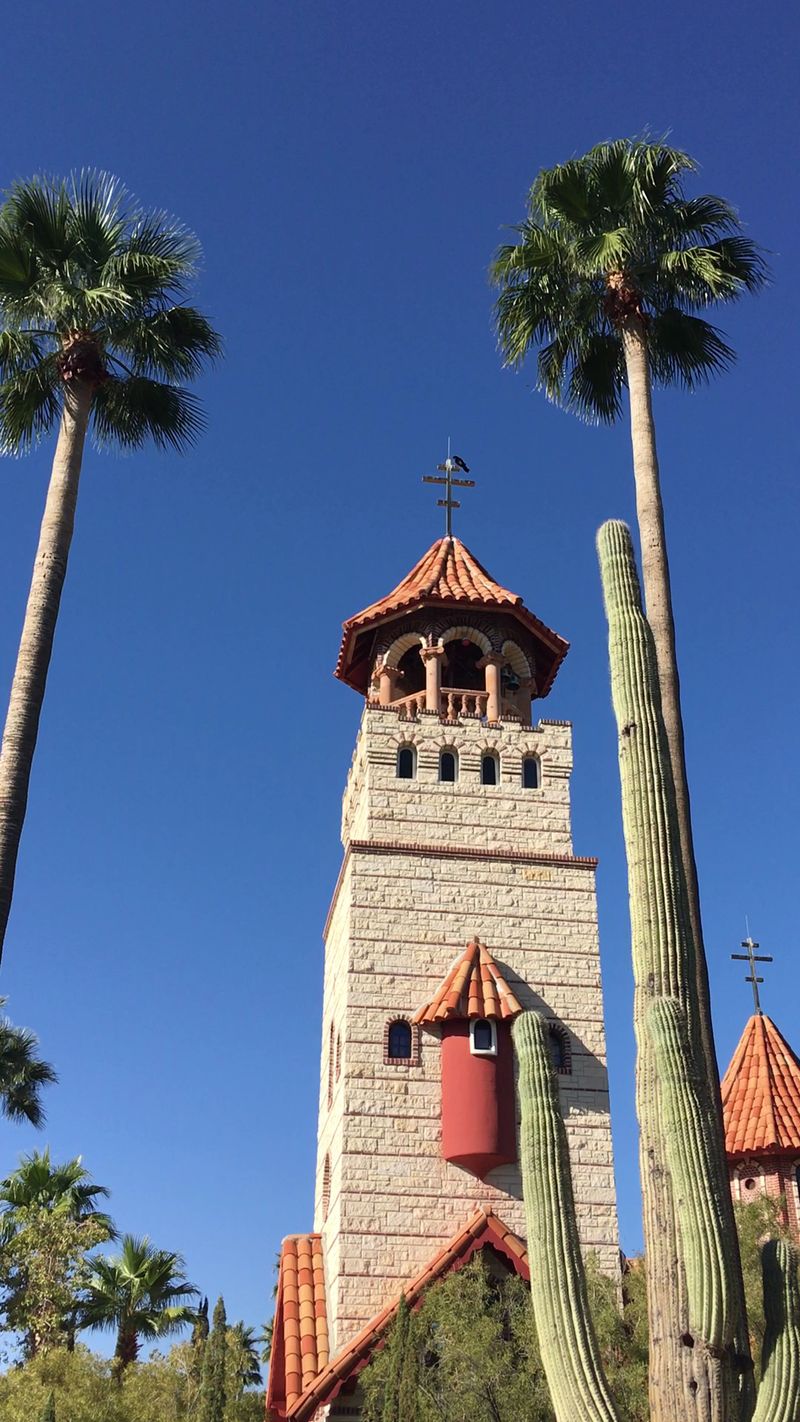
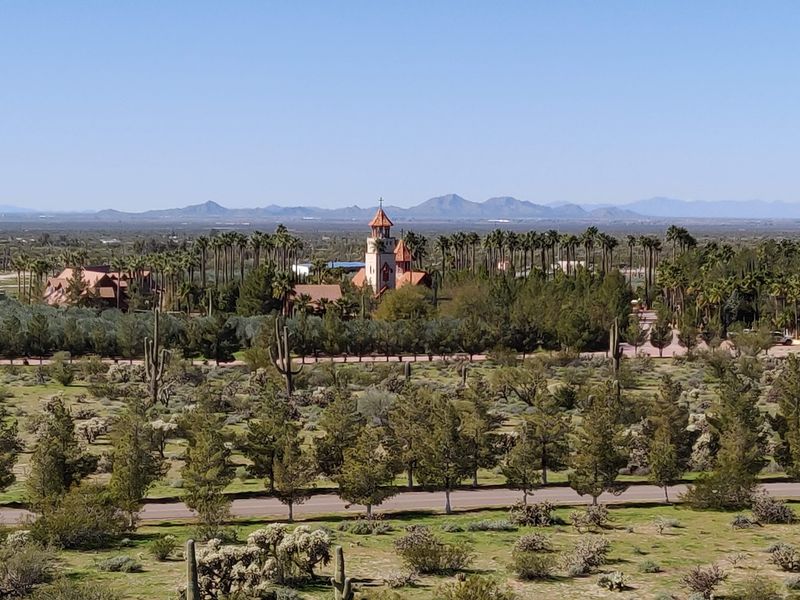
Out in the open desert between Phoenix and Tucson, Saint Anthony’s Greek Orthodox Monastery sits on a quiet stretch of land near Florence, Arizona. The address is 4784 N St Joseph’s Way, and the first glimpse of its domes and palms tends to make drivers slow down for a second look.
It is an active Orthodox Christian monastery, home to monks who live, work, and pray together each day. Visitors in modest clothing are welcome to tour the grounds, step inside the churches, and even attend services.
Overnight stays are also offered for those who want a longer retreat.
What makes it so surprising is the contrast. One minute you are passing creosote and saguaro country, and the next you are standing among fountains, citrus trees, and chapels topped with blue, white, and gold.
Many people stumble on it by chance while driving past and end up adding it to their must-see list.
Faith is the heart of the place, but you do not need to be Orthodox to appreciate it. Plenty of guests, believers or not, describe the visit as calming and comforting.
It is one of those Arizona finds that feels far bigger than its quiet setting suggests.
Elder Ephraim and the Founding Story
Back in 1995, a monk named Elder Ephraim arrived with a big idea. He wanted to bring the ancient traditions of Mount Athos, the famous monastic peninsula in Greece, to the American Southwest.
The spot he chose was dry, sunny, and wide open. Over the following years, that patch of desert grew into what is now described as the largest Orthodox monastic complex in the Western Hemisphere.
That is a remarkable claim for a place many Arizonans have never heard of.
The monastery follows what is called the coenobitic rule. In simple terms, it means the monks share a common life, working, eating, and praying together instead of living alone.
Daily routines are built around worship, with early morning services that begin long before sunrise.
Some visitors recommend reading up on the elder before you go, since his life story adds real depth to the visit. Knowing where the place came from changes how you see each fountain and chapel.
Suddenly the gardens and domes look less like decoration and more like decades of steady, patient work by a dedicated community.
A little background turns a pretty stop into a meaningful one.
Citrus Groves, Olive Trees, and a Desert Oasis
Orange blossoms are the first thing many people notice, especially in spring. The scent drifts across the paths, and it is hard to believe you are still in the Sonoran Desert.
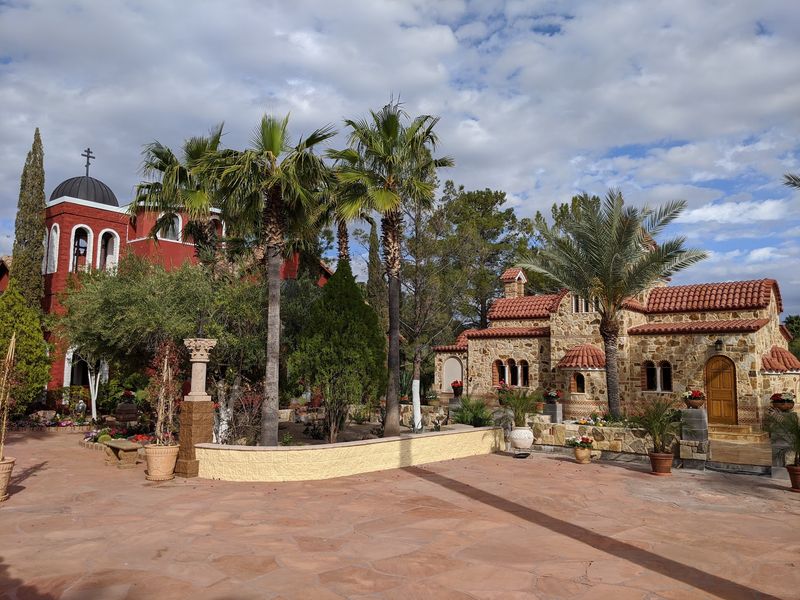
The monks have turned dry ground into a green oasis. Citrus orchards, sprawling olive groves, palm trees, and tidy flower beds line the walkways.
Spanish-style fountains bubble along the routes, adding a soft background sound that makes the whole place feel cooler and calmer.
The gardens are not just for show. The monastery grows much of its own food, including fruits, vegetables, pistachios, and olives pressed into an olive oil that has earned awards.
It is a working landscape that reflects the self-sustaining life the monks lead.
Visitors often say the grounds are beautifully kept, and that care shows in every trimmed hedge and swept path. Wandering here feels a bit like a slow treasure hunt.
Around one corner you might find a gazebo, around the next a quiet bench under shady trees.
A couple of playful resident kittens have even been spotted roaming the grounds, adding a sweet surprise for younger guests. Bring patience and comfortable shoes, because you will want to linger.
The Main Church of Saint Anthony and Saint Nektarios
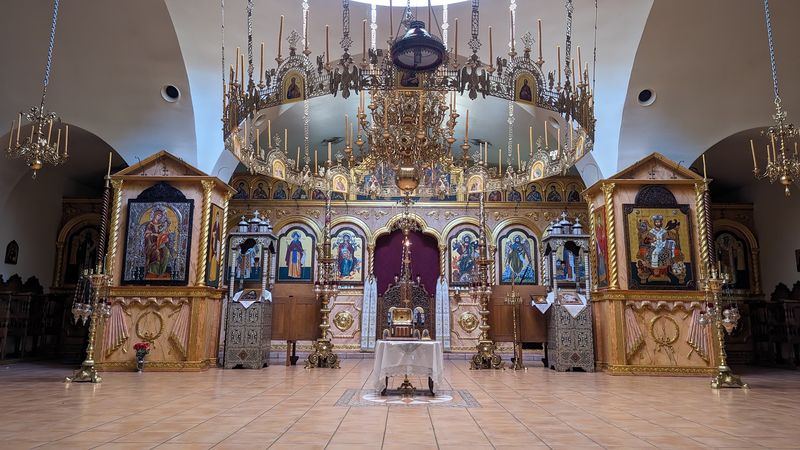
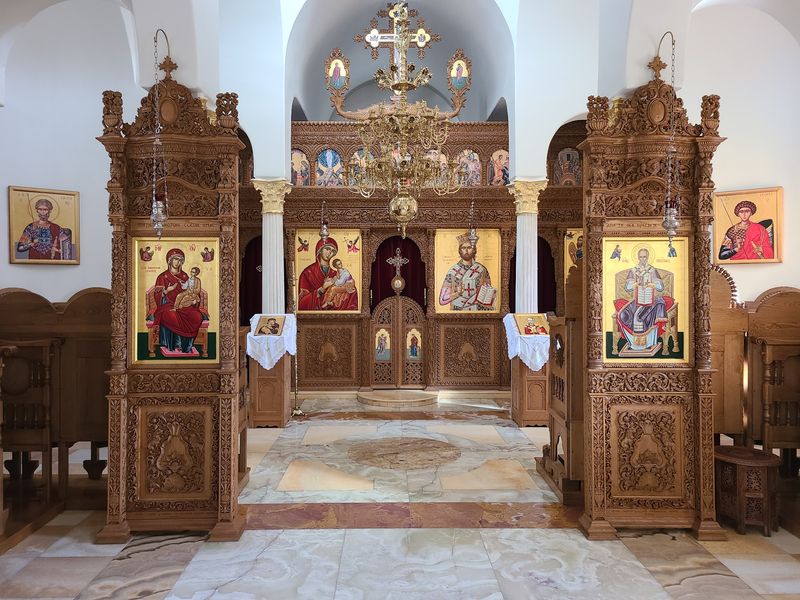
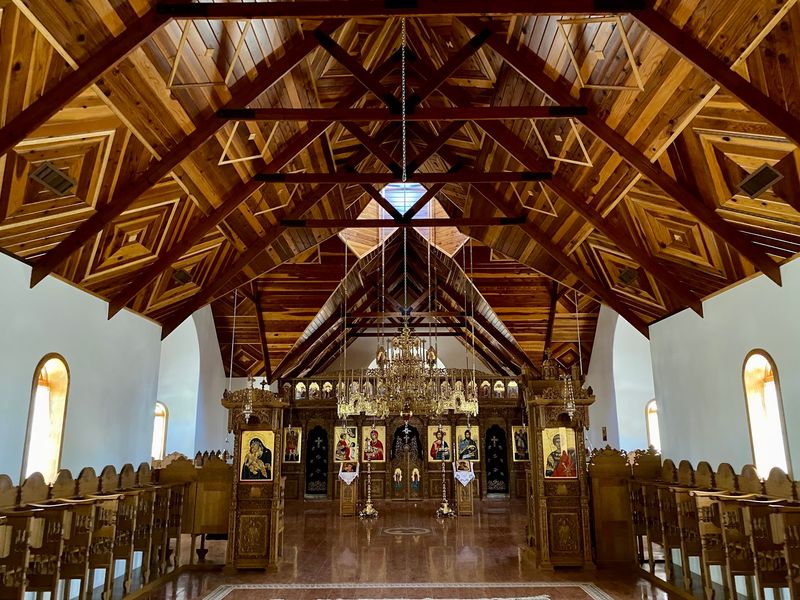
Step through the doors of the main church and your eyes will not know where to land first. Dedicated to Saint Anthony the Great and Saint Nektarios, this grand Byzantine-style building is the centerpiece of the monastery.
Its domed roof rises above the grounds, and inside, the walls glow with detailed iconography. Elaborate chandeliers hang overhead, catching the light and adding a sense of sacred grandeur.
Every surface seems to tell a story about faith and the saints.
One unusual detail stands out right away. Instead of rows of pews, the church has stasidia, tall wooden seats lining the walls.
They are designed so worshippers can stand or rest during long services, which is a tradition carried over from Greek monasteries.
Visitors regularly describe the interiors as jaw-dropping. Even people who have toured big cathedrals elsewhere find themselves going quiet here.
The craftsmanship feels personal, like it was made by hands that truly cared about each brushstroke.
Remember that this is a working church, not a museum. Men should remove hats inside, and speaking softly is expected.
Taking a few slow minutes to simply sit, look up, and breathe is often the best way to experience it.
Blue and White Chapel of the Holy Prophet Elias
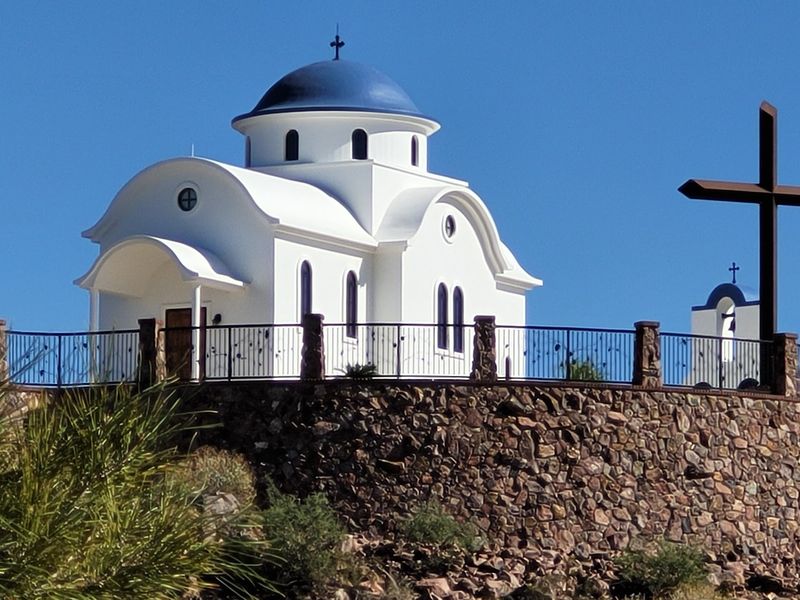
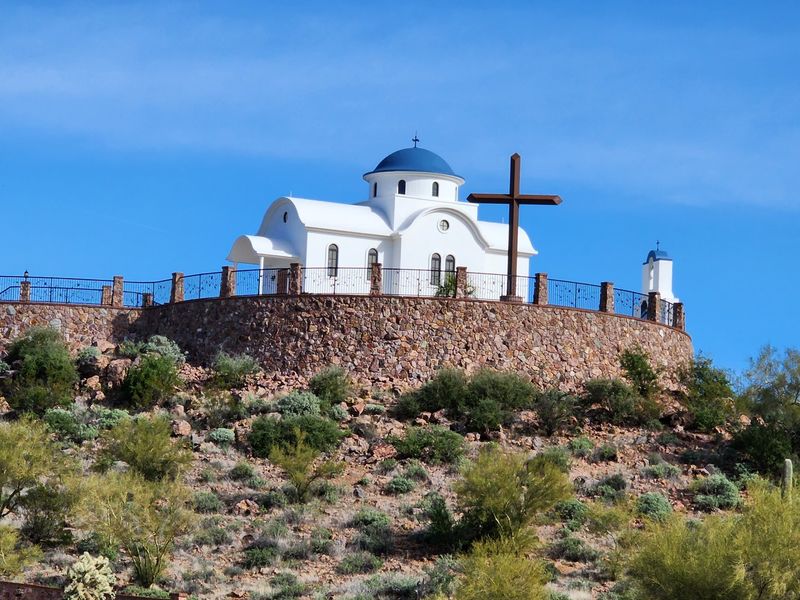
Santorini in the Sonoran Desert? That is the feeling when the Chapel of the Holy Prophet Elias comes into view.
Its blue and white dome borrows directly from the look of the Greek islands. Against the tan desert hills and deep Arizona sky, those crisp colors pop in a way that makes nearly everyone reach for a camera.
It is easily one of the most recognizable spots on the grounds.
Like the other chapels scattered across the monastery, it is dedicated to a single saint and has its own personality. The Prophet Elias, also known as Elijah, is an important figure in Orthodox tradition, and the chapel offers a quiet space for private prayer.
Photography of the buildings and gardens is generally fine, but the monks themselves should not be photographed. Keep that in mind while you frame your shots.
A respectful approach keeps the peaceful mood intact for everyone.
Morning light tends to make the blue look especially vivid. Pair a stop here with a stroll through the nearby paths, and you have a memory that feels like a passport stamp without the long flight.
For many visitors, this little chapel becomes the image they share first.
Golden Domes of the Russian-Style Chapel of St. Demetrios
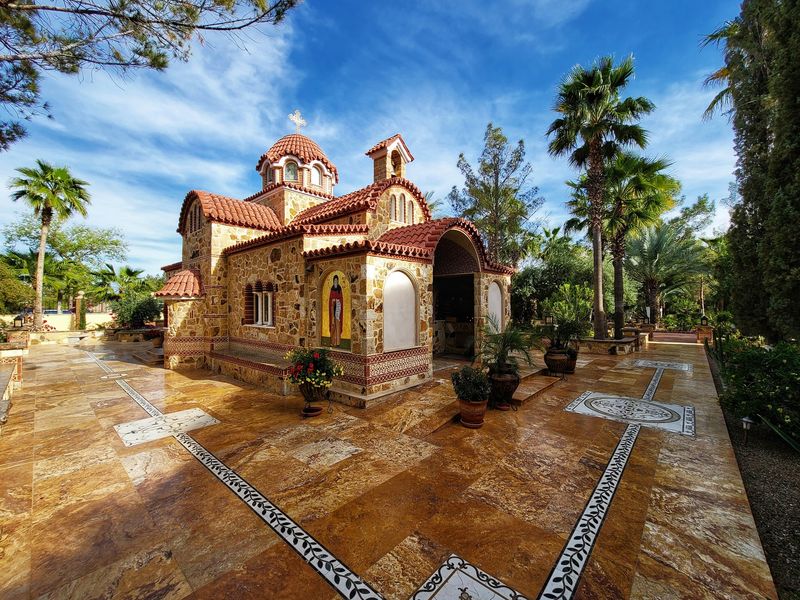
Gold catches the desert sun like nothing else, and the Chapel of St. Demetrios makes the most of it. Built in a Russian style, its gleaming golden dome shines across the grounds and draws walkers toward it almost automatically.
Getting there is half the fun. Gazebos, fountains, and lush garden beds guide you along the way, so the walk feels like a slow, scenic approach rather than a simple path.
It is a lovely example of how the monastery uses landscape to build a sense of arrival.
The chapel shows how varied the architecture here really is. You can move from Byzantine grandeur to Greek island charm to Russian elegance within a short stroll.
Each building reflects a different branch of the wider Orthodox world.
Inside, expect the same devotion found throughout the complex, with icons and details honoring the saint. Many guests say the chapels are just as beautiful inside as they are outside, which is not always true of eye-catching buildings.
Take a moment on a nearby bench before moving on. The quiet trickle of water and the glow of that dome together create one of the most peaceful scenes in all of southern Arizona.
Shrines, Relics, and Saints Around Every Corner
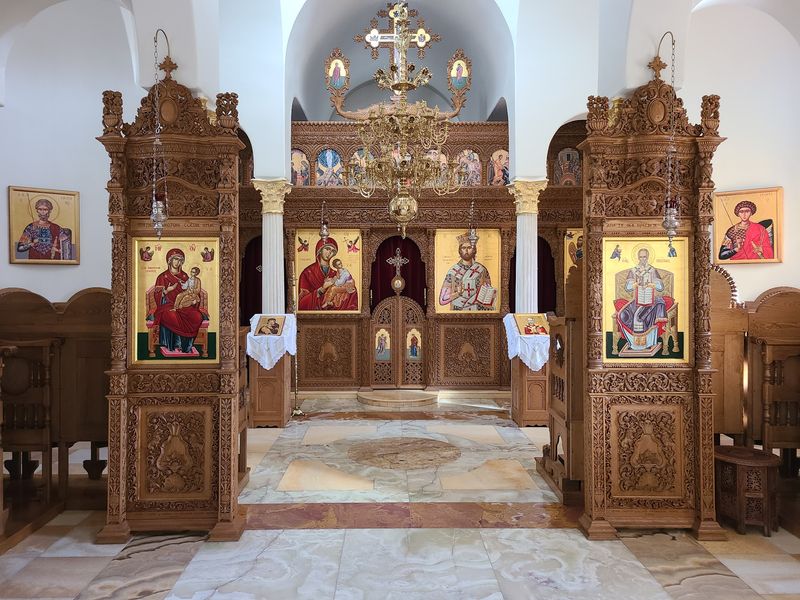
Count the chapels as you go and you may lose track. The monastery is home to numerous small chapels and shrines, each dedicated to a different saint.
Some of these spaces house holy relics, which are deeply meaningful in Orthodox tradition. For pilgrims, visiting them is a central reason for the trip.
For curious first-timers, they offer a respectful glimpse into a faith practice many Arizonans have never seen up close.
Paintings and written history about the saints appear throughout, so you can learn as you wander. Families often find it to be a surprisingly educational outing.
Kids can spot differences in colors, domes, and artwork from one chapel to the next.
Every shrine has its own mood. One might feel cozy and candlelit, while another feels bright and open.
That variety keeps the visit from ever feeling repetitive, even after an hour or more of exploring.
Quiet is the rule inside each space. Lower your voice, move slowly, and give anyone praying plenty of room.
Those small gestures are part of what keeps the atmosphere so calm, and they help every visitor feel the stillness that makes this place so special.
Quiet Atmosphere and Who Will Love It
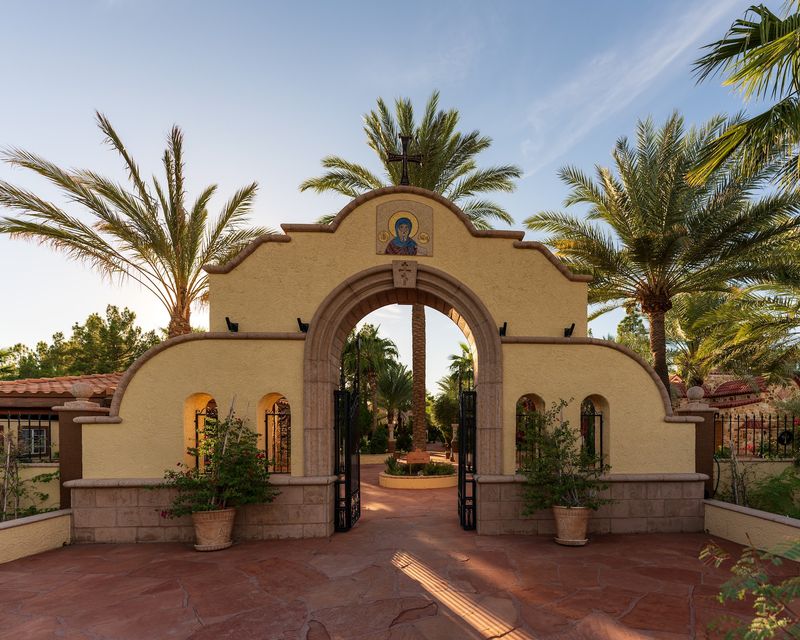
Silence here is not empty. It is filled with the sound of fountains, birds, and footsteps on stone paths, and it settles over you within minutes of arriving.
Many visitors describe the grounds as a break from a chaotic world. Some say it feels as though they have been carried straight to Mount Athos.
Others, including people who do not consider themselves believers, return again and again simply because it feels peaceful and comforting.
So who will enjoy it most? Orthodox pilgrims, of course, will find a deeply spiritual home base.
Architecture lovers, garden fans, photographers, and anyone craving a slower day will also feel right at home.
It works well for families too, as long as everyone understands it is an active monastery. Retirees looking for affordable, meaningful outings around Arizona often add it to their regular rotation.
And it makes a great stop when friends visit from out of state.
The monks and staff are often described as patient, kind, and welcoming. They ask for respect and give it right back.
Come with a quiet spirit and an open mind, and the place tends to reward you with a calm that lingers for days.
Dress Code Basics Before You Go
Shorts and tank tops will not get you through the gate, but do not panic if you forget. The monastery keeps a strict dress code, and staff are known for being very helpful about it.
Men should wear long pants and long-sleeved shirts. Women are asked to wear long skirts, long-sleeved tops, and a headscarf covering the hair and neck.
Closed-toe shoes are expected for everyone, or sandals worn with socks.
Here is the good news. Visitors who arrive underdressed are often loaned shirts, skirts, pants, and head coverings at the front desk.
One traveler who showed up in shorts was simply handed pants to slip over them, and plenty of groups get the same friendly help.
Still, it is easiest to plan ahead. Lightweight, breathable long sleeves make the summer heat more bearable.
Packing a scarf in the car is a smart move for anyone who might stop on a whim.
Men should also remember to take off their hats inside the churches. Following these rules is a way of honoring the monks’ home.
Think of it like visiting someone’s living room, where a little courtesy goes a long way.
Bookstore Treats, Olive Oil, and Greek Food Outside the Gates
Flaky, honey-soaked baklava might be the sweetest souvenir in the county. The monastery’s bookstore and gift shop sells a few food items alongside its books, and visitors rave about the baklava in particular.
Shelves also hold the monastery’s own olive oil, coffee, religious icons, and gifts. Faith-minded travelers appreciate the selection of books, which many say are excellent companions for their spiritual journey.
It is a nice way to take a piece of the visit home.
Hungry for more? A family runs a food truck just outside the gates, serving Greek dishes that visitors describe as excellent.
Grabbing a bite there before or after your walk turns the outing into a full sensory day: glowing domes, splashing fountains, citrus scent, and warm Greek flavors.
The monks also live simply and have limited supplies. Some guests make a point of calling ahead to ask what is needed and bringing a few items as a kind gesture.
It is a thoughtful touch that many returning visitors enjoy.
Since prices and offerings can change, keep a little flexibility. Either way, leaving with a bottle of olive oil feels like the perfect Arizona find.
Hours, Free Entry, and the Drive to Florence
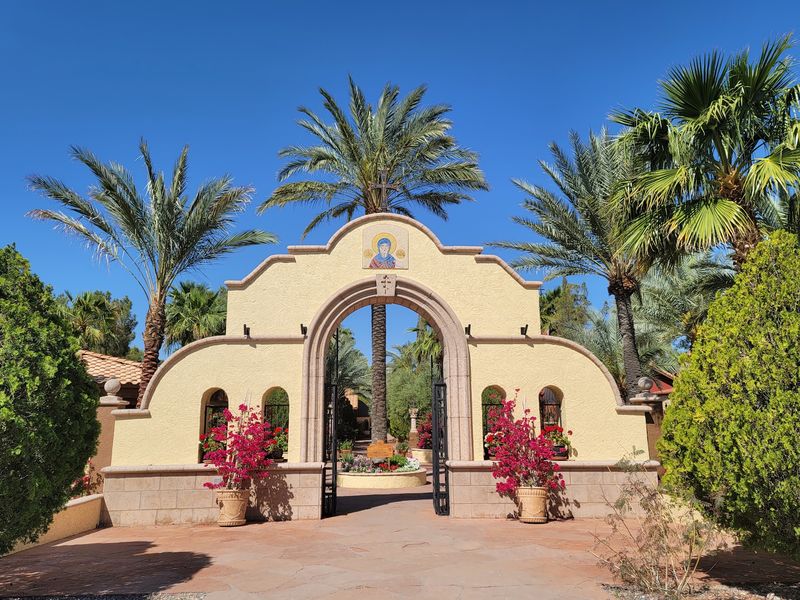
Free parking and free admission make this one of the best-value outings in Arizona. You will not need a ticket, just the right clothes and a little time.
Current listings show the grounds open daily from 10 am to 3:30 pm, though some sources mention a narrower 10:30 am to 2:30 pm window. Hours can shift, so a quick call to the monastery at 520-868-3188 before you leave is a smart idea.
The monastery sits near Florence, in the desert between the Phoenix area and Tucson. Visitors from Oro Valley describe it as an easy drive of under an hour.
Many Valley residents say the hour-long trip is completely worth it.
Plan on about 1.5 to 2 hours to see the chapels and gardens properly. Speedy visitors have made it through in 30 to 45 minutes, but most wish they had slowed down.
A relaxed half-day trip feels just right.
Weekdays tend to be less crowded. The grounds are wheelchair accessible, which is welcome news for many guests.
During the hot months, aim for the earliest hours and carry water, since much of the visit happens outdoors.
A Gentle Verdict on This Desert Sanctuary
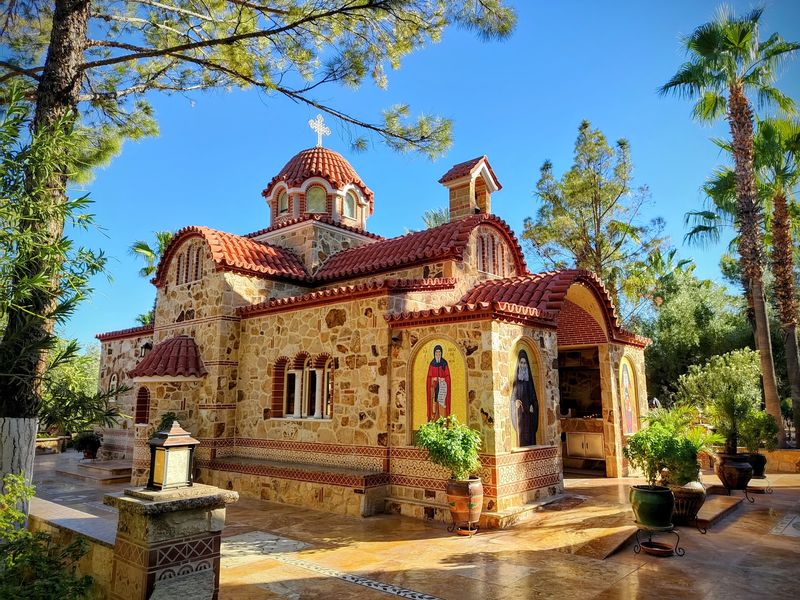
Few places in Arizona manage to feel so far from home while sitting just a short drive away. Saint Anthony’s Greek Orthodox Monastery pulls off that trick with ease.
The chapels deliver the wow factor, from the Byzantine main church to the blue Greek island dome and the shining Russian gold. The gardens supply the calm, with orange blossoms, olive groves, and fountains that soften every step.
Together, they create a day that feels both restful and inspiring.
It does ask something of you. Dressing modestly, keeping your voice low, and respecting the monks’ privacy are part of the deal.
Most visitors find those small efforts make the experience richer, not harder.
For locals hunting affordable discoveries, it checks every box. There is no entry fee, a sweet treat waits in the shop, and Greek food sits right outside the gates.
Few free outings offer this much beauty in one place.
Bring a curious friend, a scarf, and an unhurried afternoon. You may arrive as a sightseer, but there is a good chance you will leave feeling a little lighter.
Save this one for your next quiet day.