
This Arizona Desert Spot Lets You Hunt For Fire Agates You Get To Keep
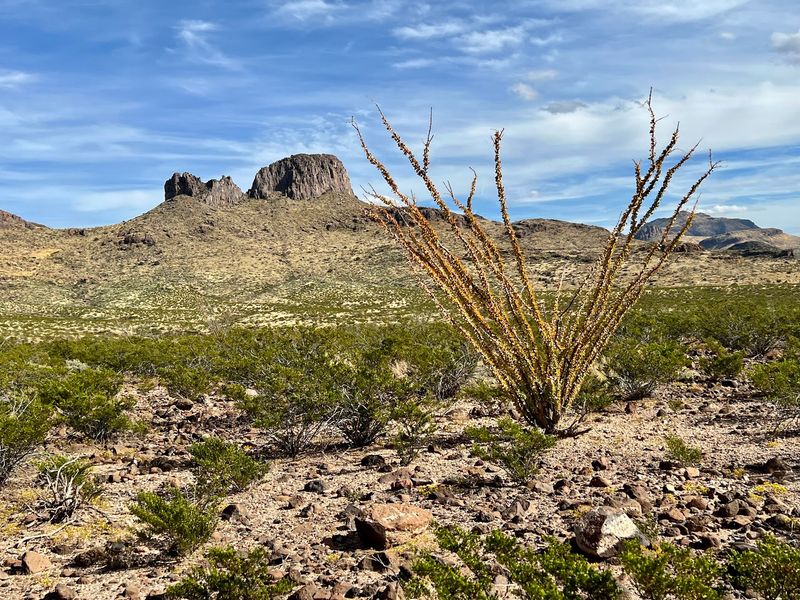
Fire agates can turn up right in the parking area at one rugged spot in Arizona. No permit, no fee, and every stone you collect for personal use goes home with you.
These gems flash red, green, and blue like tiny opals. They formed during volcanic activity roughly 24 to 36 million years ago.
The catch is a bumpy dirt road and a whole lot of cactus. I like that the reward here is literally lying in the dirt, waiting for anyone patient enough to look down.
The land stays open around the clock, every day of the year. I can’t imagine a cheaper way to feel like a treasure hunter for an afternoon.
So how big a piece could you carry home?
Public Desert Land Where The Rocks Are Yours To Take
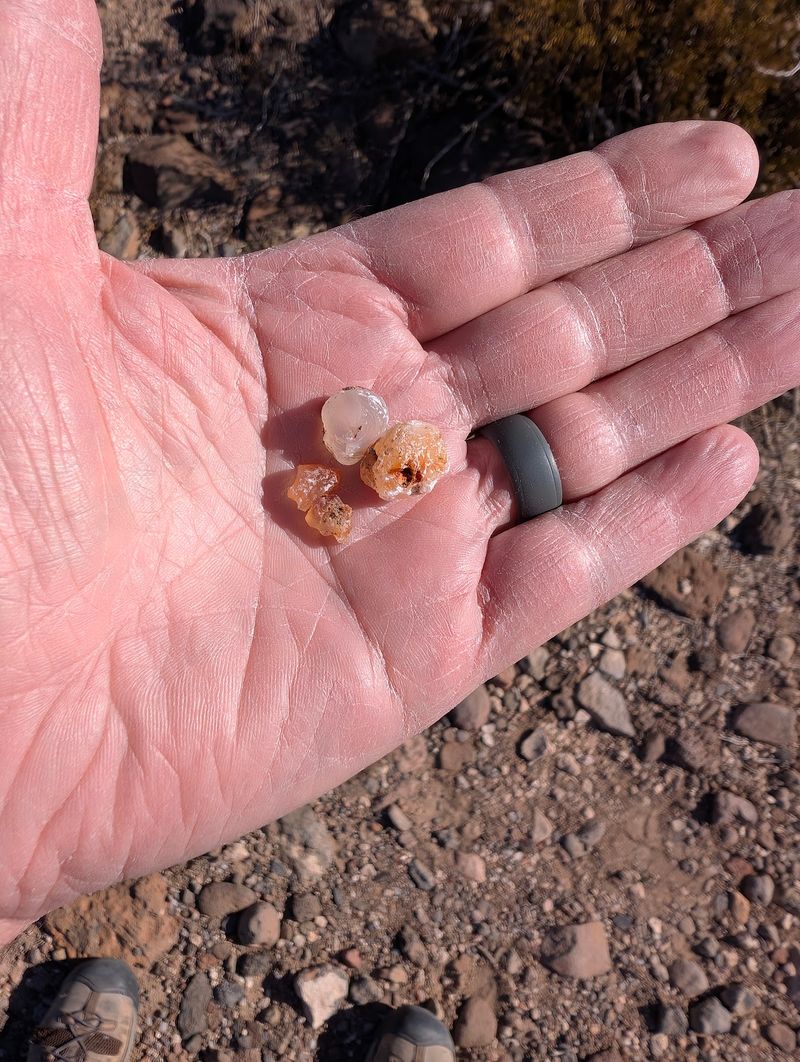
Free gemstones are not a phrase you hear often. Yet that is exactly the deal at the Black Hills Rockhound Area, a stretch of public land run by the Bureau of Land Management.
The site sits north of Safford in southeastern Arizona, along the north side of US 191. It’s one of the few places on the planet where fire agate turns up naturally.
No permit is required for collecting. There’s no entry fee, either, which makes this one of the friendliest bargains in the region.
The area is open 24 hours a day, every day of the week. That means sunrise diggers and late-afternoon wanderers both get their shot at the goods.
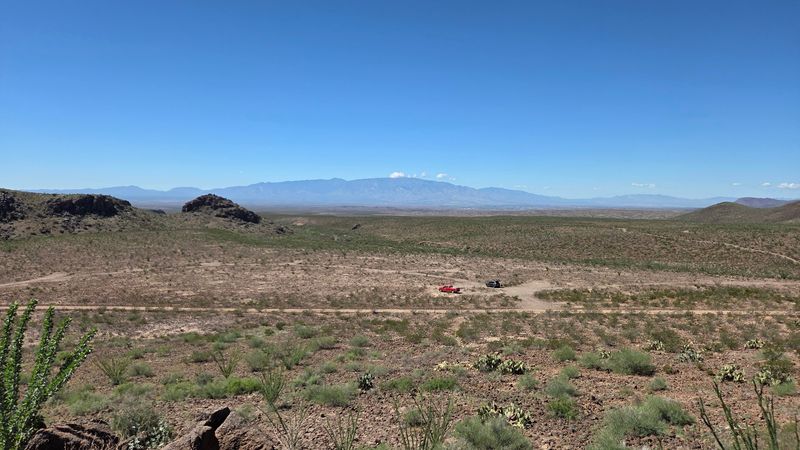
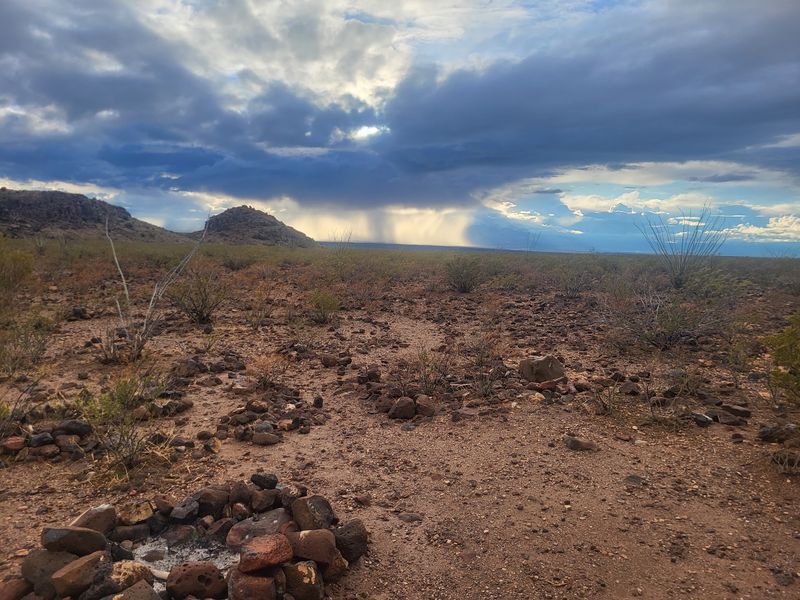
Don’t expect a visitor center or a gift shop. The landscape is raw volcanic hills, scattered rock, and a serious population of cactus.
That simplicity is part of the charm. You show up, look down, and start scanning the ground for a glint of color.
For rockhounds, the setup feels almost too generous. For curious beginners, it’s a low-risk way to learn what the hobby is all about.
Either way, the price of admission is mostly gas money and a little patience. Not a bad trade for a pocket full of shimmering stones.
Why A Fire Agate Looks Like It Swallowed A Rainbow
Chalcedony does not usually get people excited. Add a layer of shimmering iridescence, though, and suddenly everyone wants a closer look.
That’s the magic of fire agate. Once polished, it shows opal-like flashes of red, green, and blue that seem to move as you tilt the stone.
These gems are found only in desert regions of Arizona, southern California, and central Mexico. That short list gives every find in this corner of Arizona some real bragging rights.
Their story stretches back roughly 24 to 36 million years. They formed during periods of intense volcanic activity, and volcanic deposits are always tied to where they appear.
Here’s the fun twist. Scientists still aren’t completely sure how the fiery layers came together.
Fire agate was only formally recognized in the 1930s. So a stone that’s millions of years old has been famous for less than a century.
Raw pieces often look plain, with clear, white, or brownish surfaces. Some show red and orange tones even before any polishing.
The real show usually waits under the surface. That’s why collectors carry rough stones home and hope for a dazzling surprise later.
Two Miles Of Dirt Road Stand Between You And The Agates
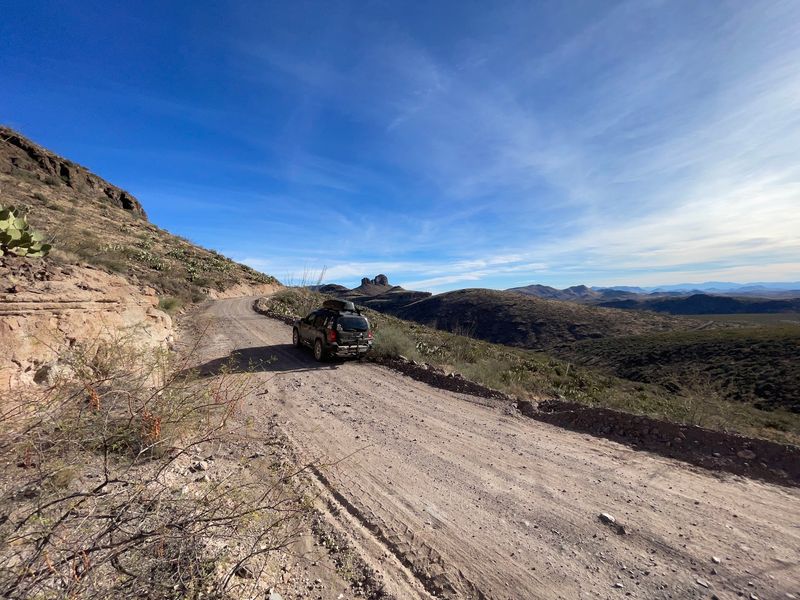
Getting close is easy. The last stretch is where your vehicle earns its keep.
From Safford, head about 10 miles east on US 191/US 70. Turn left just past milepost 141 onto US 191, then look for Cueto Ranch Road on the left.
From there, a dirt road runs roughly two miles to the collecting area. The site is about 18 miles north of Safford overall, with the mapped address listed as Safford, AZ 85546.
The road has rough, rutted patches. Many small cars and SUVs make it with slow, careful driving, but the final half mile can get sketchy.
A high-clearance SUV or pickup handles the deeper trail more comfortably. Standard sedans may struggle beyond the main parking area.
There’s a second entrance about a mile farther along 191. It’s marked like the first and leads toward canyon areas worth exploring.
Plan for a slow crawl rather than a speedy arrival. Rushing over volcanic rock is a fine way to test your tires.
Broken glass can show up along the way, too. A careful eye on the road protects both your rims and your mood.
Small Sparkles Sit Right On The Surface
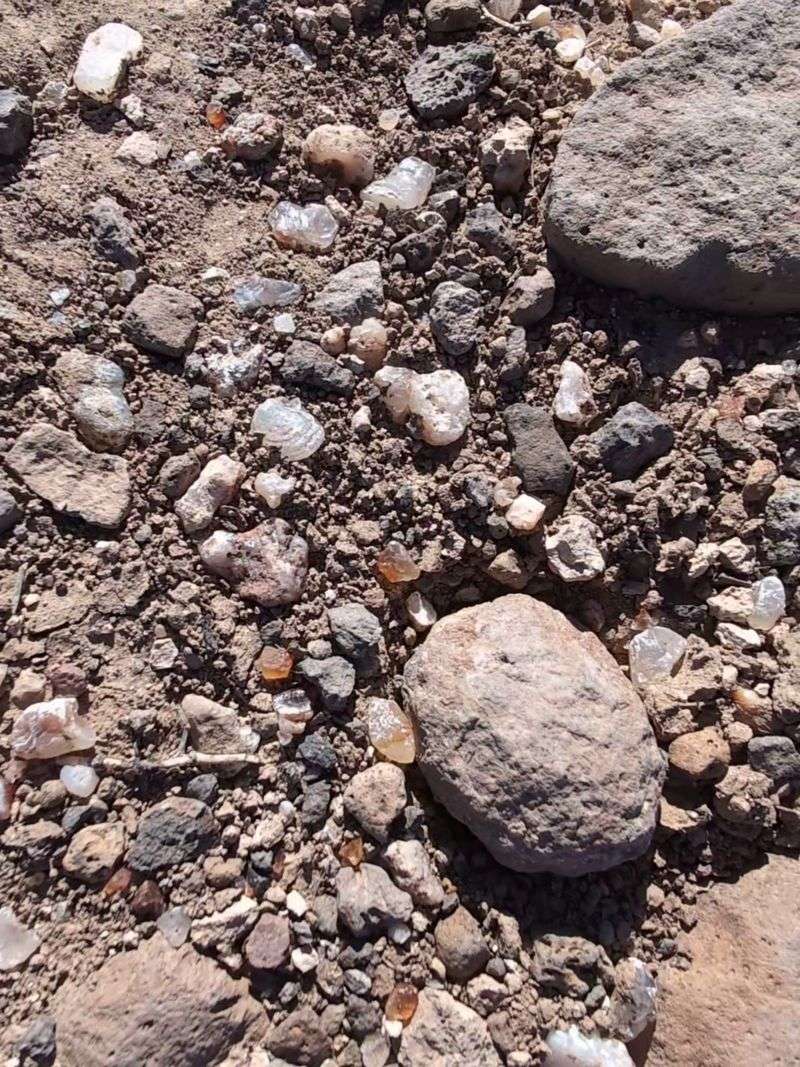
Some treasure hunts require maps and shovels. Here, the first round can start beside your car door.
Small fire agates turn up in the main parking area and along the sides of the road. The berms left from road grading are a popular place to scan.
Most surface pieces are pebble-sized or even fingernail-sized. Many still carry beautiful color, so tiny doesn’t mean boring.
Watch the dirt around small animal burrows. Busy critters push buried material up as they dig, doing some of the work for you.
A spray bottle of water is a clever little trick. Misting a dusty stone can reveal its true colors in seconds.
After a heavy rain, the ground often shows off more finds. Fresh runoff washes away dust and exposes stones that were hiding in plain sight.
The flat ground near the parking area makes this part friendly for kids. Folks who prefer gentle walking can enjoy it too.
A small sifter can help sort tiny pieces from loose soil. It’s a simple tool that turns a handful of dirt into a mini gallery.
Bigger Prizes Reward A Little Sweat
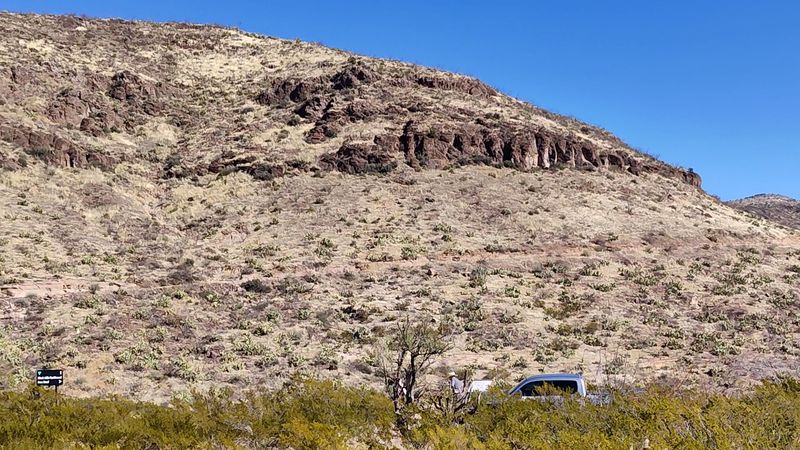
Golf ball-sized agates exist out here. They just don’t wave at you from the parking lot.
Larger specimens usually come from a bit more effort. Most significant finds are unearthed within about two feet of the surface.
The hills across the road and the closest slope on the east side are known for chunkier pieces. Climbing a little can pay off in a big way.
Washes and ravines are worth a look as well. Some spots still show agate and quartz embedded in rock, which suits anyone carrying proper tools.
Searching under thorny plants takes nerve. Few people bother, which is exactly why good stones may still be waiting there.
Some lucky hunters have pulled out pieces as big as a lemon. Palm-sized gems have turned up deeper along the trail, too.
A sturdy rock pick and a small shovel cover most needs. Gloves help a lot when cactus spines enter the conversation.
Think of it as a workout with a sparkly payoff. Your legs may complain, but your collection box won’t.
The Rules That Keep The Hunt Fair
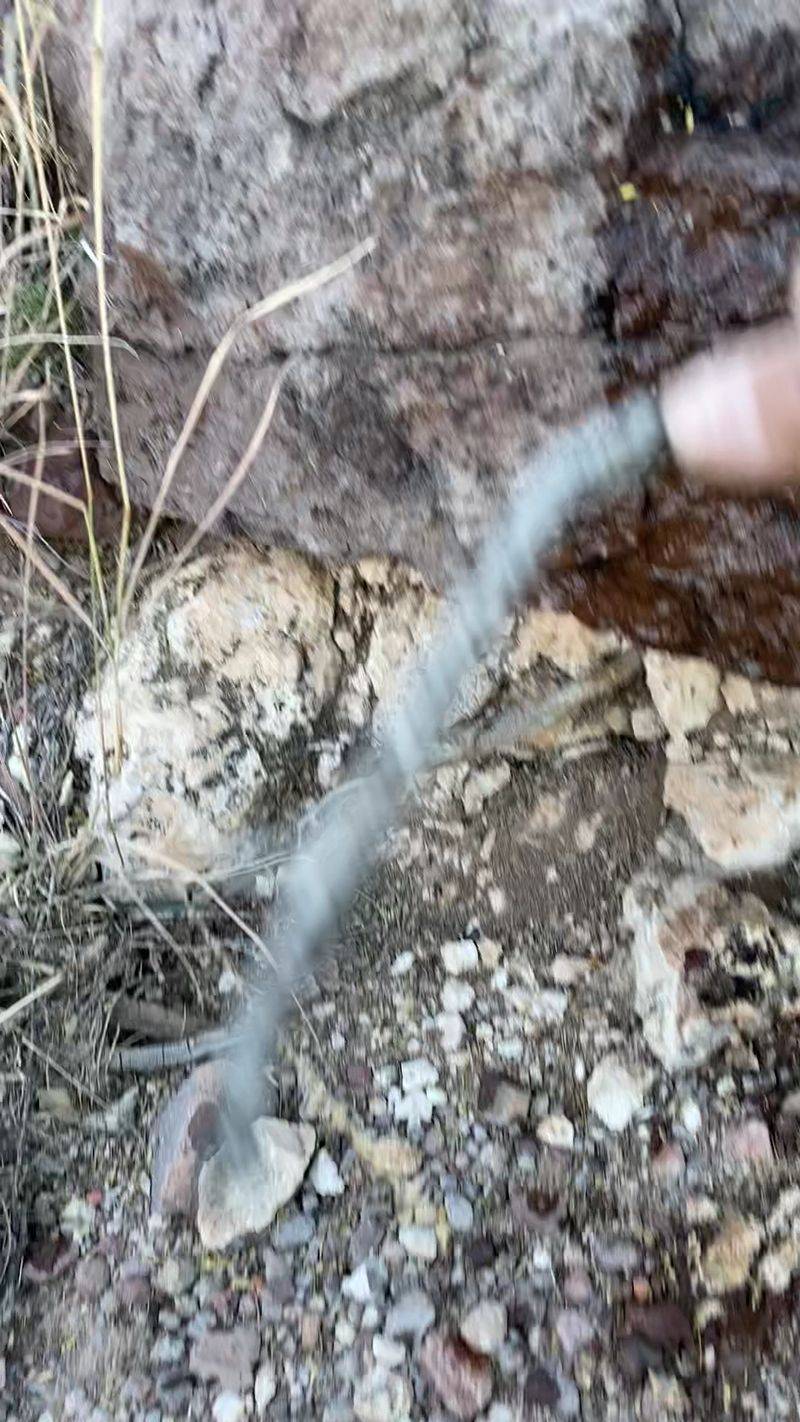
Twenty-five pounds a day sounds like plenty. Trust me, rocks add up faster than you think.
The Bureau of Land Management caps collecting at 25 pounds per day. There’s also an annual limit of 250 pounds per person.
Everything you gather must be for personal use. Selling, bartering, or using finds for any commercial purpose isn’t allowed.
Hand tools only, please. Picks and shovels are welcome, while motorized gear, heavy equipment, and explosives are prohibited.
These limits help the site stay rewarding for future visitors. Without them, the good stuff would vanish quickly.
Trash is a real issue in parts of the area. Packing out your own litter, plus a stray piece or two, keeps the spot pleasant.
It also helps to confirm land status before digging anywhere outside the designated area. Private claims and other boundaries can sit close by in Arizona.
Following the rules is easy once you know them. Your job is simply to collect, enjoy, and leave the land ready for the next hunter.
Cactus Country With A Side Of Solitude
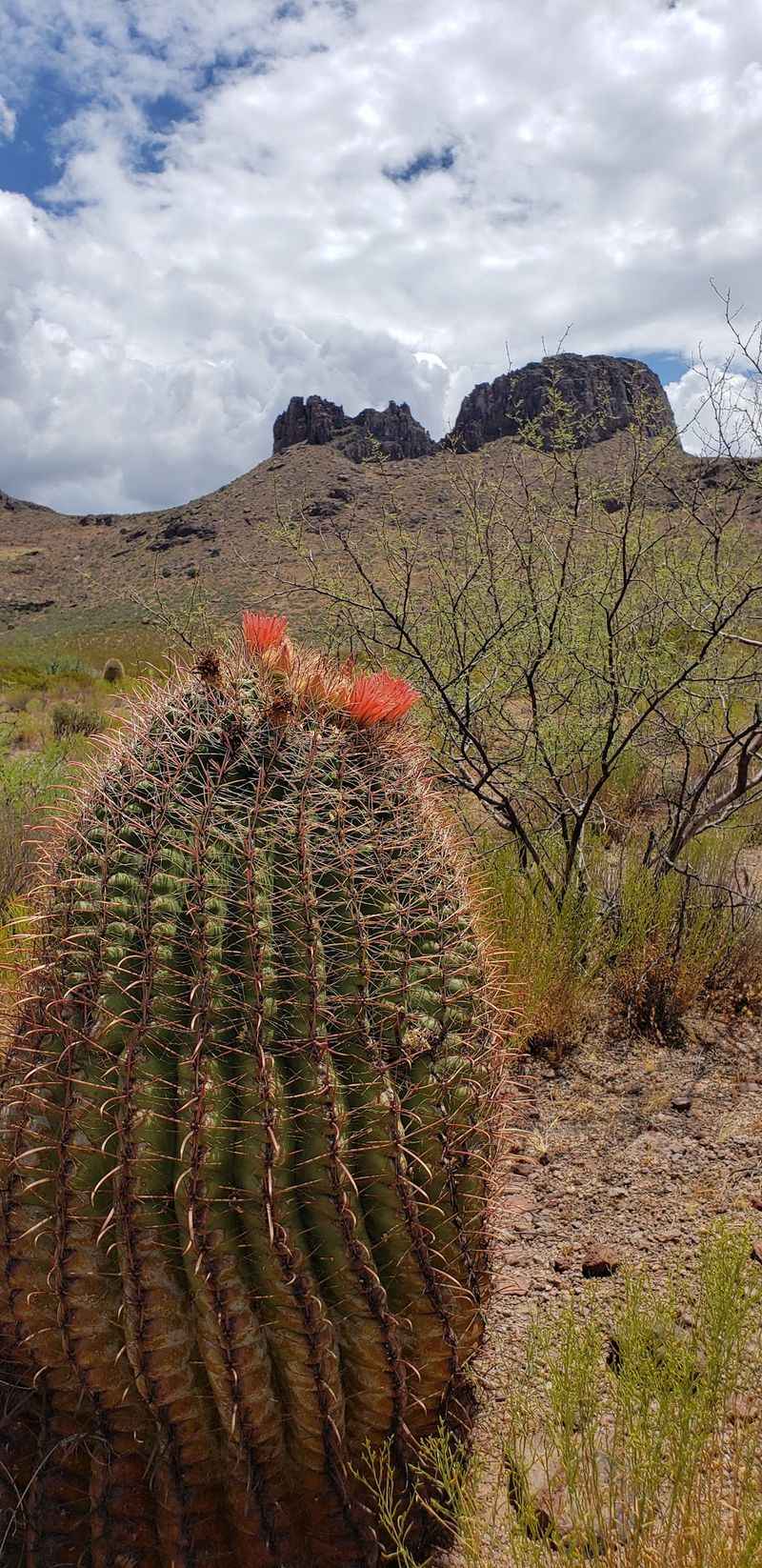
Cactus is everywhere here. If you own one at home, prepare to feel wildly outnumbered.
The landscape is rocky, volcanic, and wide open. Desert vistas stretch out in every direction, with views of Mt.
Graham on the horizon.
Crowds are rarely a problem. Few vehicles typically share the area, which gives the place a peaceful, almost private feel.
Dark skies come with that remoteness. Far from city lights, the stars can put on a show after the digging winds down.
Wildlife is part of the package. Snakes live here, and tarantulas occasionally wander by, so watching your step matters.
Sturdy closed-toe shoes are a must. A wide-brimmed hat and layered clothing help with sun and shifting temperatures.
Families with kids can enjoy the flat areas near parking. Seasoned rockhounds will probably drift toward the steeper hills.
Dogs on outings often get a chance to stretch their legs, too. Just keep an eye out for spiny plants along the way.
Even without a big find, the scenery delivers. Quiet like this is getting harder to come by.
Free Camping, Zero Frills, And A Long List Of Water
Two weeks of free camping. That’s the kind of perk that makes road trippers grin.
Primitive camping is allowed at the Black Hills Rockhound Area for up to 14 days. There’s no water and no toilets, so self-sufficiency is required.
RVs, camper vans, and truck setups fit the vibe well. Tent campers may need to clear plenty of lava rock first, and the rough road can be tricky for large RVs.
Cell service is spotty at best. Let someone know your plans before heading out.
Water deserves its own packing list. Bring what you think you’ll need, then add more.
Summer temperatures can climb above 100 degrees. Cooler months usually make for far more comfortable digging days in this part of Arizona.
Shade is scarce, so a canopy or umbrella helps. Sunscreen and snacks round out the essentials.
Want a few more comforts? Riverview Campground in the Gila Box Riparian National Conservation Area is about 50 minutes away, with 13 sites, grills, vault toilets, and picnic tables.
Worth Every Bump In The Road
Few day trips end with a pocket full of ancient volcanic gems. The Black Hills Rockhound Area makes that oddly easy.
It’s free, open around the clock, and generous with small finds. Bigger stones reward anyone willing to climb, dig, or poke around thorny corners.
The 21-mile Black Hills Back Country Byway runs through the surrounding terrain. It’s a scenic add-on for anyone wanting more rugged views after collecting.
Round Mountain Rockhound Area near Duncan is another BLM site with fire agate potential. Ambitious hunters sometimes pair the two in one trip.
Small pieces dominate the easiest areas, since many visitors have searched them. Patience and a willingness to wander make a real difference.
Kids will love the instant gratification near the parking area. Grown-ups may get hooked on the hunt for one perfect, fiery stone.
Pack water, sturdy shoes, a hand tool, and a spray bottle. Then give yourself a few unhurried hours.
Arizona has plenty of grand scenery. This spot adds something rarer: a free souvenir made by volcanoes and found by you.