
This Arizona Fossil Site Lets Kids Search An Ancient Seafloor For Real Brachiopods And Bryozoans
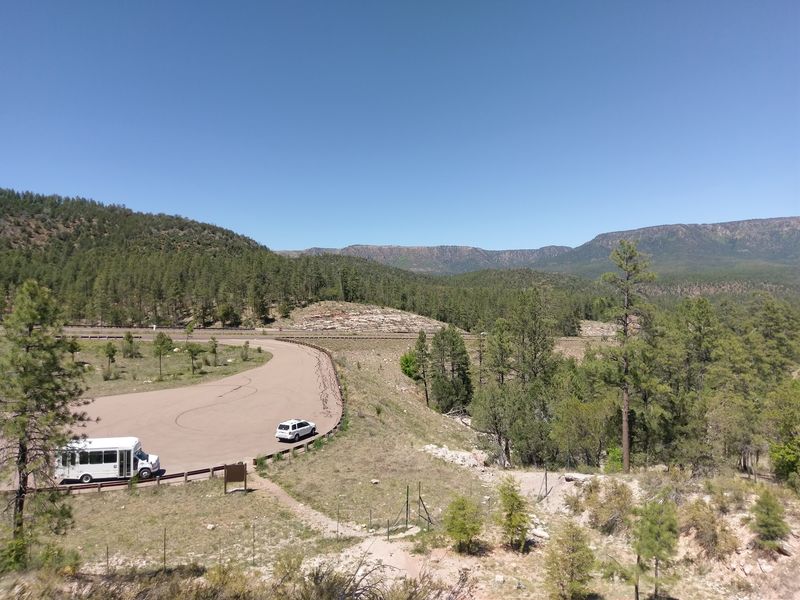
Seashells are scattered across a hillside beside an Arizona highway, and they’re older than the dinosaurs. These little brachiopods and lacy bryozoans lived in a warm, shallow sea about 300 million years ago.
Today that old seafloor sits right off a paved parking lot. Kids can scan the gray rock, poke through loose gravel, and spot real fossils with their own eyes.
Some are tiny, so sharp eyes win the day.
I like how simple the whole thing is. There’s no gift shop, no ticket booth, and no glass case between your family and the past.
Just rock, sky, pine-dotted hills, and a short walk.
I can’t imagine a better way to make a kid ask a hundred questions about ancient oceans. So how does a desert state end up with seashells in its hills?
A Roadside Pull-Off With A Prehistoric Secret
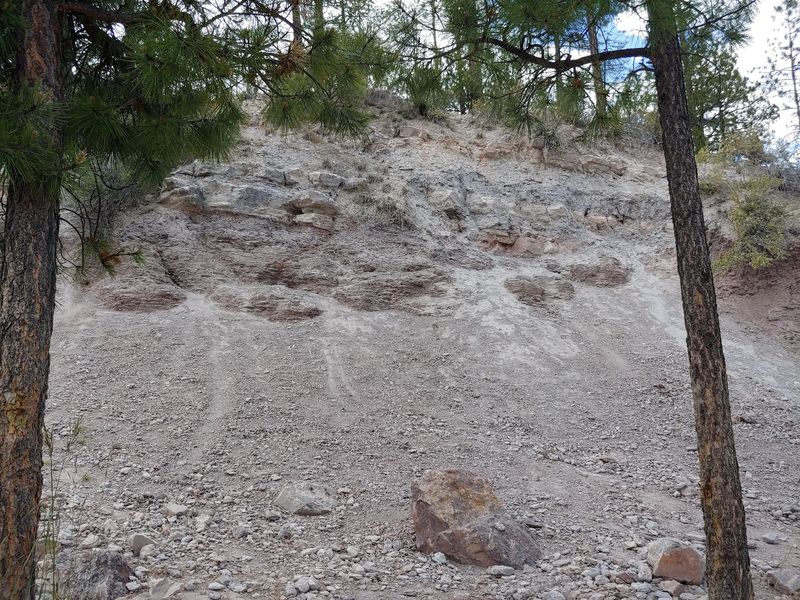
Plenty of highway pull-offs offer a trash can and a view. The Paleo Site Monument offers something wilder: a slope packed with fossils from an ancient sea.
The stop sits along Highway 260 east of Payson, Arizona, in the forested Rim Country. It’s a simple, free roadside site with a paved lot and a short walk to the fossil-bearing rock.
Families come here to hunt for the remains of marine creatures from the Pennsylvanian subperiod. That’s roughly 300 million years back, long before any dinosaur stomped around.
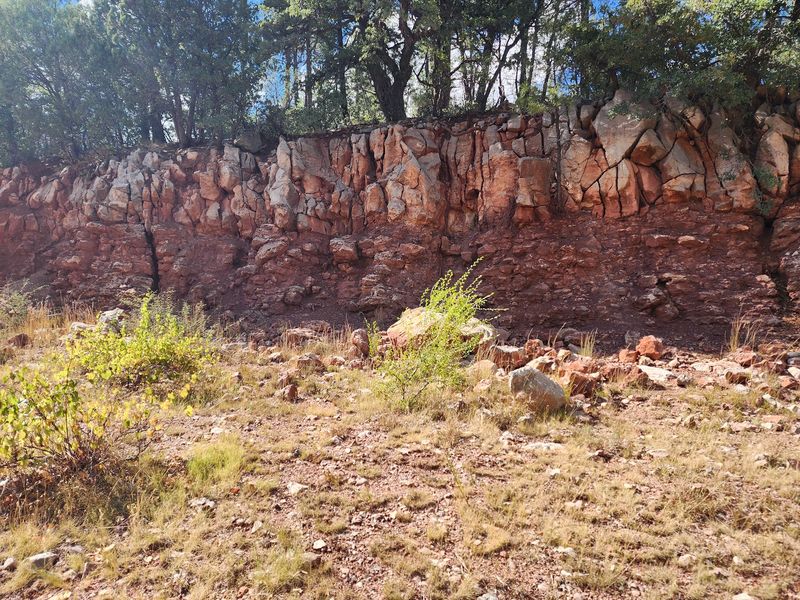
The rocks belong to the Naco Formation, a mix of limestone and shale laid down underwater.
What makes it so appealing is the lack of fuss. There’s no staged dig and no museum glass, just real rock waiting to be checked.
Kids get to be the discoverers instead of the audience.
The setting helps, too. Pine-covered hills surround the area, and the air up here feels a world away from the valley heat.
It works as a quick leg-stretch or a longer afternoon of searching.
Honestly, it’s one of those stops that turns a road trip into a story. Somebody in the car will be talking about it for weeks.
When Rim Country Was Underwater
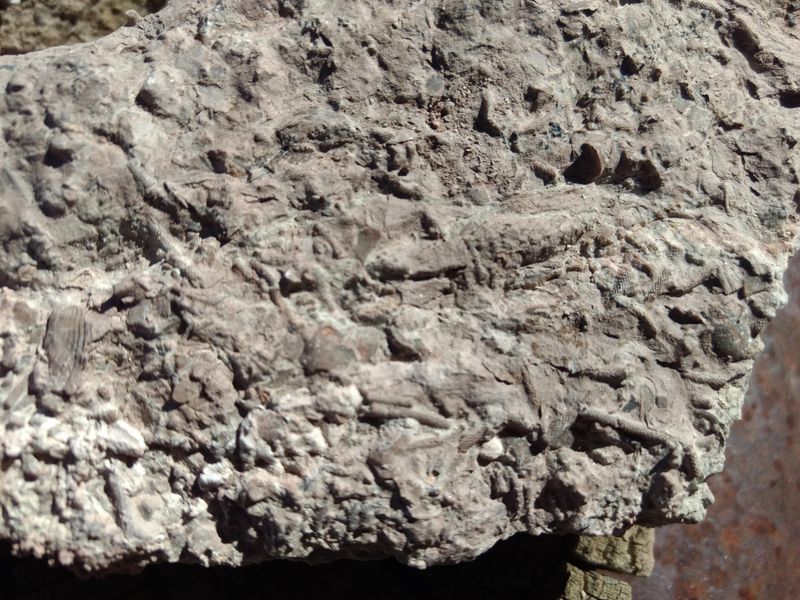
Close your eyes and swap the pines for warm, shallow seawater. That’s what this part of Arizona looked like during the Pennsylvanian subperiod, about 300 million years ago.
A sea covered much of the region back then. Shelled creatures, filter feeders, and swaying sea lilies made their homes on the muddy bottom.
When they passed on, their shells settled into sediment that slowly hardened into stone.
Geologists call that stone the Naco Formation. It’s made of limestone and shale, layered like pages in a very old book.
Erosion and road building have opened some of those pages for the rest of us.
Here’s the fun twist for kids. The desert state they know was once a seafloor, and the proof is lying on the ground.
That idea tends to stick in young brains far better than any textbook diagram.
It also sets up great car conversations. Why did the sea leave?
How did shells end up so high in the mountains? You don’t need every answer to enjoy the questions.
A little background makes each find feel bigger. Before you start searching, share the ocean story, then watch the hunt get a lot more serious.
Meet The Brachiopods Hiding In The Gray Rock
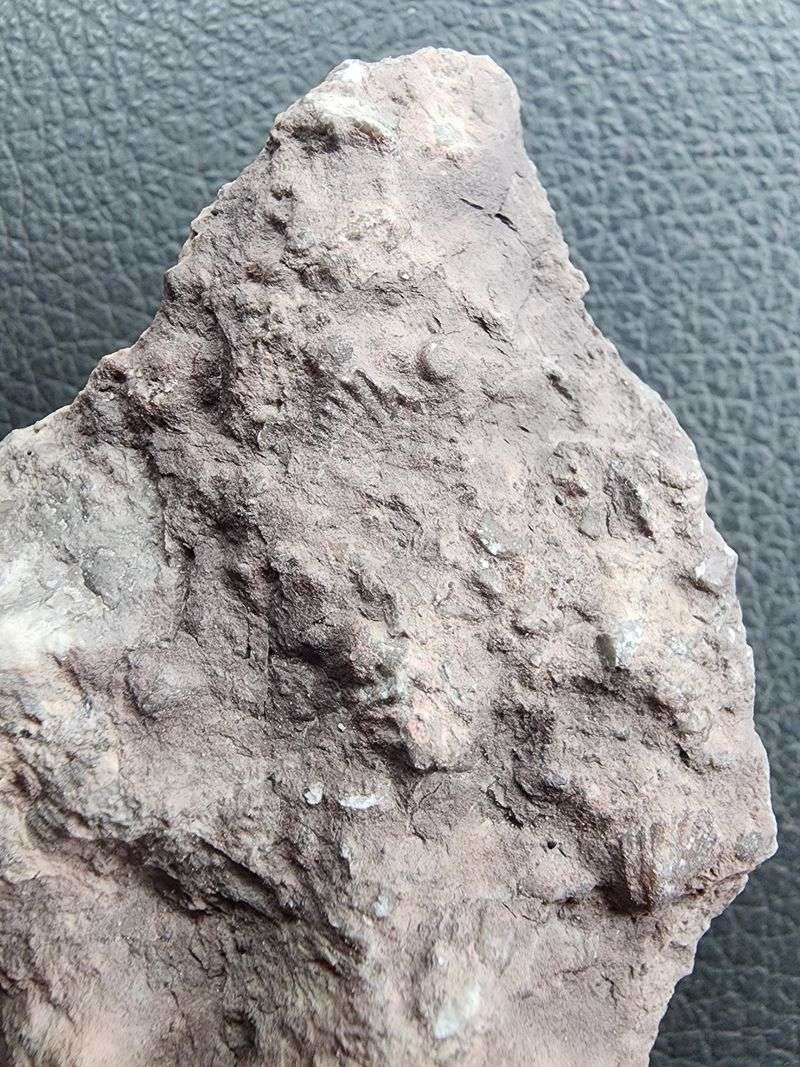
Brachiopods look a lot like tiny clams. They aren’t clams at all, though, and that makes them a terrific first fossil lesson.
These shelled sea creatures thrived in ancient oceans, and they’re among the most common finds here. Their ribbed, fan-like shells often show up in the gray material on the slopes.
Some are bigger than a fingernail, while others are tiny and easy to miss.
Spiriferids, a type of brachiopod with a wide, winged shape, also turn up at the site. Small bivalves and crinoid stem pieces round out the mix.
Crinoid bits look like little stacked discs or buttons.
Once kids learn the shell shape, the hillside starts to change. Suddenly that plain rock has ridges, curves, and patterns everywhere.
It becomes a real-life search game with ancient prizes.
A good tip is to slow down. Many fossils are small, so crouching low and scanning carefully pays off.
Sometimes the best finds sit right at ground level near the signs.
And yes, the excitement is real. Holding a shell that’s hundreds of millions of years old is a pretty big deal for a ten-year-old.
Adults may be just as thrilled.
Lace Corals Small Enough To Miss
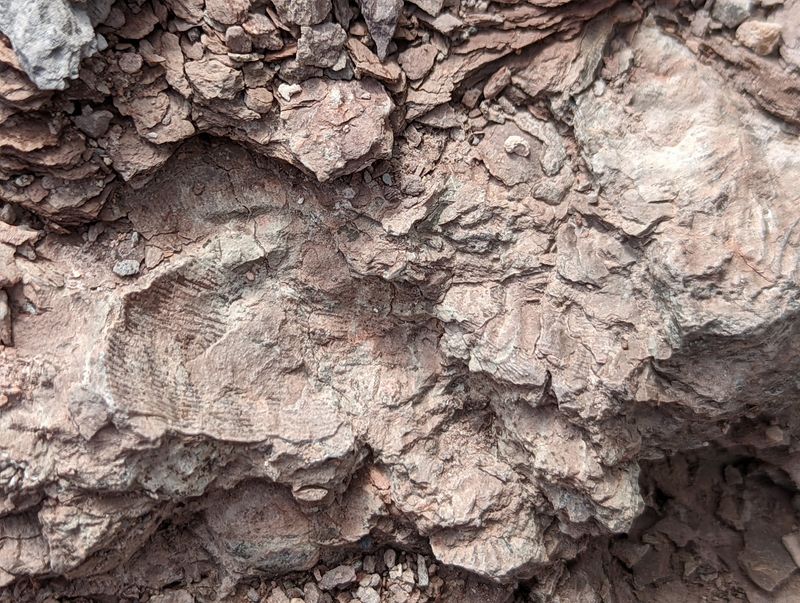
Some fossils look like shells. Bryozoans look more like someone pressed a tiny piece of lace into the rock.
Fenestrate bryozoans, often nicknamed lace corals, are a highlight at this Arizona site. They were colonies of tiny animals that built delicate, net-like frameworks on the seafloor.
In stone, they show up as fine mesh patterns.
Spotting them takes patience. The lines are thin, and they blend easily into the gray limestone and shale.
A magnifying glass can turn a squint into a big wow.
Kids often love the detective work here. Brachiopods are easier to spot, so bryozoans feel like the bonus level.
Finding one feels like earning a badge.
It also opens a neat science conversation. Each lacy fossil was a whole community of creatures living together, not just one animal.
That’s a fun thing to explain while you turn a rock in the sunlight.
Bring a damp cloth or a little water if you can. Wiping dust off a rock can make faint patterns pop.
Just keep expectations friendly, since some days the lace hides better than others.
Where The Best Finds Tend To Turn Up
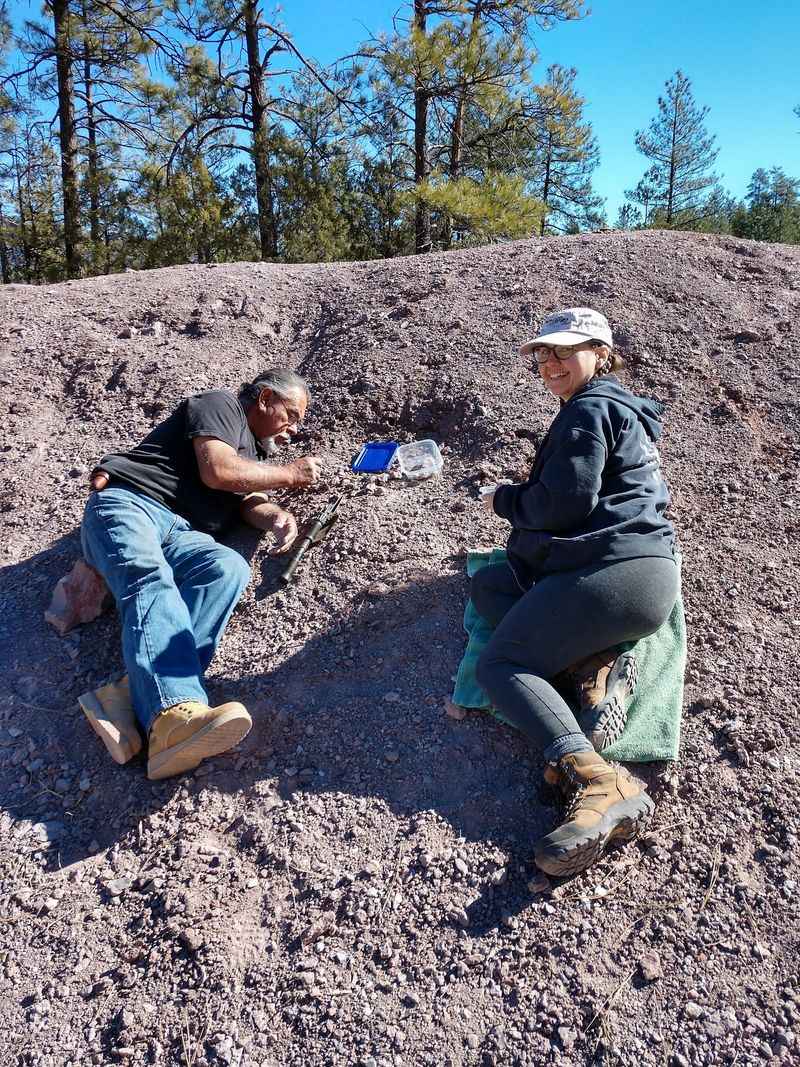
Strategy matters here more than muscle. The site is popular and easy to reach, so the most obvious spots get picked over.
Start near the identification signs at the front. They show what to look for, and small fossils can turn up close to ground level.
The loose gravel on the lower slope is another good place for little hands.
Steep climbing isn’t required. Many fossils sit right on the surface in flatter areas, with little or no digging needed.
That’s great news for younger kids.
Want to push a bit further? Walking up beyond the busiest areas can lead to spots that see less searching.
An old track above the main rock outcrop catches runoff, and washes can reveal fresh material.
Timing helps, too. Rain shifts the dirt and can expose new fossils on the surface.
Visiting after the monsoon season, around September and October, can be especially rewarding.
Results vary, of course. Some families find plenty in half an hour, while others work longer for a couple of small treasures.
Patience and good eyes usually beat speed, so treat it like a treasure hunt, not a race.
Your Kit Can Be Simpler Than You Think
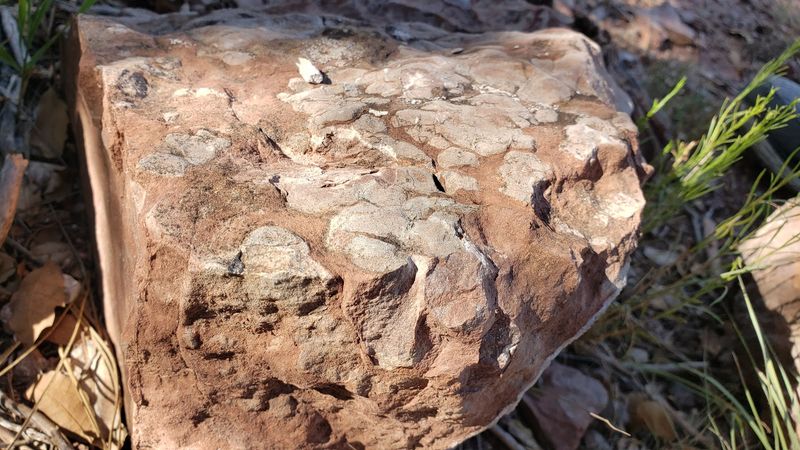
Nobody needs a professional paleontology setup. The Naco Formation rock is fairly soft, so basic tools work fine.
A small hammer and a chisel can help split loose pieces. A sturdy screwdriver also works for gentle prying in the gray material.
Some families skip tools and just search the surface.
A bucket or bag is a must for carrying finds. A magnifying glass adds a lot of fun for spotting tiny details.
Gloves can help protect small fingers on sharp edges.
Water is the big one. There aren’t stores close by, so pack enough drinks and snacks for everyone.
Sun protection and sturdy shoes make the slopes much more comfortable.
Safety glasses are smart if anyone plans to tap rocks together. Little chips can fly farther than you’d expect.
Teaching kids to hammer away from faces is a good habit anyway.
Keep the kit light, since the walk is short but uneven. A small backpack usually handles everything.
Toss in a field guide or printed fossil chart if your crew likes matching names to finds.
The best tool, though, is curiosity. A sharp eye beats a heavy hammer almost every time.
The Rules That Let Kids Take Home A Shell
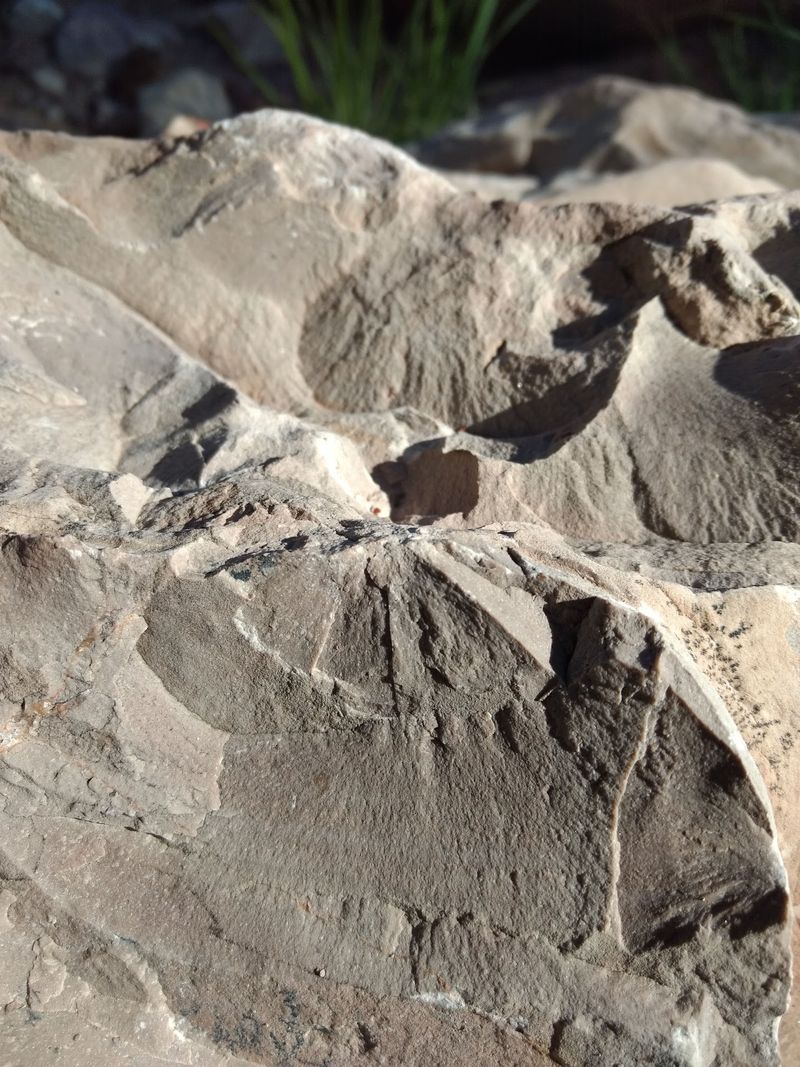
Finders keepers is music to a kid’s ears. At this public site, casual collecting of common invertebrate and plant fossils for personal use is allowed.
That means a brachiopod or bryozoan can ride home in a pocket. No special permit is needed for that kind of hobby collecting.
It’s a rare perk that makes the visit feel extra personal.
There is one important line, though. Vertebrate fossils, meaning anything with a backbone, are protected and should stay put.
If you’re unsure about a find, check with the appropriate land office before keeping it.
Collecting gently is also good manners. Taking a few small pieces leaves plenty for the next family pulling in.
Filling buckets to the brim doesn’t fit the spirit of the place.
The interpretive signs add helpful context, too. An Eagle Scout project created an informational sign that explains the fossils found here.
It’s a nice reminder that the site is a shared community spot.
For kids, the takeaway is powerful. They get to hold real science, then display it on a shelf at home.
That tiny shell might spark a lifelong love of rocks.
Getting There, Parking, And Hours To Know
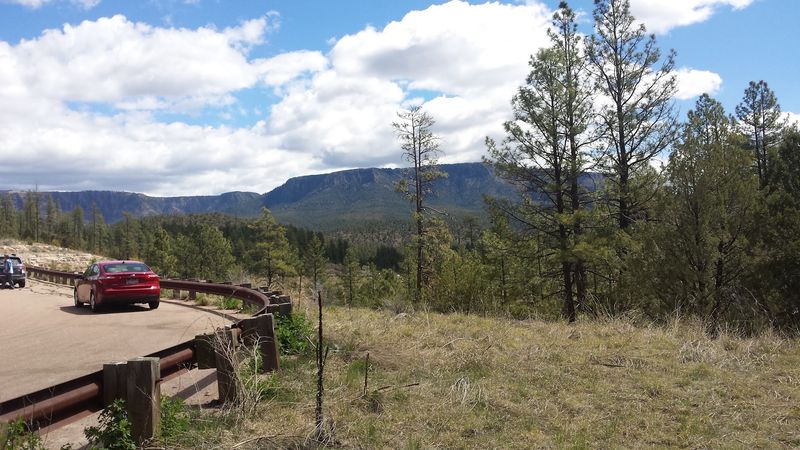
Finding the Paleo Site Monument is refreshingly easy. From downtown Payson, Arizona, head east on Highway 260 for about 12 to 13 miles.
Watch for the pull-off on the right before the Kohl’s Ranch turnoff. The listed address is AZ-260, Payson, AZ 85541.
Signs may call it the Paleo Site or Indian Gardens Paleo Site.
The exit comes up fast, so stay alert. The ramp is fairly short, which matters if you’re driving something large or towing.
Slow down early and you’ll be fine.
Once there, the big paved lot handles plenty of vehicles, including larger rigs. A pedestrian gate keeps cars out of the fossil area.
The main collecting zone sits roughly 100 yards from the parking lot.
Current Google listing hours show the site open Wednesday through Sunday, 9 AM to 4 PM. It’s listed as closed Monday and Tuesday, so plan around that.
Hours can change, so a quick check before you go is wise.
The stop is free, which makes it a budget-friendly outing. Facilities are limited on site.
Payson has the gas, groceries, and restrooms you’ll want before or after.
Worth The Stop For Curious Kids And Grown-Ups
Cooler weather makes everything better here. October through April is the sweet spot, and early mornings or late afternoons help on warmer days.
The site suits school-age kids who like puzzles and patience. Very young children may lose interest quickly if fossils don’t appear right away.
Setting expectations and keeping the visit short can help little ones enjoy it.
Adults get plenty out of it, too. The surroundings are pretty, the setting is quiet, and it’s a calm spot for a picnic.
It’s an easy break on the drive toward camping trips under the Mogollon Rim.
Make a day of it if you have time. Tonto Natural Bridge State Park and Rim viewpoints are within reach of Payson.
Fossils in the morning and a natural bridge in the afternoon? That’s a strong Arizona day.
I believe the real magic is the connection it builds. Kids learn that the ground under their sneakers holds stories older than dinosaurs.
That lesson feels bigger when they find the proof themselves.
So pack the bucket, water, and a little patience. The ancient seafloor is waiting just off the highway, and it doesn’t cost a dime.