
This Arizona Limestone Cavern Was Kept Secret For Years After Two Students Found It
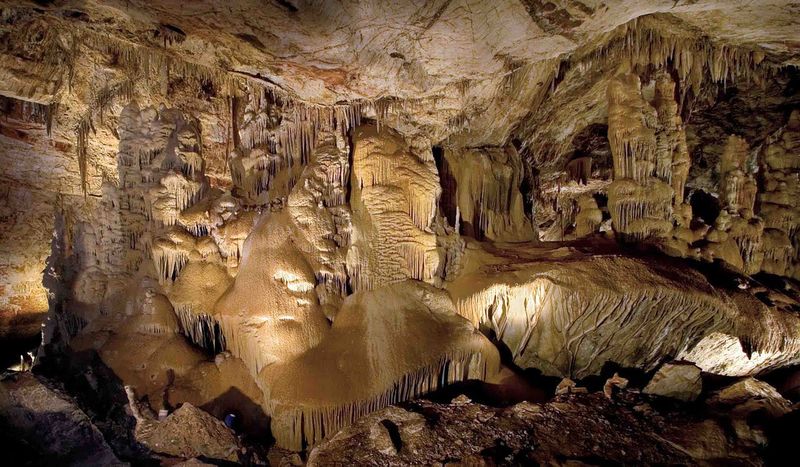
Two college students crawled into a muddy crack in the Whetstone Mountains back in 1974 and found something so precious they refused to tell anyone for years. Warm air drifting up from a sinkhole led them to a giant underground world of glittering rock still growing today.
For more than a decade, hardly a soul knew it existed. Now it sits near Benson, Arizona, waiting for curious folks who love a real hidden treasure.
A Living Cave Waiting Beneath the Whetstone Mountains
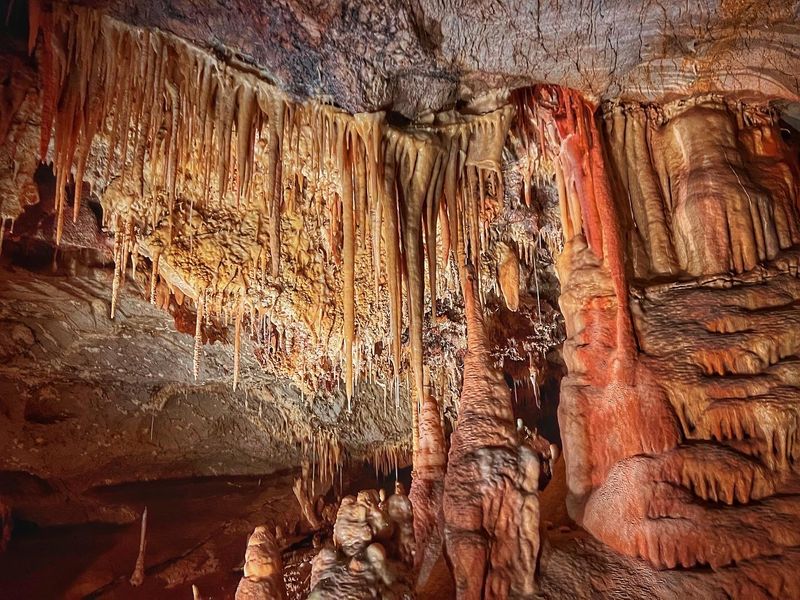
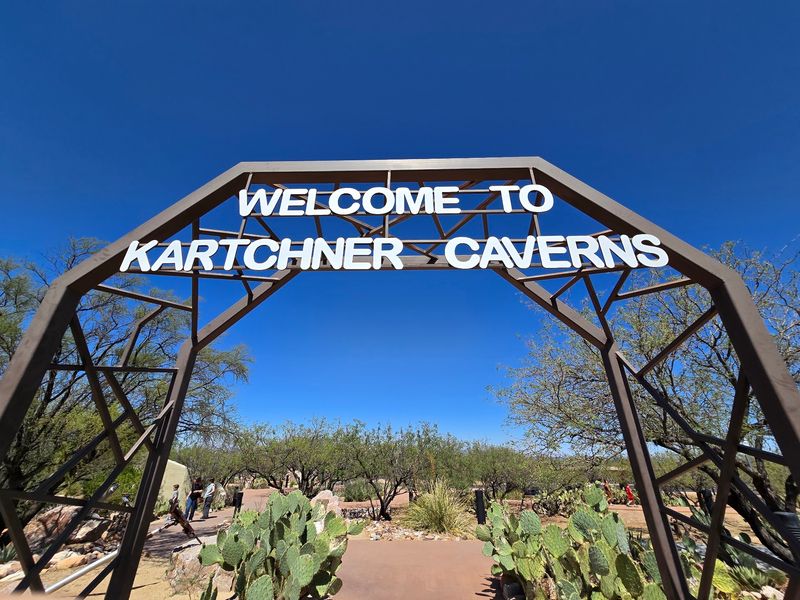
About an hour southeast of Tucson, just off Highway 90 near Benson, sits one of the most carefully protected natural wonders in the American Southwest. Kartchner Caverns State Park protects a limestone cave that scientists call a “living” cave.
What does that mean? Water still drips from the ceilings, and the rock formations keep growing bit by bit, exactly as they have for tens of thousands of years.
Nothing about this place is frozen or finished.
The setting above ground feels every bit as inviting as the world below. Desert trails wind across the foothills, a butterfly garden brightens the entrance, and mountain views stretch in every direction.
Visitors often say the whole park runs like a smooth machine, with friendly staff who clearly take pride in what they protect. It earns a strong 4.7-star reputation across nearly four thousand reviews.
Getting here is easy for day-trippers from Phoenix, Tucson, or Sierra Vista. You arrive at a modern visitor center first, then head underground on a guided tour that reveals just how special this quiet corner of Arizona truly is.
Two Students and a Secret That Lasted Fourteen Years
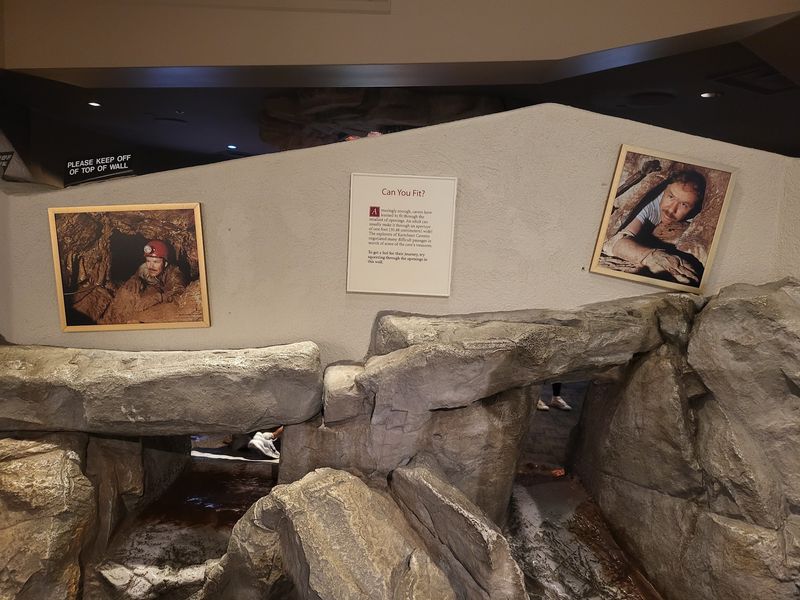
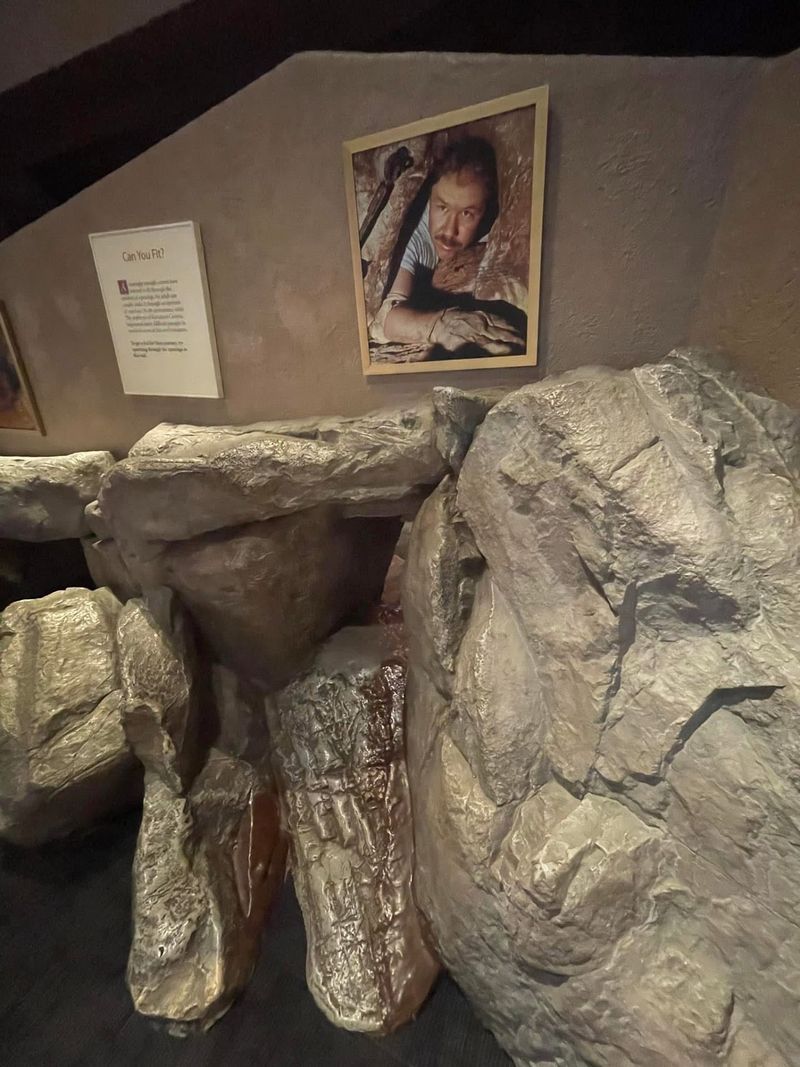
Picture two young explorers, Gary Tenen and Randy Tufts, poking around the Whetstone Mountains in November 1974, hunting for a cave nobody had ever touched. At the bottom of a sinkhole they found a narrow crack breathing warm, damp air.
That single clue told them something big waited below. They squeezed through and discovered a vast, untouched world of shimmering formations.
Instead of bragging about it, they did something remarkable. They stayed quiet.
Having seen other caves scratched, broken, and ruined, they wanted to shield this fragile place from harm.
The pair kept the secret even from the landowners, James and Lois Kartchner, for roughly four years before finally sharing it in February 1978. The wider public stayed completely in the dark for a total of fourteen years.
The story only became known in 1988, when the state of Arizona stepped in to buy the land and turn it into a protected park. Many visitors mention that hearing this tale, told beautifully in the visitor center, makes the whole trip feel even more meaningful.
Why Rock Formations Here Are Still Growing
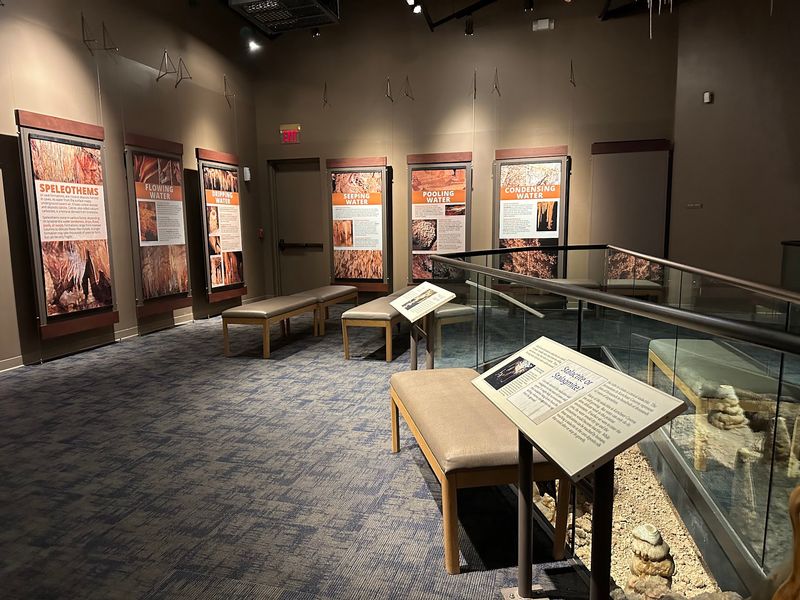
Most caves feel ancient and still, like museums carved in stone. Kartchner flips that idea completely, because its formations, called speleothems, are still forming right now.
Each drop of water that slides down a ceiling carries tiny bits of minerals. Over time, drop by patient drop, those minerals build stalactites, stalagmites, and delicate structures that have been growing for over 50,000 years.
One reviewer put it perfectly, describing the cave as another world surrounded by enormous, beautiful limestone shapes that took ages to appear. The paved path curves gently through dramatically lit chambers, adding to that sense of wonder.
Because everything is alive and delicate, the rules stay strict. You cannot bring anything inside, since a single dropped object could contaminate the growing rock.
Regulars point out that this careful protection is exactly why the cave still looks so pristine. Watching water bead on the ceiling and knowing it is quietly sculpting the next few inches of stone gives the experience a rare, almost magical feeling that stays with people long after they leave.
The Record-Setting Soda Straw in the Throne Room
Some of the tiniest details underground turn out to be the most jaw-dropping. Inside the Throne Room hangs one of the world’s longest “soda straw” stalactites, stretching an incredible 21 feet and 2 inches.
A soda straw is exactly what it sounds like, a thin, hollow tube of rock so fragile it looks like glass. Watching one grow to that length takes an unimaginable amount of time, since each grows only when water trickles through its hollow center.
Visitors love learning just how slowly these form. One traveler marveled at how cool it was to understand how long a single soda straw takes to build, calling it a highlight of the whole tour.
The Rotunda and Throne Room Tour is where you can see this delicate giant up close. Guides explain the science in plain, friendly language, so even kids follow along easily.
Standing beneath something so slender yet so old makes many people go quiet. It is a gentle reminder that nature works on a schedule far bigger than our own, one tiny drop at a time.
Kubla Khan, Arizona’s Towering Stone Giant
Every great cave needs a showstopper, and here it rises 58 feet toward the ceiling. Named Kubla Khan, this enormous column ranks as the tallest and most massive formation in all of Arizona.
A column forms when a stalactite growing down from the ceiling finally meets a stalagmite growing up from the floor. When the two join, they create a single towering pillar, and Kubla Khan is a spectacular example of that slow-motion handshake.
Guides light it dramatically so its size really sinks in. People often describe feeling tiny standing near it, the way you might feel gazing up at a giant tree or a cathedral ceiling.
Reviewers who have toured caves in Virginia, Tennessee, and Kentucky frequently say they were surprised by how impressive this one turned out to be. That is high praise from seasoned cave visitors.
Seeing Kubla Khan is one of those moments that makes the drive feel completely worth it. It stands as living proof of what patient water and mineral-rich drips can build across countless quiet centuries.
Rare Minerals That Rank Among the World’s Best
Beyond the big, obvious features lies a world of oddities that scientists find endlessly fascinating. The Big Room holds the world’s most extensive formation of something called brushite moonmilk, a soft, creamy mineral deposit unlike anything most people picture in a cave.
The chamber also shows off strange “turnip” shields and delicate “birdsnest” needle quartz formations, each with a texture and shape all its own. These curious names hint at just how varied the rock here really is.
All that variety adds up to something impressive. Kartchner ranks among the top ten caves on the entire planet for mineral diversity, a distinction very few caves anywhere can claim.
The steady environment helps make it possible. A constant temperature near 70 degrees and humidity close to 99 percent create ideal conditions for these unusual minerals to develop and survive.
Guides love pointing out these hidden gems, and knowledgeable docents come up in review after review. For anyone who enjoys learning the science behind the beauty, this cave delivers far more than pretty photos, offering genuine natural treasures found almost nowhere else.
The Warm, Humid World That Surprises First-Timers
Bundle up for a cave? Not this one.
Travelers arrive expecting the chilly, damp feeling most caves give off, then get a genuine shock when the air turns warm and heavy the moment they step inside.
The cave stays around 70 degrees with humidity near 99 percent, thanks to all that ever-dripping water. One visitor from Oregon showed up in a heavy coat, ready for cold, and was stunned when the ranger warned them it would feel hot and humid instead.
That thick, tropical air is part of what keeps the formations alive and growing. It also makes the whole experience feel like stepping into another climate entirely.
Sophisticated air-lock doors and misting machines help hold that delicate balance steady, protecting the cave from the dry desert just outside. Dress in light, comfortable layers rather than winter gear.
Many people find the warmth oddly cozy once they adjust. It adds to the dreamlike, otherworldly mood, reminding you that this underground place follows its own rules, completely separate from the sunbaked Arizona landscape waiting up top.
Bats, Turkeys, and the Wildlife Above and Below
Every spring, the cave hands part of itself over to some very important tenants. More than a thousand female cave myotis bats gather in a nursery roost to raise their young, and the park proudly makes room for them.
To protect the babies, the Big Room Tour closes each year from April 15 to October 15. Rather than a disappointment, it is a heartwarming example of how seriously this place takes conservation.
Visitors sometimes get a special treat above ground too. The park occasionally offers bat presentations, and a few lucky guests have even touched a living bat and felt its rapid little heartbeat, though staff note this is not an everyday event.
Wildlife encounters continue out at the picnic tables. Several reviewers laughed about wild turkeys strolling up like feathered welcome committees while they ate lunch.
Between the bats below and the turkeys wandering the grounds, the park feels wonderfully alive in every direction. It is a reminder that Kartchner protects a whole ecosystem, not just a beautiful cave, and that thoughtful care shows in every corner.
A Welcoming Park for Families and Wheelchair Users
Grandparents, grandkids, and everyone in between tend to leave here glowing. One family brought their 7 and 9-year-old granddaughters and reported the girls were as awestruck as the adults, calling it something everyone should see.
What truly sets this park apart is its accessibility. Kartchner is one of the very few wheelchair-accessible caves in the world, with smooth paved paths that welcome visitors who might skip other caves entirely.
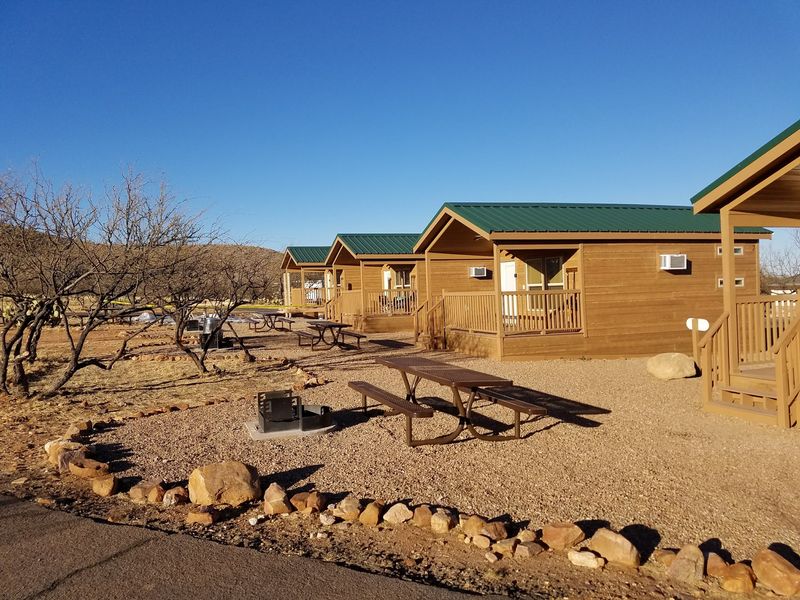
Reviewers repeatedly praise how ADA-friendly the whole experience is, from the cave route to the cabins and restrooms. The walking is described as manageable, not strenuous, so a wide range of ability levels can join in.
Beyond the cave, the visitor center adds plenty for families. Exhibits, a theater film about the discovery, a gift shop, and a small cafe serving sandwiches round out the day.
Guides keep the science lively and easy to follow, which keeps younger visitors engaged. For multigenerational trips where everyone actually wants to be included, this park quietly checks a box that surprisingly few natural attractions ever manage to.
Planning Your Visit and the Verdict
A little planning goes a long way here. The park runs from 8 AM to 5 PM daily, and reservations are strongly encouraged, since tour spots are limited on purpose to protect the fragile cave.
Regulars stress booking well in advance, especially for the Big Room Tour, which only runs from mid-October through mid-April. Remember that no phones, cameras, or bags come inside, except on special photography-tour dates, so plan to simply soak it in.
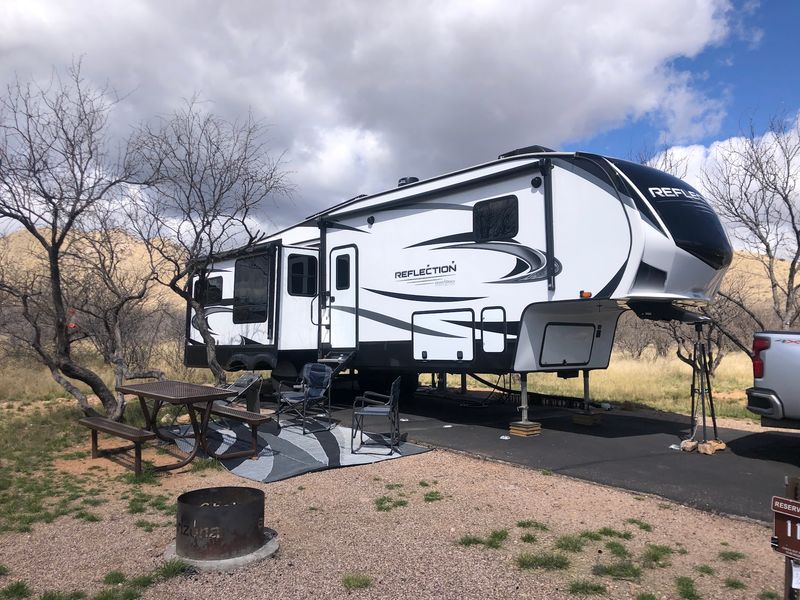
Beyond the cave, there is a whole day to fill. Hiking loops, picnic areas with grills, a butterfly garden, and a well-kept campground with cabins and RV sites make it easy to linger, and some folks happily spend five hours or more.
Visitors call the tours reasonably priced and the staff genuinely proud of the place. A couple mention wishing the guides gave a touch more freedom to pause and linger, worth keeping in mind.
Would I send an Arizona friend here? Absolutely.
A secret cave kept safe for fourteen years, still growing today, easily earns its “worth the drive” reputation.