
This Arizona Museum Lets The Stingrays Reach Out And Touch You
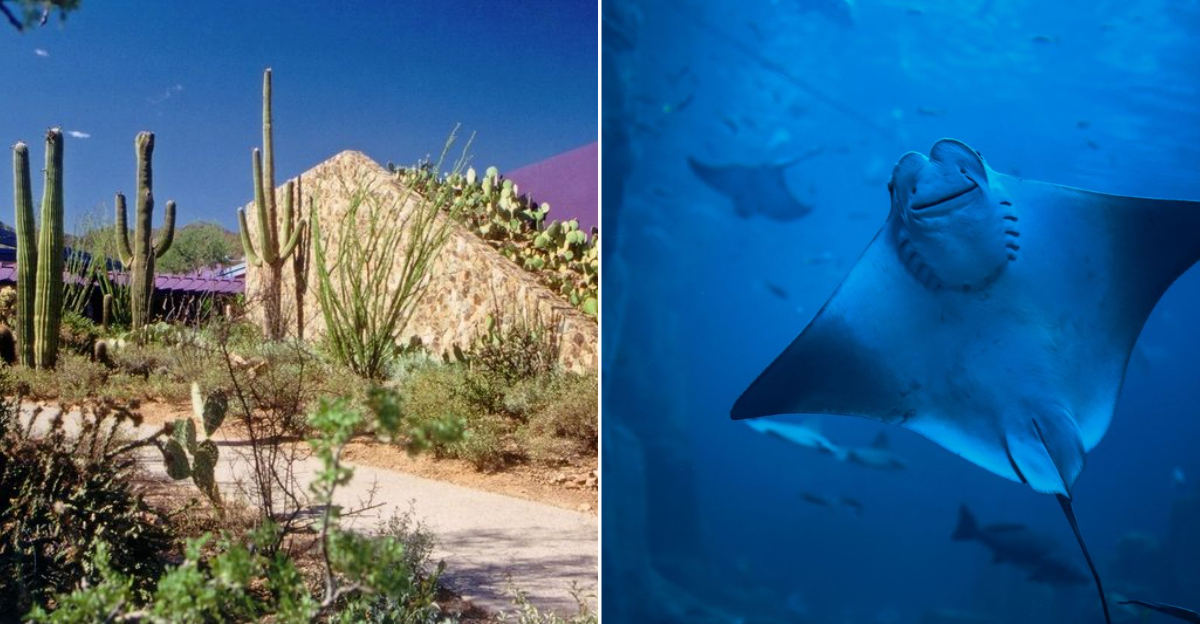
Confession: I am not a “hot weather” person. So when a friend dragged me out to explore a famous outdoor wildlife park in Arizona, I packed three water bottles and prepared to suffer. Instead, I ended up completely enchanted.
One minute I was dodging giant saguaro cacti and watching roadrunners zip by, and the next, I was standing knee-deep in excitement at a stingray touch pool.
Seriously, watching these friendly, smiling swimmers flap right up to the surface to say hello is an absolute game-changer. It’s quirky, it’s gorgeous, and it totally redefines what a zoo experience should be.
If you’ve got a free weekend and a craving for something wonderfully unexpected, I’ve got just the spot for you.
Five Attractions Wearing One Name Tag
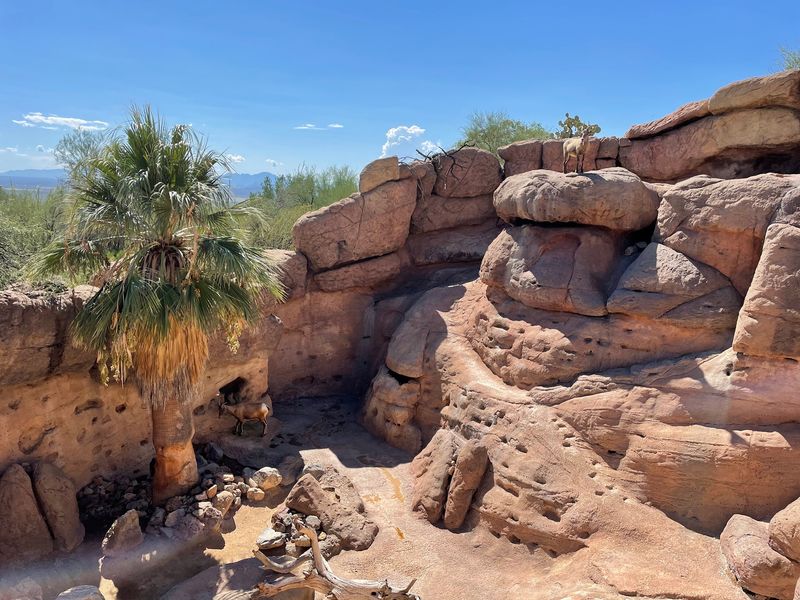
Calling this place a museum feels like underselling it by about four categories. It functions at once as a zoo, a botanical garden, a natural history museum, an art gallery, and yes, an aquarium.
The mission behind all of it is simple: help people understand the whole Sonoran Desert region, not just the postcard parts. That region stretches to the Gulf of California, which explains why saltwater shows up in a place surrounded by cactus.
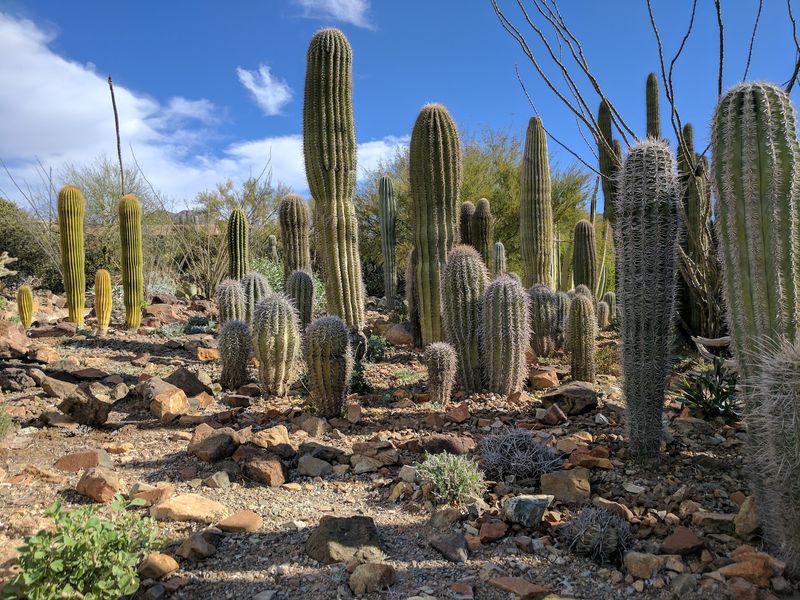
Walking the grounds, I counted losing track somewhere past the twentieth species. Officially there are more than 230 animals represented and over 1,200 kinds of plants, nearly all native to this corner of the world.
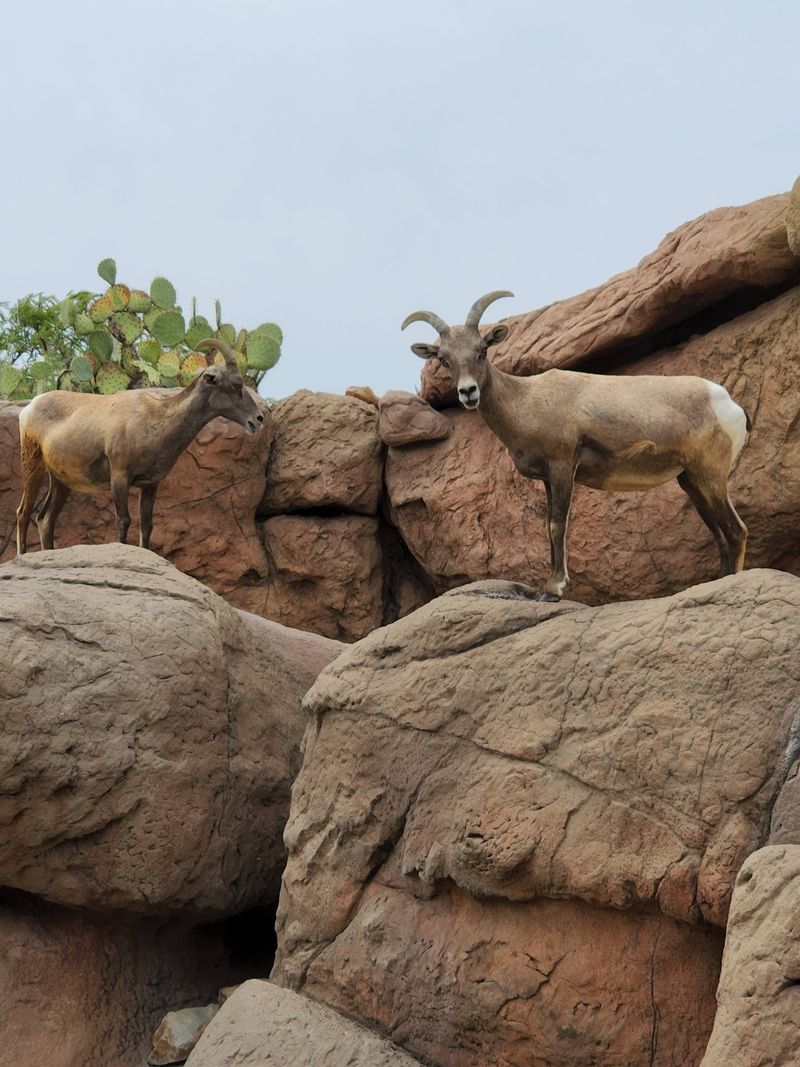
The layout keeps animals in habitats that mirror what surrounds them naturally, so a bighorn sheep stands on real rock under real sun. Roughly 85 percent of your visit happens outdoors.
It is one of Southern Arizona’s most visited attractions, and after one loop I understood exactly why people keep coming back.
Every turn brings a new habitat, which makes the whole place feel much bigger than a typical museum stop. Give yourself time to wander slowly, because rushing through means missing half the details.
Wet Velvet And Peeled Mango
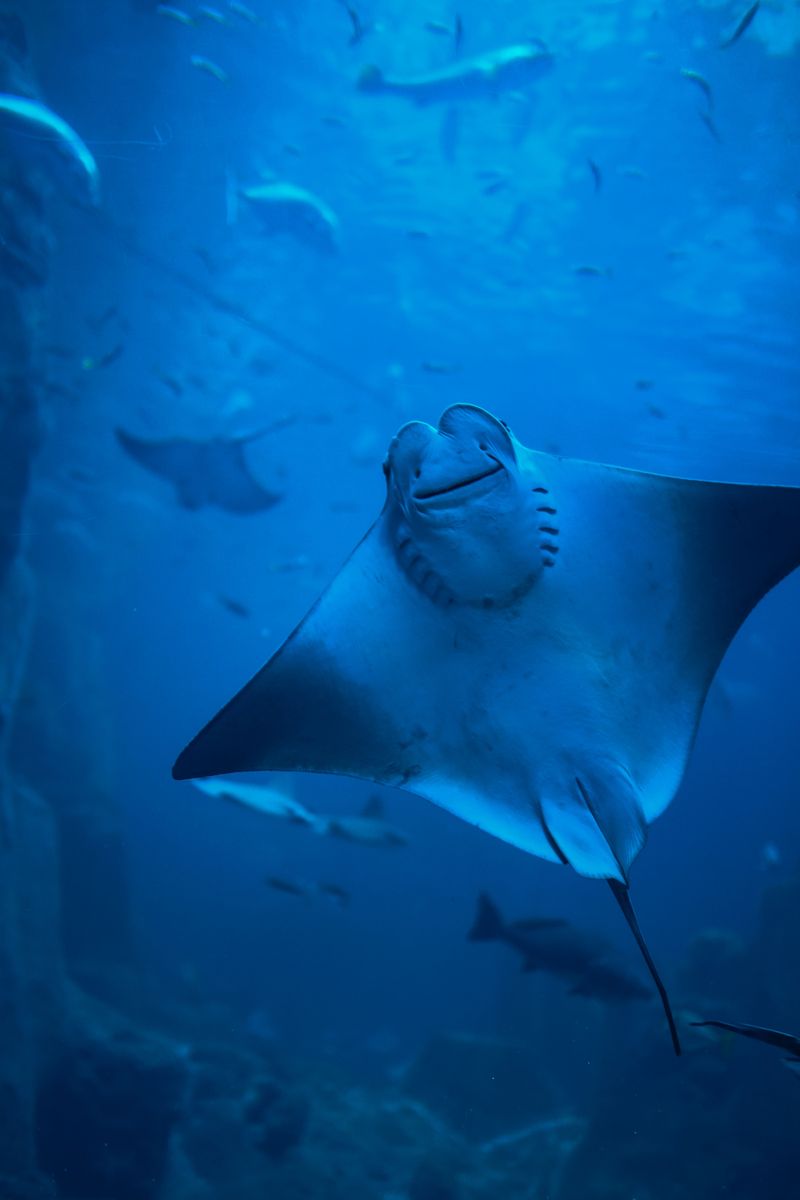
My hand hovered over the water for a solid ten seconds before I committed. Then a juvenile Atlantic cownose ray swept by, brushed my fingertips, and circled back like it wanted a second opinion.
People describe the sensation as wet velvet or the outside of a peeled mango, and honestly both are accurate. Nothing prepares you for how smooth and cool it feels.
The pool holds about 14,500 gallons and sits outdoors under shade canopies, which matters a great deal in July. The rays living here were born in captivity and donated to the museum, so human hands are nothing new to them.
Safety is handled carefully. Staff trim the stingers on a regular schedule, a routine the museum compares to clipping fingernails, and it causes the animals no discomfort.
Attendants stand right there coaching you on the two-finger technique. Standing in a desert while a ray says hello ranks among the strangest good moments I have had.
Kids and adults tend to linger here longer than expected, waiting for one more gentle pass beneath their hands. It is the kind of encounter that turns a quick stop into one of the most memorable parts of the visit.
Beat The Heat By Arriving At Opening
Sleep in and you will regret it, plainly and quickly. The museum stays open 365 days a year, but the first two hours after opening are worth more than the rest of the day combined.
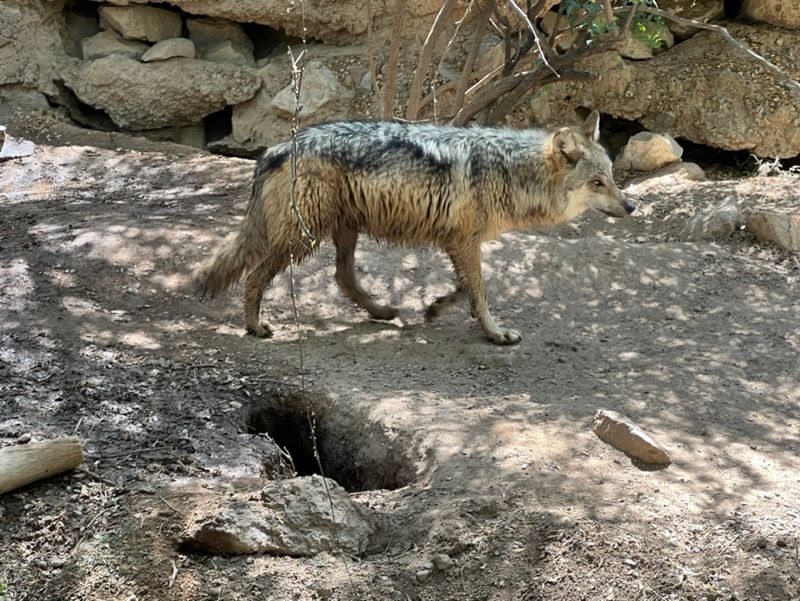
Desert animals think the same way I do about midday sun, which is to say they want no part of it. Show up early and the javelinas are moving, the coyotes are pacing, and the bobcats have not yet vanished into shade.
Cooler air also makes those two miles of trail feel like a pleasant stroll instead of an endurance test. By eleven, the pavement radiates heat back at your ankles.
I brought a refillable bottle and used the filling stations at least four times. A wide hat, sunglasses, sunscreen, and broken-in walking shoes rounded out the essentials.
Skip the sandals. Desert dust finds every gap, and your feet will file a formal complaint by lunchtime.
Cool Summer Nights Change Everything
Summer Saturdays hold a secret that many day visitors never discover. Between June and August, the museum stays open until 10:00 PM for Cool Summer Nights, and the whole place transforms.
Temperatures drop, the light turns that impossible desert orange, and animals that spent all afternoon napping decide it is finally worth getting up. Nocturnal residents come alive while you watch.
I wandered past exhibits I had already seen that morning and barely recognized them. A kit fox that had been an invisible lump of fur was suddenly bright-eyed and busy.
Staff set up extra programs on these evenings, including talks and demonstrations that do not run during regular hours. The mineral collection under artificial light is its own quiet spectacle.
Bring a light layer, because desert evenings cool off faster than you expect. Of every choice I made on this trip, staying late ranked as the smartest one.
Hummingbirds At Eye Level
Nothing at the museum made me stand still longer than the hummingbird aviary. You walk through a double door, and suddenly these tiny iridescent things are zipping past your ear at impossible speed.
Several species live in the enclosure, and they nest, feed, and squabble right in front of you. On my visit, one perched on a branch about a foot from my shoulder and simply stared.
Patience pays here. Stand near the flowering plants, keep your movements slow, and the birds stop treating you as an obstacle.
Photographers should set a fast shutter speed and accept that most shots will be blurry anyway. That is part of the charm.
A second walk-in aviary nearby houses other native desert birds, and it deserves the same slow pace. Both spaces prove the smallest residents can outshine the mountain lions, though I would never say that out loud near the big cats.
Raptor Flights And The Cats Nobody Sees Coming
A hawk once flew close enough over my head that I felt the air move. The seasonal Raptor Free Flight program sends birds soaring over the crowd without cages or tethers, and it is the single most talked-about show on the grounds.
Harris’s hawks hunt cooperatively during these demonstrations, working the desert scrub exactly as they would in the wild. Handlers explain the behavior as it unfolds, which makes the whole thing feel like a nature documentary you are standing inside of.
Check the daily schedule at the entrance, because the program runs during cooler months and times shift.
Elsewhere, the mountain lion and bobcat habitats reward anyone willing to linger. These cats blend into rock and shadow so well that half the visitors walk right past them.
I stood for six minutes seeing nothing, then spotted a tail flick. Slow eyes find more here than fast feet ever will.
Tickets, Timing, And The Small Extra Fees
Budget a little more than the admission price and you will avoid disappointment at the gate. General entry covers almost everything, but the Stingray Touch exhibit carries a small separate fee, and feeding the rays costs a bit extra on top of that.
Worth it? Absolutely. Watching a ray rise up to take food from your fingers is a memory that outlasts the receipt.
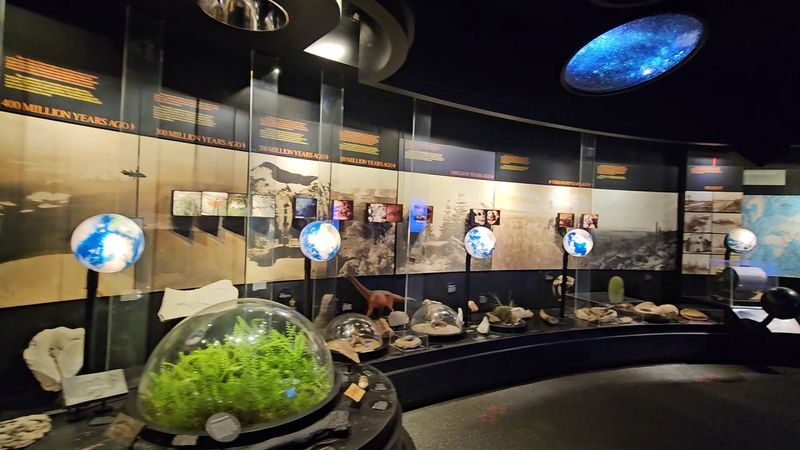
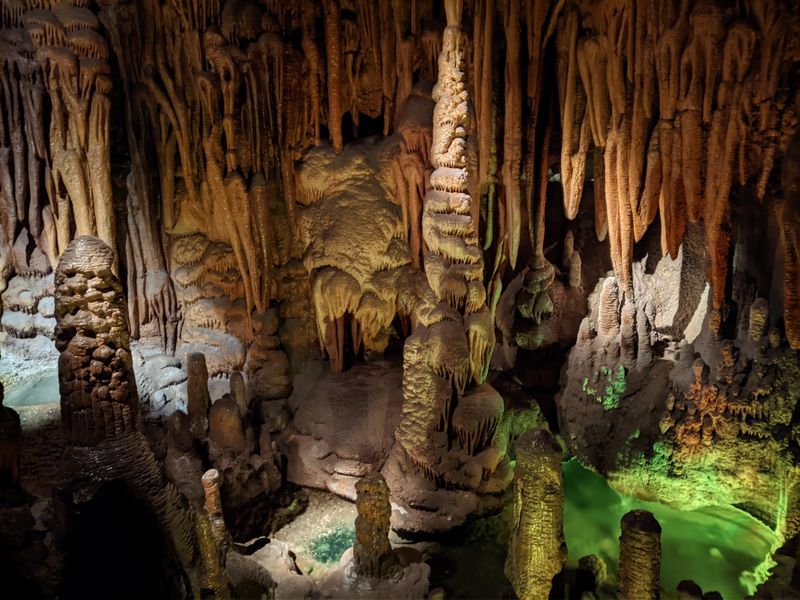
Plan on three to four hours minimum, and honestly a full day if you want the restaurants, the art gallery, and the earth sciences cave.
The museum sits about 14 miles west of downtown Tucson, tucked beside Saguaro National Park, so pairing the two makes an excellent day. Parking is free and plentiful.
Members get in year-round, which pays for itself fast if you live locally. Check the official site before you drive out, since hours shift seasonally and certain programs run only part of the year.
Two Miles Of Trails And Shoes That Can Handle Them
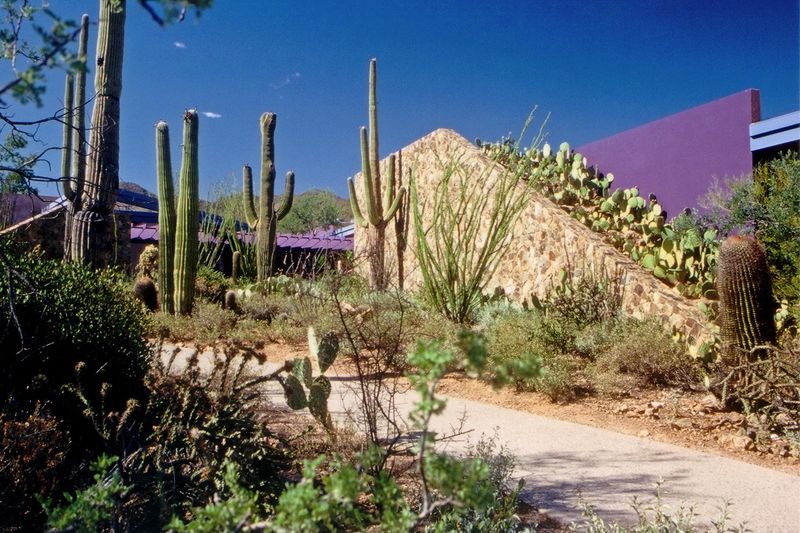
Nearly everything here sits outdoors, connected by close to two miles of gravel and packed-dirt pathways that wind through real desert terrain.
Sandals and flip-flops turn into a mistake fast, since the trails carry loose stones, gentle slopes, and plenty of sun-baked stretches with no shade at all. Closed sneakers, a wide brim hat, and a refillable water bottle handle the job nicely.
Wheelchairs and strollers roll fine on the main loops, and rentals wait near the entrance. Plan on three hours minimum, and stop at the shaded benches scattered along the way whenever your legs start complaining.
Nearly everything here sits outdoors, connected by close to two miles of gravel and packed-dirt pathways that wind through real desert terrain.
Sandals and flip-flops turn into a mistake fast, since the trails carry loose stones, gentle slopes, and plenty of sun-baked stretches with no shade at all. Closed sneakers, a wide brim hat, and a refillable water bottle handle the job nicely.
Wheelchairs and strollers roll fine on the main loops, and rentals wait near the entrance. Plan on three hours minimum, and stop at the shaded benches scattered along the way whenever your legs start complaining or the desert heat starts catching up with you.