
This Arizona Rockhound Area Lets You Hunt For Fire Agate And Take Home What You Find
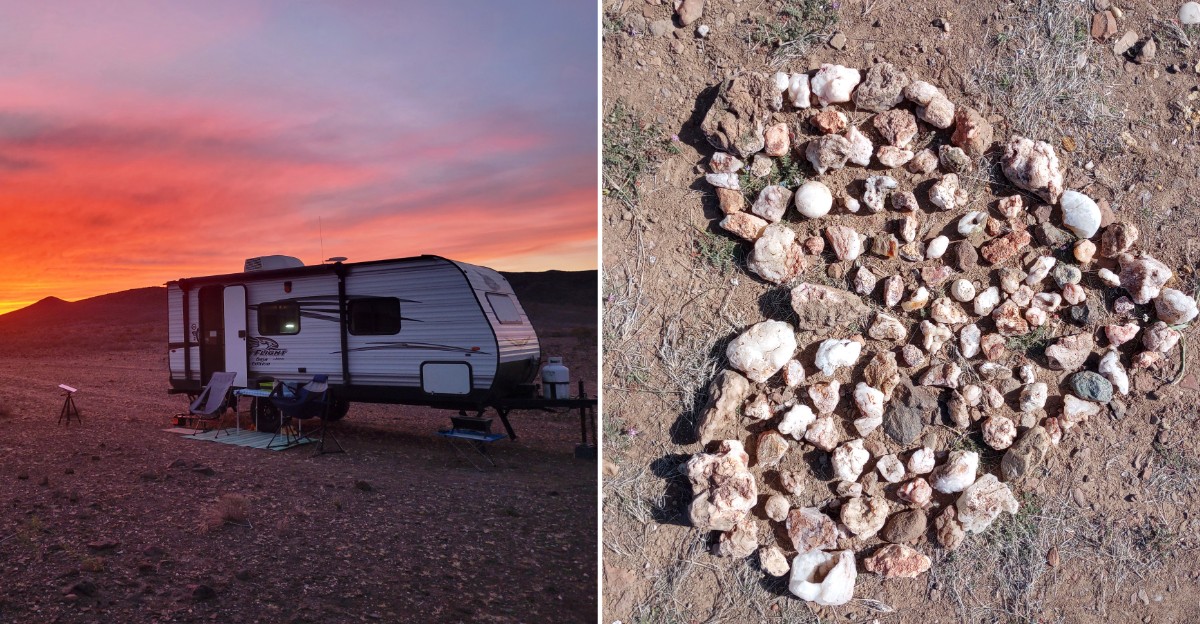
Fire agate shows up so often at one remote spot that you can park, look down, and start finding pieces. That’s no exaggeration.
The rocks really do sit right on the ground.
This gemstone flashes reds, greens, and golds from inside, almost like a tiny trapped flame. The best part is that this patch of public land in Arizona lets you keep what you find.
No permit, no entry fee, no gift shop markup.
I like how simple the whole idea feels. You bring water, sturdy shoes, and a bucket, then wander until something glints back at you.
Kids can do it, and seasoned collectors still come back.
The drive in takes patience, and the land offers zero amenities. I can’t imagine a better trade for a free treasure hunt, can you?
A Free Public Treasure Field Way Out In Southeastern Arizona
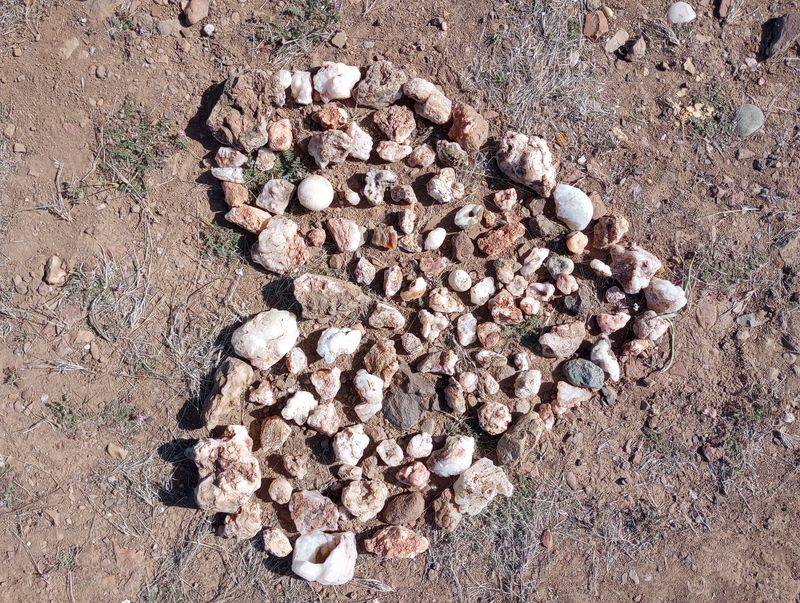
Round Mountain Rockhound Area sits near Duncan, close to the New Mexico line in southeastern Arizona. It’s land managed by the Bureau of Land Management, set aside for people who like to hunt rocks.
That means recreational collecting is the whole point here. You’re not sneaking a souvenir from a park, because taking home your finds is allowed and expected.
The area is open 24 hours a day, every day of the week. There’s no gate to beat in the morning and no closing bell pushing you out at dusk.
The listed address is simply Duncan, AZ 85534, which tells you a lot. There’s no storefront, no visitor center, and no street number waiting at the end of the road.
Instead, you get a rounded volcanic hill, open country, and rocks scattered across the ground. Fire agate is the headline, but chalcedony and other agates also turn up in good numbers.
It’s the kind of place that rewards curiosity more than skill. A sharp eye and a little patience matter more than fancy equipment.
For anyone who loves a free outing with a real payoff, the setup is hard to beat. You walk in empty-handed and drive out with a bag of pretty stones.
The Gem That Looks Like It Swallowed A Sunset
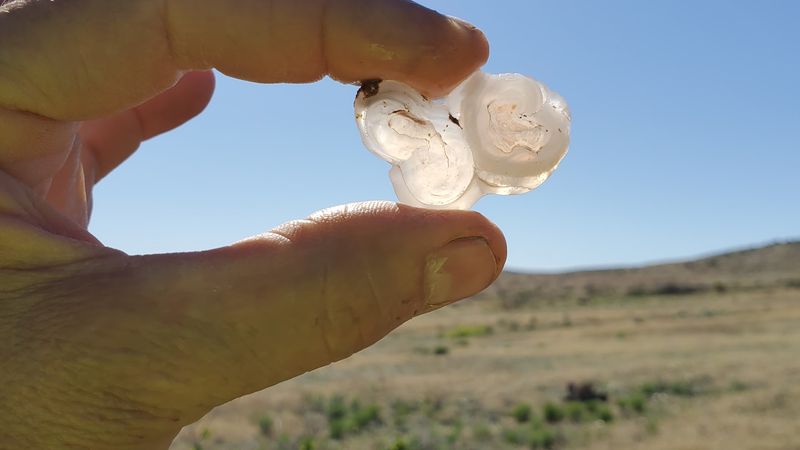
Fire agate gets its glow from thin layers of iron oxide trapped inside chalcedony. When light hits those layers, colors bounce around like a tiny fireworks show.
Reds, oranges, greens, and golds can all appear in one stone. Some pieces show bubbly shapes collectors often call botryoidal, which sounds fancier than it looks.
The gem world only gave fire agate formal attention in the twentieth century. That makes it a fairly young star compared to diamonds or rubies.
It also forms in only a handful of places, mostly tied to old volcanic activity. Southeastern Arizona happens to be one of the lucky spots.
At Round Mountain, the source is the lava outcroppings on and around the hill. Over time, erosion has broken pieces loose and spread them across the slopes and washes.
Not every agate you pick up will show fire. Plenty look like plain brown or cream nodules until cut or polished.
That’s half the fun, honestly. You might pocket a dull lump today and discover a hidden flash once you get it home and start working on it.
A pocketful of maybes is still a great souvenir.
Rocks So Plentiful You Barely Need A Strategy
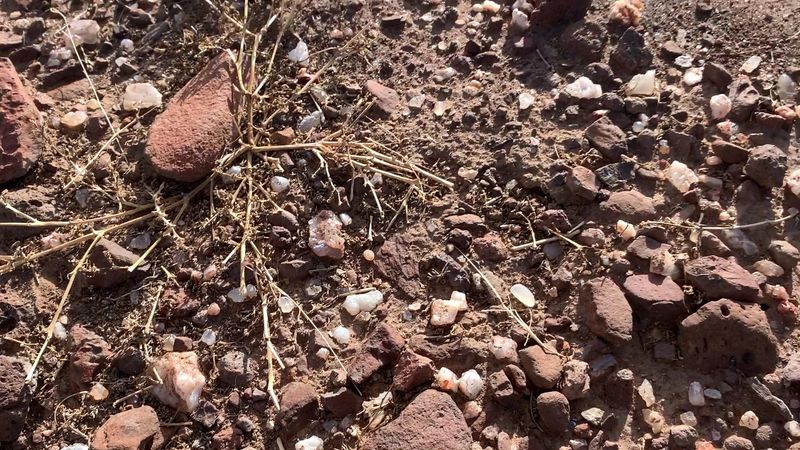
Good news for beginners: agates at this site are often described as being literally everywhere. Many collectors simply park within the boundary and start scanning the ground.
Chalcedony shows up in pretty numbers too. Some pieces come out large and smooth, with almond and even egg shapes that make excellent tumbling stones.
Fire agate tends to appear in smaller bits for casual hunters. Still, decent specimens do turn up for people willing to walk and look carefully.
Rosettes are another prize worth watching for. These clustered formations look a bit like stone flowers frozen in place.
Comparisons with the better-known Black Hills Rockhound Area near Safford come up often. Round Mountain tends to win points for larger rocks that are easier to spot.
Nobody’s getting rich here, of course. The finds lean toward small keepers rather than museum showpieces.
But that’s exactly why it works so well for families and first-timers. The success rate stays high, and that keeps everyone hunting longer.
Kids especially love a game where winning means picking up shiny things. Expect pockets to bulge quickly.
Smart Spots Where The Best Finds Seem To Hide
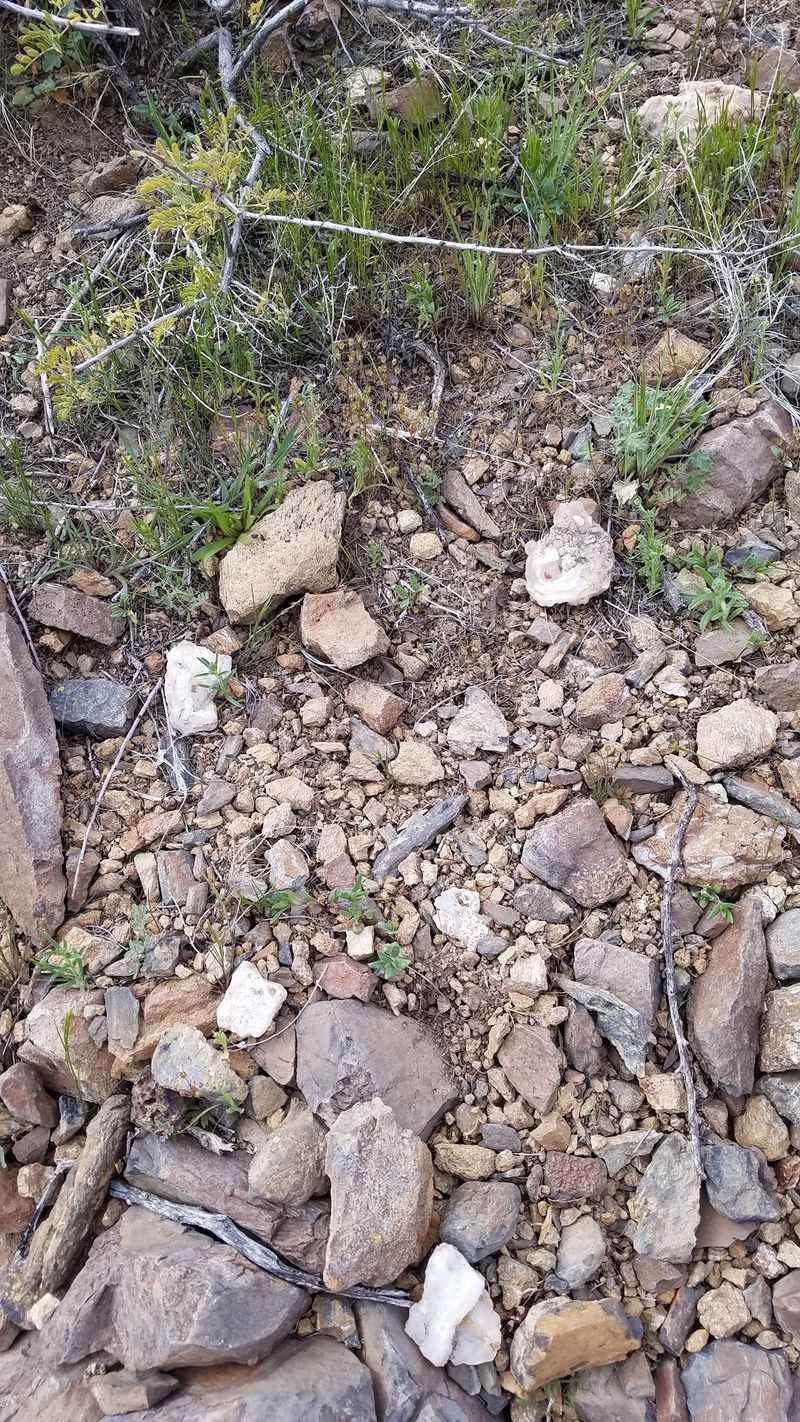
Here’s a tip that shows up again and again: walk away from the road. The loop road area has been picked over, while ground farther out tends to reward explorers.
Arroyos deserve your attention too. These dry washes collect stones that rain and erosion carry down from higher ground.
The hill itself holds some of the best specimens. That makes sense, since the lava outcroppings there are the original source.
The backside of the mountain has a reputation for good rocks as well. Following the loop road up and around opens more ground to search.
One clever trick is following the color. Spot bits of agate on the ground, then trace them uphill toward where they came from.
Directions to the cattle area, off to the left, can lead to productive ground too. Just respect the livestock and any posted signs.
Agates also turn up along the road from the first sign where you turn. So the hunt can start before you even reach the main area.
A slow pace pays off. Rushing tends to mean stepping right over the good stuff.
Hand Tools, Sledgehammers, And The Rules Of Taking Home
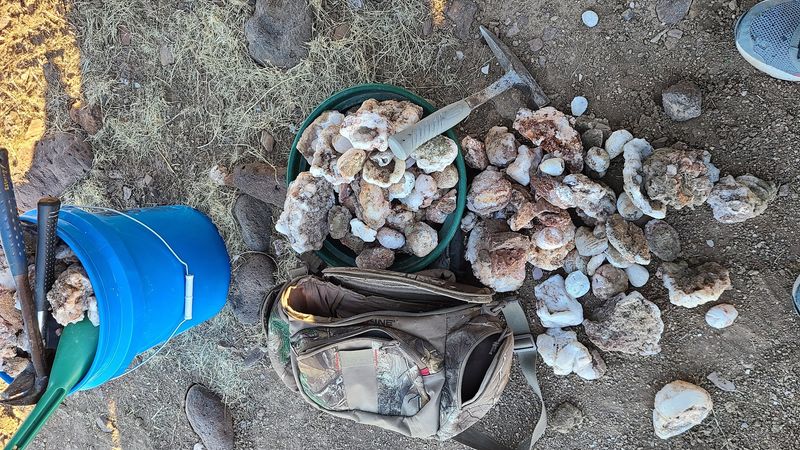
Surface collecting needs very little gear. A bucket, gloves, and maybe a small trowel will cover most casual visits.
Working the host rock is another story entirely. Breaking into the lava calls for a sledgehammer and chisels, plus serious elbow grease.
BLM rockhounding areas generally limit collectors to hand tools. Heavy equipment and explosives are off the table, which keeps things fair and the land intact.
Collecting is meant for personal, noncommercial use. Arizona BLM guidelines commonly cite a limit of 25 pounds per day plus one piece, with 250 pounds per year.
Rules can change, so it’s smart to check with the BLM Safford Field Office before a big trip. A quick call beats an awkward surprise.
Always confirm you’re on public land, too. Mining claims and private parcels can sit nearby, and they deserve the same respect as anyone’s backyard.
A loupe or magnifier is a fun addition. It helps you spot faint fire hiding under a dusty surface.
A spray bottle of water does a similar job. Wet stones show their colors far better than dry ones.
That Long Dirt Road Deserves Real Respect
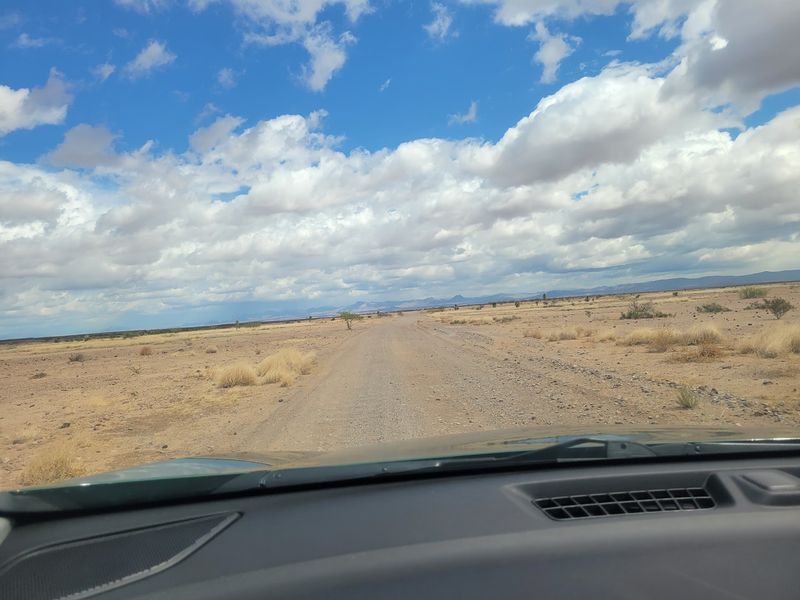
Six miles. That’s roughly how long the narrow, rutted dirt road runs from pavement to the collecting grounds.
Mapping apps point to it accurately, leading you to a dirt road with a big ranch archway. From there, signs for the rockhound area guide the rest of the way.
The surface shifts from smooth stretches to deep ruts without much warning. Rain can wash out low spots and change conditions quickly.
A high-clearance truck, SUV, or Jeep is the safest bet. Some smaller crossovers manage in dry weather, but sedans are a gamble out here.
Railroad tracks cross the route as well. Stop, look, and listen for trains, since a crossing sign may not always be there.
Driving slowly helps in every way. You protect your vehicle and avoid a long, lonely wait for help.
Landmarks include a big water tank, with the loop road just past it. Taking that loop opens up the mountain and its slopes.
Treat the drive as part of the adventure. A little patience on the way in keeps the good mood going all day.
Bring Everything Because There Is Truly Nothing Out There
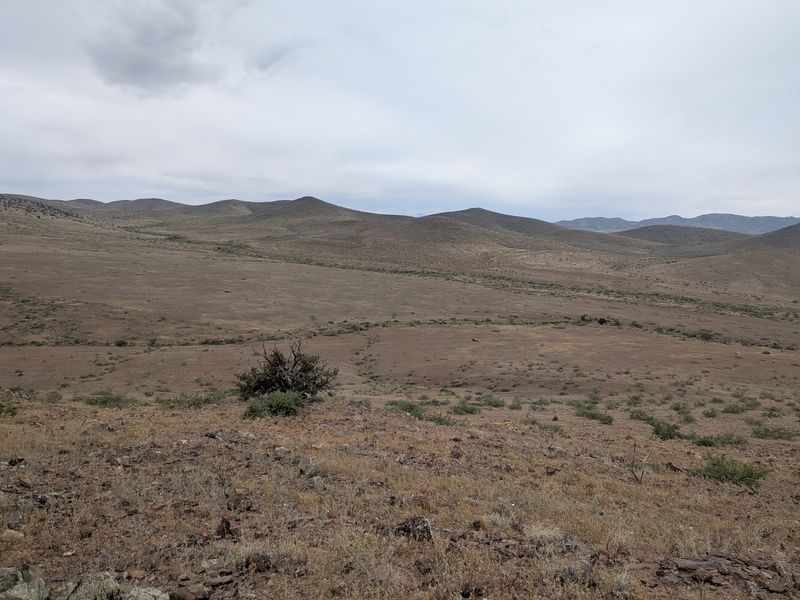
Zero amenities. No restrooms, no water spigots, no snack bar, and no ranger station waiting at the end.
Self-sufficiency is the golden rule for any visit. Pack more water than you think you need, along with food and a basic first aid kit.
Cell service is spotty at best. You may only catch a signal by climbing one of the hills.
That makes telling someone your plans a smart move. Share where you’re headed and when you expect to return.
Sun protection matters in every season. Wide hats, sunglasses, and sunscreen help on those long hours bent over the ground.
Wind is another frequent companion here. A light jacket and something to hold down loose gear can save frustration.
A spare tire in good shape is worth double-checking. So is a full gas tank before leaving Duncan or Safford.
Leave No Trace habits keep the area open and welcoming. Pack out trash, respect posted signs, and give cattle and wildlife plenty of room.
Local ranchers drive through and seem to keep an eye on things. Good manners go a long way with your neighbors in the hills.
Quiet Desert Country Where Camping Comes Easy
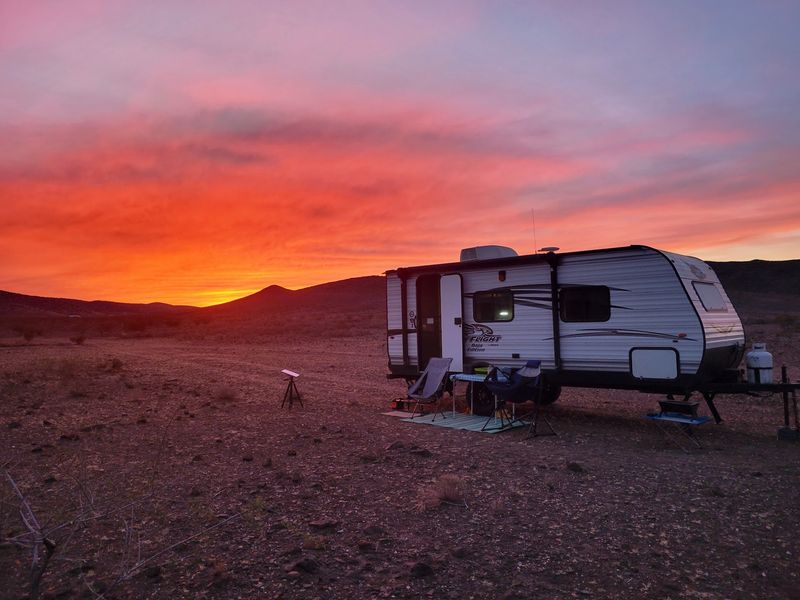
Silence might be the second-best thing you take home. The area feels remote, peaceful, and wonderfully empty much of the time.
One family visiting on New Year’s Day found themselves almost alone. Other visits note only a few other people sharing the hills.
Camping is a popular way to stretch the hunt. Dispersed camping on BLM land typically allows stays of up to 14 days in one spot.
Plenty of collectors plan to come back and camp after a first day trip. A few hours just never feels like enough ground covered.
Nights out here can be dark and wide open. With no town glow nearby, the sky tends to put on a beautiful show.
Wildflowers and butterflies can brighten the land after good rains. It’s a softer side of the desert many people don’t expect.
Bring a sturdy tent, since breezes can be strong. Staking down well keeps your camp from wandering off toward New Mexico.
Waking up already on the hunting grounds is a real perk. First light is lovely for spotting color on the slopes.
Cooler Months Make The Hunt Far More Fun
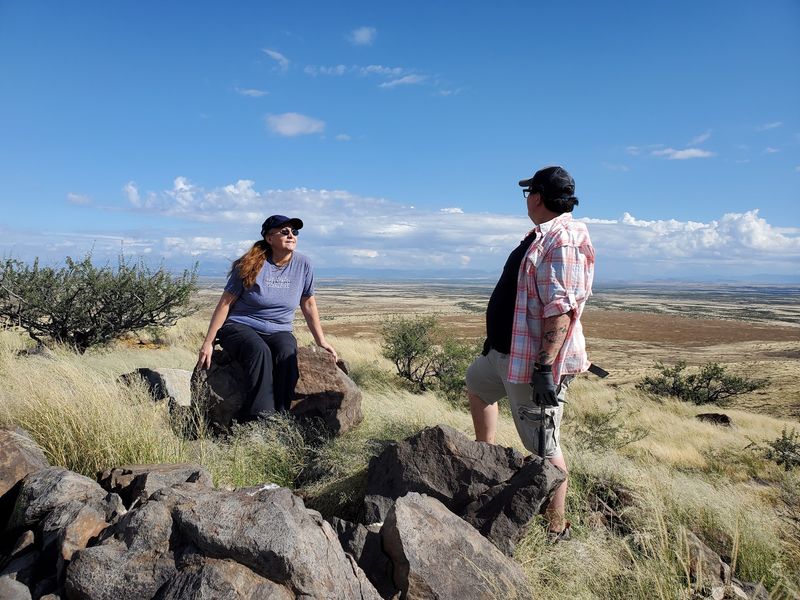
Timing changes everything in southeastern Arizona. Summer heat in this region can climb well past 100 degrees, which turns rock hunting into a sweaty slog.
October through April is the sweet spot. Mild days let you wander for hours without baking.
Winter visits can feel especially pleasant here. Holiday trips with kids show how comfortable the cooler season can be.
Monsoon season brings its own challenges. Summer storms can wash out low spots on the road and leave ruts behind.
Dry ground makes the drive much easier. Checking the forecast before heading out is a simple way to avoid trouble.
Spring offers a bonus when rains cooperate. Flowers and butterflies can liven up the land around the hill.
Since the area never closes, early starts are easy. Morning light also helps fire agate stand out against the dirt.
Families often find this outing hits a sweet spot. It’s cheap, active, and filled with constant little wins.
Retirees and road-trippers fit in well too. Anyone with a curious streak and a slow pace will feel right at home.
Worth Every Bumpy Mile For Curious Collectors
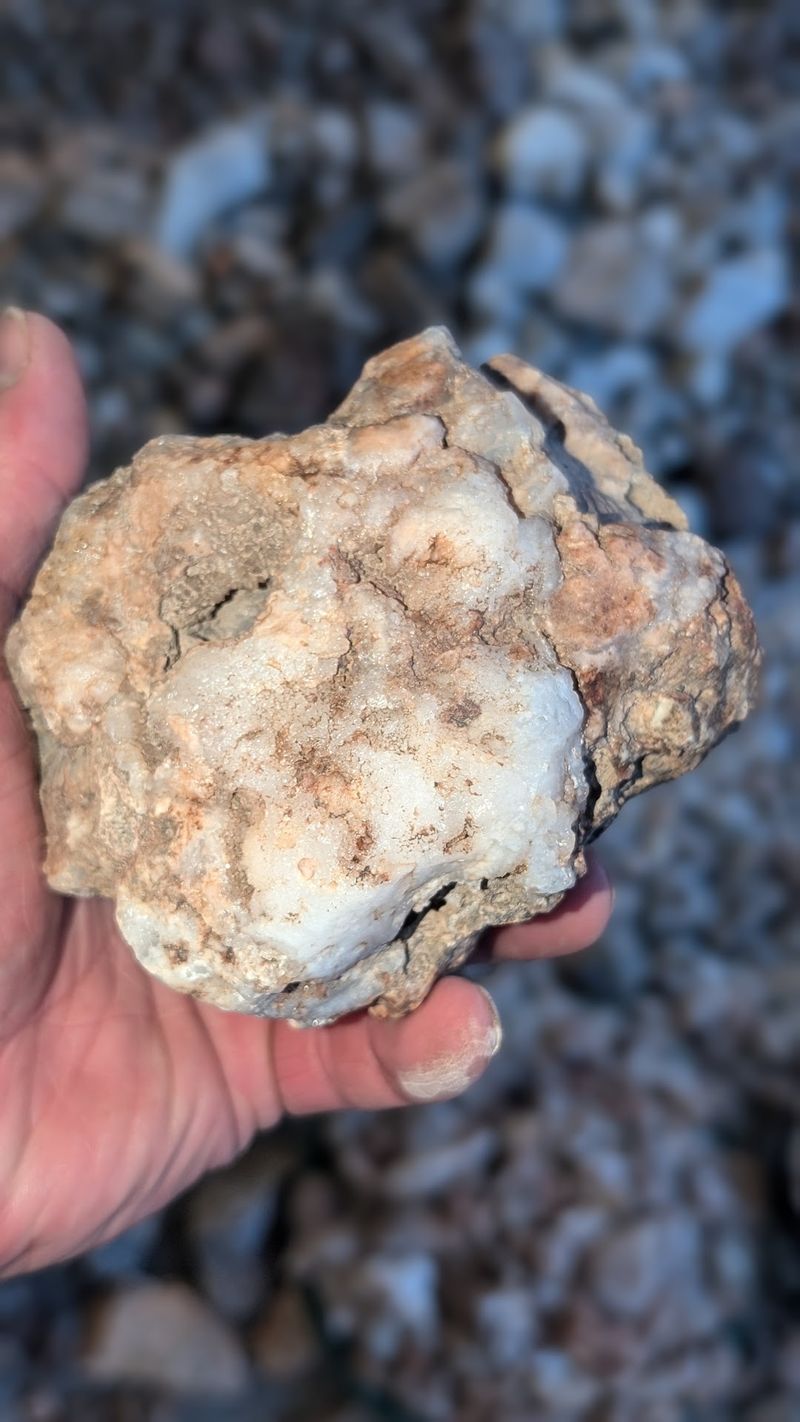
Few outings in Arizona offer this much reward for so little money. Round Mountain Rockhound Area hands you free access to a genuine gemstone field.
The catch is effort, not cost. You’ll need a capable vehicle, steady patience, and enough supplies to handle real remoteness.
In return, the ground delivers agates, chalcedony, rosettes, and flashes of fire. Even beginners rarely leave empty-handed.
I like that the experience stays humble. Nobody sells you a ticket, and nobody promises a fortune.
It’s just you, a bucket, and a volcanic hill that keeps shedding treasure. That simplicity is a big part of the charm.
Pair the trip with a stop in Duncan or Safford for supplies. Then plan a second visit, because one day rarely feels like enough.
Polishing your finds at home stretches the fun even further. A rock tumbler can turn those dusty lumps into glossy keepsakes.
Round Mountain Rockhound Area proves the best souvenirs sometimes cost nothing. Who knows what might be glinting out there right now, waiting for someone sharp-eyed enough to notice?