
This Arizona Town Was Once Peaceful, Then Everyone Found Out About It
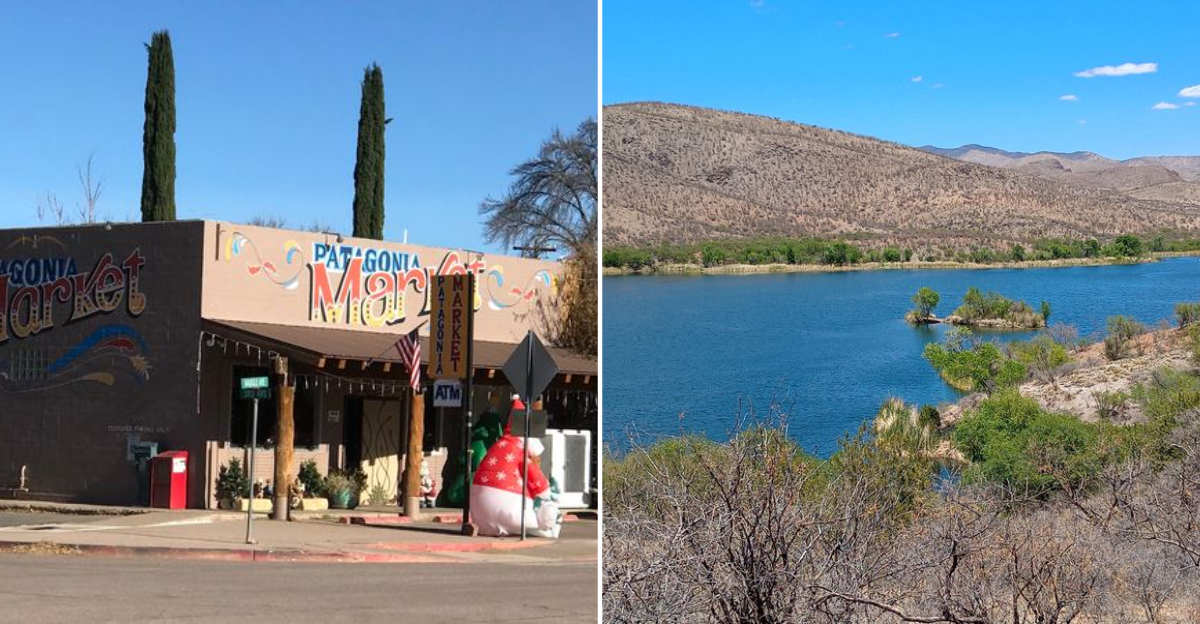
Keeping a beautiful little town secret was probably easier before everyone carried a camera and a map in their pocket.
Arizona has learned that lesson more than once.
This community spent years enjoying a quieter rhythm, far from the crowds that define some of the state’s better-known stops. Then travelers started noticing. One recommendation became ten, weekend visits multiplied, and suddenly the secret was not much of a secret anymore.
The funny part is that I cannot really blame anyone for coming. I have absolutely planned trips because one photo made a place look too good to ignore. Self-control disappears remarkably fast when a scenic Arizona road trip enters the conversation.
The town still has plenty of its original charm, but these days you may have to share it with considerably more people than you would have years ago.
A Mining Town That Reinvented Itself
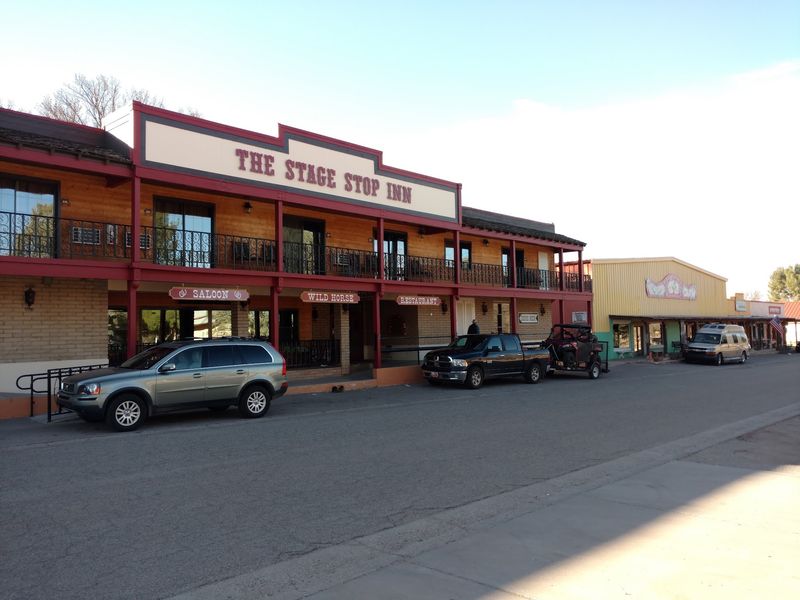
Long before tourists showed up with cameras, this town was all business. Back in the mid-1800s it started as a trading and supply center serving nearby mines and ranches.
By 1900, folks had named it Patagonia after the mountains standing guard nearby, and a proud two-story railroad depot anchored the community. During World War I, the streets bustled with running water, an Opera House, and several hotels that welcomed weary travelers.
Then came the shift. In the late 1950s and early 1960s, the mines shut down and the railroad stopped running, and the town grew quiet almost overnight.
What amazed me most was how the place refused to fade away. Instead of packing up, residents leaned into art, nature, and hospitality, giving the town a fresh purpose.
Walking those same streets today, I could still feel echoes of the mining days mixed with a lively creative spirit, and that blend of old and new gave the whole place a heartbeat you can sense.
A Birdwatcher’s Dream Come True
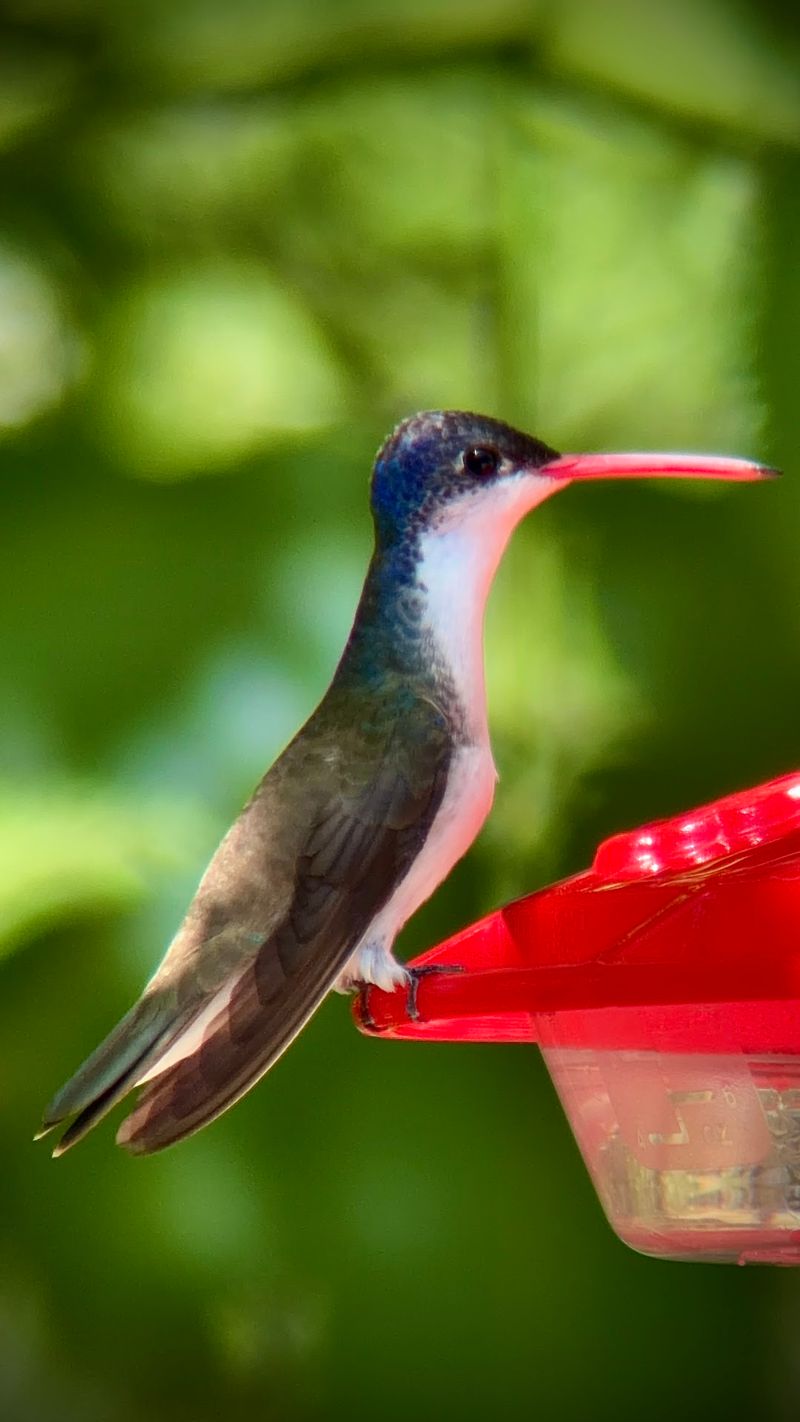
The first morning I stepped outside, the trees practically sang. Patagonia has earned worldwide fame as a birdwatching hotspot, and honestly, the reputation is well deserved.
More than 200 species of rare and exotic birds pass through this southeastern corner of Arizona. Migrating flocks use the area as a rest stop, which means patient watchers can spot species that rarely appear anywhere else in the country.
I met visitors who had flown in from other continents just to add a single bird to their life lists. They stood quietly along shaded creek trails, binoculars raised, whispering with excitement whenever a flash of unexpected color appeared.
If you want the best odds, bring a good pair of binoculars, wear muted colors, and arrive early when birds are most active.
The nearby Patagonia-Sonoita Creek area is a favorite gathering spot for feathered visitors. Even if you have never cared about birds before, one glimpse of these winged travelers might turn you into a lifelong fan.
The Arizona Trail Runs Right Through
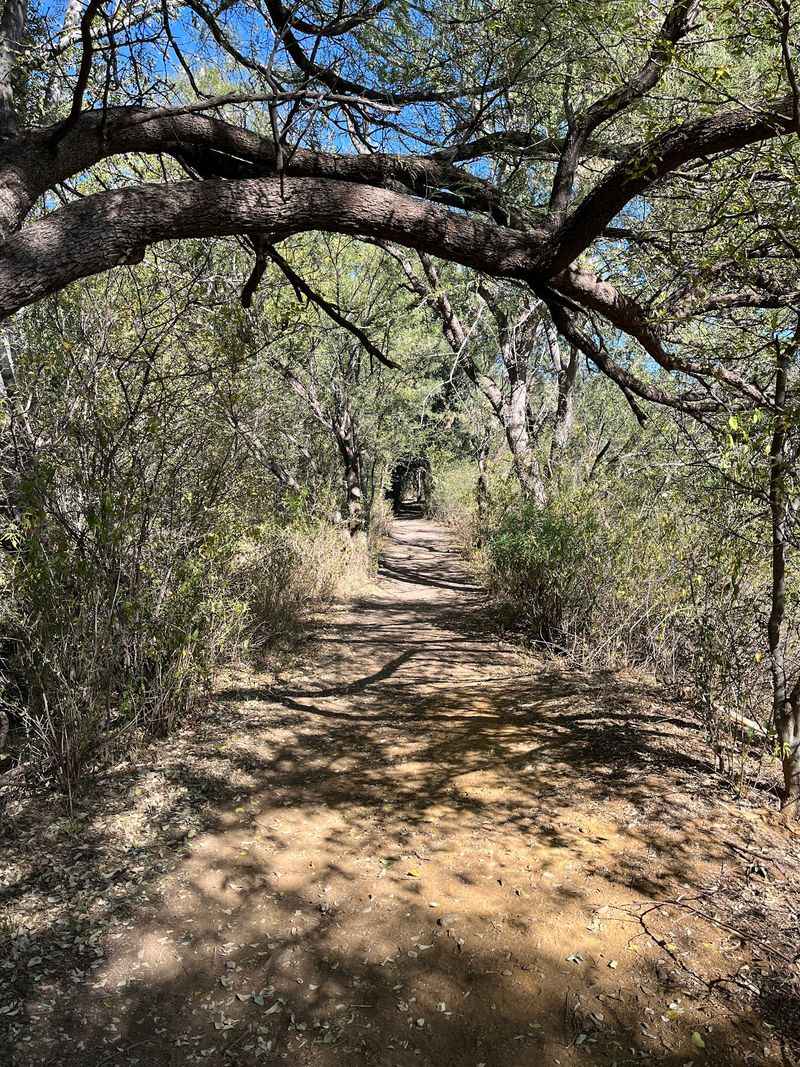
Not every town gets to say a famous long-distance trail marches straight down its main path, but this one does. The historic Arizona Trail winds directly through Patagonia, making it an official Gateway Community.
That title means hikers, backpackers, horseback riders, and mountain bikers all treat the town as a welcome pit stop. I watched dusty travelers wander in for a rest, a snack, and a friendly chat before heading back out to the wilderness.
What I loved was how the town rolls out the welcome mat for these adventurers. Local shops and cafes understand trail hunger, and residents genuinely enjoy swapping stories with people crossing the whole state on foot.
If you are planning a section hike, Patagonia makes a smart resupply point where you can recharge before tackling the next stretch. Even if you only walk a short piece of the trail, stepping onto that famous path felt like joining a much bigger journey. My advice: lace up and try at least a mile.
Patagonia Lake State Park
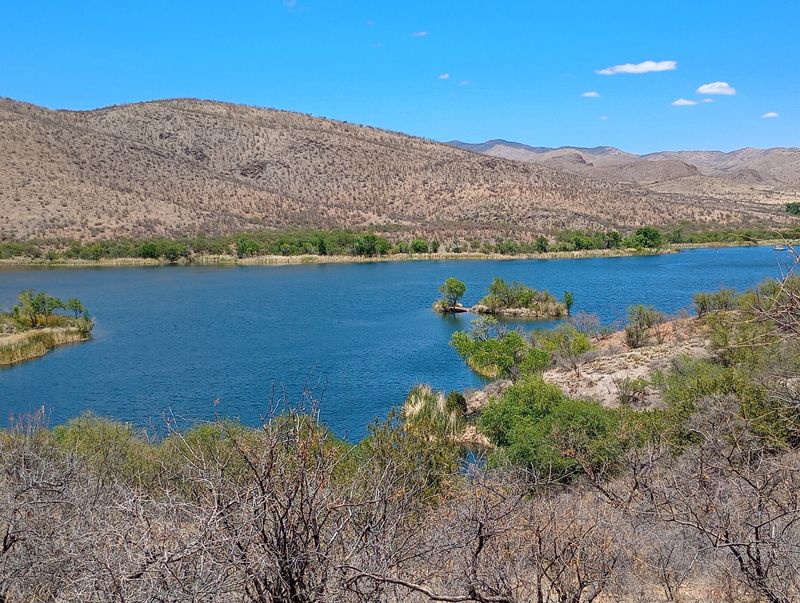
Finding a shimmering lake in the middle of Arizona surprised me in the best way. Just a few miles from town, Patagonia Lake State Park spreads out like an oasis waiting to be enjoyed.
The water invites all kinds of fun. Visitors go water skiing, cast lines for fish, set up campsites under the stars, and spread out blankets for lazy afternoon picnics.
I spent an hour simply watching the sunlight dance across the surface while families paddled by in small boats. The calm setting made it easy to forget how close the desert stretched just beyond the shoreline.
For a great visit, pack a cooler, bring sunscreen, and consider reserving a campsite ahead of time since spots fill up during pleasant weather. Anglers should check local fishing rules before dropping a hook.
Whether you want an active day on the water or a quiet spot to unwind, this park delivers both. It quickly became one of my favorite escapes near town, and I already want to return.
Sonoita Creek State Natural Area
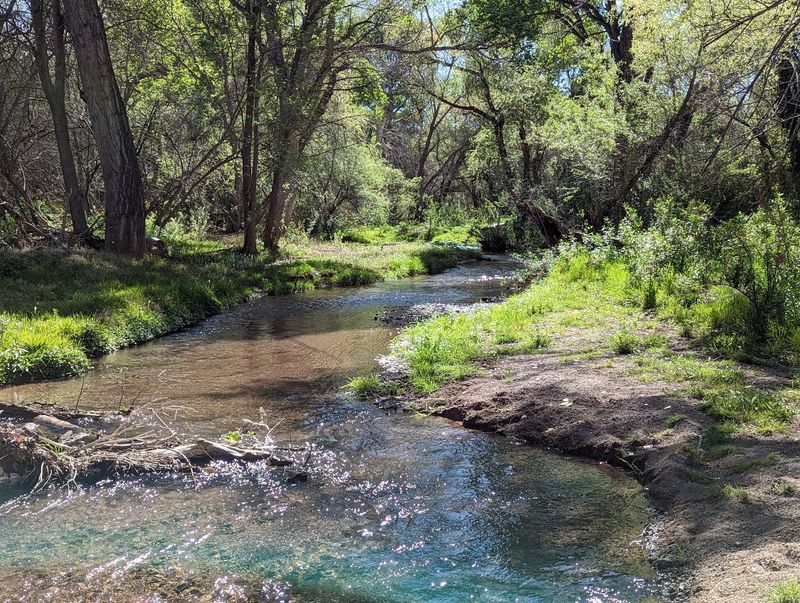
Tucked beside the lake sits a quieter treasure that many visitors overlook. The Sonoita Creek State Natural Area offers peaceful trails winding through one of Arizona’s richest riverside habitats.
Here you can hike on foot or explore by horseback, following paths shaded by tall cottonwood trees. The creek keeps the ground greener than the surrounding desert, which draws all sorts of wildlife to drink and rest.
Strolling along the water, I spotted darting birds, curious lizards, and butterflies floating between wildflowers. The gentle sound of moving water made the whole walk feel wonderfully restful.
Because this protected area stays wild, it rewards visitors who move slowly and keep their eyes open. Bring plenty of water, wear sturdy shoes, and give yourself time to pause and simply listen.
Photographers will find endless subjects, from reflections in the creek to sunlight slipping through the leaves. If you crave a slower, softer side of the outdoors, this natural area is the perfect place to breathe deep and slow down.
The Gravel Cycling Gateway
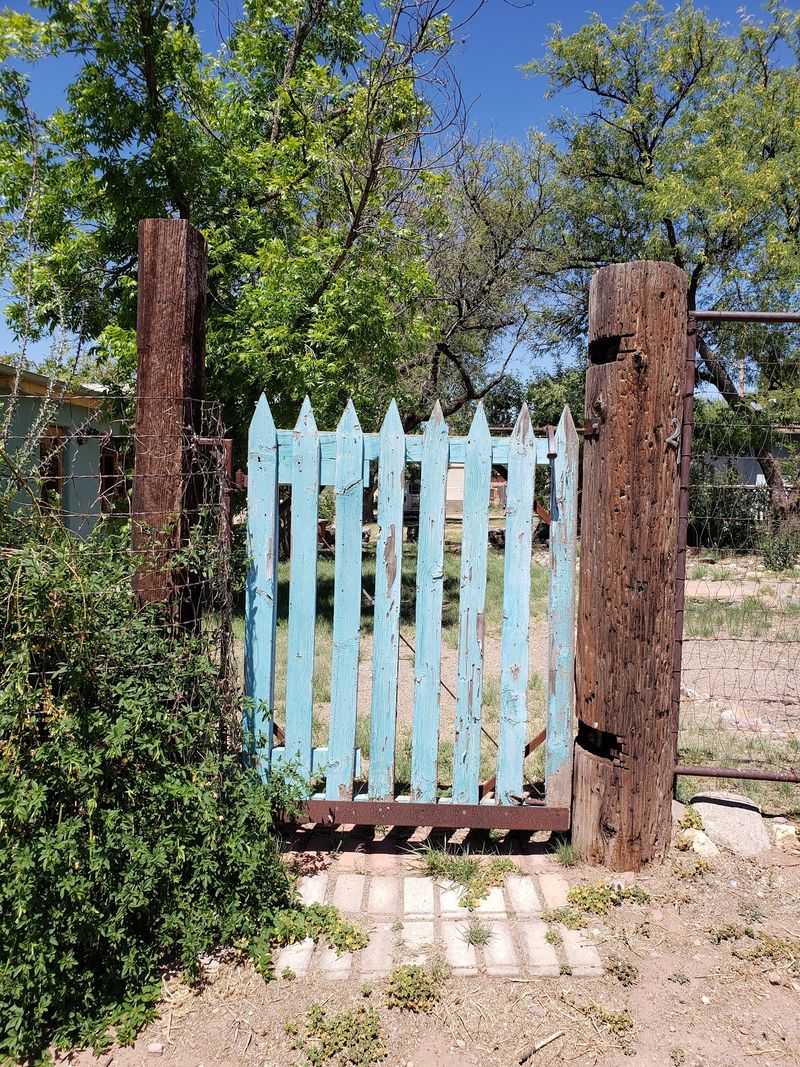
Cyclists talk about this town the way treasure hunters talk about buried gold. Patagonia has earned a name as the Gravel Cycling Gateway to Santa Cruz County, and riders arrive eager to test the terrain.
The routes here are anything but boring. Trails weave through the region’s famous sky islands, climb past woodland mountain passes, and stretch across wide open grasslands that seem to roll on forever.
I chatted with a rider who described the scenery changing every few miles, from shady forest to golden fields. That variety, he said, keeps people coming back season after season.
For anyone thinking of trying it, bring a bike built for rough surfaces, carry extra water, and start with a shorter loop to learn the land. Weather can shift quickly at this elevation, so pack a light layer.
Even standing at the edge of one of these gravel roads made me want to hop on two wheels. The open-air freedom out here is exactly what pedal-loving travelers dream about.
An Arts and Crafts Haven
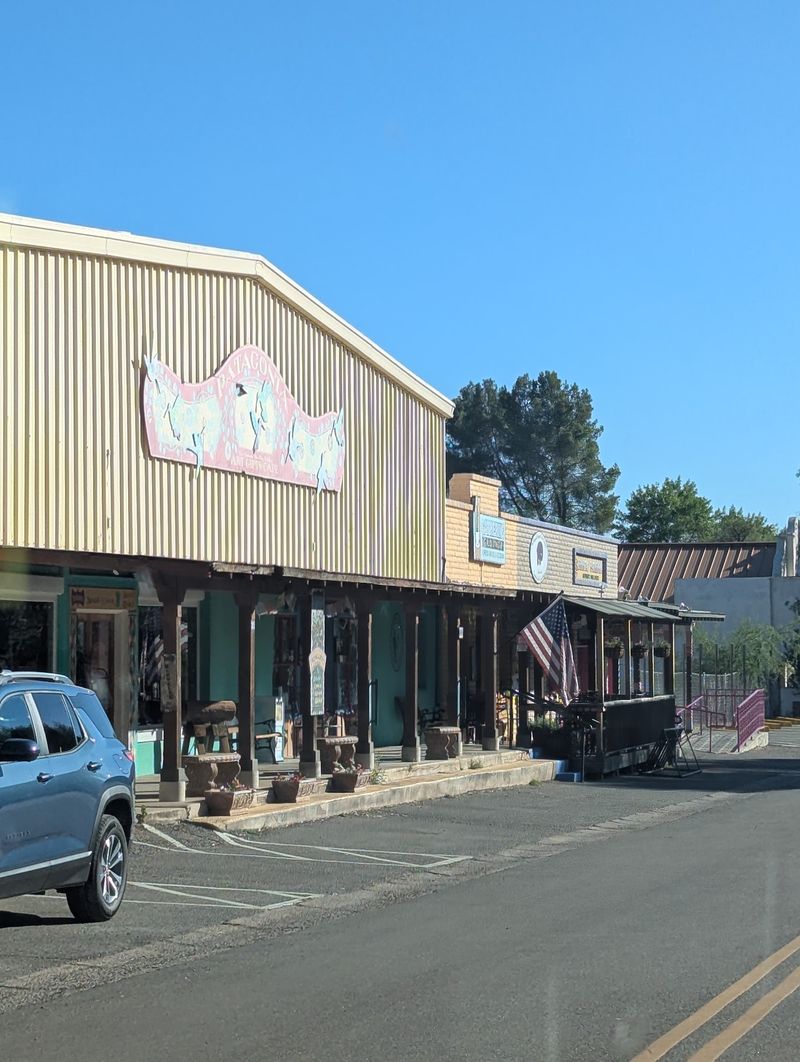
Creativity practically spills out of the storefronts here. After the mines closed, artists slowly discovered the town’s quiet charm and turned it into a growing arts and crafts haven.
Wandering the streets, I found galleries, studios, and shops filled with handmade treasures. Painters, potters, and crafters all seemed to draw inspiration from the surrounding mountains and endless skies.
What made it special was chatting directly with the makers. Many artists happily explained their work, and that personal connection made each piece feel meaningful rather than mass produced.
If you enjoy unique souvenirs, this is the place to find something with a real story behind it. Set aside an afternoon to browse slowly, since the best discoveries often hide in small corners.
Support local creators when you can, because your purchase helps keep this artistic spirit alive. I walked away with a handmade keepsake that now reminds me of the town every time I see it. For anyone who loves creativity, Patagonia offers a gallery experience you simply cannot rush.
Sky Islands And Mountain Scenery
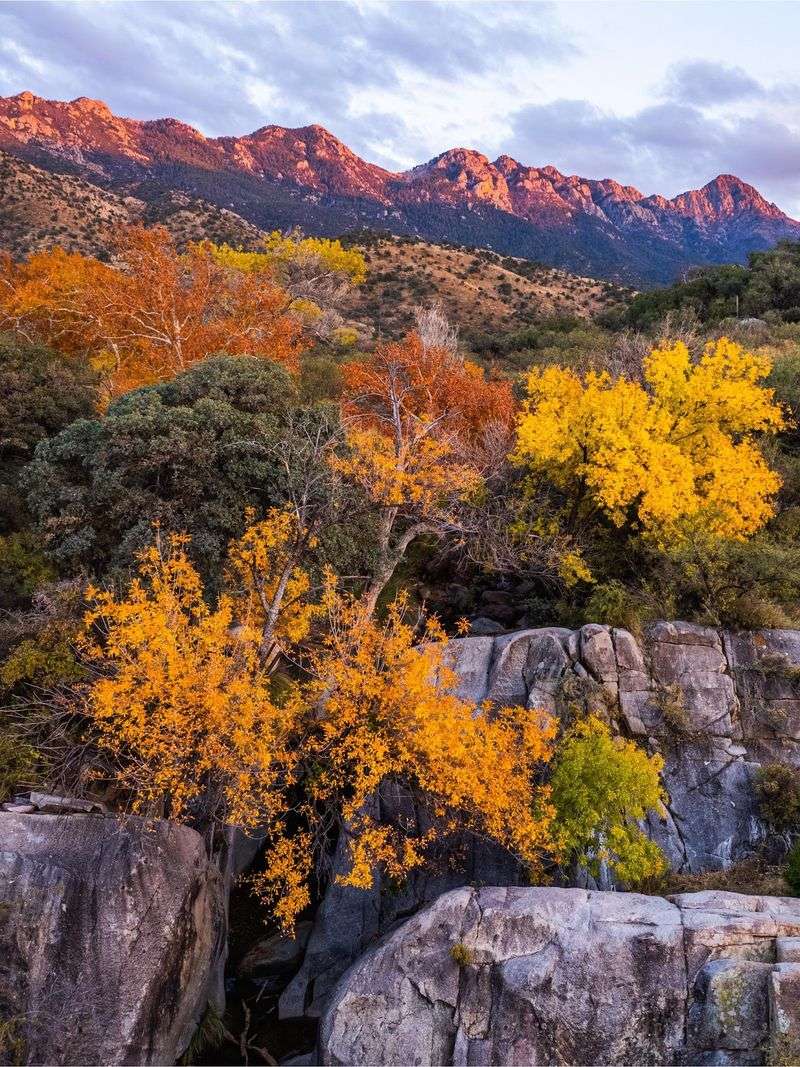
The mountains around this town are the kind of view you keep turning back to look at. Patagonia sits snugly between the Santa Rita Mountains and the Patagonia Mountains, both part of Arizona’s famous sky islands.
These peaks rise high enough to create cool forests surrounded by warmer grasslands below. That mix of habitats is exactly why so many rare plants and animals thrive in this pocket of the state.
Standing at over 4,000 feet, I felt the air turn crisp and clean, a welcome change from the hotter cities to the north. Sunset painted the ridgelines in soft oranges and purples that I will not forget.
For the best views, find an open stretch of road or trail during early morning or late afternoon when the light glows. Bring a camera, because the scenery changes with every passing cloud.
These mountains give the town its nickname as the Jewel of the Sonoita Valley, and once you see them glowing, you will understand exactly why.
Small-Town Warmth And Community
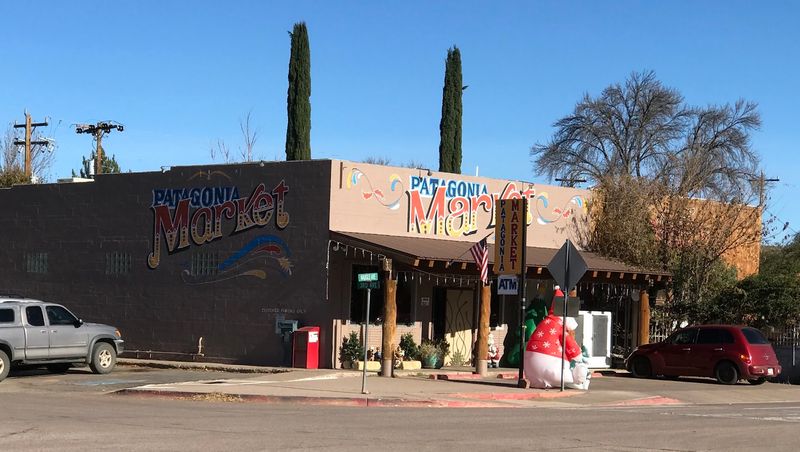
You can feel a town’s personality within minutes of arriving, and this one radiates kindness. The genuine warmth of Patagonia’s residents turned out to be one of my favorite parts of the whole trip.
People greeted me on the sidewalk, offered directions without being asked, and seemed truly glad to share their home. That easygoing friendliness made a stranger feel like a returning guest.
The town also serves as a peaceful retirement community, so you will meet plenty of folks who chose this quiet corner on purpose. Their contentment is contagious.
To enjoy this side of Patagonia, slow down and strike up a conversation at a local cafe or shop. Ask about favorite trails or hidden spots, and you will likely leave with tips no guidebook lists.
Small towns thrive on courtesy, so being respectful and curious goes a long way here. By the time I left, I felt like I had made real friends, and that lasting hospitality is what pulls travelers back again and again.
Best Times To Visit
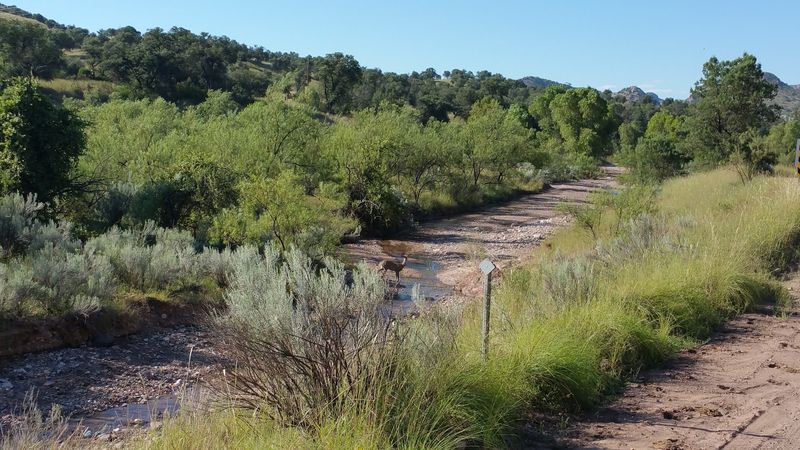
Timing your trip can make or break the fun, and I learned this quickly. The most comfortable weather in Patagonia usually arrives from March through May and again in October.
During those months, days stay warm and sunny while nights cool down to a refreshing chill. Those conditions are ideal for hiking, sightseeing, and of course, unmatched birdwatching.
Because the town sits at a higher elevation, summers stay noticeably cooler than in Tucson or Phoenix. Then in July, monsoon rains roll in and turn the whole landscape a glorious green.
If you plan a summer visit, pack rain gear and watch the afternoon skies, since storms can arrive suddenly. Spring travelers should book early because birders flock in during migration.
Whenever you choose to go, dress in layers so you stay comfortable through the day’s temperature swings. I found each season offered something different, whether golden grasslands or lush green hills.
Plan around the weather, and this welcoming town will reward you with a delightful escape no matter the calendar.