
This Arkansas Chocolate Spot Is Pure Temptation From Start To Finish
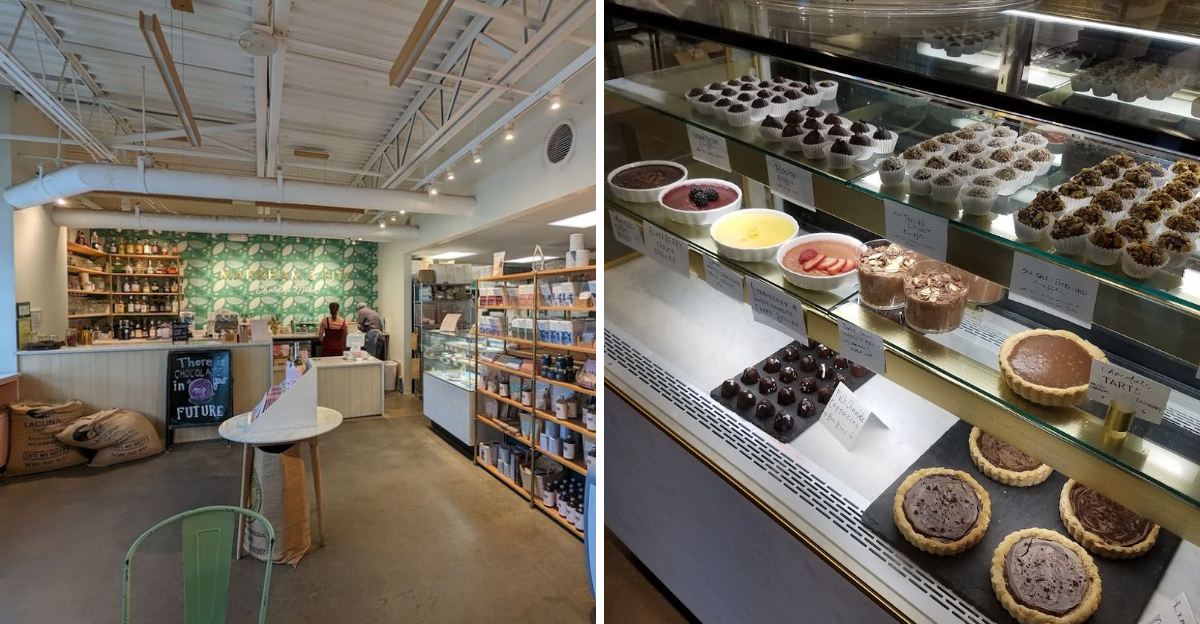
Sometimes a place grabs your attention before you even cross the threshold, and that scent alone tells you something serious is happening. That is exactly how this Arkansas spot hit me.
I walked in thinking I would grab a few chocolates and move on. That plan did not last long.
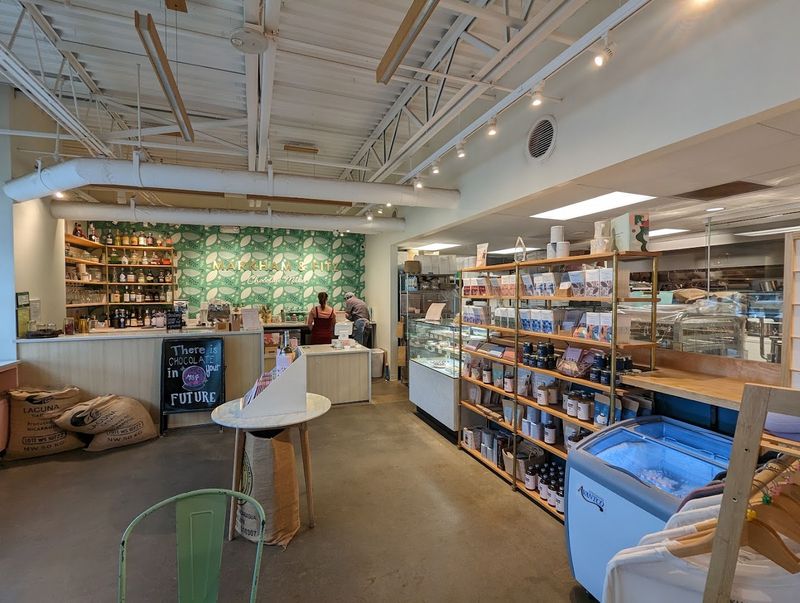
The smell of freshly roasted cacao filled the room, and suddenly everything felt more focused, more deliberate. Bars lined the shelves, each one clearly tied to its origin, almost like a story waiting to be picked up.
You slow down without realizing it. You start paying attention.
Keep reading, because this goes beyond a typical chocolate stop. What they create here shows just how much depth and character can come out of a single ingredient when it is handled with real care.
It shifts your expectations, turning a casual visit into something memorable that lingers long after you leave there
Bean To Bar Craftsmanship From Raw Cacao Origins
Before I even tasted a single square, the story behind the chocolate pulled me in completely. Markham and Fitz was founded in 2014 by University of Arkansas alumni Lauren Blanco and Preston Stewart, two people who decided that controlling every step of the process was the only way to make chocolate worth eating.
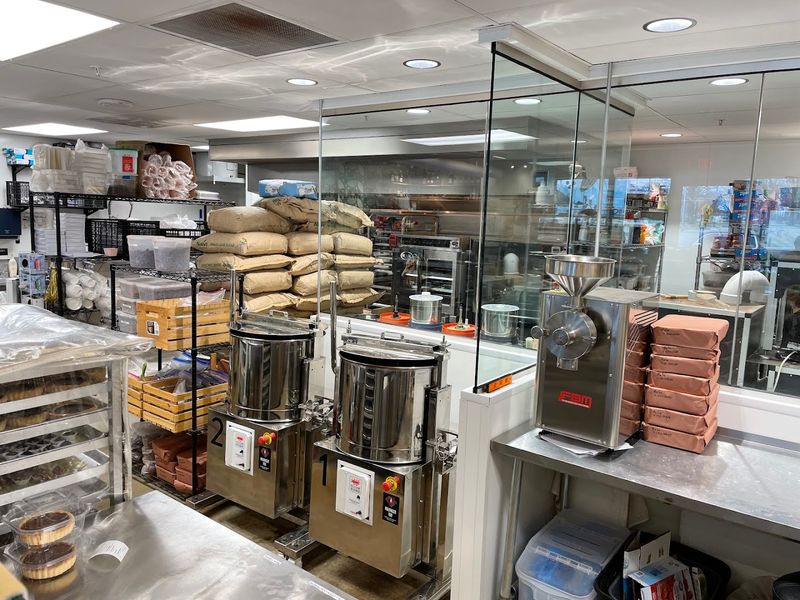
Their commitment to bean-to-bar production means they source raw cacao directly, then handle roasting, grinding, and finishing all under one roof.
That kind of full-chain ownership is rarer than most people realize, and you can taste the difference immediately. Mass-produced chocolate often starts with pre-processed cacao mass, which strips out much of the nuance.
Here, the flavor potential locked inside each bean gets preserved and coaxed out with intention.
I watched staff members discuss origins with the same fluency that a sommelier might use describing a vineyard. The care felt genuine rather than performative, which made the whole experience more meaningful.
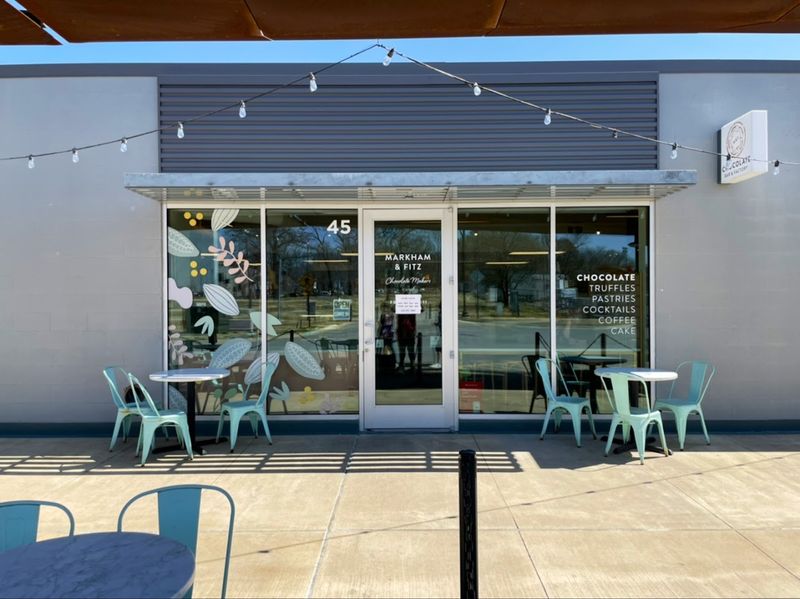
You can find all of this firsthand at Markham and Fitz Chocolate, located at 801 SE 8th St Suite 45, Bentonville, AR 72712.
Single Origin Flavor Profiles With Distinct Tasting Notes
A single origin bar here feels a bit like opening a postcard from another part of the world. Each bar carries the fingerprint of its specific growing region, shaped by soil composition, rainfall patterns, and fermentation methods that vary from farm to farm.
A Dominican Republic bar might carry deep earthy notes with a hint of dried fruit, while a Colombian origin can lean toward brighter fruit tones with subtle acidity.
What makes this approach so compelling is that no two origins taste the same, and the team at Markham and Fitz leans into those differences rather than smoothing them away. The chocolate bars are labeled with origin details and tasting cues, which makes sampling feel genuinely educational without being pretentious.
I spent longer than I planned standing at the display, reading labels and picking up subtle differences between bars I tasted back to back. Sampling multiple origins in one visit highlights how dramatically flavor can shift depending on where the cacao was grown and how it was processed.
That realization changes how you approach each bar, turning a simple purchase into a more thoughtful experience with every bite.
In Store Chocolate Making You Can Actually See
A clear view into the production process creates a sense of trust that branding alone cannot replicate. The production area at Markham and Fitz is not hidden behind closed doors or separated from the retail space.
Customers can observe the equipment used for roasting and grinding cacao, which turns an ordinary shopping visit into something closer to a behind-the-scenes look.
Staff members are often willing to explain parts of the process, offering insight into how cacao transforms from raw beans into finished chocolate. That openness reflects a culture built around sharing knowledge rather than guarding it.
The transparency feels like a natural extension of how the whole operation runs rather than a staged feature for visitors.
Roasting cacao requires careful attention to temperature and timing because over-roasting can flatten delicate aromas while under-roasting leaves unwanted raw notes behind. Seeing that balance managed in real time adds a layer of appreciation to every bar on the shelf.
The production floor essentially turns chocolate shopping into a small, satisfying education all on its own.
Guided Chocolate Flights Comparing Regional Characteristics
A structured chocolate tasting here changes how flavor is experienced from the very first bite. Rather than sampling casually, the format encourages you to slow down, notice aroma before flavor, and pay attention to how the finish develops after each piece.
It creates a more focused and immersive experience without feeling overly formal.
The tasting sessions introduce different cacao origins and highlight how factors like fermentation and roasting influence the final profile. Conversations during the experience often explore these differences in an approachable way, making the information easy to absorb without overwhelming detail.
Comparing a lighter, fruit-forward bar alongside a darker, more intense one side by side reveals contrasts that might otherwise go unnoticed. That direct comparison gives your palate a reference point, making each flavor easier to identify and remember.
A structured tasting like this shifts the entire experience, turning chocolate into something you actively explore rather than passively enjoy.
Small Batch Techniques Elevating Texture And Aroma
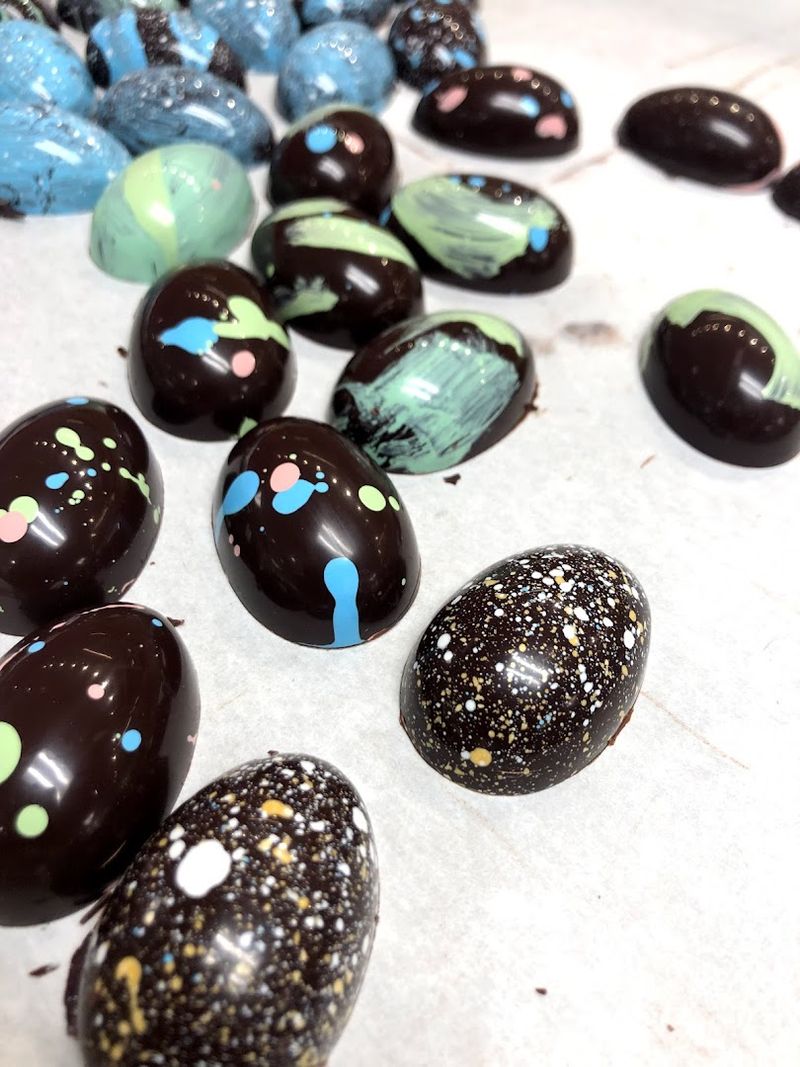
Small batch production takes on real meaning when attention stays focused on each stage of the process. Working in limited quantities allows the team to stay closely involved, observing how each batch develops over time without rushing the outcome.
That level of attention shows up clearly in the texture of the finished bars, which feel smooth and cohesive rather than overly processed. Aroma also benefits from this approach, as delicate flavor compounds are more likely to be preserved when production remains controlled and carefully managed.
Keeping batches manageable allows subtle variations between cacao origins to remain noticeable instead of being blended into a uniform profile. That difference becomes especially clear when tasting multiple bars side by side.
Each finished bar reflects a series of deliberate choices made throughout the process, reinforcing the idea that quality chocolate depends as much on attention as it does on ingredients.
Sipping Chocolate And Cocoa Driven Beverages With Intensity
A cup of drinking chocolate made with real cacao offers a completely different experience from the powdered versions many people remember. The sipping chocolate served at Markham and Fitz draws directly from their bean-to-bar production, giving the drink a depth that mirrors the complexity found in their bars.
The flavor leans rich and layered rather than overly sweet, allowing the character of the cacao to come through clearly. That balance makes it possible to enjoy a full cup without it becoming overwhelming after a few sips.
The beverage menu focuses on preparations that highlight the chocolate itself, keeping the experience centered on flavor rather than excess sweetness or heavy additions. Each cup feels intentional, reflecting the same attention given to the chocolate bars displayed nearby.
Ordering a warm cacao drink adds another dimension to the visit, offering a different way to experience the same ingredients in a more immediate and comforting form.
Pastry Pairings Designed Around Rich Chocolate Components
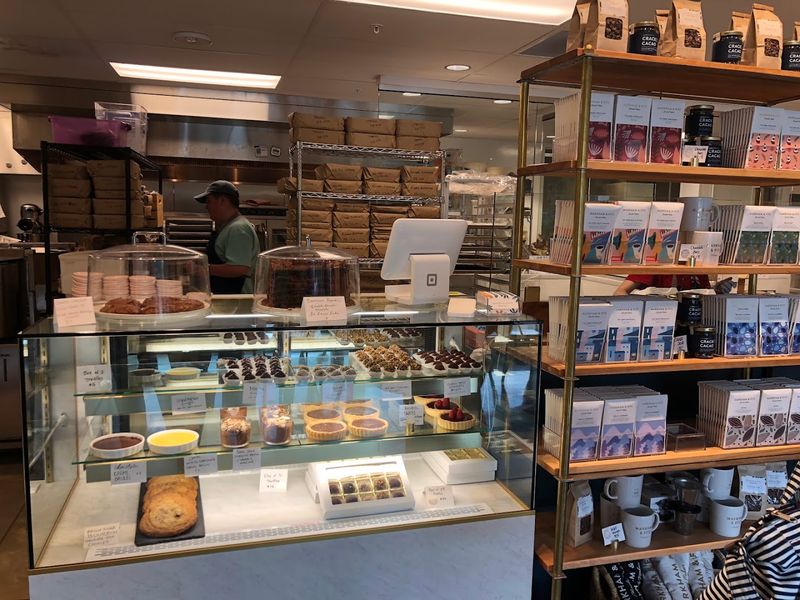
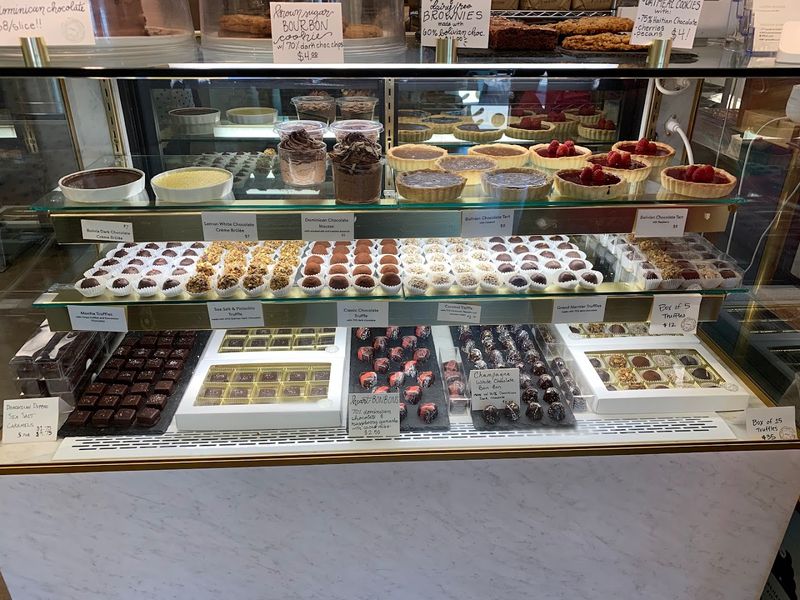
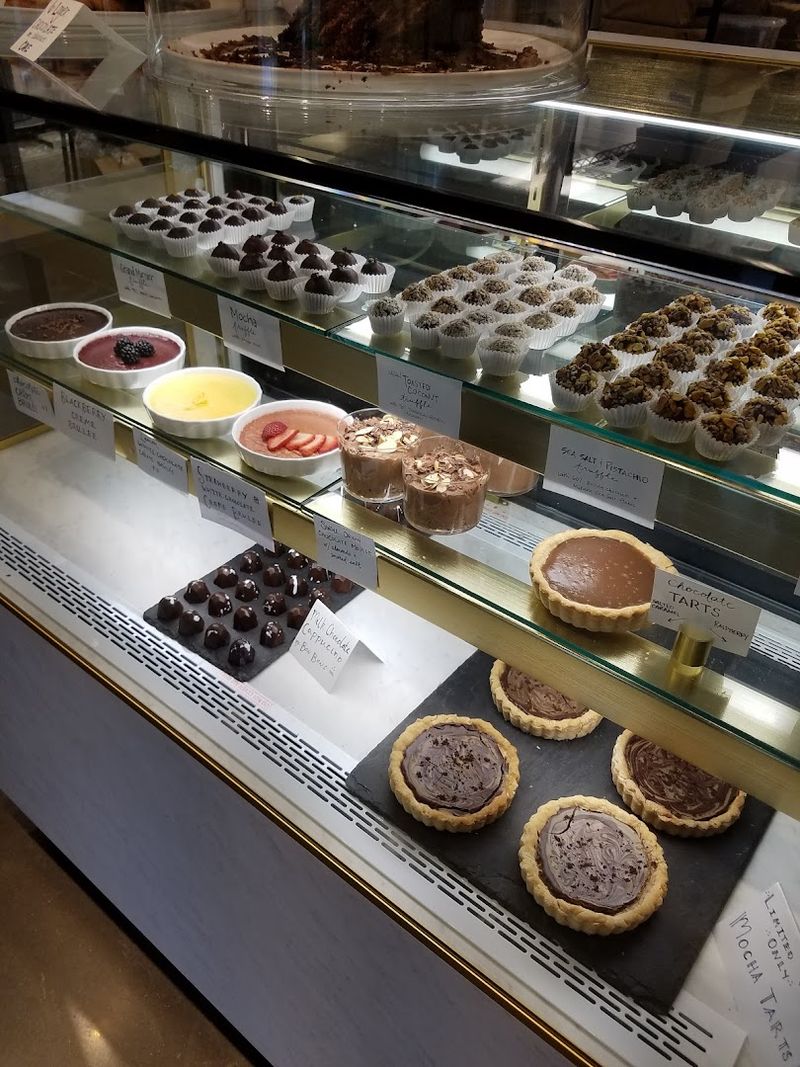
The display cases offer more than just chocolate bars, expanding the experience into a broader range of desserts. The pastry selection builds on the same chocolate used in-house, giving each item a consistent flavor foundation that carries through across the menu.
A six-layer chocolate cake stands out as one of the more eye-catching offerings, with a rich structure that highlights the depth of the chocolate without relying on excessive sweetness. Other items often include a rotating mix of truffles and chocolate-forward desserts, each designed to complement the flavors found in the bars.
The variety keeps the case interesting without feeling overcrowded, encouraging visitors to try something beyond the standard bar selection. Each item feels connected to the broader focus on chocolate rather than acting as a separate or secondary offering.
Trying one pastry often leads to considering another, simply because the quality of the chocolate carries through so clearly in every bite.
Educational Experience Connecting Confectionery And Culinary Insight
Chocolate Tasting 101 offers more depth than the name initially suggests, quickly moving beyond a simple introduction into something far more engaging. Participants explore key stages of the process, including sourcing, roasting, and refining, while sampling chocolate along the way to connect each step to what they taste in real time.
That direct link between process and flavor gives the experience a stronger sense of purpose.
The format keeps the information approachable, allowing people to engage with the material without needing prior knowledge or technical background.
Discussions focus on how different variables influence flavor, such as origin, fermentation, and roasting decisions, helping participants build a clearer understanding of what sets one chocolate apart from another.
The pace allows time to absorb each concept without feeling rushed.
The class setting encourages curiosity, with space to ask questions and compare impressions with others in the group. That interaction adds depth to the experience while keeping the atmosphere relaxed rather than overly structured or formal.
What stays with you afterward is not just the taste of the chocolate but a clearer sense of how much thought and care goes into every bar, changing how you approach chocolate long after the class ends.