
This Arkansas Ghost Town Hike Offers A Haunting History Lesson
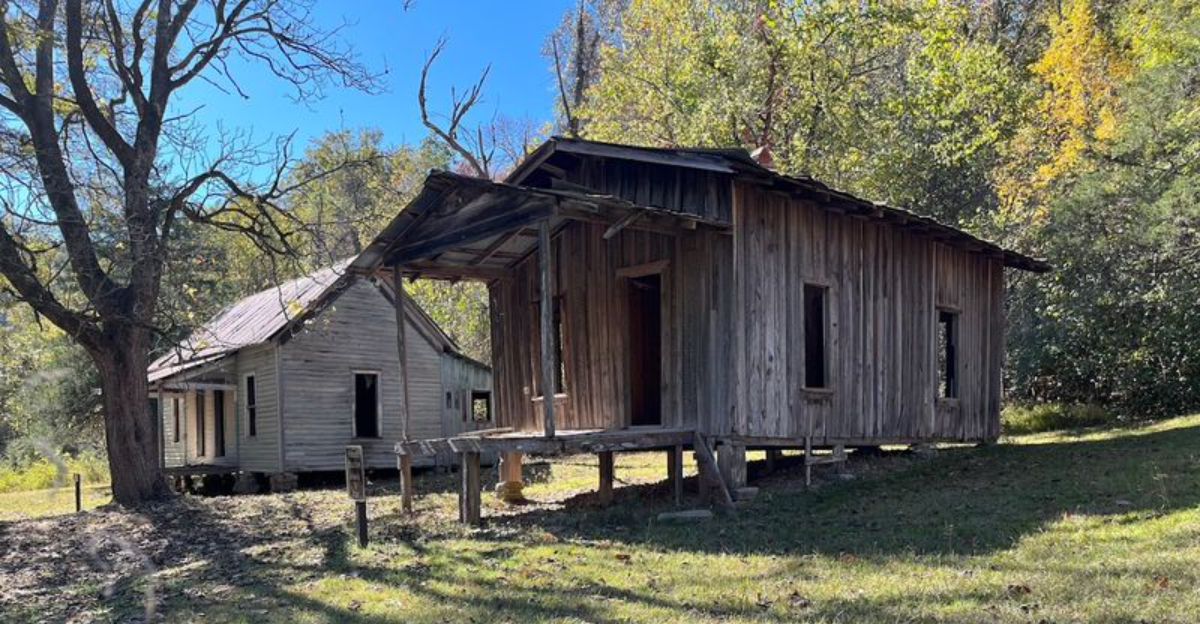
This is the kind of trail that sneaks up on you. At first, it looks like a peaceful walk through the Ozark hills of Arkansas.
Soon, old stonework appears, cabins come into view, and rusted mining pieces sit quietly in the trees. Suddenly, the whole place feels wide awake.
I went in thinking I would get a history hike. Instead, I kept stopping because every corner looked like a photo with a story attached.
The silence is not empty here. It feels loaded.
You can almost imagine the town when it had voices, wagon wheels, hard work, and big hopes moving through it.
The scenery is beautiful, but the mood is what stays with you. Forest shadows, weathered wood, broken walls, and relics give the trail a slow, eerie pull.
It is short enough to enjoy casually, but atmospheric enough to remember long after you leave the trail behind.
Weathered Cabins Beneath The Bluffs
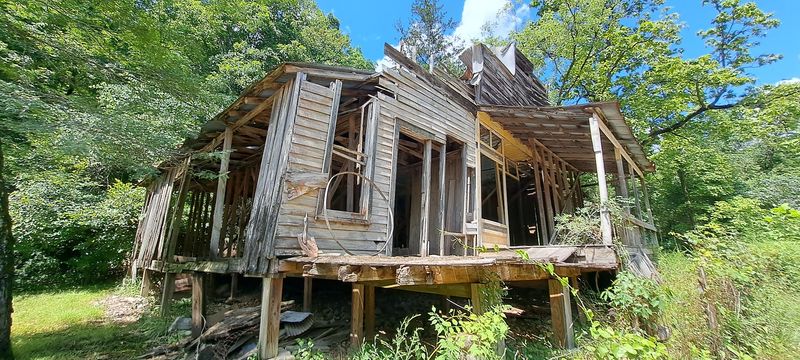
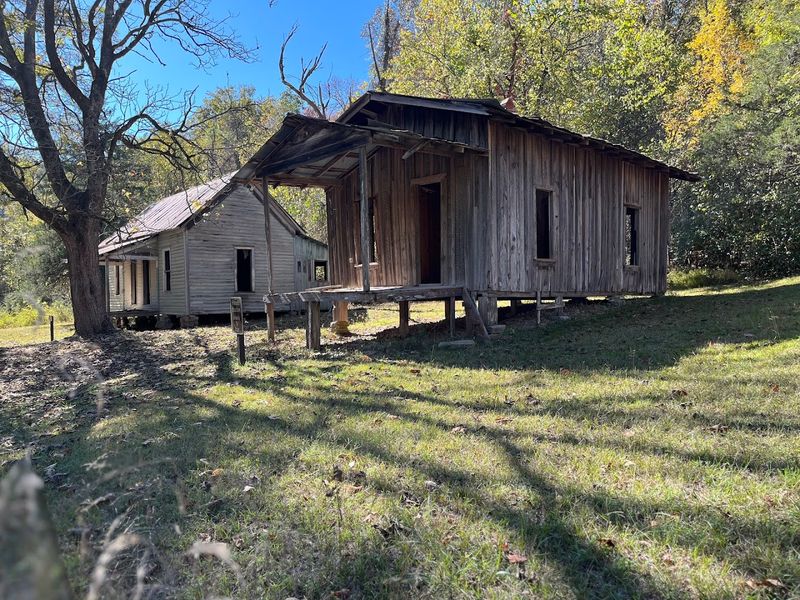
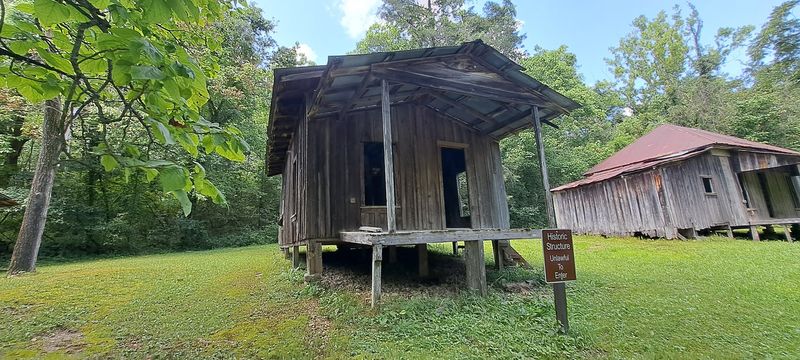
One of the old cabins along this trail made me feel like I had accidentally stepped through a door that someone forgot to close a hundred years ago.
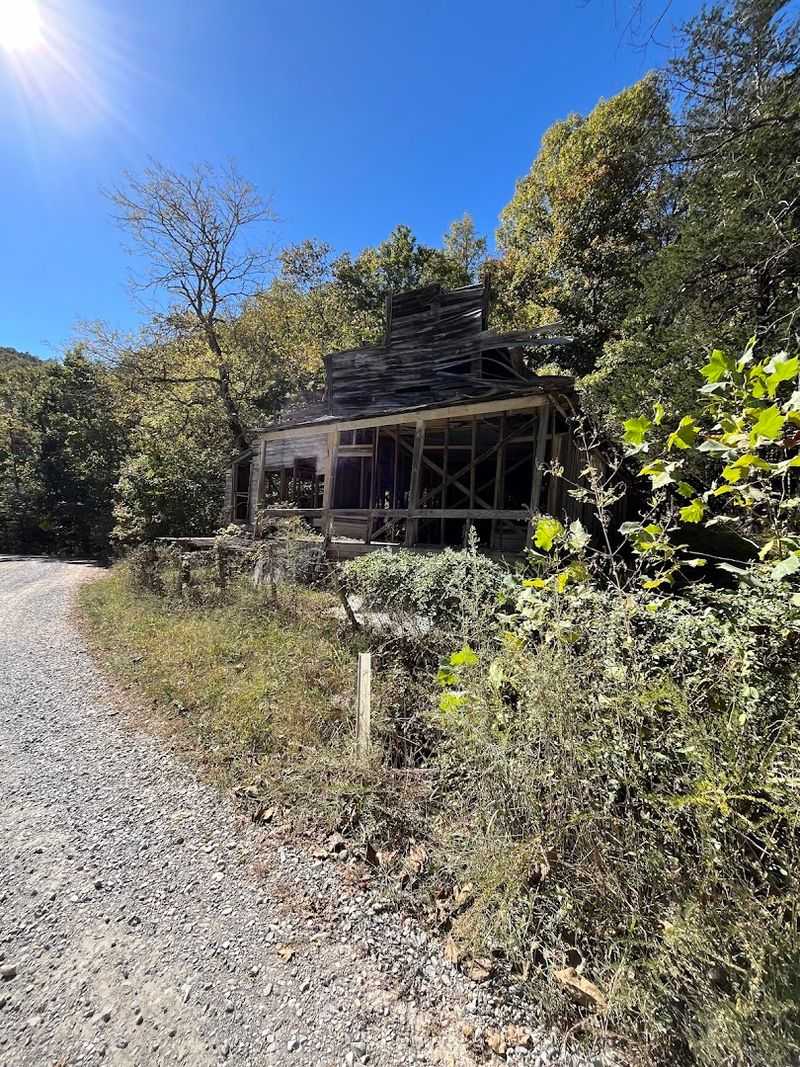
The wooden structures that remain in Rush are not polished museum pieces but honest survivors, their boards darkened by decades of Ozark rain and sun, their foundations slowly being reclaimed by moss and root.
Set beneath towering limestone bluffs, they give you a real sense of how people carved out a life here, sheltered by the rock above and surrounded by dense forest on every side.
Each cabin tells a quiet story about the miners and families who once called this remote valley home, going about daily routines in a place that now feels almost dreamlike.
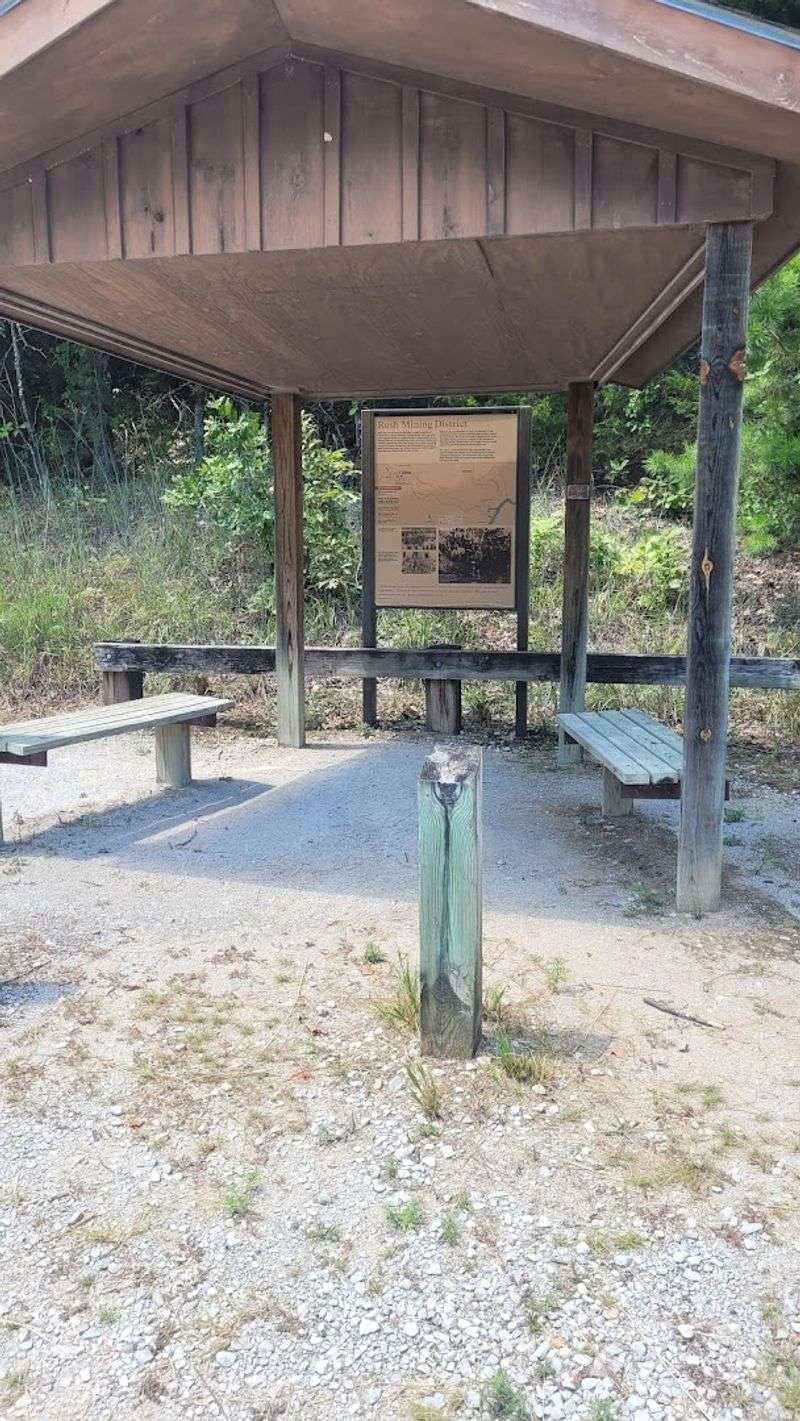
The interpretive placards nearby help fill in the gaps, explaining who lived where and what daily life looked like during the zinc mining boom that put Rush on the map.
I lingered longer than I planned, just studying the grain of old wood and imagining the sounds that once filled these walls, and it is this address that made it all real: Rush Mine Level Trail at Flippin, AR 72634.
Old Mining Roads Through The Woods
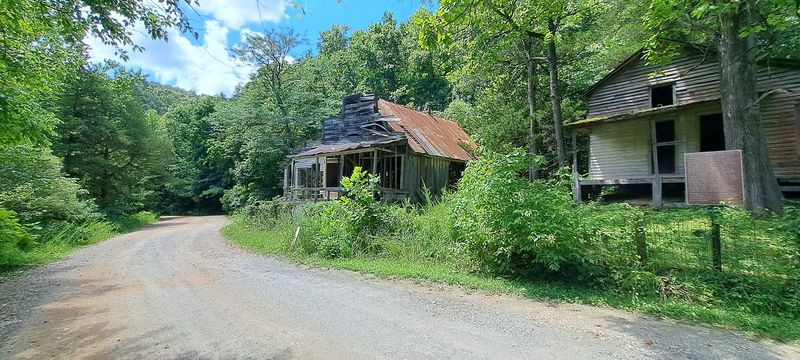
Long before hiking trails were marked with tidy signs and groomed surfaces, the roads through Rush were carved by necessity, hauling ore and supplies through rugged Ozark terrain.
Those same routes still hold their shape today beneath layers of leaf litter and encroaching vegetation, as if the forest is slowly taking back what it once gave up.
The width of these paths hints at the scale of activity that once moved through here, wagons and workers threading through the same hills that now offer nothing but birdsong and wind.
Retracing a route that was originally built for survival and commerce, not recreation, changes how your feet feel against the ground.
I found myself slowing down at every bend, half expecting to see a mule team appear from around the curve, which says a lot about how well the setting preserves its own atmosphere.
The trail surface is generally manageable, though the beginning climbs steeply, making these historic roads accessible without stripping away the raw, unfiltered character that makes a walk through Rush feel different from a typical forest hike.
Stone Ruins Along The Trail
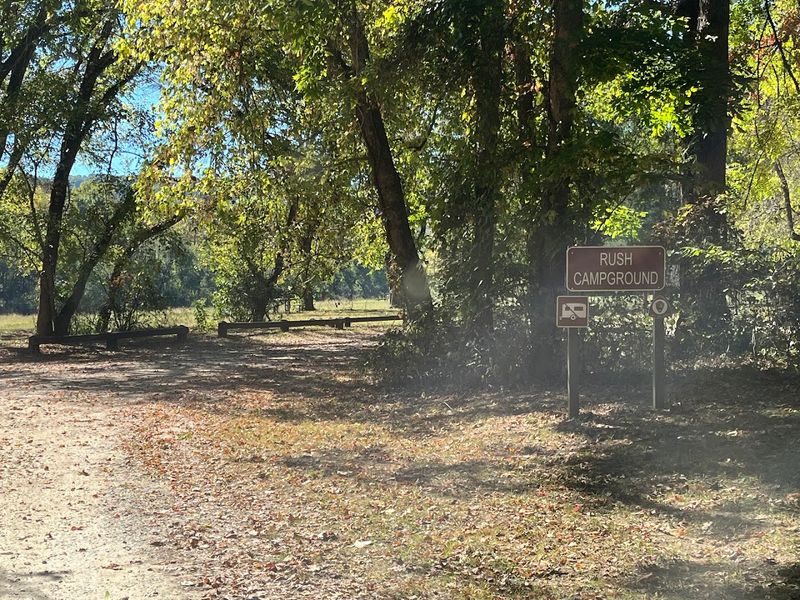
Old stone ruins have a particular kind of quiet, and the ones along this trail have it in abundance.
Scattered throughout the Rush landscape, these remnants of walls, foundations, and structural supports mark where buildings once stood with purpose, now reduced to geometry slowly softening under weather and time.
I crouched beside one low stone wall and ran my hand along the rough surface, noticing how carefully some sections looked fitted by hand, a skill that required patience and knowledge the builders clearly had.
The trail winds you past several of these sites in sequence, so you get a layered sense of how the town was organized, where the work happened, where people gathered, and where commerce moved.
Informational signs placed at key points help decode what you are looking at, turning what might seem like random rubble into a readable map of a vanished community.
I appreciated that the ruins are left largely as found, without heavy restoration, because that honesty makes the experience feel less like a theme park and more like discovery unfolding step by step beneath your boots.
Wooded Views Below The Hills
Not every reward on this trail comes in the form of historical artifacts, because sometimes the landscape itself earns the spotlight in a way that stops you mid-stride.
Near the lower end of the route, the Buffalo National River comes into view below, threading quietly through the valley with the kind of calm that makes you want to find a rock and sit there for an hour.
The river has been flowing through these hills long before the miners arrived and will keep flowing long after every last remnant of Rush has returned to the earth, which gives those views a pleasing sense of perspective.
I found a natural overlook where the tree line opened just enough to frame the water below, and I stood there longer than any trail map would recommend, which is exactly the kind of unplanned moment that makes a hike memorable.
The contrast between the industrial history on the hillside and the serene river below creates a mood that is hard to name but easy to feel, something between reflection and gratitude.
A small pair of binoculars would be a smart move here, since the elevated vantage points offer clear sightlines across the valley that reward a closer look.
Rusting Relics From A Mining Past
Rust, it turns out, can be beautiful when it carries the weight of a real story behind it.
The mining equipment left behind at Rush has been slowly oxidizing for decades, and the result is a collection of objects that feel more like sculpture than machinery, their original functions now secondary to their visual impact against the green of the surrounding forest.
I spotted gears, cables, and structural frames that once drove the zinc extraction process, all frozen in mid-operation as if someone simply walked off the job one afternoon and never came back.
What makes these relics compelling is not just their age but their specificity, because you can tell by looking that real engineering went into each piece, and real labor went into moving them into this remote valley in the first place.
The scale of some machinery surprised me, since getting equipment this size into these hills without modern roads must have required extraordinary effort and determination from the workers involved.
The relics looked especially striking against the backdrop of limestone bluffs and Ozark forest, and the light in the late morning hours hits the metal at an angle that makes the whole scene feel worth slowing down for.
Forest Paths With Ghost Town Silence
Some trails are loud with the sounds of other hikers, wildlife, and wind, but Rush has a different acoustic quality that I noticed almost immediately after leaving the trailhead.
The forest here absorbs sound in a way that feels intentional, and the result is a hush that makes every footstep feel slightly more deliberate, as if the trail itself is asking you to pay attention.
On a weekday morning, these paths made me notice small details I might have missed in a busier setting, the texture of bark on a particular tree, the way a shaft of light hit a mossy foundation stone, the faint drip of water somewhere off the path.
That silence is part of what makes Rush feel haunted in the most positive sense of the word, not frightening but deeply atmospheric, as if the place holds a memory that has not quite finished speaking.
The trail feels manageable in many stretches, with stairs at one end and places to pause, though the beginning is steep enough to make you take your time.
I came away convinced that the silence of this forest is not emptiness but a kind of presence, the accumulated quiet of a town that once rang with the noise of human industry.
Historic Mine Sites In The Ozarks
Rush was once one of the most important zinc-mining districts in north Arkansas, and walking through its remains gives that fact a physical reality that no textbook paragraph can fully match.
The Morning Star Mine and surrounding operations drew workers and investors from across the region during the late 1800s and early 1900s, transforming this quiet river valley into a buzzing industrial hub almost overnight.
Seeing the actual mine sites along the trail, with their supporting infrastructure still partially intact, made me think about the sheer optimism it takes to build an entire economy in a place this remote and rugged.
The Ozarks have always been independent country, and the people who worked these mines brought that same stubborn self-reliance to every shift, every tunnel, and every load of ore they pulled from the hillside.
Interpretive signs along the route do an excellent job of explaining the geology and the extraction process, so even visitors with no background in mining history can follow the story without feeling lost.
By the time I reached the upper sections of the trail, I had a real appreciation for the engineering challenges these miners faced and the resourcefulness they brought to solving them in one of America’s most storied mountain ranges.
Hidden Corners Of A Forgotten Boomtown
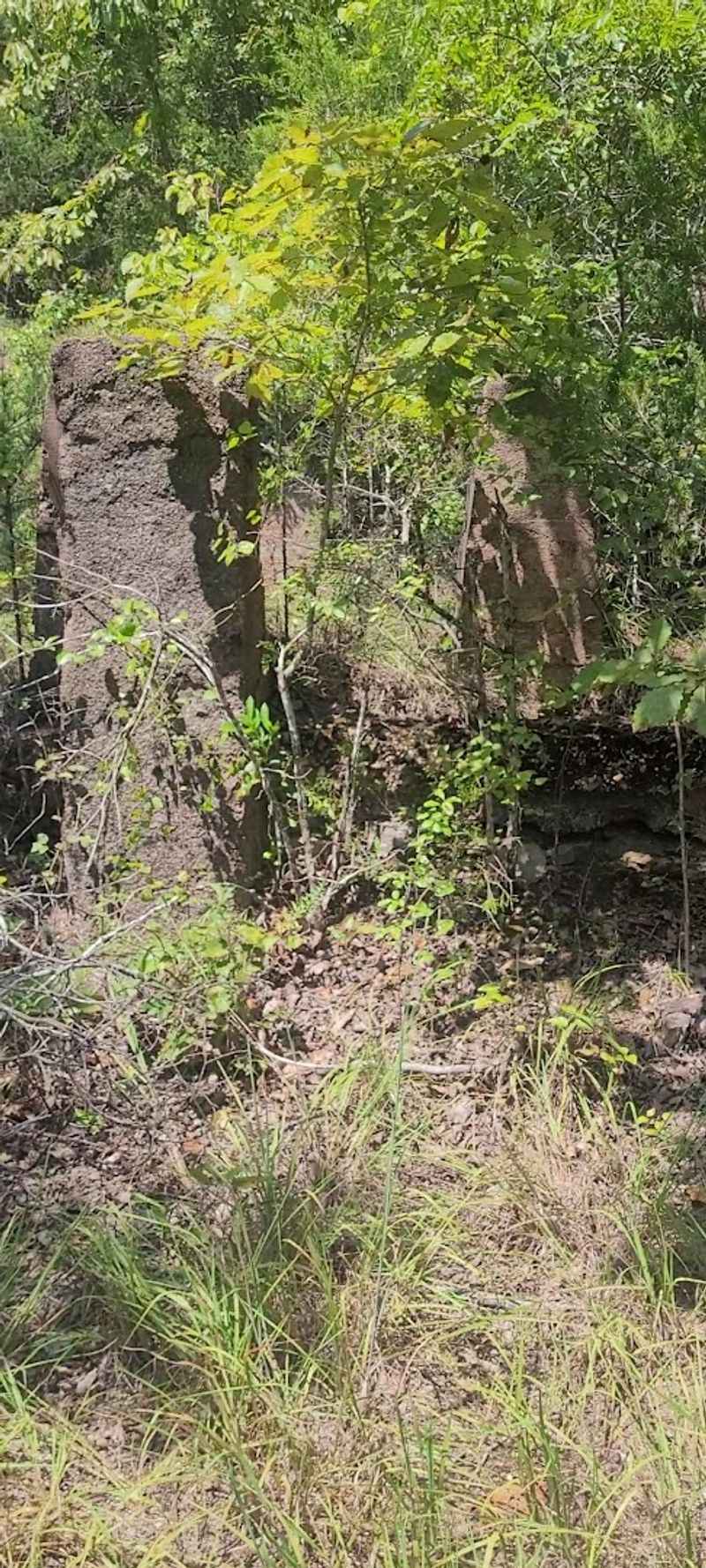
Every ghost town has its obvious landmarks, but the real character lives in the overlooked corners, the spots you almost walk past before something catches your eye and pulls you off the main path.
Rush is full of those moments, where a half-buried foundation emerges from the leaf cover, or a rusted hinge marks where a door once swung open on a busy morning, and you realize you are standing in someone’s everyday life.
I found one such corner near a cluster of trees where the ground dipped slightly, revealing what appeared to be the outline of a small structure, its purpose unclear but its presence undeniable.
These small details reward the slow and curious hiker, the one who is willing to step slightly off pace and look at what the forest has been quietly preserving all these years.
Rush at its peak reportedly supported hundreds of residents, several businesses, and a post office, making it a real boomtown by any measure, which means there is a lot of buried story still waiting to be noticed.
By the end of the trail, I felt the particular satisfaction that comes from discovering something real rather than staged, and that feeling is the best souvenir any hike can offer a curious traveler.