
This Arkansas Lake Shore Is Almost Too Snake-Filled For Its Own Good
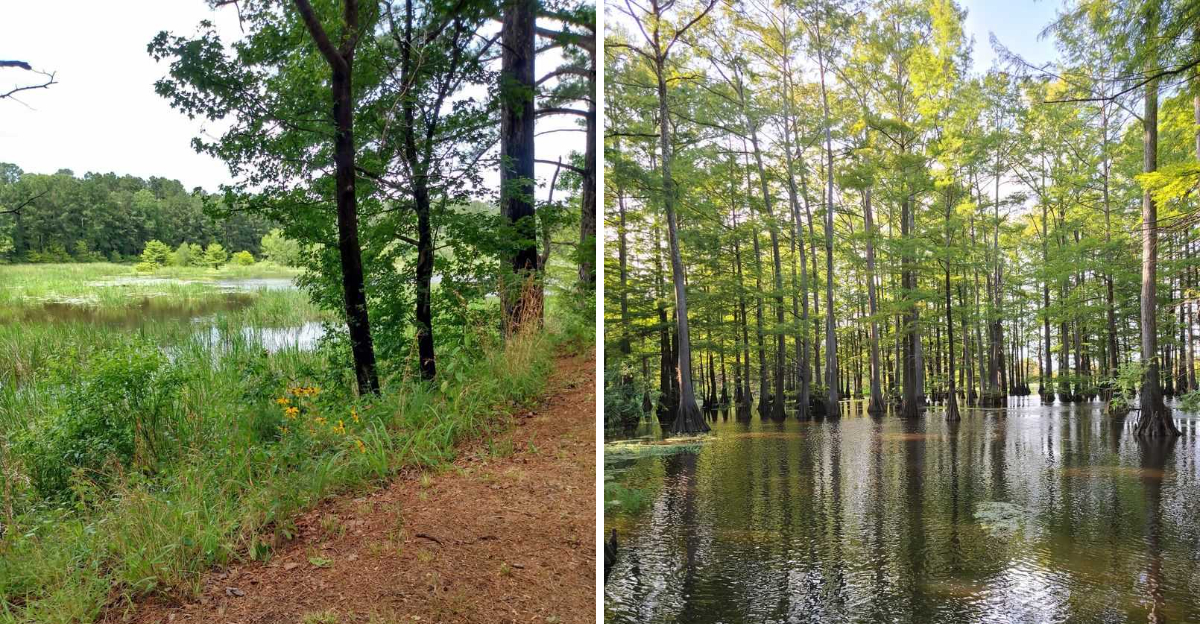
This is the kind of lake that makes you stop mid-sentence and ask, did that log just move? Flooded timber rises through shallow water in southwest Arkansas, giving the shoreline a look that feels wonderfully untamed.
Fishing is a major draw, especially for bass, but the wildlife is impossible to ignore. Water snakes use wet cover around the lake, while cottonmouths can occur in the same sort of marshy habitat.
Alligators are also part of the local ecosystem, and official guidance tells visitors to use caution around them. That sounds intense, yet much of the experience is calm.
A wildlife boardwalk offers an easy way to watch the marsh, while wooded banks reveal another side of the reservoir. The murky water adds to the curiosity.
Spend time here and you start watching every log a bit more closely. That is part of what makes this shoreline so hard to forget.
Flooded Timber Creates Prime Snake Habitat
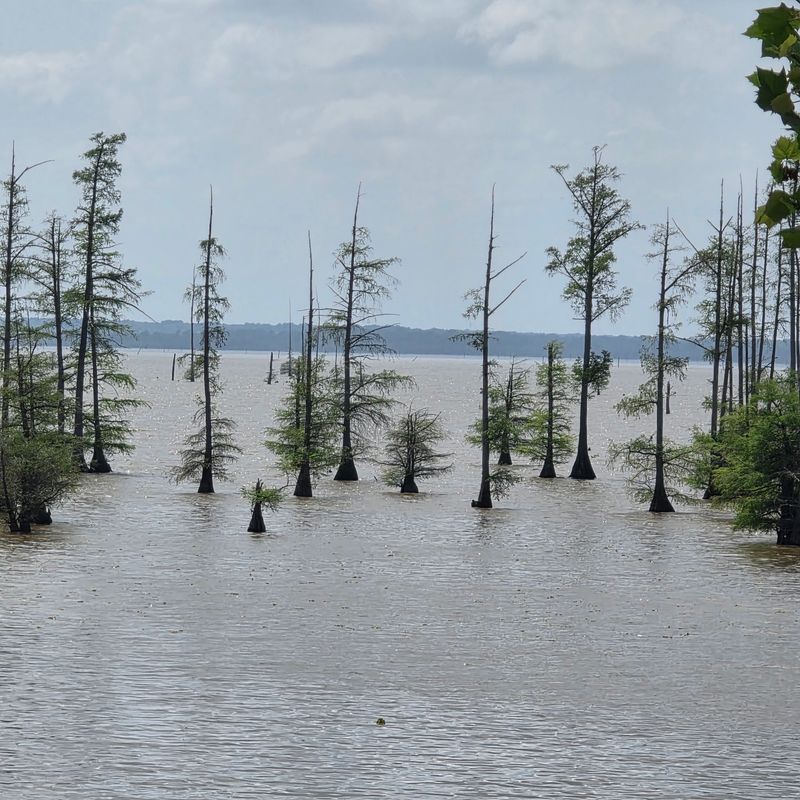
Standing trees in open water are the first thing most newcomers notice here. When the reservoir was created, whole stands of timber were left in place, and those trunks and stumps still poke above the surface across huge stretches of the lake.
All that submerged wood does two jobs at once. It gives bass, crappie, and catfish endless cover to hide in, and it gives water snakes warm, sun-baked perches just inches above the waterline.
Boaters learn quickly to slow down and read the water, because a stump can appear where the map says open lake. Anglers actually love the mess, since fish stack up around the timber and the fight gets interesting when a bass runs for a trunk.
I find it fascinating that the same feature making fishing so good also makes the shoreline feel prehistoric. Snakes drape themselves on low limbs, turtles line up on logs, and the whole scene looks unchanged by the last hundred years.
Many water snakes are nonvenomous, but visitors should still give any snake plenty of room. Still, keeping hands and paddles clear of low branches is simply good sense out on the timber flats at Millwood Lake, Arkansas.
Shallow Backwaters Keep The Shoreline Wild
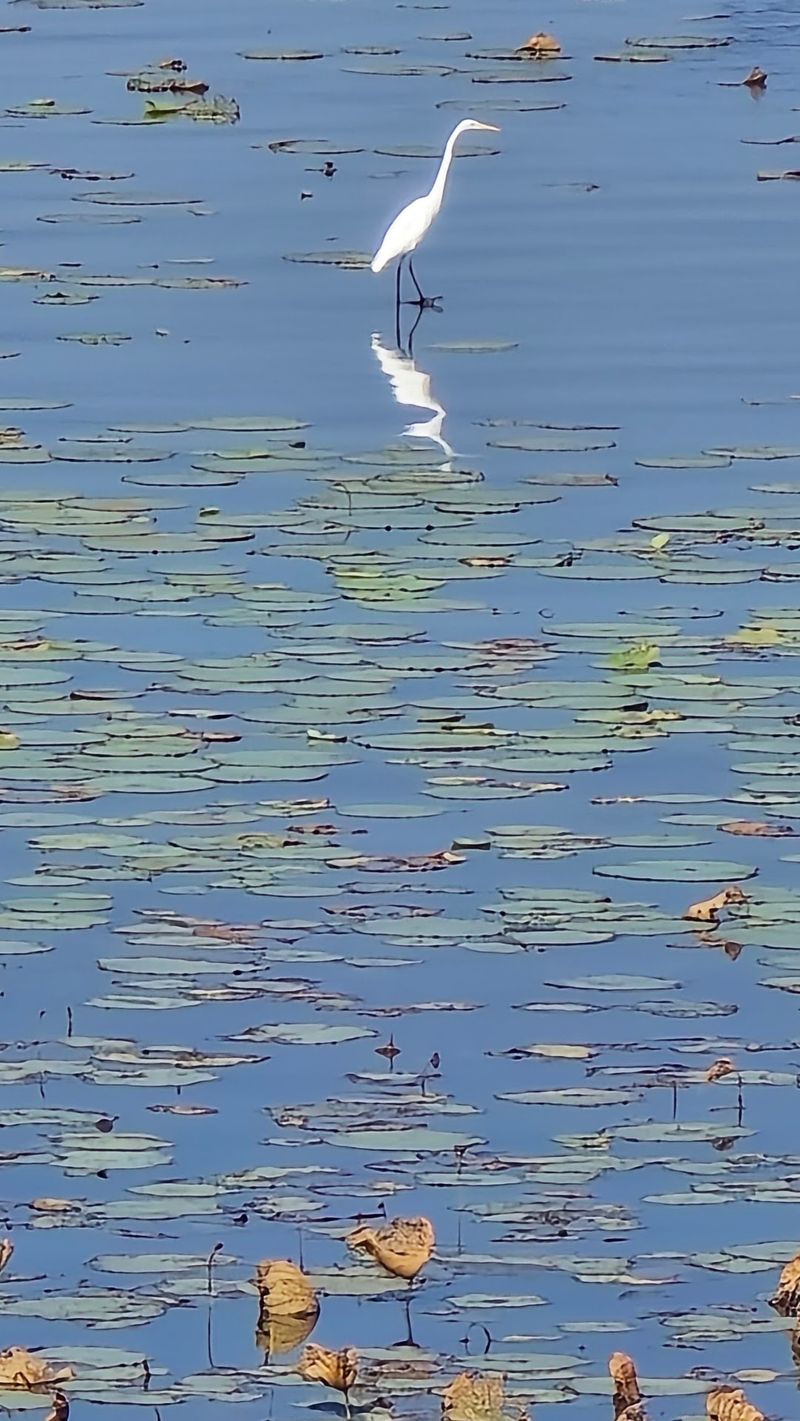
Depth is not this lake’s strong suit, and that turns out to be a good thing for wildlife. Broad shallow areas warm up fast in spring, filling with lily pads, grass beds, and thick green cover along the edges.
Warm shallow water is exactly what cold-blooded animals want. Snakes hunt frogs and small fish in those weedy flats, while alligators patrol nearby and turtles bask on any surface that holds still long enough.
Anglers work these backwaters with weedless lures, easing along quietly so they do not spook the fish. The payoff can be a solid largemouth, though gar sometimes crash the party and provide a workout instead.
Something about the low water makes the place feel more alive than deeper reservoirs. Sound carries differently, birds are constantly moving, and the surface ripples with activity you would never see in twenty feet of water.
Wading is not the sport of choice around here, and locals will tell you why without much prompting. A boat, a kayak, or a solid bank spot keeps you comfortable while the shallows stay busy with their own residents.
Low water also means shifting conditions, so checking lake levels before a trip saves headaches.
Thick Wetlands Line Much Of The Water
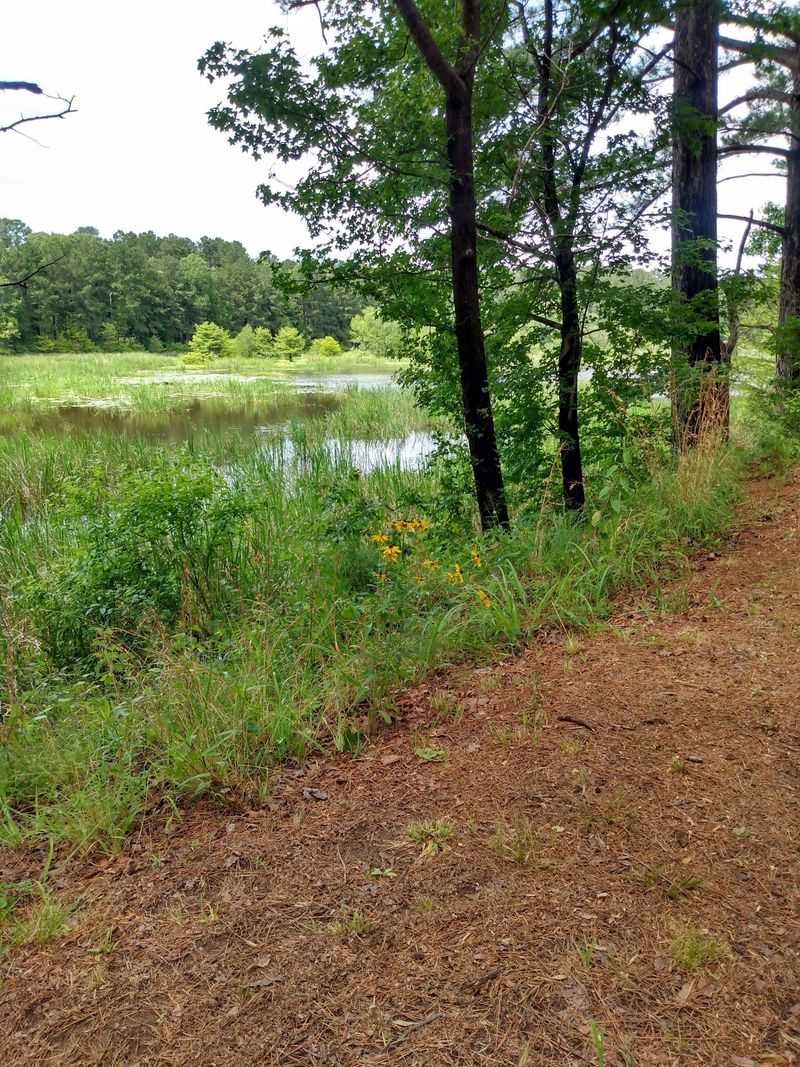
Reeds, cattails, and marshy grass wrap around long sections of this shoreline. The vegetation grows so dense in places that the line between land and lake becomes a guessing game.
Wetlands like these act as nurseries for an enormous cast of creatures. Frogs, minnows, crawfish, and insects thrive in the muck, and every one of them feeds something bigger up the chain.
Birdwatchers get the best deal out of the arrangement. Egrets, herons, ospreys, and migrating waterfowl all use the marsh, and the lake has long been known as one of the finest birding spots in this part of Arkansas.
Snakes fit right into that food web, gliding through the reeds with barely a ripple. Most people never see them, which is usually how both parties prefer it.
Insects come with the territory, especially in summer after the sun drops. Repellent belongs in the tackle box, and campers often plan evening meals a little earlier because of it.
Rubber boots, long pants, and a slow walking pace make marsh edges far more pleasant to explore. The reward is a soundtrack of frogs and birds that no speaker system can match.
Quiet Sloughs Make Ideal Reptile Territory
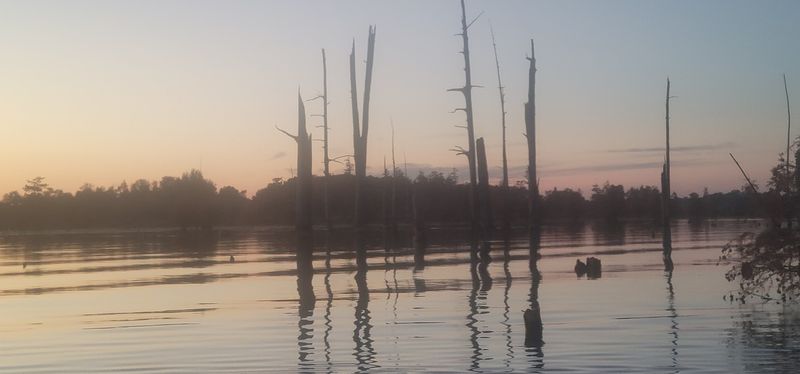
Tucked off the main lake are narrow, still channels that barely move all summer. Locals call them sloughs, and they are where the water goes quiet enough to mirror the trees above.
Stillness attracts a specific crowd. Alligators favor these calm pockets, cottonmouths and water snakes cruise the edges, and turtles pile onto half-sunken logs by the dozen.
Kayakers who paddle in report an odd hush, broken only by a splash or the creak of branches. It is the kind of setting that makes people whisper without deciding to.
Fishing in the sloughs can be excellent when the main lake gets rough, since wind rarely reaches these protected corners. Crappie and bream hold tight to the woody cover along the banks.
What strikes me most is how quickly the mood shifts once you leave open water behind. Twenty yards into a slough, the modern world seems to have taken the afternoon off.
Common sense goes a long way in these channels. Keep your distance from any alligator, never feed wildlife, and give resting snakes plenty of room as you pass.
Paddling out before dusk keeps the return trip simple and bug-free.
A Wildlife Boardwalk Cuts Through The Marsh
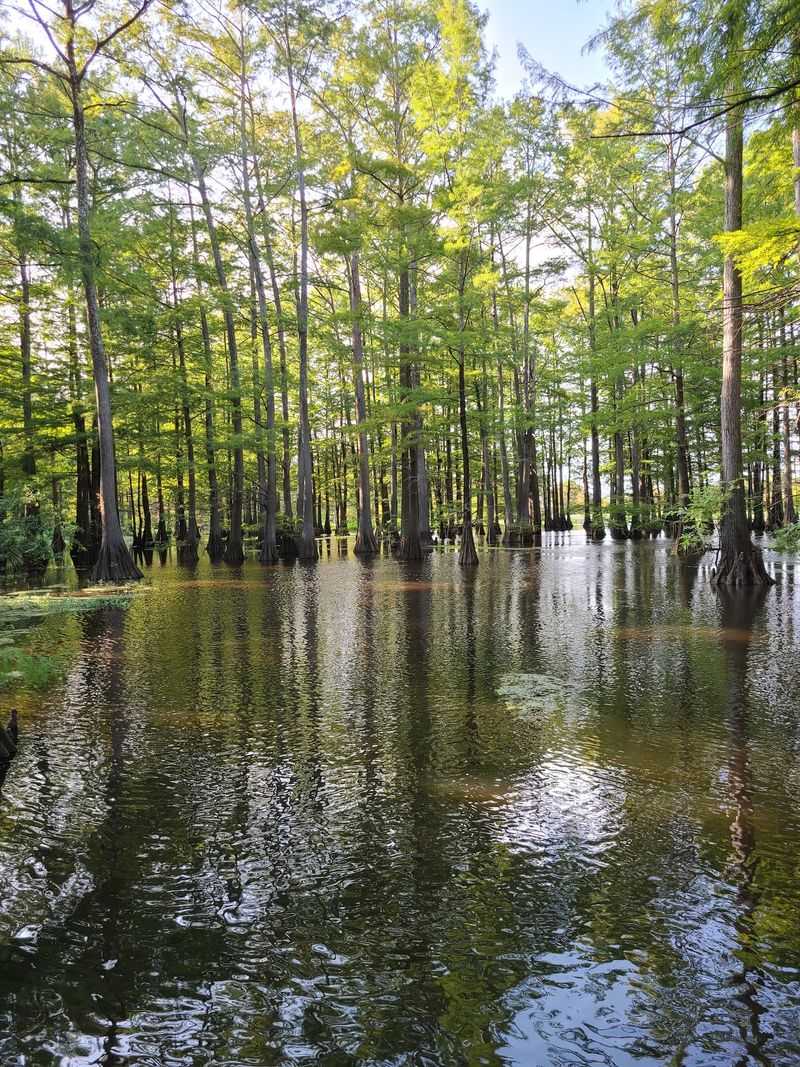
Not everyone wants to meet the wetlands at eye level, and that is exactly why a raised boardwalk works so well. Elevated walkways let visitors move over the marsh without sinking into mud or surprising anything in the grass.
Views from a boardwalk change with every season. Spring brings nesting birds and loud frog choruses, while fall delivers migrating flocks and softer, golden light across the reeds.
Photographers set up here for good reason. A steady railing beats a rocking boat when a heron finally decides to strike.
Kids seem to love the setup most of all, since they can spot turtles and dragonflies from a safe perch. Parents appreciate that the wilder residents stay comfortably below the planks.
Binoculars turn a ten-minute stroll into an hour easily. Distant snags often hold ospreys, and the far bank rewards patient scanning.
Early morning is the sweet spot, before heat settles over the water and activity slows. Bring water, wear a hat, and expect the boards to be slick after rain.
Walking the same stretch twice in one day often produces completely different sightings, which keeps regulars coming back with fresh curiosity.
Wooded Banks Demand A Closer Look
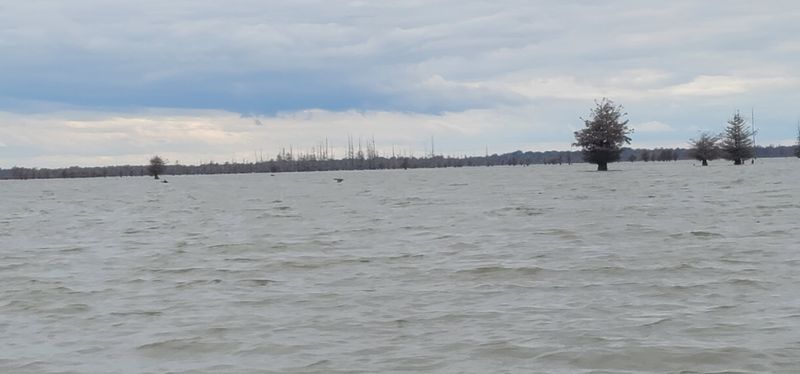
Hardwood forest crowds right up to the water along many stretches of bank. Fallen leaves, rotting logs, and shady undergrowth create cool hiding spots that reptiles find irresistible on hot afternoons.
Bank anglers who fish these wooded edges learn to watch where they step. A quick scan of the ground before setting down a chair prevents most unwanted encounters entirely.
Black bears have returned to the surrounding woods in recent years, confirmed by local sightings and photographs. Seeing one is rare, but food should always be stored properly at camp.
Woodpeckers hammer overhead while squirrels rustle through the leaf litter below. The forest floor stays busy even when the lake surface is glassy and still.
Trails and access roads wind through some of these wooded areas, and one review mentioned a gate being locked with a vehicle still inside. Checking posted closing times before driving in is worth the extra minute.
Long pants and closed shoes make bank fishing far more comfortable in warm months. Sturdy boots also help on muddy slopes after a rainy week.
The shade alone makes these banks a favorite when July decides to be unreasonable.
Murky Coves Add To The Untamed Feel
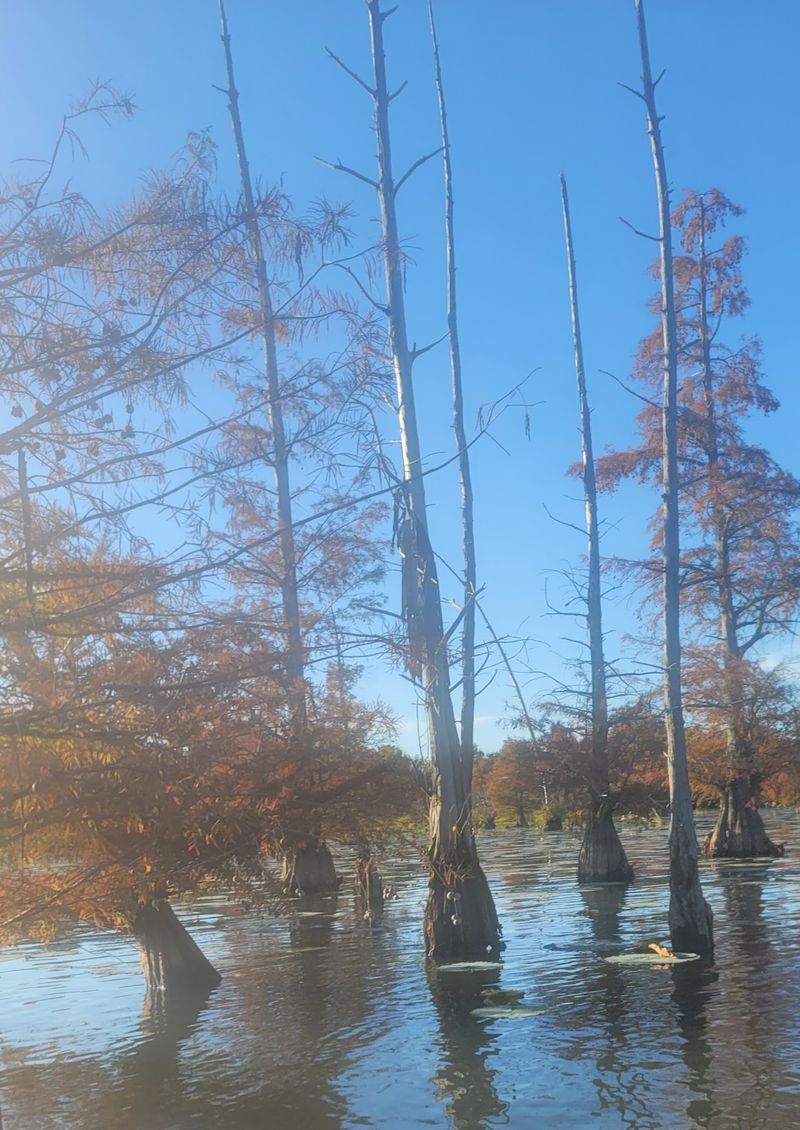
Clear water is not part of the deal here, and regulars would not have it any other way. Runoff and rich sediment stain the lake a coffee brown that hides everything below the surface.
Murky water actually helps anglers in some ways. Fish feel safer moving into shallow cover, and loud, vibrating lures work beautifully when visibility drops to a few inches.
Coves tucked along the edges hold that stained water even longer. Branches, stumps, and floating debris collect there, building the kind of cover that fish and reptiles both appreciate.
Catfish thrive in these conditions, and one visitor described hauling them in near a drain after a hurricane pushed through. Weather here has a way of rearranging the fishing report overnight.
Honestly, the cloudy water is half the reason this shoreline feels so wild. You never quite know what is under the boat, which keeps the imagination working overtime.
A depth finder helps, though local knowledge helps more. Talking to folks at the ramp usually beats any app for figuring out where fish are holding.
Coves also offer shelter when wind kicks up whitecaps across the main body of water.
Remote Shorelines Keep Nature Close
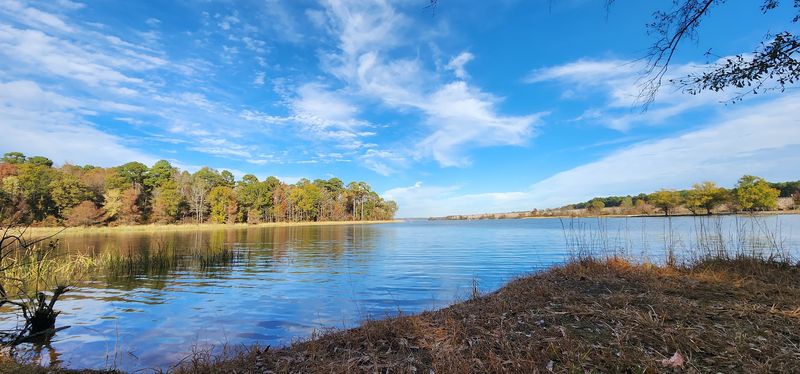
Long stretches of this shoreline see almost no foot traffic at all. Access roads end, the woods thicken, and the lake goes back to running itself without much human input.
Camping near the water is affordable and simple, with electric and water hookups, clean restrooms, and senior discounts that campers have praised for years. Sites fill up during peak fishing seasons, so reserving early is smart.
Sunsets from the Beards Bluff side have earned something close to legend status. Clear autumn evenings turn the sky orange behind the standing timber, and phones come out of pockets immediately.
The lake sits in the state’s southwest corner near Ashdown and is used as a municipal water source for Texarkana, which is a practical detail most visitors never think about. Millwood Lake is in southwest Arkansas on the Little River, about 16 river miles upstream from its confluence with the Red River.
Snakes, alligators, bears, and birds all share these quiet edges, and giving them space keeps everyone happy. Bring bug spray, watch where you walk, and let the wildlife handle its own business.
This shoreline feels unusually unbothered by the calendar or the clock.