
This Arkansas Restaurant Piles Crab Legs And Shrimp Onto Giant Seafood Platters Made For Sharing
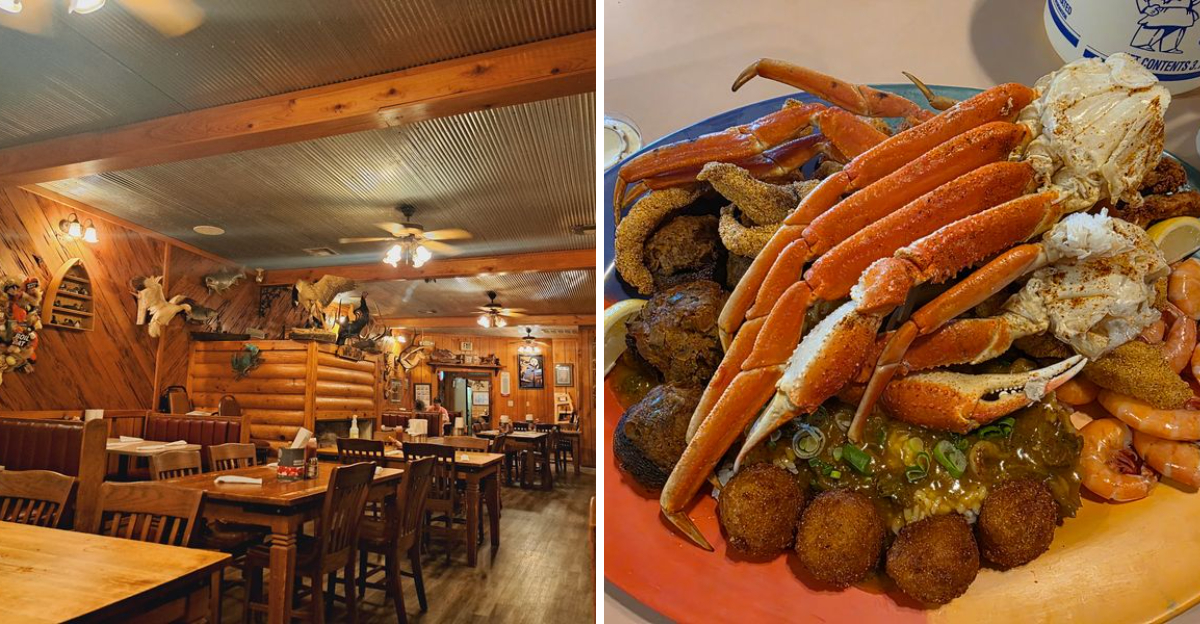
Some restaurants make you glance twice at the plate when it lands. This one makes you wonder how two people are supposed to finish it.
Along a rural Arkansas highway, a Cajun restaurant has built a following around oversized seafood portions and a dining room that can fill quickly on weekends. Huge platters arrive piled with crab legs and shrimp, turning dinner into the kind of meal that practically demands sharing.
The building looks modest from the road, but the experience feels much bigger once you walk in. Cajun decor fills the walls, while a small gift shop near the entrance adds another unexpected detail for first-time visitors.
The crowd can build fast on weekends, especially when people arrive hungry for seafood and ready to settle in. Then the food starts landing on the table, and suddenly that low-key roadside stop makes a lot more sense.
A Roadside Exterior That Looks Deceptively Small
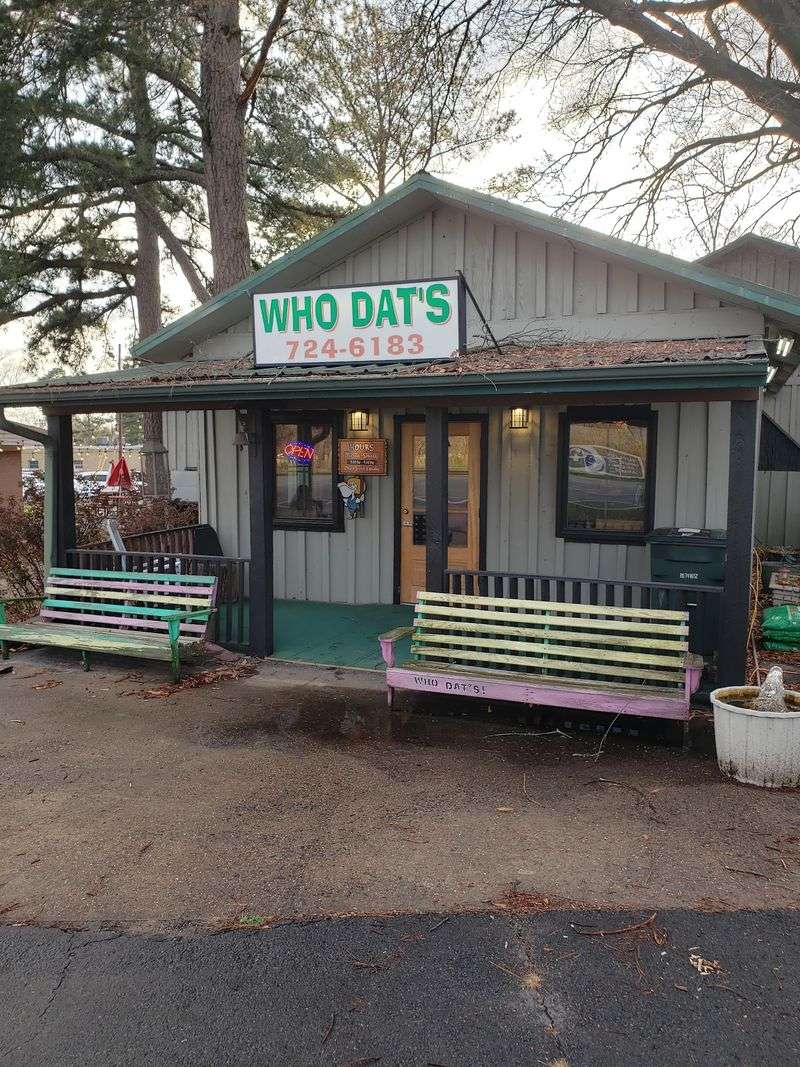
Drivers heading along the highway could blink and miss the low building sitting close to the road. The front looks modest, almost plain, with nothing about it hinting at the amount of food coming out of the kitchen.
Guests have long noted that the place is far larger inside than the outside suggests. Once you step through the door, the dining space opens up and stretches back further than the roadside view prepares you for.
One practical quirk trips up plenty of newcomers. Parking is located in the back rather than out front, so circling the building is part of the arrival routine.
I find that detail oddly charming, since it means the restaurant keeps its unassuming face turned toward traffic while the real activity happens behind it.
Signage keeps things simple, and the building itself carries a workaday roadside look that fits the surrounding stretch of Arkansas countryside. No fancy landscaping, no grand entrance, just a door and the smell of frying seafood.
Travelers passing through have stopped on a whim and discovered a full Cajun kitchen waiting behind that humble frontage. The address is Who Dat’s Cajun Restaurant at 3209 AR-367, Bald Knob, AR 72010.
A Casual Cajun Spot With A Laid-Back Feel
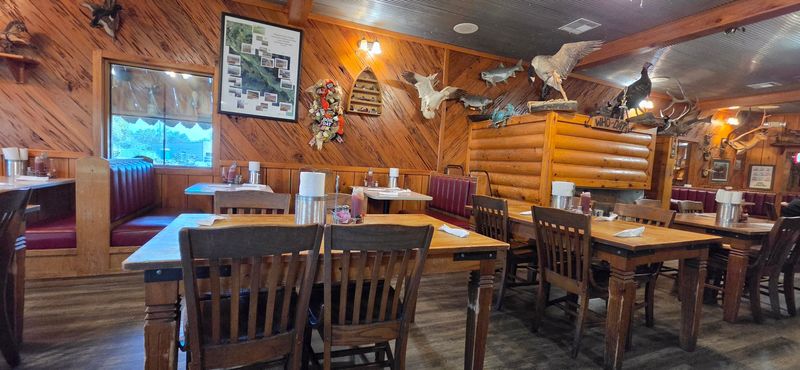
Nobody dresses up for dinner here. The vibe leans toward jeans, work boots, and families sliding into booths after a long day.
Tables come stocked with Tabasco, a small touch that tells you exactly what kind of kitchen you are dealing with. Heat is available on request rather than forced on everyone.
Cajun and Creole classics anchor the menu, so gumbo, etouffee, and po boys share space with fried baskets and burgers. The cooking aims for South Louisiana comfort rather than fussy plating.
Folks who grew up around the bayous have made the drive specifically to see how the flavors hold up this far north. Others come simply because it is the closest place around serving crawfish tails and stuffed crab.
Operating hours run Tuesday through Saturday starting at 3 PM and closing at 9 PM, with Sunday and Monday off. Afternoon arrivals catch a calmer room than late evening ones.
What strikes me most is how unpretentious the whole setup feels for a kitchen turning out this much seafood. Nothing about it tries to impress before the food arrives.
Arkansas has plenty of country cooking, though Cajun specialists like this remain uncommon outside larger towns.
The Largest Seafood Platter Is Built For Two
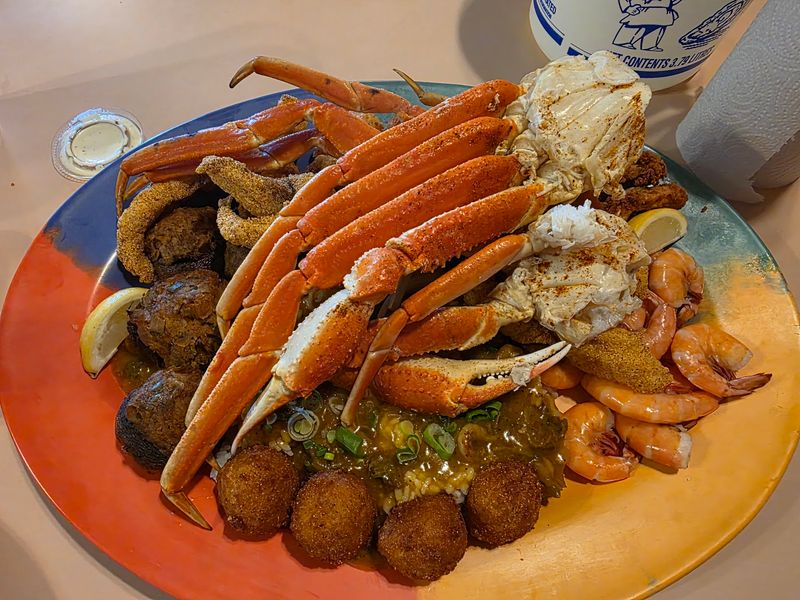
The Bayou Platter for Two is listed as the largest platter available, and it is designed for two people to share. It includes the same spread as the regular Bayou Platter, with a snow crab cluster and both fried and boiled shrimp.
Gumbo and crawfish etouffee are part of it as well.
Fried catfish and frog legs add more to the plate. Stuffed mushrooms round out the order, creating the kind of spread that can easily leave diners carrying leftovers home.
The separate Seafood Platter is a different menu item. It includes oysters and stuffed crab, but it does not include the snow crab cluster found on the Bayou Platter.
The Bayou Platter for Two remains the oversized choice for diners wanting several Cajun seafood favorites in one shared order.
Honestly, the idea of a platter that needs a teammate makes me grin every time it comes up.
Crab legs this far from the coast always raise eyebrows, yet they remain one of the restaurant’s notable seafood options. Gumbo can also be ordered separately for anyone wanting more alongside the meal.
Ordering the Bayou Platter for Two solo is possible, though the menu clearly builds it for sharing.
A Casual Dining Room With Plenty Of Local Character
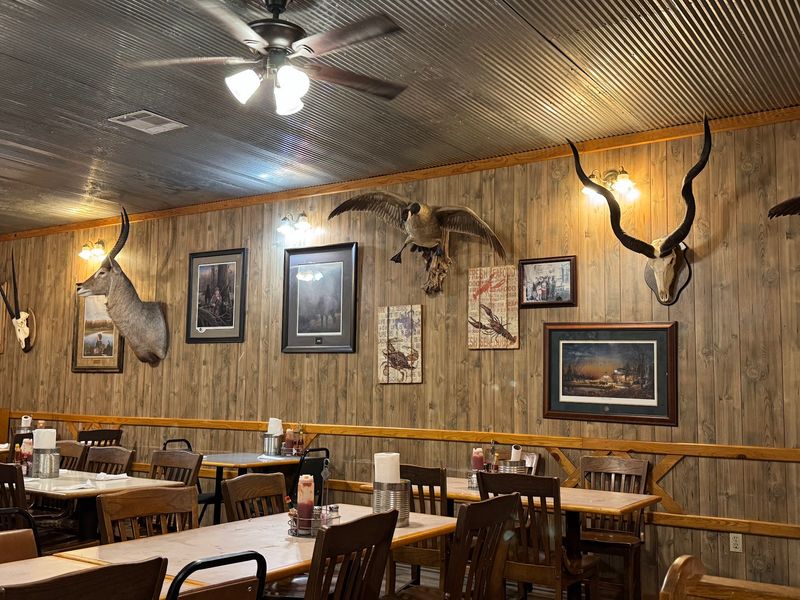
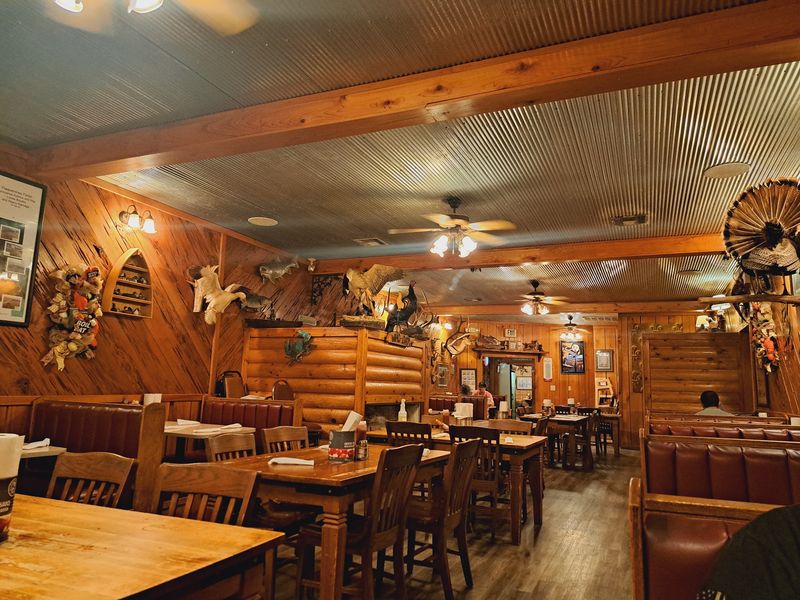
Birthday parties happen here often enough that walking in on one is a real possibility. Groups gather around pushed-together tables while servers weave through with heavy plates.
Weeknights can feel remarkably quiet, with soft conversation and plenty of elbow room. The same space on a Saturday transforms into a loud, cheerful room packed with families.
Regulars have been coming for decades, some driving fifty miles or more just for a standing dinner tradition. That kind of loyalty shapes the atmosphere in a way no decorator could arrange.
Servers keep tea glasses topped off with impressive attention, a small courtesy that guests mention often. Attentive refills matter when the food carries plenty of Cajun spice.
The room welcomes kids without hesitation, and simple options like grilled cheese exist for younger diners who are not ready for crawfish.
Something about a dining room where a four-year-old and a seafood-feast enthusiast can sit at the same table appeals to me.
Traffic in the room ebbs and flows with the clock, so early seating around opening feels different from the eight o’clock rush. Either version delivers the same kitchen.
Quirky Wall Decor Packs The Interior With Personality
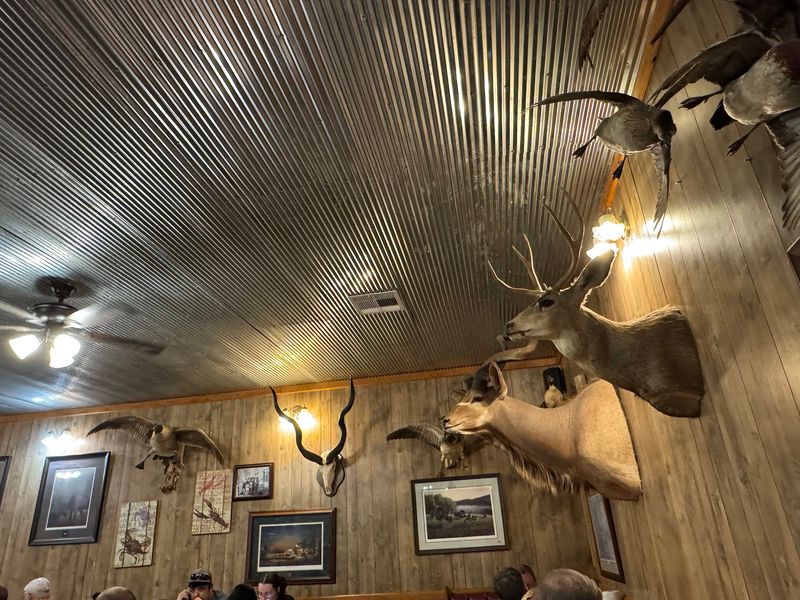
Bare walls would feel wrong in a Cajun restaurant, and this one leaves nothing uncovered. Signs, memorabilia, and Louisiana-themed odds and ends fill the space above the tables.
Guests frequently comment on the ambiance, describing it as exactly what a traditional Cajun spot should look like. The decor does real work in setting the mood before the first basket of hush puppies lands.
Alligator references show up throughout, which makes sense given how often gator and alligator bites get ordered. The theme carries from the walls straight onto the plate.
Wandering eyes have plenty to keep them busy during the wait for food. Kids in particular tend to spot something new every few minutes.
My favorite part of places like this is that the decor accumulates over years rather than arriving in one shipment. It reads as collected, not purchased.
Warm lighting keeps everything visible without feeling harsh, and the overall effect leans cozy rather than cluttered. Tabasco bottles standing at attention on each table complete the look.
Cajun character in the middle of Arkansas farm country makes for a fun visual contrast that never quite stops being surprising.
Generous Portions Are Part Of The Appeal
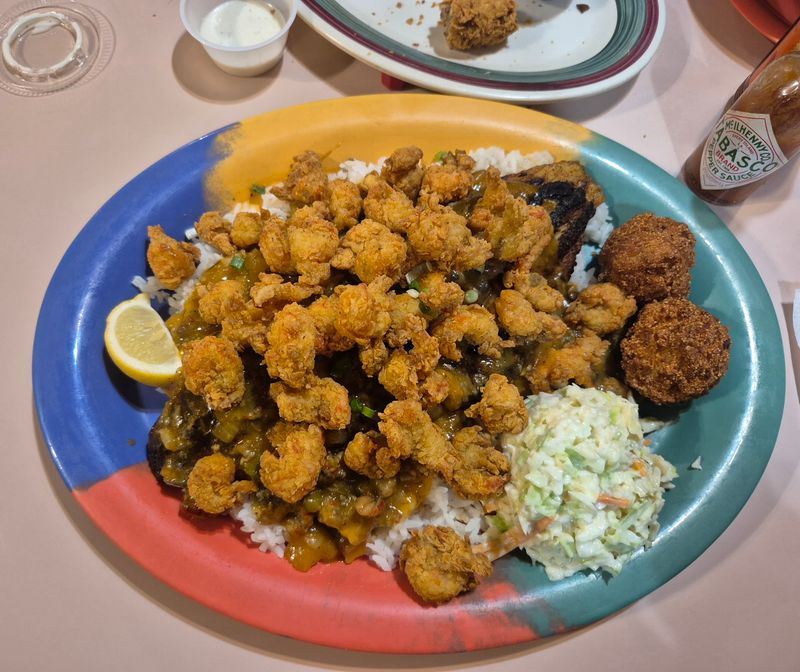
Large portions get mentioned more than any single dish on the menu. Diners talk about to-go boxes the way other people talk about dessert.
Crab stuffed mushrooms arrive big enough to function as a meal on their own. Crawfish etouffee lands in a bowl that defeats plenty of people halfway through.
The shrimp sampler brings several preparations at once, including bacon wrapped shrimp, which fans of shellfish tend to rave about. Variety on one plate turns dinner into a tasting session.
Fried crawfish tails, blackened catfish, shrimp scampi, and seafood enchiladas all show up in conversations about favorites. The overstuffed po boy earns its name with Gambino bread hauled in for the job.
Then there is the hubcap burger, which suggests its own scale without needing further explanation.
Portion size here seems less like a marketing angle and more like a habit the kitchen never broke, which I respect.
Red beans and rice, herb rice, and gumbo round out the sides, and even those come in helpings that require pacing. Groups often plan around leftovers before they order.
Coming hungry is genuinely the smart approach.
A Small Gift Shop Adds To The Restaurant’s Personality
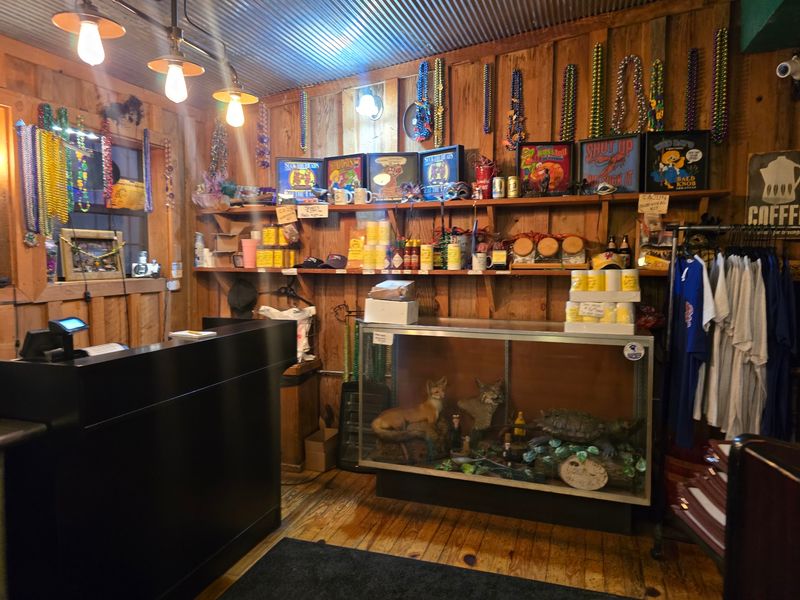
Near the entrance sits a small gift shop, an unexpected bonus tucked into a seafood restaurant. Shoppers browse it while waiting for a table, which turns downtime into entertainment.
Cajun-themed items and souvenirs fill the shelves, giving the space a market feel in miniature. It fits naturally with the collected look of the dining room walls.
Guests have called the shop cute, and it clearly earns its square footage on nights when the lobby fills up. Browsing beats standing around staring at the door.
A gift shop attached to a Cajun kitchen strikes me as one of those details that makes a restaurant memorable long after the meal ends.
Picking up a bottle of something spicy or a keepsake before heading out gives visitors a small piece of the trip to take home. Travelers passing through on the highway seem to appreciate that.
Small touches like this separate family-run operations from anything corporate. Nobody plans a gift shop by committee in a town this size.
The whole setup reinforces that the restaurant is a destination rather than a quick stop, which suits the driving distances many diners cover.
Weekend Dinner Crowds Can Build Surprisingly Fast
Doors open at 3 PM, and on Friday and Saturday a line often forms before that. Reports of dozens of people waiting outside at opening are not exaggerations.
By the time the first wave finishes eating, the crowd out front can be even larger. Weekend demand simply outpaces the number of tables.
Weeknights tell a completely different story, with Tuesday through Thursday running far calmer. Quiet dinners are absolutely possible if the calendar cooperates.
Waits do happen, and longtime diners treat them as part of the deal rather than a problem. The gift shop and the decorated walls help pass the time.
Sunday and Monday the restaurant stays closed, so planning matters more here than at places open every day. Showing up on the wrong evening means a locked door and a long drive home.
Arriving right at opening on a weekend seems to be the popular strategy, judging by how quickly the room fills.
What amuses me is that a restaurant on a rural highway can pull a crowd that would look at home outside a city venue.
Timing turns out to be the single most useful thing to know.