
This Arkansas Rodeo Festival Brings Parades, Cowboys, And Arena Excitement Every Summer
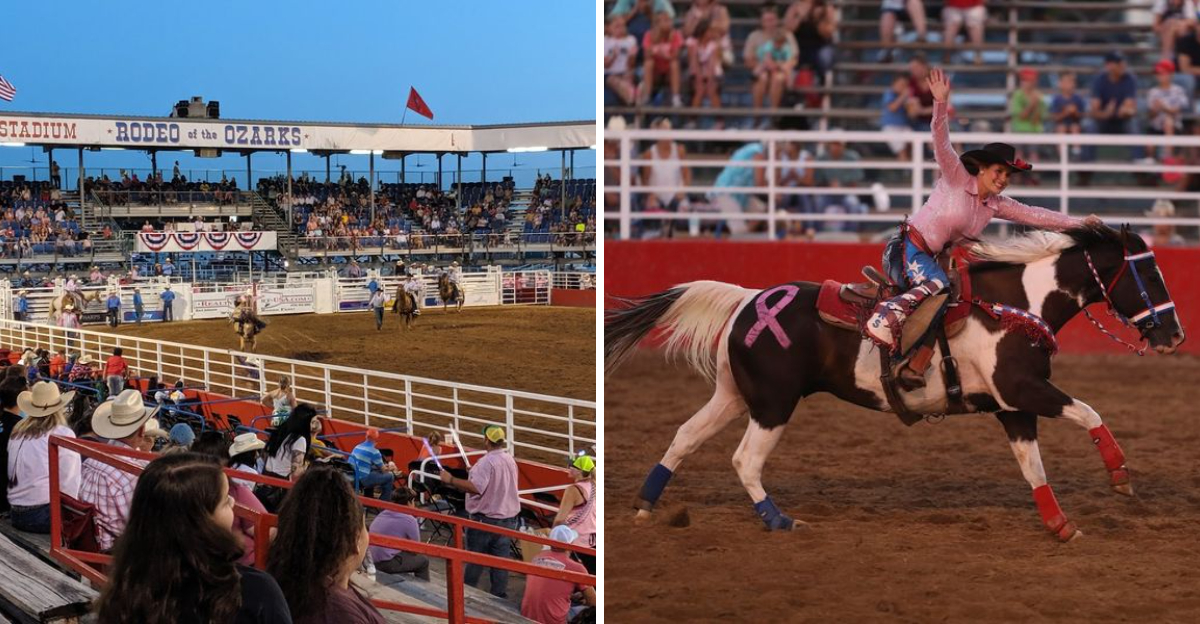
A summer evening changes once the arena gates open and rodeo fans begin filling the seats. The mood is lively before the first competitor appears.
Families arrive early, vendors prepare for the rush, and the grandstands hum with anticipation as daylight fades. Earlier in the day, a parade carries Western pageantry through the streets, drawing spectators to the curb for horses and floats.
Then the focus shifts to the arena. Bull riders face eight demanding seconds, barrel racers cut around the pattern, and roping events reward precision under pressure.
Arkansas knows how to celebrate its traditions, and this festival turns cowboy culture into a full community celebration event. The final evening adds fireworks above the stadium, but the real spark comes from the crowd below.
After more than eighty years, this annual rodeo still feels immediate, energetic, and capable of winning over someone seeing it for the very first time.
Where Arena Lights Meet The Summer Sky
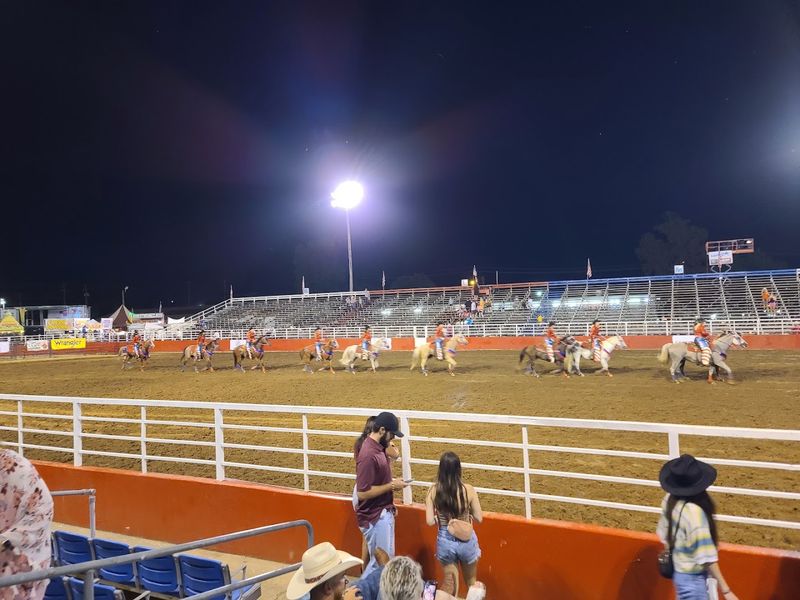
Twilight at a rodeo arena carries a kind of electricity that is hard to put into words but impossible to miss once you feel it.
Gates at this beloved venue typically swing open around 6:00 p.m., giving early arrivals time to grab a snack, find their seats, and soak in the pre-show buzz before the grand entry parade kicks off at 7:30 p.m.
The shift from daylight to dusk is genuinely dramatic here, as the stadium lights take over and the whole arena seems to glow with anticipation.
Special acts are woven throughout the evening program, adding surprise and variety between the competitive events that keep the crowd on their feet.
On the final night of the festival, a fireworks display lights up the sky around 9 p.m., capping the week with a brilliant send-off that has spectators craning their necks and pointing at the stars.
You can find all of this waiting for you at the Rodeo of the Ozarks at 1423 E Emma Ave, Springdale, AR 72764.
The Grandstands Fill With Western Spirit
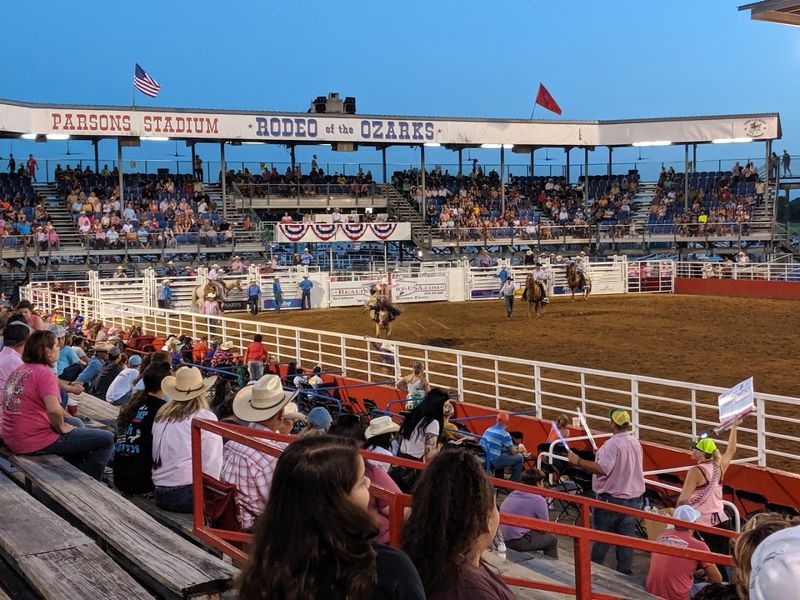
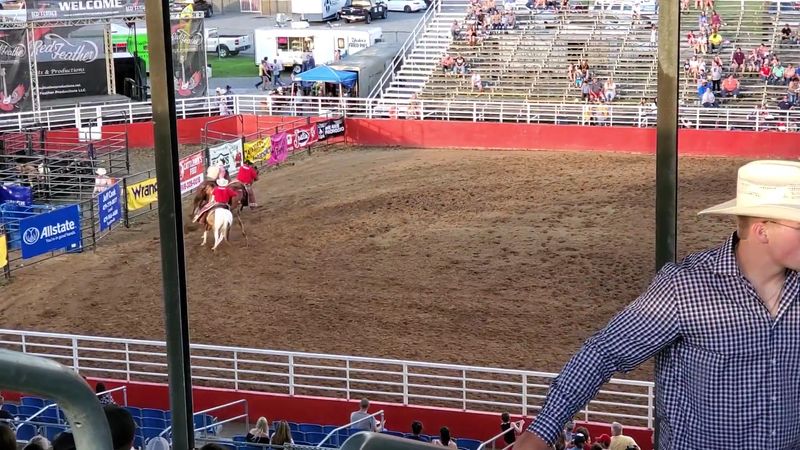
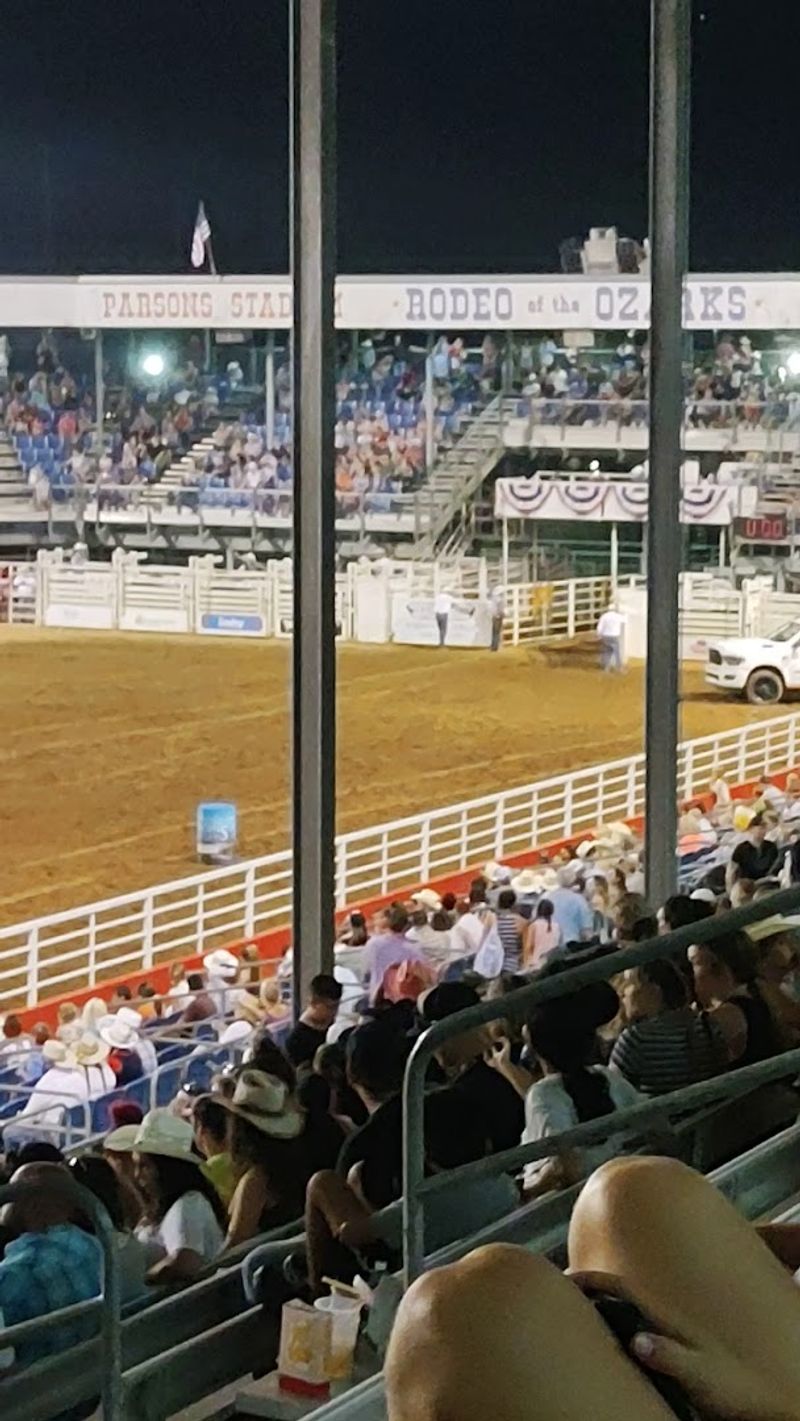
Few things compare to the sight of 10,000 people united by one shared passion, and the grandstands here deliver exactly that kind of collective energy every single night.
The Rodeo of the Ozarks has been recognized as one of the top five large outdoor rodeos in the United States, a distinction that speaks volumes about its reach and reputation well beyond the Ozarks region.
Skilled competitors arrive to test their abilities in front of those massive steel bleachers, bringing a level of professional talent that keeps even seasoned rodeo fans glued to their seats.
The crowd itself becomes part of the spectacle, with cowboy hats bobbing, kids pointing at their favorite riders, and families sharing caramel corn while the arena erupts around them.
Arkansas has no shortage of community events, but few generate this kind of cross-generational enthusiasm, where grandparents and grandchildren cheer side by side with equal excitement.
That shared sense of belonging and Western pride is what turns first-time visitors into the kind of loyal fans who start counting down to next summer before they even leave the parking lot.
The Surrounding Streets Take On Rodeo-Day Energy
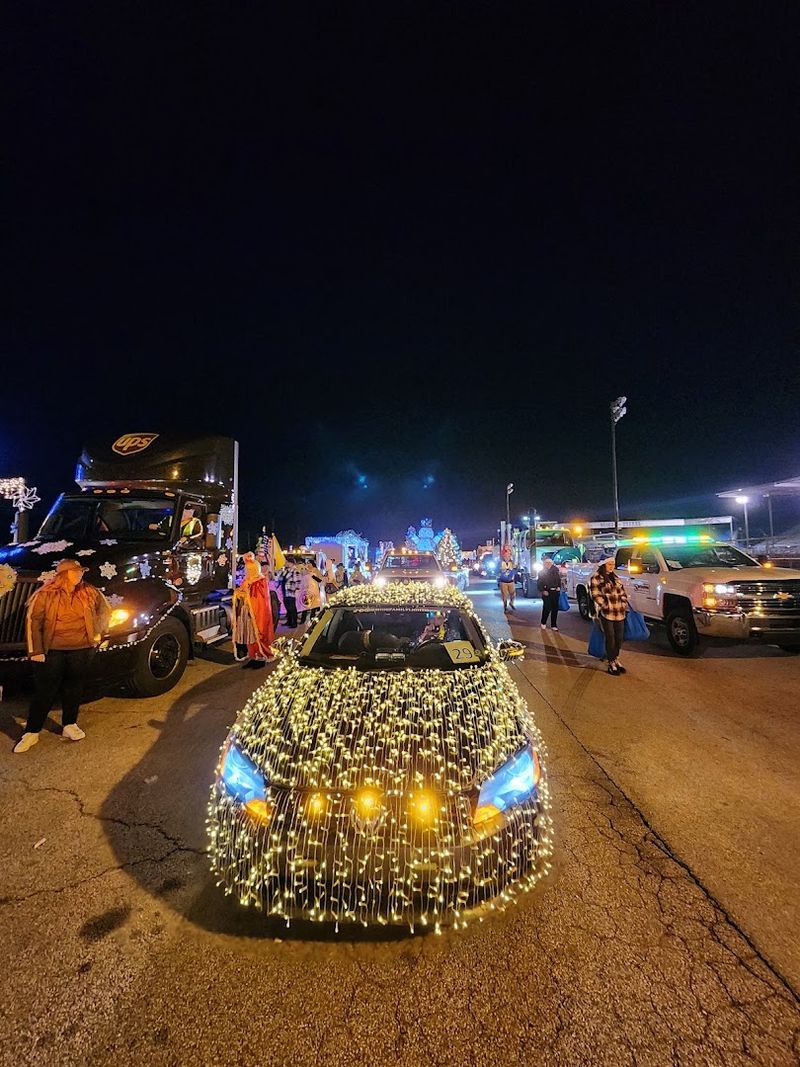
Emma Avenue does not stay quiet during rodeo week, and that is exactly the point.
The historic downtown street transforms into a lively ribbon of Western celebration as the annual Rodeo Parade rolls through, drawing spectators who line the curbs early to claim their prime viewing spots.
Floats roll past in a blaze of color, marching bands fill the air with upbeat rhythms, and clowns weave through the procession with enough energy to keep even the most restless kids entertained.
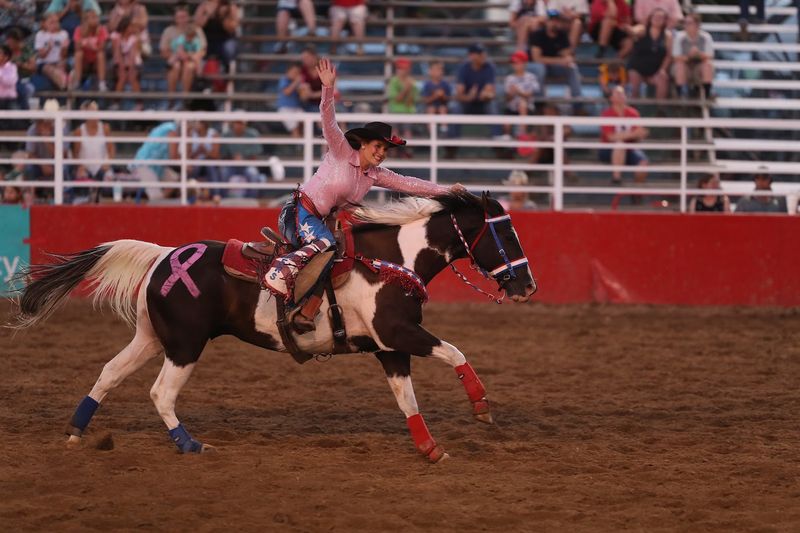
Rodeo queens ride elegantly on horseback, waving to the crowd with a polish that comes from months of preparation and genuine pride in representing the local community.
Hundreds of horses join the parade, which means the street carries that wonderful mix of sounds and sights that only a true Western procession can deliver.
Parking fills up fast along Emma Avenue on parade day, and I always suggest arriving early, not just for a good spot, but because the pre-parade atmosphere along the street is worth savoring on its own.
The whole avenue pulses with a warmth that reminds you why small-city traditions like this one are worth protecting and celebrating every year.
A Stadium Built For Big-Crowd Excitement
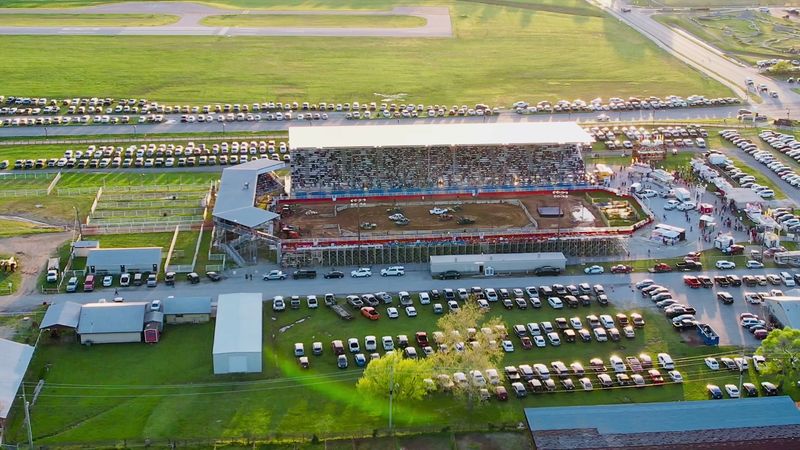
Parsons Stadium is the kind of venue that earns your respect the moment you walk through the gates and realize just how much thought went into building it.
The facility features robust steel under-framed bleachers with seating for well over 10,000 attendees, making it one of the more impressive purpose-built rodeo venues in the entire region of Northwest Arkansas.
Specialized chutes and sturdy steel holding pens for the animals reflect a serious commitment to both safety and the smooth flow of competition, details that professional competitors and knowledgeable fans alike tend to notice and appreciate.
Members of the American Legion contributed by constructing box seats along the arena perimeter, adding a layer of community involvement to the stadium’s physical history that gives it a meaningful backstory.
The stadium’s extensive seating becomes especially impressive when thousands of spectators gather during the peak of a hot Arkansas summer evening.
The stadium has grown and improved over the decades, but its core identity remains the same: a place designed to bring large crowds together around something genuinely thrilling, and it delivers on that promise with every season.
The Parade Sets The Celebration In Motion
Before a single bull charges out of the chute or a single barrel racer leans into a turn, the parade has already set the tone for everything that follows.
The annual Rodeo Parade kicks off the week’s festivities by beginning right at Parsons Stadium and winding its way west along Emma Avenue, creating a moving celebration that the whole community can enjoy without buying a single ticket.
For the 2026 event, the parade was scheduled as a morning spectacle, launching at 10 a.m. on Wednesday, June 24, which means families can enjoy the procession and still have the whole afternoon to prepare for the evening arena show.
Elaborate floats carry local organizations, businesses, and community groups who put real effort into their entries, and that pride shows in every banner and decoration.
Clowns, esteemed rodeo queens, spirited marching bands, and a seemingly endless stream of horses all contribute their own flavor to the procession, giving the crowd plenty of reasons to keep their eyes moving down the route.
The parade is essentially the festival’s opening handshake with the community, and it is a confident, colorful, and completely genuine one.
Arena Dirt Becomes The Main Stage
Once the parade wraps up and the evening performance begins, the arena floor becomes the most exciting square footage in all of Arkansas for about four hours straight.
The Rodeo of the Ozarks holds a Professional Rodeo Cowboys Association sanction, which means the competition meets a high standard that attracts serious talent from across the country.
Bareback riding and saddle bronc riding open the door to the raw, unfiltered athleticism that defines rodeo, where the goal is simply to hold on with style and grit for eight seconds against an animal that has other plans.
Bull riding raises the stakes even higher, while tie-down roping and team roping showcase the kind of precise, practiced skill that takes years to develop properly.
Barrel racing brings speed and agility into sharp focus, with horse and rider moving as a single fluid unit around the cloverleaf pattern in breathtaking fashion.
Younger attendees get their own spotlight moment during mutton bustin, where small children ride sheep in an event that consistently produces the loudest cheers and the most genuine laughter of the entire evening.
Cowboy Culture Comes Alive After Sundown
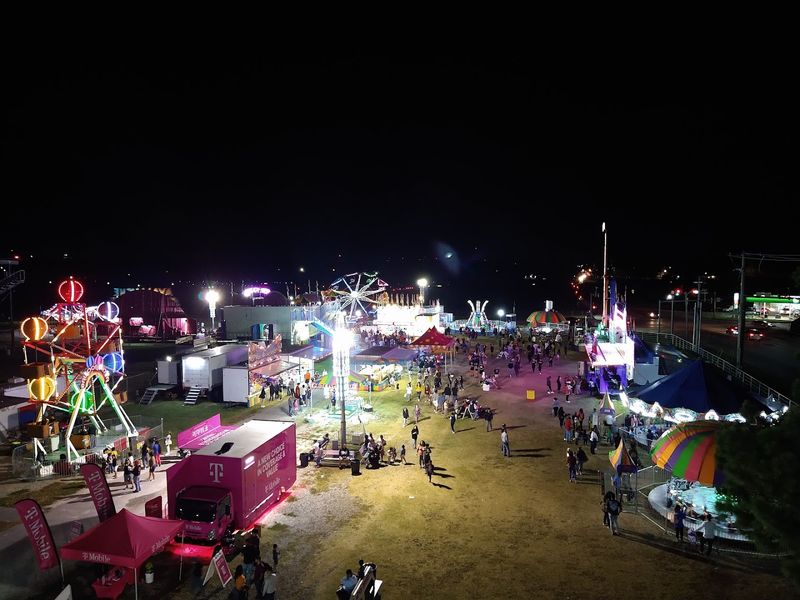
The competitive events are the headline act, but the full cowboy culture experience at this festival stretches well beyond the arena fence into a lively evening scene worth exploring at your own pace.
Rodeo clowns keep the energy light and the laughter flowing between events, using physical comedy and crowd interaction to fill every gap with genuine entertainment that works for all ages.
Children’s events pop up throughout the program, giving younger attendees their own moments of involvement rather than just watching from the bleachers as passive spectators.
Western lifestyle vendors set up throughout the grounds, offering everything from handmade goods to event supplies, and browsing the booths is a fun way to extend the evening after your favorite event wraps up.
Themed nights add a layer of personality to each performance, including a Faith and Family Night, a Retro Throwback Night, a Bold Enough to Wear Gold Night dedicated to childhood cancer awareness, and a Patriotic Night that brings out the flags and the pride.
The food aromas drifting through the grounds, from corn dogs to brisket, are practically a separate attraction, and eating before you go may help if budget is a concern, since vendors often lean toward festival pricing.
A Summer Tradition With Deep Local Roots
Some events feel like they were invented last year and might not survive the next one, but this festival carries the kind of deep, settled confidence that only eight decades of continuity can produce.
Planning for the Rodeo of the Ozarks began in 1944, and the first event was held in 1945 after local figures including Thurman Shorty Parsons and Dempsey Letsch helped bring professional rodeo entertainment to the community during the final year of World War II.
The event earned recognition from the Rodeo Cowboys Association in 1946, cementing its professional status very early in its history and setting the standard it has maintained ever since.
Today, the festival is managed by the non-profit Springdale Benevolent Foundation, an organization whose mission centers on preserving this piece of Arkansas heritage for future generations rather than chasing profit.
The 82nd annual celebration took place in 2026, a number that puts the festival’s longevity into perspective and explains why so many families treat attendance as a non-negotiable summer ritual.
Northwest Arkansas has changed enormously over the past eighty years, but this rodeo has remained a steady anchor, connecting the region’s agricultural past to its present with every hoof beat and every cheer.