
This Arkansas State Park Is Hosting A Labor Day Kayak Float Through Stunning White River Scenery
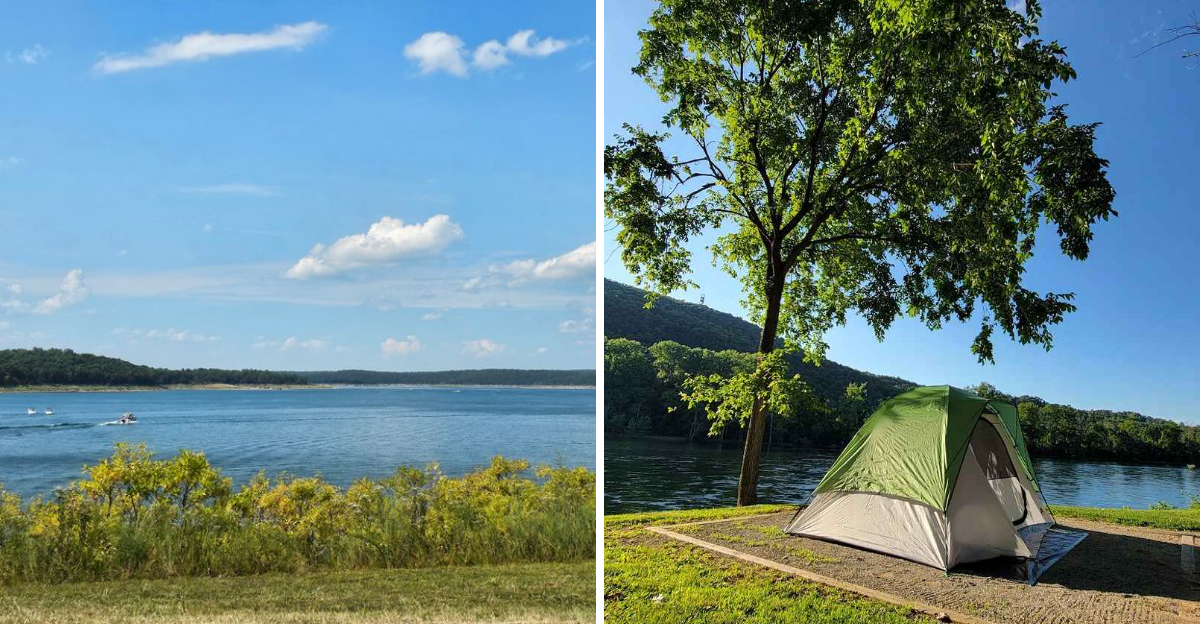
Labor Day weekend usually means grills, coolers, and traffic. In one corner of the Ozarks, it means something quieter: a paddle down a river so cold and clear you can count the pebbles under your kayak.
The water here comes straight out of the base of a massive dam, which is why swimmers gasp and trout thrive at the same time. Bluffs climb hundreds of feet overhead, herons stand watch on gravel bars, and the current does most of the steering while you drift and look around.
What follows is a closer look at the float itself, the scenery along the way, and the small practical details that make the day work. Consider this the pre-trip briefing you did not know you needed, complete with the reason locals guard their reservations a full year in advance.
Labor Day Starts At The River
Holiday mornings around here do not begin with parade music. They begin with fog curling off water that runs around 50 degrees even in September, drifting past campsites where coffee is still brewing.
Paddlers gather near the boat dock, where the on-site store rents kayaks and canoes and posts the schedule for water releases from the dam upstream.
That schedule matters more than any clock, because the river can rise or fall several feet in a few hours and sandbars appear and vanish along with it.
Campers staying in riverfront sites often hear the current before they see it, and they feel the chill rolling off the surface on an 85 degree afternoon. I find that detail wonderfully unfair to everyone stuck in a hot parking lot somewhere else.
Entry to the park costs nothing, and the campground and picnic area are open all year. The marina is open daily from 7 a.m. to 6 p.m. from March through October, and canoe or kayak river-float rentals include haul-back service.
The whole setup feels less like an event and more like a tradition that happens to fall on a long weekend at Bull Shoals – White River State Park at 153 Dam Overlook Ln, Bull Shoals, Arkansas.
The Cold River Water Steals The Scene
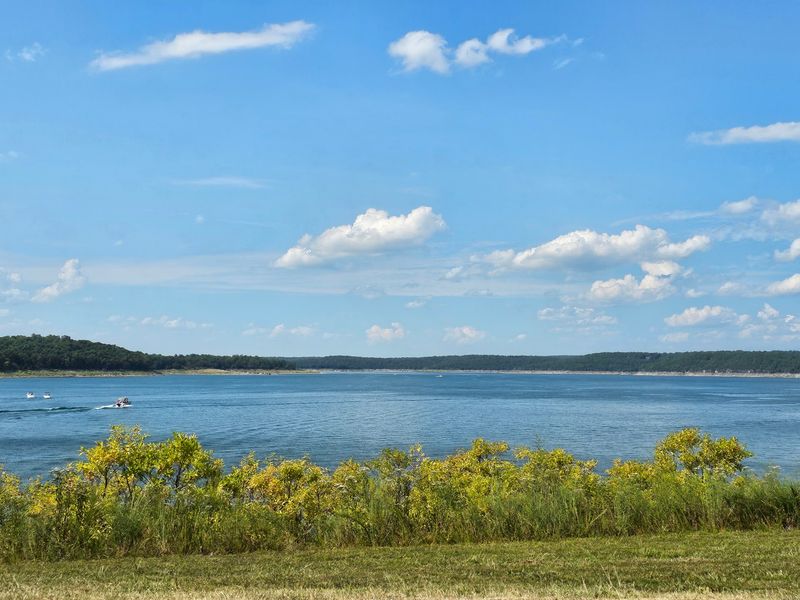
First contact with the water tends to produce a small yelp. Releases from the dam pull water from deep inside the reservoir, so what reaches the boat launch is startlingly cold and remarkably clear.
Clarity is the real prize. On low water days, paddlers report seeing gravel, submerged logs, and trout shadows several feet down, which turns an ordinary float into something close to a glass-bottom ride.
Rentals happen right at the park, where small boats and kayaks are available along with a bait shop and gift store for anything forgotten. Guided fishing trips can be arranged too, and many floaters bring a rod along for the calmer pools.
Repeat visitors describe the trip as mostly steering with very little paddling, since the current handles the work while you handle the sightseeing. That balance makes it friendly for beginners and families with kids who lose interest in hard work after ten minutes.
Layers help, because the air can feel like summer while the water insists it is early spring. Anyone who dips a hand in during the first mile learns quickly why the trout in this stretch grow so happy.
The Float Passes Forested Riverbanks
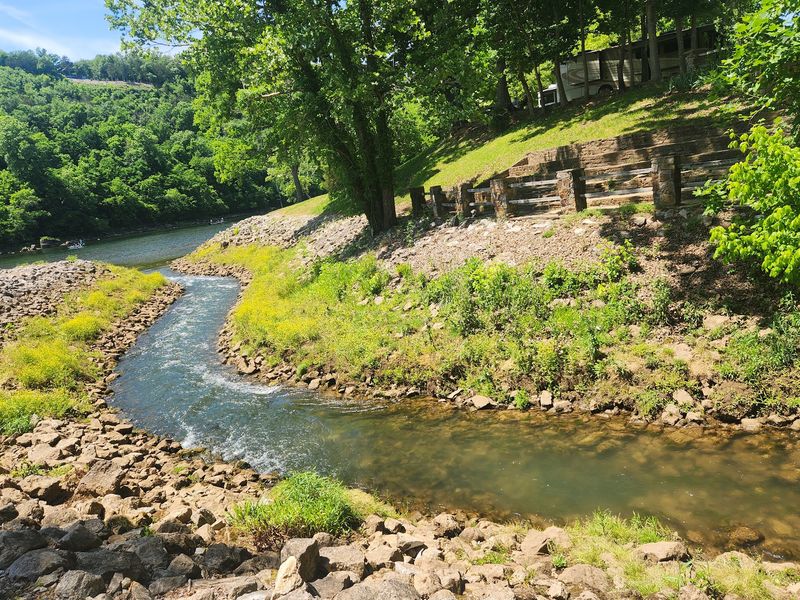
Trees crowd the banks almost the entire way, leaning out over the water in leafy arcs that throw shade across the surface. Sycamores, oaks, and willows make the corridor feel closed in and private, even when other boats are nearby.
Wildlife shows up constantly in this stretch. Eagles and buzzards ride the air above the bluffs, deer step out into clearings, and a heron rookery has held nests full of chicks in past seasons.
Something I appreciate about a shaded float is that it keeps the whole trip comfortable when the thermometer climbs. The cool air pushing off the river adds a second layer of relief that campers here mention again and again.
Bank access points with steps lead down to the water in several spots throughout the park, which makes it easy to pull over or wade a bit. Fishing from shore is common too, especially where gravel bars slope gently into the current.
Insects stay surprisingly scarce along the moving water, a happy side effect of a river that never sits still. Green walls, birds overhead, and no swatting required is a combination worth paddling for.
Calm Stretches Open Between The Bluffs
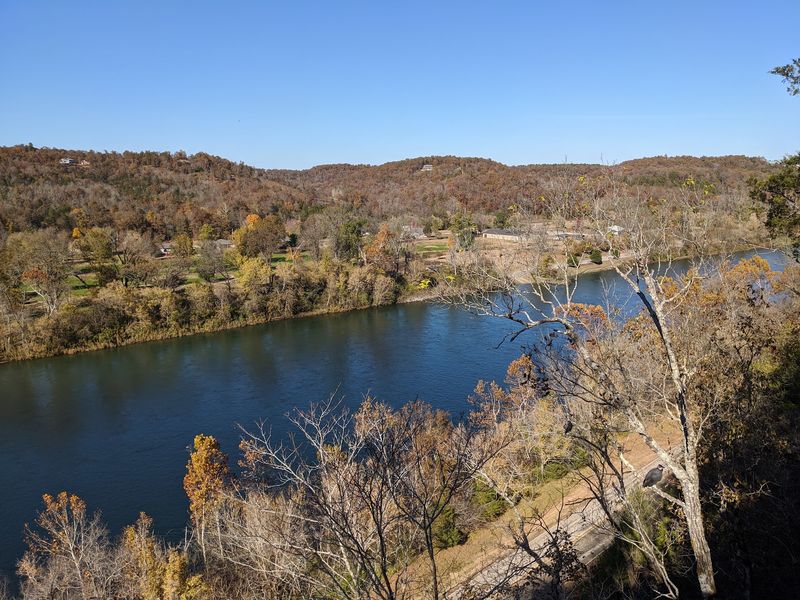
Between the narrow shaded runs, the river widens into long flat pools where the surface goes nearly still. Paddles rest across laps, conversations drop to a murmur, and the loudest sound becomes water lapping the hull.
Those slow sections are where the scenery really registers. Limestone walls rise on one side, gravel bars stretch out on the other, and reflections double the whole scene when the wind stays down.
Water levels shape the mood of these pools. When the dam is not releasing, the river runs low and glassy, and paddlers drift for long minutes without lifting a blade.
Campers who sit in the picnic areas watch this same rhythm play out from shore, tracking the rise and fall of two to ten feet through the day. Watching sandbars appear and disappear within minutes sounds like a slow-motion magic trick, and I would happily lose an afternoon to it.
Fishing gets good in these calmer stretches, with rainbow trout and the occasional brown trout holding in the deeper seams. Quiet water, tall stone, and a rod within reach make a fine excuse to stop hurrying.
Dam Views Rise Above The Route
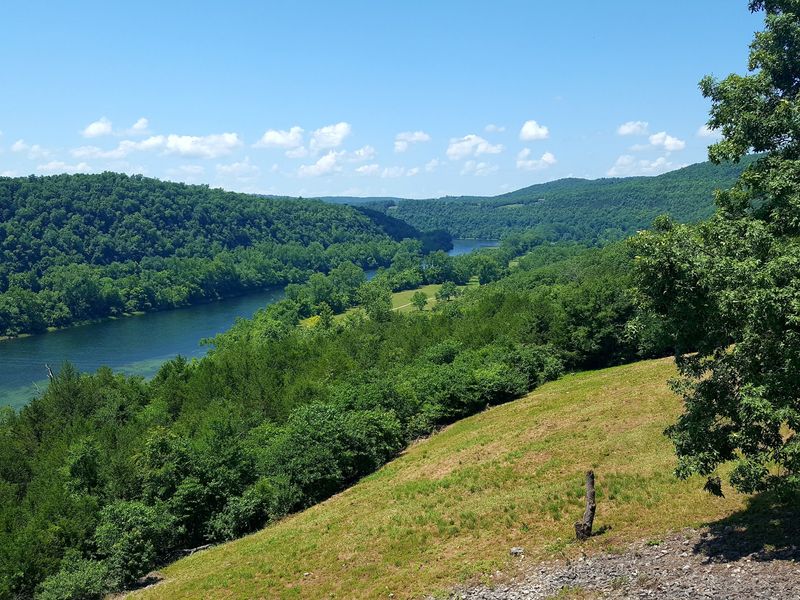
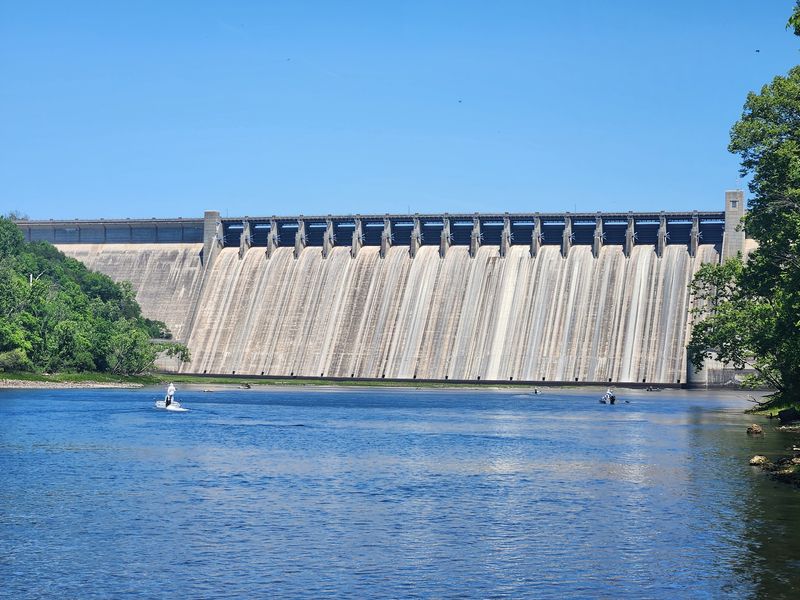
Bull Shoals Dam looms upstream, and its presence explains nearly everything about the float. Cold releases from its base create the trout water, control the current, and set the daily schedule that paddlers plan around.
The overlook near the park gives a broad look at the structure and the gorge below it. Road access, the park address on Dam Overlook Lane, and the visitor center all point back toward this one enormous piece of engineering.
History gets told well inside the visitor center, where the Johnboat Theater shows a video about the area’s history and the construction of Bull Shoals Dam. The presentation also covers the fisheries tied to these waters, adding more context to the structure above the river.
Displays cover what the valley looked like before the reservoir filled, which adds real weight to a paddle downstream. Plenty of visitors spend an hour there and come out seeing the river differently.
Release times are posted at the on-site store, so floaters can time their launch or simply watch the water climb. A dam view and a schedule board turn out to be the two most useful landmarks of the day.
Ozark Scenery Follows Every Bend
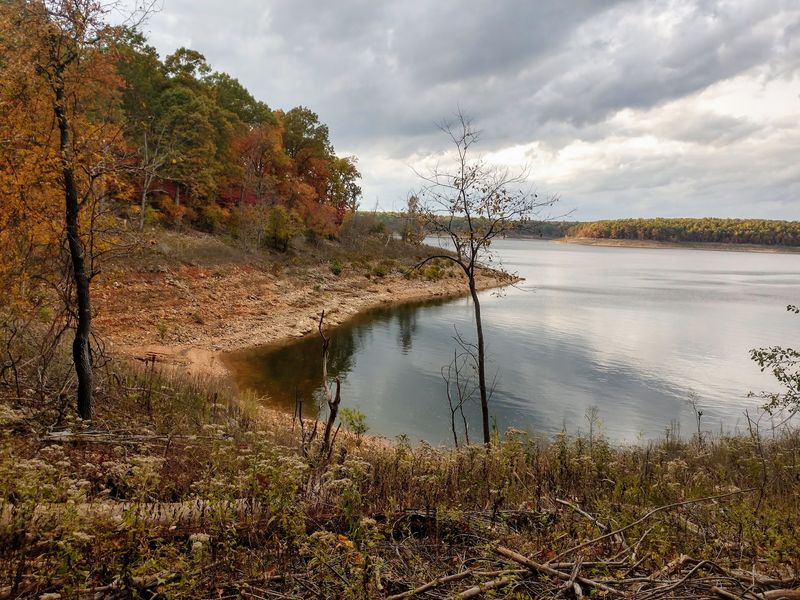
Every turn in the river reveals another layer of Ozark country. Rolling wooded hills stack behind the bluffs, and the walls occasionally break open to show hollows running back into the hills.
Hikers get the aerial version of this view. The big bluff trail climbs to a lookout hundreds of feet above the water, and people who make the effort call the payoff incredible.
Trail markers can be sparse in places, with stretches of 100 to 200 yards between signs, so paying attention pays off. Getting badly lost is unlikely, though a little route awareness saves guesswork.
A three mile mountain bike trail adds another way to see the terrain, and the Gaston wildflower garden area offers an easier stroll for anyone saving their legs. Late summer keeps the greenery thick right up to the water line.
What strikes me most is how the same landscape reads differently from a kayak seat and from a bluff top. Arkansas packs a lot of vertical drama into one river bend, and this park sits in the middle of it.
Paddlers finish the float with an entirely new mental map of the hills around them.
Riverside Stops Break Up The Paddle
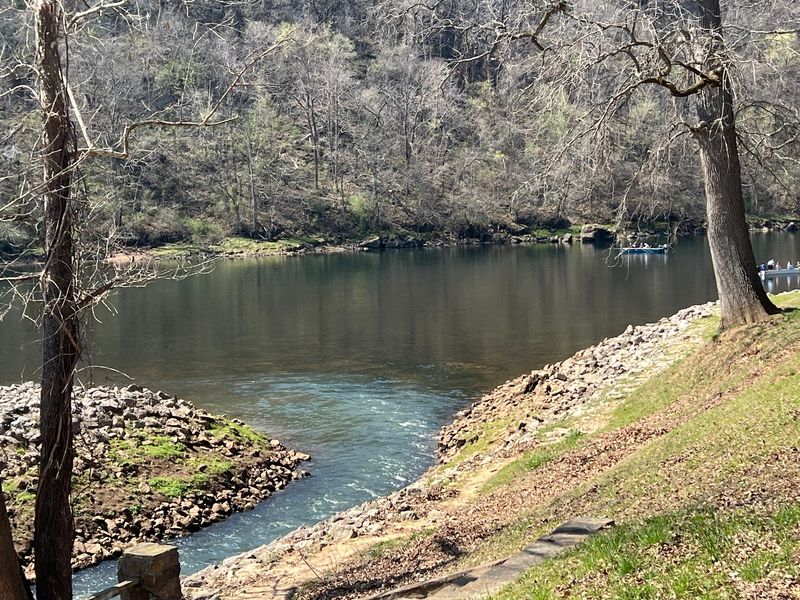
Nobody needs to paddle straight through, and most people do not. Gravel bars, picnic areas, and stepped river access points give floaters plenty of places to pull over and stretch.
The park keeps its shore amenities close at hand. A pavilion handles large family gatherings, and there are picnic tables, a playground, a basketball court, and an amphitheater tucked into the grounds.
Back at the dock, the gift shop has a deck overlooking the river that regular visitors insist should not be skipped. It closes when the shop closes, so timing a break for the middle of the day works better than waiting until evening.
Shower houses are modern and wheelchair accessible, and the restrooms get praised constantly for how clean they stay. One end of the campground even has unusually large private bathrooms, which feels like luxury after a day on the water.
Dogs are welcome, adding another reason families treat the whole park as a base camp rather than a launch point. Snacks, shade, and a swing by the river are all part of the float experience here.
The White River Ends The Day Beautifully
Evening arrives softly on this river. Light slides down the bluff faces, the water turns bronze, and boats motor back upstream against the current while paddlers coast the last bend.
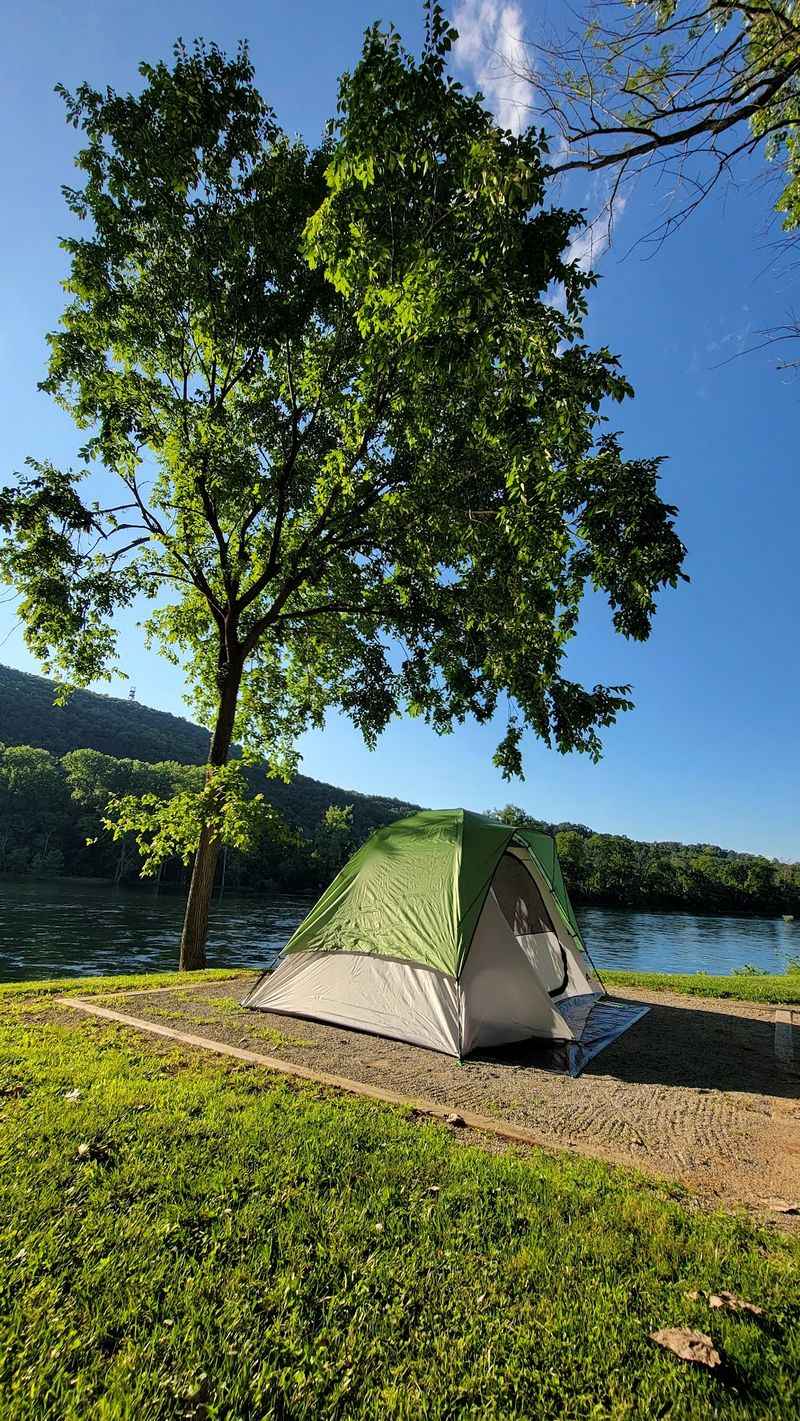
Riverfront campsites sit within a short walk of the water, most within about 200 feet, and tent sites tuck into shade under the trees. Full hookups are available at many RV spots, which explains why the place fills up so fast.
Reservations here are notoriously hard to get, and experienced campers suggest booking close to a year ahead. Cell service holds up well, rangers patrol day and night, and quiet hours are actually respected.
Fire pits, star-filled skies, and the constant sound of moving water finish the Labor Day float better than fireworks ever could. I love that the reward for a day of paddling is simply sitting still beside the same river.
Arkansas charges no entry fee at its state parks and keeps campsite rates reasonable, which makes a weekend like this refreshingly affordable. Cold clear water, tall bluffs, and a slow drift home make for a holiday worth repeating.