
This Arkansas Store Is Packed With Mind-Blowing French Antiques
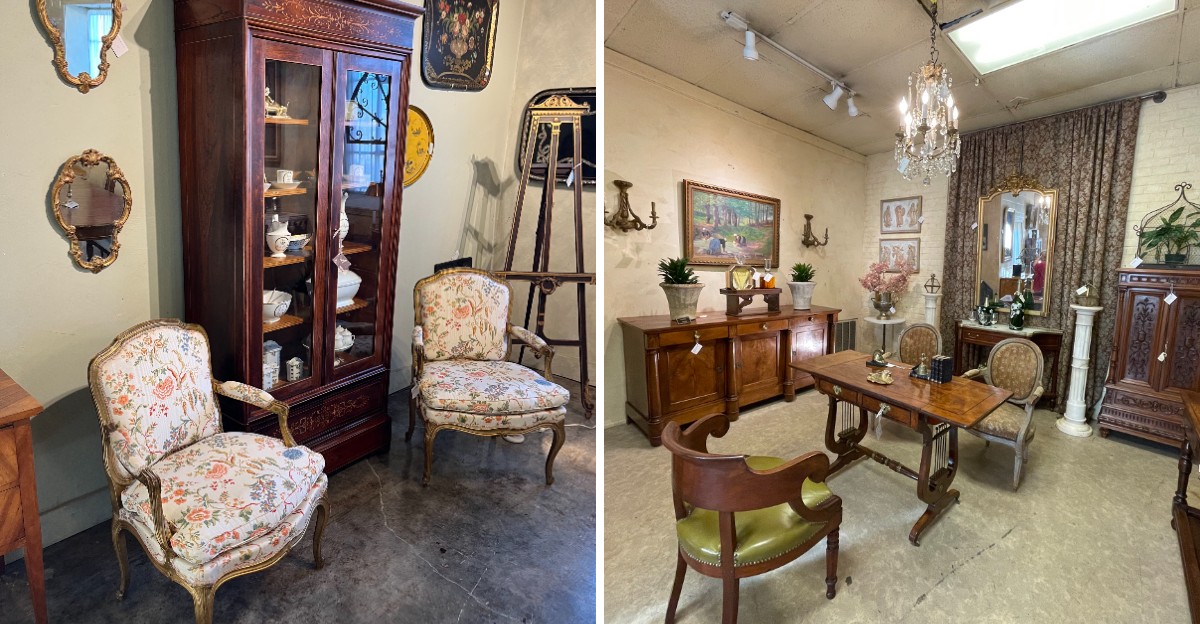
This Arkansas shop feels more like a French estate sale than a typical antique store. Tall armoires rise over the floor, old mirrors catch the light, and artwork keeps pulling your eyes toward the walls.
Then the smaller details start winning your attention. A carved drawer front or aged brass handle can stop you mid-step, especially when you realize some pieces have already lived through more than a century.
Many are chosen during buying trips to France, so the showroom changes as new finds arrive. That keeps each visit interesting without needing a long explanation.
You might walk in planning a quick look and end up circling the room twice. The best part is the surprise factor.
One piece grabs you, then another does the same a few steps later. Before long, browsing starts to feel less like shopping and more like seeing what turns up next inside this place.
Walk Into French History
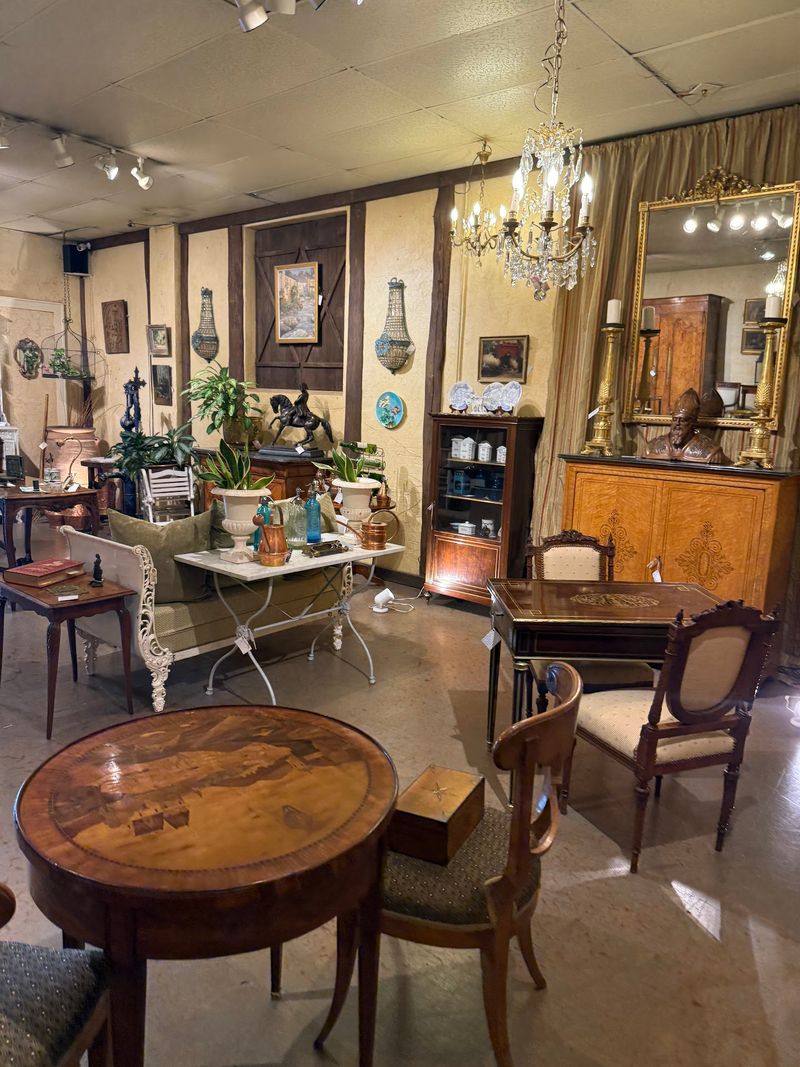
Antique shopping in the Ozarks rarely brings gilded mirrors and hand-carved walnut to mind. Yet one storefront on a busy college-town street has been importing exactly those things for years.
The business operates as a direct importer, with buying trips to France happening twice each year. Furniture and fine art are hand-selected in person before anything is crated for the Atlantic crossing.
Much of the collection dates to the 18th and 19th centuries, then receives expert restoration before it reaches the sales floor. Authenticity drives the whole approach, which is why the showroom reads more like a gallery than a resale shop.
The family runs the operation, with two sons now working full-time alongside their parents at the shop. That small scale explains the careful curation and the personal attention given to questions.
I find it wonderfully odd that a slice of provincial France settled into northwest Arkansas. The contrast between the street outside and the rooms inside is half the entertainment.
Shoppers expecting dusty shelves usually pause in the doorway and recalibrate their expectations. The mood shifts the moment the door closes behind you.
Curiosity generally takes over within the first minute. Meet French Metro Antiques at 200 W Dickson St, Fayetteville, AR 72701.
Every Turn Reveals A Treasure
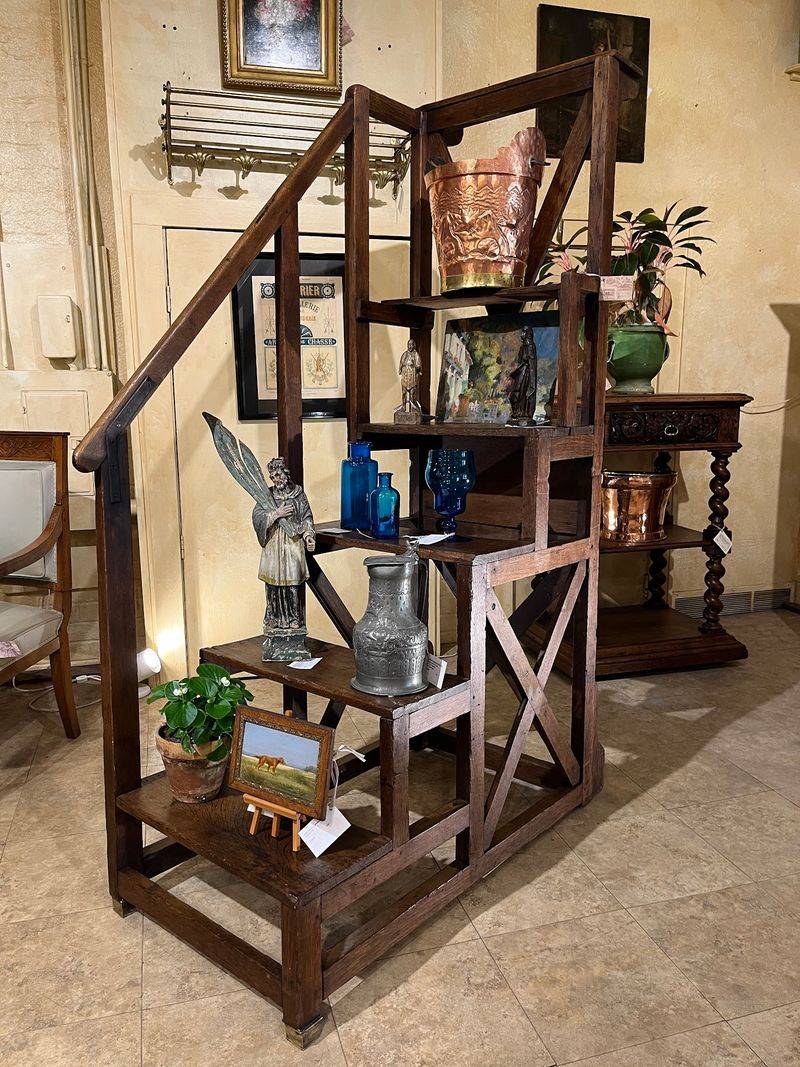
Patience pays off for anyone willing to move slowly through these arranged rooms. Smaller objects tuck behind larger ones, so the layout rewards wandering instead of marching.
A carved buffet may share space with brass candlesticks and a framed engraving. Nothing looks randomly piled, though the density of goods keeps the eyes working overtime.
Since every item is chosen overseas by hand, duplicates are almost unheard of. Two visits in the same year can feel like two separate inventories.
The staff can explain construction details, wood types, and the period a piece belongs to. Questions rarely get a shrug in response.
Corner windows along Dickson Street let daylight fall across finishes and hardware. Morning light in particular flatters old wood and worn gilding.
The best discoveries often come on a second lap around the room. Slowing down pays a real dividend.
Doors open at 10 in the morning Monday through Saturday, closing at 6. Sunday visits are available by appointment, so plan ahead accordingly.
Price tags reflect age, craftsmanship, and the cost of bringing heavy pieces across an ocean. Serious collectors read those tags as investment figures rather than impulse-buy numbers.
Even browsers with no shopping plans leave with a small education in period furniture. That alone justifies the stop.
French Antiques Fill Every Corner
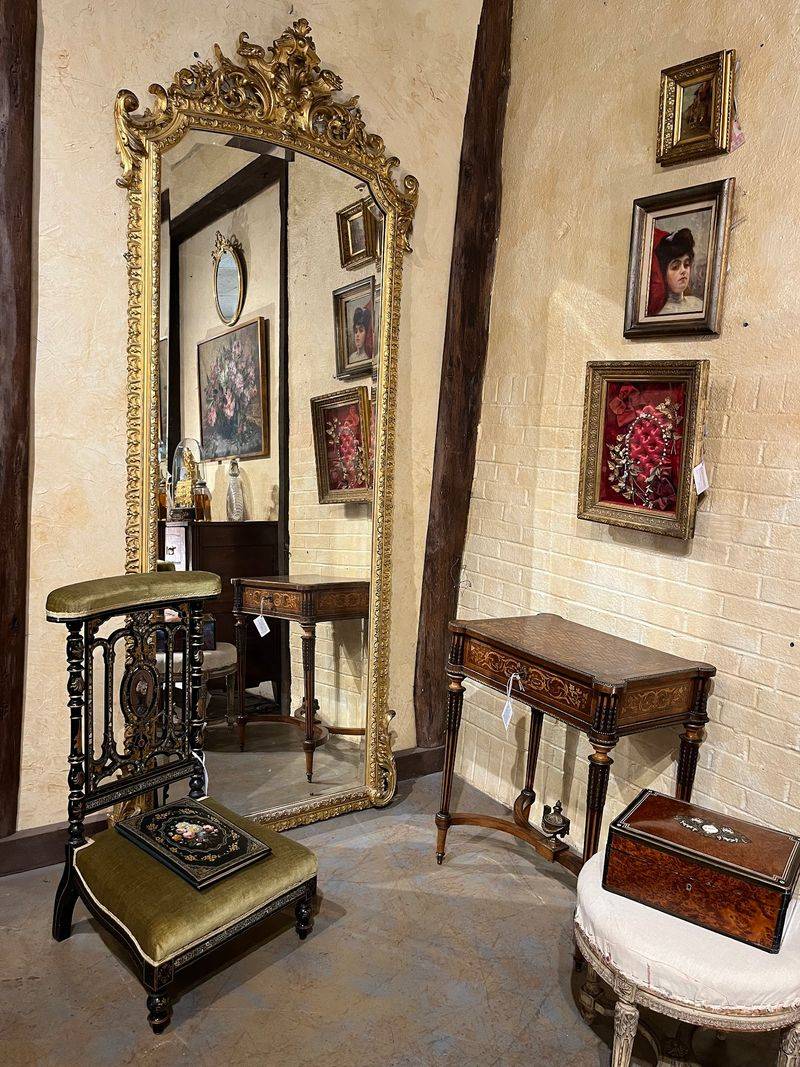
Inventory spans large case furniture, seating, mirrors, and framed artwork chosen piece by piece. Nothing here is a reproduction dressed up with fake wear.
The twice-yearly buying trips focus on 18th and 19th century material, so the stock leans genuinely old. Restoration happens with respect for original finishes and hardware.
Fine art hangs alongside the furniture, which makes the showroom feel layered rather than warehouse-flat. Rooms are staged so that pieces relate to one another.
Shoppers hunting for smaller souvenirs will find objects that fit inside a suitcase. Larger buyers can go home with a dining table built to last generations.
Because every arrival is hand-picked, the floor changes shape after each importing trip. Regulars time their visits with that rhythm in mind.
A shop this specialized might seem better suited to a coastal design district. The regional design community clearly keeps it busy right here.
Interior designers source pieces for clients who want something singular. Homeowners do the same on a smaller scale.
Provenance matters in this trade, and background details travel with the merchandise. Knowing where a chest spent its first hundred years changes how it feels at home.
The result is a floor that stays interesting even for visitors with empty wallets. Looking costs nothing.
Statement Pieces Steal The Spotlight
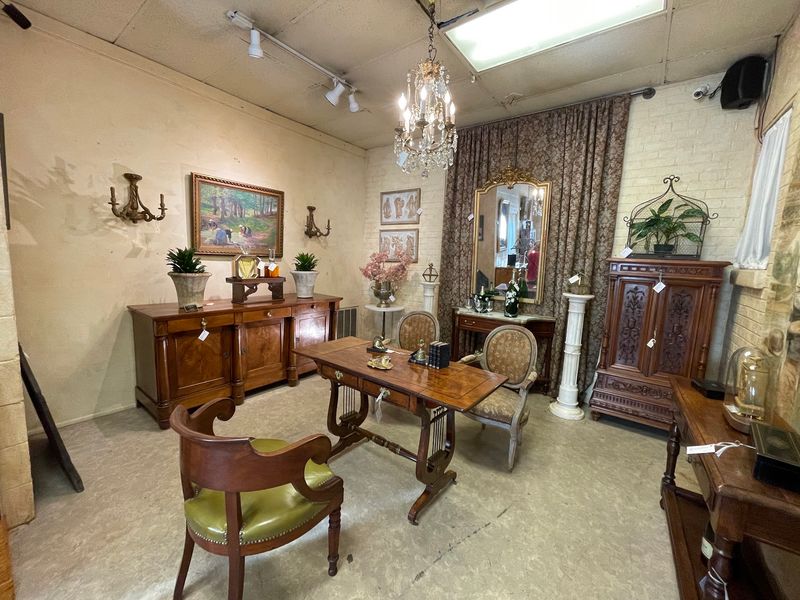
Big furniture anchors the room, and the armoires make the strongest first impression. Carved and heavy, they command attention before anything smaller registers.
Buffets and long sideboards show off joinery that modern factories rarely attempt. The scale alone separates them out of ordinary furniture-store territory.
Mirrors in gilded frames bounce light around the showroom and make the space feel taller. Their proportions suit high-ceilinged rooms far better than apartment hallways.
Large pieces come with detailed descriptions addressing age and condition. Buyers receive clear information rather than guesswork.
Weight is a genuine consideration, since 19th century oak and walnut were never built light. Delivery planning becomes part of the purchase conversation.
I have a soft spot for furniture that has already survived two centuries of moving days. Those survivors tend to carry the best stories.
Large-format fine art competes for attention along the walls. Oil paintings in period frames hold their own beside the furniture.
Because stock rotates with each importing trip, a standout piece seen once may not wait around. Decisive shoppers act quickly on the unusual ones.
The showroom gives these heavyweights room to breathe between them. Crowding would ruin the whole effect.
Old-World Details Stand Out
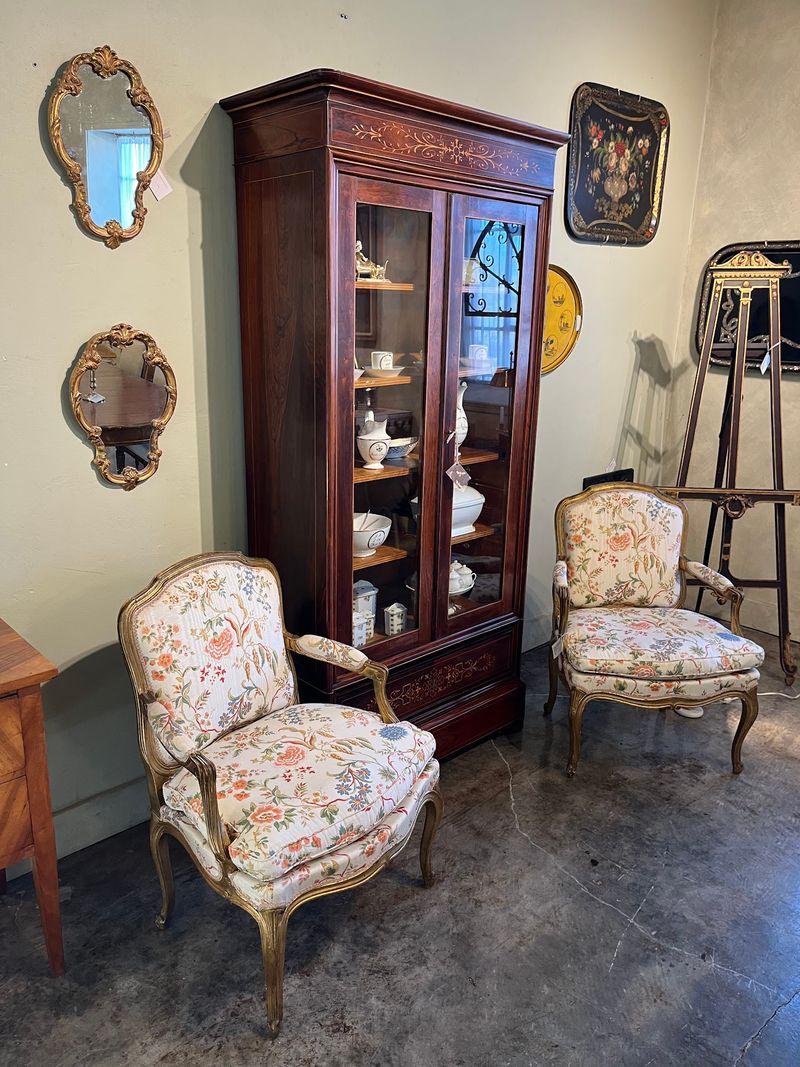
Hand-cut joinery and original hardware tell the story long before a label does. Details like these separate real antiques and clever imitations.
Patina builds slowly, and no factory process fakes it convincingly. Surfaces here carry small marks earned over generations of daily use.
Restoration work aims to stabilize and preserve rather than erase age. A properly refinished piece should still look its years and wear them proudly.
Carving on French country furniture often features floral motifs and shaped aprons. Those flourishes reveal the region and era a piece came out of.
Marble tops and wavy old glass appear regularly across the collection. Both are quiet clues that a piece predates modern manufacturing.
Small details reward close looking more than the big showpieces do. Crouching to inspect a drawer bottom is fair game.
Visitors curious about period markers can ask and get a practical lesson. Northwest Arkansas rarely offers that kind of hands-on history inside a retail setting.
Age shows in proportions too, since older rooms demanded different dimensions than today’s houses. A tall armoire made perfect sense when built-in closets did not exist.
Little inconsistencies are the point, not the flaw. Machine-perfect symmetry usually signals something much newer.
The Walls Are Full Of Surprises
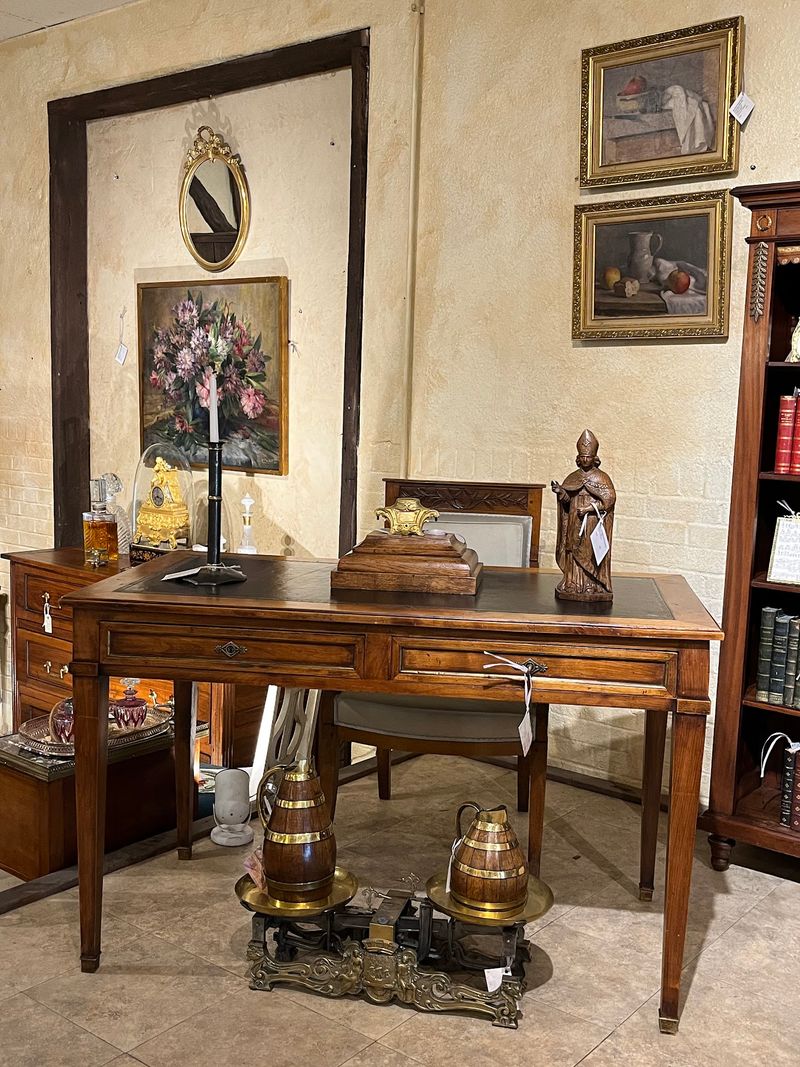
Wall space does heavy lifting in this showroom, filled with paintings and mirrors in period frames. Artwork arrives on the same hand-picked buying trips as the furniture.
Oil paintings and engravings hang in arrangements that shift as inventory moves. Subjects lean toward landscapes and portraits with a distinctly European eye.
Gilded mirrors in assorted sizes catch light and reflect the room back at itself. Some are large enough to lean against a wall rather than hang.
Frames themselves count as antiques, carved and finished in styles rarely produced now. Collectors sometimes buy for the frame alone.
Looking up is worth the neck strain, since higher walls hold pieces easily missed at eye level. The vertical space never goes wasted.
What I appreciate is how art and furniture are shown together instead of sorted into separate departments. Rooms feel composed rather than catalogued.
Wall pieces also travel more easily than a 400-pound buffet. Road trippers often leave with something framed.
Prices reflect condition and provenance, and older frames in good shape are uncommon. Scarcity handles the pricing math.
Anyone planning a gallery wall at home can gather ideas here without lifting a pencil. The staging shows what balanced hanging looks like.
Exploring Feels Like A Treasure Hunt
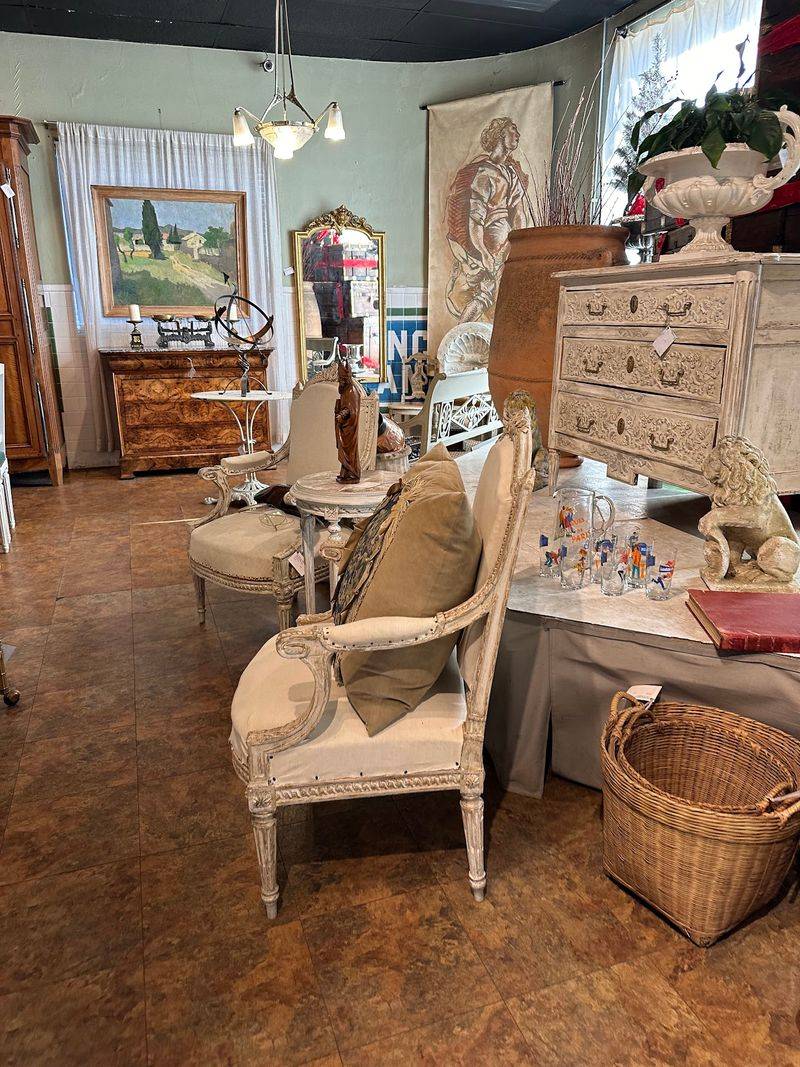
Half the pleasure comes in not knowing what waits around the next display. Stock shifts with every importing trip, so surprise is built into the business model.
Objects range tiny to enormous, meaning a five-minute stop easily stretches past an hour. Time disappears quickly among that much detail.
Questions about a piece usually unlock its background, including age and region of origin. Those stories often matter as much as the object itself.
Because the inventory consists of antiques, exact repeats are uncommon. Many pieces are sold individually, though matched pairs and sets also appear.
The walkable stretch of Dickson Street makes the shop easy to combine with other stops. Downtown Fayetteville keeps its storefronts close together.
Some of the best finds sit at knee level, tucked beneath larger furniture. Low shelves hide things worth bending for.
Repeat visitors treat each trip as a fresh hunt rather than a routine errand. The rotating inventory cooperates with that habit.
Collectors of French pieces make the drive specifically for this stop. Casual browsers end up staying far longer than planned.
The shop’s website covers the basics and can help with current information before a visit. That makes it easier to plan ahead without guessing.
Centuries Of French Style Inside
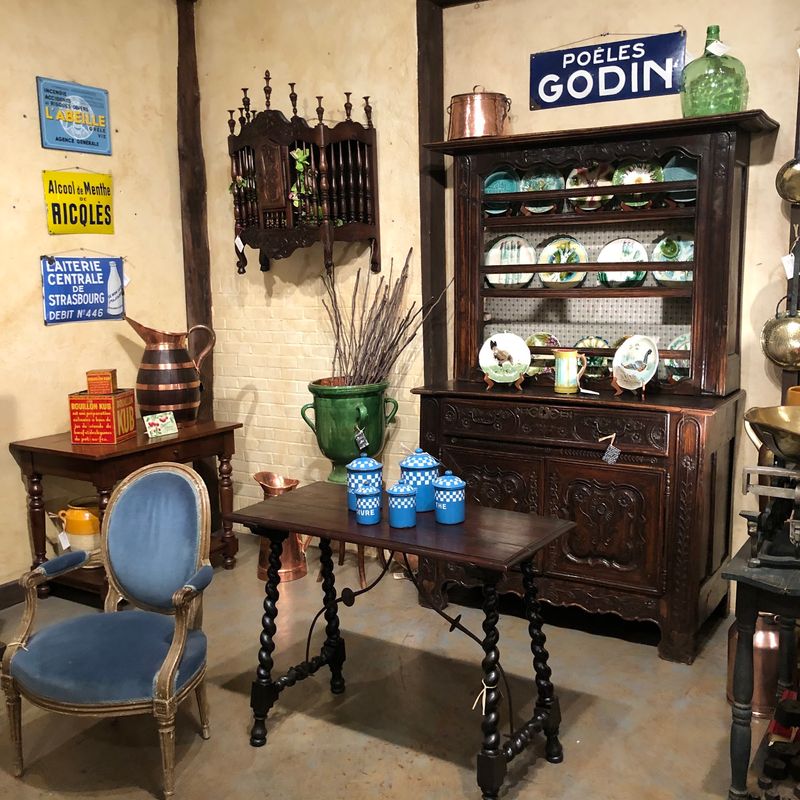
Generations of French design share one floor, with 18th and 19th century work leading the way. Styles shift between formal city furniture and sturdier country pieces.
Country examples show simpler lines and heavier construction, built for farmhouses and daily work. City examples lean elegant, with finer carving and more delicate proportions.
Seeing both under one roof makes the differences obvious even to newcomers. Comparison teaches faster than any book chapter.
Hours run 10 to 6 Monday through Saturday, with Sunday available by appointment. Weekday mornings tend to be the calmest time to look.
The family behind the business has spent decades refining what gets bought abroad. Consistency of taste shows across the whole collection.
It still amuses me that this much French history settled in Arkansas rather than a Paris suburb. Geography clearly did not limit the ambition.
Buyers walk out with objects that already carry a hundred years of use behind them. That history is included at no extra charge.
Few retail stops offer a quick lesson in period design alongside the shopping. The education stays free even when the furniture is not.
A stop here turns an ordinary errand into a small journey through European craft. Fayetteville holds more surprises than its street noise suggests.