
This Arkansas Town Has Healthcare So Impressive Its Hospitals Rank Among America’s Best
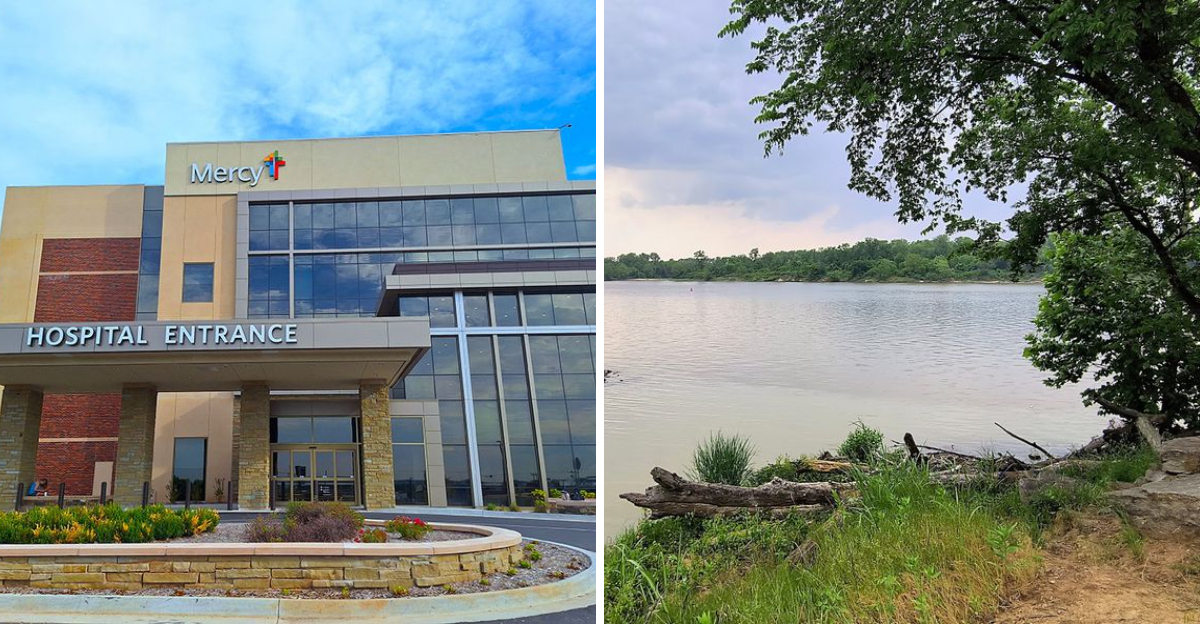
This city has spent generations being associated with frontier history, but its newest claim to attention comes from a different direction. Its hospitals have landed on national rankings, and a large medical campus has become a powerful force in the region.
That kind of growth changes how a place sees itself. It also changes what visitors may expect to find.
Downtown still carries its historic character through preserved buildings and brick streets, while oversized murals bring a more current energy to familiar walls. The nearby river trail creates room to slow down and see the city from another angle.
Arkansas has no shortage of historic destinations, yet this one stands out for the way it connects serious healthcare investment with a strong visual identity. The past remains easy to see, but the future is becoming harder to miss.
These eight facts show why the city deserves a fresh look today.
A Modern Medical District Shaping The City
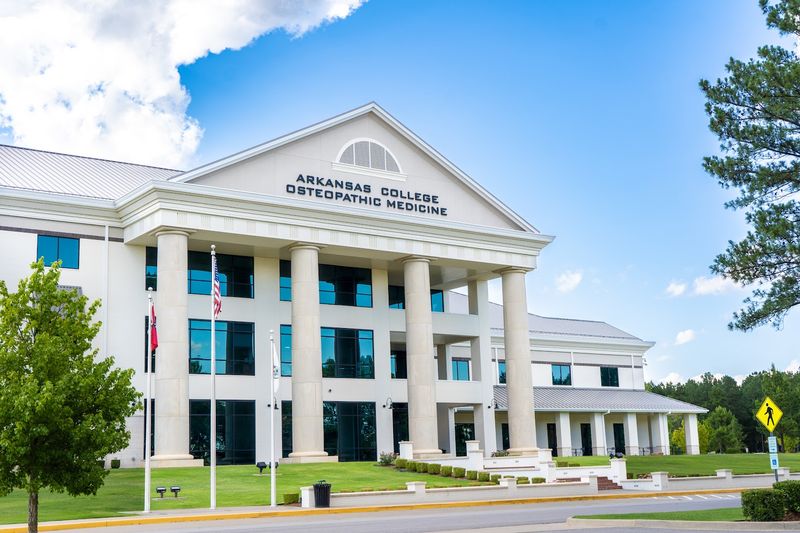
A city of this size may seem like an unlikely place for a medical campus covering 542 acres, but the Arkansas Colleges of Health Education has built exactly that.
Known as ACHE, this institution has generated over $900 million in economic impact for the region since its founding a decade ago.
Its programs include the Arkansas College of Osteopathic Medicine and the College of Health Sciences, along with a Master of Public Health program that draws students and professionals to the area.
The Research Institute Health and Wellness Center opened its first floor in 2023 and quickly became a hub for community classes and health science research.
In November 2024, the Biomedical Resource Center and Center for Rehabilitation Research opened within the same facility, expanding patient-centered research in the region.
ACHE contributes an estimated $600 million in annual benefit to the regional economy, making it one of the most consequential institutions in western Arkansas.
This growing campus is reshaping what residents can expect from healthcare in Fort Smith.
Major Hospitals With A Strong Regional Presence
Baptist Health-Fort Smith has been treating patients since 1887, making it the oldest hospital in Arkansas, and it has grown into a 492-bed medical center accredited by The Joint Commission.
Its emergency department ranks among the busiest in the state, and its specialties cover cardiology, neurology, pulmonology, oncology, orthopedics, and minimally invasive surgery using the da Vinci robotic-assisted surgical system.
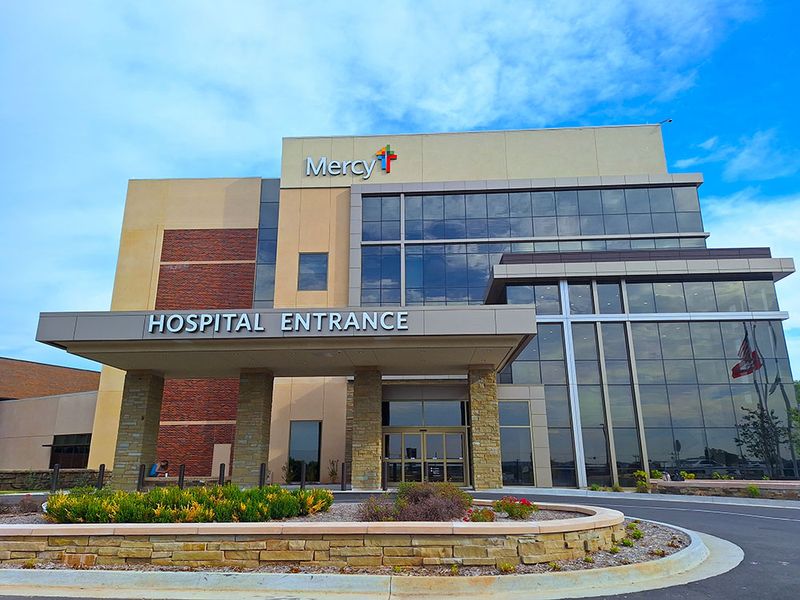
Mercy Hospital Fort Smith is a 336-bed facility that completed a $186 million expansion in May 2025, growing its emergency department from 29 to 50 rooms and its intensive care unit from 38 to 64 beds.
Mercy Fort Smith has also earned an “A” Leapfrog patient safety grade every year since 2016 and received multiple awards for stroke care and cardiology excellence.
Newsweek named Mercy Hospital Fort Smith among America’s Best-in-State Hospitals for 2026, a distinction that places it alongside facilities in much larger metro areas.
Encompass Health Rehabilitation Hospital of Fort Smith also earned a spot on Newsweek’s 2025 America’s Best Physical Rehabilitation Centers list.
Together, these three institutions give Fort Smith a healthcare network that punches well above its weight class on the national stage.
Brick-Lined Streets With A Bold Western Character
Garrison Avenue tells a story that most American main streets can only dream about, having been laid out in 1838 during a period when frontier trade and Wild West figures were regular features of daily life here.
Today, the West Garrison Avenue Historic District spans five blocks and includes 34 historically and architecturally significant buildings that still closely resemble their turn-of-the-century appearance.
Walking along these blocks feels like flipping through a physical history book, with each facade offering details that architects and historians find genuinely remarkable.
Many of the dining spots tucked into these preserved brick buildings date back to the late 1800s, meaning the walls around your meal have absorbed well over a century of conversation and character.
The Belle Grove Historic District nearby also contains restored patches of original brick-paved streets, adding texture underfoot that connects visitors directly to the city’s layered past.
Fort Smith takes its western identity seriously, and the built environment reflects that pride without veering into theme-park territory.
Garrison Avenue remains the kind of street where every building has earned its place, and the whole stretch rewards anyone curious enough to slow down and look closely.
Riverfront Paths Opening To Wide Water Views
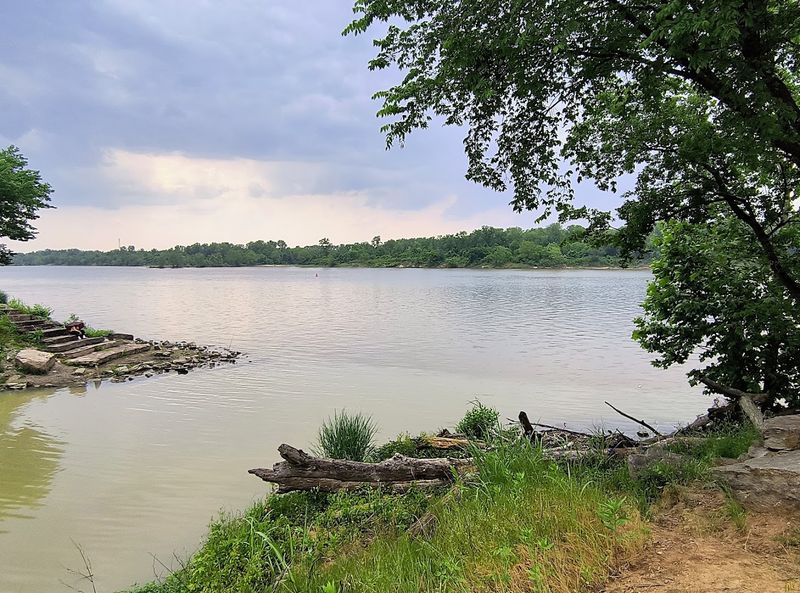
The Greg Smith River Trail stretches approximately six miles along the Arkansas River, and local trail enthusiasts have given it a title that says everything: the crown jewel of Fort Smith’s trail network.
This paved, multi-use path welcomes walkers and cyclists of all skill levels, offering a flat, accessible route with sweeping views of the River Valley’s natural landscapes at nearly every turn.
Cottonwood trees line much of the route, creating a canopy effect in warmer months that softens the summer sun and adds a rustling soundtrack to each outing.
Birdwatchers find the trail especially rewarding, with bald eagles, cranes, and herons all known to appear along the riverbanks depending on the season.
Riverfront Park sits along the trail corridor and provides a natural gathering point, while the Riverfront Amphitheater adds a venue for outdoor events that draw the community together through much of the year.
The trail also offers a perspective on the Arkansas River that feels genuinely expansive, especially at points where the water spreads wide and the far bank seems almost distant.
Few cities this size offer a riverfront experience this polished and this close to the heart of downtown.
Victorian Homes With Striking Historic Detail
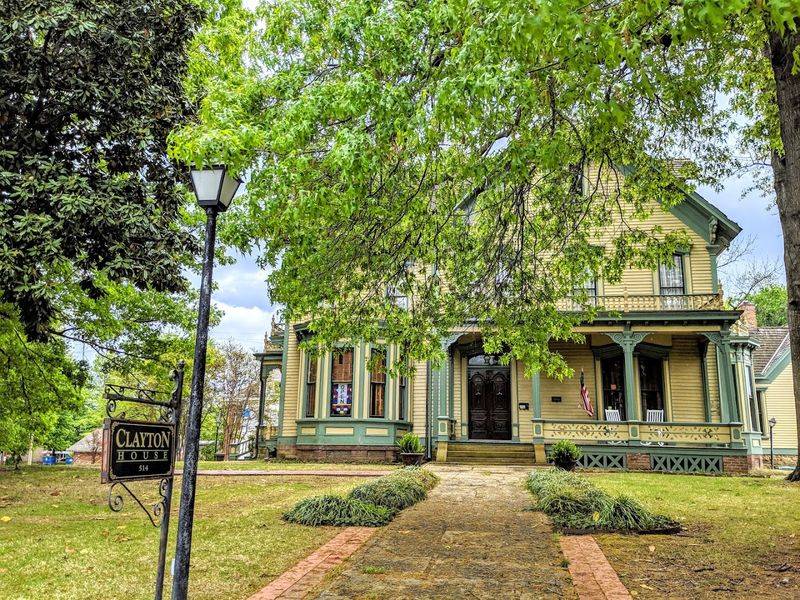
The Belle Grove Historic District covers twenty-two square blocks and holds the largest variety of Victorian architectural styles found anywhere in Arkansas, a fact that surprises most visitors who stumble upon it for the first time.
Italianate, Second Empire, Queen Anne, and Gothic Revival homes stand side by side here, each one a confident expression of the craftsmanship and ambition that defined the late 19th and early 20th centuries.
The Clayton House, built in 1882, stands as one of the district’s most celebrated examples, an Italianate Victorian home that once belonged to U.S. District Attorney William Henry Harrison Clayton.
Its original cypress double front doors and black walnut staircase survived intact, offering a tactile connection to the frontier era that no photograph can fully capture.
The house was saved from demolition in 1969 and is now maintained by the nonprofit Fort Smith Heritage Foundation, ensuring that its details remain available for future generations to appreciate.
The entire district is listed on the National Register of Historic Places, which speaks to the quality and consistency of what has been preserved here.
Belle Grove rewards slow walkers, architecture enthusiasts, and anyone who appreciates the kind of detail that takes decades of care to maintain.
Giant Murals Transforming Downtown Walls
Since 2015, a project called The Unexpected has been quietly turning downtown Fort Smith into one of the most visually striking urban art destinations in the American South.
More than 30 permanent or semi-permanent outdoor works now appear throughout the city, created by internationally recognized artists who brought their distinct visual languages to these walls.
Some murals nod directly to the city’s frontier history, while others honor Native American heritage through works like “Cherokee Women” and “Cherokee Man,” adding cultural depth to the open-air collection.
Garrison Avenue and its side streets serve as the main corridor for many of these pieces, meaning a simple walk downtown doubles as a free tour of world-class contemporary art.
Visitors can pick up a locator map at Miss Laura’s Visitors Center or use a smartphone app to track down every piece in the collection, making the experience feel like an interactive urban adventure.
The scale of some murals is genuinely jaw-dropping, with building-sized compositions that demand you stop, step back, and take a full minute just to absorb what you are looking at.
The Unexpected has given Fort Smith a creative identity that extends well beyond its historical reputation, and new additions keep the collection feeling alive.
A Frontier Landmark With A Dramatic Past
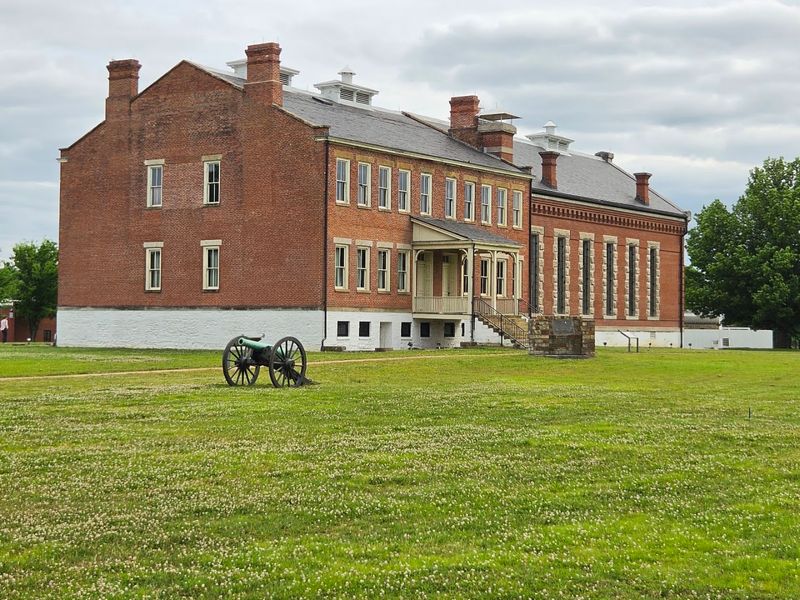
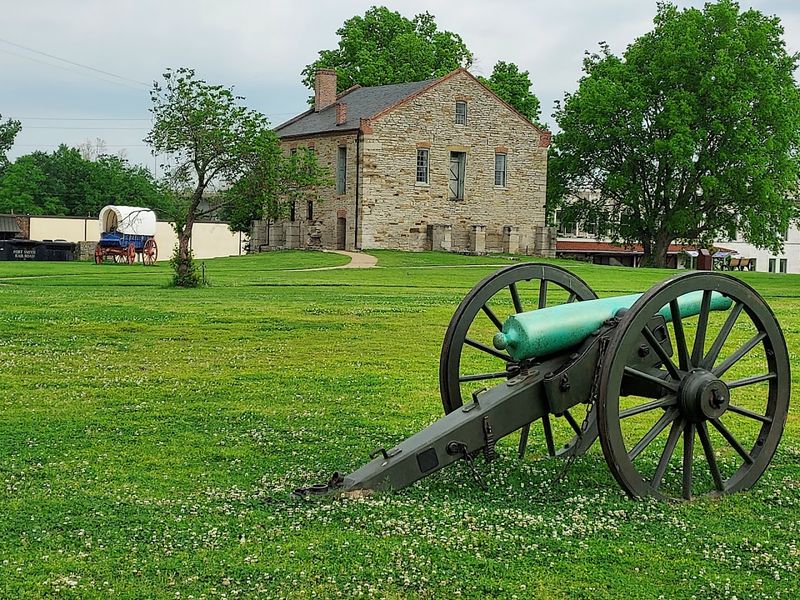
No address in Fort Smith carries more historical weight than the Fort Smith National Historic Site, a place where frontier justice played out in full public view for more than two decades.
Judge Isaac Parker arrived in 1875 as the newly appointed United States District Judge for the Western District of Arkansas, and he immediately set about restoring order to a court district that also held jurisdiction over Indian Territory.
During twenty-one years on the bench, Parker handled thousands of criminal cases, earning the nickname “Hanging Judge” that has followed his legacy ever since.
His court operated without the usual right of appeal for many years, a feature so unusual that it drew attention well beyond the frontier.
Parker himself lived in the Belle Grove District, meaning the man responsible for so much courtroom drama was also a neighbor to the city’s most elegant Victorian homes.
The site today preserves the courthouse, the jail, and interpretive exhibits that present Parker’s career and the broader story of frontier law with honesty and detail.
Standing inside the restored courtroom, it is easy to understand why the site at 301 Parker Avenue continues to draw history enthusiasts from around the country. Parker was appointed as a federal judge in 1875, served for twenty-one years, and presided over 13,490 cases.
He was not appointed district attorney in 1874 and did not serve only fourteen years.
Restored Buildings Giving Downtown Fresh Energy
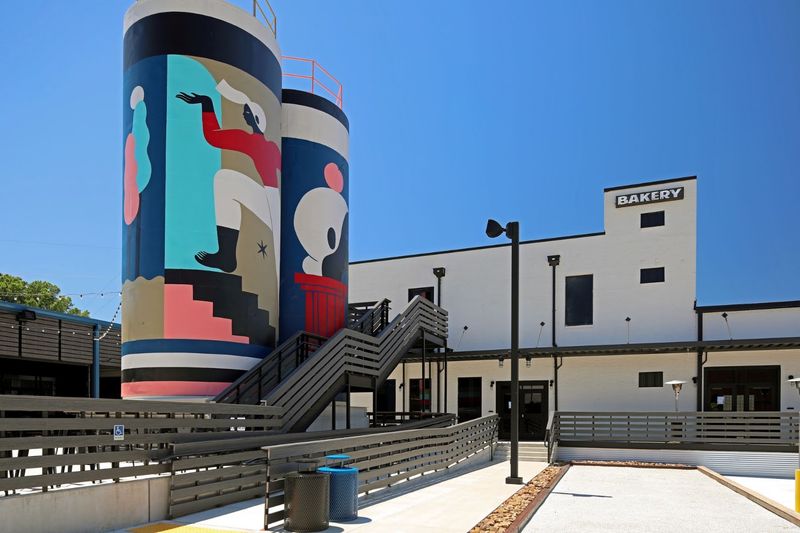
Downtown Fort Smith has been quietly reinventing itself, and the results are visible in nearly every block of the historic core.
The Bakery District stands as one of the most talked-about examples of this transformation, a former industrial bakery that has been converted into a lively venue hosting community events throughout the year.
Its early 20th-century brick architecture was preserved rather than replaced, creating a space where exposed walls and modern energy coexist in a way that feels intentional rather than accidental.
Many downtown dining spots operate out of late 1800s buildings that have been carefully maintained, giving meals here an atmospheric quality that newer construction simply cannot replicate.
The Belle Grove Historic District covers twenty-two blocks and contains restored homes from the late 19th and early 20th centuries, some of them more than 150 years old and still in active use.
The Unexpected mural project added another layer of energy by covering blank walls with art that draws foot traffic and conversation in equal measure.
Preservation and reinvention are not always easy partners, but Fort Smith has managed to honor what came before while making space for what is coming next, and the downtown is livelier for it. Belle Grove is a twenty-two-block district, not a collection of exactly twenty-two restored houses.