
This Arkansas Town Is One Of The Quietest In The State And Almost Nobody Talks About It
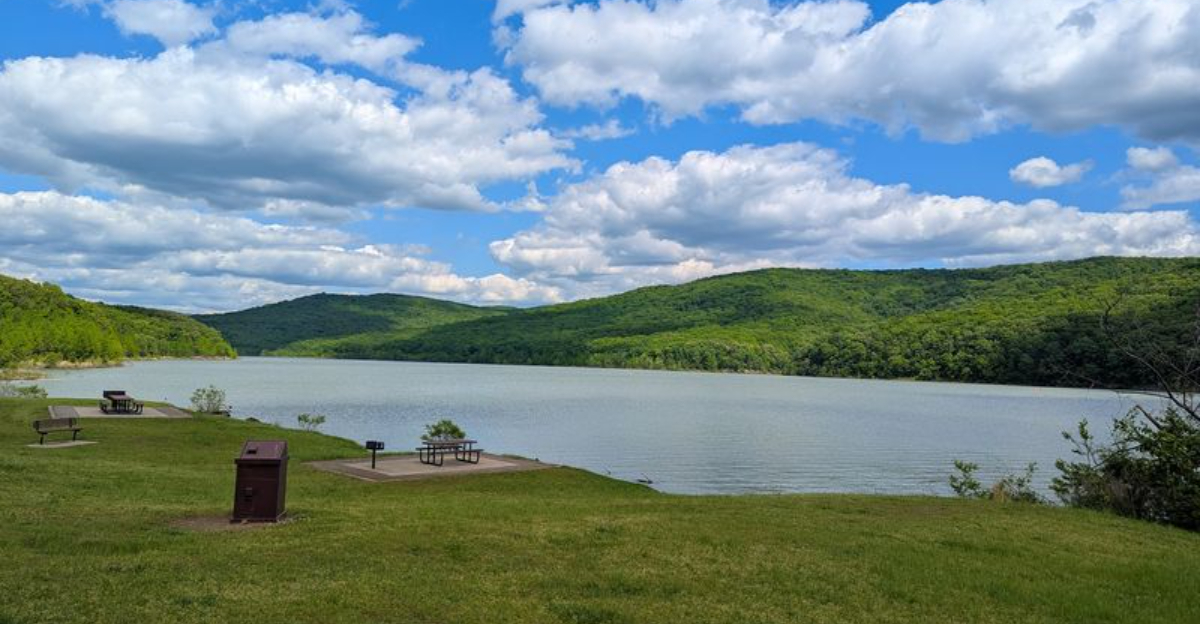
Blink on the wrong stretch of road and you could miss this place completely. That almost feels like the point.
In Arkansas, this little Ozark community has watched faster traffic move elsewhere while its streets keep curling between wooded slopes. The result is unusually calm.
Midday can feel more like early Sunday morning, even when the rest of the region is busy. Then come the dinosaurs.
Huge concrete figures stand in the city park, giving an otherwise quiet stop a wonderfully strange sense of humor. Just up the road, mountain scenery opens around a lake and state park.
Nothing about the town tries too hard to impress you. It simply moves at its own speed.
Drivers who pull over for a quick look may end up staying much longer than planned. The deep quiet gets your attention first.
The old-road personality is what makes the stop so hard to forget.
Quiet Streets Make The Town Feel Almost Undiscovered
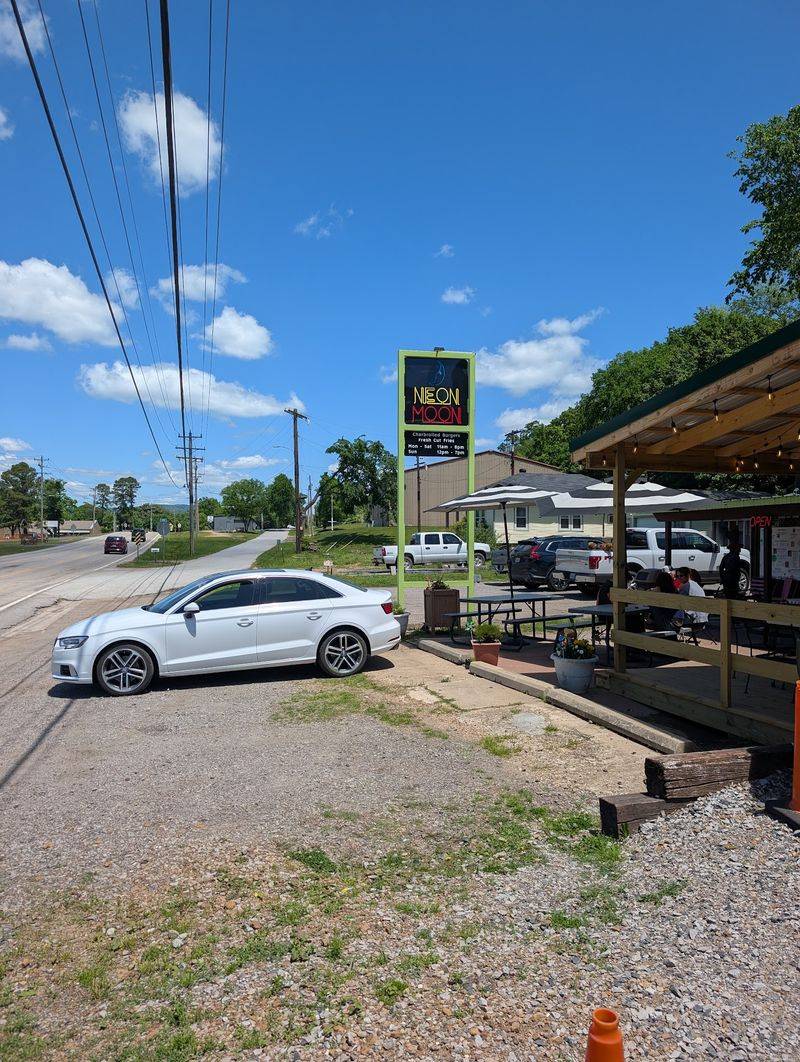
Traffic on Highway 71 slips past a small mountain community that most travelers never bother to stop in. Doors open slowly here, and conversations carry farther than they ever would in a city.
Fewer than 530 residents were counted in the 2020 census, which explains the hush along the side streets. Morning sounds lean toward songbirds and pickup trucks rather than sirens or construction noise.
Neighbors wave at unfamiliar cars, partly out of habit and partly because unfamiliar cars are rare. That kind of attention feels charming rather than nosy, and it fades within a block.
I find it funny that a town this close to a busy travel corridor can stay so overlooked. Fort Smith sits roughly half an hour south, yet the pace here belongs to another decade.
Visitors who arrive expecting attractions usually leave with something quieter, like an afternoon with no schedule at all. The main road holds a handful of small businesses along with plenty of roadside shade.
The community existed well before the railroad arrived, while construction of the St. Louis-San Francisco Railway helped spur growth in the early 1880s. The city incorporated in 1882.
Wide gaps between houses leave room for gardens and long views.
Locals treat the calm as normal, not as a selling point, which makes it feel genuine. Quiet like that has a name and a zip code: Mountainburg, Arkansas 72946, resting in Crawford County.
The Mountains Keep The Town Feeling Removed
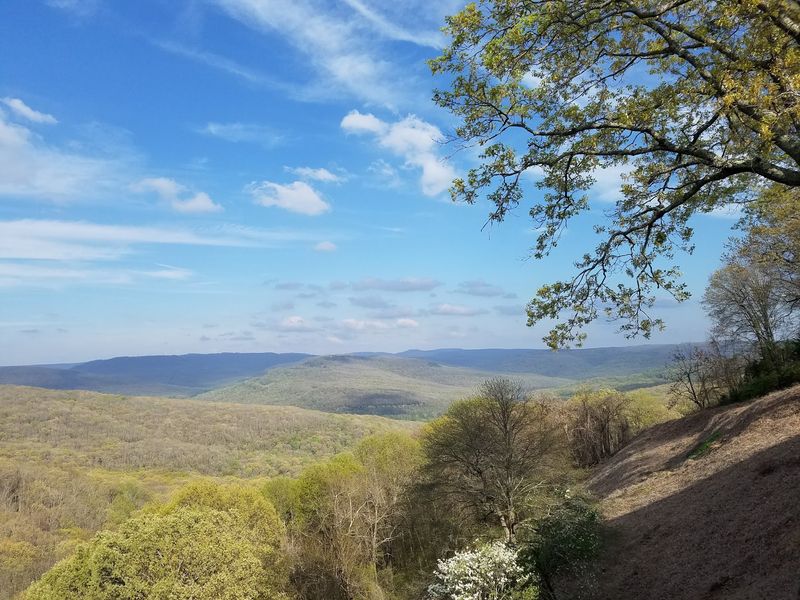
Steep ridges wrap around the valley, and they do most of the work keeping the noise out. The Boston Mountains rise on nearly every side, the tallest stretch of the Ozark Plateau.
Highway 71 climbs through curves that once made this the only practical route north toward Fayetteville. Interstate 49 later took the traffic away, leaving the old road delightfully underused.
Drivers who choose the slower way get overlooks and switchbacks instead of eight lanes of hurry. Artist Point, a longtime scenic stop, sits up the highway with wide views across the ridges.
Geology explains part of the isolation, since flat land is scarce and building space stays limited. Homes tuck into hollows and along creeks wherever the terrain allows.
Elevation changes also shape the weather, so mornings can start foggy in the hollows below. Fog burning off the slopes turns the whole valley soft and grey for an hour.
Cell signal wobbles in places, which is either annoying or wonderful depending on your mood. I lean toward wonderful, since the point of a place like this is fewer interruptions.
Mountain walls also mean sunsets arrive early, sliding behind the ridgeline before the sky finishes coloring. Evenings settle fast, and the hills hold the quiet in place.
A Quirky Roadside Landmark Breaks The Silence
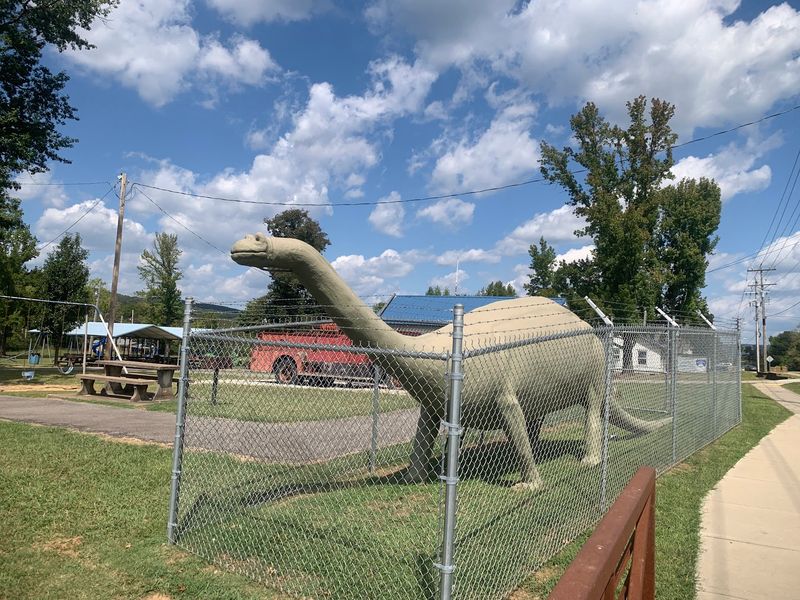
A giant concrete dinosaur watches over the park, and it never once explains itself. The long-necked sauropod stands beside a smaller companion, both painted a cheerful green.
Families stop for photos around the dinosaurs, which is the whole point of roadside oddities. Silence gets broken by giggles, then returns as soon as the next car pulls away.
Local builder Douglas W. Birchfield created the park’s original dinosaurs after city officials asked him in 1980 to build larger versions for the new city park.
They have since become unofficial mascots of the town.
Travelers heading north often spot the tail first, then hit the brakes for a second look. A landmark that doubles as a photo prop and a punchline is unusual for a town this small.
Honestly, a prehistoric statue guarding one of Arkansas’s quietest towns is a wonderfully odd pairing. The contrast makes the stop memorable in a way a plaque never could.
Weathered paint and a few repairs over the years give the pair a well-loved look. Repainting efforts have kept them standing while other roadside attractions faded away.
Admission costs nothing, parking sits right there, and the whole visit takes about ten minutes. Ten minutes is often enough to make a road trip feel less ordinary.
The City Park Feels Frozen In A Slower Era
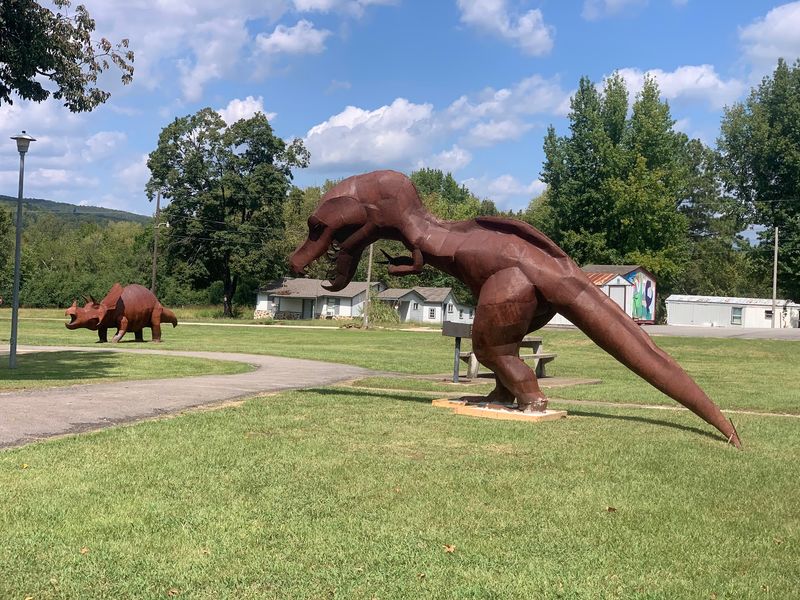
A simple pavilion and long stretches of mowed grass set the tone at the city park. Nothing here has been updated into something slick or trendy.
Families spread out at picnic tables while kids run between the swings and the dinosaur statues. Weekday afternoons can be nearly empty, with only wind in the trees for company.
Frog Bayou winds nearby, adding water sounds to a soundtrack already short on traffic. Anglers and waders find spots along the banks when the creek runs clear.
Ball fields host local games, and the crowd noise stays small enough to hear individual voices. That intimacy feels rare at a time when most sports venues blast recorded music.
The park doubles as the gathering space for holidays and community events. Word travels by flyer and conversation more than by social media feeds.
I get why people describe the place as a step backward in the best sense. Shade and open sky do not really need improvements.
Restrooms and parking sit close to the play area, which helps parents with small children. Nothing sprawls, so kids stay in sight the whole time.
Evening light filters through the trees, and the swings usually sit empty by then. Crickets take over the shift without asking permission.
Small-Town Streets Stay Remarkably Calm
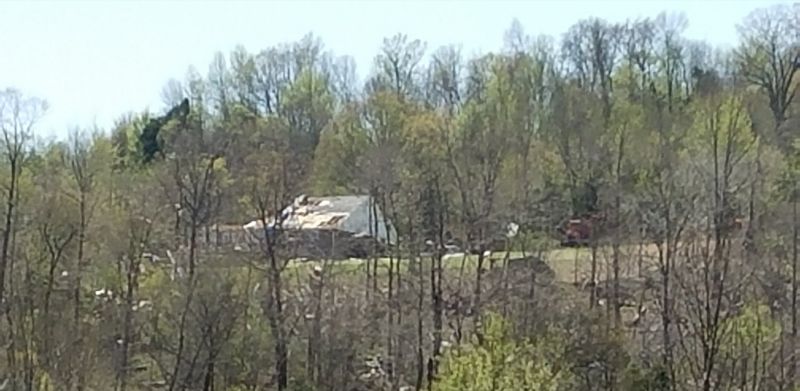
Walking the length of the main strip takes less time than waiting at a city stoplight. Sidewalk stretches end abruptly, and gravel shoulders become the walkway instead.
A gas station and a school schedule shape most of the weekly rhythm here. Buses roll early, then the streets go still until afternoon.
Deliveries and highway travelers make up much of the passing activity. Locals notice when a stranger lingers, though the curiosity comes with a friendly nod.
Dogs nap in yards, and traffic noise rarely rises above a distant hum. Neighbors borrow tools rather than order replacements overnight.
Nights get dark in a way suburbs no longer manage, with few streetlights competing. Stars show up generously, especially in autumn when the humidity drops.
Errands mean a drive, since bigger grocery stores and hospitals sit toward Fort Smith or Van Buren. Residents plan trips carefully, combining stops to save the miles.
That trade-off buys them mountain views and a mailbox that never sees rush hour. Some people find the arrangement restrictive, while others call it a relief.
Visitors often comment on how loud their own footsteps sound on a weekday morning. Quiet becomes something you notice rather than something you assume.
School events draw a good share of the town on Friday nights. Turnout counts more than scoreboards here.
Older Buildings Give The Center A Time-Capsule Feel
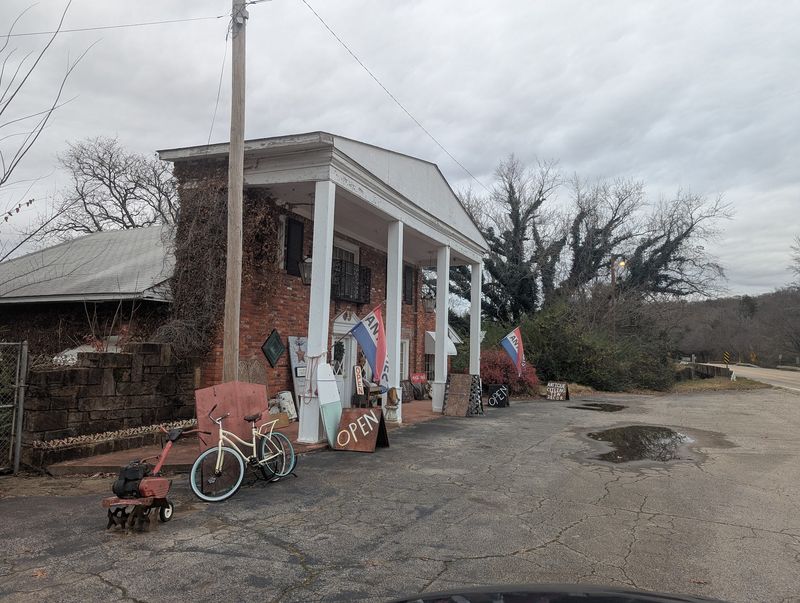
Brick and clapboard fronts along the old highway hint at a busier commercial past. Some windows display goods while others hold only sunlight and dust.
The town was laid out in 1883, when the St. Louis and San Francisco Railway reached this valley. Rail traffic brought timber and mail, giving merchants a reason to build.
Highway travel later carried the same role, since 71 was the main north-south route. Motor courts and cafes once served drivers crossing the mountains at 30 miles per hour.
Interstate construction rerouted that flow, and several buildings simply stopped changing. Faded signs still hang where paint outlasted the businesses beneath them.
Photographers love the honesty of it, with no attempt to costume the past for tourists. What stands here stands because someone kept using it.
Churches and civic buildings anchor a few corners, most of them modest in scale. Steeples read as the tallest structures in view.
I appreciate that nothing looks staged, which is harder to find every year. Preservation by neglect is an odd process, yet the results can be strangely appealing.
Older homes with deep porches line the side streets, shaded by trees planted generations ago. Porch swings still get used, which says plenty about the pace.
The Lake Adds Even More Peace Beyond Town
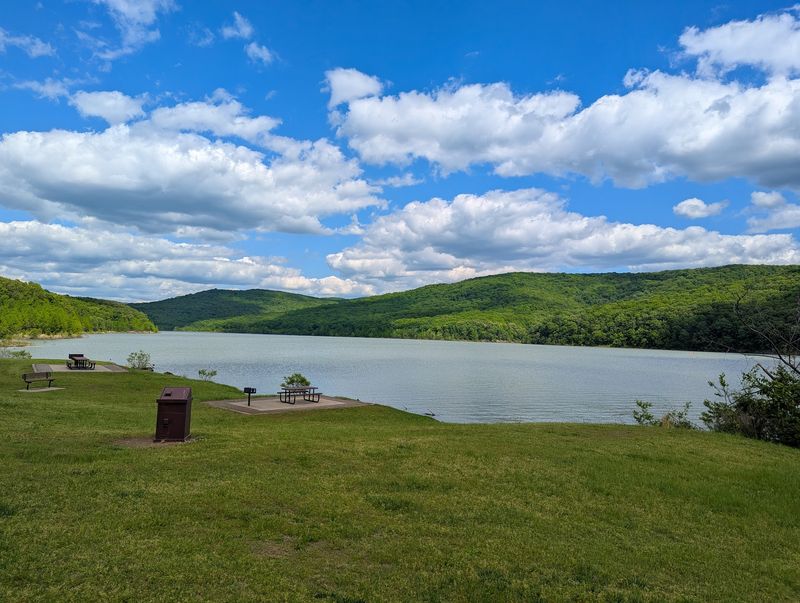
Deep green water sits a few minutes outside town, held between forested ridges. Lake Fort Smith supplies drinking water to the region and doubles as a recreation spot.
Lake Fort Smith State Park, an Arkansas state park, spreads along the shoreline with cabins and campsites. The current park opened in 2008 after the lake was enlarged.
Kayak and boat rentals operate in season, and the coves stay sheltered on windy days. Paddling past the tree line feels closer to hiking than boating.
The Ozark Highlands Trail begins at the park, running east for hundreds of miles. Day hikers use the first stretch, then turn back for lunch at the pavilion.
A visitor center and swimming pool round out the facilities near the campground. Fishing draws steady interest, with bass and catfish among the usual catches.
Mornings on the water tend to be still enough to hear paddles drip. Herons work the shallows while campers wait for coffee.
Autumn turns the surrounding slopes copper and gold, doubling the color on the water. Reservations fill faster then, so cabins go quickly on weekends.
I find it remarkable that a lake this scenic stays so lightly crowded most of the year. Weekday visitors sometimes share the shoreline with almost nobody.
Forest-Covered Hills Define The Surrounding Views
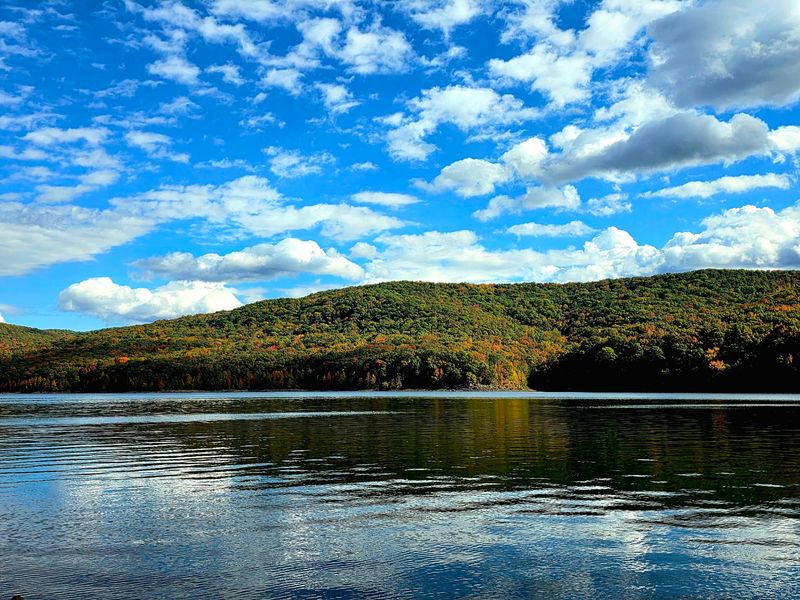
Hardwood forest covers nearly every slope in sight, and it changes character each season. Oak and hickory dominate, with dogwood and redbud brightening the understory in spring.
Ozark National Forest land lies close by, adding hiking and quiet gravel roads to the mix. Wildlife shows up often, especially deer at dusk along the field edges.
October brings the color everyone waits for, with ridge after ridge turning warm shades. Traffic on the old highway picks up briefly, then thins again by November.
Summer greens the valley so thickly that houses disappear behind leaves. Winter reverses the effect, revealing rock faces and long views through bare branches.
Creeks tumble out of the hollows after rain, loud for a day and then polite again. Waterfall hunters watch the forecast closely in early spring.
The scenery explains why the town feels tucked away rather than merely small. Hills form the walls, and the forest keeps the volume low.
Pull it together and the appeal makes sense. Hushed streets and hillside water add up to a small corner of Arkansas that rewards unhurried travelers.
Quiet places rarely advertise themselves. Almost nobody talks about this one, and that silence is part of the charm.