
This Arkansas Trail Leads To A Hidden Overlook You Need To See To Believe
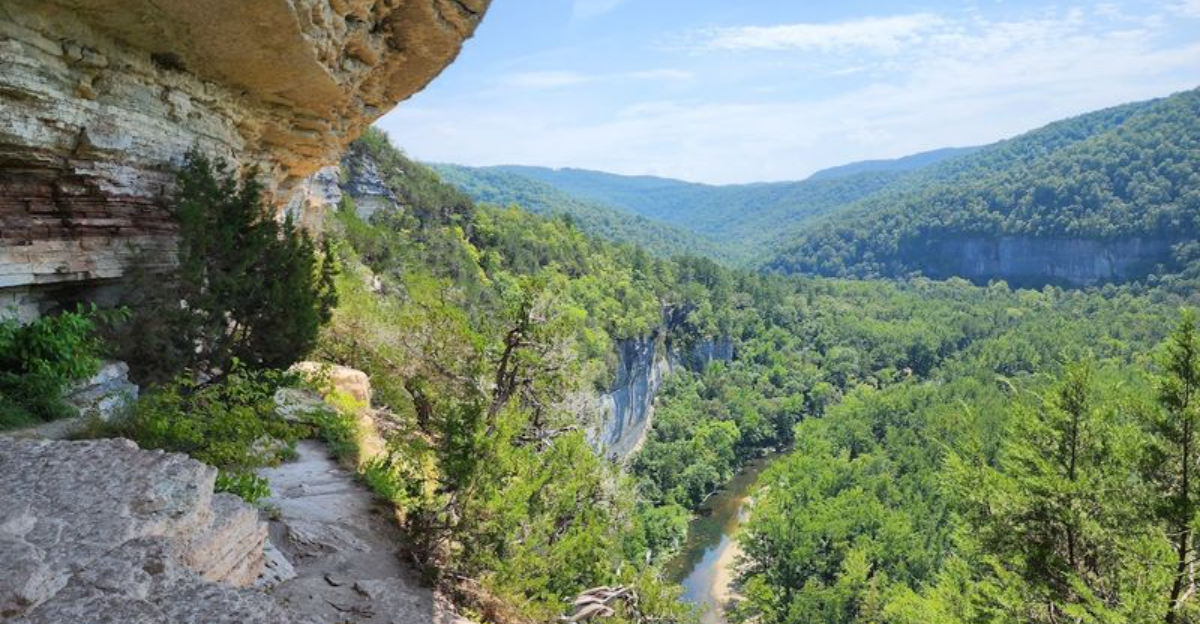
This trail does not hand over its best view right away, and honestly, that is part of the thrill. The route pulls you into the Ozark woods, where the ground gets rocky, the trees crowd close, and the noise of daily life drops off fast.
In Arkansas, few hikes build anticipation like this one. You keep moving, wondering when the river will appear, then the path finally reaches the bluff and everything opens wide.
The Buffalo National River sits nearly 500 feet below, cutting through a valley wrapped in wild hills. It feels quiet, huge, and a little unreal.
This is not a casual sidewalk stroll with a pretty lookout at the end. It is a real hike with a real reward.
Keep reading, because the overlook is only one reason this trail belongs on your weekend list, especially if you like views that make the climb matter even more.
A Forest Path Into The Ozarks
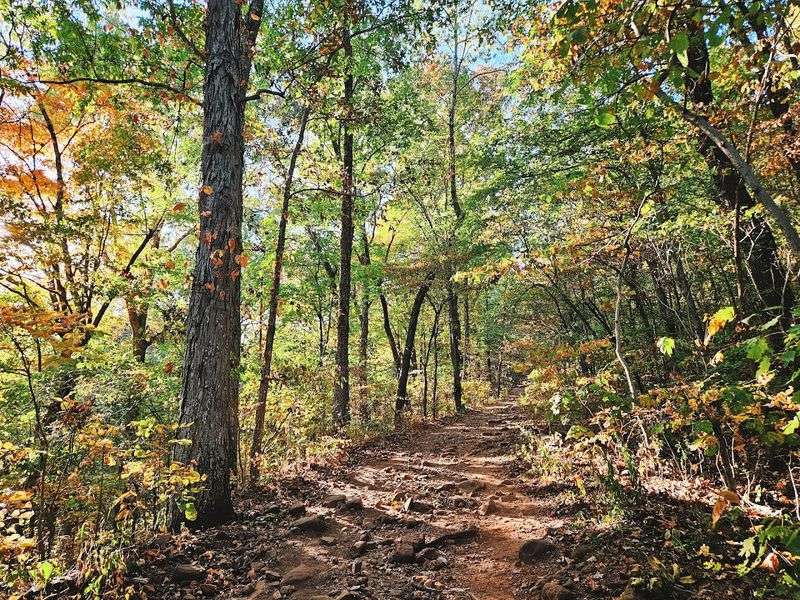
Stepping onto this trail for the first time, I felt the quiet of the Ozarks wrap around me like a thick blanket, and I knew immediately that this was going to be something special.
The path begins wide and manageable, almost like the forest is easing you in gently before revealing what lies ahead.
Tall hardwood trees line both sides, their canopy filtering sunlight into soft, shifting patterns across the rocky ground below your feet.
I noticed right away that the trail surface is uneven in places, with loose stones that demand your attention, so sturdy footwear with ankle support is not optional here.
Hiking poles are a genuinely smart call, especially for anyone who plans to tackle the full out-and-back distance of six miles.
Wildlife shows up early and often along this stretch, and I personally spotted deer near the parking area before I had even taken my first real step onto the trail.
The trail leads into the Ponca Wilderness of Buffalo National River, and the whole experience begins near Centerpoint Trailhead, Compton, AR 72624, where the adventure officially kicks off.
Wide Views Over The Buffalo River
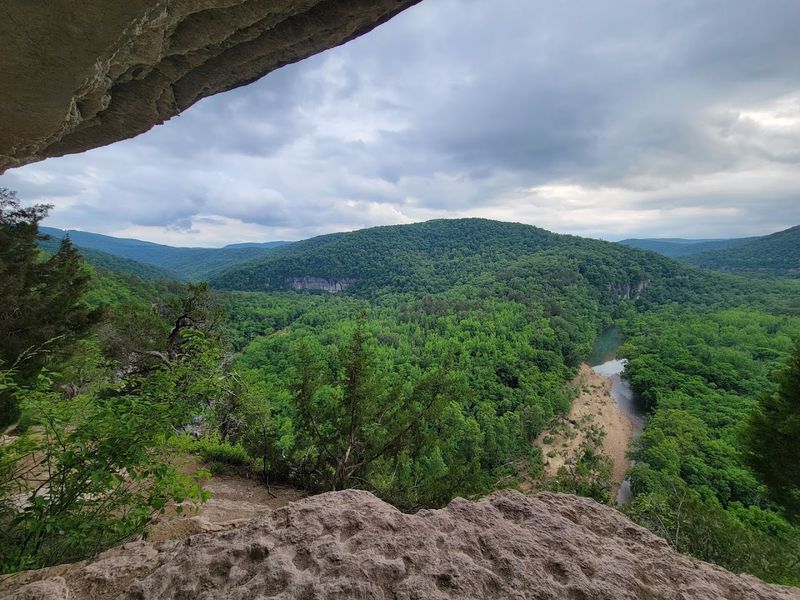
Nothing quite prepares you for the moment the trees part and the Buffalo National River stretches out below you in a wide, glittering curve through the valley.
I stood at the overlook and genuinely forgot to breathe for a second, which felt like a reasonable reaction given what I was looking at.
The river runs clear and clean, weaving through the forested landscape hundreds of feet beneath the bluff, looking almost painted against the green hillsides surrounding it.
Hikers who make it all the way to the main viewpoint are rewarded with a panoramic sweep that covers the river, the ridgelines, and the open sky above in one unbroken frame.
After several miles of hiking, the viewpoint feels like a huge scenic payoff, and honestly, that math checks out.
The views do not all wait until the end either, since the trail offers glimpses of the river and surrounding mountains at several points along the way.
Catching the light on the water during a morning hike gives the whole scene a glow that makes every rocky step on the way down feel completely worth it.
Rugged Bluffs And Quiet Wilderness
Big Bluff is the centerpiece of this entire experience, and calling it impressive feels like an understatement once you are actually standing near its edge.
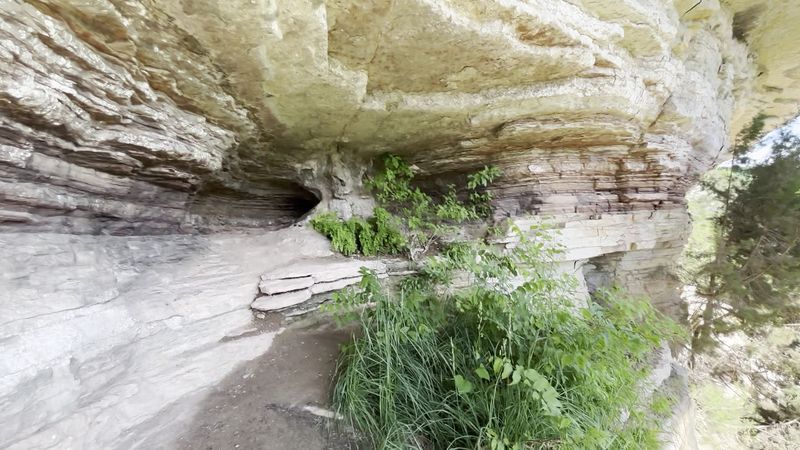
The bluff rises high above the Buffalo National River, and the exposed ledge section follows a sheer cliff hundreds of feet up, making you feel very small and very aware of your surroundings all at once.
I found the path along the bluff to be wider in some places than many hikers expect, which can feel reassuring if you happen to have any nervousness around heights.
That said, the exposure is real, and the drop is significant, so anyone who struggles with vertigo should know their own limits and hike only as far as feels comfortable.
The rock face itself is stunning even when you are not at the very edge, with layers of limestone telling the geological story of this region across long stretches of time.
Aside from the bluff section, the surrounding wilderness feels genuinely remote and peaceful, with the kind of quiet that only shows up far from roads and crowds.
This rugged stretch of trail is where the Ozarks stop being polite and start showing off their most dramatic personality.
A Steep Descent Through The Trees
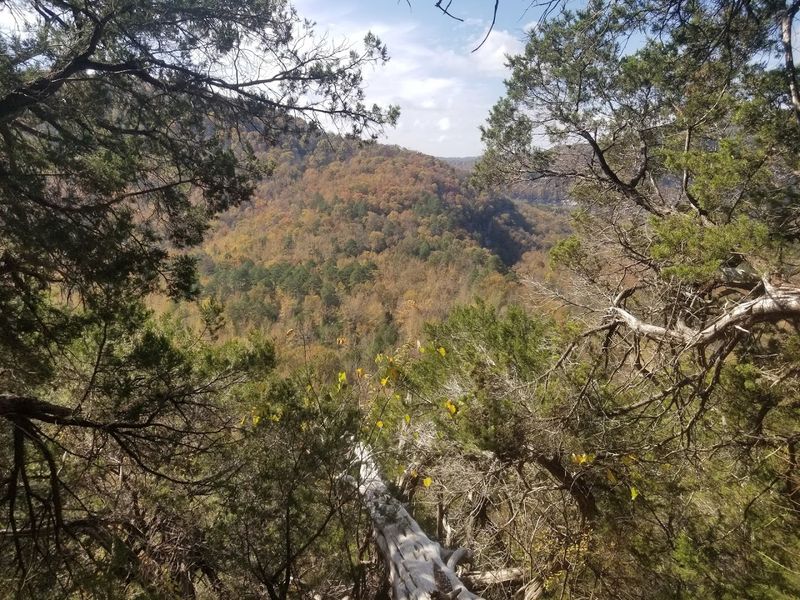
About three quarters of a mile into the hike, the trail shifts from manageable to genuinely rocky, and that is where many hikers start paying very close attention to where they place their feet.
The descent toward the bluff is steady rather than sudden, with the elevation dropping gradually through sections of shade and sections of open sky depending on where the canopy thins out.
I found myself looking down at the ground more often than I expected, which is exactly what this rocky stretch of trail tends to require.
Loose rocks are the main challenge here, and after any rainfall the footing becomes noticeably less predictable, so timing your visit during dry conditions is a practical move.
The trail narrows as it moves deeper into the trees, and the sense of descending into something ancient and untouched grows stronger with every turn.
Getting down to the bluff can take a couple of hours, depending on pace, trail conditions, and how many photos you stop to take along the way.
The return trip back up this same descent is where the trail earns its reputation as a genuine workout, so saving some energy for the climb is genuinely smart planning.
Hidden Corners Along The Trail
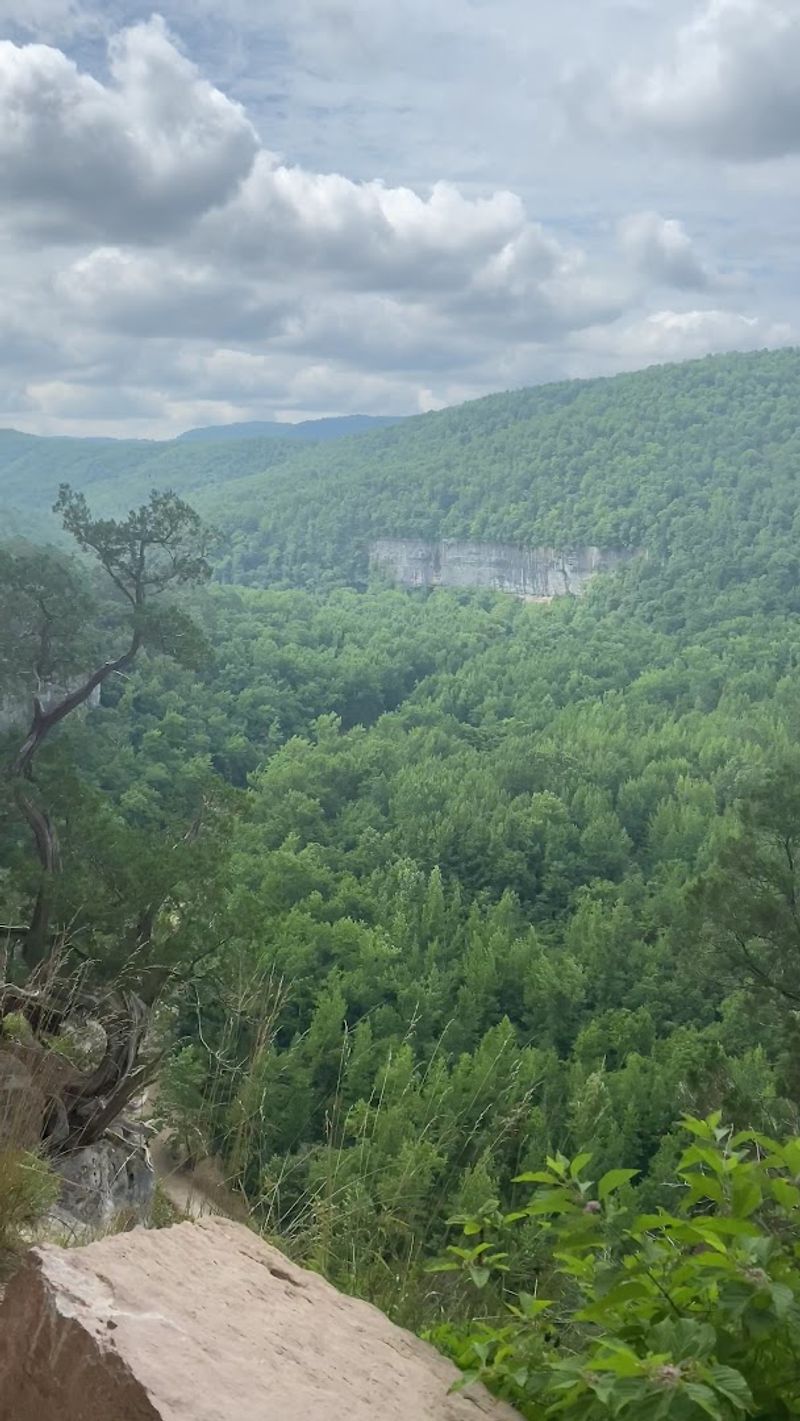
One of my favorite things about this trail is that the rewards do not all arrive at once, because the path tucks away small surprises in corners you almost walk right past.
There are spots along the route where the trees open up just enough to frame a slice of mountain view that feels like a secret only you and the trail know about.
I paused at one particular rocky outcrop partway down and realized I could hear the wind moving through the valley below long before I could actually see it.
Primitive camping is allowed in parts of the Ponca Wilderness and along Centerpoint Trail, but camping is not allowed on Big Bluff itself, so overnight visitors should check current park rules before planning a trip.
The area can feel especially peaceful once day hikers have headed back up the trail, with forest, open sky, and the sound of the river shaping the experience.
Wildlife sightings are possible throughout the hike, including deer, birds, and signs of feral hog activity, though visitors should keep their distance from all animals.
These quiet, unexpected moments scattered along the route are what turn a good hike into the kind of story you end up telling people for years afterward.
Panoramic Mountain Scenery
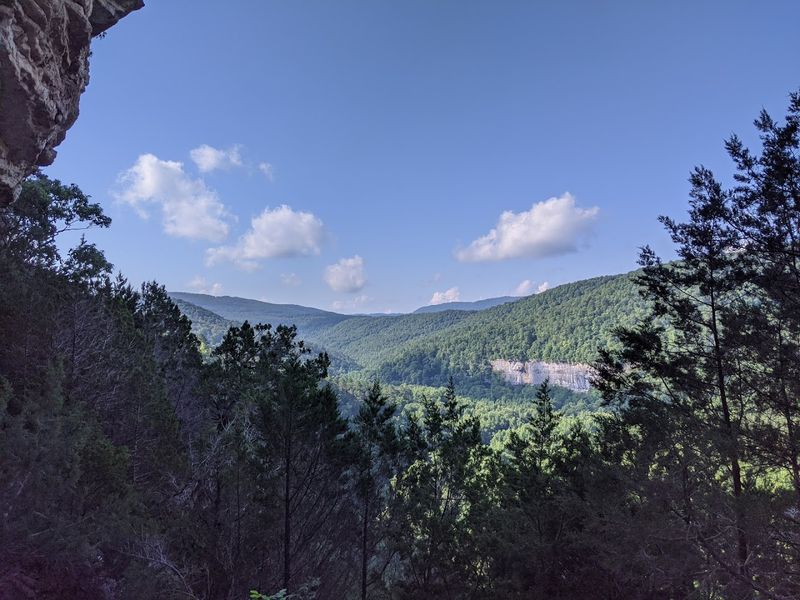
Standing on the higher sections of this trail and looking out across the Ozark ridgelines is the kind of moment that makes you grateful you put on your hiking boots that morning.
The mountain scenery here is not confined to a single viewpoint but rather unfolds in layers as the trail moves through different elevations and orientations throughout its length.
Fall is widely considered the best season to visit for foliage, and one hiker described the afternoon light glowing on the trees along the trail as absolute magic, which I think is a fair assessment.
Even in winter the views carry a stark, open beauty, with bare branches allowing longer sightlines across the valley and ridges that summer hides behind a wall of green.
The mountains here are not the tallest in the country, but their character more than compensates, with rounded ridges, deep hollows, and river-carved valleys giving the landscape a richness that photographs struggle to fully capture.
I noticed that the scenery shifts noticeably at different times of day, with morning light casting long shadows across the ridges and late afternoon turning the whole landscape golden.
Planning your hike around the light is one of those small decisions that quietly transforms a great outing into an unforgettable one.
A Wild Overlook Above The River
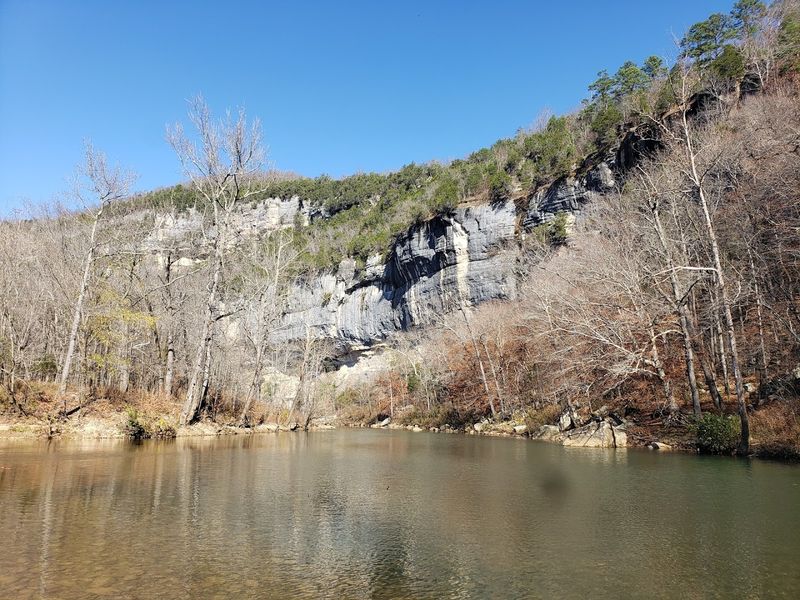
Reaching the Goat Trail overlook after miles of forest walking is one of those travel experiences that resets your personal scale of what counts as impressive.
The bluff drops sharply above the Buffalo National River below, and the air at the edge carries a kind of electric stillness that is hard to describe but very easy to feel.
On windy or stormy days, the sound moving through the valley can make the whole place feel even more powerful, which is another reason to watch conditions carefully.
The Goat Trail portion of the hike is where caution becomes non-negotiable, and the general advice is to avoid this section with young children or anyone uncomfortable with heights.
Pets are not permitted on trails in the Ponca Wilderness, so hikers should plan this route without dogs or other animals.
For hikers who are not comfortable with extreme exposure, there are still genuinely spectacular views available before you reach the narrowest part of the ledge trail.
I found that even standing well back from the edge gave me a perspective on the river and surrounding wilderness that felt completely unlike anything I had seen elsewhere in Arkansas.
This overlook is the kind of place that stays with you long after you have driven back down the mountain road and returned to ordinary life.
Nature Framed By Limestone Cliffs
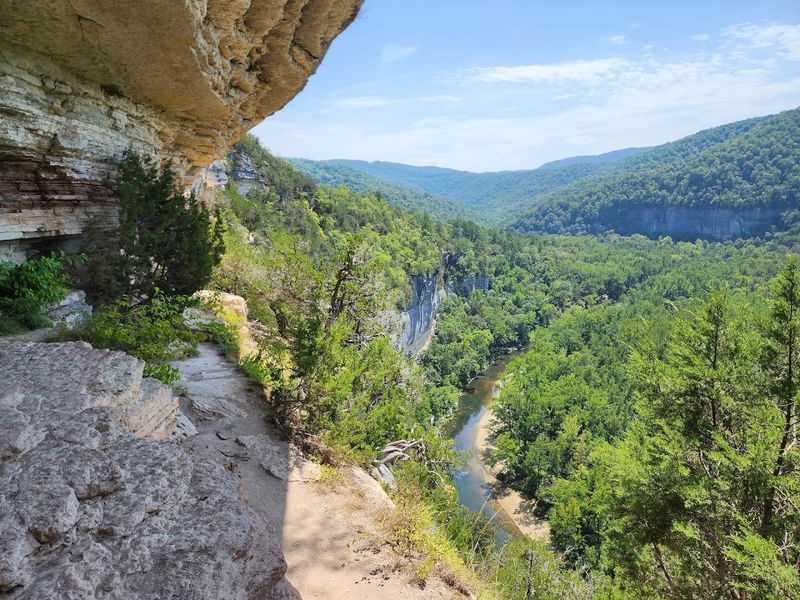
Limestone is the quiet architect of everything beautiful about this trail, shaping the bluffs, the overlooks, and the river canyon into the dramatic forms that draw hikers from across the country.
The rock face along the Goat Trail section shows off long periods of erosion and weathering in its texture, with cracks, ledges, and overhangs that give the cliff an almost sculptural quality up close.
I ran my hand along the rock wall at one point and felt the warmth the stone had absorbed from the sun, which made the bluff feel noticeably warmer than the shaded stretches of trail.
The combination of sheer rock above and dense forest below creates a visual contrast that frames every view along this section of trail in a way that feels intentional and theatrical.
Moss and small plants grow in the crevices of the limestone, adding flashes of green against the gray rock and reminding you that life finds a way into even the most unlikely places.
Fall color against limestone is a particular treat here, with orange and red leaves setting off the pale rock in a combination that photographers tend to linger over for longer than planned.
The cliffs do not just frame the scenery but feel like the living bones of the landscape, holding the whole remarkable place together from the ground up.