
This Arkansas Tram Tour Feels Like Riding Through A Real-Life Victorian Storybook
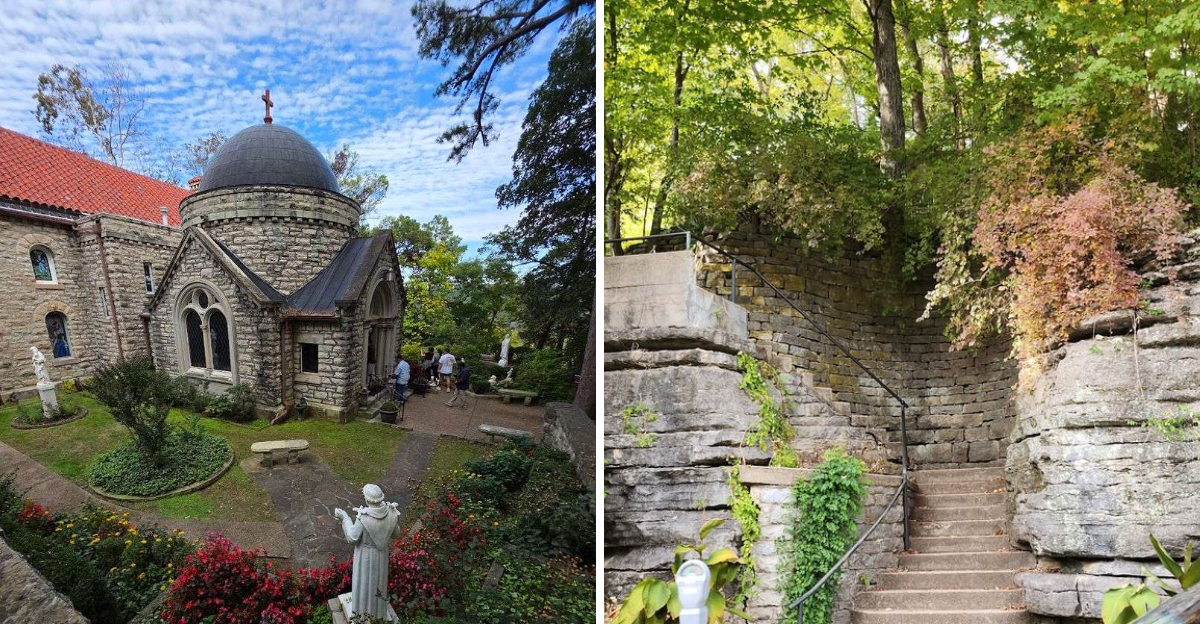
Picture this. Gingerbread trim, pointed turrets, and weathered stone walls drifting past your window while a local guide casually shares stories packed with history, personality, and just enough gossip to keep things interesting.
That is exactly what I experienced aboard a narrated tram winding through one of Arkansas’s most unforgettable towns. I let go of the wheel and let someone else handle the steep, looping streets while I sat back and took it all in.
The approximately 85 to 90 minute ride felt immersive in a way I did not expect. You are not just observing, you are following along, connecting pieces as they unfold.
Every turn adds something new to notice. Small details start standing out more with each block.
Stick with me, because what comes next breaks down the layers of a place that feels vivid, detailed, and hard to forget.
Hillside Tracks Glide Past Gingerbread Facades
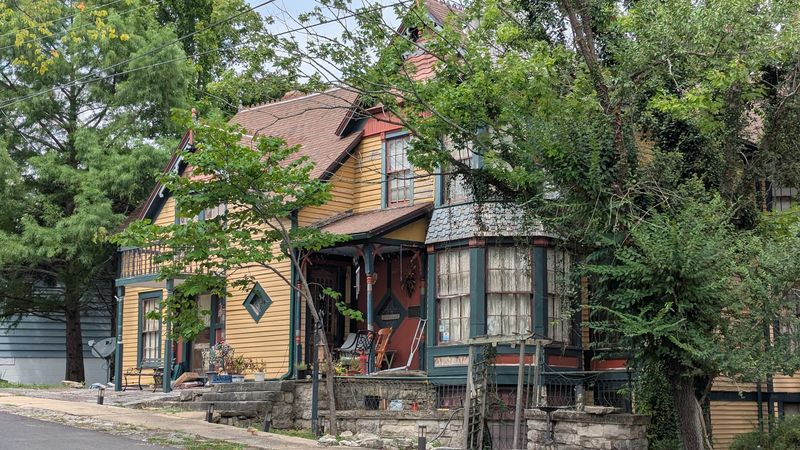
There is something thrilling about sitting in an open-air tram as it hugs a hillside road so narrow that the decorative woodwork of a Victorian porch feels close enough to touch.
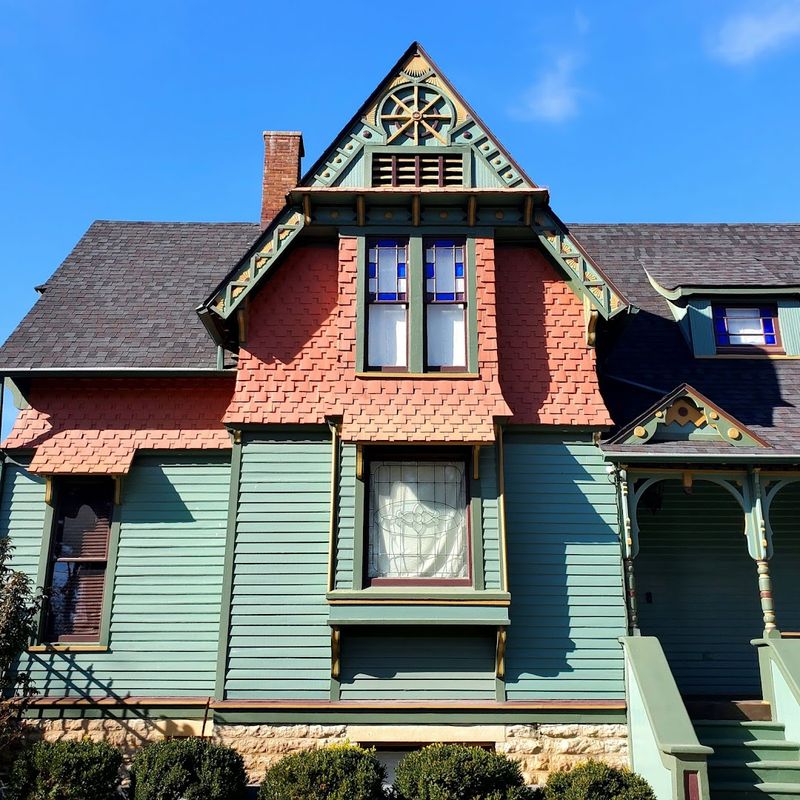
The facades here are not museum pieces locked behind velvet ropes. They are lived-in homes with turrets, carved spindles, fish-scale shingles, and wraparound porches that spill over steep lots like frosting on a layered cake.
Riding at tram speed means you actually have time to notice the small details: a stained-glass transom, a carved newel post, a window box overflowing with color against weathered clapboard siding.
Our guide pointed out architectural styles ranging from Eastlake to Queen Anne, explaining how each homeowner in the 1880s and 1890s tried to outdo the neighbors with more elaborate trim than the house next door.
The tram’s open design lets the breeze carry the scent of old wood and garden flowers right into your seat, which no car window ever could.
By the time the tram rounded the third consecutive curve lined with gingerbread facades, I had already filled my camera roll and quietly accepted that walking these same streets later would feel completely different after seeing them from this rolling vantage point.
That entire experience is made possible by Eureka Springs Tram Tours at 137 W Van Buren, Eureka Springs, AR 72632.
Hidden Staircases And Spring Fed Alleys
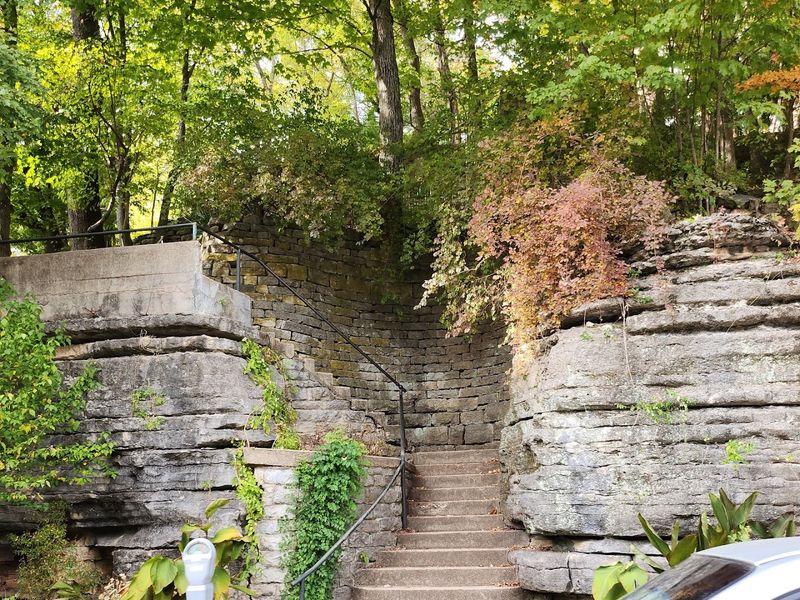
Eureka Springs was literally built around water, and the tram tour makes sure you understand just how strange and wonderful that foundation really is.
Natural cold-water springs bubble up throughout the town, some tucked into stone alcoves barely wide enough for two people to stand side by side, others appearing near pathways and lower streets shaped by the terrain.
The guide explained that early settlers did not level the terrain before building. Instead, they worked with the topography, which is why some buildings have their front door on one street and their back door on a street a full story below.
I had walked past a few of these alley staircases earlier in the day without a clue about where they led or why they existed. The tram gave several of them context, stories, and a reason to return on foot.
On my ride, one stop near a historic spring let passengers step off the tram, feel the cold stone basin, and listen to the guide explain how that same water source drew thousands of people seeking cures in the late 1800s.
Standing there, I felt less like a tourist and more like someone who had just been handed a map to a town hiding in plain sight.
Clifftop Views Over Winding Lanes
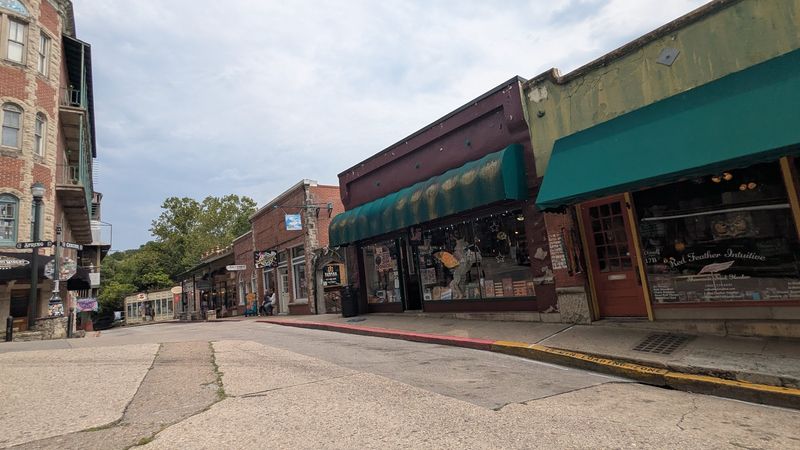
Gaining elevation on a tram that climbs Ozark bluffs produces views that no street-level stroll can replicate, and the clifftop moments on this tour are genuinely worth the price of admission on their own.
At certain points along the route, the road curves sharply upward and suddenly the rooftops of the historic district spread out below like an architectural quilt stitched together with slate, tin, and terracotta.
The winding lanes below look almost impossibly narrow from up here, threading between buildings that cling to slopes with the kind of stubborn confidence only 130-year-old foundations can manage.
Our guide used these elevated pauses to connect geography to history, explaining how the natural ridgelines dictated where streets could go and why no two blocks in Eureka Springs run parallel for very long.
The Ozark forest pushes right up to the edge of the historic district on the higher elevations, so the view mixes Victorian rooftops with dense canopy in a way that feels more like a painted backdrop than a real American town.
I kept expecting someone to yell cut and reveal a film crew, because the whole scene looked too perfectly composed to be accidental, which, as the guide noted, is essentially the story of Eureka Springs itself.
Lively Legends From Turn Of The Century Guides

The quality of any narrated tour rises or falls entirely on the person holding the microphone, and the guides at this operation carry the kind of local knowledge that comes from long familiarity with the place.
One guide I encountered described deep family ties to the area, and the way she shared stories made them feel personal rather than rehearsed.
She rattled off names of original property owners, pointed out buildings tied to fires and floods, and dropped dry one-liners about eccentric historical figures with the timing of someone who has told the story a hundred times but still finds it funny.
The legends she shared ranged from the genuinely spooky to the surprisingly touching, covering everything from the controversial history of the 1886 Crescent Hotel to the quirky characters who shaped the town’s reputation as a place that always did things its own way.
Passengers around me were leaning forward, phones lowered, actually listening, which is a rarer reaction than you might expect on a sightseeing tour.
A good guide turns a ride into a conversation, and by the end of the approximately 85 to 90 minute experience I felt like I had spent the afternoon with someone who genuinely loved showing off their hometown.
Painted Porches And Historic Hotels Glow
Few buildings in the American South stop a conversation the way the 1886 Crescent Hotel does when it appears on the hillside above Eureka Springs, its pale stone facade catching light in a way that makes it look like it was designed specifically to be photographed from below.
The tram pauses near the hotel so the guide can walk passengers through its layered history, which includes chapters as a luxury resort, a women’s college, a fraudulent cancer hospital under genuinely troubling circumstances, and finally a restored historic hotel that leans hard into its haunted reputation.
Beyond the Crescent, the route passes a rotating gallery of painted Victorian porches belonging to bed and breakfasts, private residences, and small inns that seem to compete for the most inviting color palette on the block.
Deep blues next to cream trim, dusty rose beside forest green, terracotta columns against pale yellow siding: the choices feel bold and intentional rather than accidental.
The guide pointed out that many of these properties have long histories as lodging, with some welcoming guests for generations.
Seeing them lit by afternoon sun from a moving tram felt like watching a slow-motion highlight reel of American architectural confidence.
Forest Edges Meet Victorian Streets
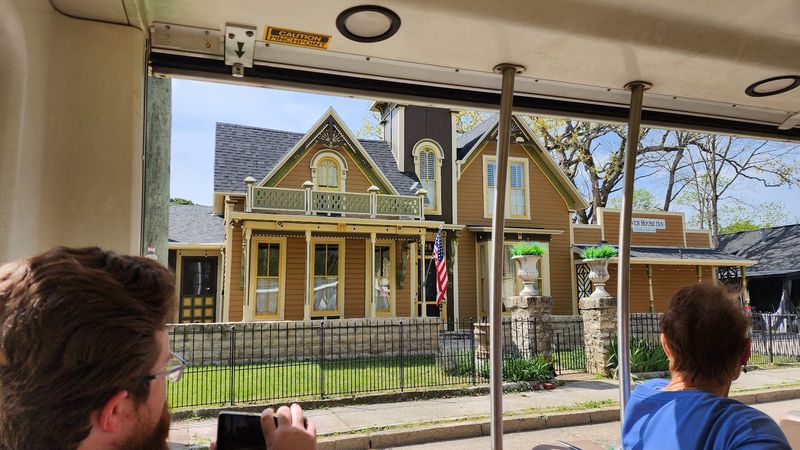
Most historic districts feel like islands of old architecture surrounded by modern sprawl, but Eureka Springs pulls off something genuinely different by pressing dense Ozark forest right up against its Victorian streetscape.
Riding the tram along the upper edges of the historic district means passing through tunnels of mature tree canopy where the road narrows and the light filters down in shifting patterns across stone walls and wooden fences.
The guide explained that local preservation efforts have helped maintain the town’s distinctive balance between development and its natural surroundings, so the boundary between wooded areas and historic streets stays pleasantly blurred.
Deer are sometimes spotted near these forest-edged streets, and when they appear, passengers on the tram react with the kind of delight usually reserved for much more remote destinations.
The contrast between an ornate Victorian cottage and a backdrop of unbroken hardwood forest creates a visual combination that photographers on the tram seemed completely unprepared for, based on the sudden burst of shutter sounds every time we rounded a wooded bend.
That collision of curated human craft and untamed natural backdrop is, according to the guide, exactly what has kept artists, writers, and wanderers returning to this town for well over a century.
Steep Curves Shape A Storybook Ride
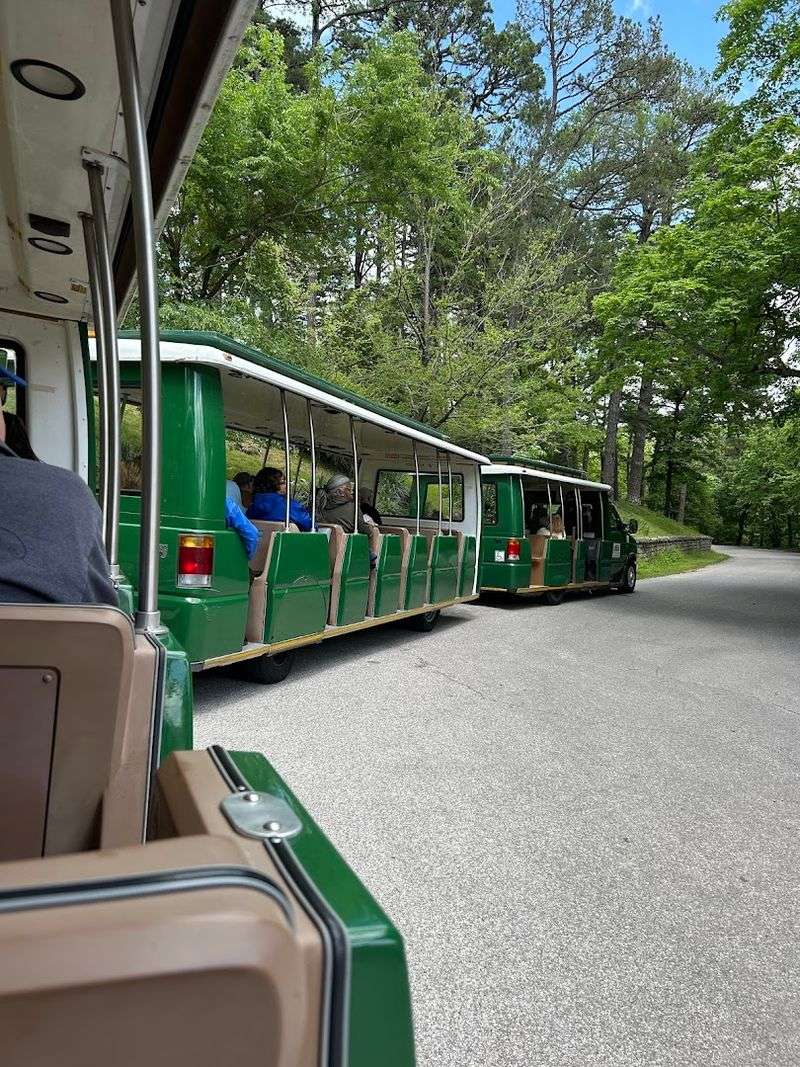
Driving yourself through Eureka Springs is an exercise in white-knuckle concentration, because the streets curve, climb, and occasionally seem to double back on themselves with zero apology for the confusion they cause.
Handing that task to a skilled tram driver and simply sitting back to watch the town unfold is, as several fellow passengers loudly agreed, one of the smarter decisions you can make on arrival day.
The tram’s route uses those steep curves as dramatic reveals, swinging around a bend to suddenly expose a row of elaborately trimmed cottages or a stone retaining wall covered in decades of moss and climbing vines.
Our driver navigated a particularly tight switchback near the upper residential streets with the calm precision of someone clearly very familiar with the route, which the guide noted comes from repeated experience.
The physical sensation of the tram leaning slightly into a steep curve while a Victorian turret swings into view overhead is one of those small travel moments that sounds unremarkable in a description but lands with real impact in person.
Every steep curve in Eureka Springs hides something worth seeing on the other side, and the tram exists precisely to make sure you do not miss a single one.
Sunset Light Turns Everything Golden
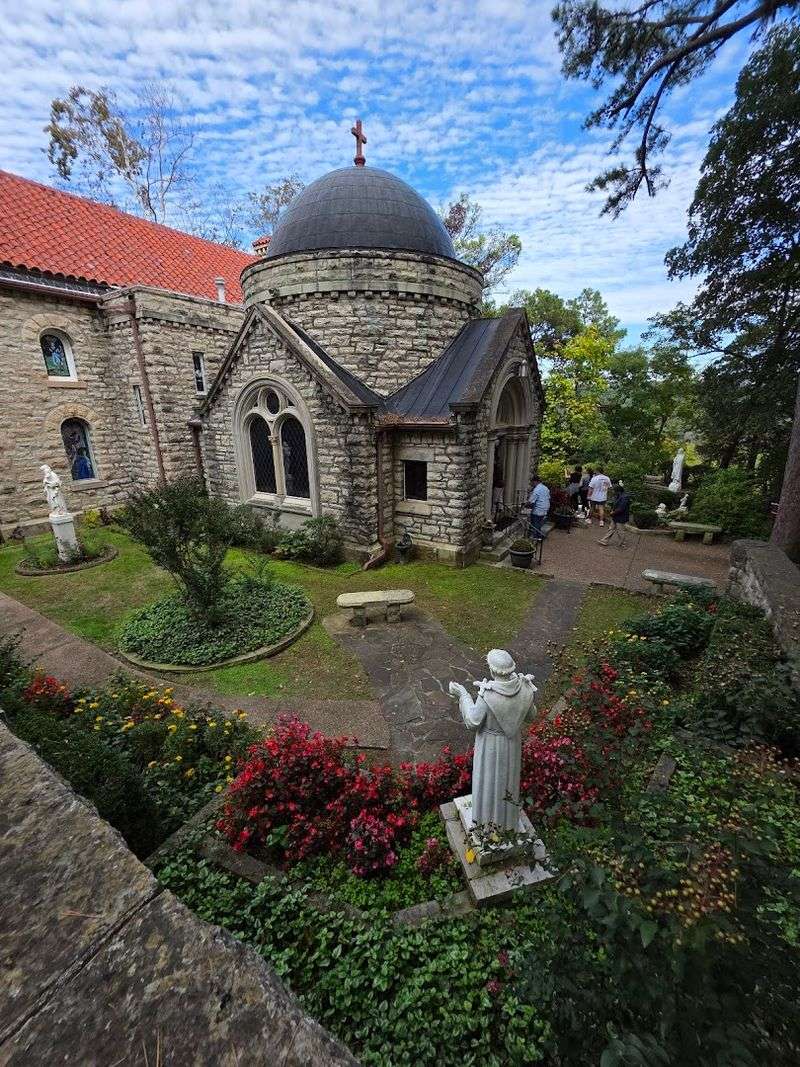
Catching the later afternoon departure means the tram rolls through the historic district during softer light, and depending on the season, the effect on the Victorian architecture can be especially striking.
Stone facades that look silver-gray at midday shift into warmer tones. Painted woodwork that reads as cream or white can take on hints of orange and gold.
Even the mossy staircase walls pick up a warmth that makes them look like something out of an illustrated fairy tale.
The guide mentioned that some photographers choose later tours for the changing light, and after watching a dozen fellow passengers go very quiet and very focused with their cameras, I understood the appeal completely.
Later hours can also bring more movement along the forest edges of the route, with birds settling into the canopy and the occasional deer moving through the shadows just beyond the tree line.
The combination of softer light, Victorian silhouettes, and the guide’s final stories about the town’s most colorful characters creates a closing stretch for the tour that feels genuinely earned rather than manufactured.
By the time the tram pulled back, the town had already made its case as one of the most visually rewarding rides in the American South.