
This Beautiful Manor Museum In Michigan Will Make You Feel Like You’re In A Jane Austen Novel
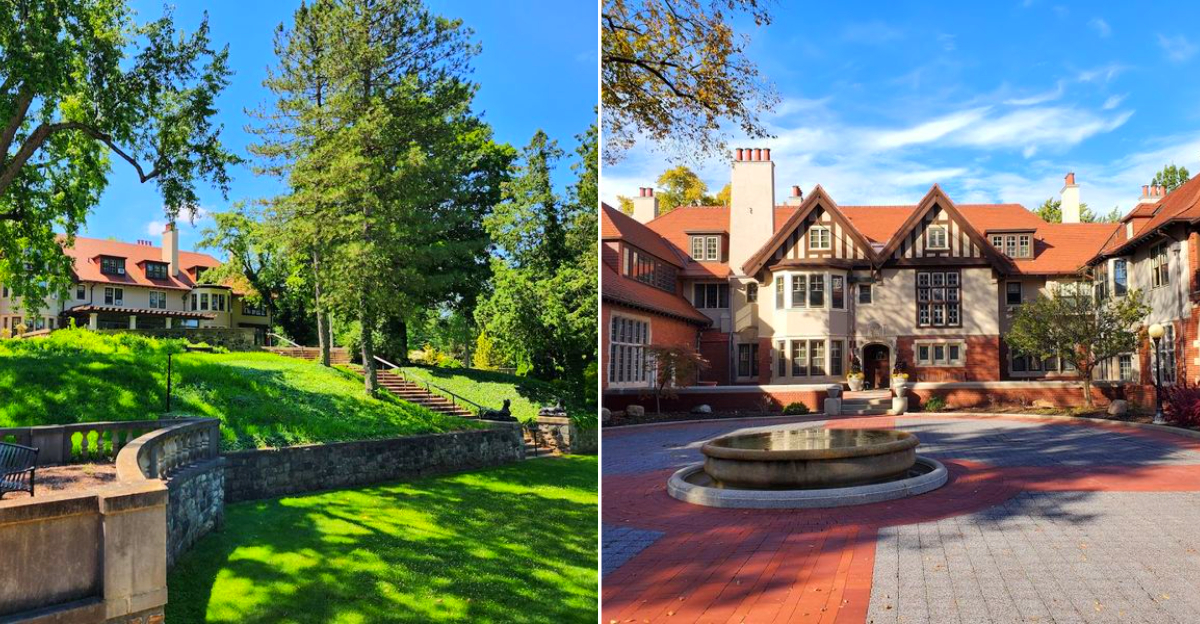
Stepping onto these grounds feels like a deliberate social contract with the past, one where your posture instinctively straightens and the hedges seem to whisper secrets from a more elegant era.
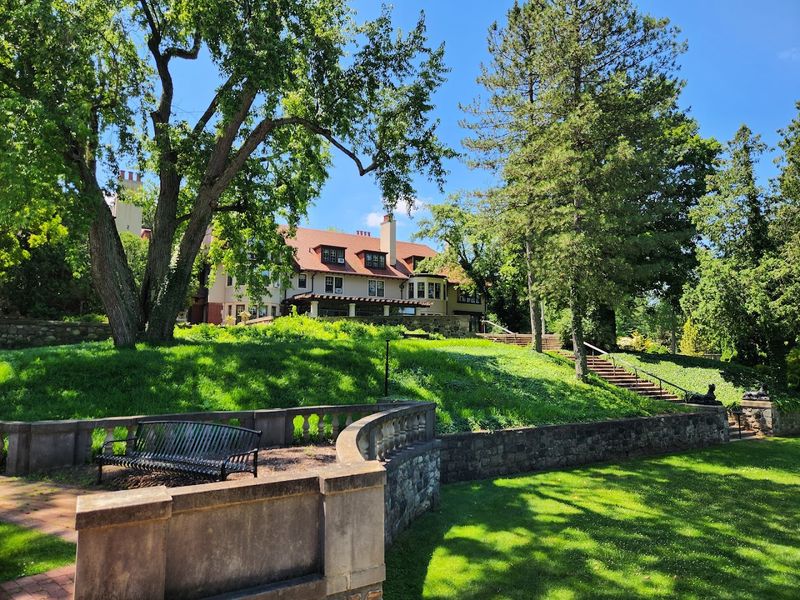
I love how this 1908 manor sits like a centerpiece in a forty-acre sprawling novel, framed by terraces that overlook water features so tranquil they almost look painted.
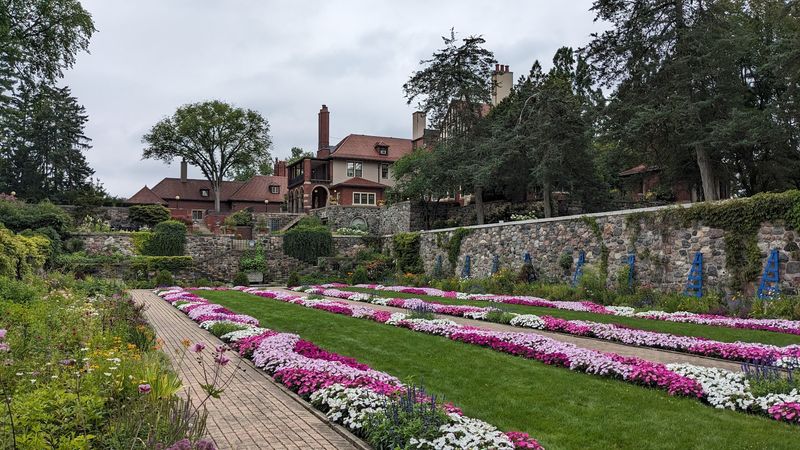
Every time I wander through the Sunken Garden or catch a glimpse of a stone sculpture peeking out from behind a pine tree, it feels less like a public stroll and more like I’ve been invited into a private, well-read world.
The Japanese Garden, currently undergoing its own quiet renewal, adds a layer of shifting beauty that rewards those of us who visit year after year just to see what has bloomed.
Tour historic Arts and Crafts architecture and explore world-class botanical gardens at this premier Michigan estate.
First Impressions At Lone Pine Road Gate
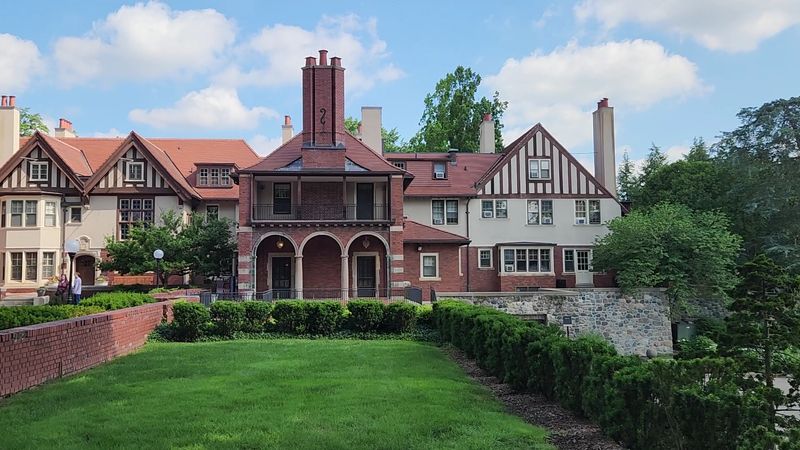
The approach along Lone Pine Road slows the pulse before you even park. Brick walls and wrought iron details frame a view of red brick, limestone trim, and clipped hedges that feel both formal and welcoming. The air smells like damp cedar and fresh mulch, a quiet prelude to the gardens beyond.
Benches wait beneath maples nearby. Volunteers guide arrivals toward paths that loop the Sunken Garden, terraces, and fountains without feeling rushed. Morning light flatters photographs, but professional shoots require a permit, so check the policy before unpacking gear.
Free self guided entry to the grounds makes lingering easy, while house tours operate seasonally with timed tickets. Parking is free, and restrooms are available near the visitor services area.
Grandeur In Bloomfield Hills
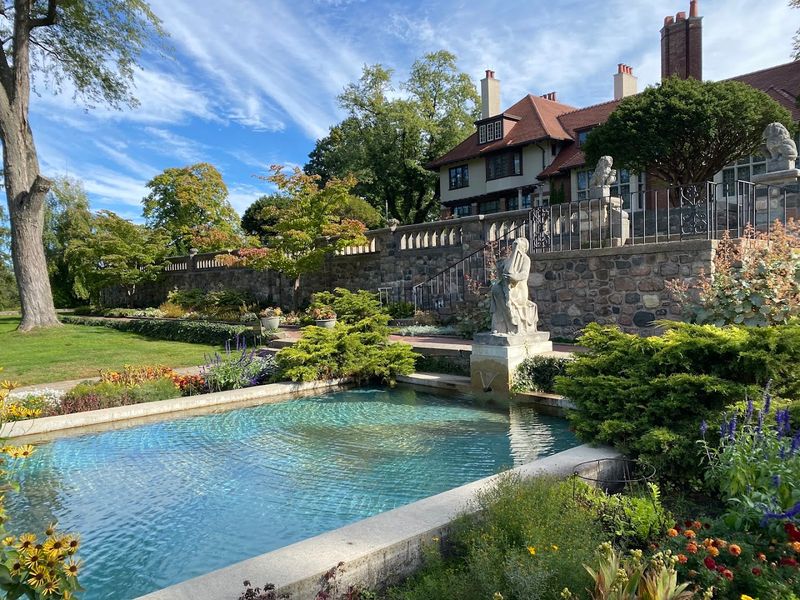
The vibrant scent of seasonal blooms and the soft trickle of ornate fountains welcome you to this sprawling 40-acre estate. Winding along Lone Pine Road provides a tranquil transition from the modern pulse of Oakland County into a world of refined early 20th-century architecture and manicured landscapes.
The focal point is Cranbrook House & Gardens, situated at 380 Lone Pine Rd, Bloomfield Hills, MI 48304. Leaving the car for the stone pathways, the atmosphere transforms into an elegant sanctuary where the quiet rustle of ancient trees replaces the suburban hum.
Walking through the sunken gardens at this address offers a perfect vantage point to appreciate the harmony between the Albert Kahn-designed manor and its surroundings.
Sunken Garden Rhythm
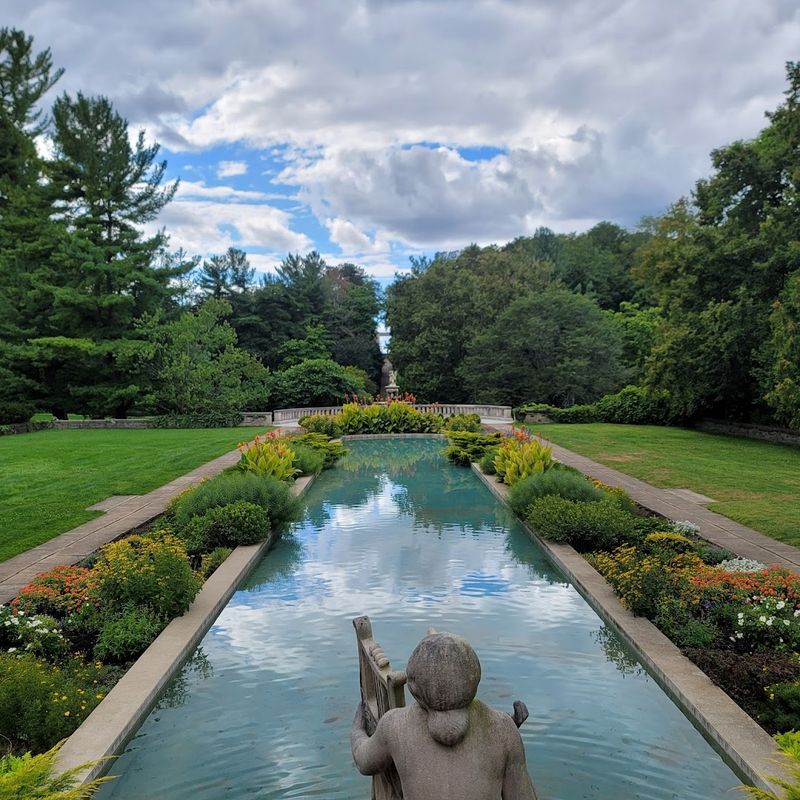
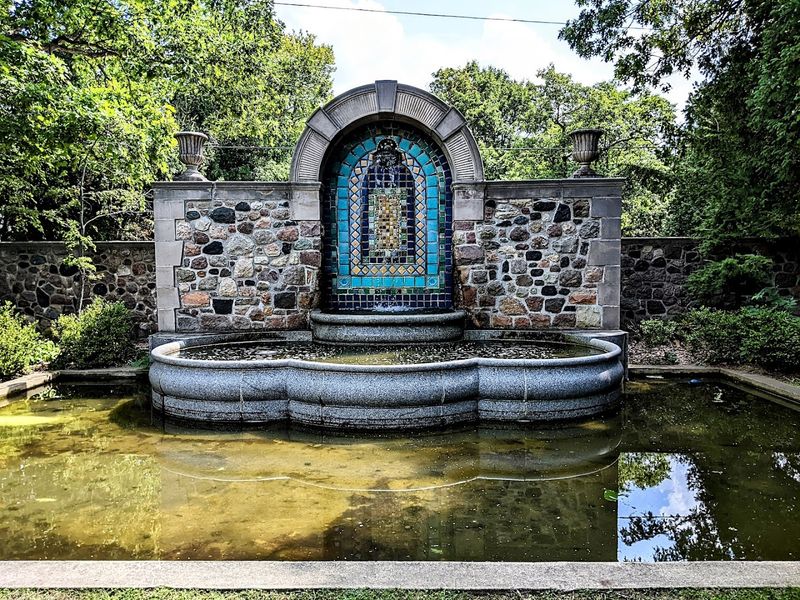
Steps drop you into the Sunken Garden, where stone edges hold orderly beds in calm embrace. The geometry feels soothing, with rectilinear pools, clipped borders, and seasonal color rising like measured breath. Water sounds carry upward, softening the terraces and keeping conversations pleasantly hushed.
Benches along the rim offer pauses where you can watch butterflies claim sunlit corners.
Mornings deliver even light for photographs, and midday brings sparkling reflections across the basins. Stay to the outer paths if mobility is a concern, because inner stairs can be uneven.
When blooms are quiet, notice textures instead the contrast between gravel, brick, and sedum is unexpectedly satisfying. Keep voices low to hear water over stone and the distant shuffle of leaves nearby.
Japanese Garden, Quiet Renewal
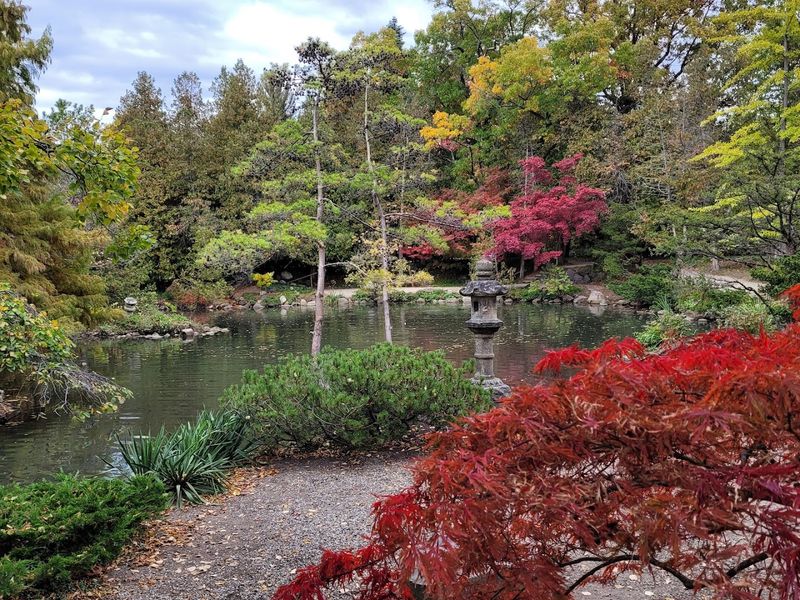
The path north curves into the Japanese Garden, a modest landscape with a small bridge and water that collects patient light. Its scale invites unhurried notice, where moss, stone, and shade do most of the talking. Even under renovation, the structure of calm remains clear.
Pause on the bridge to watch koi sized shadows ripple under maple reflections. Visit in late afternoon for low sun angling through canopy leaves, and step carefully on uneven edges. Read the posted notes about restoration to appreciate the techniques protecting fragile banks and pathways.
Photography is welcome for personal memories, but tripods and styled portraits typically need advance permission through the website. Nearby benches make quiet conversation easy without disrupting the garden’s intended restraint.
Kingswood Lake Views From The Hill
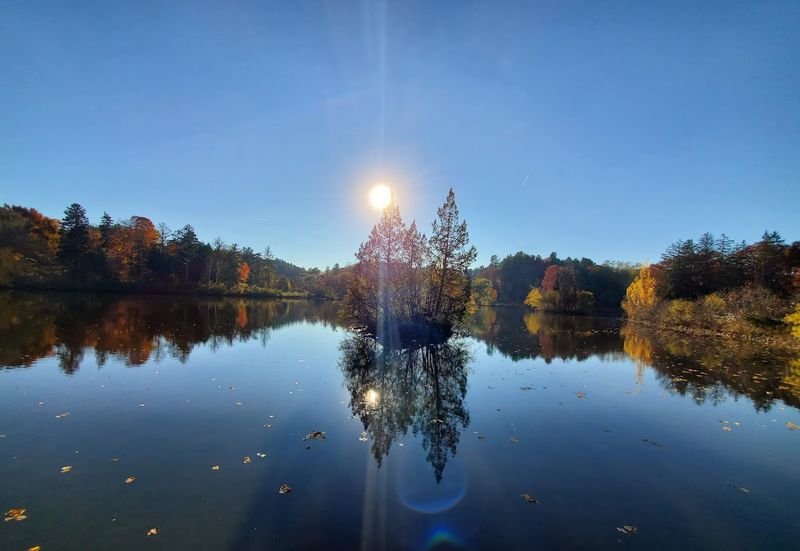
At the crest above Kingswood Lake, the manor’s silhouette settles beautifully against water and sky. Wind moves through tall pines, and the echo across the surface arrives like a measured chorus. Looking outward helps the house feel larger, its horizontals extending visually into shoreline curves.
Autumn throws copper light onto the water, and reflections double the house’s dignified calm. I like this vantage in winter when fresh snow cuts a clean edge along the lake. It is also quieter, since statues wear protective covers and foot traffic thins.
For safety, keep to cleared paths, and consider traction grips after storms, because slopes can surprise on the return. Bring binoculars to spot turtles sunning on logs when ice has melted nearby.
Sculptures, Fountains, And The Quiet Code
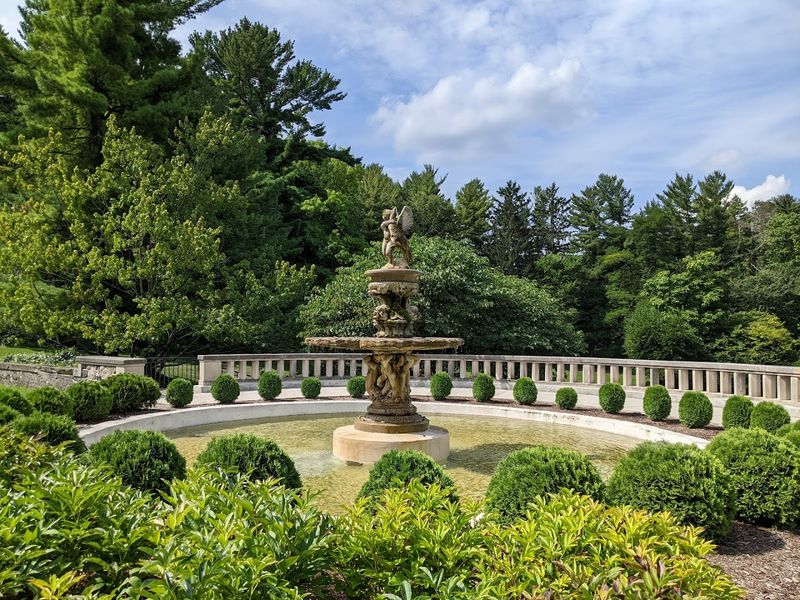
Figures and fountains appear suddenly along walks, then vanish behind hedges like shy acquaintances. Labels gently request respect, reminding you that bronze and stone weather slowly under thousands of curious eyes.
In summer, water animates plazas with a light clatter, drawing families toward shaded seating. Winter covers are functional, not forlorn, signaling stewardship over spectacle. Do not climb or touch the sculptures, and keep feet out of basins. That care preserves details you might otherwise miss, like tool marks or a sculptor’s playful asymmetry.
If you crave stillness, stand near a fountain’s edge and listen until the campus hum fades. Early evening brings golden light through trees, helping textures pop without harsh contrast for easy phone photos that feel natural.
Seasonal Snow, Unexpected Peace
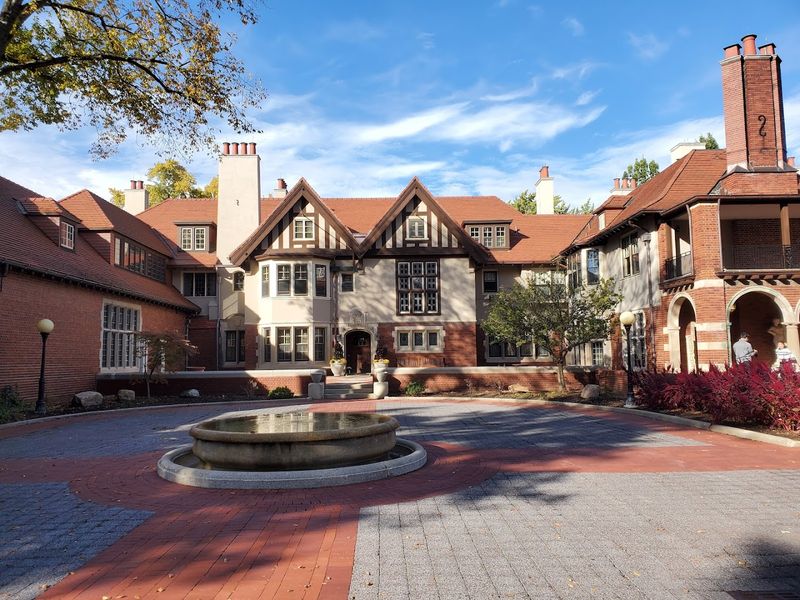
Snow resets the entire composition, muting color while amplifying silhouette and proportion. The house reads like a line drawing, and footpaths carve crisp geometry across lawns. You hear the smallest things the tick of pine needles, the soft report of boots on gravel.
Breath fog curls and disappears above the lake, making the distance feel theatrical. Plan for shorter visits in extreme cold, since benches lose their charm quickly. Fountains and some statues wear protective coverings, concentrating attention on architecture and sky.
Watch for ice along shaded slopes, and give yourself extra time to loop back toward parking before dusk. Bring traction cleats if forecast calls for flurries, and tuck warm gloves inside your coat pockets to keep fingers happy.
Inside The House, Stories In Wood
House tours, offered seasonally, move room to room with docents who know the corners where light catches best. Carved ceilings, patterned floors, and dignified fireplaces illustrate the Arts and Crafts devotion to handwork and honest materials.
Rooms feel used, not staged, which keeps grandeur human scale. Wall textures shift from paneled oak to plaster reliefs, guiding your eye like a gentle tour. I pay attention to how woodwork meets doorframes, where chisels left minute irregularities that prove a hand once paused there.
Ask questions about maintenance schedules and preservation choices to understand why shine is tempered by restraint. Tour capacity is limited, so arrive early for your timed slot or book ahead online. Photography inside is restricted, so pocket phones.
Photographing With Care And Permits
The campus looks cinematic in every season, which tempts ambitious photo plans. Personal snapshots are easy, but professional sessions require advance permits and adherence to approved time slots. Expect guardrails on prop use, staging near delicate plantings, and vehicle access.
The permit office posts guidelines on the website, so read carefully before choosing outfits. Scout locations on a casual walk first, noting sun angles around the Sunken Garden and terraces. Early or late windows provide softer light and fewer visitors to navigate around.
Keep gear minimal, stay off grass when it is wet, and follow staff instructions with calm professionalism. If it rains, covered porches offer shelter and handsome backdrops without risking footprints across fragile beds or slippery stone steps.
Benches, Shade, And The Art Of Loitering

Hidden seating appears just when energy dips, tucked along hedges, beneath maples, and beside modest pools. The campus encourages lingering without spectacle, letting small observations collect. Birds machine tiny rhythms in the canopy while chipmunks dart through hosta borders.
Choose a bench with partial shade if staying long, and rotate occasionally to relieve knees. Keep snacks tidy and pack out wrappers, since maintenance depends on volunteers. When conversation fades, notice wind patterning the lake, and the way sunlight knits bricks into a cohesive, satisfying whole.
If you meditate, set a quiet timer and let the ambient campus sounds become your guide for gentle, restorative breathing between occasional footsteps.
Planning Basics For A Smooth Visit
Hours generally run 8 am to 5 pm daily for the grounds, with house tours offered May through October. Check the official website for closures, special events, and ticketing details. Parking is free, and pathways connect easily to the Cranbrook Art Museum and other campus landmarks.
Remember that museums and schools share the campus, so drive slowly and follow signage. Wear comfortable shoes for uneven stone and bring water, especially on warm days. The grounds are free for self guided walks, though professional photography needs permits and time windows.
Families, solo wanderers, and architecture fans all find space to breathe here, which keeps the experience welcoming and relaxed. Accessibility information is posted online, including parking options near gentler grades too.