
This Beautiful Ohio Park Comes With A Secret Waterfall And A Surprising Past
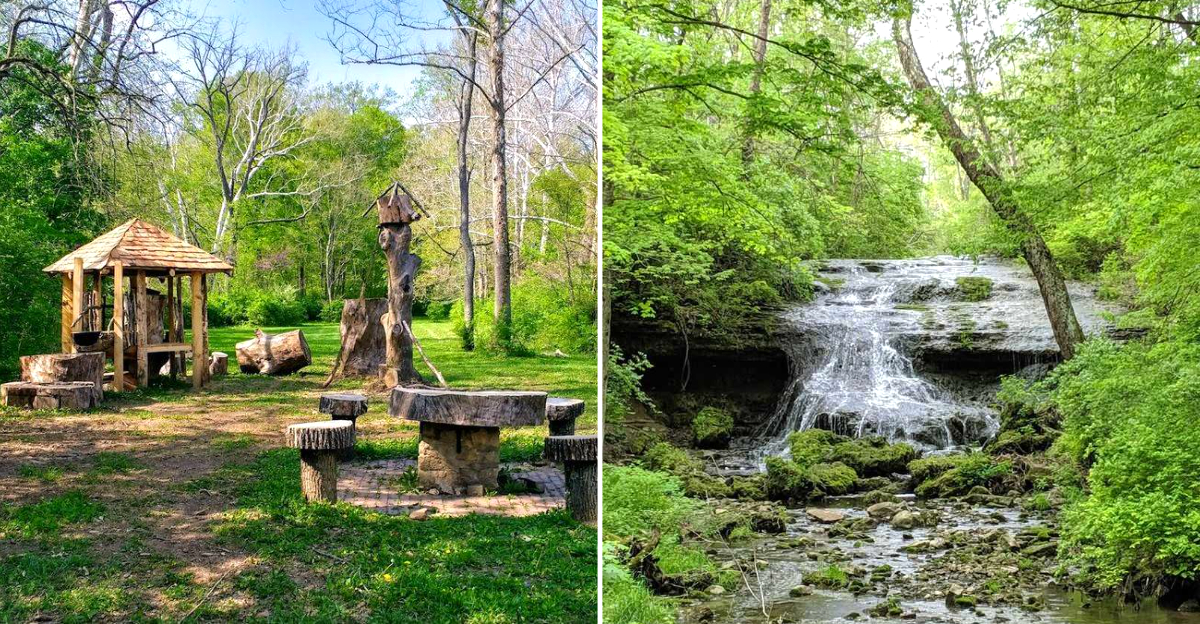
Ohio has some parks that offer a little bit of everything, but this one feels especially surprising. It holds a remarkable amount of history in one easy-to-reach place, and it also has a tucked-away waterfall that many people pass without ever realizing it is there.
What makes it stand out is how much shares the same space. You have traces of the past, reconstructed village sites, shaded trails, a quiet lake, and a waterfall, all within one park.
It is the kind of place that starts as a simple outing and quickly turns into something far more memorable.
A Park With Layers You Never Expected
Some parks seem straightforward at first, and then a place like this comes along and completely changes the script. George Rogers Clark Park is the kind of spot that starts as a simple outdoor stop and then keeps revealing one interesting layer after another, from historical landmarks to wooded trails and quiet water.
What makes it so memorable is how much is gathered into one place without the park ever feeling overpacked or chaotic.
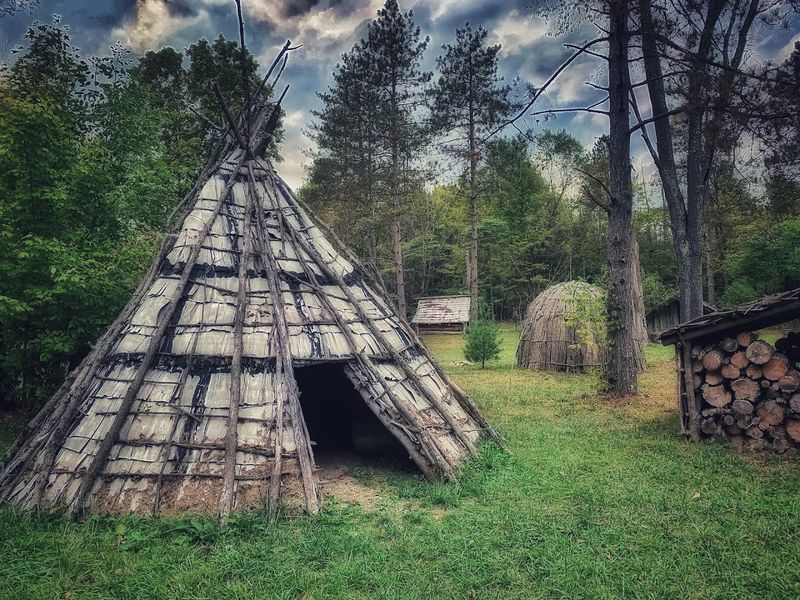
You can explore a battlefield site, walk through a reconstructed frontier fort and a Woodland Indian Village, spend time near the lake, and head out on trails that move through fields and forest, all in the same visit and all without paying an entrance fee.
I like that it does not make a big show of itself. The setting feels modest at first glance, but once you start moving through it, the range of things to see becomes genuinely impressive.
That mix of history, scenery, and easy access is a big part of why so many visitors end up loving it.
It also helps that the practical details are easy to work with. The park is open daily from 8 AM until dark, and everything about it invites you to slow down and stay a little longer than you expected.
You will find it at 930 S Tecumseh Rd, Springfield, OH 45506.
The History Behind The Name
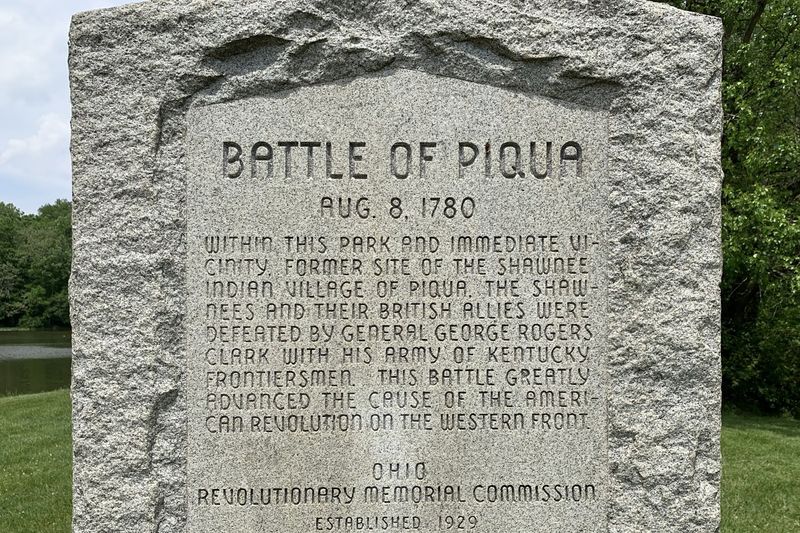
George Rogers Clark was one of the most effective military leaders on the western frontier during the American Revolution, and the land this park sits on is directly tied to his campaigns against British-allied forces in the Ohio Valley during the late 1700s.
Beyond Clark himself, the park also sits on ground connected to the Shawnee nation, one of the most powerful Native American groups in the region at the time.
The famous Shawnee leader Tecumseh is believed to have been born near this very area, which gives the park a layered significance that goes far beyond a typical green space.
The site of the Battle of Piqua, a major 1780 confrontation between American forces and the Shawnee, is commemorated within the park boundaries. Plaques and permanent installations help bring that history to life without requiring you to read a textbook first.
Ohio history does not get much more tangible than this.
The Secret Waterfall Worth The Hike
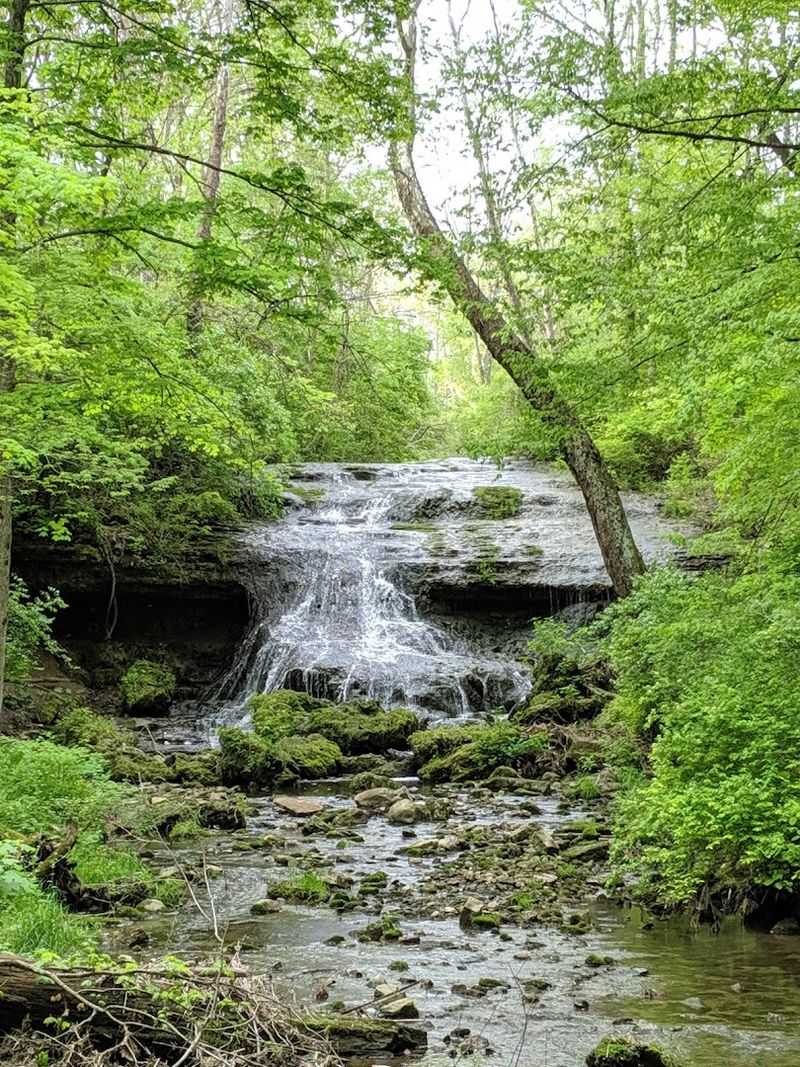
Somewhere along the trail system, past a stretch of shaded path and over a small bridge, a waterfall appears that most visitors never even know is there. It is not enormous, but it is exactly the kind of discovery that makes a hike feel worthwhile.
The waterfall sits just above Hosterman Lake, and the sound of the water moving over the rocks creates a calm that is hard to find anywhere near a city. I stood on the old bridge downstream and just listened for a few minutes, which felt like the right thing to do.
Getting close requires a bit of effort since the viewing area from the bridge puts you roughly 80 yards downstream. Some visitors clearly venture off the main path through the brush for a closer look, and I completely understand the temptation.
Bring good shoes, take your time on the trail, and let the waterfall be the reward at the end of your walk.
Hosterman Lake And The Fishing Scene
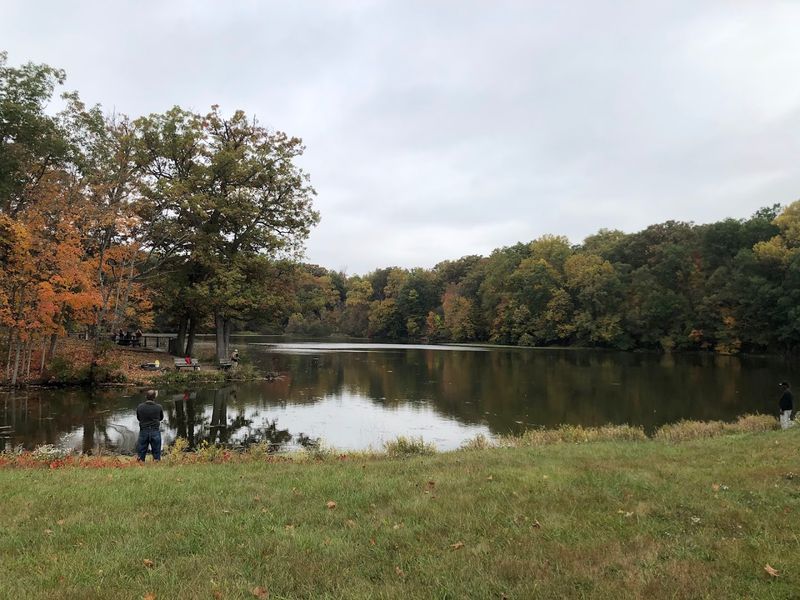
Hosterman Lake is one of those spots where time seems to slow down on its own. The water is calm, the trees lean in close around the edges, and the whole scene has a quiet, unhurried quality that feels genuinely restorative.
Fishing is a popular activity here, and the lake has multiple access points that make it easy to find a comfortable spot along the bank. Bass fishing is catch-and-release only, which keeps the population healthy and gives every angler a fair shot.
I watched a few people set up near the water with folding chairs and coolers, clearly in no rush to leave.
Kayaking is also allowed on the lake, and a few visitors mentioned using it as a way to unwind after a stressful week. The combination of still water, surrounding trees, and the distant sound of the waterfall upstream makes this corner of the park feel like a small world entirely its own.
Ohio has plenty of lakes, but this one has character.
The Woodland Indian Village
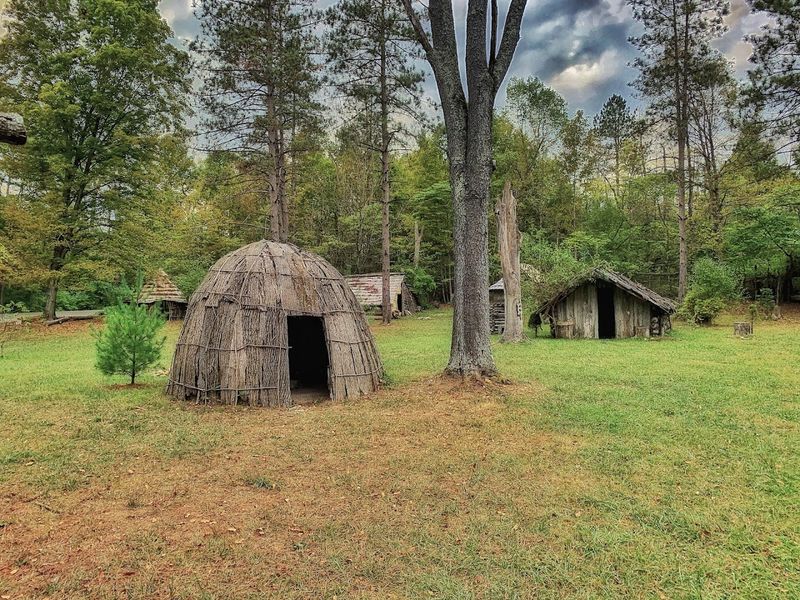
One of the most genuinely surprising features of the park is the reconstructed Woodland Indian Village, which brings the daily life of the Shawnee people into focus in a way that photographs and textbooks simply cannot match.
The village includes several different structure types that reflect how the Shawnee actually lived and organized their communities. Walking through the reconstructed buildings gives you a real sense of scale and craftsmanship that I did not expect from a free county park.
My first reaction was honest surprise at how much thought and detail went into the construction.
Families with kids tend to spend a lot of time here, and it is easy to see why. The village makes history feel hands-on and approachable rather than distant and abstract.
Informational signs around the site add context without overwhelming you, and the whole experience works well for visitors of all ages. This is the kind of outdoor education that sticks with you long after you leave.
The Frontier Fort And Historic Structures
Beyond the Native American village, the park also features reconstructed frontier and colonial-era structures that represent the other side of the history embedded in this land. A reconstructed fort gives visitors a tangible sense of what early American settlers built when they established themselves in this region during the 18th century.
Exploring the fort feels genuinely different from reading about it. The scale of the log walls, the layout of the interior spaces, and the overall construction style all communicate something that a paragraph in a history book never quite manages.
I found myself spending more time inside than I planned, which is usually a good sign.
Permanent plaques and historical markers throughout the park add context to each structure and site, creating a kind of self-guided history tour that you can follow at your own pace.
The combination of the fort, the village, and the battle site makes the park feel less like a recreation area and more like an outdoor living history museum that also happens to have excellent trails.
Fair At New Boston: The Annual Event Worth Planning Around
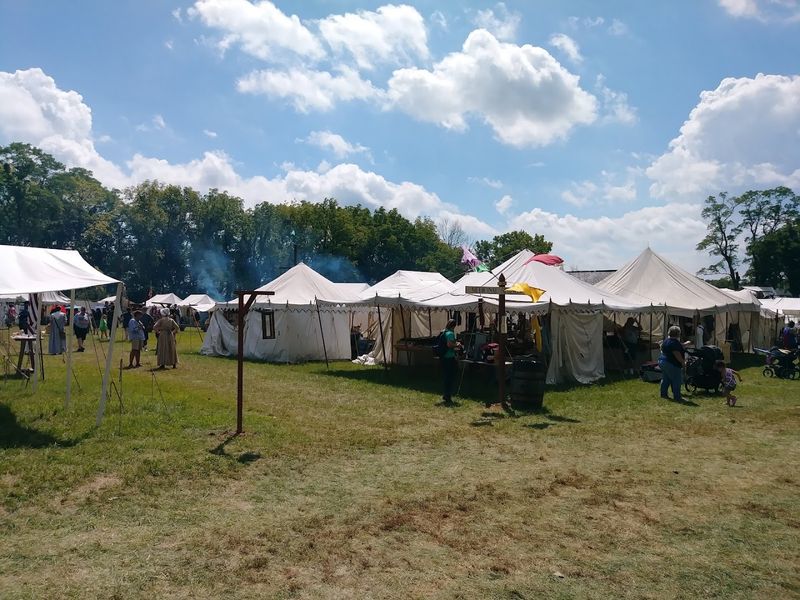
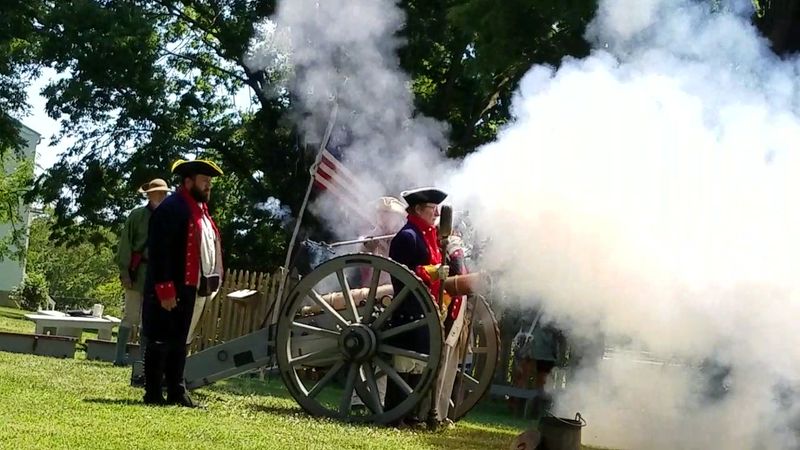
Every Labor Day weekend, the park transforms into something genuinely theatrical. The Fair at New Boston is an annual living history event that draws visitors from across the region for battle reenactments, cannon demonstrations, period food vendors, and the chance to walk through a fully inhabited historical encampment.
Costumed reenactors set up throughout the grounds and are happy to talk with visitors about the period, the people, and the events that shaped this corner of Ohio.
The whole atmosphere is relaxed and family-friendly, with enough happening at any given moment to keep kids entertained and adults genuinely interested.
There is an entrance fee for the event, which helps fund the educational displays and programming that make it possible. Food vendors offer a solid variety of options, so you can make a full day of it without needing to leave and come back.
The event was originally organized to educate the public about local history at the park, and based on the energy I saw, that mission is very much alive and well.
Wildflowers, Seasons, And The Best Time To Visit
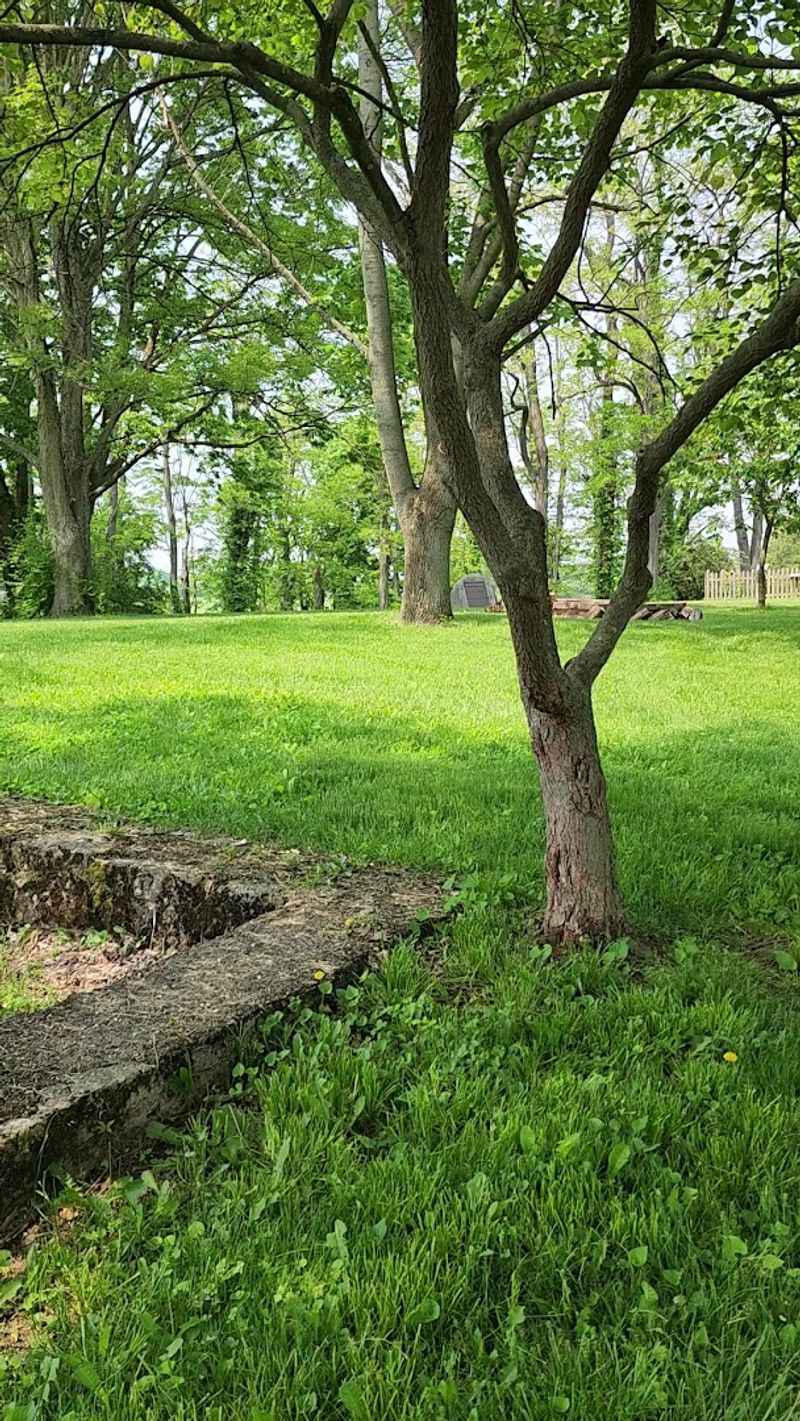
Spring and early summer bring out a side of this park that feels almost like a different place entirely. The trails fill with wildflowers, the trees leaf out into full green canopy, and the whole landscape takes on a richness that makes even a short walk feel like a proper adventure.
June is widely considered one of the best months to visit for wildflower viewing, with blooms appearing along the trail edges and in the open field sections of the park.
Fall runs a close second, when the tree canopy shifts into warm reds and oranges and the light through the woods takes on that particular quality that makes Ohio autumns so easy to love.
The park is open daily from 8 AM until dark, giving you a generous stretch of daylight to work with through the seasons.
Plan to arrive early on weekends to beat the crowds near the waterfall trail.
Picnic Spots, Playgrounds, And Family-Friendly Features
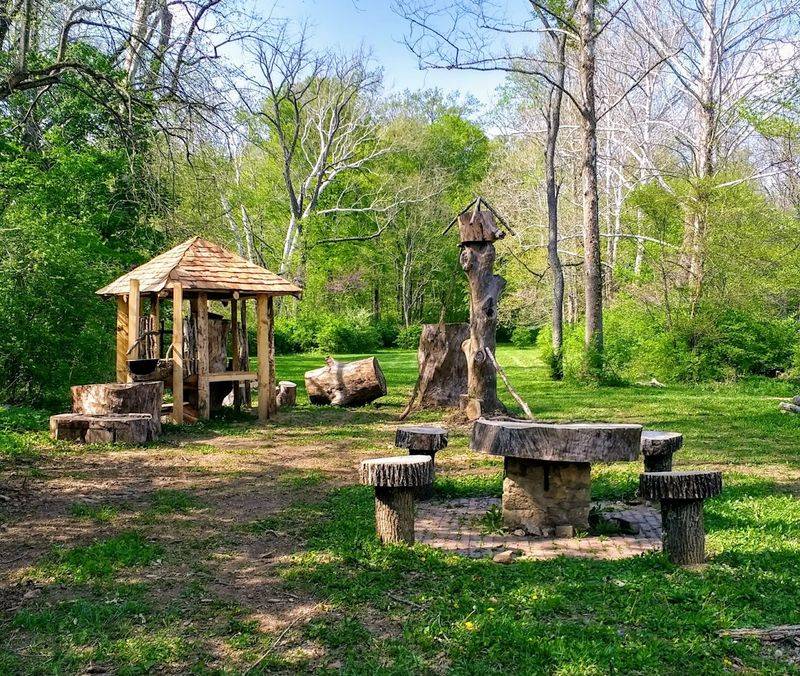
Families with young children will find plenty of reasons to linger here beyond the trails and history. The park has covered picnic shelters scattered throughout the grounds, giving groups a comfortable spot to eat without worrying about sun or unexpected afternoon showers.
The Rookery Romp play area adds another layer of appeal for younger visitors, with a nature-themed design that fits the overall character of the park rather than feeling out of place.
I spotted families using the picnic areas as a home base while different members of the group split off for hikes, fishing, or exploring the village structures.
The park is free to enter, which makes it an easy choice for families looking for a full-day outing without a significant cost. The combination of educational history, outdoor activities, shaded trails, and open picnic space gives everyone in the group something to look forward to.
Few places in Ohio pack this much into a single free visit, and that remains one of the most compelling reasons to make the trip.