
This Beautiful Ohio River Town Is Full Of French History And Picturesque Views You Won’t Believe
Along the banks of the Ohio River, one small town manages to feel like a discovery waiting in plain sight. It has cobblestone echoes of French settlers, sweeping river views that make you stop mid-step, and a downtown that feels like someone preserved a piece of the 1800s just for you to find.
Ohio has plenty of beautiful corners, but this one hits differently. From its fascinating colonial backstory to its peaceful riverfront parks, every block of this town tells a story worth hearing.
What comes next might be all the encouragement you need to pack a bag and head southeast.
A French Dream on the Ohio River: The Town of Gallipolis
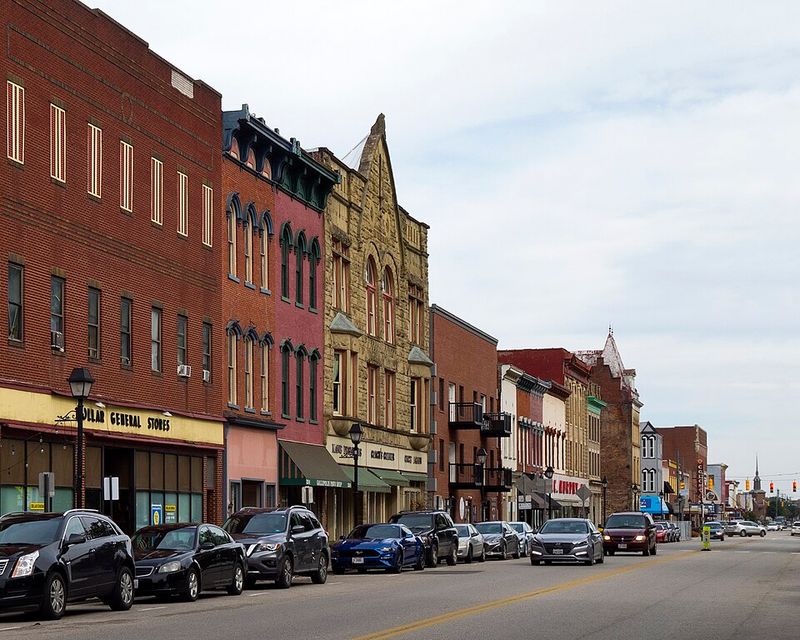
Back in 1790, a group of French immigrants arrived in what is now southeastern Ohio with grand hopes and absolutely zero idea what frontier life actually looked like. They had been sold land by a company that, to put it gently, oversold the amenities.
What they found instead was dense wilderness and hard soil, yet they stayed, built, and eventually created one of the most historically rich small towns in the entire state.
That town is Gallipolis, Ohio, the county seat of Gallia County, sitting right along the Ohio River in southeastern Ohio about 58 miles northwest of Charleston, West Virginia.
The name itself combines the Latin word “Galli” with the Greek word “polis,” a nod to those original French settlers who refused to give up. With a population of just over 3,300 people, this is a town where history is not locked behind museum glass.
You can feel it in the streets, the architecture, and the river air.
The Riverfront That Stops You in Your Tracks
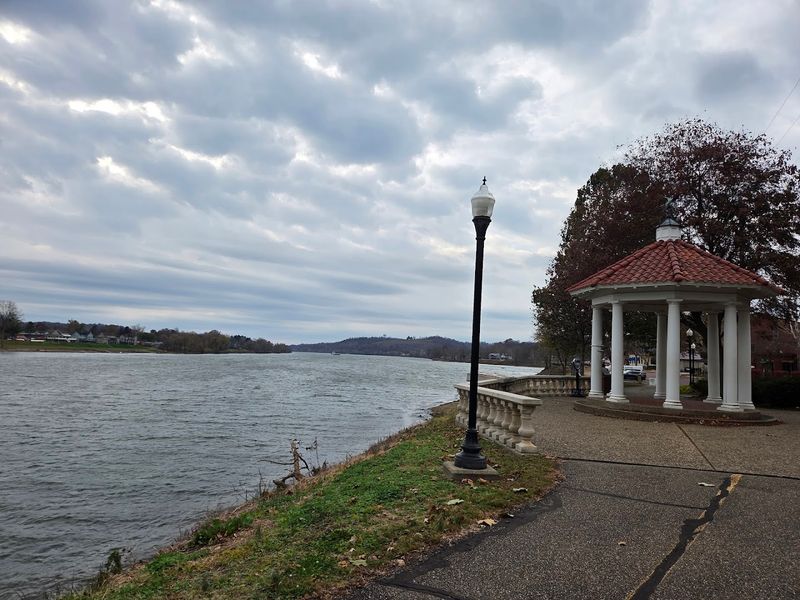
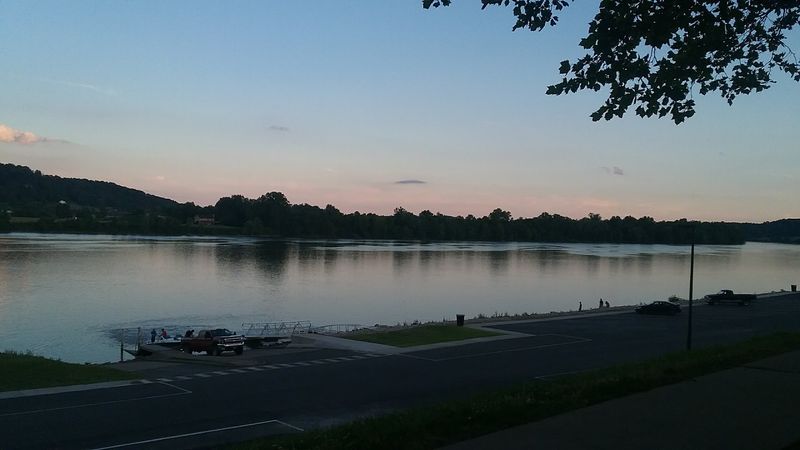
Few things in Ohio prepare you for the first time you see the Ohio River from the Gallipolis riverfront. The water is wide, slow, and almost mirror-like on calm mornings, and the view stretches so far into the distance that you start to understand why those French settlers chose this particular spot.
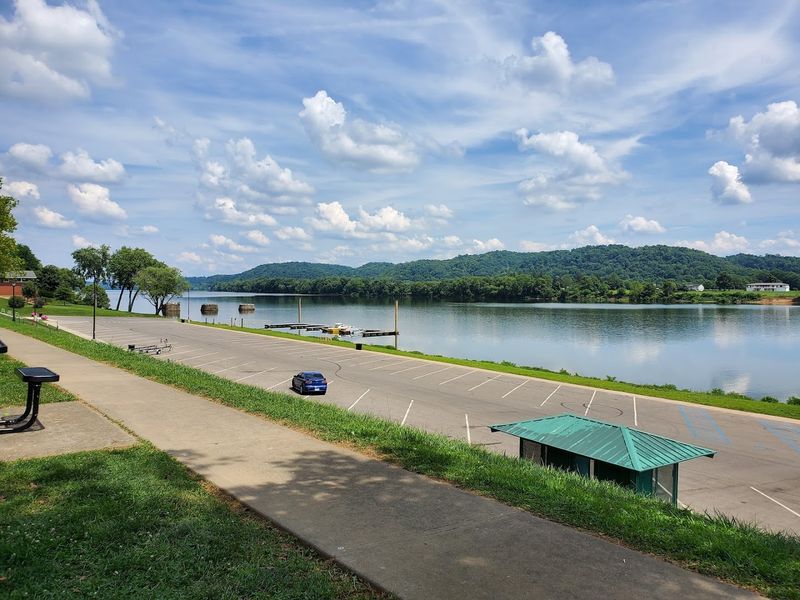
The riverfront area runs right along the water and gives visitors a long, open stretch with benches, sky, and sweeping views of the river and the West Virginia hills beyond it. It is the kind of place where you sit down for five minutes and somehow end up staying for two hours.
Visitors should know that the riverfront is currently in the middle of a major improvement project, with construction and upgrades underway. Even so, it remains one of the prettiest spots in the region, and the city’s plans include new overlooks, seating, and improved accessibility along the water.
The riverfront is still a major draw and one of the most scenic parts of Gallipolis.
Our House Museum and the Forgotten French 500
The story of the French 500 is one of the more fascinating and bittersweet chapters in Ohio history. In the late 1700s, a land speculation company called the Scioto Company sold plots of land in Ohio to French citizens, many of whom were fleeing political instability back home.
The problem was that the company did not actually own the land it was selling.
When the settlers arrived and realized the situation, the U.S. Congress stepped in and granted them land in what became Gallipolis, but the hardship they endured was real and lasting.
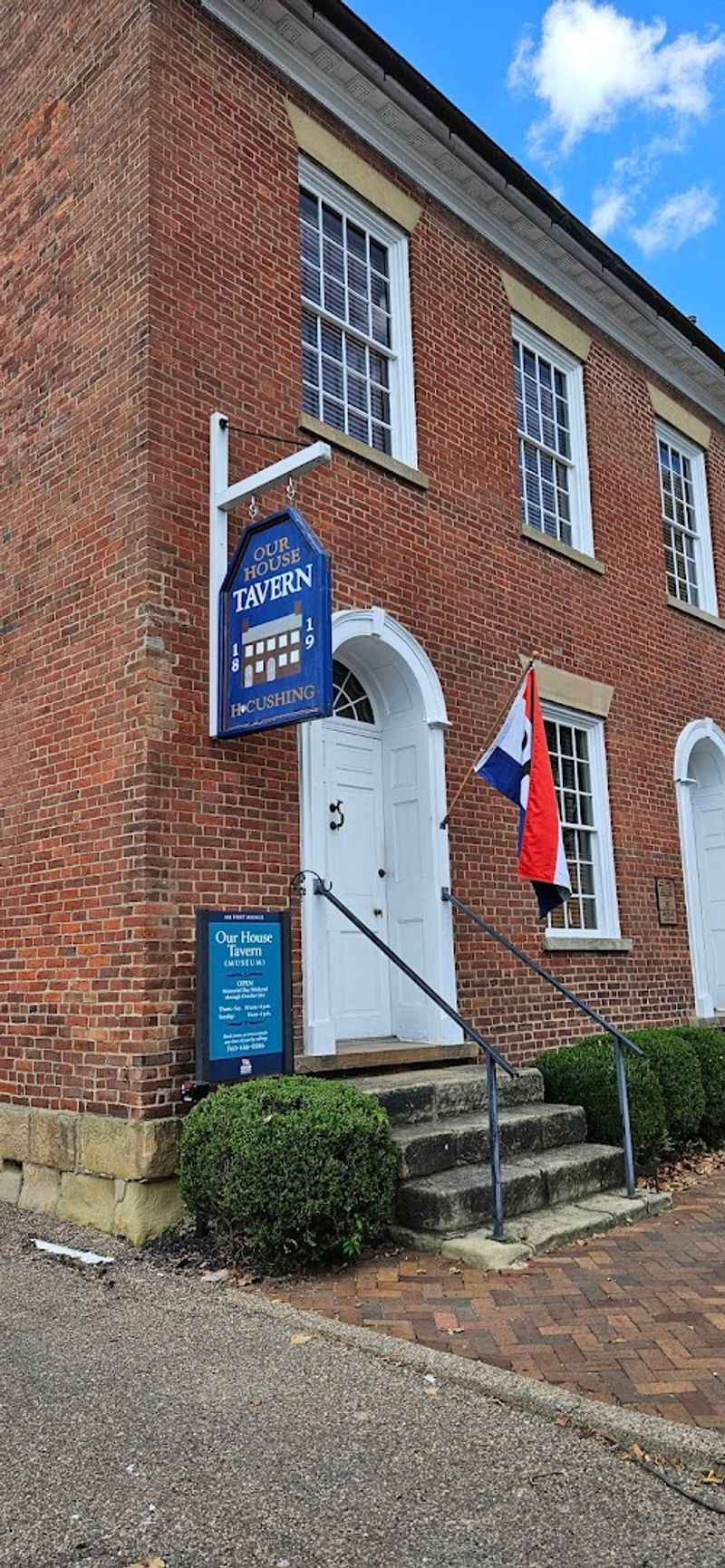
Our House Museum, a beautifully preserved tavern built in 1819, tells this story with warmth and detail.
The museum is operated by the Ohio History Connection and sits right in the heart of town. Inside, period furniture, artifacts, and well-researched exhibits bring the early 1800s to life in a way that feels personal rather than textbook-dry.
The building itself is impressive, a sturdy Federal-style structure that has survived two centuries and still has plenty to say. It is one of those stops that makes history feel genuinely human.
City Park: The Green Heart of Gallipolis
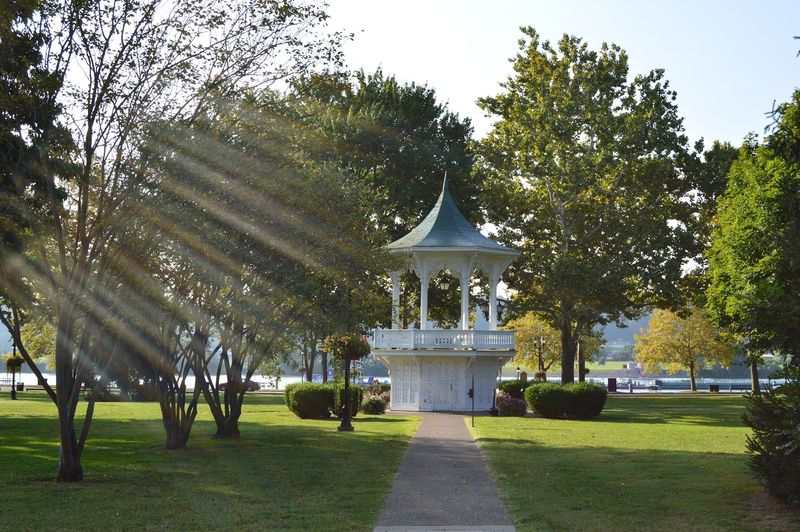
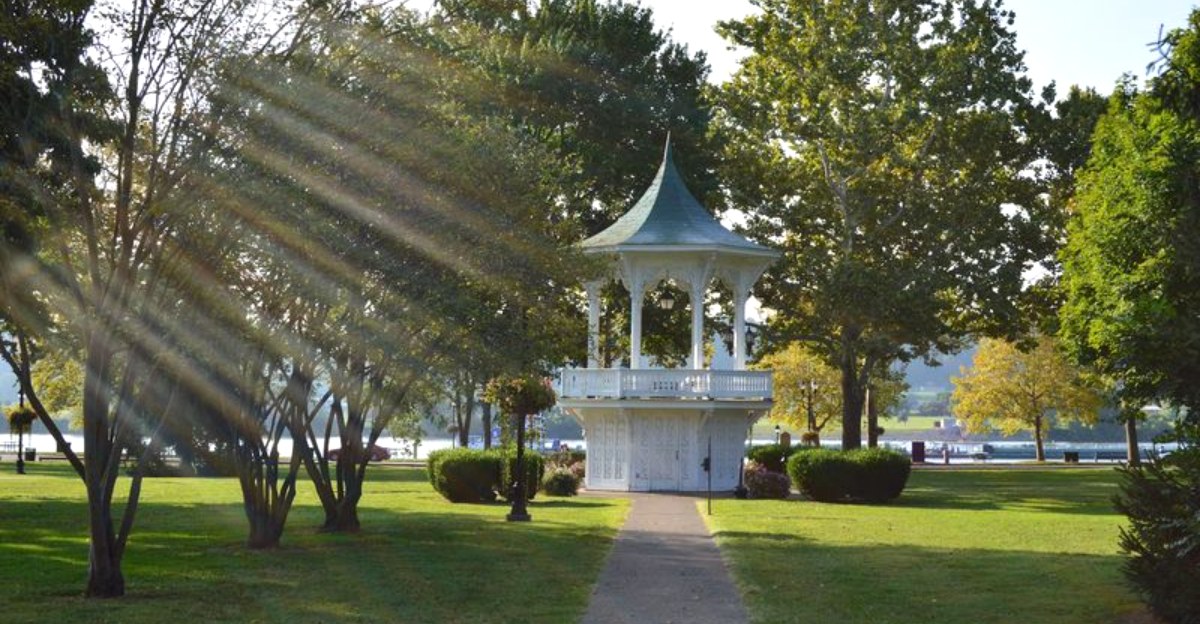
Right in the center of town sits Gallipolis City Park, one of those old-fashioned public squares that American towns used to build with real civic pride. Massive trees shade the pathways, a classic bandstand anchors the middle, and the whole place has a quiet, unhurried energy that is genuinely hard to find in modern life.
The park has been a gathering spot for the community for well over a century, and you can feel that long history just by sitting on one of the wooden benches and watching the town move around you.
Local events, concerts, and seasonal festivals regularly take over the space, giving it a lively social dimension beyond its everyday calm.
What makes this park especially appealing is how it connects to the surrounding historic streetscape. The buildings that frame it are old and well-kept, so the park does not feel like an isolated green patch but rather like the living room of a neighborhood that still cares about its past.
For first-time visitors, spending time here is honestly one of the best ways to get a feel for what Gallipolis is all about.
Bob Evans Farm and the Roots of a Beloved Brand
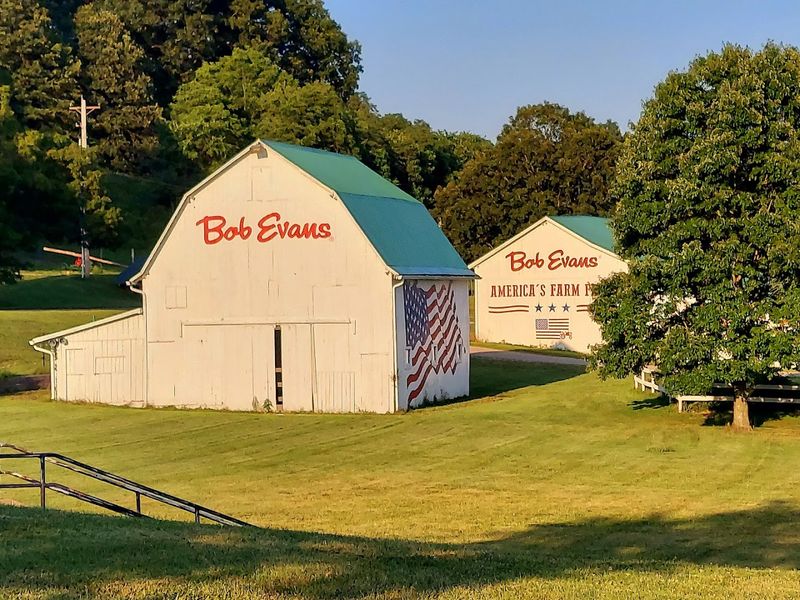
Just a short drive from Gallipolis sits a piece of American food history that most people connect to a breakfast plate rather than a specific place. Bob Evans Farm in nearby Rio Grande, Ohio, is where the iconic restaurant chain was born, and the connection to the Gallipolis area adds an unexpected layer to the region’s identity.
Bob Evans himself started out as a farmer who wanted to serve good, honest country food, and the farm where he did it has been preserved as a heritage site and event venue.
The Homestead festival held there each October draws visitors from across the region for crafts, music, and farm-to-table food in a genuinely scenic rural setting.
The landscape around Rio Grande and the surrounding Gallia County countryside is stunning in its own right, with rolling hills, farmland, and small creeks cutting through the terrain. Pairing a trip to Gallipolis with a visit to this area gives you a broader sense of what southeastern Ohio looks and feels like beyond the riverfront.
It is a satisfying add-on that rounds out the experience beautifully.
The Charm of Small-Town Festivals and Community Life
Small towns reveal their true personality through their festivals, and Gallipolis has a good roster. The French Art Colony has long supported the creative culture of the town, and its influence shows up in local events, gallery shows, and community programming throughout the year.
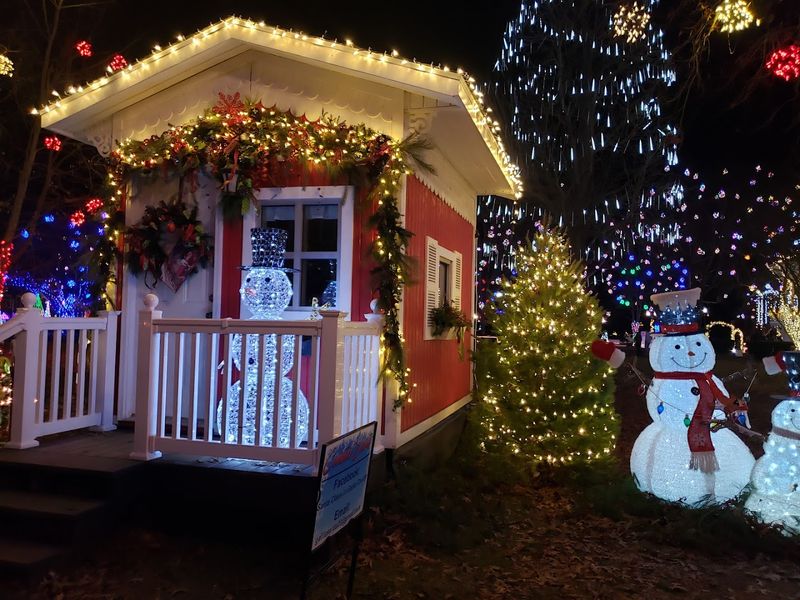
The Gallipolis in Lights event during the holiday season transforms the riverfront and City Park into a walkable winter display that draws visitors from surrounding counties.
It has become one of those annual traditions that locals genuinely look forward to and out-of-towners are pleasantly surprised by when they stumble onto it.
City Park also hosts a steady stream of community gatherings and seasonal events that give the town a lively, neighborly energy. What ties all of these events together is the sense that this is a community that still shows up for itself.
There is no irony or performance to it. People here genuinely enjoy gathering, and that warmth is contagious for anyone visiting from a bigger, faster-paced place.
The French Art Colony: Where Creativity Has Deep Roots
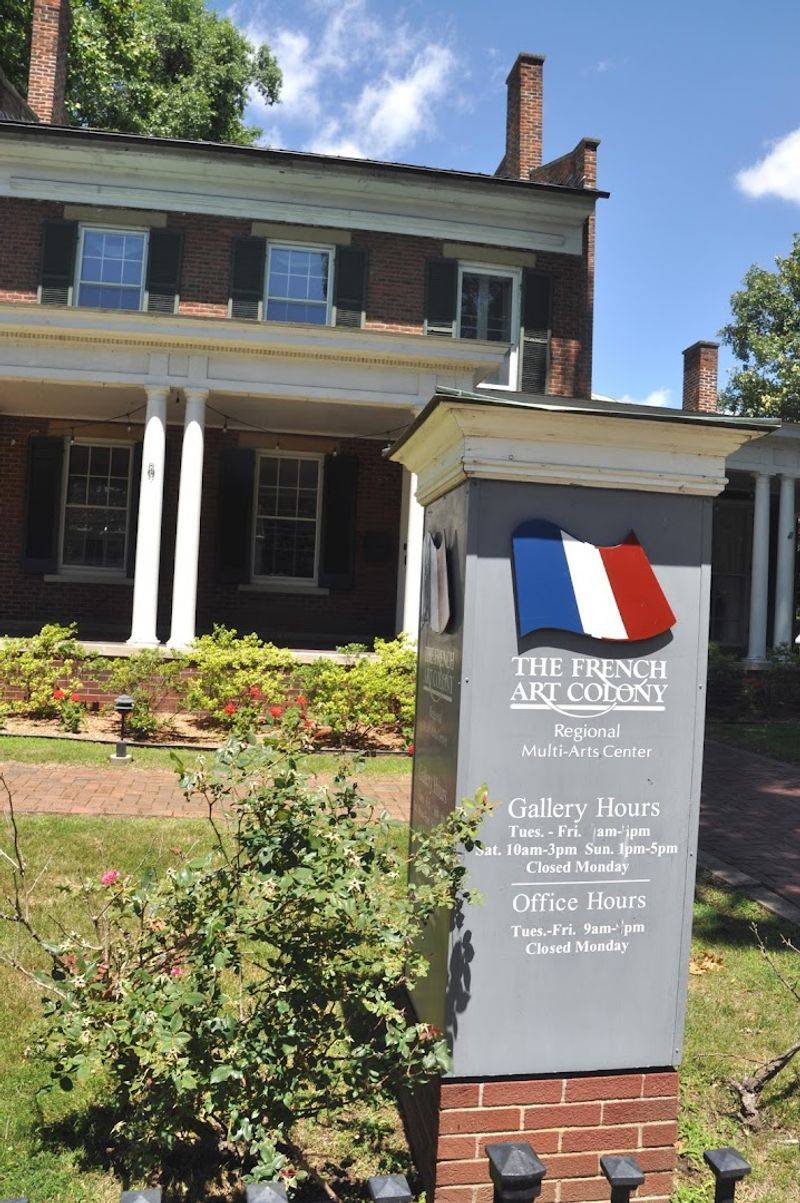
For more than 50 years, the French Art Colony has been one of those institutions that quietly shapes an entire community’s identity without making a lot of noise about it. It operates as a nonprofit arts center offering classes, workshops, exhibitions, and gallery shows, and it has been doing so continuously for decades.
The name is a direct nod to the town’s French heritage, and the organization leans into that connection with genuine pride. The gallery space rotates exhibitions regularly, featuring both local artists and regional talent, and the programming is designed to be accessible to people of all ages and experience levels.
What I found most appealing about the French Art Colony is that it does not feel like a stuffy institution. The energy is welcoming and curious, the kind of place where a teenager taking a pottery class might be working in the studio next to a retired teacher who has been painting for forty years.
That mix of people and purposes gives the space a vitality that purely commercial galleries rarely manage to replicate. It is a genuinely special place.
Wildlife and Natural Beauty Along the River Corridor
The area around Gallipolis is not just historically interesting. It is also surrounded by some genuinely beautiful natural terrain that outdoor enthusiasts will appreciate.
The Ohio River corridor through this part of the state offers excellent birdwatching, with herons, eagles, and migratory waterfowl making regular appearances depending on the season.
Gallia County as a whole has a rugged, forested character that feels worlds away from the flat agricultural plains of central Ohio. The hills roll and drop unexpectedly, creeks run through wooded hollows, and the overall landscape has a wild, untouched quality that is easy to love.
Fishing along the Ohio River is a popular local activity, and the riverfront area provides easy access for those who want to cast a line without a major expedition.
The combination of river access, forested hills, and open sky makes the natural setting around Gallipolis a strong draw for visitors who want to balance sightseeing with time spent outdoors.
Nature here does not compete with the history. The two coexist in a way that feels entirely natural and deeply satisfying.
Why Gallipolis Deserves a Spot on Your Ohio Road Trip
Road trips through Ohio tend to follow the same well-worn routes, and Gallipolis almost never makes the shortlist. That is a mistake worth correcting.
The town offers a combination of genuine history, natural beauty, small-town warmth, and riverside scenery that is surprisingly hard to find all in one place.
The drive into Gallipolis from almost any direction is scenic, especially coming from the north through Gallia County where the hills start to rise and the landscape shifts into something more dramatic. Arriving at the river and seeing the town laid out along its bank is a moment that rewards the journey.
Practical note: the town is small, so a single day is enough to hit the main highlights, but an overnight stay lets you catch the riverfront at different times of day, which is worth it.
The sunsets over the Ohio River from the park are the kind of thing you photograph and then realize no photo actually does it justice.
Gallipolis is one of those places that earns its way into your memory quietly, without fanfare, and stays there.