
This Beloved Minnesota Factory Has A Forgotten History That Deserves To Be Told
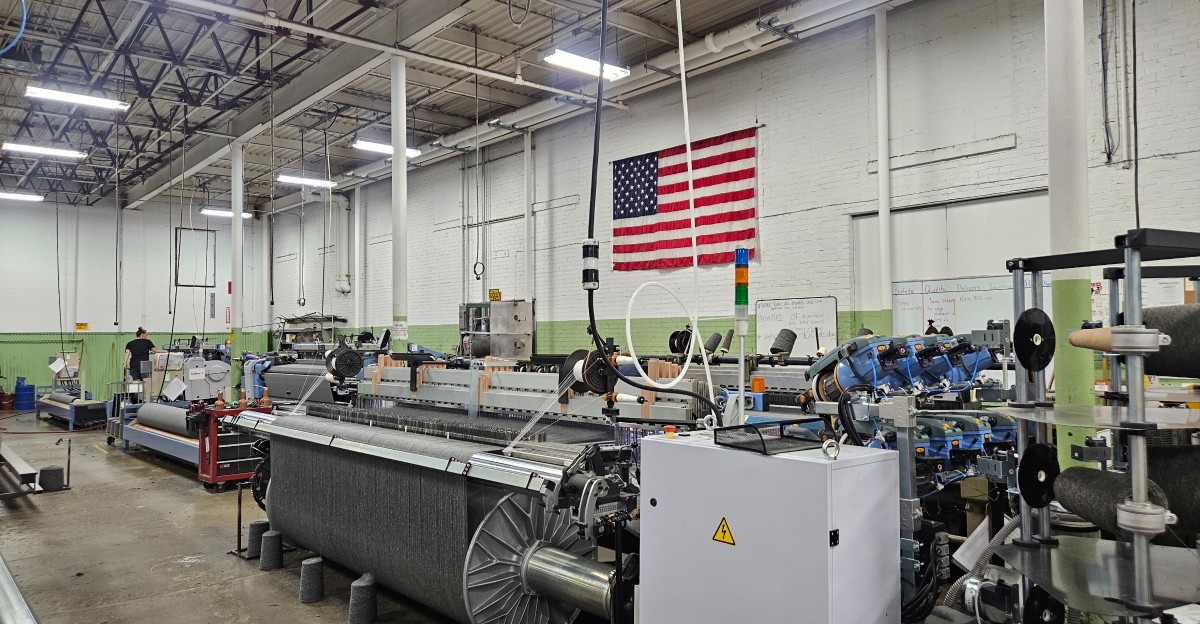
Back in 1917, one small-town Minnesota mill was busy making wool blankets for American troops. That’s a lot of cozy for one riverside factory to crank out.
This mill has been turning raw wool into warm blankets since the days when horses powered the machinery. It eventually became a major name in American blanket production, before closing its doors in 2009.
Two cousins brought it back to life just two years later, giving this old-school operation a second chance.
What gets me is that you can still watch raw wool turn into finished blankets under one roof. It’s a little history lesson, a peek at traditional craftsmanship, and a pretty good excuse to browse for a new throw.
It All Started With A Horse Doing The Heavy Lifting
Faribault Woolen Mill traces its roots to 1865, right after the Civil War ended. A German immigrant named Carl H.
Klemer opened a small wool carding factory in southern Minnesota.
The power source was a horse. No electricity, no fancy motors, just a hardworking animal keeping the machinery moving.
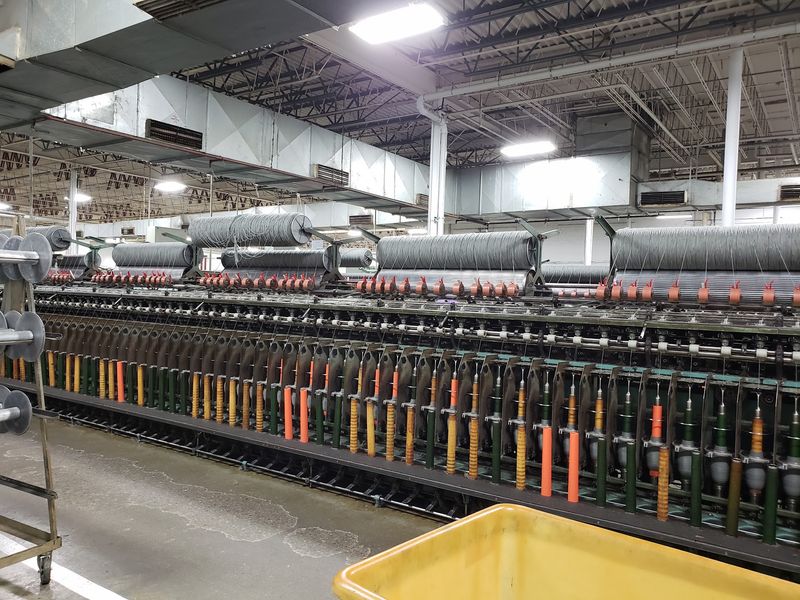
Carding is the step where wool fibers get combed and lined up. Klemer turned local farmers’ wool into batting, which people used for stuffing quilts and keeping warm.
That might sound like a humble start. It was, and that’s what makes it fun to think about today.
By 1872, the business was making cloth, flannel, and wool blankets too. Growth like that in a young frontier town took real grit and smart planning.
I like how the whole company grew from such a practical need. Families needed warmth, and sheep farmers needed a place to bring their wool.
Today the business goes by Faribault Mill, though plenty of folks still call it by its older name. Either way, the horse deserves a little credit for getting things started.
Next time you wrap up in a wool throw, give a quiet nod to that four-legged founder. It earned it.
The River Move That Changed Everything
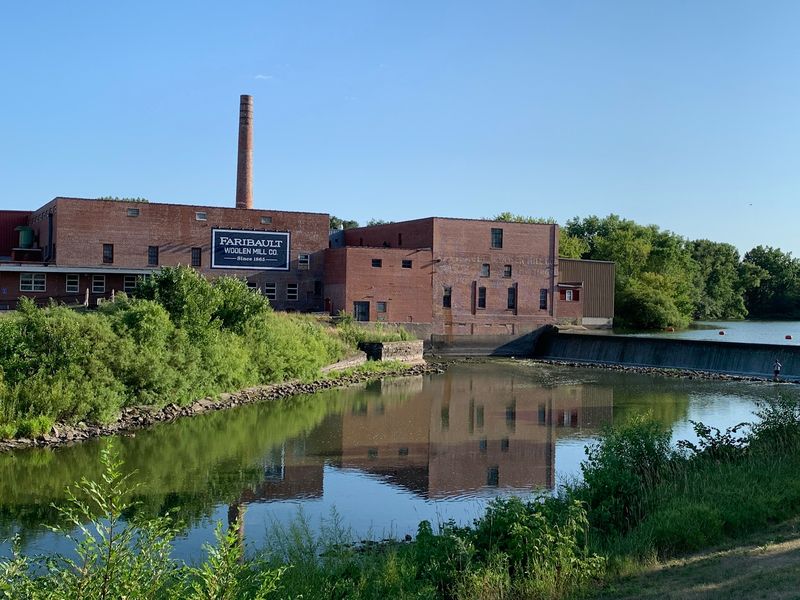
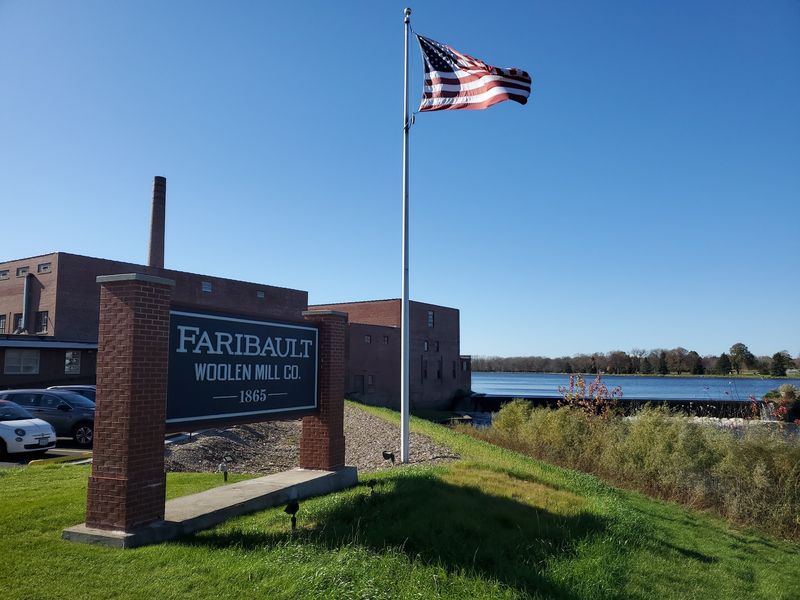
In 1892, the mill packed up and moved to a brand-new home. The spot sat right on the Cannon River, and that location was no accident.
Water meant power. The company built a fireproof brick building and used hydropower to run its operations.
Fireproof was a big deal back then. Wool mills handled tons of fiber, and older wooden buildings could be risky places to work.
That brick building still stands at 1500 2nd Avenue NW, Faribault, MN 55021. It’s the same address you’d plug into your map today.
Think about that for a second. The mill has called this riverside spot home for well over a century.
In 2012, the building landed on the National Register of Historic Places. It earned that honor for its importance to Minnesota industry, which is a pretty fancy badge for a blanket factory.
I believe buildings like this hold a town’s memories inside their walls. Generations of workers clocked in here, learned skills, and passed them along.
So when you pull into the parking lot, look up at those walls. They’ve seen more history than most textbooks cover.
Those Blankets Went Off To Serve The Country
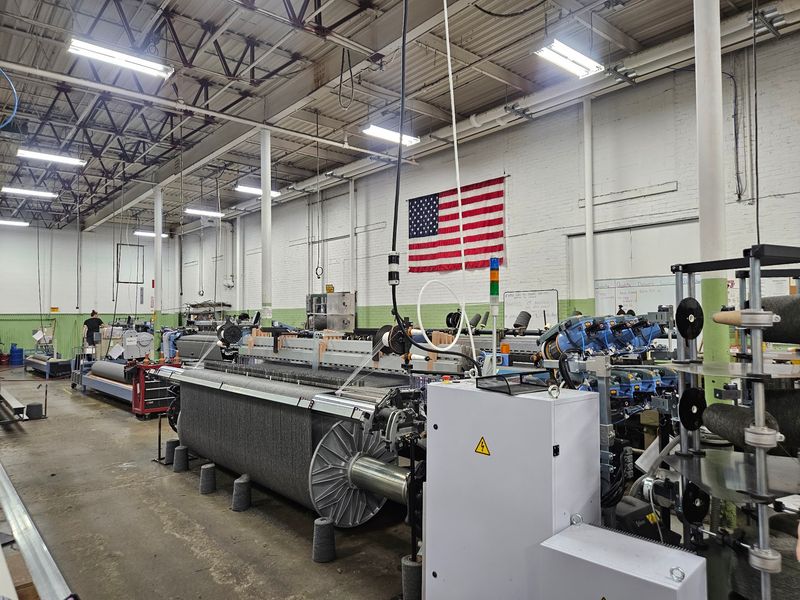
A hundred thousand blankets. That’s how many Faribault Woolen Mill supplied to U.S. troops in 1917 during World War I.
Picture the sheer amount of wool that took. Workers in a Minnesota river town were helping keep soldiers warm across an ocean.
The mill stepped up again from 1941 to 1945. During those years it produced army blankets and sleeping bags for the national effort.
Wool was perfect for the job. It stays warm even when damp, and it holds up to rough use.
Those orders weren’t small favors. They showed that a hometown factory could meet huge national needs on a tight schedule.
I can’t imagine the pressure those workers felt. Every blanket off the loom had somewhere important to go.
This chapter often gets skipped when people talk about cozy throws and pretty plaids. Yet it’s a big part of why the mill earned so much respect.
Military connections remain part of the mill’s reputation today. It’s a reminder that comfort and duty sometimes travel in the same package.
Not bad for a company that started with a single horse, right?
Your Grandma Probably Bought One At The Department Store
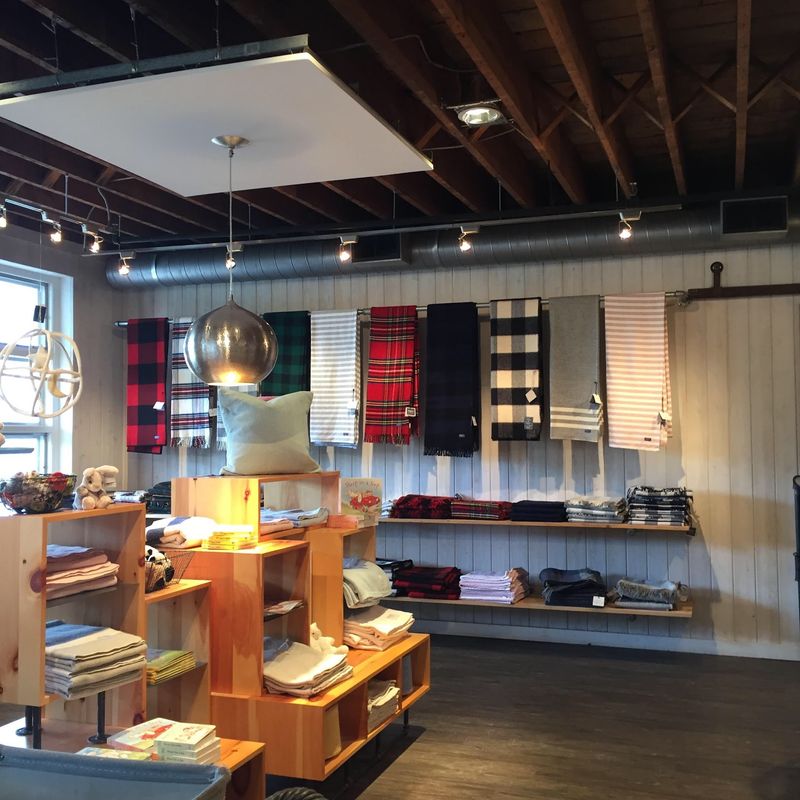
By 1937, the mill had gone big time. Its blankets were sold in nearly every major department store across the country.
That’s serious reach for a company based in a small Minnesota city. Shoppers from coast to coast were tucking Faribault wool into their linen closets.
The 1950s were a true golden era.
The company kept innovating too. In 1956, it introduced wool blankets with permanent moth-proofing, which was great news for anyone tired of finding holes.
Then the 1960s brought “Carefree,” the first washable wool products. Anyone who’s shrunk a sweater knows why that mattered.
I like how the mill solved real household headaches. Moths and laundry mishaps were everyday problems, and they tackled both.
That strong run lasted into the early 1990s. If you find an old blanket in an attic, check the label.
You might be holding a little piece of this story.
The Looms Went Quiet, Then Two Cousins Showed Up
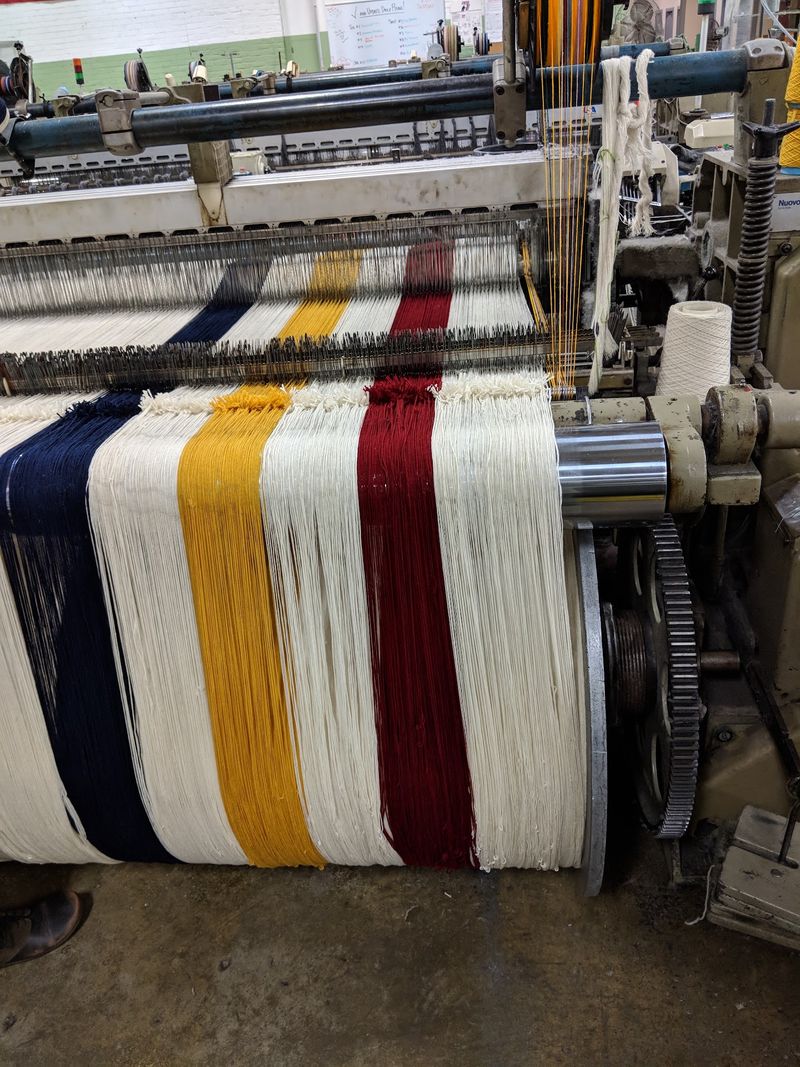
Not every chapter is cheerful. Foreign competition hit American textile makers hard, and the mill closed in 2009.
For a factory running since 1865, that was a gut punch. A long tradition suddenly looked like it might fade into the history books.
Then came the plot twist. In September 2011, cousins Chuck and Paul Mooty reopened the mill.
Their goal was to bring back quality, American-made wool goods. They bet on the brand’s long reputation and the skills still rooted in town.
Talk about a comeback worthy of a sports movie montage. Cue the inspiring music and the looms starting up again.
The revival kept growing. In 2022, the company bought Brahms Mount, a cotton weaving mill in Maine.
After that, the branding got simpler, and the business now goes by Faribault Mill. Same heritage, shorter name, easier to fit on a tag.
The mill employs more than 60 people today. I believe that’s the best part of the whole story, because jobs came back to a community that cared.
Sometimes the second act really is better.
Raw Wool Goes In, Gorgeous Blankets Come Out
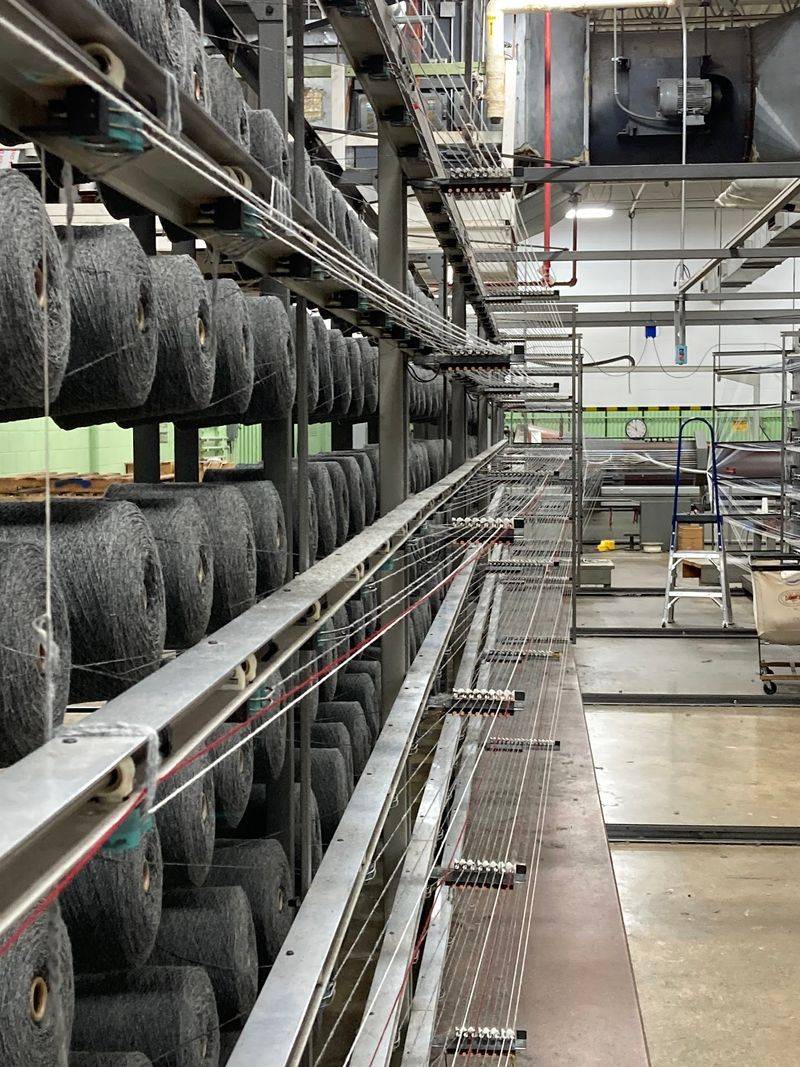
Most companies farm out parts of their work to other factories. Faribault Mill does almost everything itself.
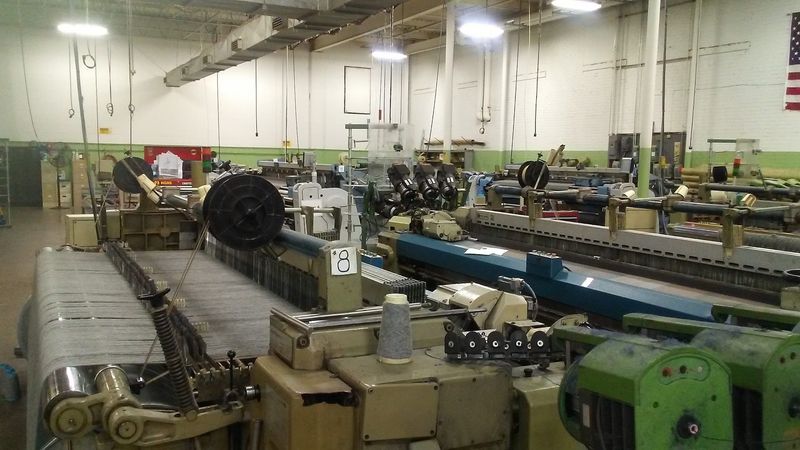
It’s one of the last fully integrated vertical mills in the country. That means raw fiber becomes finished goods under one roof.
Here’s how the process flows. Wool gets washed, then carded, then spun into yarn, then woven into blankets and throws.
Each step takes skill. Artisans handle the machines and make sure the fibers turn out just right.
It’s a bit like a cooking show where you see every ingredient prepped from scratch. Except the final dish is something you sleep under.
That approach gives the mill more control over quality. When everything happens in one building, the team can spot problems early.
The products are made from responsibly sourced natural fibers. Wool and cotton are the stars of the show.
I like how this setup keeps old craft skills alive. You can’t learn spinning and weaving from a spreadsheet.
So when you see a Faribault label, you’re seeing the work of one team from start to finish. That’s rare in Minnesota and pretty much everywhere else too.
Book That Factory Tour Before The Spots Vanish
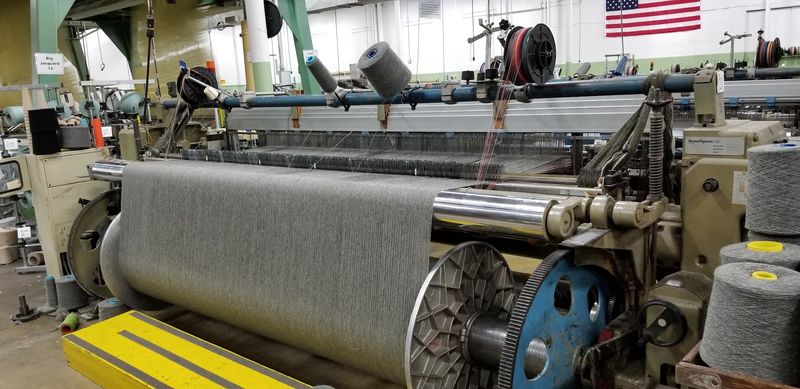
Reservations are required, so don’t just show up hoping for luck. The guided factory tours are popular enough that planning ahead is a must.
Tours typically run around 75 minutes. That’s enough time to follow wool through its whole journey without your feet staging a protest.
You’ll see how wool is washed, carded, spun, and woven. Skilled artisans demonstrate their techniques along the way.
It’s a rare look at a working mill. Most of us never think about how a blanket actually gets made.
One rule matters for families. For safety reasons, children under eight aren’t allowed on tours.
That makes sense in a building full of big moving machines. Older kids who love seeing how stuff works might find it fascinating, though.
I believe tours like this make shopping feel different afterward. Once you know the effort behind a throw, you look at it with fresh respect.
Check the mill’s tour schedule before your trip. Dates and times can change, and you’ll want a confirmed spot.
Wear comfy shoes, bring your curiosity, and maybe leave room in the car trunk.
Good Luck Leaving The Flagship Store Empty-Handed
Shelves of blankets, throws, scarves, and socks wait right on site. The flagship retail store sits at the mill, and tours wrap up nearby.
That’s either convenient or dangerous, depending on your budget. Probably both.
The store carries some limited-edition goods you can’t buy online. If you like owning something a little special, that’s a real perk.
You’ll also find wool and cotton blankets, accessories, and apparel. The designs lean timeless, so they won’t look dated in five years.
Bargain hunters should keep an eye out for clearance items.
Store hours generally run Monday through Saturday, 9 a.m. to 5 p.m., and it’s closed Sundays. Double-check before you go, especially around holidays.
Can’t make it to Faribault? The company also has a retail location in Edina, Minnesota.
Still, buying a blanket where it was made feels extra satisfying. It’s like getting a souvenir with a birth certificate.
Plan A Day Trip That Feels Like A History Lesson In Disguise
Faribault sits in southern Minnesota, an easy drive for a weekend outing. The mill makes a great anchor for a laid-back day trip.
Fun tip first. The town’s name is pronounced FAR-ih-boh, so you can sound like a pro when you arrive.
Plan your timing around the tour schedule. Book your reservation, then build the rest of your day around it.
Arrive a bit early so you’re not rushing. Rushing and history lessons rarely mix well.
After the tour, give yourself time in the store. Picking one blanket from a wall of patterns can take longer than you’d expect.
Faribault Mill also works for gift shopping. Wool throws and scarves make thoughtful presents for anyone who’s always cold, which is basically every Minnesotan in January.
I like how a single stop covers so much. You get frontier roots, war-era service, a dramatic comeback, and modern craft in one visit.
Few places pack that much story into one brick building. Even fewer let you take a warm piece of it home.
So grab a friend, set your GPS, and go meet a factory that refused to quit.