
This Brazilian Backyard Restaurant In Florida Is So Talked About It Now Has A Four-Year Waitlist
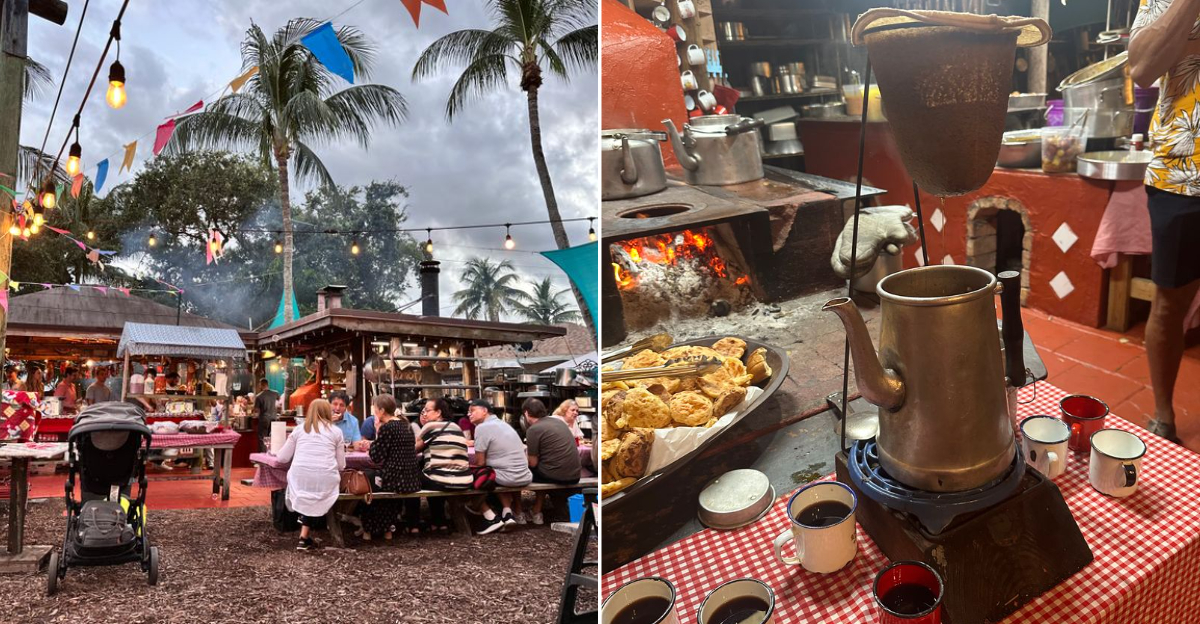
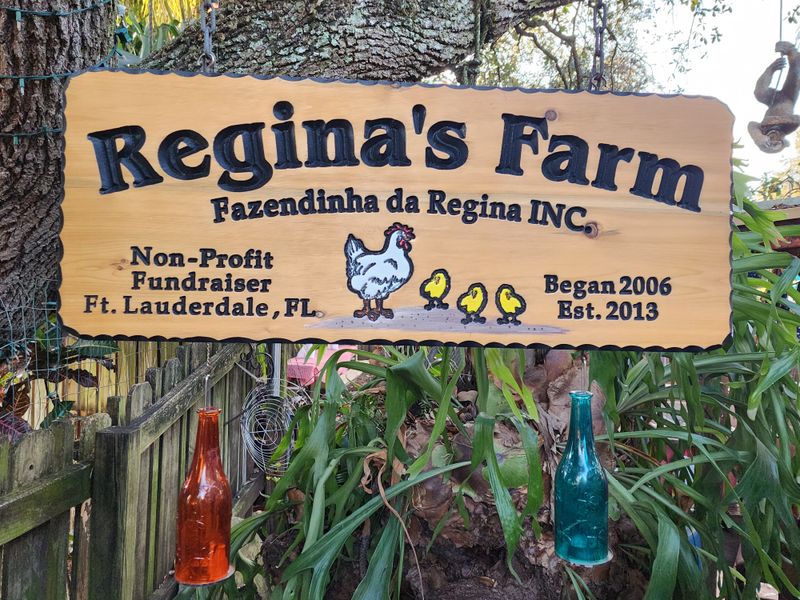
Regina’s Farm in Fort Lauderdale isn’t really a restaurant so much as a carefully kept ritual, unfolding in a backyard where long communal tables stretch beneath mango trees, kids drift between swings and chairs, and soup steam hangs in the air like a signal that something meaningful is about to happen.
Reservations can take years, a detail that sounds almost unreasonable until the evening begins, the oxtail broth hits the bowl, and the entire crowd quiets instinctively for a brief prayer that resets the mood of the night.
What follows runs on its own gentle system: colored wristbands, timed calls to the buffet, sturdy paper plates built to carry weight, and a slow choreography that keeps everyone equal and unhurried.
The food arrives without flourish but with deep intention, stews ladled generously, rice anchoring each plate, smoke clinging softly to everything in reach.
Conversation flows between strangers who quickly stop feeling like strangers at all, bonded by the shared understanding that this is not something you rush through or document aggressively.
You eat, you listen, you wait your turn again if it’s offered.
By the end of the night, you leave lightly scented with smoke, comfortably full, and slightly unrealized, already doing the quiet math of how many years, or lucky breaks, it might take to be invited back sooner than the list intends, because some meals linger less on the tongue than in the longing to return.
Arrive Early Like A Regular
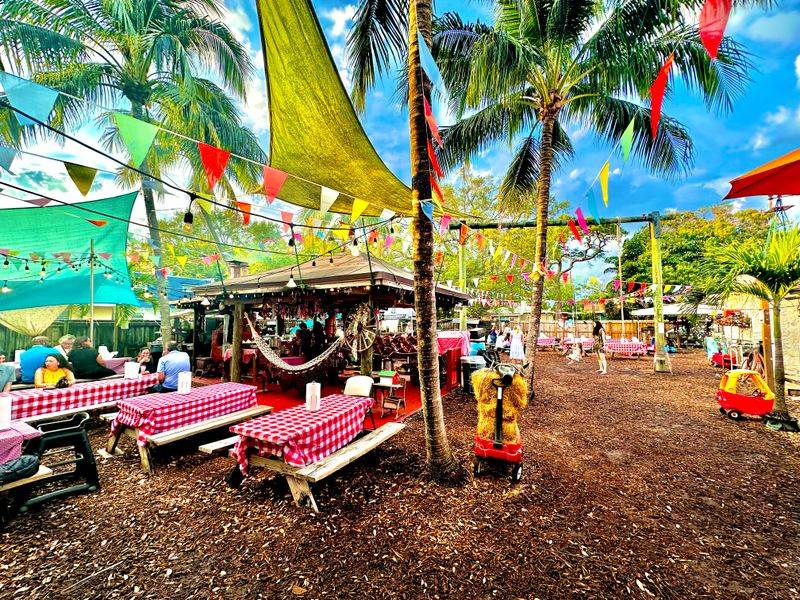
Long before the official start time, a line quietly forms outside the gate, made up of people who understand that arriving early is less about efficiency and more about entering the evening at the correct emotional speed.
Parking becomes simpler, conversations start sooner, and there is a distinct pleasure in watching first-timers relax as they realize nothing here requires rushing.
Payment happens immediately at the entrance, followed by the small ceremonial act of receiving a wristband whose color will determine when you eat, anchoring everyone to the same patient rhythm.
Once inside, the backyard opens up slowly, revealing picnic tables, swing sets, speakers playing gentle Brazilian music, and hosts moving calmly between clusters of guests.
Soup appears first and sets the tone, bowl by bowl, encouraging people to stand, wander, and talk instead of planting themselves too quickly.
The smart move is to observe rather than act, letting smells guide curiosity while appetite adjusts to the length of the night ahead.
By the time wristbands are called the first time, you already feel less like a customer and more like part of a shared routine.
Start With Soup, But Not All At Once
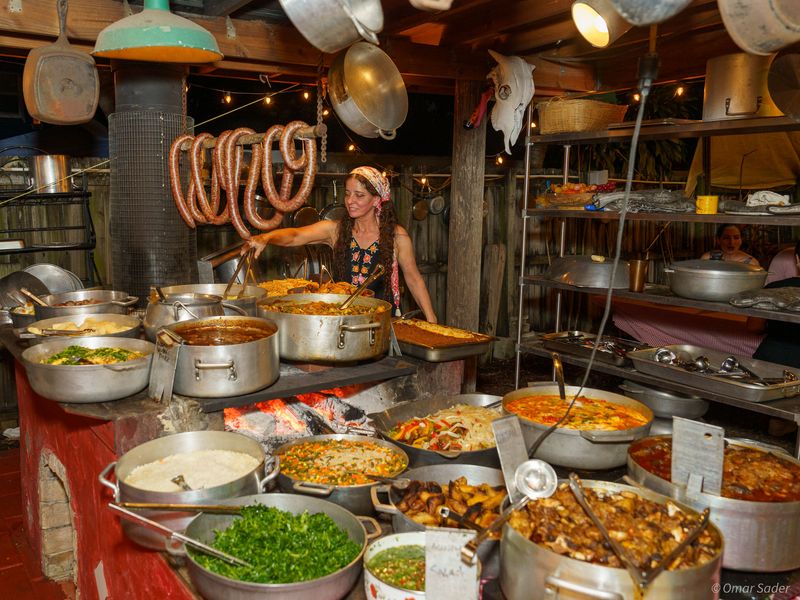
The soup station announces itself before you arrive, steam curling upward in slow, deliberate tendrils that make standing there feel like pausing inside weather rather than waiting for food.
Oxtail draws the most attention for good reason, rich and quietly powerful, but fish, chicken, peanut, corn, and vegetarian soups form a lineup that rewards sampling instead of commitment.
Each bowl asks to be sipped rather than consumed, flavors unfolding slowly and encouraging restraint that feels rare in buffet settings.
The structure of the evening technically divides into courses, but the boundaries remain flexible enough to accommodate curiosity and conversation.
This place carries history as a community fundraiser turned tradition, which explains both the generosity of portions and the absence of pressure.
Taking half portions allows room to return once preferences reveal themselves, turning the soup phase into a kind of tasting seminar.
Bread appears nearby almost as an afterthought, and resisting excess early becomes one of the quiet skills experienced guests demonstrate effortlessly.
Honor The Backyard Vibe
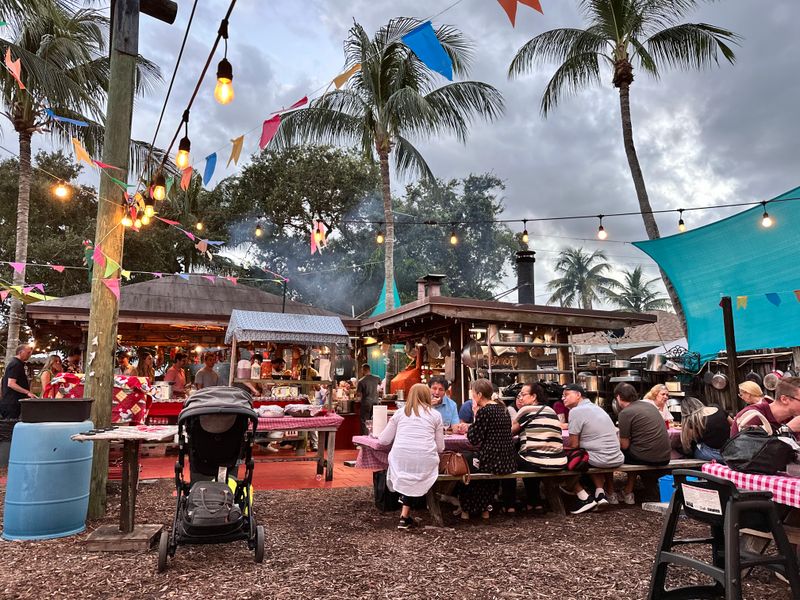
What lingers most upon arrival is the unusual blend of wood smoke, sweet sugar cane notes, and stewed meats drifting through open air, creating a sensory overlap that feels far closer to a family gathering than a commercial dining event.
Benches pull people close together, conversations overlap without colliding, and the lack of visual separation gently encourages everyone to remain aware of one another.
Nothing here asks for documentation or performance, and the absence of decorative ambition allows attention to rest fully on food, people, and motion.
Children dart past holding cups of juice, elders remain seated trading stories, and nobody seems surprised by the chaos because the entire space has already accepted it.
Plates move across tables steadily, stacked with rice, yucca, ribs, and greens, their weight signaling abundance rather than excess.
If crowds create tension, stepping back and watching for a moment nearly always dissolves it, because the atmosphere does not reward urgency.
The backyard slowly makes its expectations clear, asking only that you meet it at its own pace and stay present long enough to notice what holds it together.
Follow Regina’s Lead
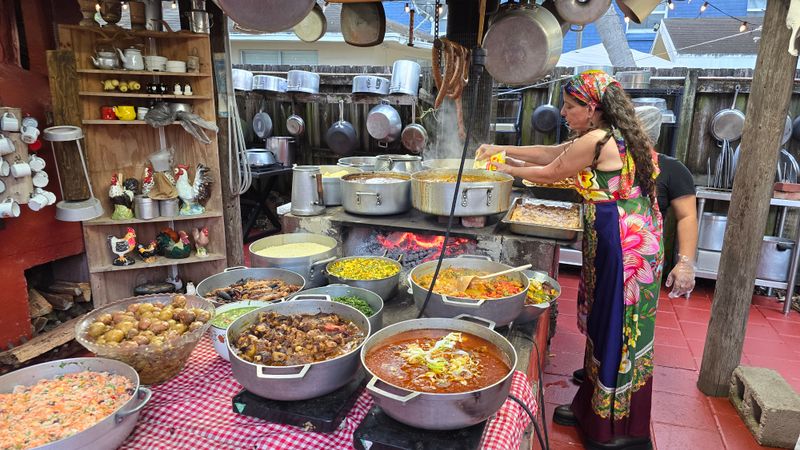
At a quiet midpoint in the evening, Regina herself pauses the movement with a short prayer that does not perform belief but establishes attention, grounding the meal before it expands.
From that moment forward, logistics feel almost invisible, with wristbands called gently, dishes replenished without fanfare, and servers moving with practiced calm.
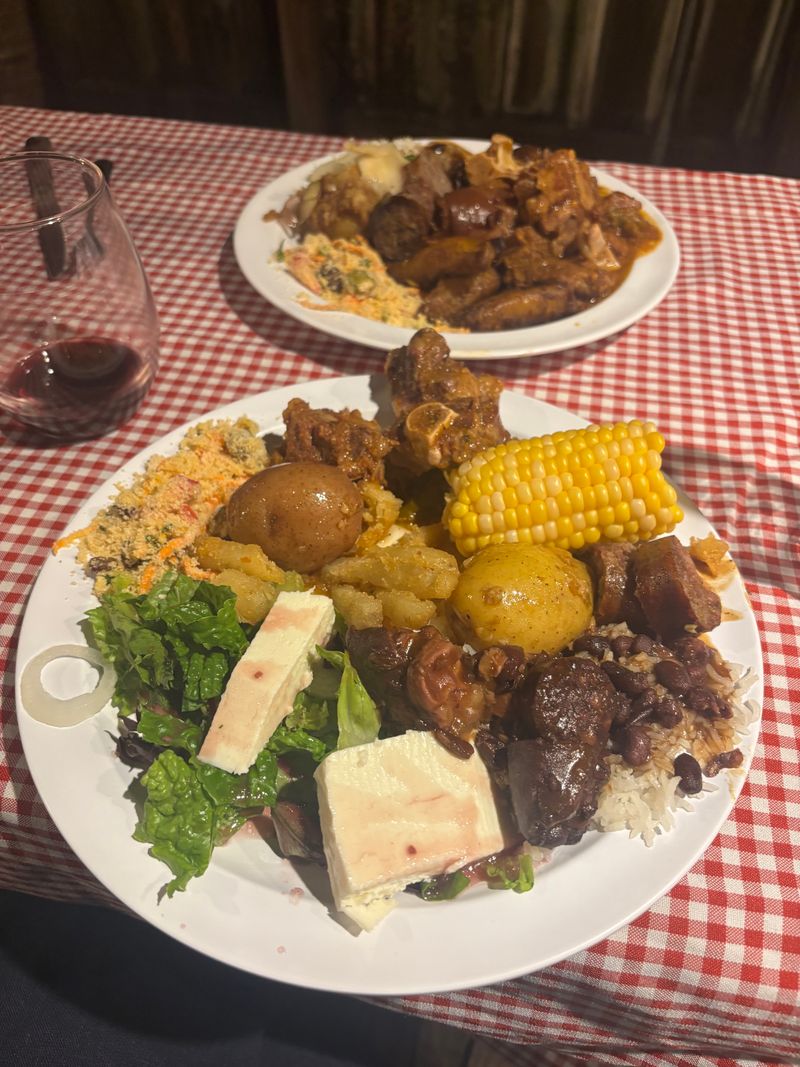
The food reflects the same philosophy, offering stewed chicken, beef, ribs, oxtails, fish, rice, beans, plantains, yucca, salads, and simple sides that value nourishment over novelty.
Nothing arrives sculpted or stylized, and nothing needs explanation beyond the reassurance carried in repetition.
Payment remains old-school and practical, relying on cash or Zelle, reinforcing that this event exists apart from modern restaurant theater.
Water and sodas circulate quietly while tables manage their own wine bottles, reinforcing shared responsibility instead of supervision.
Letting go of control here is not difficult, because the family running the evening has already demonstrated that everything moves exactly when it should.
Pão De Queijo And Cornbread Strategy
The first reach toward the bread baskets feels inevitable, driven more by scent than hunger, which is why restraint matters more here than anywhere else on the table.
Pão de queijo shifts texture depending on heat and timing, alternating between chew and softness in a way that feels alive rather than standardized.
Cornbread crumbles willingly, lending itself easily to broth and sauce, and acting as a sponge for flavors still to come.
Brazilian home baking privileges comfort over consistency, and the outdoor setting allows temperature and air to take part in shaping texture.
Taking a single piece at first allows the bread to introduce itself without overpowering what follows.
Once paired thoughtfully with soup, its role becomes clearer, as companion rather than centerpiece.
Those who rush bread early often find themselves negotiating regret later, exactly when desserts begin making their quiet entrance.
Weather Plan, Rain Or Shine
South Florida weather remains an active participant in the evening rather than a background detail, with sudden rain showers or heavy humidity shaping how people cluster under awnings, share umbrellas, and instinctively slow their movements without anyone needing to issue instructions.
When rain arrives, benches grow glossy, conversations compress closer together, and steam rising from soup pots takes on a theatrical quality that makes the backyard feel temporarily enclosed despite the open sky.
Rather than interrupting the experience, these moments emphasize the project’s origins as a community effort, one that never depended on ideal conditions in order to feel complete or functional.
Guests adapt quickly, sliding chairs, shifting plates, and continuing conversations as if weather were simply another rhythm to match rather than a problem to solve.
Bringing a light jacket, closed shoes, or even a towel left in the car allows you to participate fully without distraction, signaling respect for the setting rather than inconvenience.
Cooler air tends to amplify aromas, making broths taste deeper and grilled meats smell more pronounced as rain softens the heat.
When clouds finally part and steam drifts upward through the trees, the entire yard seems to exhale collectively, resuming its pace without having missed a beat.
Plate Like A Pro
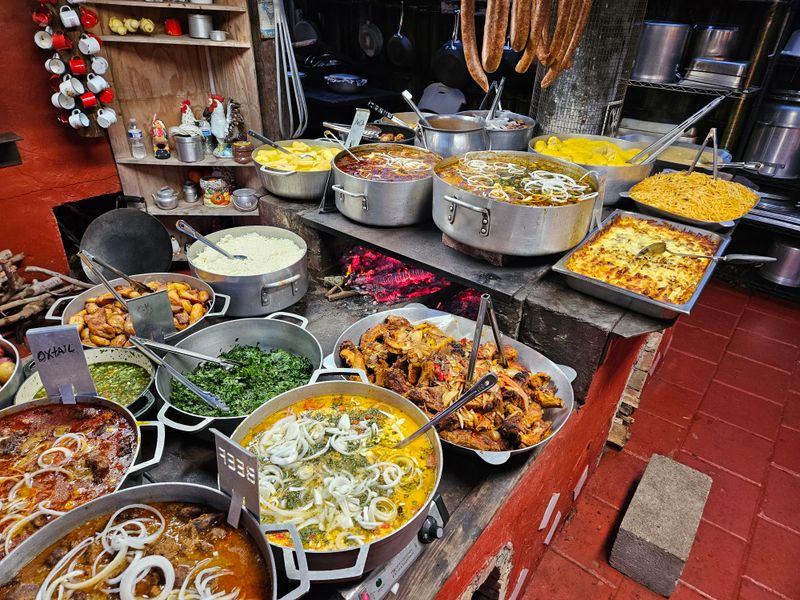
What separates first-timers from quiet regulars becomes obvious at the buffet, where experienced guests build plates methodically rather than emotionally, treating food placement as strategy instead of victory.
Collard greens, finely cut and deeply seasoned, often form the foundation, positioned deliberately near rice so juices soak downward instead of flooding the entire plate.
Skirt steak, beans, ribs, or fish follow in measured portions, each given its own space rather than collapsing into a single heap of enthusiasm.
Starches arrive last, with yucca and plantains providing contrast without overwhelming the center of attention.
Farofa, when available, is added sparingly, creating texture and warmth while maintaining balance rather than dominance.
The technique here resembles layered storytelling, where each bite retains identity while contributing to a whole that unfolds across multiple passes.
Most regulars circle twice, using the first round to observe and the second to commit, understanding that patience earns a cleaner, more satisfying ending.
Dessert Timing Is A Gentle Game
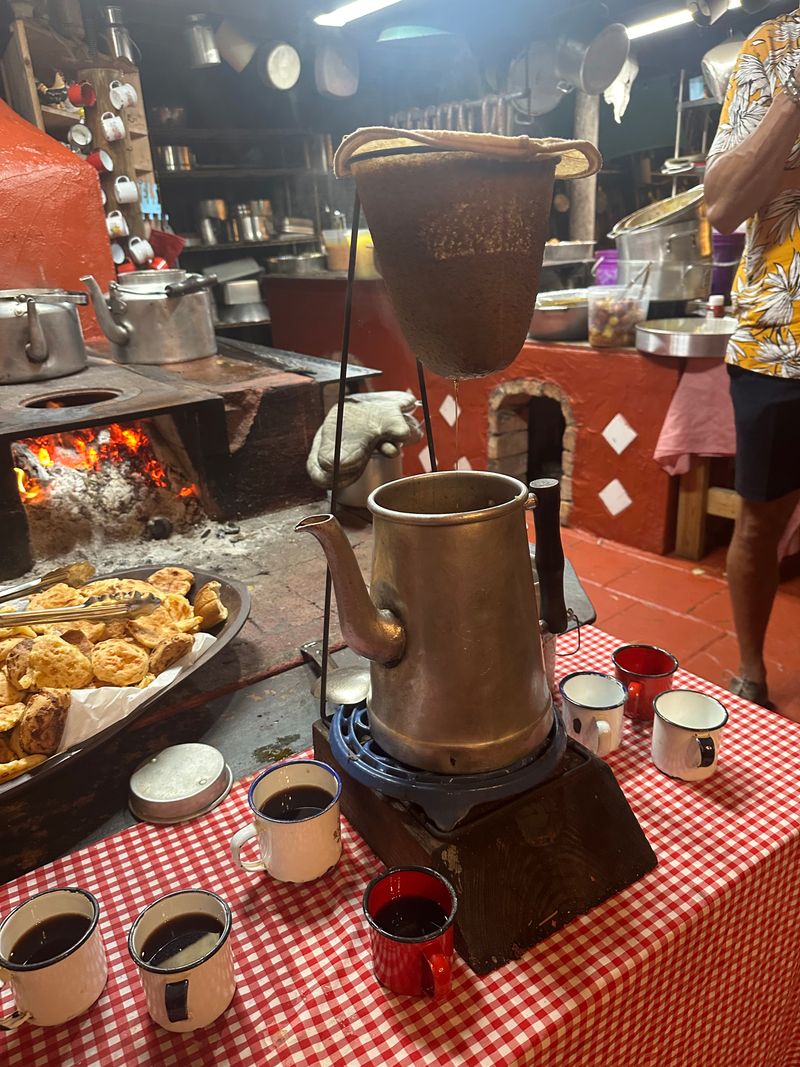
Dessert announces itself not with urgency but with a gradual shift in attention, as conversations soften and eyes begin tracking plates moving past carrying cakes, flans, and pastries.
The spread often includes berry cheesecake with confident acidity, flan that trembles slightly under its caramel sheen, and assorted cakes whose generosity feels inherited rather than advertised.
Coffee arrives almost simultaneously, grounding sweetness with bitterness and signaling transition rather than conclusion.
Taking small portions at first allows textures to introduce themselves without exhausting attention too quickly, an approach that mirrors the pace of the entire evening.
Flan deepens noticeably after coffee, its simplicity sharpening rather than fading, while cheesecake resets the palate with brightness that lingers quietly.
Lines may stretch briefly, but they move with near-universal patience, as everyone understands dessert is a shared finale rather than a competition.
By the final bites, the energy shifts toward reflection, with strangers exchanging forks, nods, and satisfied silence that feels earned rather than spent.
Bring Your Own Bottle, Keep It Friendly
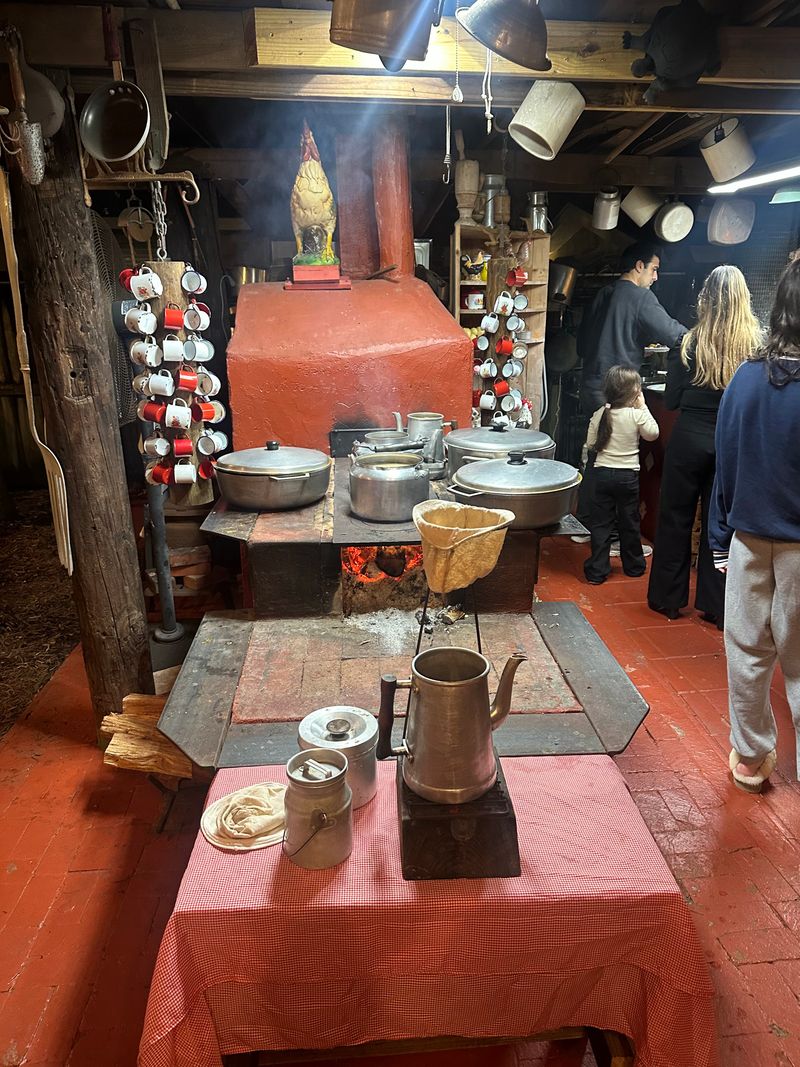
One of the small, word-of-mouth rules that regulars pass along quietly is that bringing your own wine is not only allowed but gently encouraged, transforming picnic tables into informal tasting circles where corks open slowly and glasses migrate in easy arcs between neighbors.
Because Regina’s Farm is a fundraiser and community space rather than a commercial bar, the act of sharing a bottle feels less like indulgence and more like participation, a contribution to the atmosphere rather than a side activity.
Sodas and water are sold cheaply and without ceremony, keeping the logistics simple while allowing guests to focus on conversation and pacing instead of transactions.
Choosing wine that cooperates with heat and stew, lighter reds, chilled whites, or something forgiving of uneven temperatures, helps the table settle into a steady rhythm instead of constant refills or fussy adjustments.
Florida evenings stretch long, and an insulated sleeve or cold pack quietly earns its place, preventing the last glass from feeling forgotten.
What emerges most clearly is an unspoken etiquette: pour carefully, offer generously, never dominate the table, and let wine remain a companion to food rather than the reason for it.
In this setting, hospitality moves sideways rather than outward, circulating among guests who understand that friendliness keeps the whole machine running smoothly.
Respect The Pace And The Place
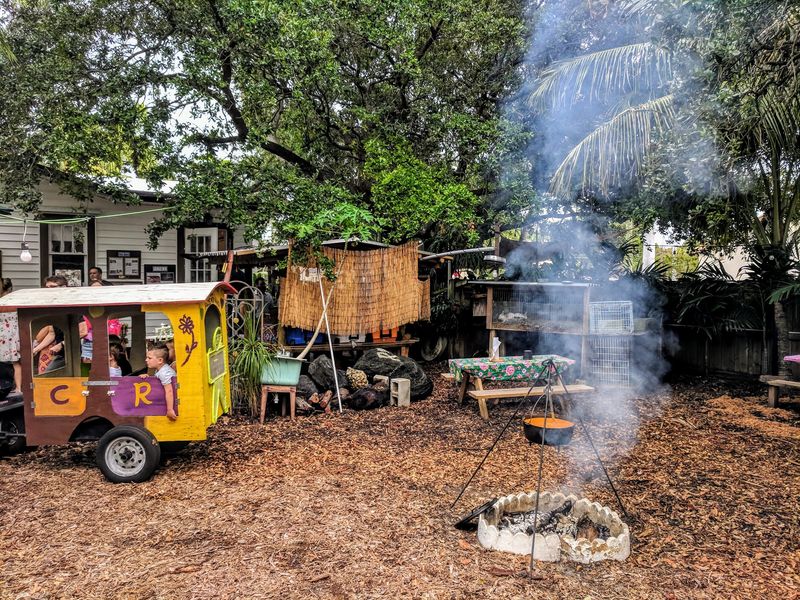
The most striking moment often arrives before the eating actually begins, when the backyard settles into a brief collective pause, marked by quiet attention and a shared acknowledgement that this gathering runs on intention rather than momentum.
After that, everything resumes gently, with wristbands called in sequence, lines forming without stress, and movement guided by habit rather than enforcement.
Regina’s Farm typically runs Saturday evenings from 6:30 to 9:30 PM, with reservations secured years in advance and entry priced around seventy to seventy-five dollars per person, paid upon arrival as part of the nonprofit mission that keeps the whole operation grounded.
Benches may be shared, bathrooms require patience, and nothing about the evening moves quickly, but that friction is part of the design, not a flaw to be corrected.
Guests who relax into the system find themselves nourished in ways that extend beyond hunger, shaped instead by attention, generosity, and duration.
Thanking the staff as you leave matters here, less as etiquette and more as recognition of collective effort.
The waitlist may stretch far into the future, but the memory does its own work, carrying you forward until your turn comes again.