
This Breathtaking Road Trip Covers Some Of Maine’s Most Gorgeous Lakes
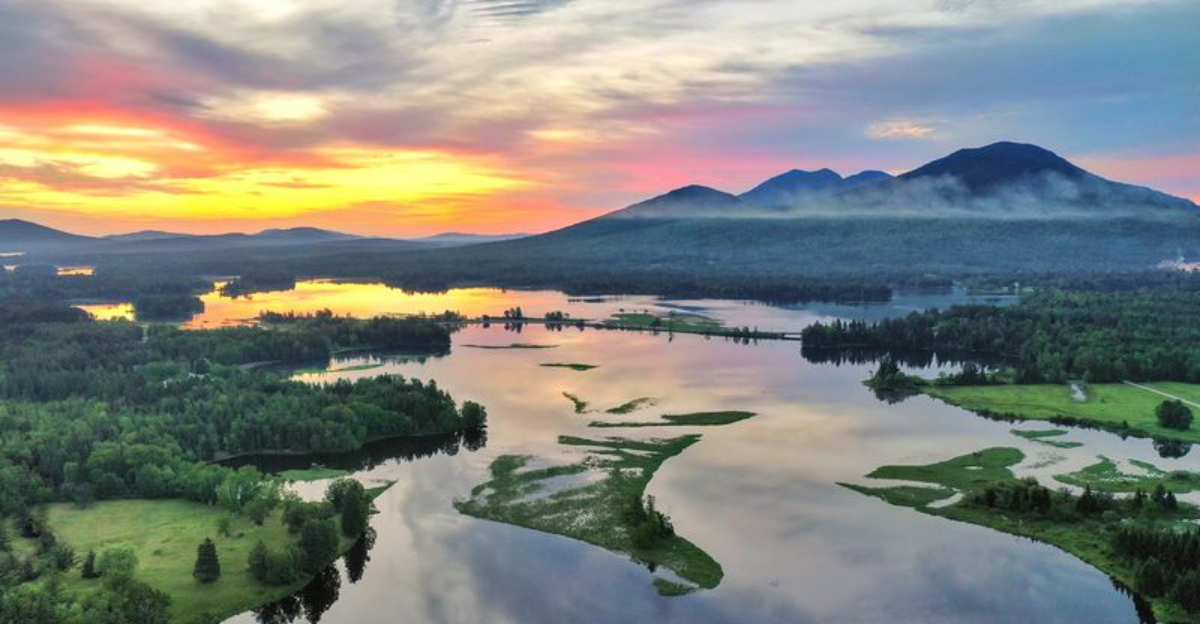
Maine has this way of making everything else feel far away. As you drive, the road winds through forests, small towns, and low mountain ridges, opening up to some of the most beautiful lakes in the Northeast.
Each stop feels a little different, with sandy spots to swim, quiet water for boating, and those early mornings when the surface is perfectly still. You might even catch a glimpse of a moose along the shore.
It is an easy kind of trip, the kind where you slow down without really trying and end up wanting to stay longer than planned.
Sebago Lake, Cumberland County
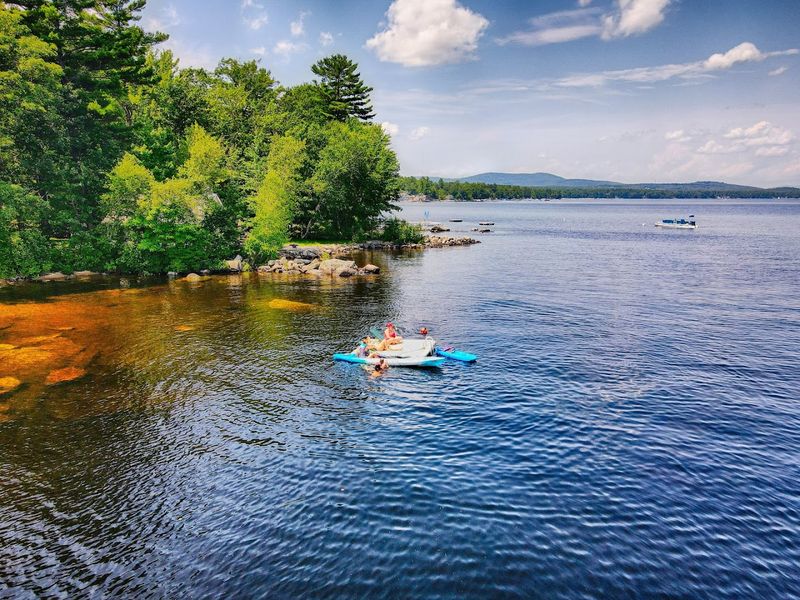
At roughly 45 square miles, Sebago Lake is the second-largest lake in Maine and one of the most beloved outdoor destinations in the entire state. It sits in Cumberland County, about 20 miles northwest of Portland, making it incredibly easy to reach on the first leg of any road trip through the region.
The water here is famously clear, so clear that it actually supplies drinking water to the Greater Portland area.
Sebago Lake State Park is the crown jewel of the area, offering sandy beaches, boat launches, campgrounds, and hiking trails that weave through thick stands of white pine.
Summer weekends fill up fast, so arriving early in the morning gives you the best chance of snagging a prime spot along the shore. Fishing is a serious draw here, with landlocked salmon and lake trout keeping anglers busy from spring through fall.
Kayaking across the calm early-morning surface is an experience that is hard to put into words. The surrounding hills create a natural bowl that keeps the wind low, and the reflections on the water look almost too perfect to be real.
Whether you spend a few hours or a full weekend at Sebago, it sets the tone beautifully for everything that comes next on this lake-hopping adventure through Maine.
Long Lake, Naples
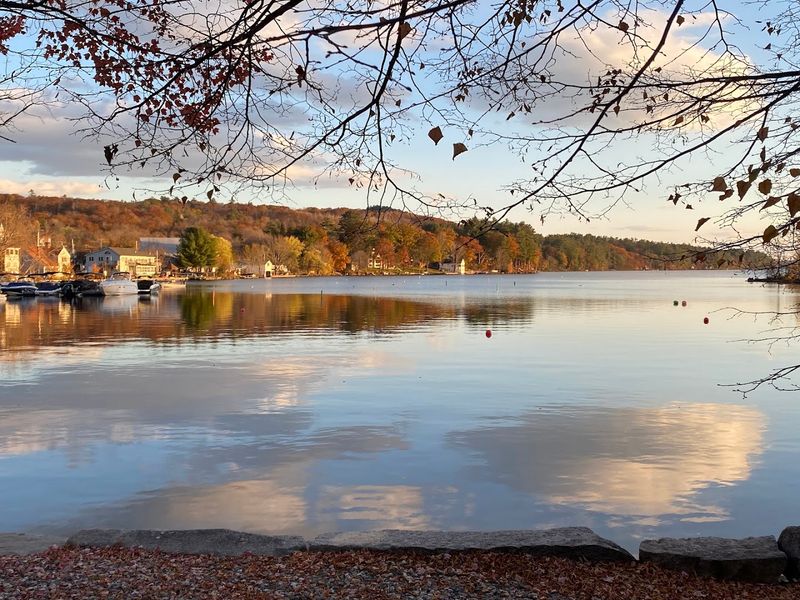
Stretching about 11 miles through the towns of Naples, Harrison, and Bridgton in Cumberland County, Long Lake earns its name in the most straightforward way possible.
The lake is long, lovely, and lined with the kind of classic Maine shoreline that belongs on a postcard. Naples sits at the southern end and serves as the social hub of the lake, with a lively causeway area packed with boat rentals, restaurants, and small shops.
One of the most fun ways to experience Long Lake is by hopping aboard the Songo River Queen II, a sternwheeler cruise boat that takes passengers on narrated tours across the water.
It is a relaxed and scenic way to take in the landscape without having to paddle a single stroke. The boat has been cruising these waters for decades and remains a beloved local tradition.
For those who prefer a more active experience, the lake offers excellent swimming, water skiing, and paddleboarding. The town of Naples has a warm, welcoming small-town energy that makes it easy to linger longer than planned.
Grab a bite at one of the waterfront spots, watch the boats glide past, and appreciate how a place this charming is only about an hour from Portland. Long Lake is a road trip stop that rewards every kind of traveler.
Rangeley Lake, Rangeley
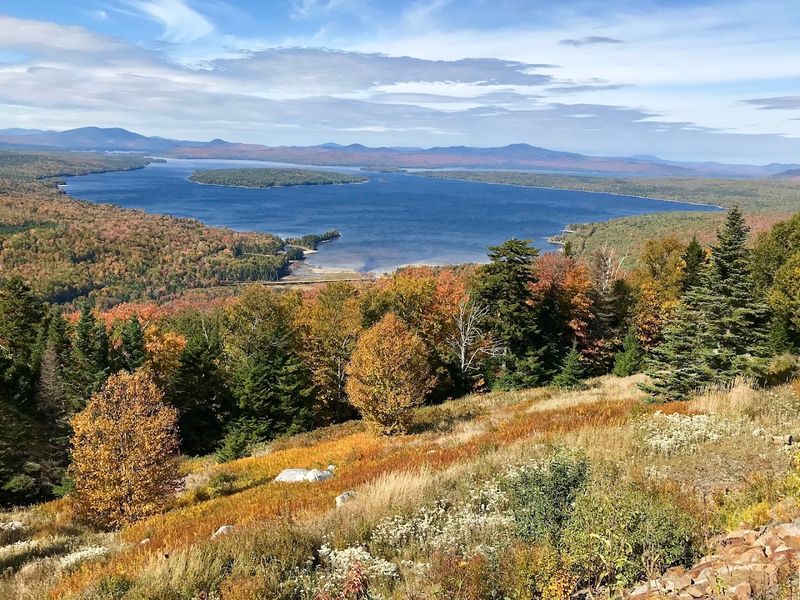
High up in the western mountains of Maine, Rangeley Lake sits at an elevation of about 1,500 feet and covers roughly 6,000 acres of some of the most dramatic scenery in New England.
The town of Rangeley wraps around the lake with a laid-back, outdoorsy personality that feels refreshingly unhurried. This is a place where people come to breathe deeply and slow everything down.
Rangeley Lake State Park is a fantastic base for exploring the area, offering a boat launch, picnic areas, and a rocky shoreline where you can sit and watch loons glide across the water.
The lake is famous among fly fishermen for its brook trout and landlocked salmon, and the fishing season draws dedicated anglers from across the country each year. Even if fishing is not your thing, watching someone expertly cast a line across the still water is oddly satisfying.
In winter, Rangeley transforms into a snowmobiling and skiing destination, but summer and fall are when the lake truly shines. The surrounding mountains turn brilliant shades of red, orange, and gold in October, making the drive up here one of the most scenic routes in all of Maine.
Rangeley Lake is the kind of place that earns a permanent spot on your annual travel list after just one visit.
Mooselookmeguntic Lake, Rangeley Lakes Region
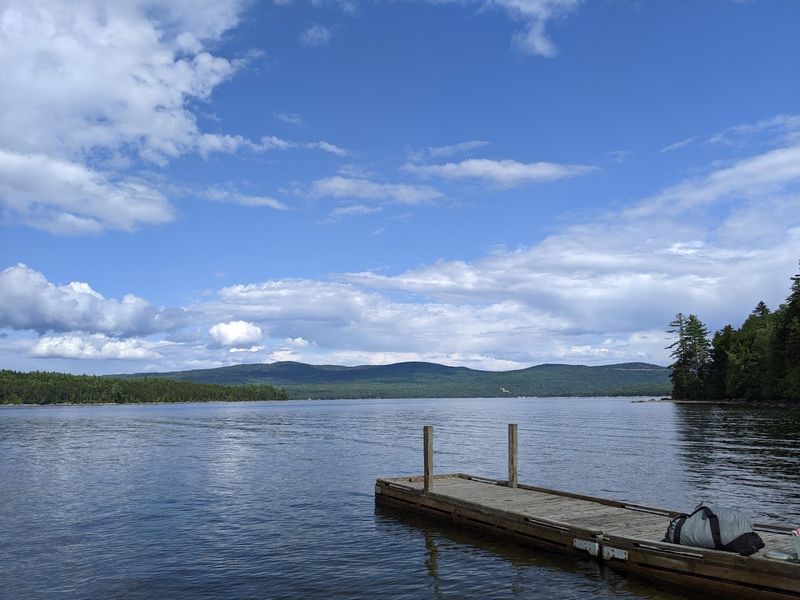
Say it three times fast and you will understand why locals often just call it Moose Lake. Mooselookmeguntic Lake is part of the famous Rangeley Lakes chain in western Maine, and its name comes from the Abenaki language, roughly meaning “portage to the moose feeding place.”
True to its name, moose sightings near the shoreline are genuinely common, especially in the early morning hours.
The lake covers about 16,300 acres, making it one of the largest in the Rangeley Lakes group. Its shoreline is wild and largely undeveloped, which gives the whole place a remote, untouched quality that is harder and harder to find in the modern world.
Haines Landing on the western shore is a popular access point for boaters and fishermen who want to explore the deeper parts of the lake.
Landlocked salmon fishing here is considered some of the best in the state, and the lake has a long history with fly fishing enthusiasts dating back to the late 1800s.
Famous author and outdoorsman Cornelia “Fly Rod” Crosby, one of Maine’s first registered guides, helped put this region on the map for sport fishing. Camping along the remote shores and falling asleep to the sound of loons calling across the water is an experience that feels completely removed from everyday life.
Upper Richardson Lake, Rangeley Lakes Region
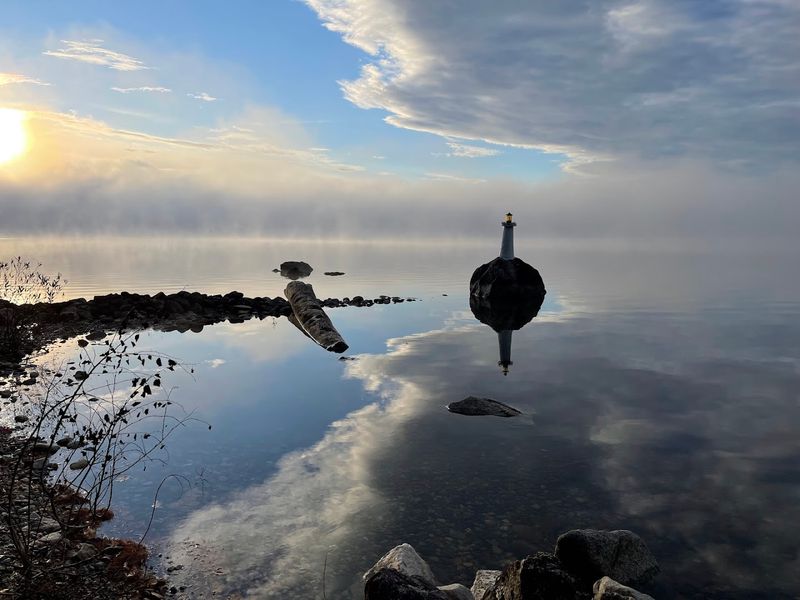
Getting to Upper Richardson Lake requires a bit of effort, and that is exactly the point. Accessible by boat and via Mill Brook Road off Route 16, this remote body of water rewards those who make the trip with a strong sense of seclusion and natural beauty.
The lake covers about 4,549 acre and sits within the Rangeley Lakes Heritage Trust conservation lands.
The forest surrounding Upper Richardson is dense boreal wilderness, home to black bears, white-tailed deer, bald eagles, and of course, moose.
The shoreline is almost entirely undeveloped, and the silence here is the kind that actually rings in your ears at first because you are so unaccustomed to it. Primitive campsites along the shore allow visitors to spend the night under a sky full of stars with virtually zero light pollution.
Kayaking and canoeing across the lake’s surface is a meditative experience, with nothing but the sound of your paddle dipping into the water and the occasional call of a loon breaking the quiet. This is not a destination for those seeking convenience or crowds.
Upper Richardson Lake is for the traveler who wants to feel genuinely small and humbled by the scale of the natural world around them. It is one of Maine’s most rewarding hidden stretches of water.
Flagstaff Lake, Somerset County
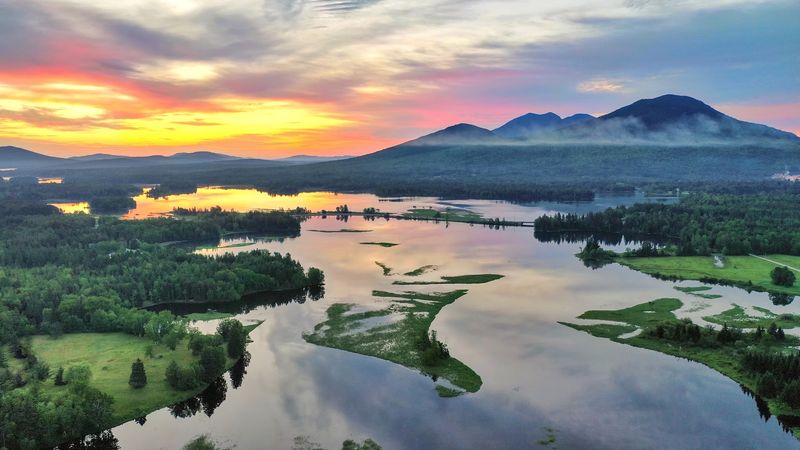
Flagstaff Lake carries a story unlike any other lake on this road trip. Created around 1950 with the construction of the Long Falls Dam on the Dead River, the lake flooded the villages of Flagstaff and Dead River along with surrounding farmland and historic sites.
On very low water years, the ghostly remnants of foundations and tree stumps still poke above the surface. Today, the lake spans about 20,000 acres in Somerset County and is surrounded by the mountains of the western Maine highlands, including the Bigelow Range, which is one of the most spectacular mountain ridges in all of New England.
The Appalachian Trail crosses directly over Bigelow Mountain, and hikers often stop at the lake’s edge to refill water and take in the panoramic views below.
The lake is a favorite among anglers for its brook trout, and the wide-open water makes it popular for sailing and motorboating. Camping along the northern shore puts you within striking distance of both the lake and the trailheads leading up into the Bigelow Preserve.
The combination of layered history, mountain scenery, and big open water makes Flagstaff Lake one of the most thought-provoking and visually stunning stops on this entire journey through Maine.
Moosehead Lake, Greenville
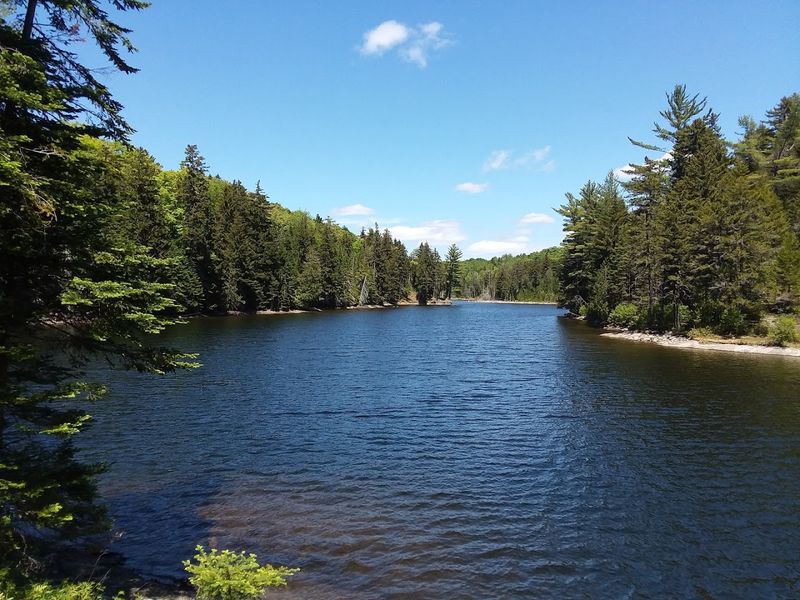
Maine’s largest lake is not subtle about its greatness. Moosehead Lake covers over 74,000 acres and stretches roughly 40 miles long, making it the largest lake in Maine and the largest freshwater lake in New England.
The town of Greenville sits at its southern tip and serves as the gateway to this vast stretch of wilderness water in Piscataquis County.
Mount Kineo, a dramatic rocky peninsula that juts into the middle of the lake, is one of the most iconic landmarks in all of Maine. Accessible only by ferry or private boat from Rockwood, Kineo offers hiking trails to a summit fire tower with views that stretch across the entire lake and deep into the surrounding forest.
The flint rock on Kineo’s cliffs was used by Native Americans for thousands of years to make tools and arrowheads.
Moosehead Lake is legendary among moose watchers, and guided tours by canoe or motorboat into the marshy coves at dawn give visitors a genuinely good shot at seeing these massive animals up close.
Float planes still buzz in and out of Greenville regularly, adding to the rugged, frontier-town atmosphere that makes this corner of Maine feel wonderfully removed from modern life. A night or two in Greenville before pushing deeper into the wilderness is time very well spent.
Jordan Pond, Acadia National Park
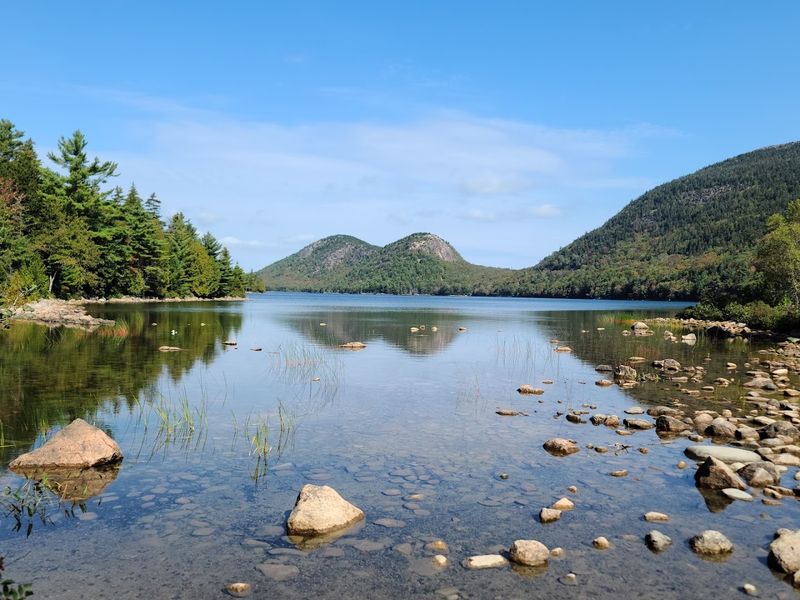
Perfectly round, crystal clear, and framed by the iconic twin hills known as the Bubbles, Jordan Pond is one of the most photographed spots in all of Acadia National Park on Mount Desert Island.
The pond sits at the heart of the park and is fed primarily by precipitation and natural watershed inputs, which helps keep the water remarkably pure and cold year-round. In fact, it is one of the clearest natural bodies of water in the entire state of Maine.
The 3.3-mile Jordan Pond Loop Trail circles the entire pond and offers some of the most rewarding walking in Acadia, with views that shift and evolve at every bend.
The north end of the trail gets especially dramatic as you approach the Bubbles, with smooth glacially-polished granite slopes rising directly from the water’s edge. Hikers who want more of a challenge can scramble up South Bubble for a bird’s-eye view of the pond below.
The Jordan Pond House, a park restaurant with a long history dating back to the 1870s, is famous for its popovers served with jam and tea on the lawn.
Sitting at one of those outdoor tables with a warm popover in hand while looking out at the Bubbles is a quintessential Acadia experience. Jordan Pond proves that even on a road trip focused on lakes, some stops deserve an extra hour or two of pure, unhurried appreciation.
Echo Lake, Acadia National Park
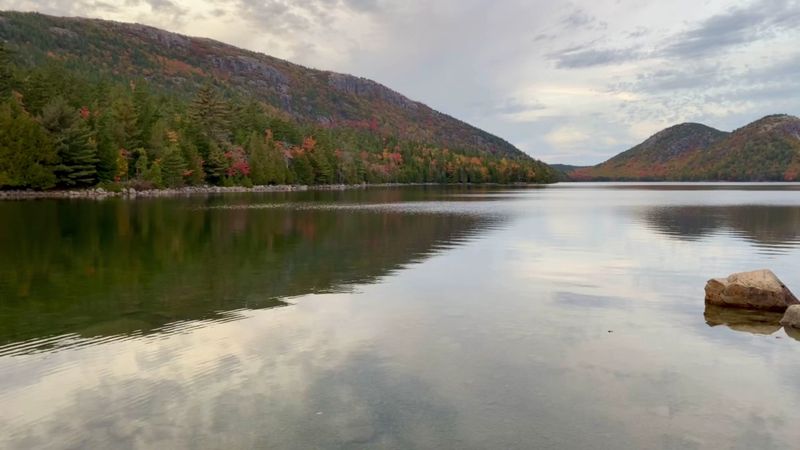
Tucked beneath the forested slopes of Beech Mountain on the quieter western side of Mount Desert Island, Echo Lake is Acadia National Park’s freshwater swimming destination and a welcome contrast to the sometimes-crowded attractions on the park’s eastern side.
The lake is roughly a mile long and sits at the base of a trail network that gives hikers access to some of the park’s most peaceful and less-traveled terrain.
A sandy beach managed by the National Park Service makes Echo Lake one of the most family-friendly stops in all of Acadia. The water warms up to a genuinely comfortable swimming temperature by midsummer, which is not always guaranteed in Maine’s notoriously cool climate.
Lifeguards are on duty during peak season, and the calm, sheltered water makes it ideal for younger swimmers who might find the ocean waves a bit too unpredictable.
The Beech Mountain Trail begins near the lake’s parking area and climbs through a beautiful forest of spruce and birch before reaching an old fire tower at the summit.
From the top, you can look back down at Echo Lake glittering through the trees below, with the Atlantic Ocean visible on the horizon beyond. Ending this Maine lakes road trip at Echo Lake feels like a perfect send-off, quiet, beautiful, and full of the kind of natural detail that stays with you long after you drive home.