
This California Island Has A Wild Bison Herd With A Hollywood Backstory
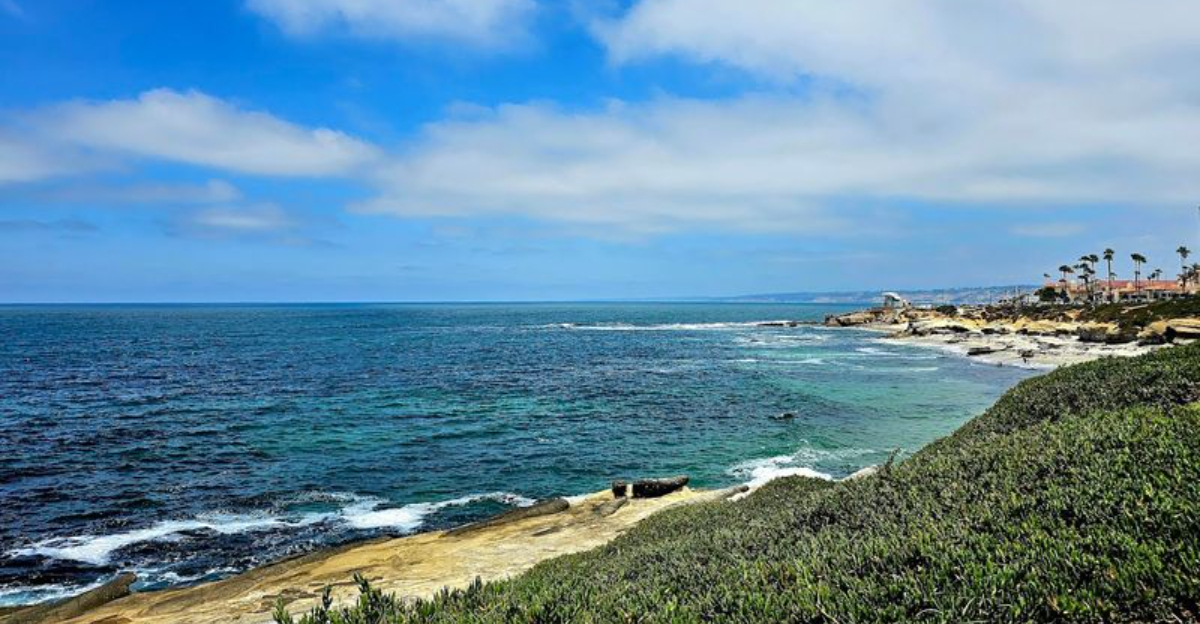
California is famous for movie stars, palm trees, and dramatic coastlines. But hidden just off its shore lies a place that feels completely out of script. Imagine stepping onto an island expecting beaches and ocean views, only to spot a massive bison wandering across the landscape.
Not one. An entire herd.
At first glance, it makes no sense. Bison belong to the Great Plains, not a sunny island in California.
Yet here they are, grazing peacefully as if they have always called this place home. The story behind their arrival is even stranger.
It involves Hollywood, a film production, and a twist that sounds more like a movie plot than real history. Sometimes the most unexpected travel destinations are the ones with the wildest stories.
And this island proves that reality can be just as entertaining as the big screen.
The Hollywood Origin Story
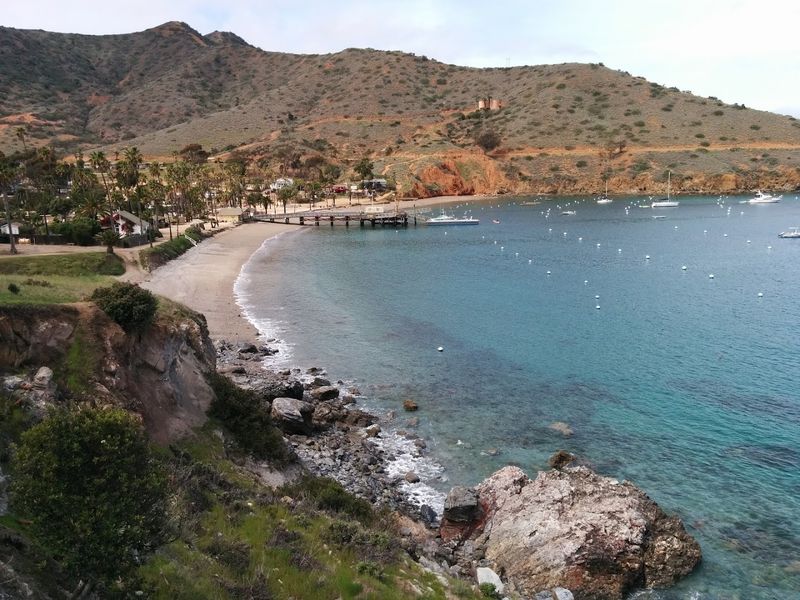
Here’s a story so cinematic it practically writes itself. Back in 1924, a film production company shipped a small herd of around 14 to 15 American bison to Santa Catalina Island.
The plan was to use them as dramatic backdrop for silent Westerns, most commonly linked to titles like “The Thundering Herd.”
The bison were meant to bring authenticity to the sweeping frontier scenes. Ironically, historical accounts suggest their footage may have ended up on the cutting room floor entirely.
Some productions actually filmed their key scenes in Arizona, which made the Catalina bison’s cameo even more questionable.
When filming wrapped, the production crew faced a classic logistical headache. Getting large, temperamental animals back to the mainland was expensive and complicated.
The island’s then-owner simply let them stay, which turned a short-term film prop into a century-long wild population.
Sometimes the best plot twist is the one nobody planned. Hollywood has given us countless iconic stories, but few as wonderfully accidental as the bison of Catalina.
Why Bison On An Island Is Stranger Than It Sounds
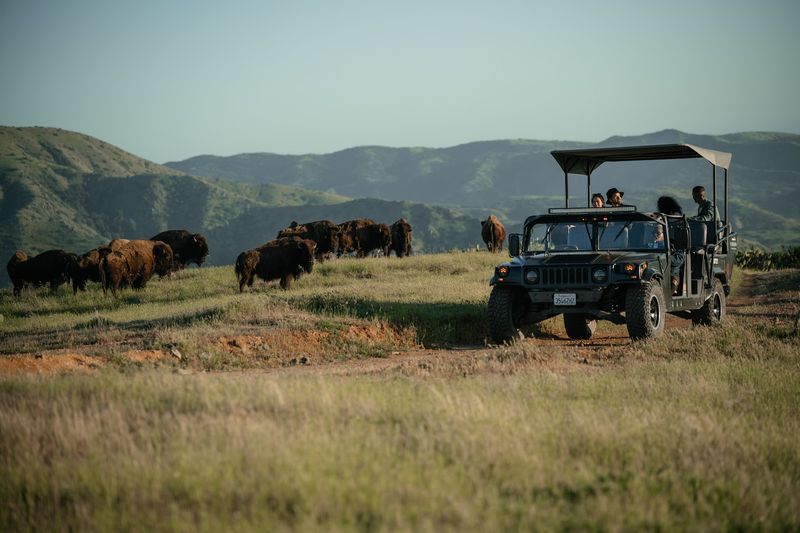
Bison belong to open prairies and vast grasslands. Catalina Island is a Mediterranean-climate coastal ecosystem with chaparral, rocky terrain, and salt-tinged air.
These two things should not go together, and yet here we are.
American bison are not native to Catalina or anywhere along the California coast. They evolved on the continent’s interior plains, grazing across enormous distances with herds that once numbered in the tens of millions.
Dropping a small group onto a 76-square-mile island was, scientifically speaking, a bold experiment nobody actually signed off on.
The bison adapted remarkably well, which says a lot about their resilience as a species. They’re smaller than their mainland cousins, partly because island life offers fewer nutritional resources.
Catalina’s bison have essentially become their own distinct population shaped by decades of island living. It’s a fascinating example of how animals adjust to unexpected environments over generations.
The island setting makes spotting one feel genuinely surreal, like seeing a piece of the American West photobombing a Mediterranean postcard.
The Herd’s Wild Growth
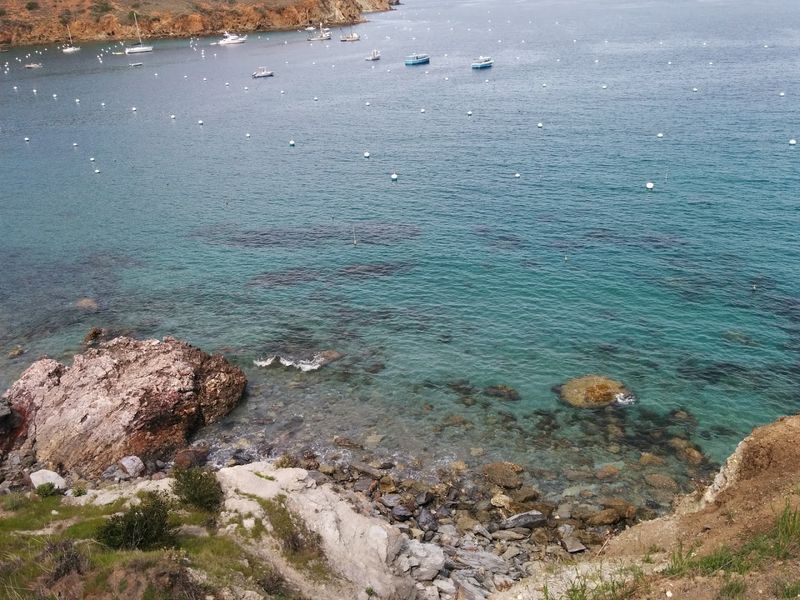
What started as roughly 15 bison quietly became one of the more surprising ecological stories in California history. With no natural predators and plenty of open land to roam, the herd grew steadily over the decades following their 1924 arrival.
By the 1960s and 1970s, the population had ballooned to as many as 600 animals. That might sound impressive, but for a small island ecosystem, it was genuinely overwhelming.
Overgrazing stripped vegetation, erosion became a real concern, and the delicate balance of the island’s native plant communities took a serious hit.
The bison were thriving in numbers, but the land beneath their hooves was struggling to keep up. It became clear that without some form of management, the situation would spiral in the wrong direction for both the bison and the island itself.
This turning point pushed conservation groups to start thinking seriously about long-term solutions. The story of the herd’s growth is a powerful reminder that even the most charming wildlife situations need thoughtful stewardship to remain sustainable and healthy.
How The Catalina Island Conservancy Stepped In
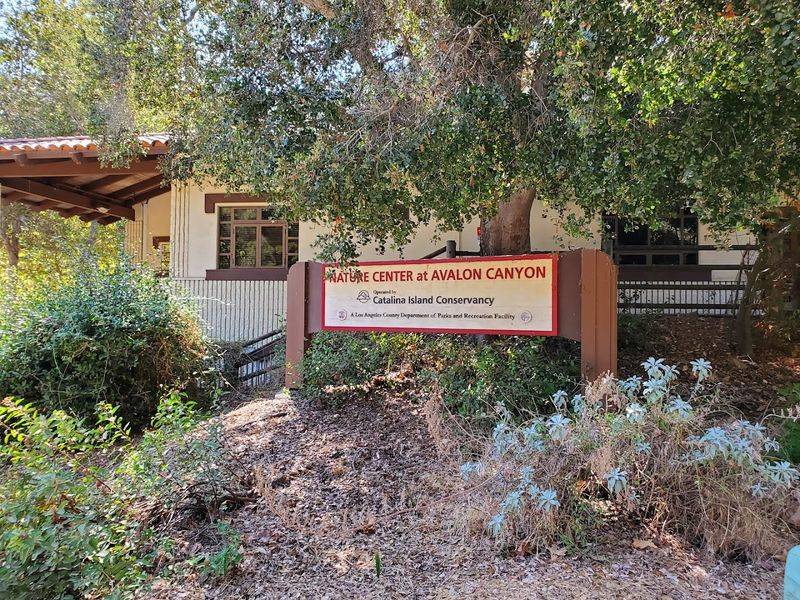
Enter the Catalina Island Conservancy, the organization that manages about 88 percent of the island’s interior as a nature preserve.
When the bison situation became ecologically unsustainable, the Conservancy took on the challenge of finding a humane and effective long-term solution.
Starting in 2009, the organization introduced a contraception program to slow the herd’s reproduction rate without removing animals from the island entirely. It was a pioneering approach that drew attention from wildlife managers across the country.
Alongside contraception efforts, the Conservancy also worked to relocate bison to Native American reservations on the mainland, giving the animals a new home while reducing pressure on the island ecosystem.
The goal became maintaining a sustainable herd of around 100 to 150 individuals, a number the island’s landscape can actually support without long-term damage.
Today the Conservancy continues to monitor the herd closely, balancing wildlife preservation with ecological responsibility. Their approach has become a model for island conservation worldwide.
It proves that with creativity and commitment, even the most unusual wildlife challenges can be managed with both compassion and scientific rigor.
The Tours Worth Taking
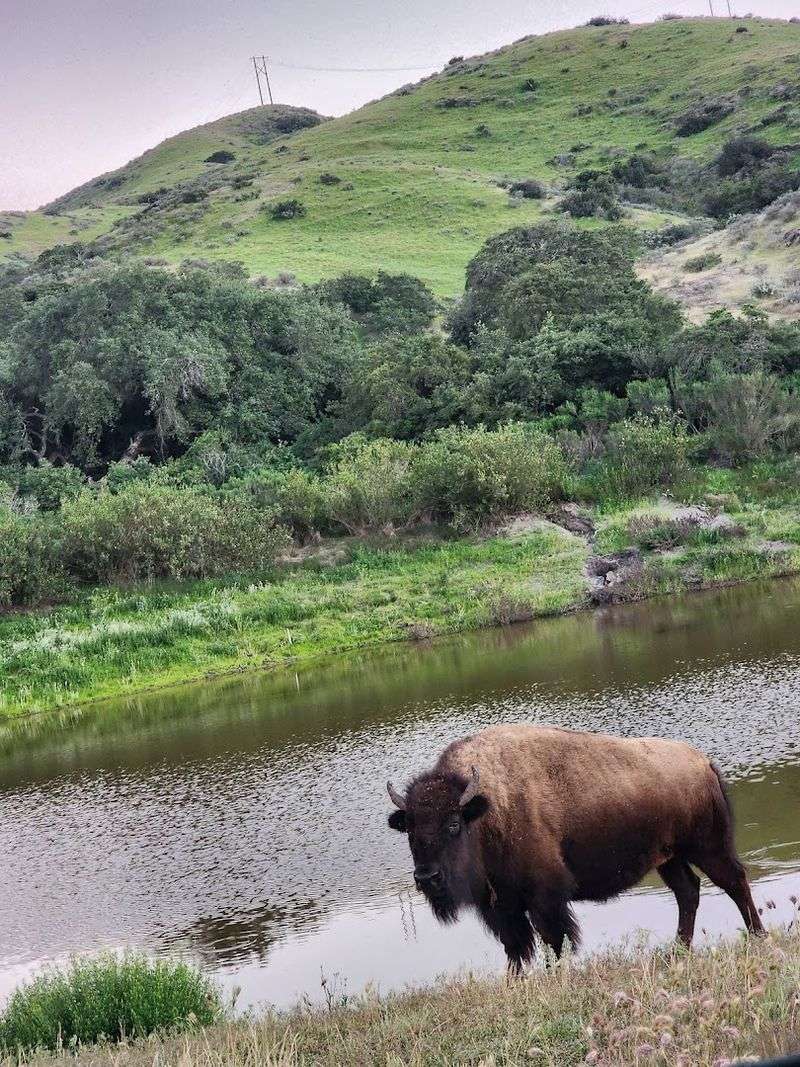
Seeing a wild bison up close is the kind of experience that immediately becomes your go-to dinner party story. On Catalina, that experience is surprisingly accessible.
The Conservancy and several tour operators offer guided excursions into the island’s rugged interior, where bison sightings are genuinely common.
Eco tours typically take visitors into areas of the island that are otherwise off-limits to the general public. You might be bumping along a dusty trail in an open-air vehicle when suddenly a bison appears around a bend, completely unbothered by your presence.
It’s one of those wildlife moments that feels almost too good to be real.
Beyond bison, these tours often include sightings of the island’s endemic fox, native birds, and sweeping coastal views that stretch all the way to the mainland on a clear day.
Booking in advance is a smart move, especially during peak summer months when spots fill up fast. Whether you’re a first-time visitor or a Catalina regular, an interior eco tour is the kind of adventure that earns its own highlight reel.
Plan ahead and go early for the best light.
More Than Just Bison
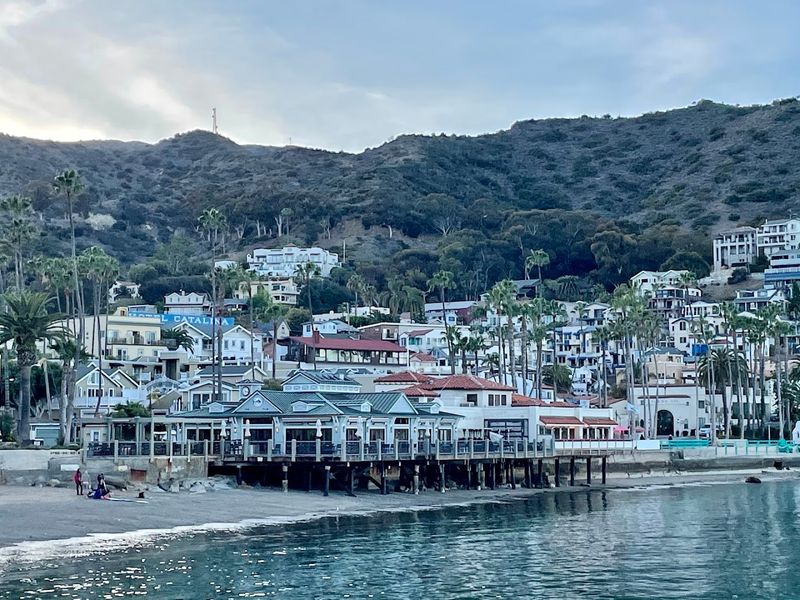
Catalina Island is the kind of place that makes you question why you don’t visit more often.
The main town of Avalon is a charming, walkable waterfront community packed with seafood restaurants, boutique shops, and the kind of laid-back energy that feels like a full personality reset after mainland life.
Getting there is half the fun. The Catalina Express ferry runs from several Southern California ports including Long Beach, San Pedro, and Dana Point.
The ride takes about an hour and offers open-ocean views that set the mood perfectly. For those in a hurry, a helicopter flight gets you there in about 12 minutes, which is honestly a flex worth considering.
Once on the island, renting a golf cart is the classic way to explore Avalon and its surrounding hillsides.
Catalina has a way of feeling like a completely different world despite being just 22 miles from the coast. It genuinely earns every bit of its reputation as one of California’s most beloved getaways.
Hiking The Island’s Wild Interior
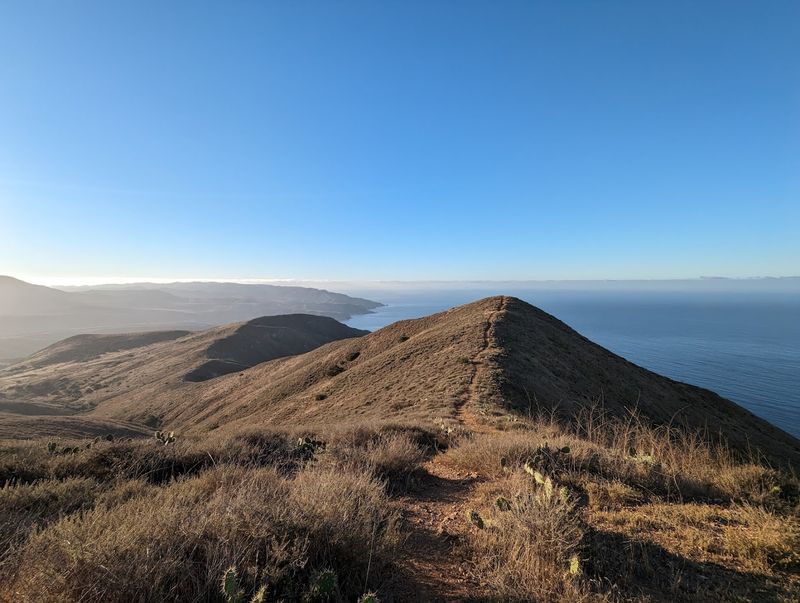
The Catalina Island Conservancy maintains over 165 miles of trails across the island’s interior, and they range from breezy coastal walks to genuinely challenging ridge hikes. For anyone who loves being outdoors, this is where the island reveals its most dramatic side.
Trails like the Trans-Catalina Trail stretch the full length of the island, covering about 38.5 miles from Avalon to Parsons Landing.
Hikers who complete the full route earn serious bragging rights and some of the most spectacular coastal scenery in Southern California. Even shorter segments offer incredible payoffs, with views that seem almost unfair in their beauty.
Wildlife encounters are a real possibility out here. Island foxes, which are found nowhere else on Earth, trot across trails with surprising confidence.
Bald eagles occasionally circle overhead, and the native vegetation creates a fragrant, wild backdrop that feels worlds away from the mainland.
A permit is required to access the interior trails, and they can be obtained through the Conservancy’s website.
Pack water, wear layers, and bring a camera because the interior of Catalina is the kind of place that earns its own photo album.
Catalina’s Other Wild Celebrity
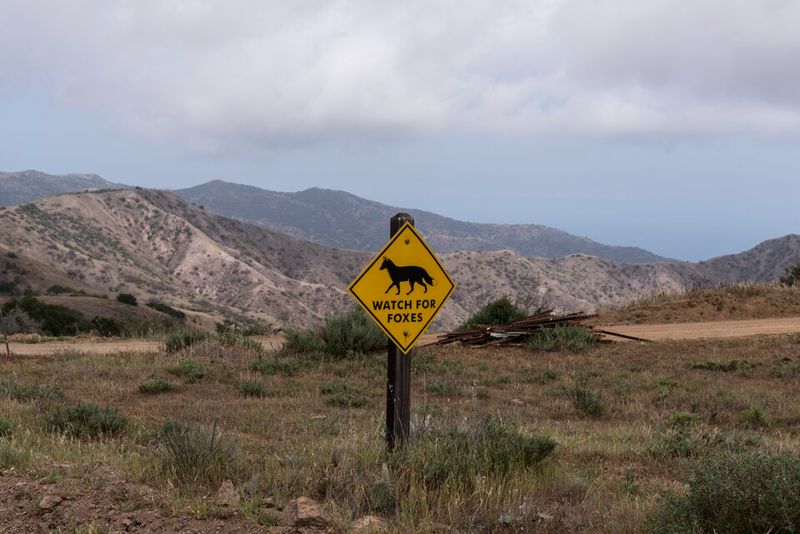
Move over, bison. Catalina has another wild resident that deserves serious attention.
The island fox is one of the smallest fox species in North America and is found only on six of California’s Channel Islands.
On Catalina, they’ve become an unofficial mascot with a genuinely remarkable comeback story.
By the early 2000s, the Catalina island fox population had crashed to fewer than 100 individuals due to a distemper outbreak.
Conservation efforts, including a captive breeding program and widespread vaccination campaigns, brought the population back from the edge.
Today there are well over 1,700 island foxes on Catalina, which is considered one of the fastest recoveries of a federally listed species in U.S. history.
These little foxes are bold, curious, and completely fearless around humans, which makes them both endearing and easy to spot on trails and even around town.
They’re about the size of a house cat, with oversized ears and an expression that suggests they know something you don’t. Seeing one in the wild feels like a small gift from the island.
Catalina’s foxes are living proof that conservation, when done right, actually works.
Why Catalina Deserves A Spot On Your California Bucket List
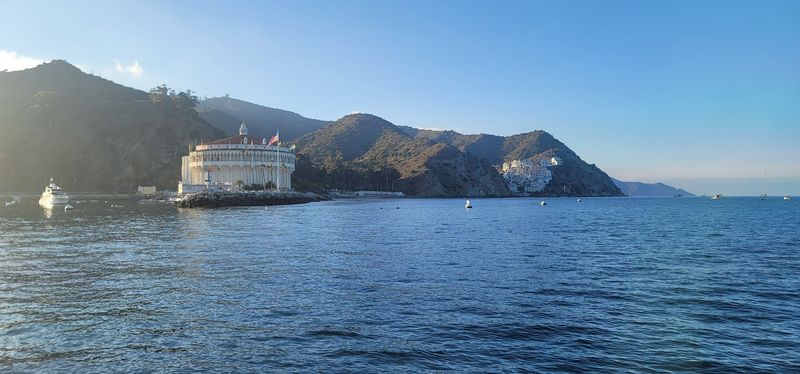
Some places earn their reputation honestly, and Catalina is one of them. It’s not trying to be trendy or over-the-top.
It’s just genuinely, quietly wonderful in a way that sneaks up on you somewhere between your first ferry sighting of the coastline and your second scoop of ice cream in Avalon.
The bison alone make it worth the trip, but the island offers so much more. Snorkeling in its protected marine reserve reveals underwater kelp forests and colorful sea life that rival anything you’d find further south.
Parasailing, kayaking, zip-lining, and biking are all on the activity menu for those who prefer their vacations with a side of adrenaline.
For a slower pace, simply walking the waterfront in Avalon as the afternoon light turns golden is its own kind of magic.
The island has a year-round resident population of around 4,000 people, which gives it a real community feel rather than a purely tourist-driven atmosphere. Catalina is the rare destination that rewards both the first-time visitor and the repeat guest equally.