
This Calm Arizona Town Where Mountains Meet River Feels Like Stepping Into Simpler Times
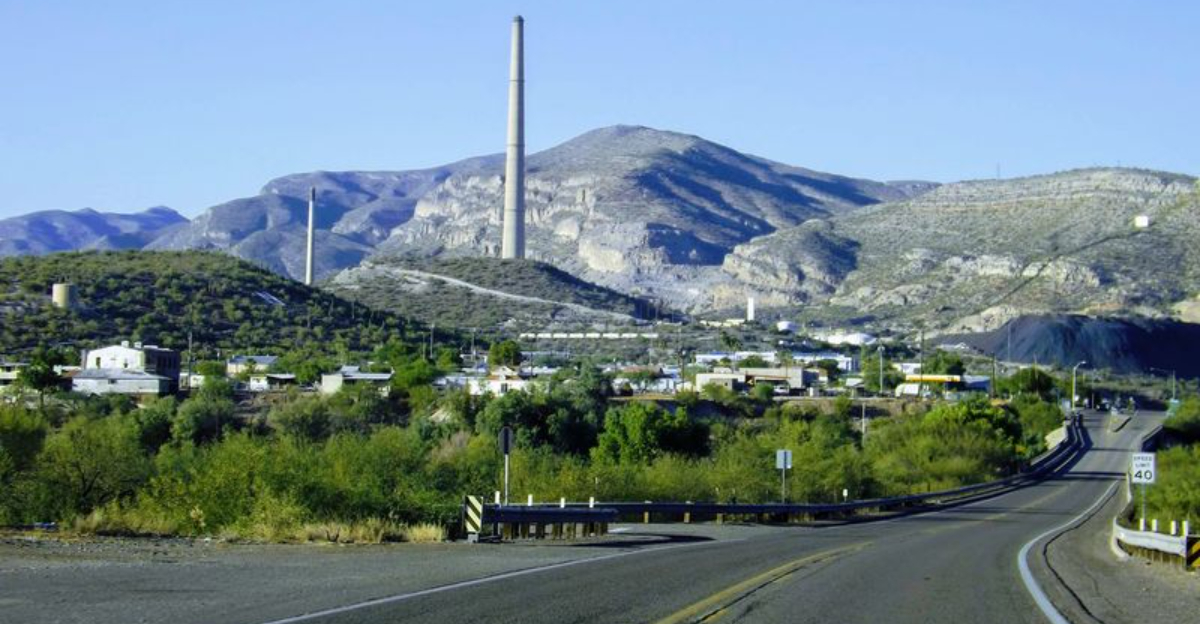
I pulled in on a dusty afternoon when the sun was hanging low over the Galiuro Mountains, and I swear the whole town seemed to exhale. With a population hovering around 300 souls, this tiny spot where the Gila River cuts through copper country feels like it exists outside the frantic rush of modern life.
Nestled at the confluence of the San Pedro and Gila Rivers in southeastern Arizona, this gem sits quietly between Gila and Pinal counties, a place where the mountains lean in close and the river whispers stories older than the mines that built this community.
I came looking for peace, and what I found was a town that never lost its grip on what really matters. Neighbors who wave, landscapes that humble you, and a pace of life that lets you actually catch your breath.
Where Two Rivers Meet
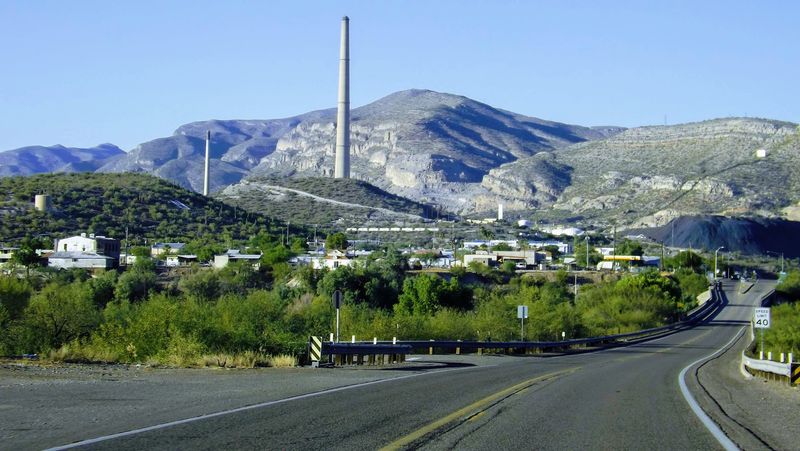
Standing on the banks where the San Pedro joins the Gila River, I watched the two waterways merge like old friends reuniting after a long journey. The meeting point creates a natural oasis in the Sonoran Desert, drawing cottonwoods and willows that shade the rocky banks.
I spent an hour just sitting there, listening to the water move over stones smoothed by centuries of current. Birds I couldn’t name called from the trees, and a great blue heron stood motionless in the shallows, patient as a statue.
The rivers have shaped everything about Winkelman, from its founding to its survival. They provided water for the mining operations that built the town and continue to sustain the desert landscape around it.
Locals told me they come here when life gets too loud, when they need reminding of what permanence looks like. The rivers will be here long after we’re gone, they said, and there’s comfort in that kind of continuity that you just can’t find in busier places.
Copper Legacy Still Visible
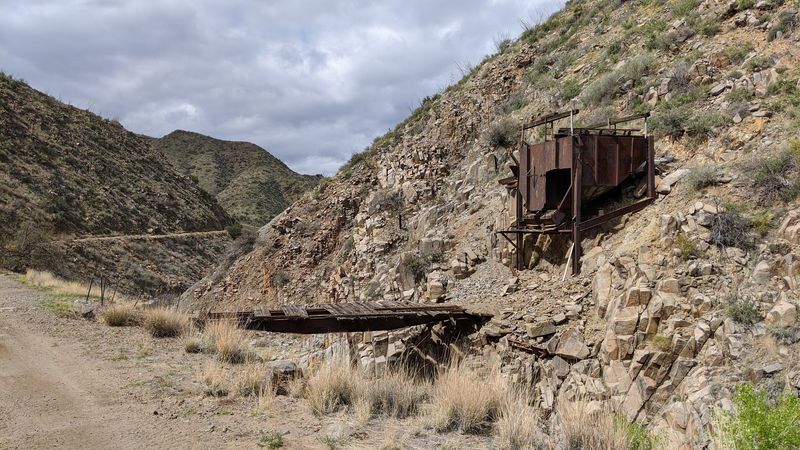
Copper built Winkelman, and you can still see its fingerprints everywhere I looked. The town sprang up in the early 1900s to support the nearby mines, and though the big operations have quieted, the history remains written in rusted equipment and old company buildings that line the streets.
I walked past structures that once housed miners and their families, simple homes built for function rather than show. The architecture tells a story of hard work and community, of people who came here to extract wealth from the earth and ended up planting roots instead.
The Ray Mine still operates nearby, one of the largest copper mines in North America, and you can see the terraced slopes carved into distant mountains. It’s a reminder that this town was never about glamour or tourism but about real work and the people who did it.
What struck me most was how the residents honor this history without being stuck in it, maintaining pride in their mining heritage while adapting to quieter times.
Mountains That Hold You Close
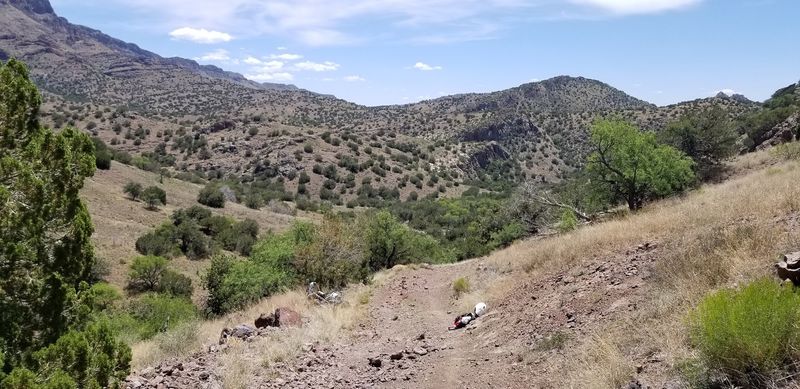
The Galiuro Mountains rise to the east of Winkelman like protective walls, their peaks reaching over 7,000 feet and creating a dramatic backdrop that changes color with every shift of light. I watched them turn from brown to purple to pink as the sun set, a free show better than anything you’d pay admission for.
These mountains aren’t the famous peaks that tourists flock to, and that’s exactly what makes them special. They’re wild and largely untouched, home to wildlife and silence in equal measure.
I talked to a longtime resident who told me she never tires of looking at them, that they provide a sense of scale and perspective that keeps life’s smaller problems in their proper place. When you live surrounded by something that ancient and unmovable, your own troubles shrink down to size.
The mountains also create microclimates that bring slightly cooler temperatures and occasional moisture, making Winkelman more bearable than the lower desert during brutal summer months.
Population Of Neighbors, Not Strangers
With fewer than 300 people calling Winkelman home, I quickly realized this isn’t a place where you can remain anonymous. Everyone I encountered seemed to know everyone else, and by my second day, people were waving at me like I’d lived there for years.
I stopped at the small market for supplies and ended up in a twenty-minute conversation with the owner about the best fishing spots along the Gila. She knew my truck before I told her what I was driving, and she’d already heard I was staying at the little RV park on the edge of town.
This level of connection might feel intrusive in a city, but here it felt like safety. When everyone knows everyone, people look out for each other in ways that have become rare in bigger communities.
I watched neighbors help an elderly man carry groceries to his door and saw kids playing in yards without constant supervision, trusted to the collective care of the whole town. It’s the kind of place where your business is everyone’s business, but that also means you’re never truly alone.
Desert Beauty Without The Crowds
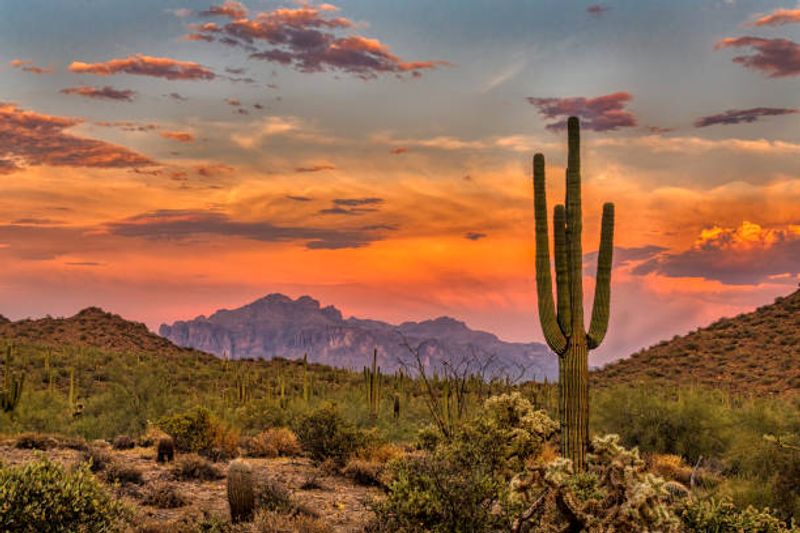
The desert around Winkelman offers all the stark beauty of more famous Arizona landscapes without the tour buses and selfie sticks. I hiked into the hills surrounding town and didn’t see another soul for hours, just saguaros standing sentinel and lizards darting across sun-baked rocks.
The Sonoran Desert here feels raw and unmanicured, not packaged for consumption but simply existing as it has for millennia. Ocotillos reach toward the sky like skeletal fingers, and palo verde trees provide scattered shade for creatures smart enough to wait out the midday heat.
I watched a roadrunner sprint across a dry wash and spotted a hawk circling so high it was barely a speck against the blue. This is nature on its own terms, indifferent to human schedules and expectations.
What makes it special isn’t that it’s dramatically different from other desert areas but that it remains largely undiscovered, a place you can still experience without fighting for parking or waiting your turn at a scenic overlook. Sometimes the best views are the ones you don’t have to share.
Real Arizona, Unfiltered
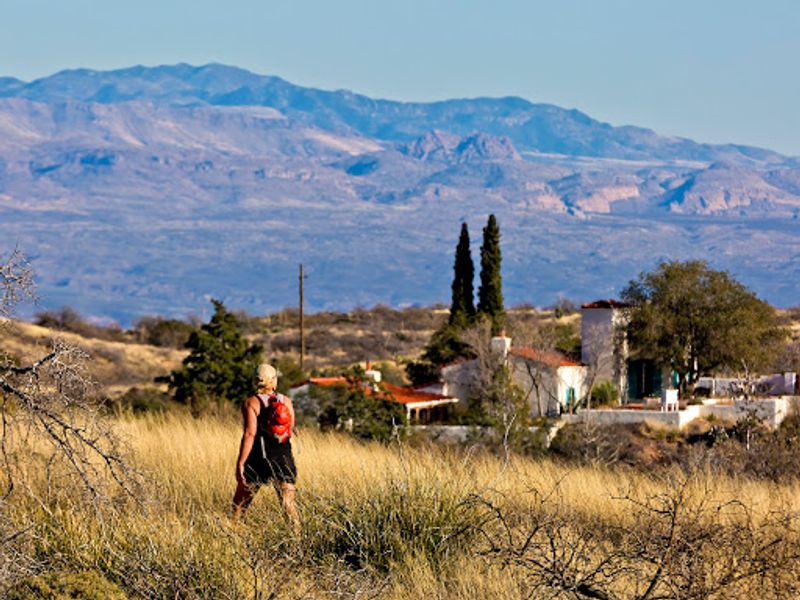
Winkelman doesn’t try to be cute or quaint, and that honesty is refreshing in a state where so many towns have repackaged themselves for tourists. This is working Arizona, the version that doesn’t make it onto postcards but represents how most people in rural areas actually live.
The houses are modest, many showing their age and the wear of harsh desert conditions. There are no art galleries or boutique coffee shops, no carefully restored historic districts designed to separate visitors from their money.
What you see is what you get, and what you get is a community that functions on practical terms, where people value utility over appearance and substance over style. I found this lack of pretension deeply appealing, a counterpoint to the Instagram-ready destinations that feel more like stage sets than real places.
Talking with residents, I heard pride in their town’s authenticity, in its refusal to become something it’s not just to attract outside attention. They’re content to let Sedona and Scottsdale have the tourists while they keep their quiet corner of Arizona largely to themselves.
Climate That Follows The River
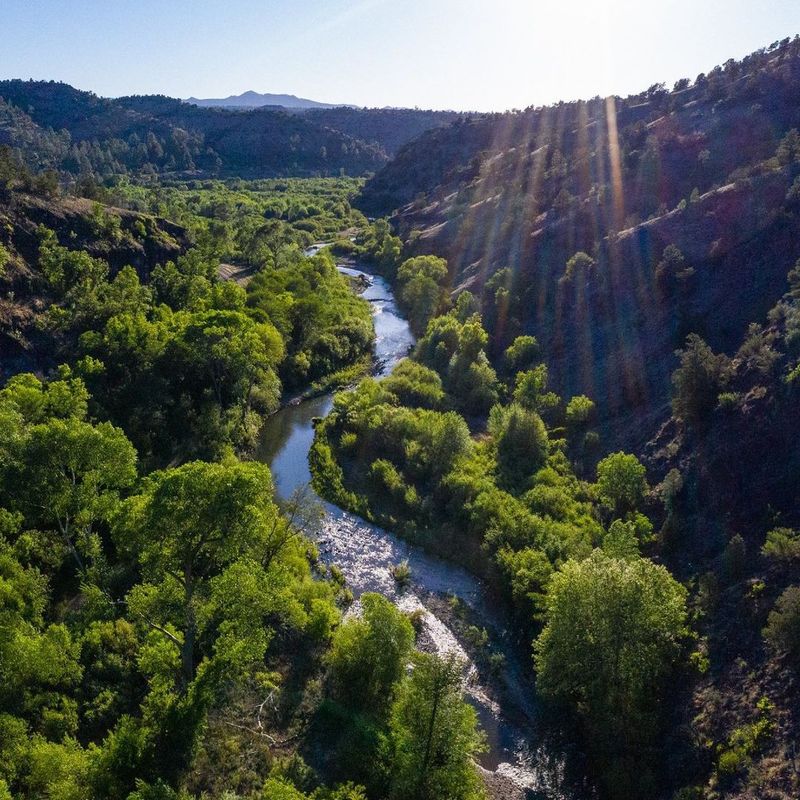
The presence of the rivers creates a microclimate that makes Winkelman slightly more livable than the surrounding desert, though I won’t pretend it’s not hot in summer. The elevation of around 2,500 feet helps a bit, and the cottonwoods along the water provide shade that drops the temperature by several precious degrees.
I visited in late spring and found the weather nearly perfect, warm days that cooled off nicely once the sun dropped behind the mountains. Locals told me winter can bring surprisingly cold nights, with temperatures occasionally dipping below freezing, though snow is rare at this elevation.
The rivers also bring slightly higher humidity than the surrounding desert, which sounds counterintuitive but actually makes the heat more bearable by preventing the extreme dryness that can make breathing feel difficult. I noticed I wasn’t constantly reaching for water the way I do in places like Phoenix.
Summer is genuinely brutal, with temperatures regularly exceeding 105 degrees, but residents have adapted with early morning routines and midday siestas that acknowledge rather than fight the climate.
Gateway To Surrounding Adventures
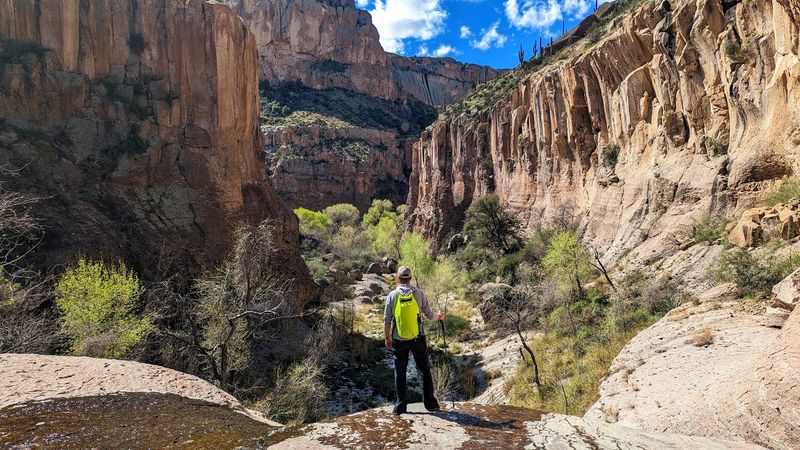
While Winkelman itself is tiny, its location makes it a surprisingly useful base for exploring southeastern Arizona’s less-traveled corners. I used it as a launching point for day trips to places that don’t see many visitors but reward those who make the effort.
The Galiuro Wilderness Area lies to the east, offering serious backcountry hiking for those equipped to handle rugged terrain without services or marked trails. To the south, the historic mining town of Superior sits about 30 miles away, with its own copper history and dramatic setting.
I drove to the Aravaipa Canyon Wilderness one morning, one of Arizona’s most pristine riparian areas, where a permit-controlled creek flows year-round through towering canyon walls. The drive took less than an hour, and I had the place nearly to myself.
What I appreciated was using Winkelman as a quiet home base, a place to return to after adventures where I could decompress without navigating tourist infrastructure. Sometimes the best travel experiences come from staying in overlooked places that serve as gateways rather than destinations themselves.