
This Car-Free Remote Florida Island Has Barely Changed In Two Centuries
No traffic. No high-rise hotels.
No car horns in the distance. The moment the ferry pulls away from the Florida mainland, it starts to feel like modern life is slowly disappearing behind you.
Then Cayo Costa appears.
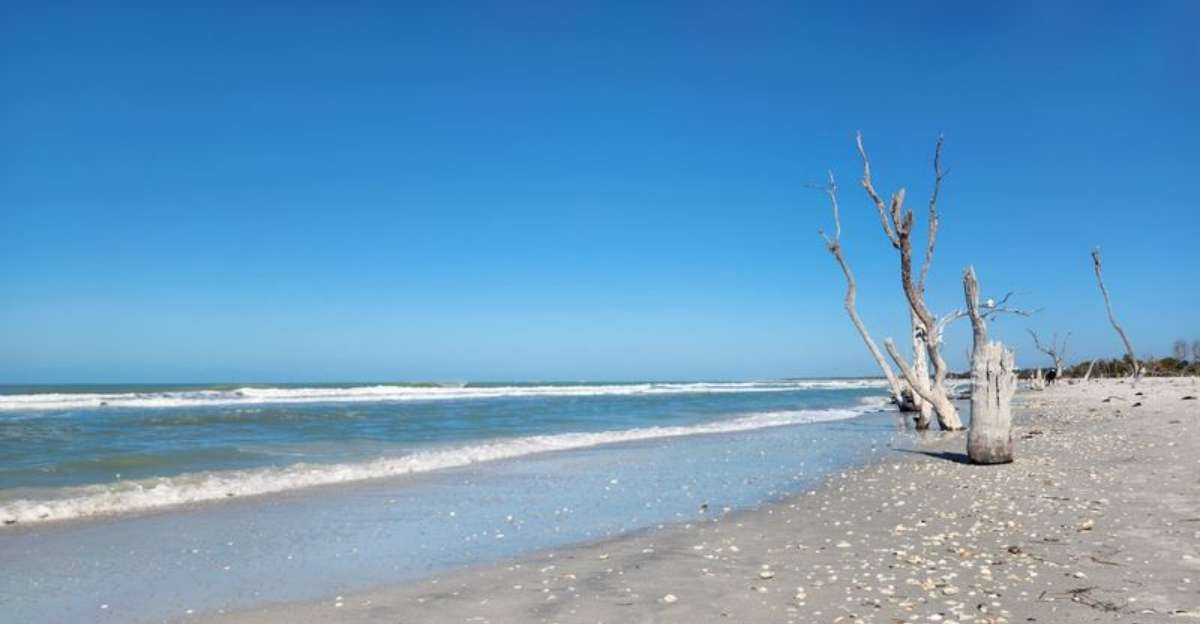
This remote Florida barrier island has remained largely untouched for generations, and stepping onto its shores feels less like arriving at a state park and more like stumbling into a forgotten version of Old Florida. Wild beaches stretch for miles without crowds in sight.
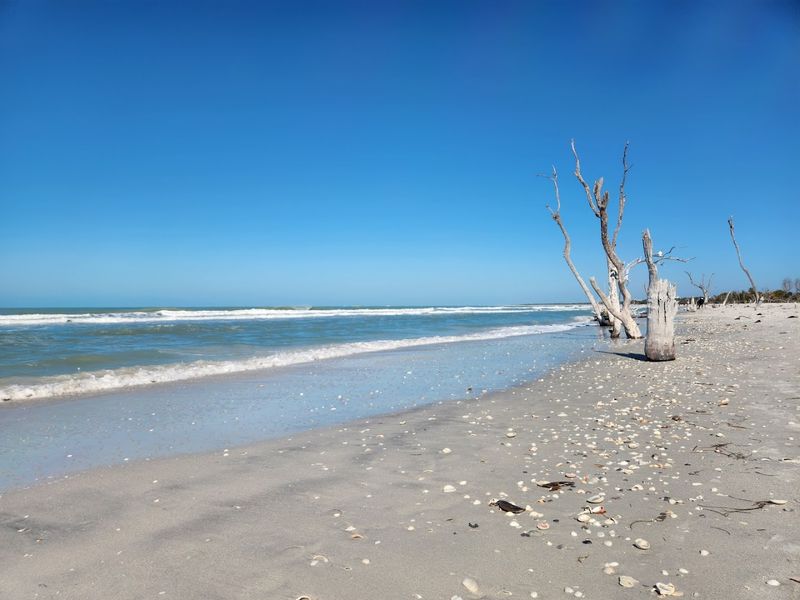
Driftwood washes onto soft white sand. Ancient pine forests sway quietly in the ocean breeze.
The entire island moves at a different pace. People trade traffic noise for crashing waves, seashell hunting, and long walks beside water so clear it barely looks real.
Some visitors come for the fishing and kayaking. Others arrive simply to experience a side of Florida that feels impossibly peaceful now.
The most surprising part is how untouched everything still feels. With no roads or cars anywhere on the island, Cayo Costa delivers the kind of escape most people think no longer exists in Florida.
Access By Water Only
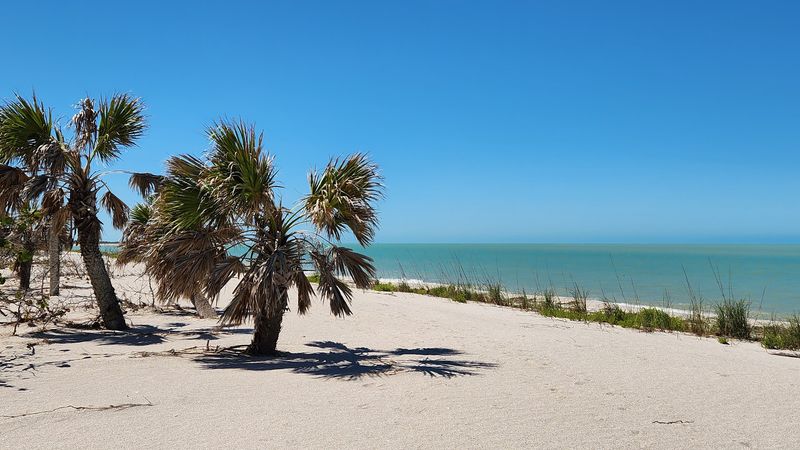
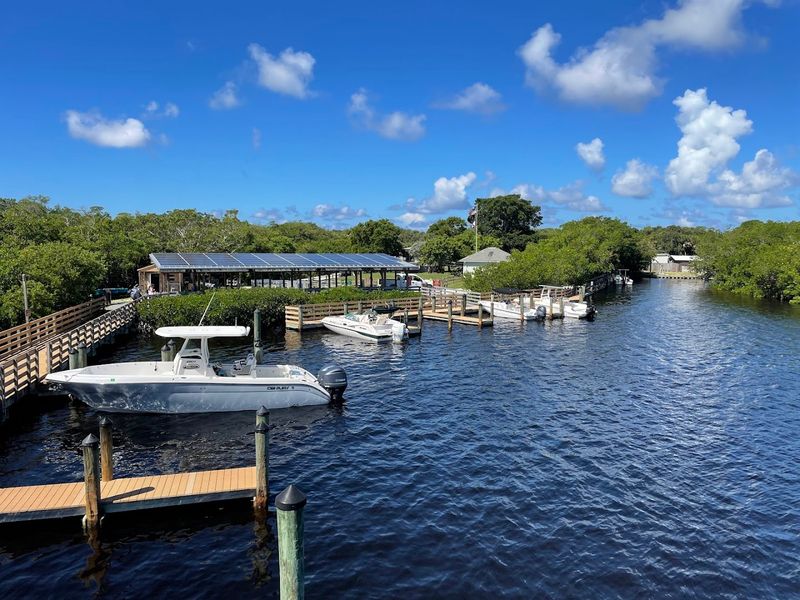
Getting to Cayo Costa State Park requires planning since there are no bridges connecting it to the mainland. I took a ferry from Pine Island, and the 30-minute ride across the water immediately set the tone for the adventure ahead.
Private boats can also dock at the park’s well-maintained facilities, and I watched several families arrive this way during my visit. The lack of vehicle access means every visitor arrives with a sense of purpose and a willingness to embrace a slower pace.
Charter services operate regularly, though Hurricane Ian temporarily disrupted some routes, so checking current availability before planning your trip is essential. The boat ride itself becomes part of the experience, with dolphins often swimming alongside and pelicans diving for fish.
This water-only access has protected Cayo Costa from the development that transformed so many other Florida islands. The moment you step off the boat, you enter a world that operates on nature’s terms rather than human convenience.
Primitive Camping Experience
Camping at Cayo Costa feels like stepping into Florida’s past, with cabins and tent sites offering shelter without modern conveniences. I stayed in one of the small cabins, which had four walls, a roof, and absolutely nothing else, no electricity, no air conditioning, no Wi-Fi.
The primitive nature of these accommodations forces you to slow down and appreciate simple pleasures. I read by flashlight, cooked on a camp stove, and fell asleep to the sound of waves rather than television.
Tent camping sites are scattered throughout the park, some nestled under palm trees and others closer to the beach. The campground store provides ice and basic supplies, but I learned to bring everything I needed for my stay.
Bugs, especially no-see-ums, can be relentless during summer months, so I packed heavy-duty repellent and a battery-powered fan. Despite the challenges, or perhaps because of them, camping here creates memories that polished resorts never could.
Nine Miles Of Untouched Beach
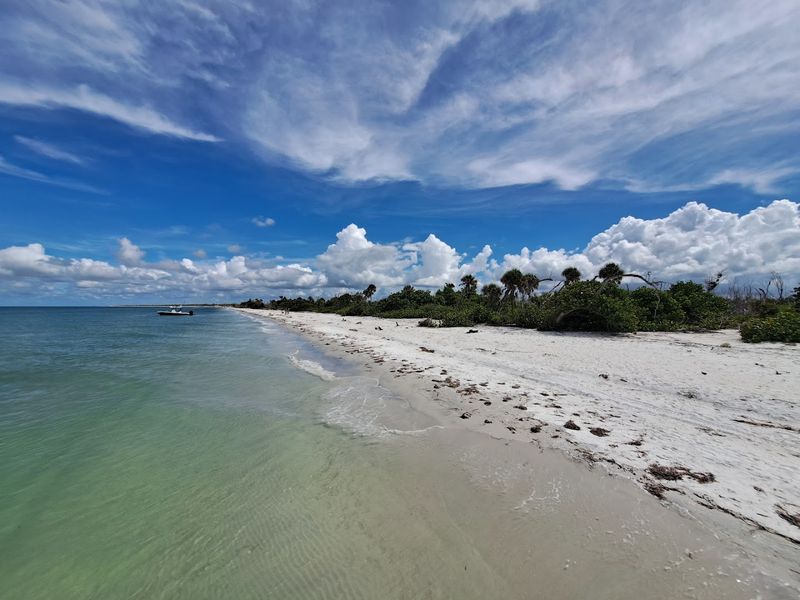
Walking the beach at Cayo Costa feels like having your own private stretch of paradise. The nine miles of coastline remain remarkably uncrowded, even during peak season, because boat-only access naturally limits visitor numbers.
I spent an entire afternoon strolling along the Gulf-side beach, collecting shells and watching shore birds without seeing more than a handful of other people. The sand stays soft and white, and the water transitions from pale green to deep blue as it deepens.
Different sections of beach offer varying experiences, with some areas featuring flat, wide expanses perfect for long walks, while others have wooded sections where trees grow almost to the waterline. The bay-side beaches present a completely different character, calmer and more sheltered.
Shelling here can be exceptional, particularly after storms, when I found everything from olive shells to sand dollars. The beach’s pristine condition results from decades of protection and the absence of vehicle traffic that damages so many other coastal areas.
Historic Pine And Palm Forests
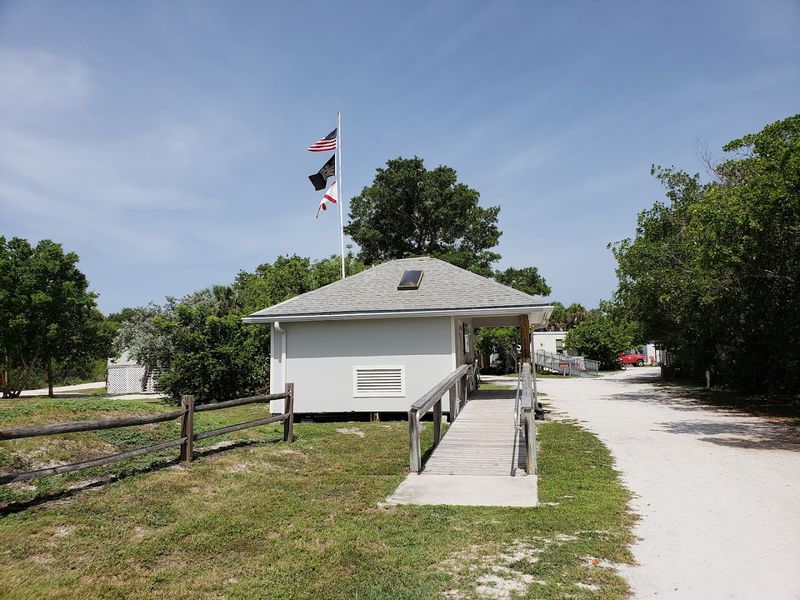
Beyond the beaches, Cayo Costa preserves forests that have stood for generations. I hiked through groves of slash pine and cabbage palms that create a canopy overhead, filtering sunlight into patterns on the sandy trails below.
These forests represent what much of coastal Florida looked like before development, and walking through them feels like traveling through time. The trees provide crucial habitat for birds, and I spotted everything from woodpeckers to ospreys during my explorations.
The park maintains several miles of trails that wind through these wooded areas, offering a welcome break from the sun and a chance to see the island’s interior. Some trails are perfect for biking, which the park rents by the hour.
The forests also provide shade for camping areas, though I noticed some sites have more coverage than others. These ancient trees survived countless hurricanes and storms, their resilience a testament to the island’s enduring wild character that has remained largely unchanged for two centuries.
No-See-Um Reality Check
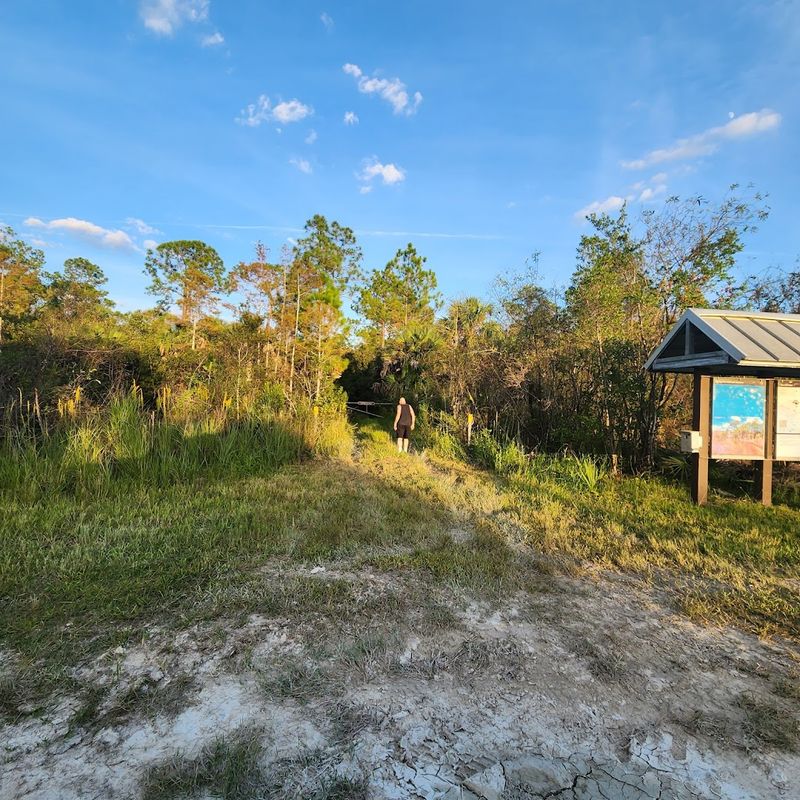
Nobody warned me adequately about the no-see-ums before my first visit, and I paid the price with dozens of itchy bites. These tiny biting midges are smaller than mosquitoes but deliver a punch that lasts for days.
Summer months bring the worst infestations, particularly around dawn and dusk when they swarm aggressively. I learned to apply 80% DEET repellent liberally and keep a battery-powered fan running in my cabin, since the bugs struggle to fly in moving air.
Long pants and sleeves help during peak bug times, and some campers bring special no-see-um netting to create bug-free zones. The park rangers acknowledge the problem honestly, and the small store stocks repellent for those who arrive unprepared.
Despite this challenge, the bugs haven’t ruined the island or driven visitors away permanently. I consider them part of the authentic wilderness experience, a reminder that Cayo Costa remains wild and untamed, just as it has been for centuries before modern pest control existed.
Ranger-Led Island Transport
Walking from the dock to the beach covers about a mile, which sounds manageable until you factor in Florida heat and sandy paths. The park operates a tram service that runs on a regular schedule, making the journey comfortable and easy.
I used the tram my first day, appreciating the chance to save energy for beach activities rather than exhausting myself on the trek over. The tram drivers often share information about the island’s history and ecology during the ride.
The service runs hourly during peak times, connecting the dock area to the beach, campgrounds, and cabin areas. Visitors can also rent bikes from the park store, which I found to be an excellent way to explore the trails at my own pace.
Some adventurous visitors prefer to walk the entire distance, and the well-maintained paths make this feasible for most fitness levels. The tram schedule can be unpredictable during slower seasons, so asking rangers about current timing helps avoid long waits in the sun.
Dolphin And Wildlife Encounters
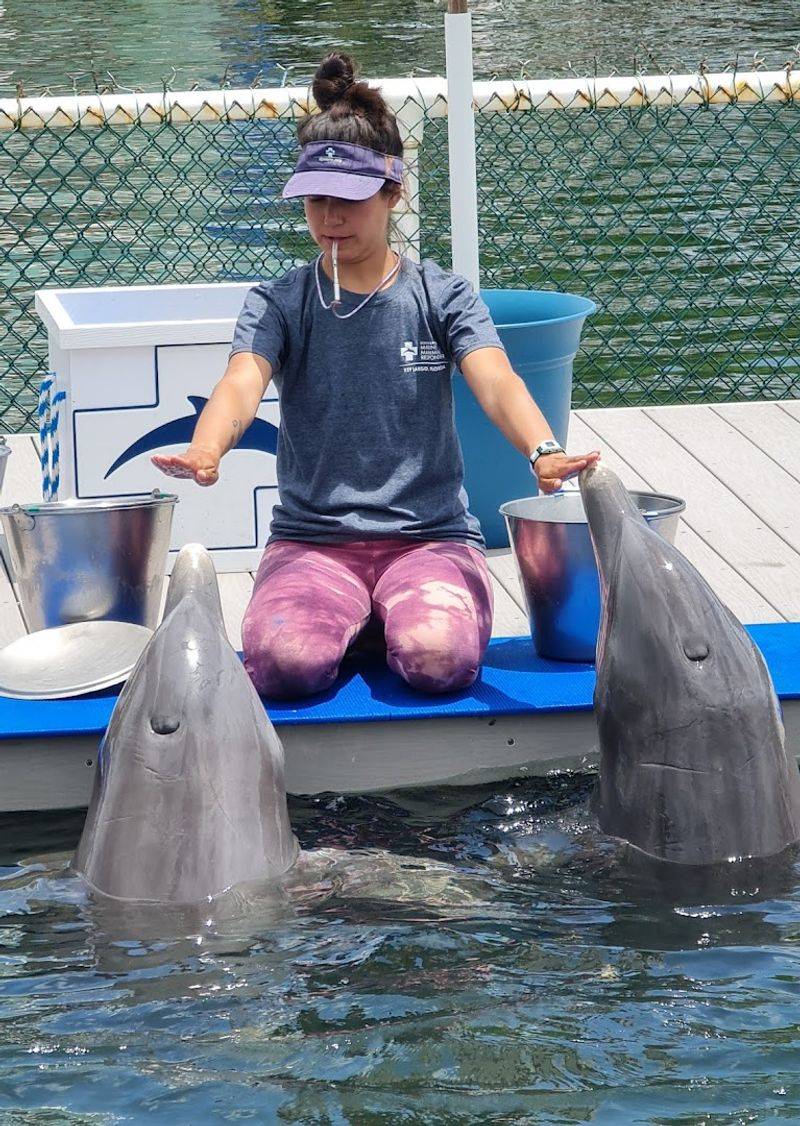
Marine life thrives in the waters surrounding Cayo Costa, and I saw dolphins on every visit. They swim close to shore, particularly in the early morning, sometimes in pods of a dozen or more.
I once watched a mother dolphin teaching her calf to hunt in the shallows, their dorsal fins cutting through the calm water just yards from where I stood. The experience felt magical, a reminder of why protecting wild places matters.
Shore birds are everywhere, from great blue herons stalking the flats to tiny sandpipers racing the waves. I spotted ospreys diving for fish and pelicans gliding in formation over the Gulf.
Sea turtles nest on these beaches during summer months, and the park takes protection seriously with marked nesting areas. Manatees occasionally visit the bay side, particularly during cooler months when they seek warmer water.
This abundance of wildlife exists because the island has remained largely undisturbed, maintaining ecosystems that disappeared from more developed coastal areas decades ago.
Storm-Tested Resilience
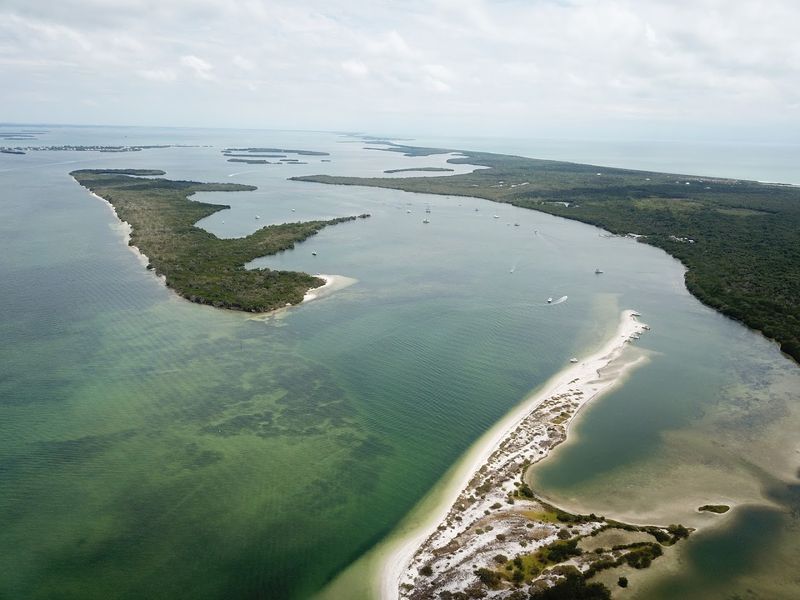
Hurricane Ian slammed into this coast in 2022, and Cayo Costa took a direct hit. I visited months after the storm and saw the island’s remarkable ability to recover naturally without human intervention.
Some trails needed clearing, and certain facilities required repairs, but the island itself bounced back with impressive speed. New vegetation sprouted, beaches reshaped themselves naturally, and wildlife returned almost immediately.
The storm temporarily closed camping facilities and disrupted ferry service, reminding visitors that nature ultimately controls this island’s destiny. Park staff worked diligently to restore access while respecting the natural recovery process.
This resilience comes from the island’s undeveloped state, since there are no roads to repair, no buildings to rebuild, and no infrastructure to replace. Cayo Costa has weathered countless storms over two centuries, each time recovering because its natural systems remain intact.
The hurricane served as a powerful reminder that this island exists on its own terms, adapting and surviving through processes that have worked for millennia.
Exceptional Shelling Opportunities
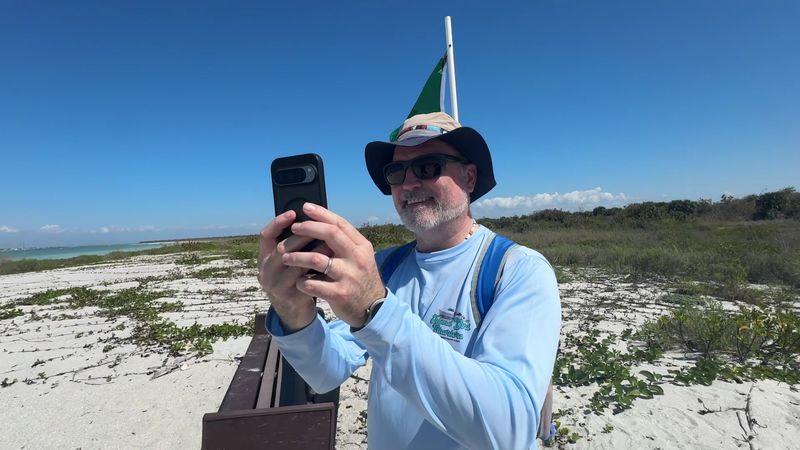
Shelling at Cayo Costa ranks among the best in Florida, with new treasures washing ashore daily. I found myself walking with my head down, scanning the sand for the distinctive shapes of olive shells, whelks, and fighting conchs.
The island’s position as a barrier island creates ideal conditions for shell accumulation, particularly after storms or during certain tide cycles. I learned to visit during low tide for the best finds.
Sea urchin shells wash up in abundance during certain seasons, creating purple and white displays across the sand. Sand dollars appear regularly, and I found several perfect specimens during a single afternoon walk.
Other shellers I met shared tips and showed off their finds, creating an informal community of treasure hunters. The park allows visitors to collect shells, though live specimens must remain undisturbed.
This shelling paradise exists because the beach remains natural and uncrowded, giving shells time to accumulate rather than being picked over constantly by massive crowds.
Dark Sky Stargazing
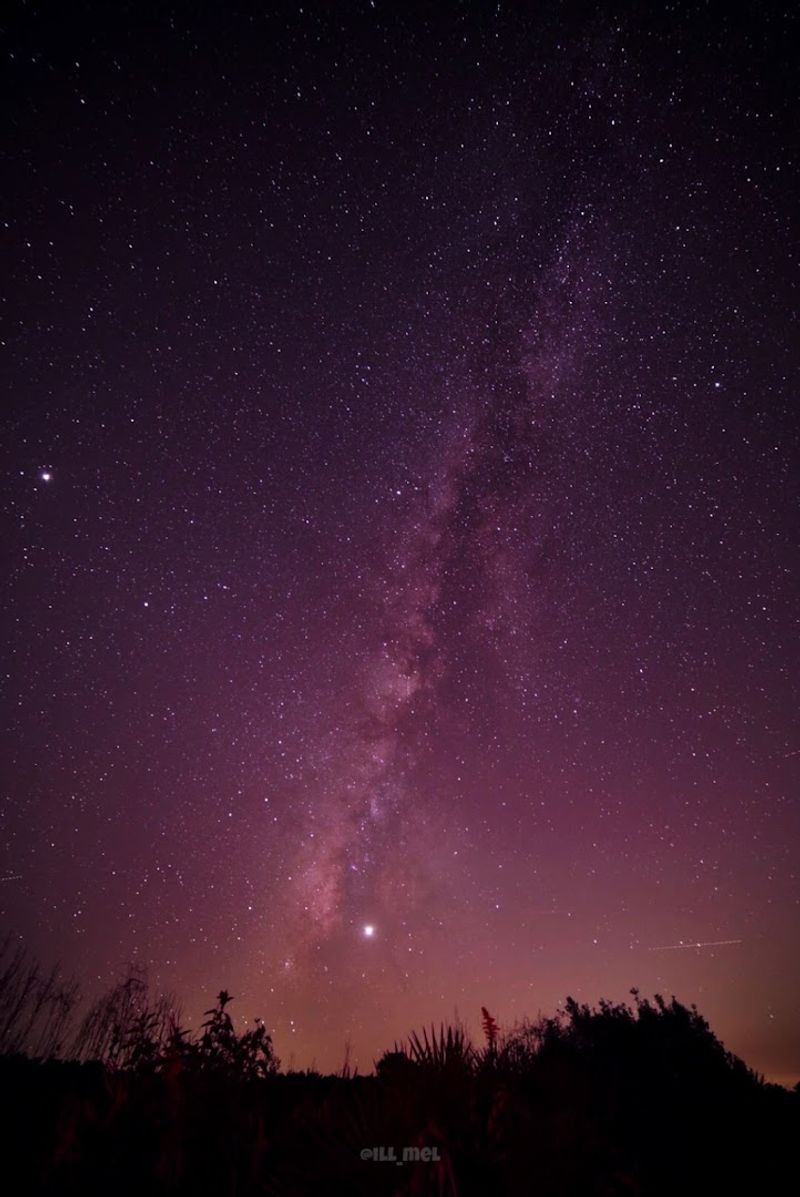
The absence of electricity and development makes Cayo Costa an exceptional place for stargazing. I stayed up late my first night, stunned by the number of stars visible once my eyes adjusted to the darkness.
The Milky Way stretched across the sky in a band of light I had never seen so clearly, and shooting stars appeared regularly. Without light pollution from cities or street lamps, the night sky reveals itself in its full glory.
I spread a blanket on the beach and simply watched, identifying constellations and marveling at the sheer number of stars. Other campers gathered in small groups, sharing telescopes and pointing out planets.
This experience of true darkness has become rare in modern Florida, where development and artificial light obscure the night sky almost everywhere. The lack of electricity that makes camping here challenging also creates this spectacular benefit.
Sleeping under these stars felt like connecting with the same night sky that people have watched from this island for centuries, unchanged by human progress.