
This Century-Old Florida Fishing Village Looks Exactly The Same As It Did 100 Years Ago
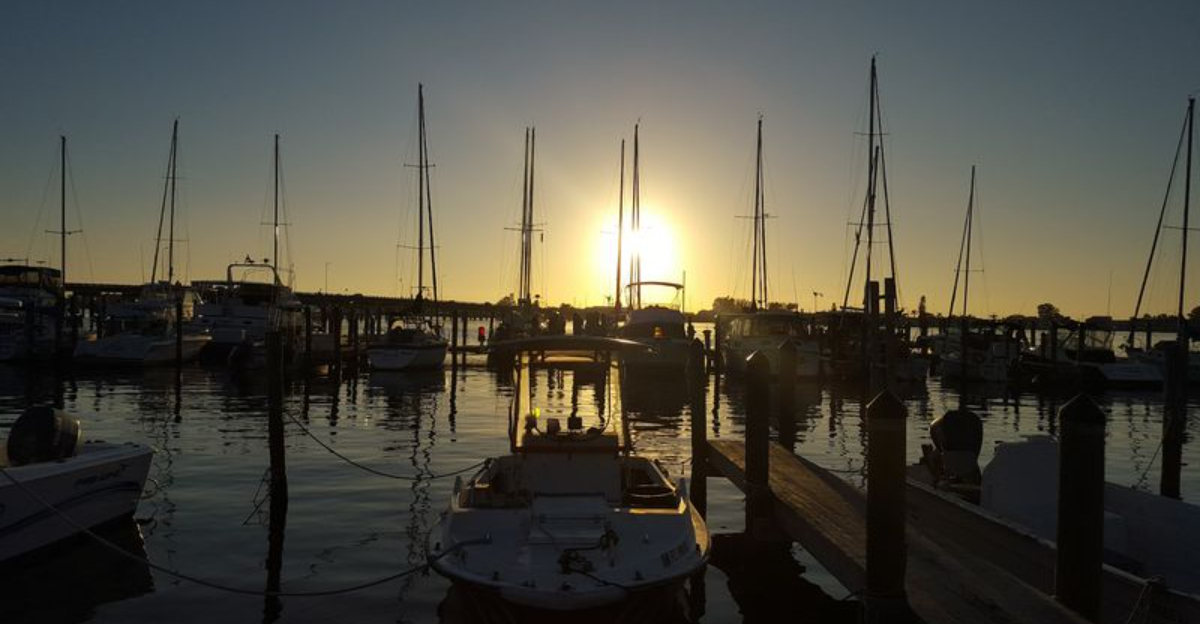
Finding a place that still feels like old Florida is becoming harder every year.
Cortez is one of the rare exceptions.
Long before high-rise condos, crowded beach towns, and endless traffic became part of the Florida landscape, communities like this were built around fishing boats, waterfront docks, and people whose lives depended on the sea.
That history is still visible today.
Weathered buildings line the waterfront. Fishing boats continue to come and go.
And the pace of life feels refreshingly different from the busy destinations surrounding it.
That is what makes Cortez so special.
It does not feel manufactured.
It does not feel designed for tourists.
It feels authentic.
The salty air, the working waterfront, and the stories woven into nearly every corner create an atmosphere that is increasingly difficult to find in modern Florida.
For visitors looking beyond beaches and theme parks, Cortez offers something even more memorable: a chance to experience a piece of Florida’s past that is still very much alive.
Founded by North Carolina Settlers In The 1880s
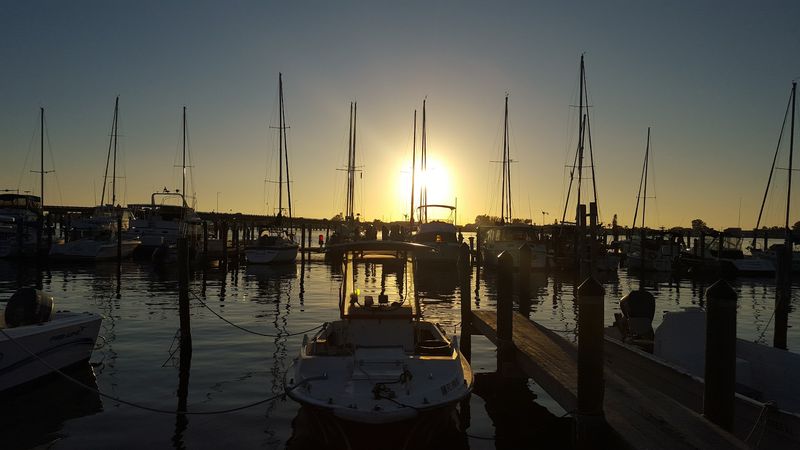
Long before Cortez became a postcard-worthy waterfront scene, a determined group of families packed up their lives in North Carolina and headed south looking for better fishing grounds and a fresh start.
They arrived on the Gulf Coast of Manatee County, Florida, in the 1880s and immediately got to work building the kind of community they already knew back home, one centered entirely around the water.
Names like Bell, Guthrie, and Fulford are still common in Cortez today, carried by descendants of those original settler families who never left.
The founding story gives Cortez a rare sense of rootedness that most Florida towns simply cannot claim, since so much of the state was built by transplants chasing sunshine rather than livelihoods.
Knowing that history makes walking through the village feel less like sightseeing and more like reading a living chapter of American coastal heritage.
One of Florida’s Last True Working Waterfronts
Most Florida waterfront towns traded their fishing boats for tourist yachts decades ago, but Cortez never made that swap, and the difference is impossible to miss the moment you arrive.
Commercial fishing operations still launch from the docks here every single day, with crews heading out into Tampa Bay and the Gulf of Mexico the same way their great-grandparents did generations before them.
Fish houses, net sheds, and ice facilities line the water’s edge, all of them functional and busy rather than decorative props for a marina gift shop.
The Florida Institute for Saltwater Heritage, better known as FISH, has worked hard to protect this working waterfront from development pressure that has swallowed similar communities all along the state’s coastline.
Watching a crew unload a fresh catch while pelicans circle overhead is a reminder that some places still measure success by the weight of the nets rather than the number of condos nearby.
Historic Architecture That Has Barely Changed
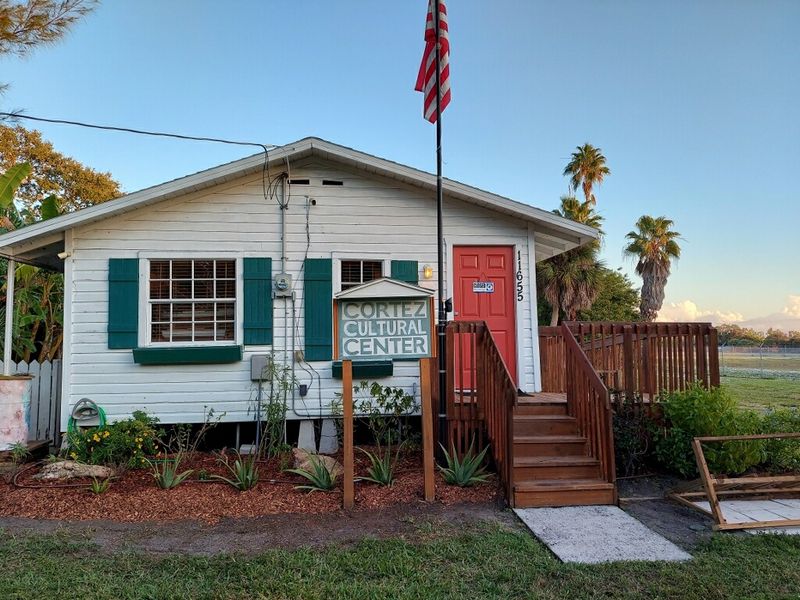
Walking down the streets of Cortez, Florida, feels oddly cinematic, as if a film crew dressed the whole neighborhood for a period drama and then forgot to pack up when shooting ended.
The original wood-frame homes, fish houses, and community buildings that date back to the late 1800s and early 1900s are still standing, still occupied, and still looking remarkably close to how they appeared in old photographs.
Tin roofs, wide front porches, and hand-built structures give the village a texture that no amount of modern renovation could replicate without losing what makes it special.
The Cortez Historic District was listed on the National Register of Historic Places, which helped protect the architectural character of the village from being quietly bulldozed in favor of newer construction.
Every peeling paint board and salt-worn beam here is essentially a primary source document, telling the story of how Florida coastal families actually lived and worked over a century ago.
The Florida Institute For Saltwater Heritage (FISH)
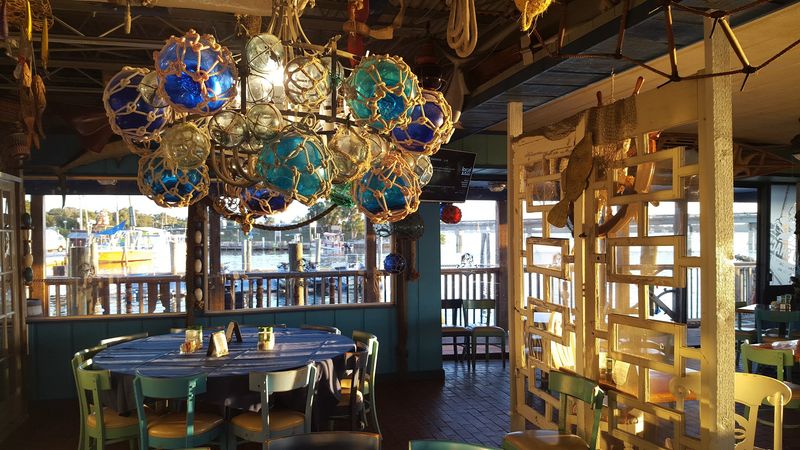
Not every small village has its own nonprofit watchdog organization fighting to preserve its identity, but Cortez has FISH, and that organization deserves a serious amount of credit for why the village still looks like itself.
Founded in 1991, the Florida Institute for Saltwater Heritage was created specifically to protect Cortez from overdevelopment and to keep commercial fishing at the center of the community’s economic and cultural life.
FISH runs educational programs, advocates for fishing families at the local and state government level, and maintains the village’s historic character through active preservation efforts.
The organization also hosts the annual Cortez Commercial Fishing Festival, which draws thousands of visitors each year and raises awareness about sustainable fishing traditions along Florida’s Gulf Coast.
Thanks in large part to FISH, Cortez has become a national example of how a small waterfront community can resist the pressure to reinvent itself and still thrive on its own terms.
The Annual Cortez Commercial Fishing Festival
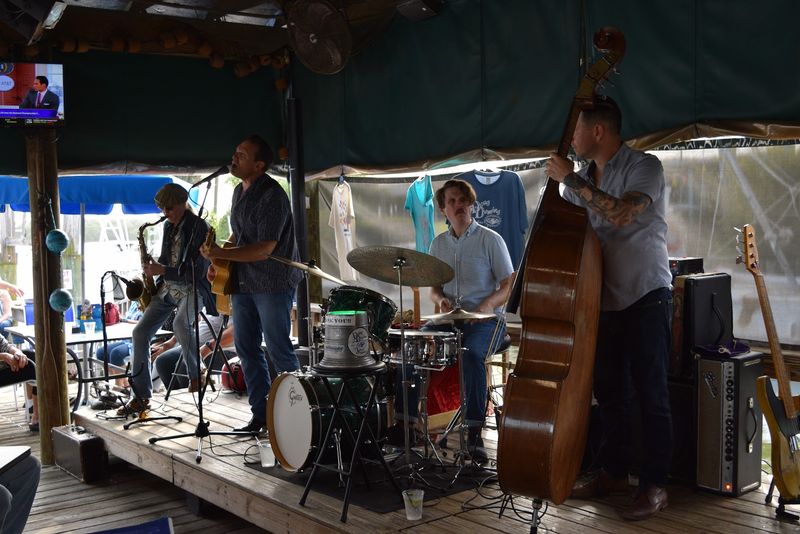
Every February, the small village of Cortez transforms into one of the most genuinely fun waterfront events in all of Florida, and the secret is that it has never tried to be anything other than exactly what it is.
The Cortez Commercial Fishing Festival celebrates the working fishing heritage of the village with fresh seafood, local crafts, live music, and educational displays about Gulf Coast marine life and traditional net fishing techniques.
Thousands of visitors make the trip to this otherwise quiet corner of Manatee County just to experience the festival’s relaxed, authentic atmosphere that feels nothing like a manufactured tourist event.
Local fishing families share their stories, kids learn how cast nets work, and the smell of grilled fish drifts across the entire waterfront in a way that makes it very hard to leave before you have eaten at least twice.
For a village with a population of just over 4,000 people, the festival punches well above its weight in terms of community pride and visitor experience.
A Population That Has Stayed Remarkably Small
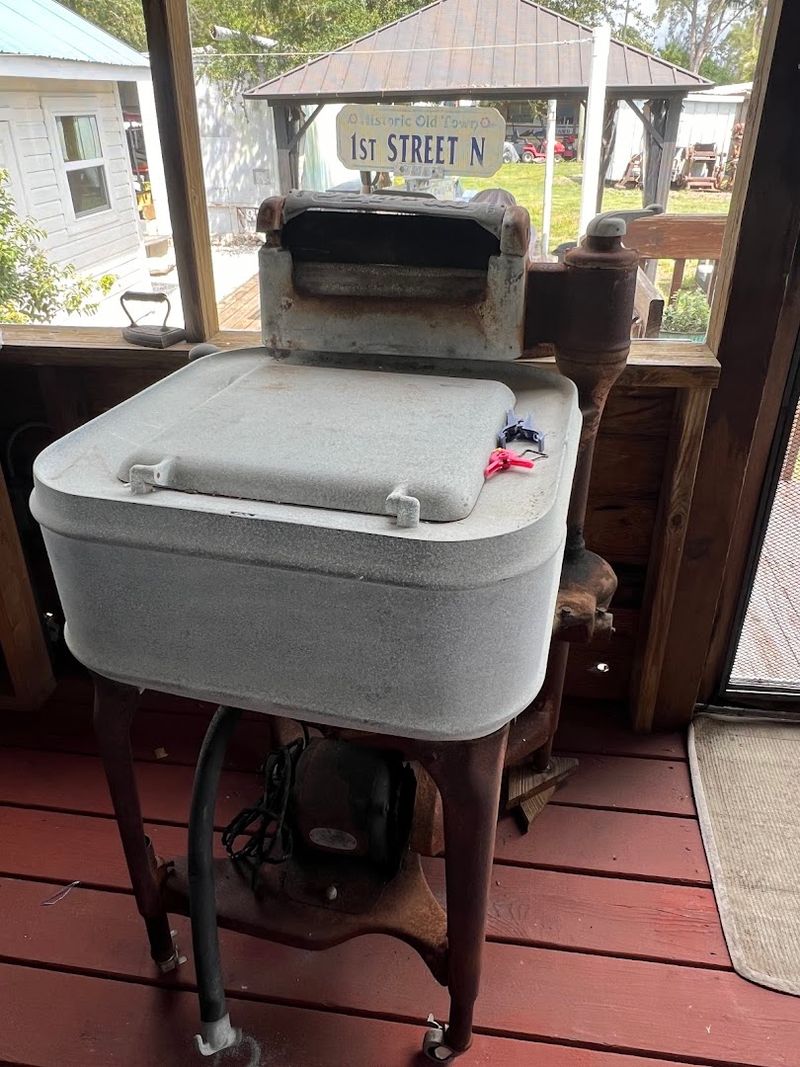
In a state where entire cities seem to sprout overnight from empty fields, the fact that Cortez recorded a population of just 4,121 people in the 2020 census is either a miracle of restraint or a testament to how fiercely residents protect what they have built.
The village actually shrank slightly from its 2010 count of 4,241 residents, which runs completely counter to Florida’s explosive growth trends during the same period.
That small, stable population is part of what keeps Cortez feeling like a genuine community rather than a suburb in disguise, since neighbors here actually know each other by name and by boat.
The tight-knit nature of the village creates an atmosphere that visitors notice almost immediately, where eye contact and a nod from a passing local feels like a genuine welcome rather than a scripted hospitality gesture.
Small populations can be fragile, but in Cortez the numbers feel less like a limitation and more like a carefully maintained feature of village life.
Fresh Seafood Straight Off The Docks
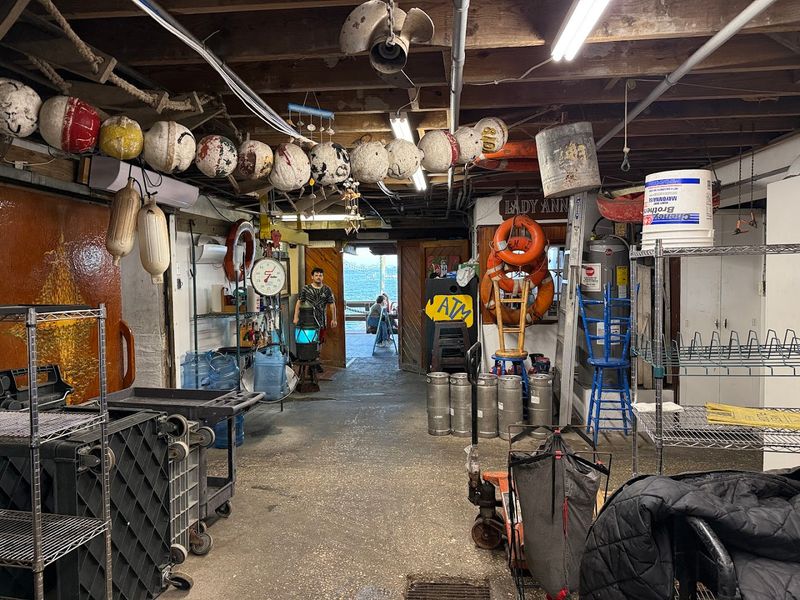
There is a specific kind of satisfaction that comes from eating seafood within eyeshot of the boat that caught it, and Cortez is one of the very few places left in Florida where that experience is still completely available.
Local fish houses sell directly to the public, offering stone crab claws, grouper, snapper, mullet, and shrimp that were in the Gulf of Mexico just hours before landing on your plate or in your cooler.
Several small waterfront restaurants in and around Cortez serve Gulf-fresh fish prepared simply and honestly, without the fussy presentation that tends to appear in places more focused on Instagram than on flavor.
Stone crab season runs from October through May, and serious seafood lovers plan trips to Cortez specifically around that window because the claws pulled from local traps here have a reputation that travels well beyond Manatee County.
Eating well in Cortez requires almost no effort, which might be the most underrated thing about the whole village.
Location Between Sarasota Bay And The Gulf Of Mexico
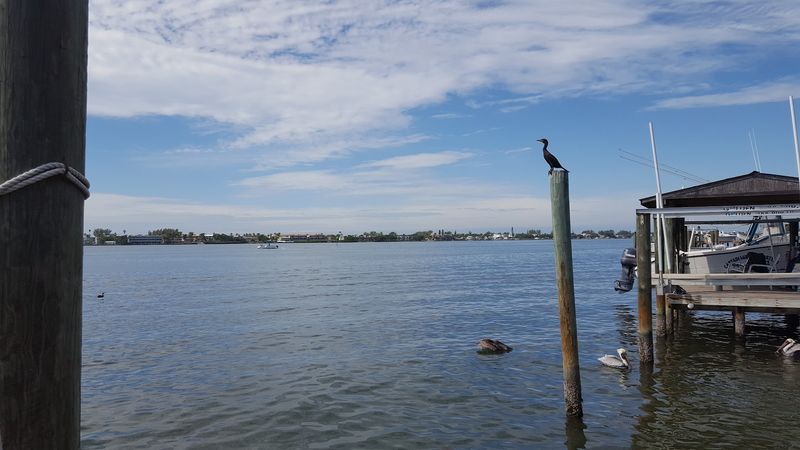
Geography played a major role in why those original North Carolina settlers chose this particular patch of Florida coastline, and one look at a map makes their reasoning obvious.
Cortez sits on a peninsula in Manatee County, tucked between Sarasota Bay to the south and Anna Maria Sound to the north, with direct access to the Gulf of Mexico just a short boat ride away through Longboat Pass.
That position made the village a natural base for commercial fishing operations targeting the rich marine ecosystems of both the bay and the open Gulf, giving fishermen access to a wide variety of species depending on the season.
The surrounding waterways also make Cortez an outstanding destination for recreational boating, kayaking, and wildlife watching, since the shallow flats and mangrove edges around the village teem with birds, dolphins, and manatees.
Being sandwiched between two bodies of water means that in Cortez, the horizon is almost always water, which does something quietly wonderful to your sense of perspective.
Traditional Net Fishing Methods Still In Use
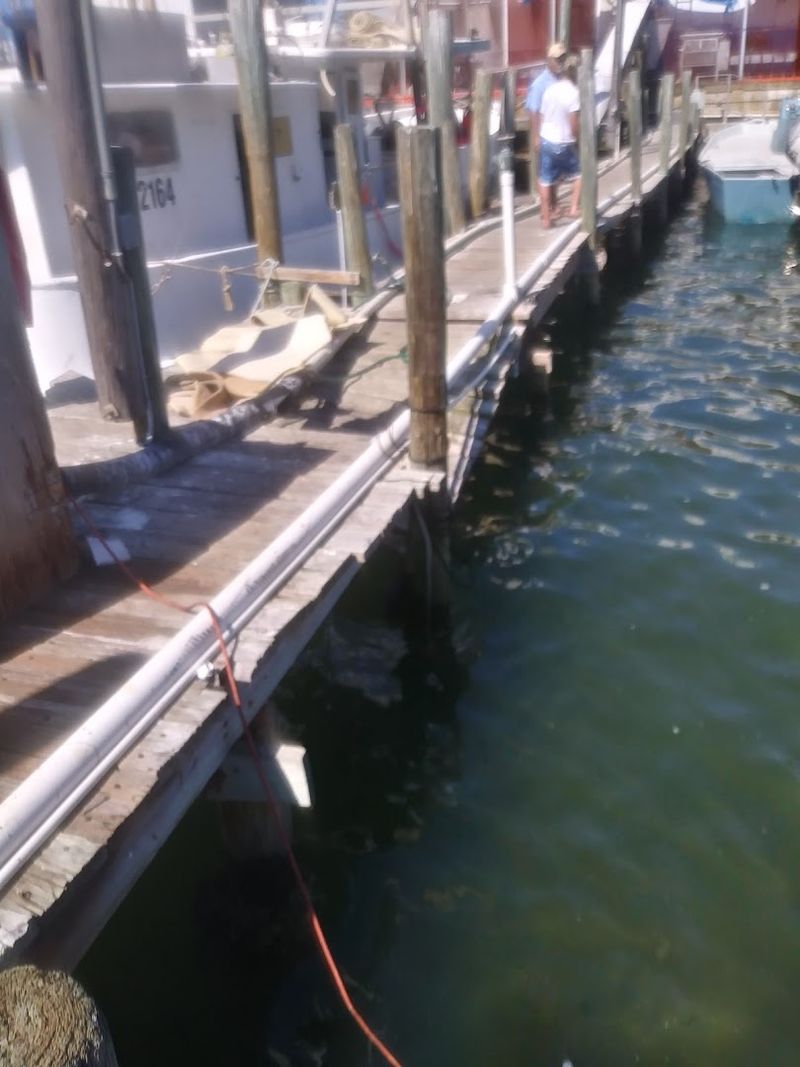
Somewhere between the invention of sonar fish finders and the era of factory trawlers, Cortez quietly kept doing things the old way, and the village is richer for it.
Traditional cast net fishing and small-boat commercial operations remain a defining part of daily life here, with fishermen using techniques passed down through families across multiple generations of Gulf Coast work.
Florida banned most net fishing statewide in 1995 through a constitutional amendment, which devastated fishing communities across the state, but Cortez adapted and survived by focusing on hook-and-line methods and trap fishing for species like stone crab.
The resilience shown by Cortez fishing families during that regulatory shift is a significant part of why the village’s identity held together when similar communities around Florida fractured and faded into resort towns.
Watching a fisherman prep his gear at sunrise on a Cortez dock is one of those quietly powerful travel moments that requires no filter, no caption, and no context beyond just being present for it.
A Living Museum Of Old Florida Culture
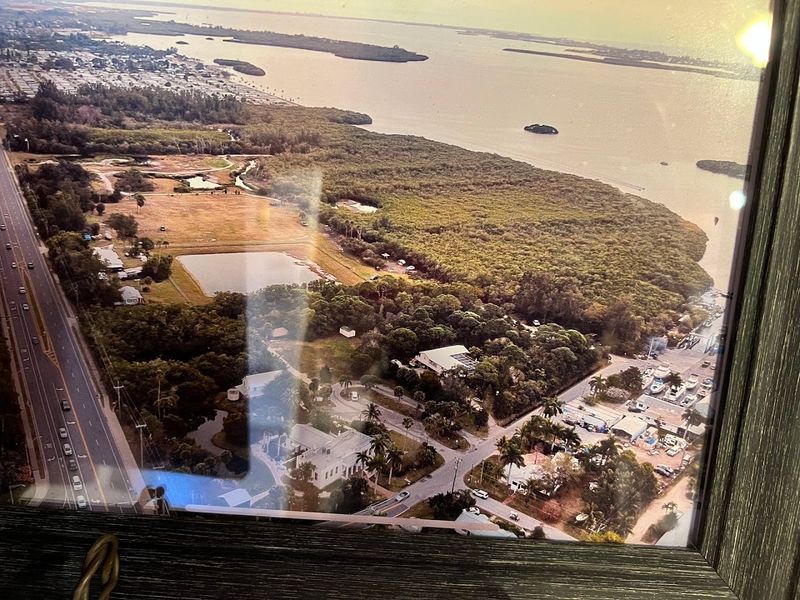
Florida has worked hard over the decades to pave over, renovate, and rebrand most of its original identity, which is exactly why Cortez stands out as something genuinely irreplaceable on the state’s cultural map.
The village functions as a kind of living museum, not in the staged or curated sense, but in the real sense where actual people still carry on the traditions, occupations, and community rhythms that defined Gulf Coast life more than a century ago.
Visitors who come expecting a theme park version of old Florida leave instead with something harder to package but far more valuable, a real encounter with a place that chose continuity over reinvention.
Local historians, fishing families, and preservation advocates treat the village’s authenticity as a shared responsibility rather than a marketing strategy, which is a distinction that every first-time visitor eventually feels but might struggle to immediately explain.
Cortez does not perform its history for you, it just lives it, day after salt-sprayed day, which turns out to be the most compelling travel experience Florida has quietly kept hidden in plain sight.