
This Charming Arkansas Town Blends Pie, Porch Chats, And Small-Town Magic
Some towns catch you off guard because they do not try too hard.
I rolled into a small Arkansas community on a Tuesday afternoon, expecting a quick break before getting back on the road. Then the smell of fresh bread hit me near the sidewalk, and two strangers nodded hello like that was just how the day worked here.
I forgot about leaving for a minute, which said plenty.
The whole place had an easy rhythm. Not sleepy.
Not showy. Just the kind of pace that makes you put your phone away and look around.
A painted sign caught my eye, then a shop window did the same, and suddenly my quick stop had turned into a story.
That is the fun of places like this.
Stick with me, because I am sharing eight reasons this small stop might be one of the most memorable parts of your next trip.
Sunlit Streets With An Easy Southern Glow
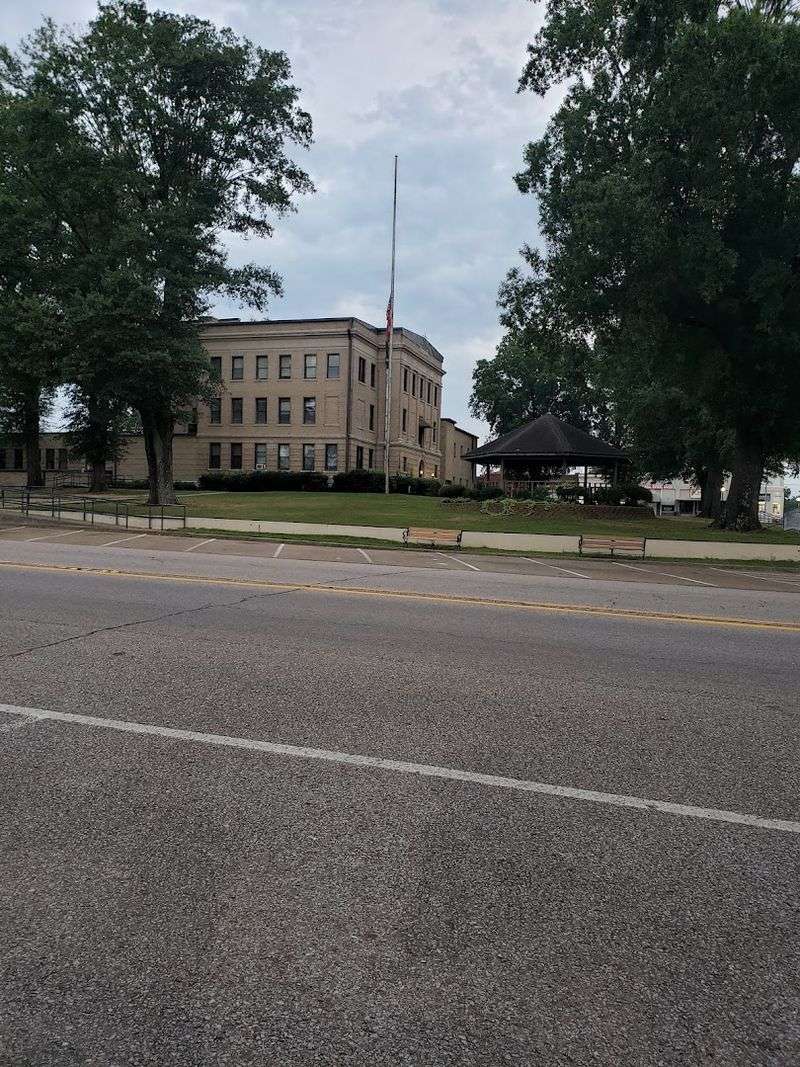
Walking these streets on a clear afternoon feels less like sightseeing and more like stepping into an old photograph that somehow kept breathing.
The light does something special in the hours before sunset, brushing the edges of old buildings and making ordinary sidewalks feel worth slowing down for.
The foothills of the Ouachita Mountains sit close enough to shape the air, giving even warm days a crisp edge that keeps the afternoon from feeling heavy.
Neighbors move at an easy pace, not rushed, not distracted, almost like the whole place quietly agreed that hurrying never made much sense.
In one short block, I passed kids on bikes, a man reading on his front steps, and a woman fixing flowers in a window box.
No crowds pressed the sidewalk. No horns cut through the moment.
Just birdsong, soft footsteps, and the occasional screen door swinging shut.
Standing on that sunlit corner, I finally understood the quiet pull of De Queen.
A Historic Downtown With Quiet Character
Not every downtown earns the word historic honestly. De Queen does, and it wears the label without making a fuss about it.
The De Queen Commercial Historic District was added to the National Register of Historic Places on January 26, 2012, a recognition that came not from flashy renovation but from genuine preservation of what was already there.
Founded on June 3, 1897, the town grew up alongside the Kansas City Southern Railroad, and the bones of that founding era are still visible if you know where to look.
The streets carry a quiet confidence, the kind that comes from surviving more than a century of change without losing the thread of what made the place worth building in the first time.
Small hardware stores and family-run shops fill spaces that have been in use for generations, giving the whole district a lived-in honesty.
I spent a slow morning just walking the blocks, reading old signs, and letting the architecture tell its own story without any tour guide narrating over it.
Downtown De Queen does not perform its history for visitors; it simply continues living it, one quiet Tuesday at a time.
Brick Storefronts And Railroad-Era Details
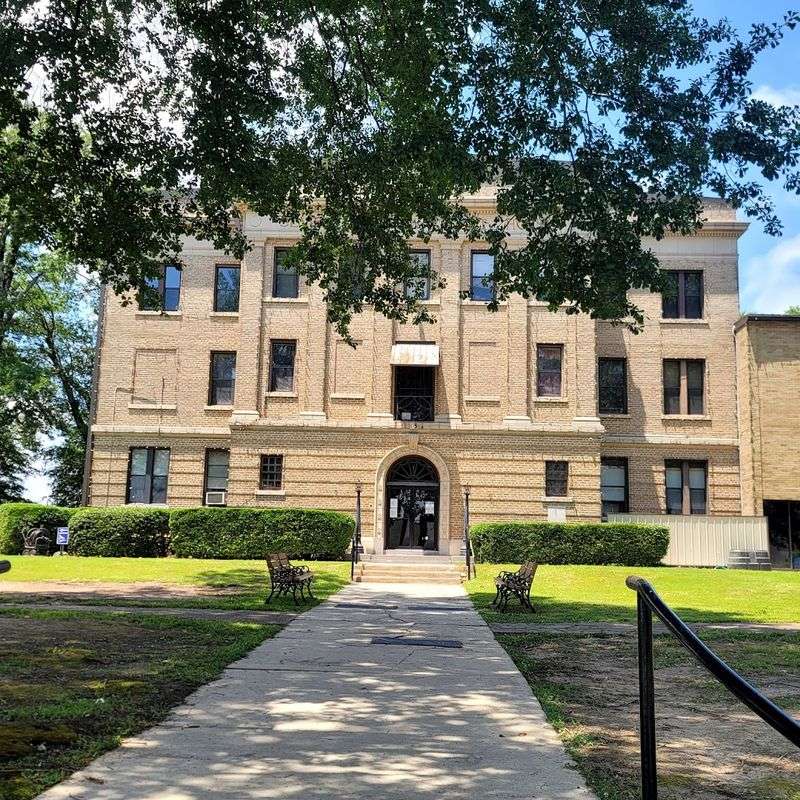
Architecture can tell you exactly how a town came to be. De Queen’s brick storefronts do that without needing a single explanatory plaque.
The town was named after Jan de Goeijen, a Dutch coffee merchant and financier whose funding helped complete the Kansas City Southern Railroad, and his influence is baked into the very layout of the streets.
Railroad towns were built to be practical and permanent, and the thick brick walls and wide doorways of De Queen’s older buildings reflect that original intention clearly.
Iron details on window frames and decorative cornices above shop entrances point to a construction era when builders expected these walls to outlast everyone who raised them.
I ran my hand along one particularly textured facade and felt the kind of solidity that modern construction rarely bothers to achieve.
The storefronts are not frozen in amber, though; many are actively used, which gives them a warmth that empty preservation districts often lack.
Past these brick faces, it is easy to imagine the town’s earliest merchants stepping out to watch the first train roll through, proud and a little amazed at what they had built.
Shady Park Paths Made For Slow Wandering
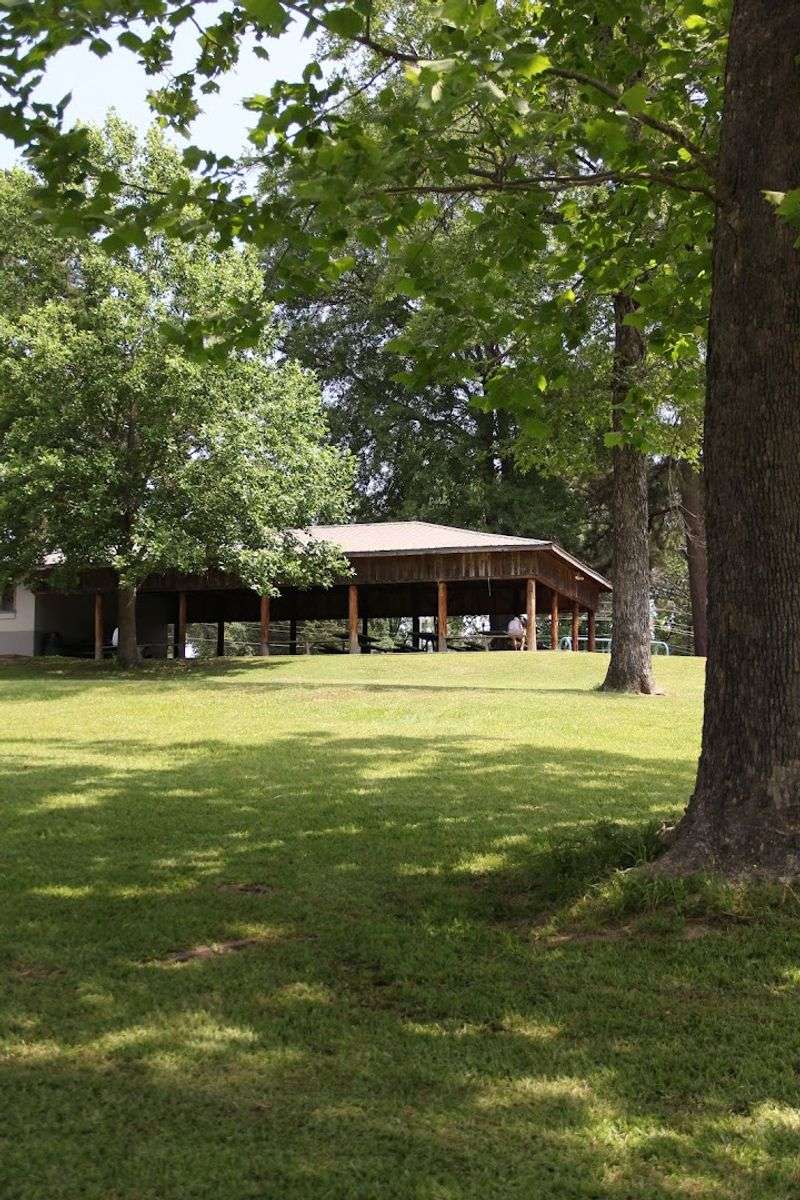
Some of the best travel moments happen on ordinary park paths. The only agenda is the next shady bench.
De Queen’s parks invite exactly that kind of wandering, with mature trees forming canopies that make even a midday walk feel cool and unhurried.
The town’s position near the Ouachita foothills means the surrounding landscape lends itself naturally to greenery, and the parks reflect that regional generosity with shade and open space.
I found myself on one path completely unsure where it led, and I kept going anyway, which is the highest compliment I can give any trail.
Families use these spaces in refreshingly low-key ways: kids on playground equipment and older couples walking slowly side by side.
Some visitors stretch out on picnic blankets with their phones, half distracted but still somehow present in the quiet.
No entry fee waits at the gate. No gift shop appears at the end.
Just the path, the shade, and whatever calm you brought with you.
After one shaded loop, I felt the particular kind of rested that comes not from sleep but from genuinely doing nothing useful for an hour.
Small-Town Corners With Lived-In Charm
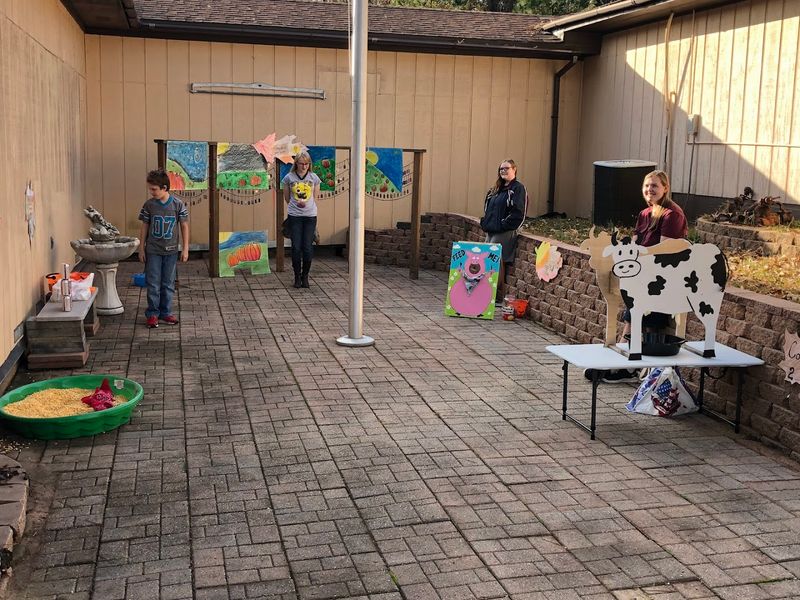
Corner culture is alive and well in De Queen. I mean the kind of corner where someone always seems to be chatting or just watching the afternoon go by with no particular urgency.
The town has a population of around 6,105 people according to the 2020 census, which is exactly the right size for a place where faces become familiar after a single day.
I stopped at one corner to check my phone and ended up in a ten-minute conversation with a local man who gave me restaurant recommendations and one strong opinion about the best time of year to visit.
De Queen has a notably diverse community, with about 58 percent of residents identifying as Hispanic or Latino in the 2020 census, and that cultural richness shows up in the food and the music drifting from open doors.
Bulletin boards near storefronts still advertise local events by hand, a detail that feels almost radical in its simplicity.
The corners here are not just intersections but social infrastructure, places where the town checks in with itself daily.
Every block in De Queen seems to have at least one corner worth lingering on.
Museum Rooms Filled With Local Stories
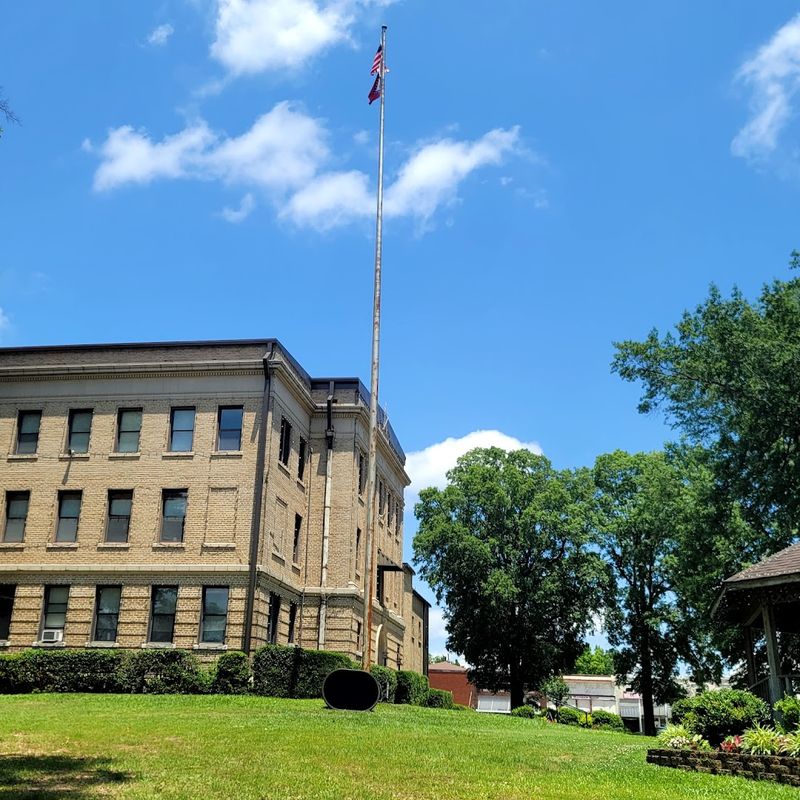
History museums in small towns are often overlooked. The Sevier County Historical Museum in De Queen is the kind of place that makes you genuinely glad you stopped.
The museum features an Antique Village with replica structures that recreate the look and feel of early town life, giving visitors a tangible sense of what De Queen looked like in its founding years.
A 1940s House exhibit also gives the museum a different kind of charm, with a fully arranged domestic space that feels specific rather than staged.
The rooms pull you into a mid-century Arkansas home with a level of detail that photographs alone could never quite deliver.
I moved through slowly, reading every label and peering into corners, which is not something I do at most museums.
The guides were welcoming without being overwhelming, the kind of people who answer follow-up questions with genuine pleasure rather than rehearsed patience.
De Queen’s newspaper, The De Queen Bee, has been publishing since 1897, and the museum helps place that continuity inside the broader story of the town.
I left the museum feeling like I understood De Queen on a different level, not just as a place to pass through but as a community with a long, proudly preserved story.
Tree-Lined Views Near The Edge Of Town
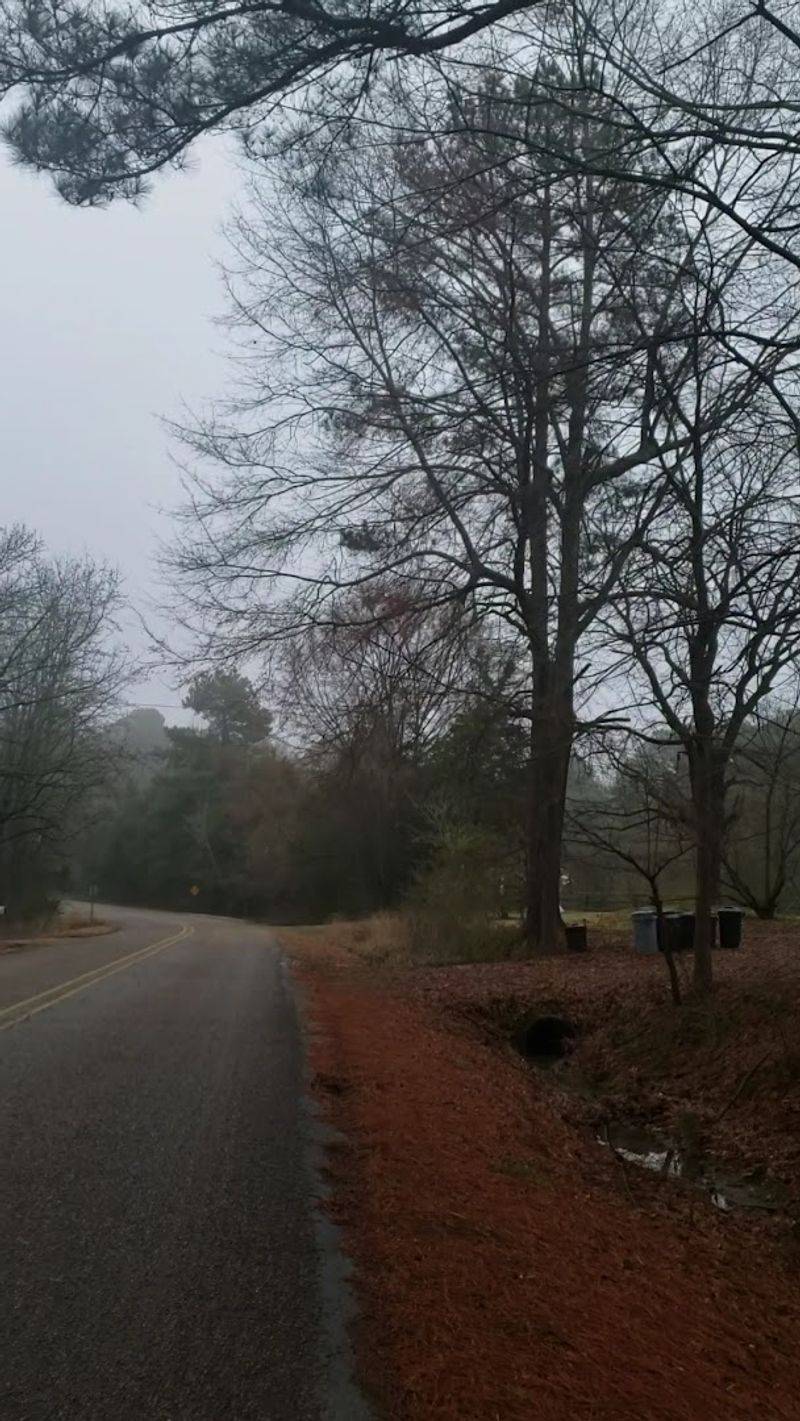
Head toward the edge of town and the scenery shifts in a way that reminds you just how well-placed De Queen really is.
The Ouachita foothills begin to assert themselves here, rolling green shapes pushing up against the horizon in a way that makes the whole landscape feel carefully arranged.
De Queen Lake, one of several U.S. Army Corps of Engineers lakes in the area alongside Dierks and Gillham lakes, sits close enough to town that a short drive delivers you to waterfront views with minimal effort.
The nearly 28,000-acre Pond Creek National Wildlife Refuge is also nearby, adding a layer of wild, untouched landscape to what is already a visually generous region.
I pulled over on a back road just to watch the light move through the trees for a few minutes, which is either a sign of deep appreciation for nature or a mild inability to stay on schedule.
The tree-lined roads near De Queen have a quality that makes even a simple drive feel like an experience worth narrating later.
Out here, the town and the wilderness exist in easy conversation, each one making the other look better by comparison.
A Warm Main Street Mood After Noon
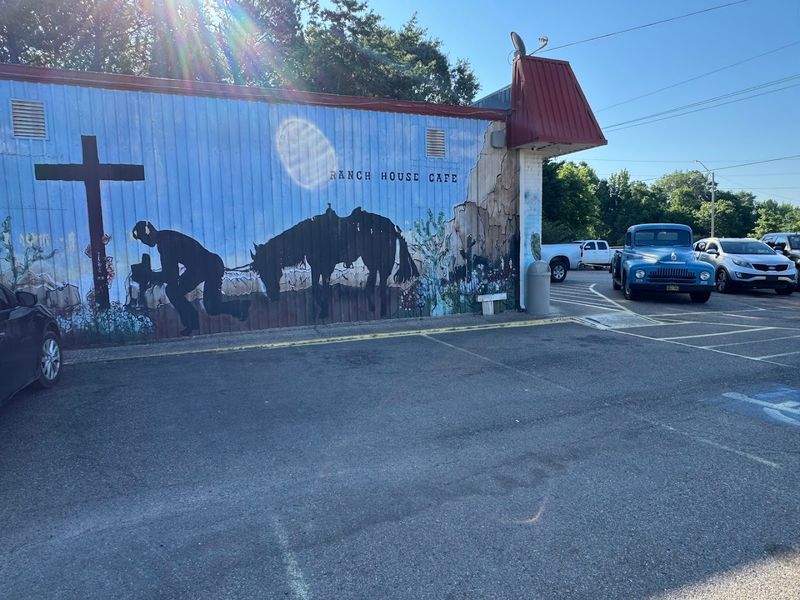
After noon in De Queen, the main street settles into a particular mood that I can only describe as deeply, unapologetically comfortable.
The lunch crowd has moved on, the heat sits pleasantly rather than aggressively, and the sidewalks belong to anyone willing to move slowly enough to enjoy them.
This is when the town shows you its real personality: a man in a lawn chair outside his shop and the smell of something sweet drifting from a bakery that has no reason to hurry anyone.
De Queen hosts community events like Fiesta Fest each May and the Hurrah Festival in October, and that culture of gathering spills into the everyday rhythm of the main street in ways that are easy to feel even on a random Wednesday.
The town is also known, somewhat surprisingly, as the Knifemaking Capital of the World, with a dedicated group of knifemakers who have met monthly for over two decades.
That quirky distinction somehow fits perfectly with the rest of the town’s personality: specific, skilled, and not particularly interested in explaining itself to outsiders.
I left my car parked and walked the length of Main Street twice, and the second pass was even better than the first, which is exactly how it should feel in De Queen.