
This Charming Arkansas Town Is A Trout Fishing Haven
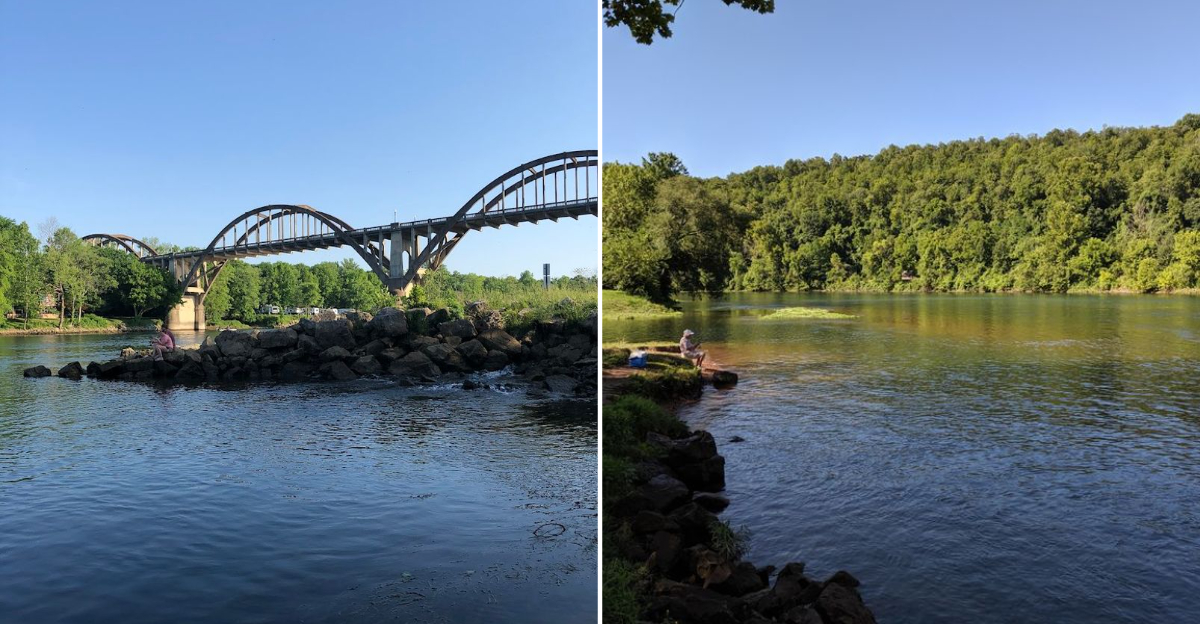
Picture a small river town where mornings smell like cool water and pine. It’s calm, almost too calm. The only real movement comes from a pickup carrying fishing gear down a quiet road. I ended up here by accident.
One tip from a fellow angler sent me this way. He didn’t say much. Just smiled like he knew I’d figure it out. Didn’t take long.
The river pulls you in right away. People nod, say hello, start talking like you’ve been around forever.
No pressure, no rush. Hours pass without you noticing. One cast turns into ten. Then twenty. It’s not just fishing here. It’s a way of life.
You sit by the water and everything else fades out. Arkansas has no shortage of beautiful spots.
Still, something about this place feels different. It stays with you longer than you expect.
A Quiet River Town Known For World Class Trout Fishing
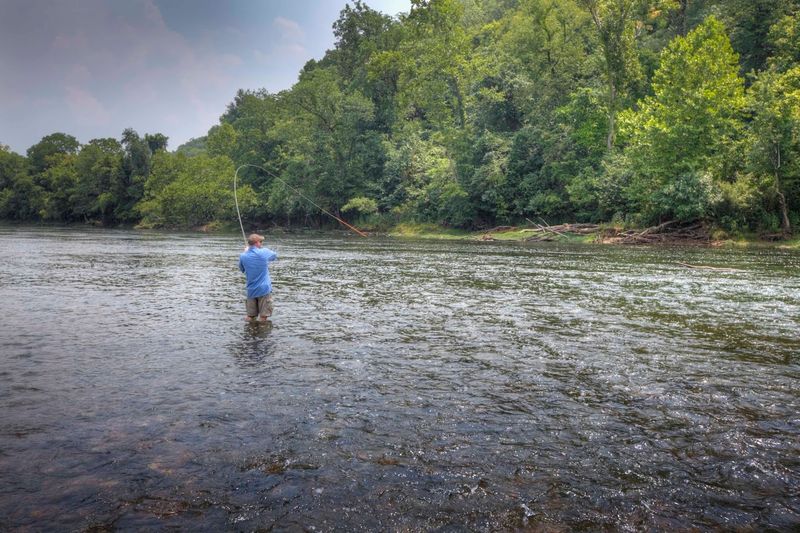
Some places earn their reputations quietly, without flashy billboards or heavy marketing, and the town I am about to introduce you to is exactly that kind of place. Located in the Ozark hills of northern Arkansas, this small city sits right along the White River, one of the most celebrated trout fisheries in the entire country.
The river here runs cold and clear, fed by the deep, chilly water released from Bull Shoals Dam just upstream, creating conditions that trout thrive in year after year. With a population of just around 886 people as of the 2020 census, the town feels unhurried and genuine, the kind of place where strangers wave from porches and locals share their favorite fishing holes like a generous gift.
Incorporated in 1904 and shaped by early 20th-century railroad growth, the city carries a proud history that stretches well beyond fishing, once holding the title of the largest town in North Arkansas. The combination of rich heritage, stunning natural scenery, and world-class angling has given this place a devoted following that grows a little more each season, and that place is Cotter, Arkansas.
Cold Clear Waters That Create Ideal Conditions For Trophy Catches
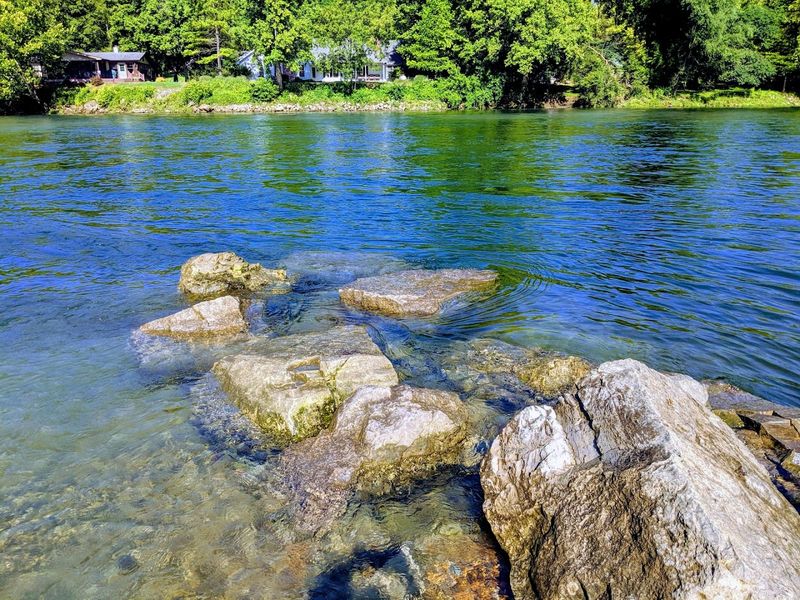
Not every river earns the right to be called world-class, but the White River flowing through Cotter has done exactly that, and the secret is temperature. Bull Shoals Dam releases water from deep within the reservoir, and that water arrives at Cotter cold throughout the year, creating the kind of stable conditions where trout grow fast and fight hard.
Rainbow trout, brown trout, brook trout, and cutthroat trout all make their home here, giving anglers a rare opportunity to target multiple species in a single stretch of river. Brown trout in particular have made the White River famous, with some specimens exceeding 10 pounds, the kind of catch that earns a permanent spot in both photos and stories told for decades.
Standing knee-deep in the current, the clarity of the water becomes immediately noticeable, with rocks and subtle changes in depth often visible beneath the surface. That combination of cold water, clarity, and species diversity turns every single cast into something that feels genuinely full of possibility, which is exactly what keeps anglers coming back to this stretch of river year after year.
A Deep Rooted Fishing Culture Shaped By Generations
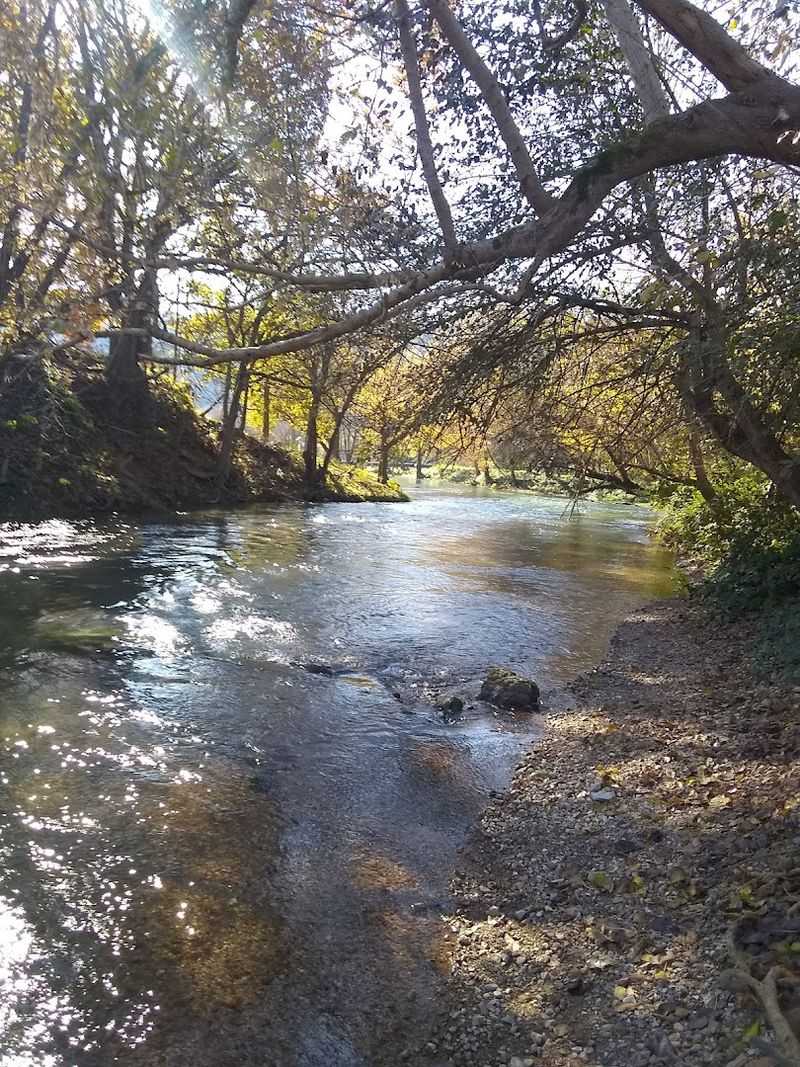
Walk into almost any business in Cotter and you will notice something right away: fishing is not just a hobby here, it is a way of life woven into the fabric of daily conversation. Local guides have spent decades learning every bend, pool, and riffle of the White River, passing that knowledge down through generations in a way that reflects the town’s long-standing connection to the river.
Operations like Cotter Trout Dock have served both first-time anglers and seasoned fishing veterans for years, offering guided trips that take the guesswork out of finding fish while still delivering an authentic river experience. The culture here reflects a deep respect for the river, with many anglers choosing to practice catch and release alongside following local regulations.
Experienced guides often describe reading the water as a skill developed over time, where subtle shifts in current and depth can signal where fish are holding. Generations of shared knowledge have built a fishing community in Cotter that remains welcoming to newcomers while maintaining a strong sense of tradition shaped by years spent along the river.
Scenic Shorelines That Invite Anglers Throughout The Year
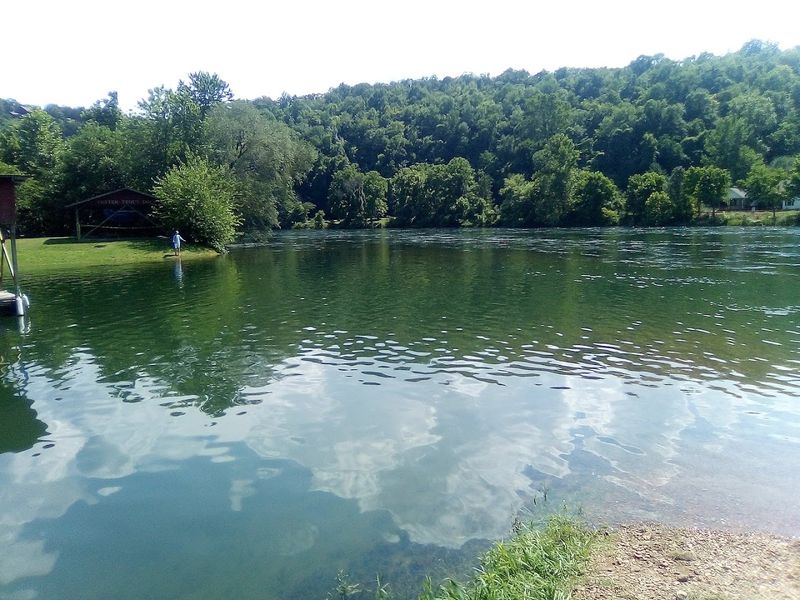
One of the first things noticeable along the river’s edge in Cotter is how the scenery makes it almost impossible to feel stressed about anything. Tall limestone bluffs rise dramatically along stretches of the White River, their pale faces streaked with mineral colors that shift from cream to rust depending on the light and the season.
Dense woodland lines much of the shoreline, creating a natural corridor that feels genuinely wild even though the town sits just minutes away. Because the cold water released from Bull Shoals Dam helps keep river temperatures relatively stable, anglers can find productive fishing opportunities throughout much of the year rather than being limited to a short season.
Spring brings wildflowers to the banks, summer fills the trees with thick green canopies, autumn paints everything in warm amber and red, and winter strips the branches back to reveal the bluffs in their starkest and most dramatic form. Each season offers its own version of the same beautiful river, and while conditions can vary, the consistent presence of trout is exactly why so many anglers return to these shorelines again and again.
A Relaxed Atmosphere Surrounded By Natural Beauty
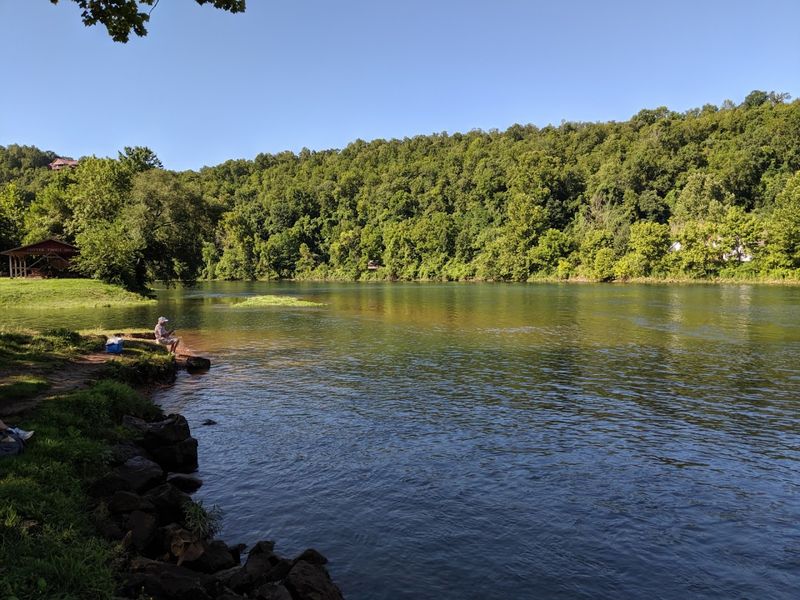
There is a particular kind of quiet that only exists in small towns built beside rivers, and Cotter reflects that atmosphere naturally. With fewer than a thousand residents, the pace of life here feels intentionally slow, as if the whole town agreed long ago that rushing is simply not worth the effort when the river is right there waiting.
The surrounding Ozark landscape adds layers of natural beauty that make even a simple drive through the area feel like a reward, with rolling hills, wooded ridges, and glimpses of the White River appearing around nearly every curve in the road. Wildlife is a regular part of the scenery here, with great blue herons often seen in the shallows and white-tailed deer appearing near the tree line around dusk.
Local shops and eateries reflect that same unhurried energy, where conversations happen naturally and visitors often find themselves lingering longer than planned. Spending time in Cotter tends to shift your pace without much effort, offering a setting where the natural surroundings quietly take center stage.
The beauty here does not demand attention, it simply becomes part of the experience, slowly and without any need for distraction.
A Reputation That Draws Serious Anglers From Across The Country
Cotter did not earn the nickname “Trout Capital of the USA” by accident, and the anglers who visit from across the country help reinforce that reputation year after year. Word travels fast in fishing circles, and the White River’s reputation for producing trophy-sized brown trout has been circulating among serious anglers for decades, drawing visitors from a wide range of states.
The annual Cotter Trout Fest, typically held in early May, brings the community together with activities that often include local vendors, family-friendly events, and celebrations centered around the river and its fishing heritage. The atmosphere is welcoming, with anglers sharing stories, techniques, and experiences that reflect a shared appreciation for the sport.
Many visitors return year after year, drawn by both the quality of the fishing and the character of the town itself. That kind of consistent enthusiasm from experienced anglers is one of the strongest indicators of a destination’s credibility, and Cotter continues to build that reputation season after season through its connection to the White River and its long-standing fishing culture.
Reliable Fishing Spots That Deliver Impressive Results
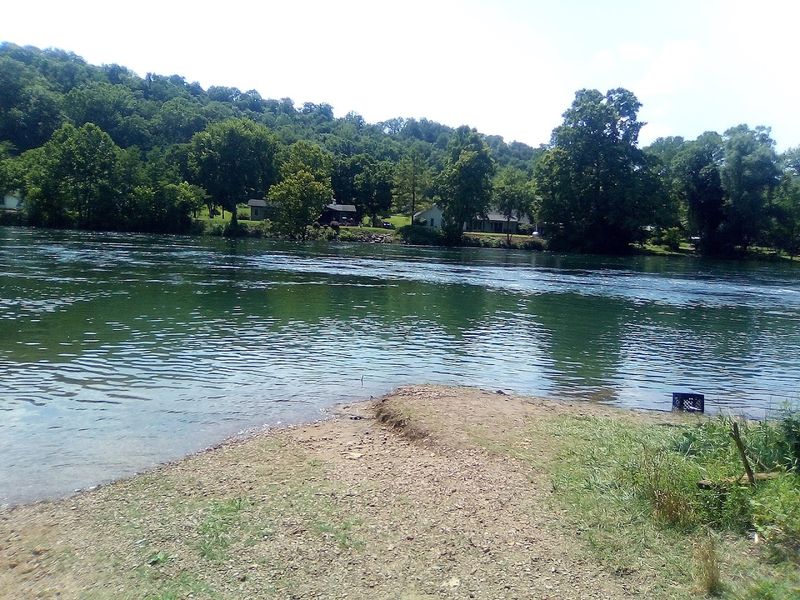
Consistency is the quality that separates a great fishing destination from a merely good one, and the White River near Cotter is known for offering reliable opportunities under the right conditions. The stretch of river running through and around town provides a variety of productive water types, from deep, slow pools where larger brown trout tend to hold in cooler periods to faster runs and riffles that rainbow trout often favor when actively feeding.
Local guides are familiar with these patterns, and spending time with one can significantly improve an angler’s understanding of the river and its changing conditions. The fishery also supports multiple fishing methods, making it accessible whether you prefer fly fishing with carefully tied patterns or spinning gear with small lures designed to mimic natural prey.
Success can vary depending on factors like water release schedules and seasonal shifts, but many anglers find the experience both rewarding and repeatable. That balance of challenge and opportunity is what keeps people returning, as the river continues to offer moments that feel both earned and memorable.
A Calming Retreat Centered Around The Rhythm Of The River
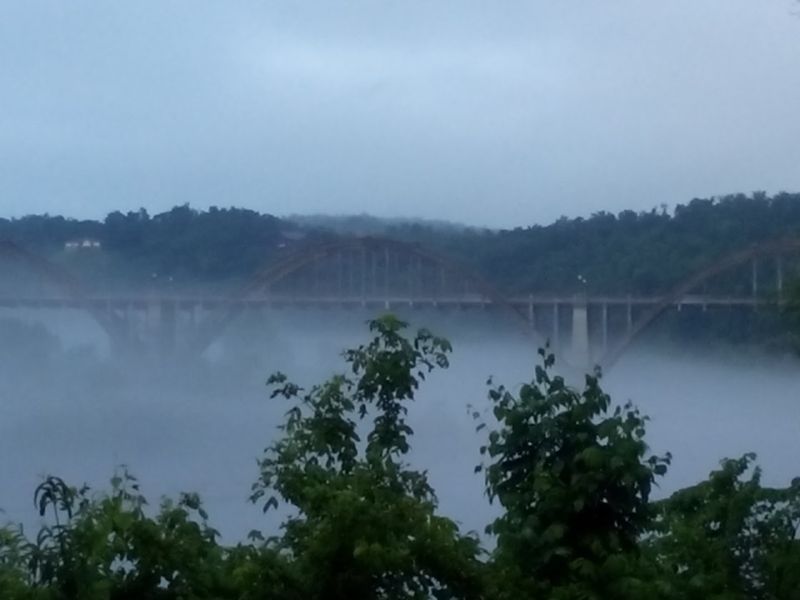
Beyond the fishing itself, there is something deeply restorative about spending time in a place where the river sets the pace and little else competes for attention. The sound of the White River moving over rocks and through shallow bends creates a steady, calming background that becomes more noticeable the longer you spend near it.
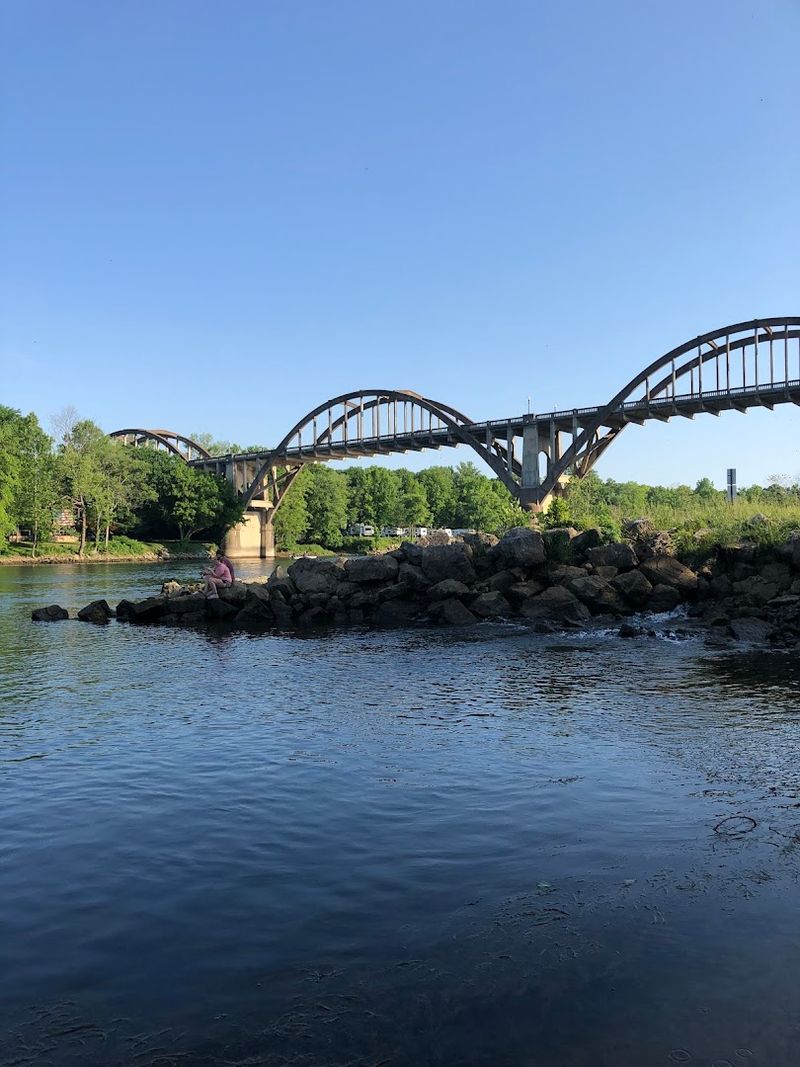
Early mornings often bring a layer of mist over the water, with soft light reflecting across the surface in a way that highlights the quiet beauty of the setting. Even those who are not fishing can appreciate Cotter’s surroundings, with the R.M.
Ruthven Rainbow Arch Bridge, completed in 1930 and later renovated, offering a scenic viewpoint over the river. The town itself embraces its small scale, leaning into the landscape rather than trying to compete with it.
Time spent here tends to feel unhurried, shaped more by the movement of the water than by any schedule. That sense of calm is what draws many people back, creating an experience that feels both simple and lasting long after leaving the river behind.