
This Charming Colorado Town Is Just About Impossible Not To Love
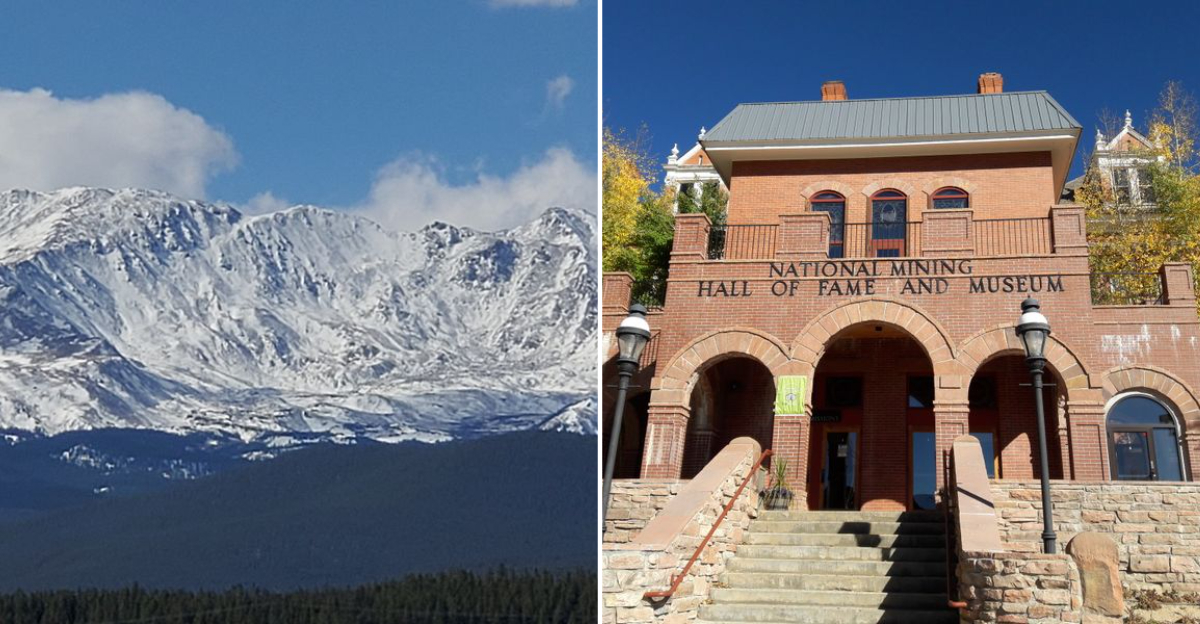
Nestled high in the Rocky Mountains at over 10,000 feet, Leadville stands as one of Colorado’s most captivating destinations.
I discovered this Victorian gem during a summer road trip, and honestly, it stole my heart from the moment I arrived.
With its fascinating mining history, stunning mountain views, and welcoming community, Leadville offers visitors an authentic Colorado experience that’s hard to find anywhere else.
I spent hours wandering the historic streets, peeking into old saloons and charming shops, feeling like I’d stepped back in time.
By sunset, the mountains glowed with golden light, and I couldn’t help but plan my next visit before I even left.
Sky-High Elevation Experience
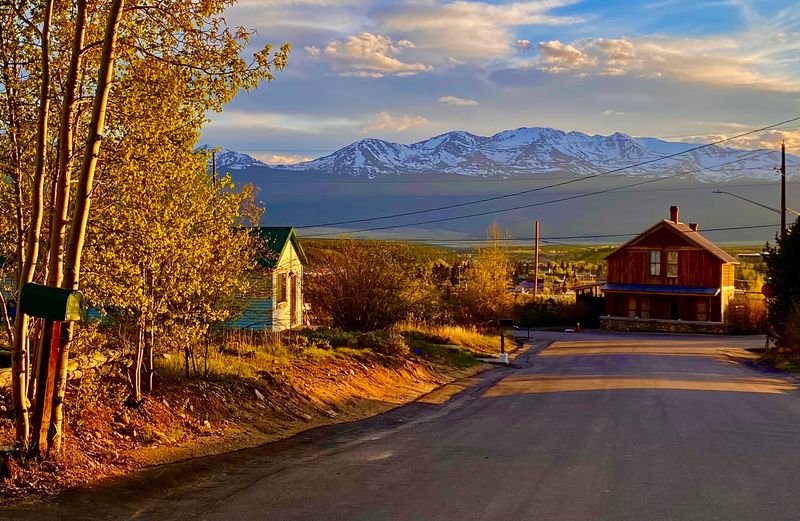
Breathing at 10,119 feet above sea level hits differently than anywhere I’d been before.
My lungs worked overtime during my first few hours in Leadville, reminding me this town proudly holds the title of North America’s highest incorporated city.
Walking up a single flight of stairs felt like climbing a mountain initially, but my body adjusted within a day.
The thin air brings unexpected perks beyond bragging rights at dinner parties back home.
Stars shine brighter here than I’d ever witnessed, and sunsets paint the sky in colors that seem impossible.
I noticed my coffee boiled at a lower temperature, which the local barista explained happens at high altitude.
Locals recommend drinking extra water and taking it easy your first day, advice I wish I’d followed more carefully.
The elevation makes everything feel more intense and alive somehow.
Victorian Architecture Wonderland
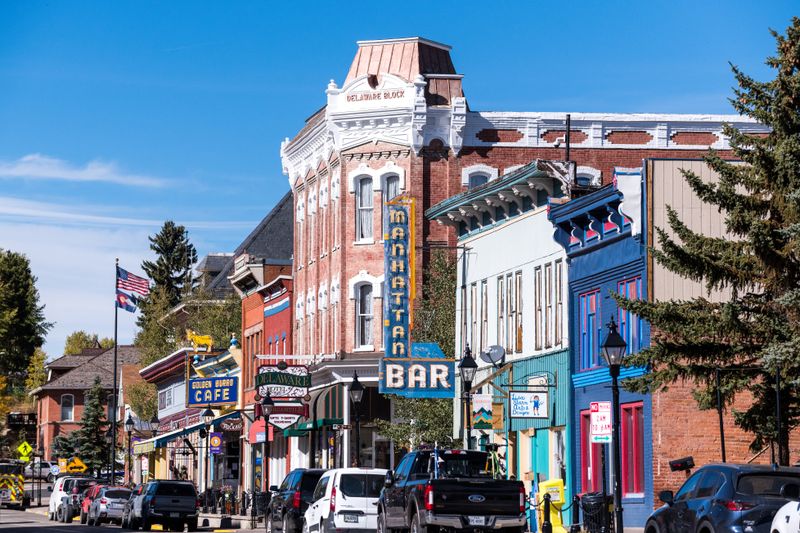
Walking down Harrison Avenue felt like stepping into a time machine set for the 1880s.
The preserved Victorian buildings showcase intricate woodwork, bay windows, and architectural details that modern construction just doesn’t replicate.
I spent an entire afternoon photographing the ornate facades, each one telling stories of Leadville’s boom-town past.
My favorite building was the old Tabor Opera House, which still stands as a testament to the town’s wealthy mining days.
The Delaware Hotel caught my eye with its classic Western charm and surprisingly well-maintained exterior.
Unlike many tourist towns that fake historical authenticity, Leadville’s buildings are genuinely original structures from the late 1800s.
I chatted with a local historian who explained how the community fought to preserve these architectural treasures.
Every corner revealed another stunning example of frontier-era craftsmanship.
Tabor Opera House History
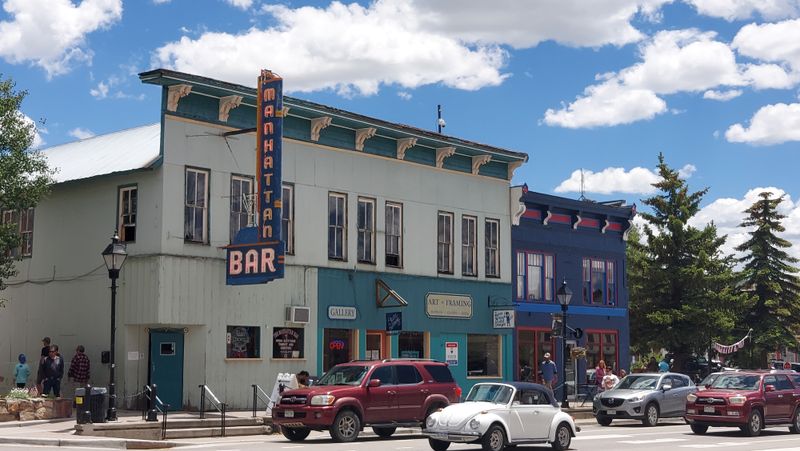
Standing before the Tabor Opera House gave me chills thinking about all the performers who graced its stage.
Built in 1879 by mining magnate Horace Tabor, this cultural landmark once hosted famous acts like Harry Houdini and Oscar Wilde.
I joined a guided tour that revealed fascinating backstage areas and original dressing rooms.
The theater’s red velvet seats and hand-painted ceiling murals remain remarkably intact after nearly 150 years.
Our guide shared ghost stories about lingering spirits, which added an entertaining supernatural element to the historical tour.
I learned that Leadville residents raised funds to prevent the building’s demolition in the 1950s, demonstrating their commitment to preserving local heritage.
The acoustics in the main hall still work beautifully, as I discovered during a small musical performance.
This opera house represents Leadville’s golden age perfectly.
Mining Museum Adventures
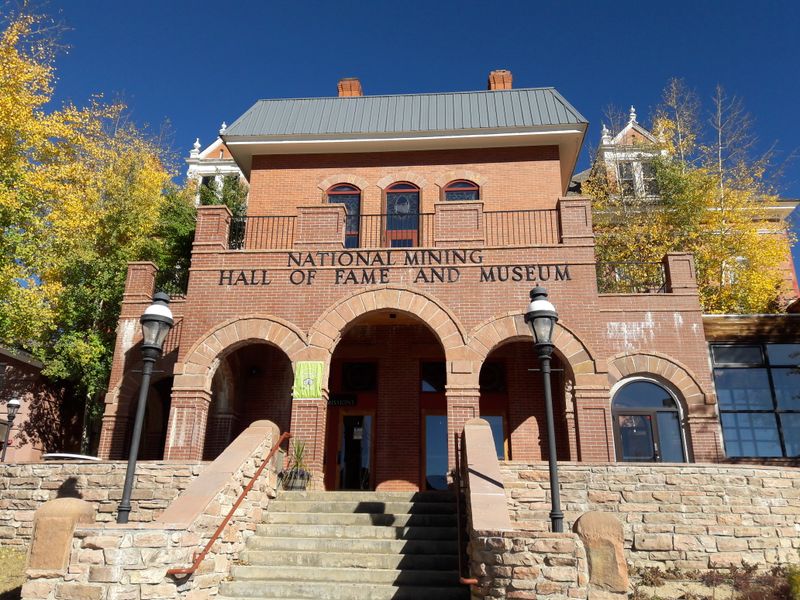
Exploring the National Mining Hall of Fame exceeded every expectation I had about museum experiences.
Interactive exhibits let me try my hand at gold panning, operating miniature mining equipment, and examining genuine mineral specimens.
The museum occupies a beautiful Victorian building that once served as a school.
I spent three hours wandering through displays showcasing mining techniques from different eras, including a replica underground mine tunnel.
The collection includes massive drilling equipment, vintage photographs, and personal items from miners who worked Leadville’s legendary claims.
One exhibit featured the stories of women who contributed to mining operations, a perspective often overlooked in Western history.
My guide explained how Leadville produced more silver than anywhere else in America during its peak years.
The museum brings mining history to life remarkably well.
Turquoise Lake Recreation
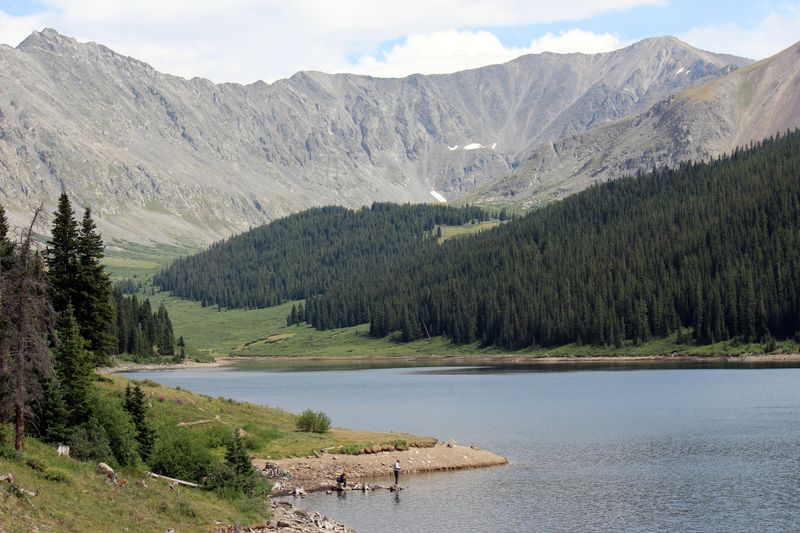
The drive to Turquoise Lake took my breath away with scenery that belonged on postcards.
This reservoir sits just a few miles outside town, offering crystal-clear waters that reflect surrounding peaks like a giant mirror.
I rented a kayak and paddled around the shoreline, spotting wildlife and enjoying the peaceful mountain atmosphere.
Fishermen cast lines from various points along the shore, hoping to catch rainbow trout that thrive in these cold waters.
Several campgrounds dot the lake’s perimeter, and I regretted not planning an overnight stay.
The water temperature stays chilly even in summer, which I discovered after a brief, gasping swim that left me laughing at my own boldness.
Hiking trails wind through pine forests surrounding the lake, offering different perspectives of this alpine gem.
Turquoise Lake provides perfect outdoor recreation close to town.
Mount Elbert Hiking Challenge
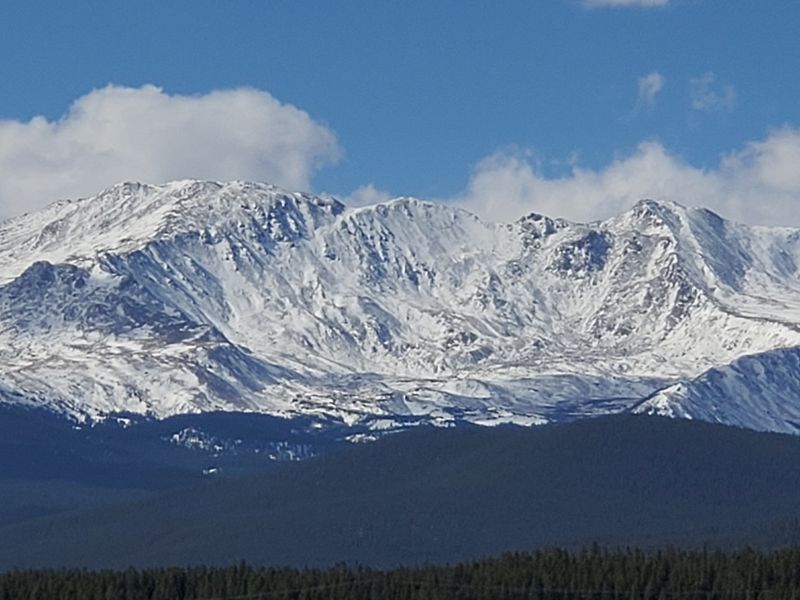
Conquering Colorado’s highest peak became my personal Leadville mission, though it tested every muscle I owned.
Mount Elbert towers at 14,440 feet, and the trailhead sits conveniently close to Leadville.
I started hiking at dawn, following advice from locals who warned about afternoon thunderstorms.
The first few miles through forest felt manageable, but once I reached treeline, the altitude made each step deliberate and challenging.
Other hikers passed me going both directions, offering encouraging words and trail condition updates.
Reaching the summit took me about five hours, and the 360-degree views made every difficult step worthwhile.
I ate lunch at the top while admiring peaks stretching endlessly in every direction.
The descent proved harder on my knees than anticipated, but I felt incredibly accomplished finishing this bucket-list hike.
Local Restaurant Scene
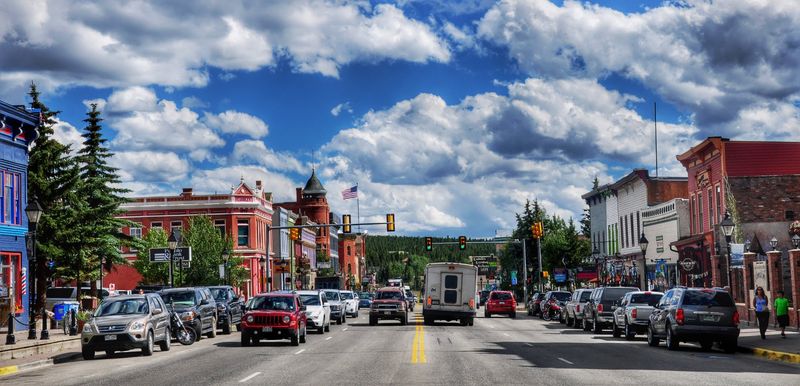
Finding exceptional food at 10,000 feet surprised me more than it probably should have.
Leadville’s restaurant scene punches way above its weight for a town of 2,600 residents.
I tried a different spot each night, ranging from casual cafes to upscale dining establishments.
One evening I enjoyed perfectly cooked trout at a restaurant specializing in locally-sourced ingredients.
The next night, I devoured comfort food at a family-owned diner where regulars knew each other by name.
A Mexican restaurant served authentic dishes with generous portions that fueled my hiking adventures.
The pizza place downtown made everything from scratch, including dough that rose differently at high altitude.
Servers typically shared recommendations for activities and answered questions about living in America’s highest city.
Every meal felt like a community experience rather than just a transaction.
Cloud City Coffee House
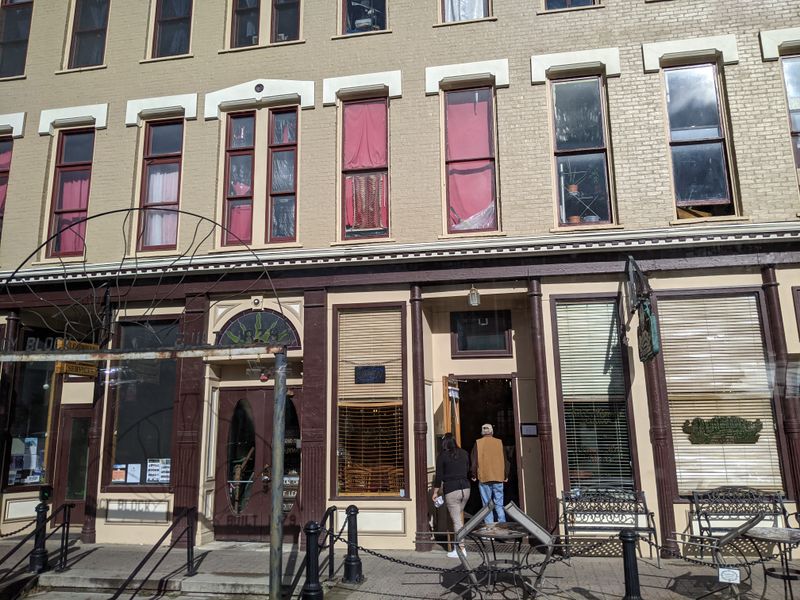
Starting my mornings at Cloud City Coffee House became an essential daily ritual.
This locally-owned cafe serves excellent espresso drinks and homemade pastries in a welcoming atmosphere.
I claimed a corner table each morning, sipping lattes while planning my day’s adventures.
The baristas remembered my order by the third day, which made me feel like a temporary local rather than just another tourist.
Bulletin boards advertised community events, local services, and items for sale, providing glimpses into Leadville life.
I overheard fascinating conversations between regulars discussing everything from mining history to mountain conditions.
The cafe’s high-altitude location meant my coffee brewed at a lower temperature, creating subtle flavor differences.
Free wifi allowed me to research hiking trails and upload photos while enjoying the comfortable seating.
This coffee house serves as Leadville’s unofficial community gathering spot.
Historic Delaware Hotel
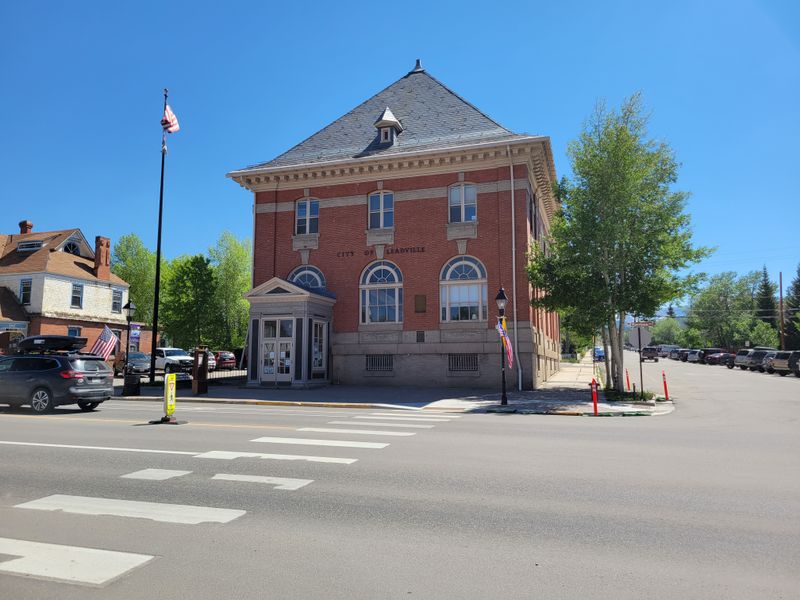
Staying at the Delaware Hotel added authentic historical flavor to my Leadville experience.
This Victorian-era hotel has hosted guests since 1886, maintaining much of its original character and charm.
My room featured antique furnishings, high ceilings, and windows overlooking Harrison Avenue’s historic district.
The creaky wooden floors and vintage fixtures reminded me constantly of the building’s age and history.
I learned that famous figures like Wyatt Earp and Doc Holliday allegedly visited during Leadville’s wild days.
Modern amenities blend surprisingly well with historical elements, providing comfort without destroying authenticity.
The hotel staff shared stories about previous guests and building renovations over the decades.
Sitting in the lobby felt like time traveling while still enjoying wifi and comfortable seating.
The Delaware Hotel offers lodging with genuine historical significance rather than manufactured theme park atmosphere.
Local Farmers Market
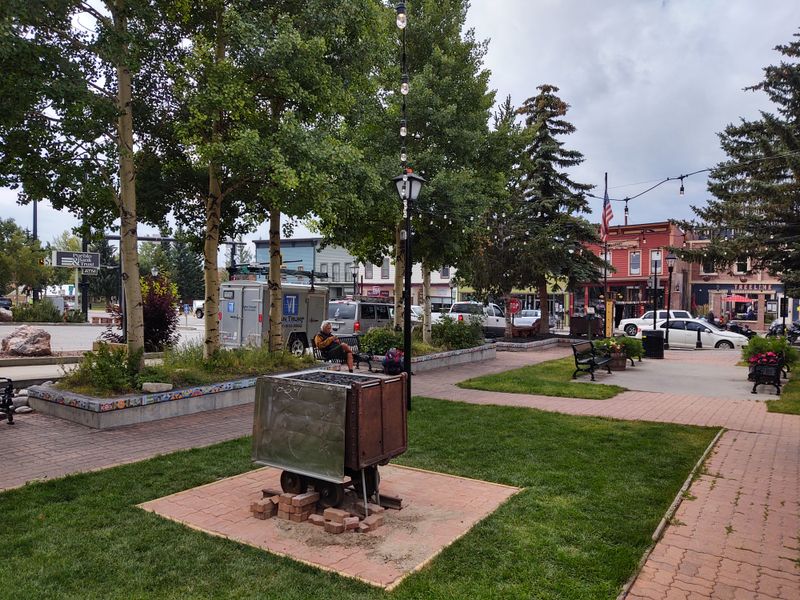
Shopping at Leadville’s weekend farmers market connected me directly with local producers and artisans.
Despite the short growing season at this elevation, vendors sold fresh vegetables, baked goods, honey, and handmade crafts.
I chatted with a farmer who explained the challenges of gardening at 10,000 feet.
The market occupies a parking lot downtown, creating a casual, friendly atmosphere where vendors and customers clearly know each other.
I purchased fresh bread, locally-made jam, and a hand-knitted hat I actually still wear.
Live music added festive energy while I browsed the various booths and sampled free product tastings.
The market serves as a social gathering spot where locals catch up on news and visitors experience community life.
Prices seemed fair for high-quality, locally-produced items.
Supporting small producers while acquiring unique products made the market visit doubly satisfying.
Mount Massive Wilderness
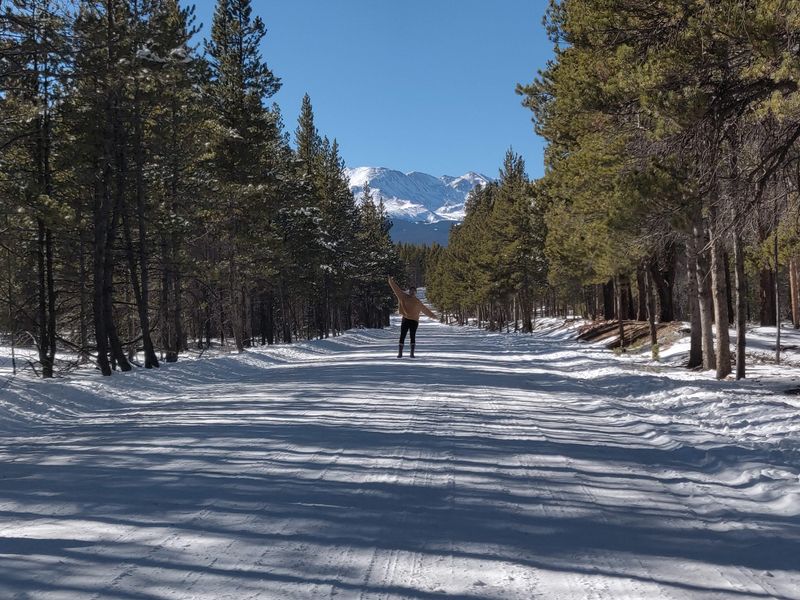
Venturing into Mount Massive Wilderness delivered the solitude and natural beauty I craved.
This protected area encompasses Colorado’s second-highest peak and thousands of acres of pristine alpine environment.
I chose a less-popular trail to avoid crowds, encountering only three other hikers during six hours of exploration.
The landscape transitions from dense forest to open tundra as elevation increases, with each zone supporting different plant and animal communities.
I spotted elk tracks, marmots sunning on rocks, and birds I couldn’t identify.
Wildflowers bloomed in protected valleys while snowfields still clung to north-facing slopes even in July.
The silence felt profound, interrupted only by wind, distant bird calls, and my own breathing.
Wilderness regulations prohibit motorized vehicles and permanent structures, preserving the area’s wild character.
This backcountry experience reminded me why wilderness protection matters.
Historic Fire Station
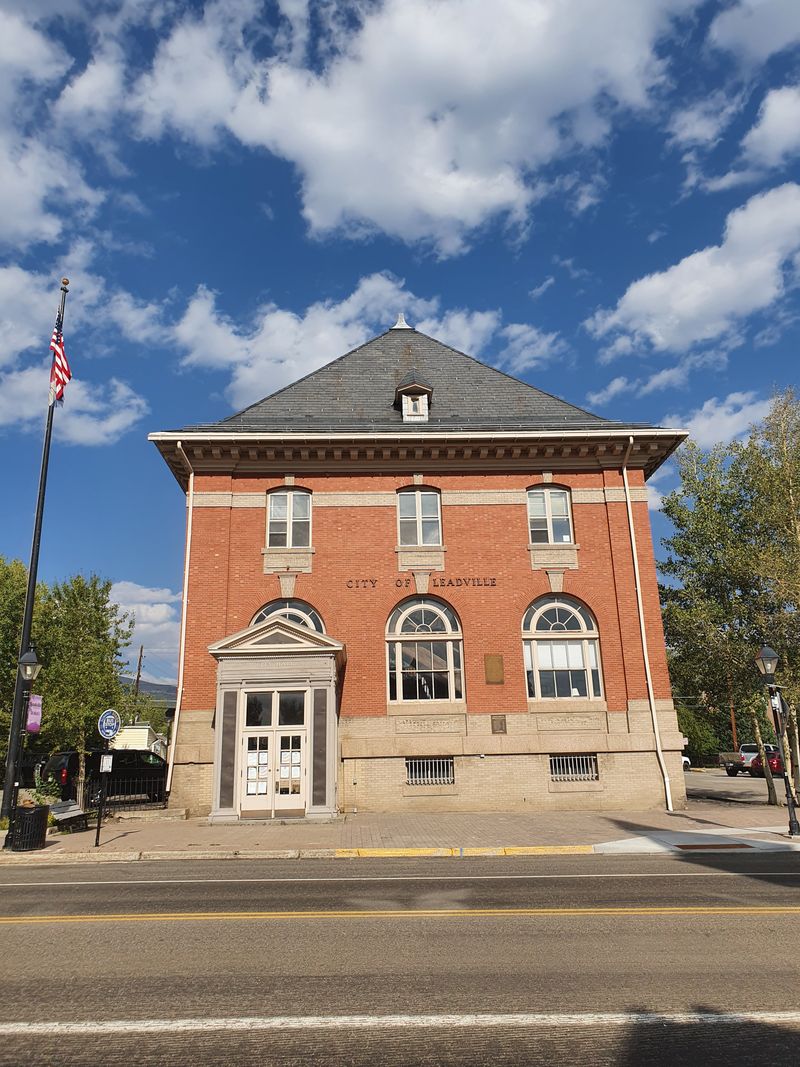
Touring Leadville’s historic fire station revealed fascinating details about frontier fire protection.
The building houses vintage fire equipment, including hand-pulled hose carts and early motorized trucks.
I examined the brass fittings, leather hoses, and tools firefighters used battling blazes in wooden Victorian buildings.
Photographs display fire crews from different eras, showing how equipment and techniques evolved over decades.
The guide explained how frequent fires threatened mining towns built almost entirely from lumber.
I learned about the volunteer fire companies that competed for honor and sometimes prize money when responding to alarms.
The living quarters upstairs showed where firefighters stayed ready for emergency calls.
This small museum preserves an important aspect of Leadville’s civic history often overlooked by visitors.
The dedication of volunteer firefighters helped Leadville survive when many mining towns burned completely.