
This Charming Colorado Town Looks Like It Stepped Right Out Of A Norman Rockwell Painting
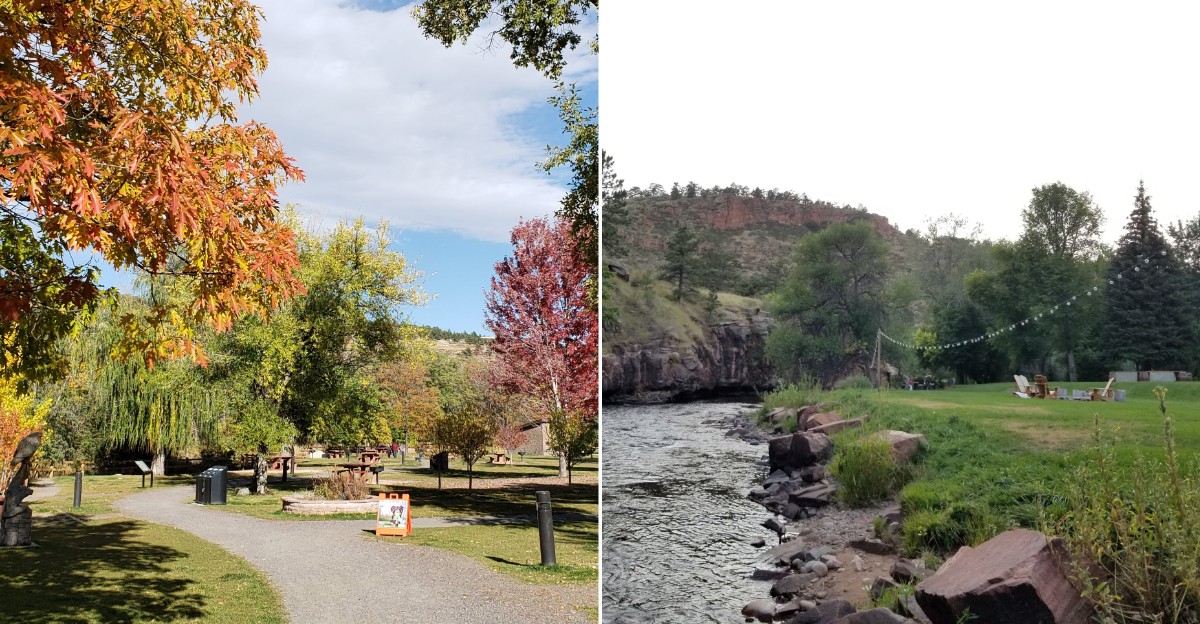
Some towns look like they belong in a painting, but the most interesting ones have real stories behind their pretty streets. Picture warm sandstone buildings, an old schoolhouse, and a creek flowing past peaceful parks.
It sounds almost too picturesque to be real, doesn’t it? Yet this little community in Colorado offers exactly that, without trying to turn everyday life into a museum exhibit.
Take a walk and the details start revealing themselves. The historic architecture gives the streets character, while the nearby water offers a refreshing change of scenery.
There is no complicated itinerary to follow, no attraction demanding half your afternoon, and certainly no need to rush. That is what makes the experience so refreshing.
Small-town history feels especially tangible along this stretch of Colorado’s Front Range, where ordinary streets hold plenty of visual charm. Come for the postcard scenery, stay for the easygoing atmosphere, and enjoy an afternoon beautifully free of complications.
Start With The Real Town Behind The Postcard
A weekend plan gets simpler when the destination has a clear identity. Lyons sits where North St. Vrain Creek and South St. Vrain Creek meet, with the Rocky Mountain foothills providing the setting rather than an elaborate attraction built for visitors.
The town had 2,209 residents in the 2020 census. That number helps explain the scale: you are visiting a working community, not an outdoor shopping center wearing a historic costume.
For a civic reference point, Town Hall is at 432 5th Avenue, Lyons, CO 80540. Treat that address as an orientation point, not as the entrance to a single attraction or a promise of visitor parking.
Lyons, Colorado, makes sense for an afternoon built around looking closely. Its sandstone buildings give you something specific to notice, while the creek setting keeps the outing connected to the landscape.
The Norman Rockwell comparison is an impression, not a claim that the artist painted here. Think ordinary American life framed by older buildings, public spaces, and a town small enough to understand without a complicated itinerary.
Begin with one walk and leave room for a second stop. Nobody needs a vacation spreadsheet to appreciate a schoolhouse, a stone wall, and a place with its own history.
Red Sandstone Gives Lyons Its Own Signature
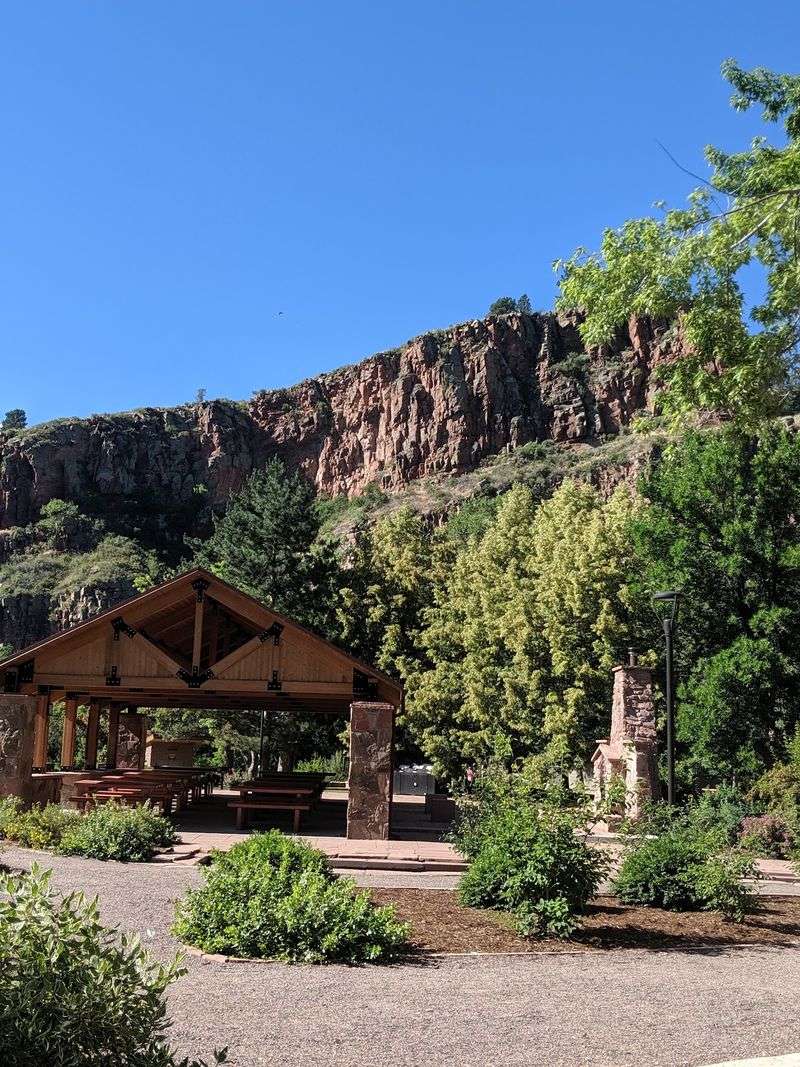
Some towns ask you to admire their character without explaining where it came from. Here, the answer is often right in the walls: local sandstone helped shape both the community’s economy and its appearance.
Quarrying became central to the town’s development during the 1880s. The stone was useful beyond town, but its clearest role for an afternoon visitor is the visual link between the buildings and the surrounding landscape.
Lyons has a historic district associated with fifteen sandstone buildings listed in the National Register of Historic Places. That gives a casual walk a useful focus without requiring you to become an architectural expert before lunch.
Look at the size of the blocks, the treatment around windows, and the ways different buildings use the same material. A wall becomes more interesting once you stop treating it as background.
Keep your exploration respectful. Historic designation does not mean every building is open for tours, and an attractive doorway can still belong to someone conducting ordinary business.
The practical promise is straightforward: choose a few buildings, walk between them, and notice their details. You can appreciate the town’s identity from public sidewalks without booking an activity or trying to turn every minute into a scheduled event.
Two St. Vrain Creeks Shape The Setting
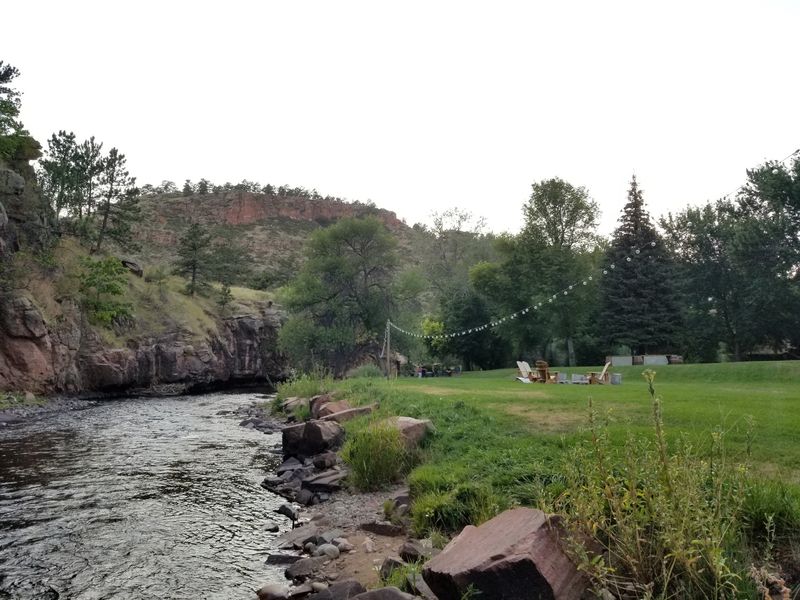
Water explains the map before architecture explains the streets. The meeting of North St. Vrain Creek and South St. Vrain Creek is a defining geographic fact, giving the town a setting tied to two mountain drainages.
Lyons, Colorado, stands at the foothills rather than deep inside the high mountains. That distinction matters when planning: the town itself is the destination here, not a substitute for a full day in Rocky Mountain National Park.
The park lies roughly twenty miles west of town. A mountain backdrop does not eliminate the need to check routes, travel conditions, or separate entry requirements when extending your trip.
Within town, the creek and native sandstone provide a useful way to read the landscape. One shows where water moves; the other helps explain why quarrying became so important.
For an arrival photograph, include some context instead of aiming only at distant peaks. A public path, a stone building, or the creek corridor can tell a more accurate story about this part of Colorado.
Stay on established public access routes and follow posted notices. Creek conditions vary, so a waterside walk should not automatically become a swimming plan, especially when your original goal was simply a pleasant afternoon outside with company.
The Redstone Schoolhouse Adds A Human Chapter
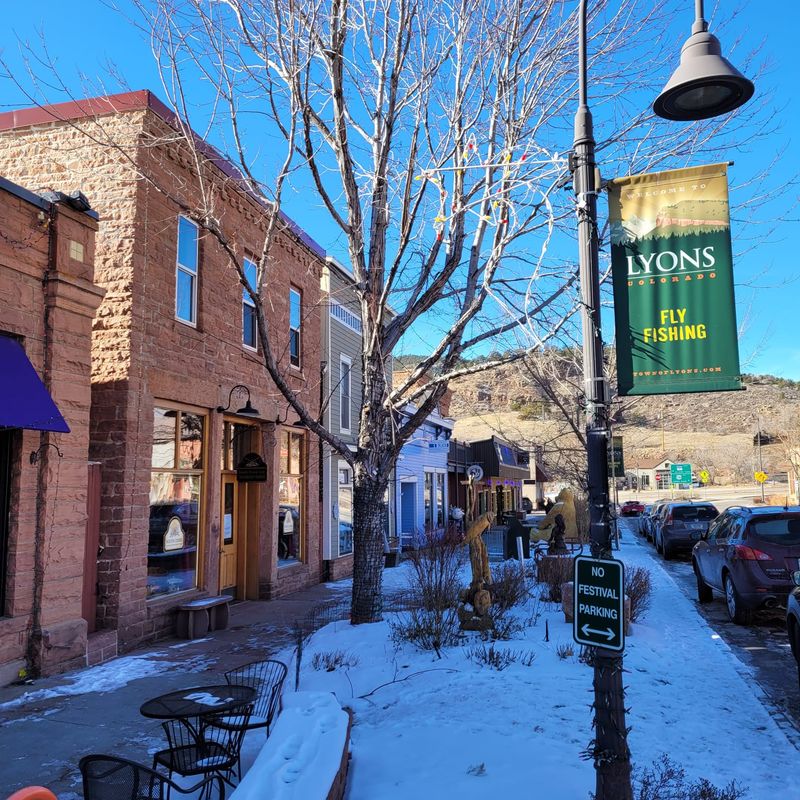
The stone story becomes more personal when a schoolhouse enters the picture. The Lyons Redstone Museum occupies an 1881 school building, connecting the town’s visible architecture with the people whose lives unfolded inside it.
A former school gives history an understandable scale. You do not need specialist knowledge to recognize why classrooms, community records, and preserved objects can explain more than a date printed on a plaque.
Lyons was founded in 1880, so the schoolhouse belongs to its earliest years. That close timing makes the building useful for understanding how a settlement became a community with institutions, not merely a place to extract stone.
Good To Know: The museum operates seasonally, so confirm its current schedule before making an interior visit the centerpiece of your day.
An exterior look can still connect the schoolhouse to the broader sandstone story, provided you use public access and respect any posted restrictions. An old building does not become public property just because someone wants a photograph.
Allow your curiosity to guide the visit rather than trying to collect every historical detail. The useful discovery is that the town’s appearance grew from practical choices: building with available stone, establishing a school, and preserving those connections for later generations.
LaVern M. Johnson Park Leaves Room To Play
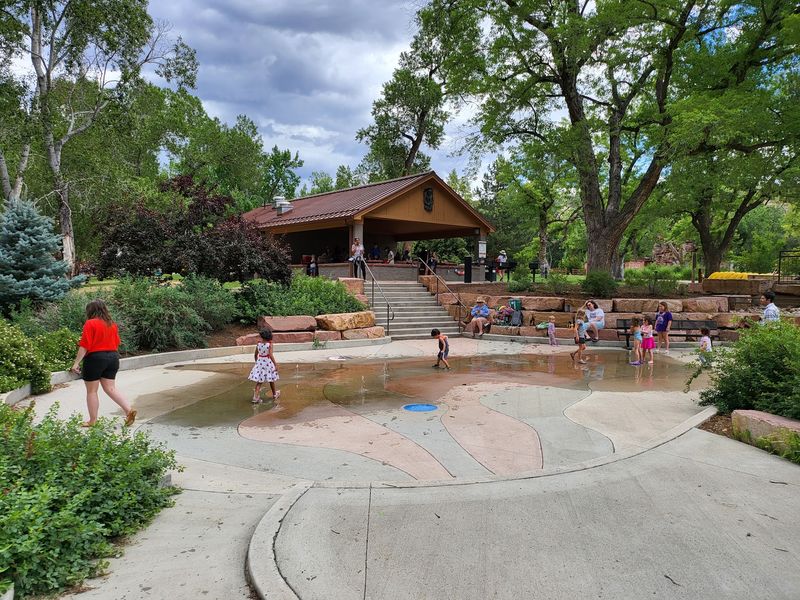
Not everyone in a travel party wants to study another stone wall. LaVern M.
Johnson Park gives an outing a different pace, with public recreation space and seasonal features that can balance the town’s historical side.
The park includes a splash pad for summer use and ice skating during the winter season when available. Those are different plans, not interchangeable promises, so check town information before packing swimsuits or skating gear.
For families, choosing one suitable park activity can keep the day from becoming a long series of adult interests. Bring the basics your group needs and confirm current access rather than assuming every feature operates daily.
Couples and solo visitors can keep the same stop simpler, using the park as a break between looking at buildings and exploring town. There is no requirement to make recreation competitive.
Lyons, Colorado, also suits weekend travelers who prefer a mix of history and outdoor time without committing to a major mountain excursion. The appeal comes from choosing activities that match your actual energy.
Check parking rules and any applicable fees before settling in. A realistic plan respects seasons, weather, and operating conditions, which is less glamorous than a postcard but considerably more useful when traveling with other people.
A Lyons Saturday Needs Only Two Stops
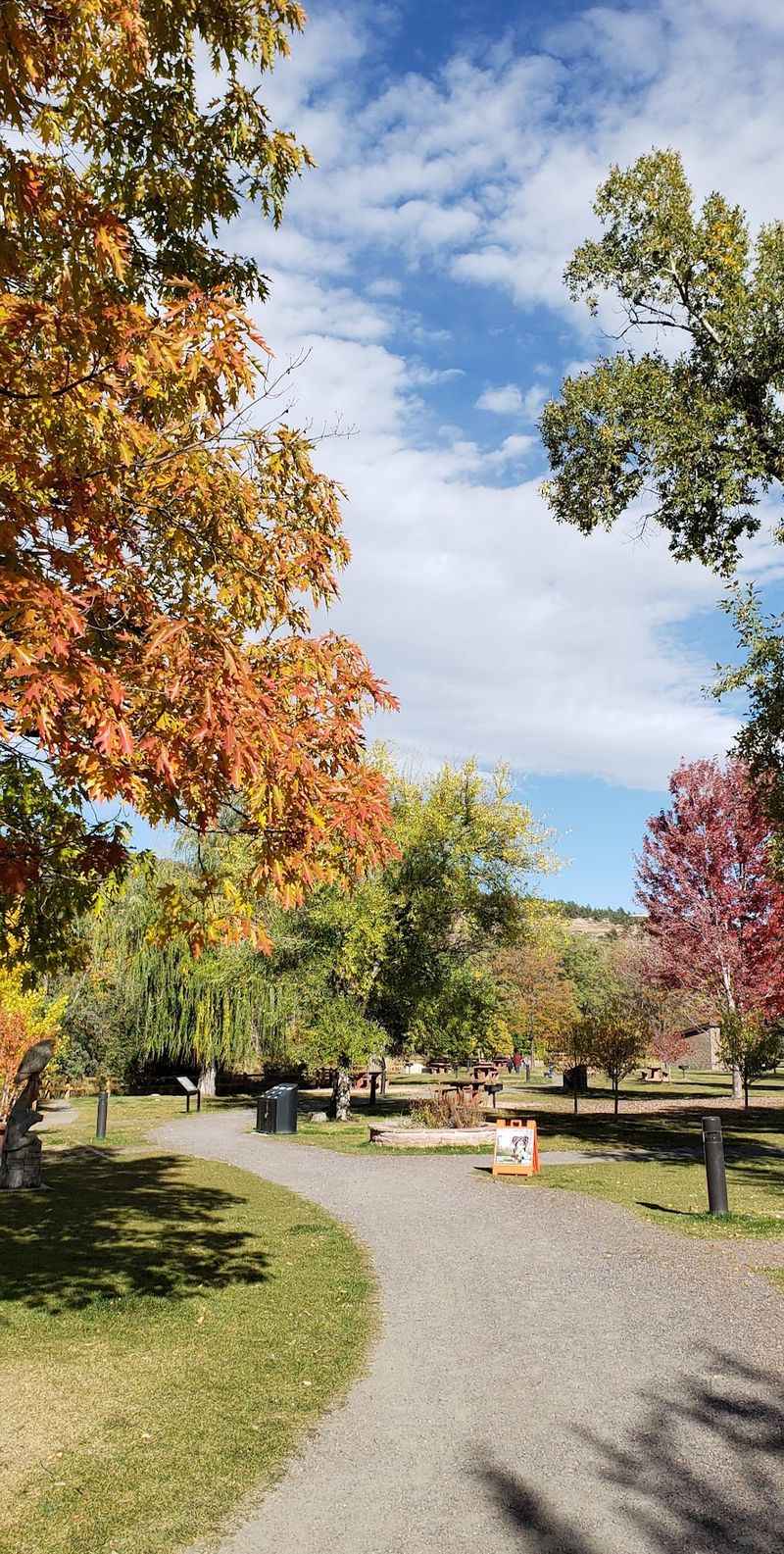
A simple Saturday detour works better with two clear stops than six hopeful ones. Choose a walk focused on sandstone buildings, then add either the museum or a park visit according to the season.
For the same civic orientation point mentioned earlier, use Town Hall at 432 5th Avenue, Lyons, CO 80540. Confirm suitable public parking separately, because a navigation address does not tell you where you may leave your car.
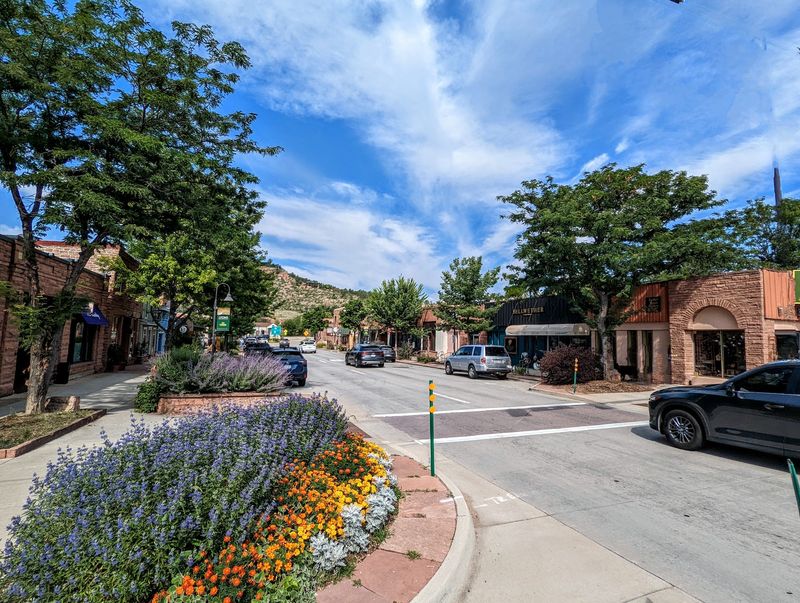
Main Street provides a real downtown reference for exploring Lyons. Keep the route modest, use marked crossings, and let an interesting building earn a pause rather than marching through a checklist.
Before leaving home, check the museum schedule if that is your second stop. When choosing the park instead, review current conditions and the availability of the feature you actually want to use.
Bring water, comfortable shoes, and a layer suited to the forecast. Those small preparations are more helpful than assuming a foothills outing will behave exactly like the weather where you started.
Leave some time unassigned. You might spend it examining masonry, resting in a public space, or simply shortening the outing before everyone gets tired; all three count as reasonable uses of an afternoon in a town that rewards attention.
Rockwell Nostalgia Meets Real Lyons Life
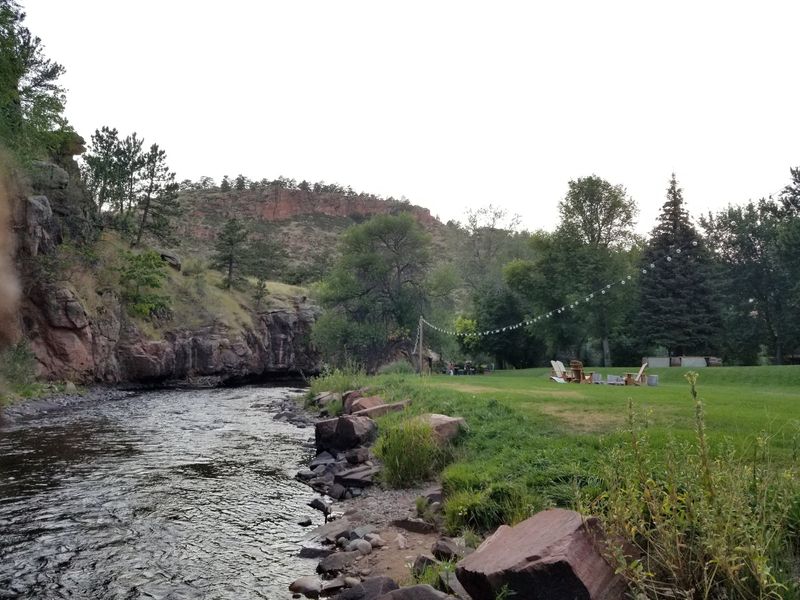
The strongest version of the Rockwell comparison is not about pretending the present disappeared. It is about noticing a town where familiar parts of American life still have a visible setting: a schoolhouse, public parks, and streets shaped by local history.
Lyons, Colorado, earns that impression through specific things rather than decorative nostalgia. Sandstone connects its buildings to quarrying, while the meeting of the creeks connects its layout to the foothills.
Those details give a short visit enough substance. You can understand something about the town without taking a strenuous excursion, buying a ticket for every stop, or arranging the day around a single attraction.
The practical limits belong in the picture too. Museum access is seasonal, park features depend on conditions, and historic buildings have uses beyond serving as backgrounds for travel photographs.
Let the outing remain small if that is what your weekend needs. A walk, one chosen activity, and time to look closely can reveal more than a rushed circuit designed to prove you saw everything.
That is the lasting appeal of this Colorado town: the scenery and history share the same frame, but ordinary life has not been edited out. Take the sandstone walk, then let the creek have your remaining afternoon.