
This Charming Florida Seaside Town Was Made For Slow, Carefree Days
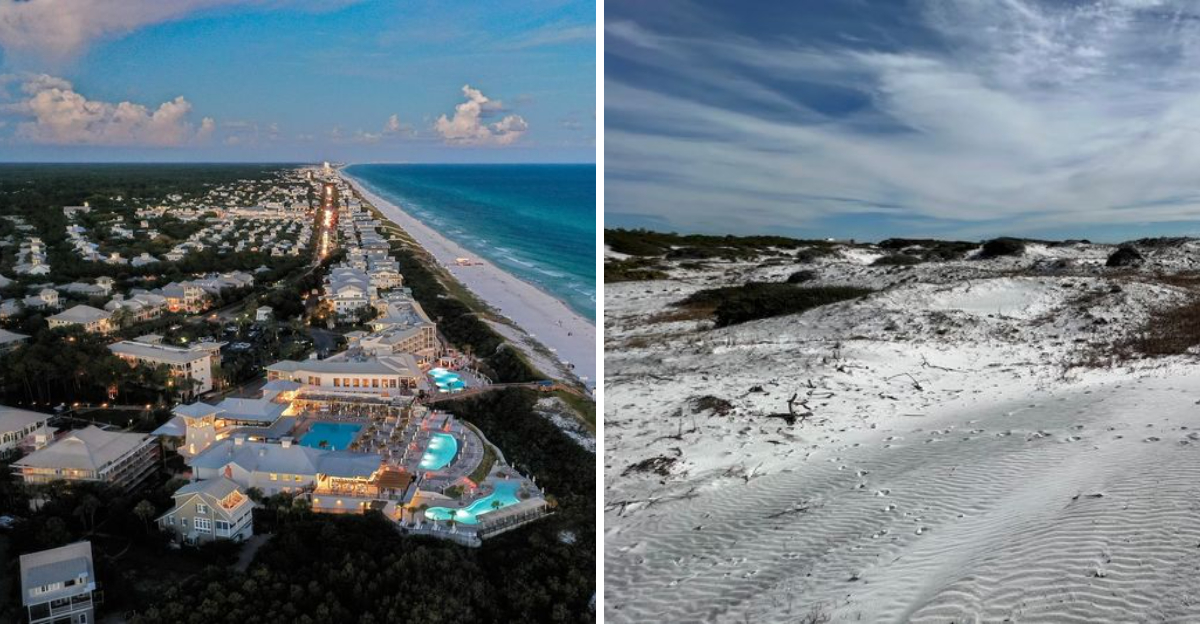
The hardest thing to find in Florida is not an empty beach.
It is a place that convinces you to stop checking the time.
That is exactly what makes this coastal town so different.
Most Florida beach destinations are built to keep you moving. One attraction leads to another.
One reservation follows the next. Before long, the vacation feels almost as busy as everyday life.
Here, the opposite happens.
The streets invite you to walk instead of drive. Front porches replace towering hotels.
Neighbors greet each other as they pass, bicycles outnumber cars, and even the simplest afternoon somehow lasts longer than expected.
That is the contrast.
Florida is famous for fast-paced beach vacations, but this community was designed around a completely different idea that slowing down can be the greatest luxury of all. Every path, every cottage, and every shared gathering space encourages you to linger instead of hurry.
Some Florida towns compete for your attention.
This one quietly lets go of it.
By the end of the day, you are not thinking about what comes next. You are simply enjoying where you are, and that may be the rarest experience Florida has left.
New Urbanist Design That Started A Movement
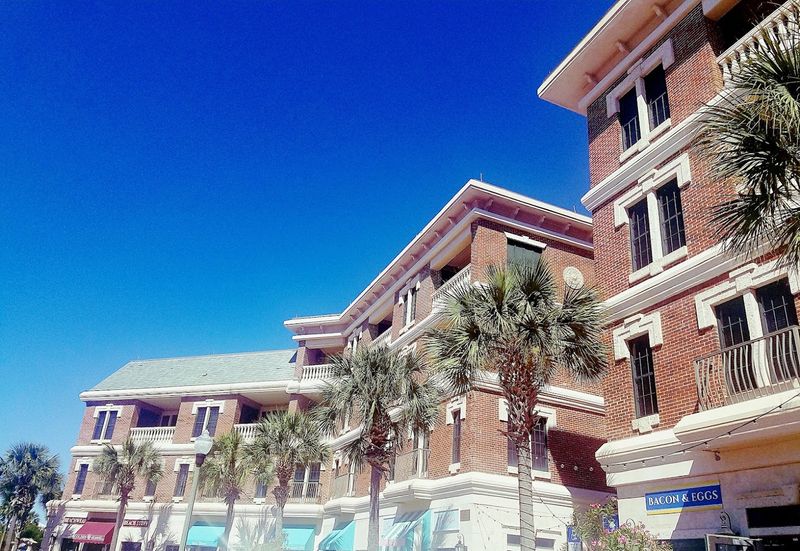
Walking through Seaside feels like flipping through an architecture magazine that somehow became real life. The town was designed in the 1980s by architects Andres Duany and Elizabeth Plater-Zyberk, who wanted to create a community where cars took a back seat to foot traffic and front porches encouraged actual conversations between neighbors.
Every building follows strict architectural codes that prioritize charm and walkability over cookie-cutter convenience. Houses sit close to tree-lined streets, garages hide in back alleys, and public spaces pop up every few blocks to give residents and visitors natural gathering spots.
I noticed how the entire town center sits within a five-minute walk from any residence, making it ridiculously easy to grab morning coffee or browse shops without firing up the car. The design philosophy here influenced countless developments across America, earning Seaside recognition as the birthplace of modern New Urbanism.
Sidewalks connect to bike paths, which lead to beach pavilions, creating a web of routes that make exploration feel effortless. Every turn reveals another pastel cottage or hidden courtyard, proving that when you design a place for people instead of vehicles, magic happens in the margins.
Striking Beach Pavilions That Frame The Gulf
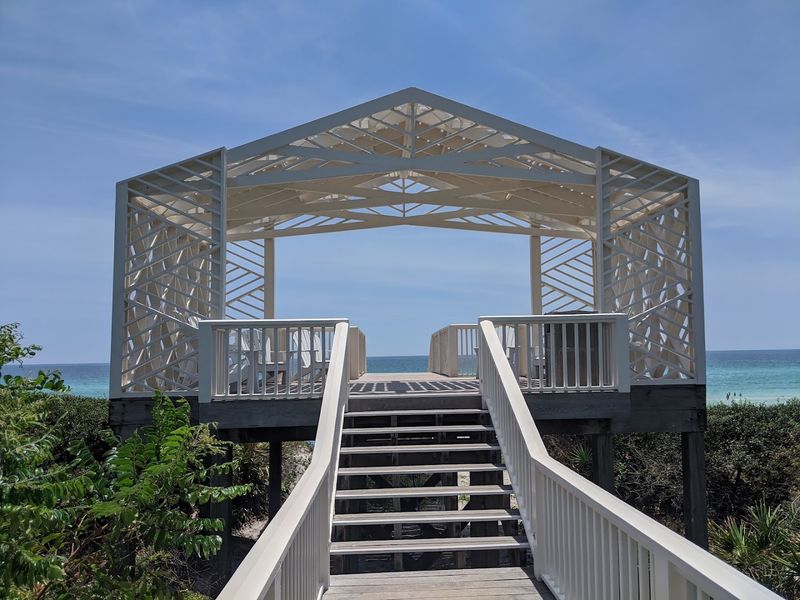
Nine distinctive beach pavilions mark the pathways between town and the Gulf, each designed as its own architectural landmark.These structures aren’t just functional beach access points but architectural statements that range from classical columns to modernist angles, giving each beach entrance its own personality.
I found myself using the pavilions as meeting spots and shade breaks, noticing how their varied designs never compete with the natural beauty of the Gulf but somehow enhance it. Some feature open-air pergolas perfect for watching sunsets, while others offer enclosed changing areas and outdoor showers for rinsing off sand.
The most photographed pavilion sits at the central beach access, its geometric white frame creating a perfect window to endless blue water and sky. Families claim spots near their favorite pavilions, returning to the same architectural landmark year after year as part of their Seaside ritual.
Beyond their practical purpose, these structures demonstrate how thoughtful design elevates everyday experiences, turning a simple walk to the beach into a moment worth remembering. Each pavilion tells its own story through shape and shadow, proving that even utilitarian structures deserve beauty and intention.
Sugar-White Sand That Squeaks Underfoot
The sand here literally squeaks when you walk on it, a phenomenon caused by the incredibly fine quartz crystals that make up this stretch of Florida Panhandle coastline. I spent my first morning giggling at the sound my feet made with each step, feeling like I was walking across fresh snow instead of a beach.
This powdery white sand stays surprisingly cool even under the midday sun, making barefoot walks comfortable at any hour. The beach stretches in both directions from the pavilions, offering plenty of room to spread out even during peak season when other Gulf towns feel packed shoulder to shoulder.
Gentle waves lap at the shore with a rhythm that seems designed specifically for floating and daydreaming rather than surfing or water sports. I watched kids build elaborate sandcastles that held their shape beautifully thanks to the sand’s fine texture and perfect moisture content.
The water transitions from pale jade near shore to deep turquoise farther out, creating layers of color that shift with the light throughout the day. Every evening, the squeaky sand becomes a canvas for sunset watchers who gather in quiet clusters, their feet making that distinctive sound as they find the perfect viewing spot.
Walkable Town Center With Local Character
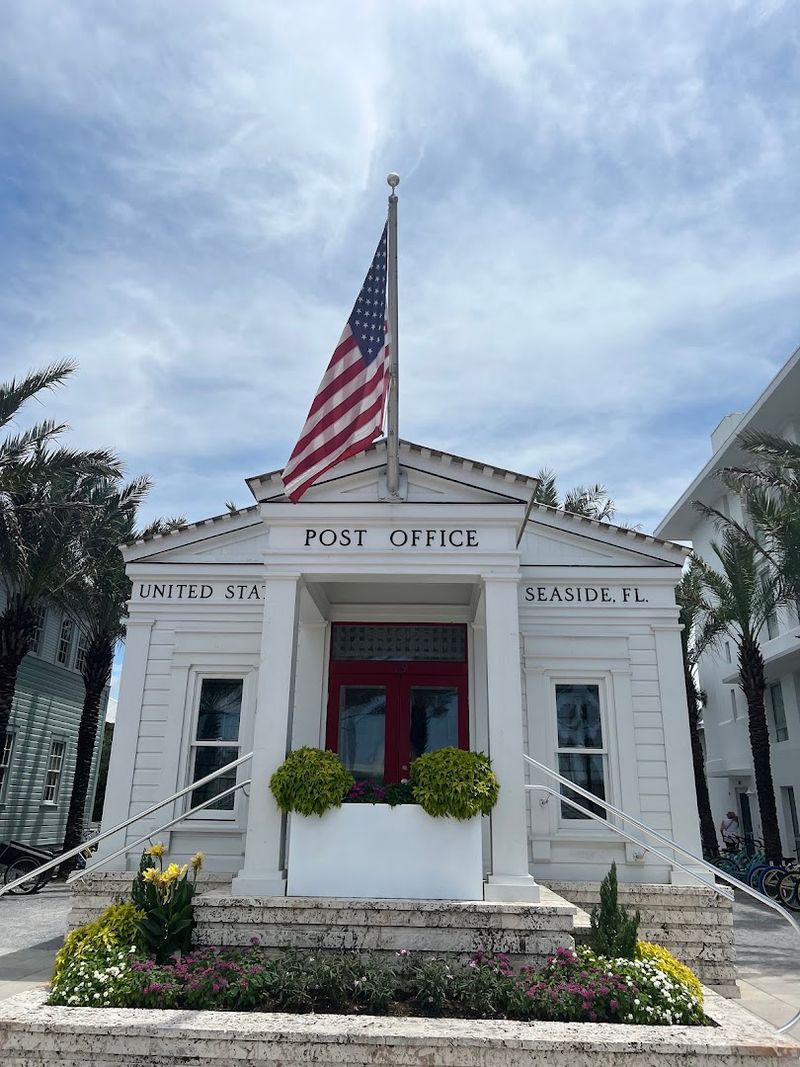
Shops and restaurants cluster around a compact town center that you can explore entirely on foot in about twenty minutes, though I always end up taking much longer because something interesting catches my eye every few steps. Local boutiques sell everything from coastal art to handmade jewelry, with owners who actually remember your name by the second visit.
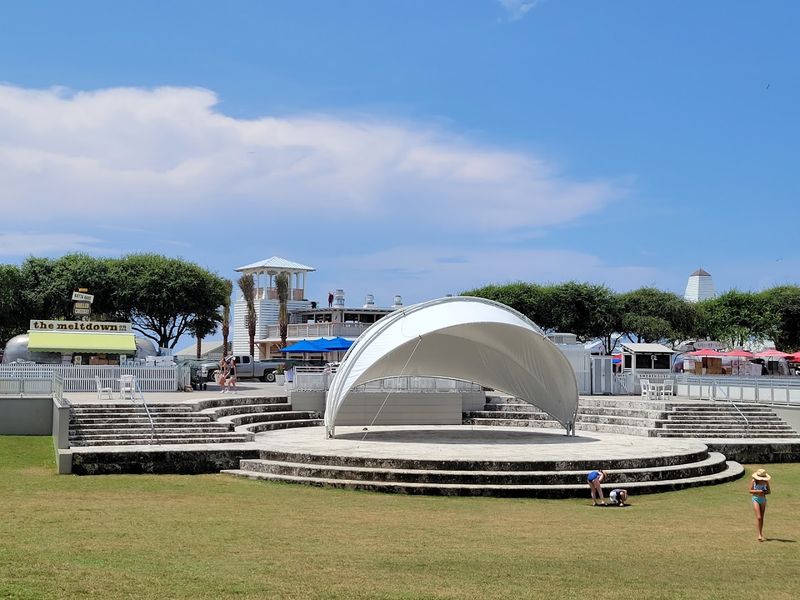
The outdoor amphitheater hosts concerts and movie nights throughout the year, creating a natural gathering spot where blankets spread across the lawn and strangers become temporary neighbors. I grabbed lunch at a cafe with outdoor seating that faced the central green, watching kids chase each other while parents chatted on nearby benches.
Everything feels intentionally small-scale here, designed to encourage browsing and lingering rather than rushing through a shopping list. A bookstore tucked into one corner became my daily stop for browsing travel guides and local history, the kind of independent shop that survives because the community actually supports it.
Food options range from casual sandwich spots to upscale dining, all within easy walking distance of the beach and residential areas. The town center proves that you don’t need sprawling malls or chain restaurants to create a vibrant commercial district, just quality over quantity and design that prioritizes people over parking lots.
Nearby Grayton Beach State Park Adventures
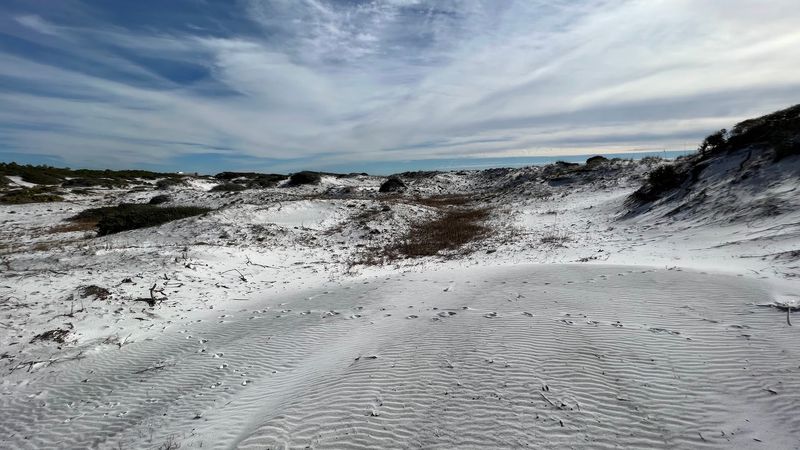
Just west of Seaside, Grayton Beach State Park offers 2,000 acres of protected coastline that feels worlds away from the manicured charm of town. I hiked trails that wind through coastal scrub forest and over sand dunes, spotting everything from ghost crabs to shore birds along the way.
The park features one of Florida’s rare coastal dune lakes, a unique ecosystem where freshwater and saltwater mix to create habitat for species found nowhere else. Western Lake sits just behind the dunes, its calm waters perfect for kayaking or paddleboarding when the Gulf feels too choppy.
Camping sites nestle among the pines for visitors who want to extend their stay beyond Seaside’s rental cottages, offering a more rugged alternative to the town’s polished aesthetic. I spent an afternoon exploring the nature trails, grateful for the shade and solitude after days of beach crowds and social interaction.
The park’s beach remains less developed than Seaside’s central shore, attracting visitors who prefer natural beauty over architectural landmarks. Rangers lead guided walks that explain the delicate balance of dune ecosystems and why preservation matters for future generations, adding educational depth to what could be just another pretty beach walk.
Porch Culture That Builds Community
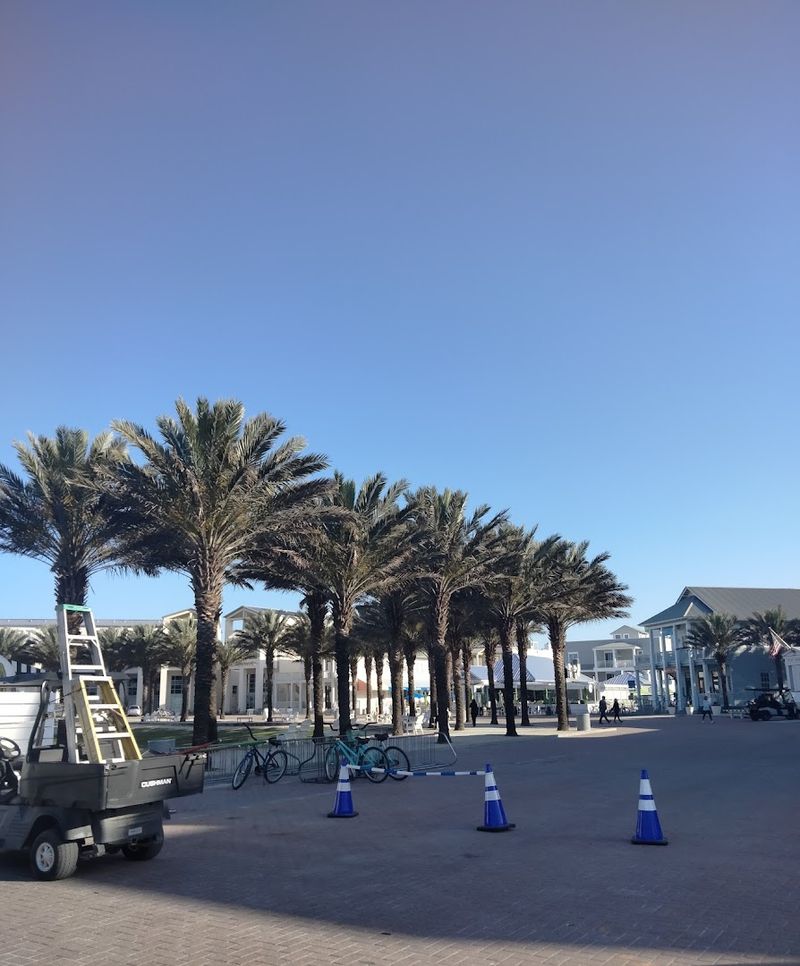
Every house in Seaside features a front porch, and the building codes actually specify minimum porch depths to ensure they’re functional gathering spaces rather than decorative afterthoughts. I spent countless hours rocking in chairs on my rental cottage porch, waving to passing walkers and cyclists who always seemed to have time for a quick chat.
This architectural requirement creates a social dynamic that’s nearly extinct in most modern developments, where garage doors face the street and neighbors rarely interact. Families gather on their porches after dinner, kids play board games on porch floors, and strangers become friends through repeated hellos across picket fences.
The porch placement forces houses closer to the street and each other, shrinking the private front yard in favor of shared public space that benefits the entire community. I noticed how this design choice completely changed my vacation rhythm, making me more likely to sit outside and engage with passersby than hide inside with the air conditioning.
Evening porch time becomes a Seaside ritual, with residents and visitors alike claiming their rocking chairs to watch the day wind down. The simple act of sitting outside where others can see you creates accountability and connection, proving that architecture can actually engineer social interaction when designed with intention.
Car-Free Vacation Experience
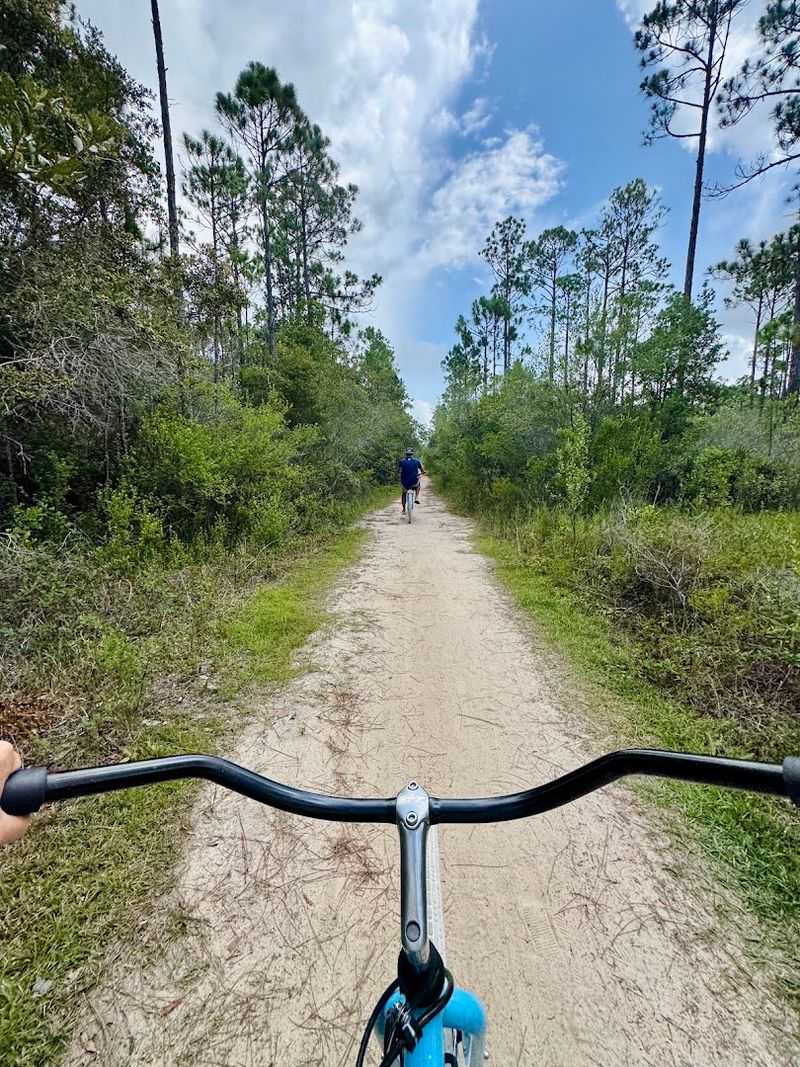
I parked my car upon arrival and didn’t touch it again until checkout day, a vacation first for me in a state dominated by highway sprawl and drive-through everything. Seaside’s compact design means everything sits within easy walking or biking distance, eliminating the need to drive for meals, shopping, or beach access.
Bike rentals are available throughout town, and I saw more families on bicycles than in cars during my entire stay. The streets feature low speed limits and traffic-calming design elements that make walking and cycling feel safe even for young kids navigating on their own.
Parking areas hide behind buildings in rear alleys, keeping cars out of sight and out of mind for most daily activities. This design choice transforms the vacation experience from a series of car trips between destinations into a continuous flow of walking, discovering, and connecting with your surroundings.
I found myself noticing details I would have missed from a car window: architectural quirks on cottages, flowers spilling over garden walls, the sound of the Gulf wind through the pines. Going car-free here doesn’t feel like a sacrifice but a liberation, freeing you from the stress of parking and traffic to focus on the simple pleasure of moving through a beautiful place at human speed.
Film Fame From The Truman Show
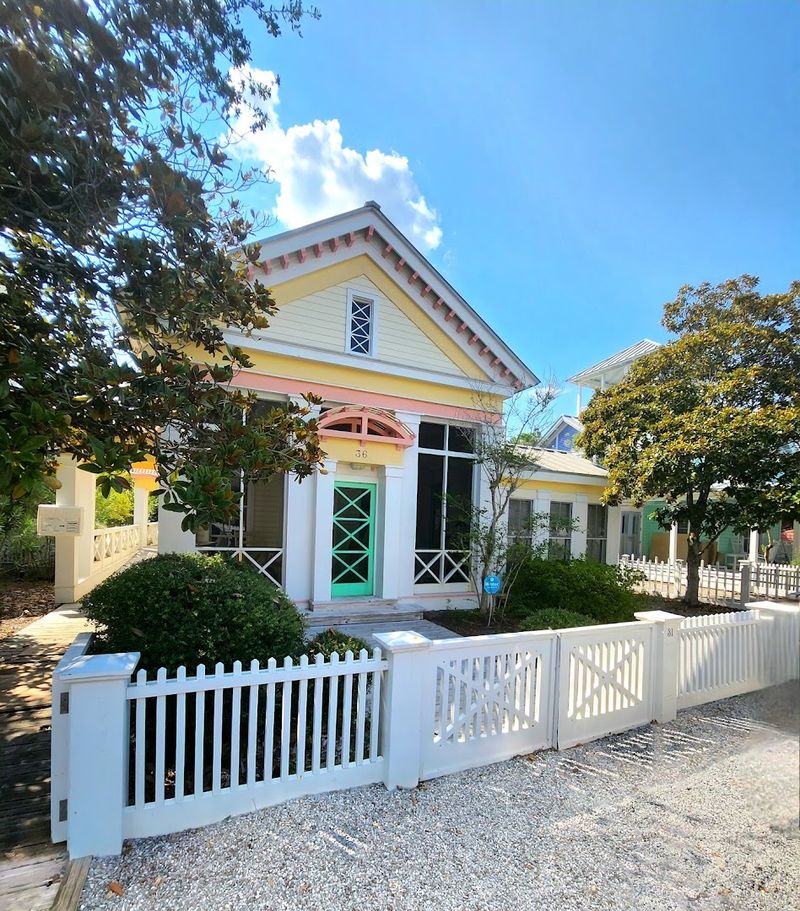
Director Peter Weir chose Seaside as the filming location for The Truman Show in 1998, using the town’s picture-perfect aesthetic to represent the fictional Seahaven Island where Jim Carrey’s character lives his televised life. I kept recognizing buildings and streets from the film, giving my walks an odd sense of deja vu even on my first visit.
The movie brought international attention to this small Florida community, turning it into a destination for architecture enthusiasts and film buffs alongside the typical beach vacationers. Some visitors arrive specifically to photograph locations from the movie, creating impromptu tours that trace Truman’s daily route through town.
The town’s almost-too-perfect appearance made it ideal for depicting a manufactured reality in the film, though locals insist Seaside’s charm is completely authentic despite how staged it might appear on screen. I understood the director’s choice after a few days here, because the town really does look like a movie set, every building positioned just so, every color coordinated to create maximum visual harmony.
This film connection adds another layer to Seaside’s identity, proving that thoughtful design creates places so visually compelling they become characters in their own right. The irony isn’t lost on visitors that a movie about artificial perfection was filmed in a real town designed to look perfect.
Year-Round Events And Gatherings
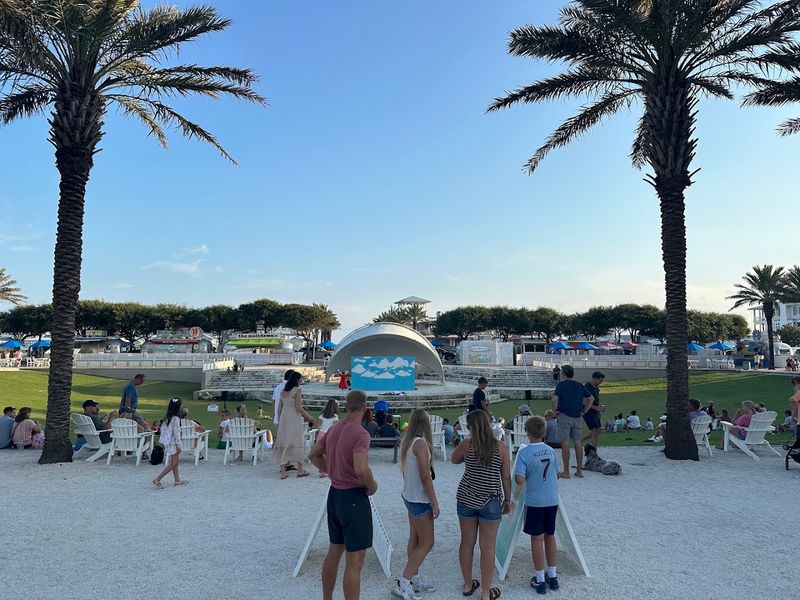
The town calendar fills with concerts, art shows, farmers markets, and outdoor movie nights that bring residents and visitors together throughout the year. I stumbled into a Friday night concert series at the amphitheater, where families spread blankets on the grass and kids danced barefoot while parents swayed with the music.
Seaside hosts a renowned writers conference each winter, drawing authors and aspiring writers to workshops and readings in this inspiring coastal setting.
Holiday events transform the town into something even more magical, with Christmas decorations adorning every porch and New Year’s beach gatherings that feel intimate despite the crowds. I attended a Sunday farmers market where local vendors sold fresh produce, baked goods, and handmade crafts, creating a weekly ritual that supports regional agriculture and artisans.
These regular events give visitors reasons to return beyond just the beach, building traditions and memories tied to specific annual happenings. The community calendar proves that great places need more than pretty buildings, they need shared experiences that bring people together and create stories worth retelling long after the vacation ends.
Timeless Design That Ages Gracefully
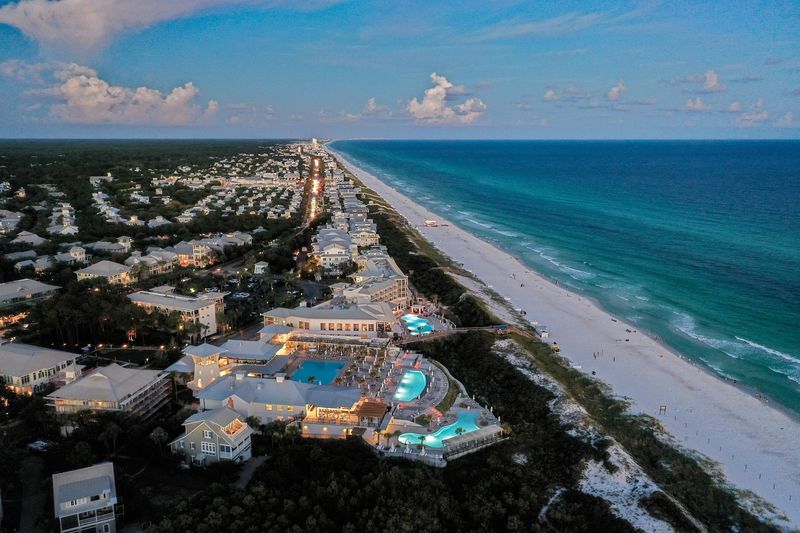
Buildings here were designed with materials and styles meant to weather gracefully rather than look perpetually new, creating a lived-in quality that feels authentic rather than manufactured. I noticed how the painted wood siding shows just enough wear to prove these aren’t Disney facades but real structures that have hosted decades of beach vacations and salt air.
The architectural guidelines ensure that even new construction matches the established aesthetic, preventing the jarring mix of styles that plagues most communities as they grow and change. Colors fade to softer versions of their original pastels, shutters develop a gentle patina, and porches gain the smooth wear of thousands of bare feet crossing their boards.
This approach to design creates a sense of timelessness, making it difficult to guess which buildings date to the 1980s and which were added last year. I appreciated how the town embraces aging as part of its character rather than fighting against it with constant renovation and replacement.
The result is a place that feels established and comfortable rather than shiny and new, inviting you to add your own wear and memories to its ongoing story. Seaside proves that the best design doesn’t try to freeze time but allows buildings and spaces to evolve gracefully alongside the people who use them.