
This Charming Georgia Waterfront Town Was Made For A Slow Weekend Drive
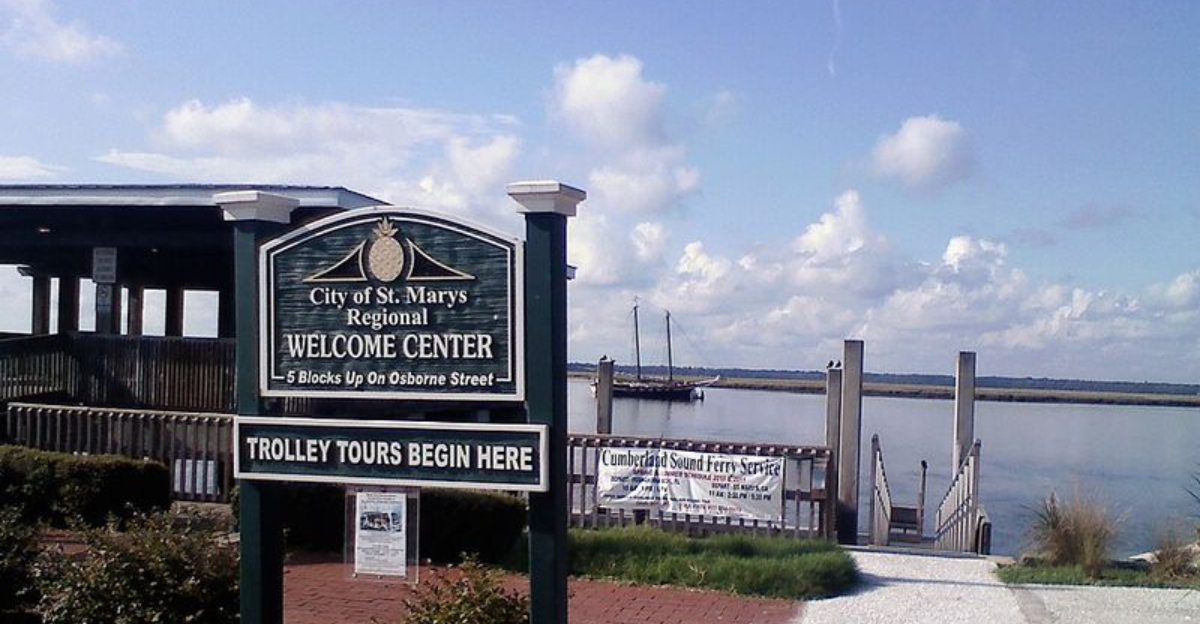
Some places were made for speeding through. This one demanded you slow down.
Tucked along Georgia’s dreamy stretch of coastline, this waterfront town felt like it had quietly mastered the art of the unhurried weekend. The kind where the windows stayed down, the phone stayed ignored, and the biggest decision of the day was seafood now or seafood later.
Breezy porches wrapped around pastel houses. Boats drifted lazily in the marina like they had nowhere better to be. Even the air felt slower, softer.
It had serious “main character in a feel-good road trip movie” energy. Not flashy. Not loud. Just effortlessly charming.
Golden light spilled over the water each evening, mornings unfolded gently, and time stretched in the most delicious way. This wasn’t a place built for tight schedules or rushed itineraries.
It was built for wandering. For lingering. For staying longer than planned.
The St. Marys Waterfront Park And Ferry To Cumberland Island
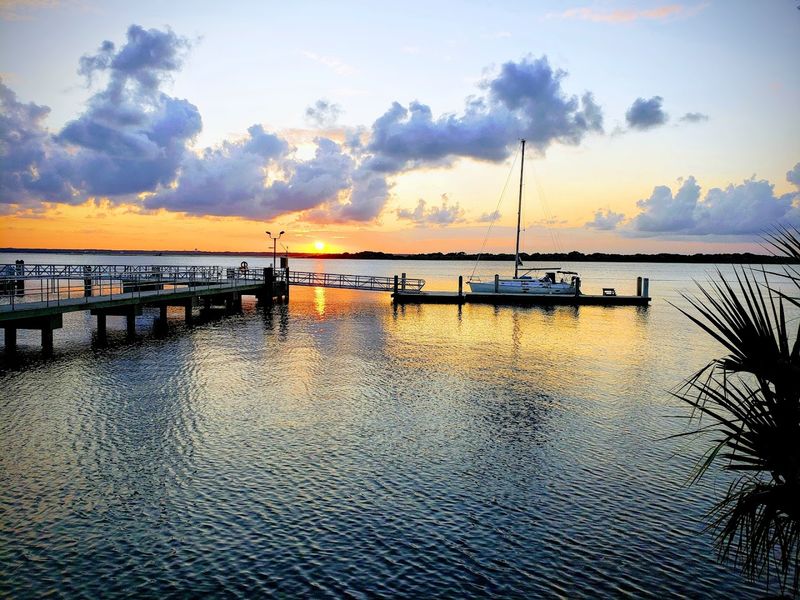
The moment I parked at St. Marys Waterfront Park and stepped out, the river breeze felt like a reset. The views across Cumberland Sound stretch wide and open, the air blending salt and fresh water, and the benches are perfectly placed for doing absolutely nothing.
The real highlight is the ferry to Cumberland Island National Seashore, which departs right from the dock. The short ride takes you to Cumberland Island, one of the largest undeveloped barrier islands on the East Coast, known for wild horses, unspoiled beaches, and the ruins of Carnegie-era mansions.
The ferry runs daily, and reservations are recommended, especially on weekends.
Even without boarding the ferry, the park is worth your time. There’s a playground, a small amphitheater for local events, and a boardwalk perfect for a slow morning walk with coffee.
Located in the heart of downtown, it’s easy to reach shops, restaurants, and the historic district on foot.
Sitting on a waterfront bench watching pelicans glide overhead, it’s clear: this park sets the tone for any St. Marys visit.
Historic Downtown St. Marys And Oak-Lined Streets
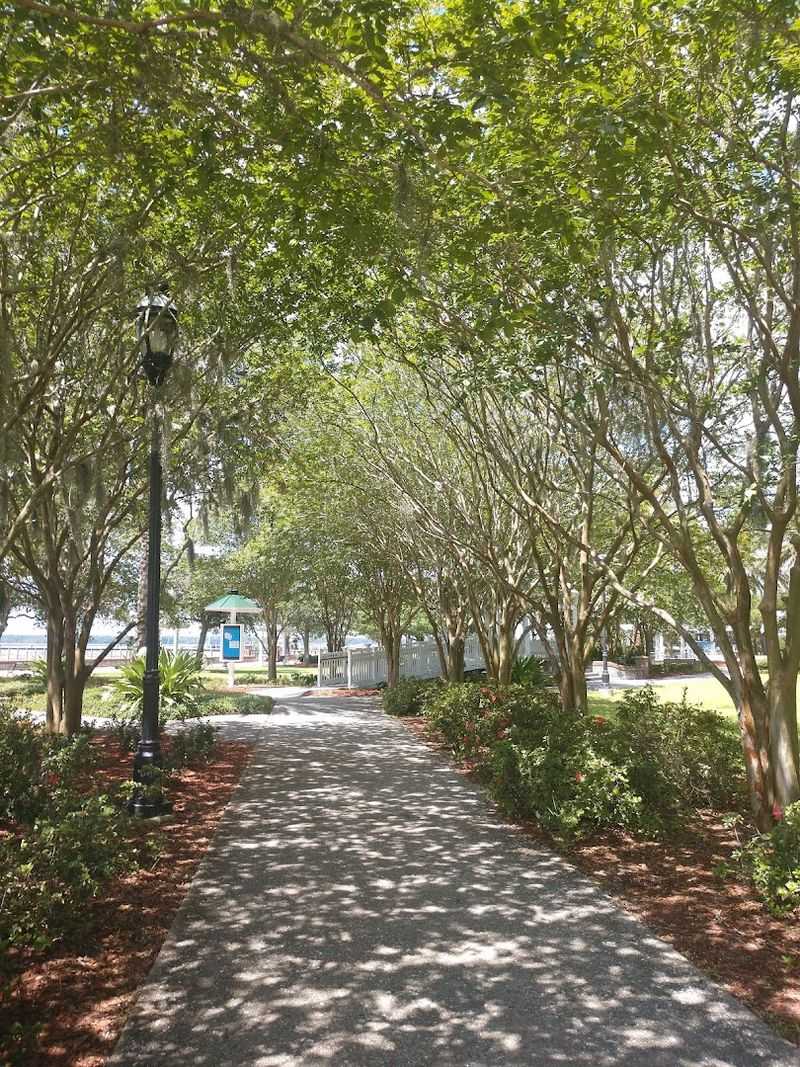
Walking through St. Marys Historic District feels like stepping onto a movie set that just happens to be real. Shaded by towering live oaks draped in Spanish moss, the narrow streets and timeworn buildings reflect the town’s deep roots.
Founded in 1787, St. Marys is one of the oldest planned cities in the United States, and its downtown proudly carries that history.
Osborne Street runs parallel to the river and serves as the heart of downtown. It’s lined with locally owned shops, art galleries, and restaurants that feel authentic and community-driven.
Nothing feels corporate. Colorful storefronts and occasional hand-painted signs invite you to slow down and truly look around.
The architecture ranges from antebellum homes to Victorian cottages, many restored as bed-and-breakfasts or private residences. Historical markers scattered throughout the district share small but fascinating pieces of the town’s past.
I spent hours wandering without a map, browsing galleries, reading plaques, and eventually sitting beneath a sprawling oak tree just listening to the quiet rhythm of the town. Downtown isn’t a place to rush, it’s a place to experience slowly, letting its charm unfold at its own pace.
Crooked River State Park
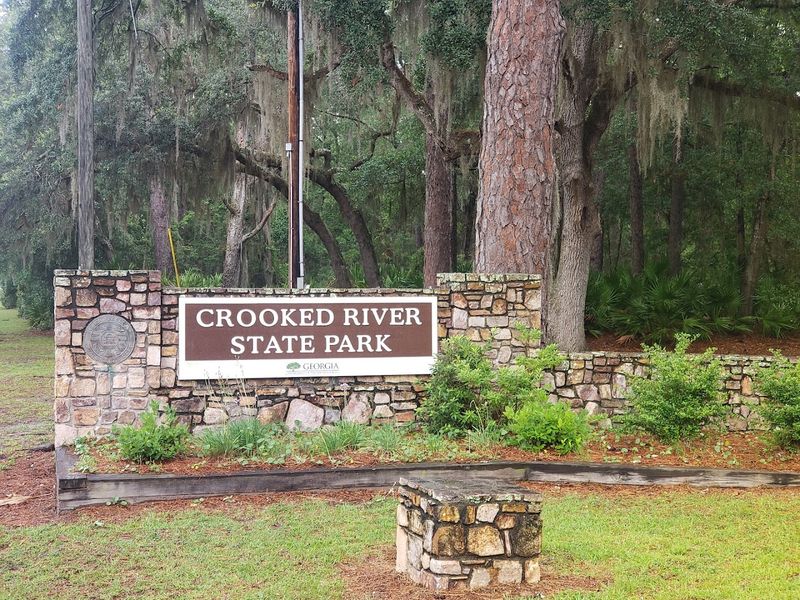
About three miles north of downtown St. Marys, Crooked River State Park stretches along the banks of the Crooked River and quietly proves it’s far more than just a campground. Spanning nearly 500 acres of coastal lowlands, the park shifts between maritime forest, salt marsh, and sweeping tidal river views, each landscape blending seamlessly into the next.
The trails are manageable and well-marked, with the longest loop covering about six miles. Shorter paths still immerse you in the scenery.
I followed the nature trail to a river overlook and watched the water slide through marsh grass in that slow, steady rhythm unique to tidal rivers.
Kayak and canoe rentals offer a different perspective. Paddling through calm, tannin-dark creeks, water the color of sweet tea, brings a quiet that genuinely relaxes you.
The park also features a swimming pool, boat ramp, and cabins for overnight stays.
One of its most striking features is the ruins of the McIntosh Sugar Works, a tabby sugar mill from the 1820s. Standing beside those weathered walls with river and trees surrounding them, history feels tangible.
Crooked River State Park easily earns its place on any St. Marys itinerary.
Cumberland Island National Seashore
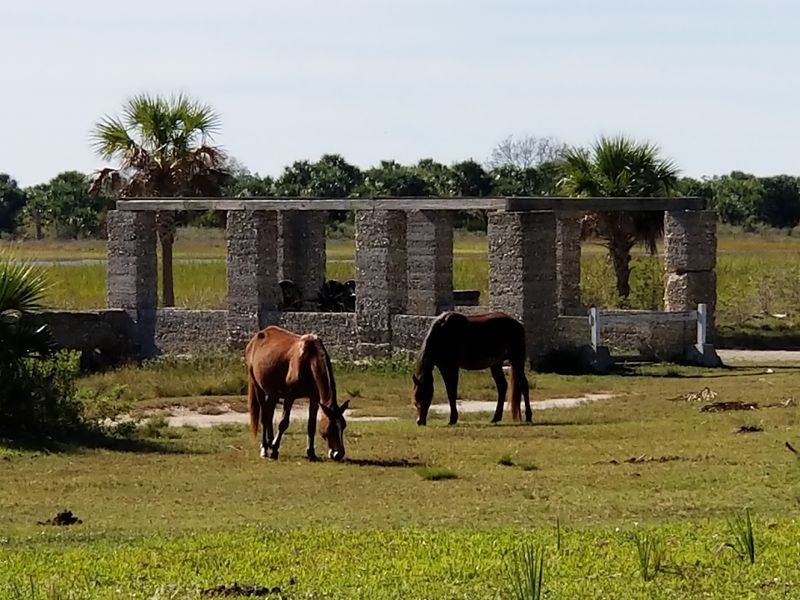
If St. Marys is the gateway, then Cumberland Island is the treasure beyond it. Reaching it by ferry from the mainland feels simple at first, but the impact is lasting.
Accessible only by boat, the island remains uncrowded and wonderfully remote, even though it’s less than an hour from the Georgia coast.
The wild horses are very real, and completely indifferent to visitors. I rounded a bend on a sandy trail and found a small group grazing in a clearing.
They didn’t startle or move away, they simply continued eating, as if I were just another part of the scenery. The moment felt surreal and quietly powerful.
On the ocean side, the beaches are wide, flat, and nearly empty. There are no rentals or concessions, only pale sand, rolling waves, and the steady rhythm of wind and surf.
You carry in what you need and take it back with you, preserving the island’s raw character.
Near the southern end stands Dungeness Ruins, the haunting remains of a Carnegie mansion from the late 1800s.
Roofless walls and open staircases frame glimpses of the sea. Cumberland Island isn’t just a beach trip, it’s a full sensory experience that lingers long after you leave.
Lang’s Marina Restaurant
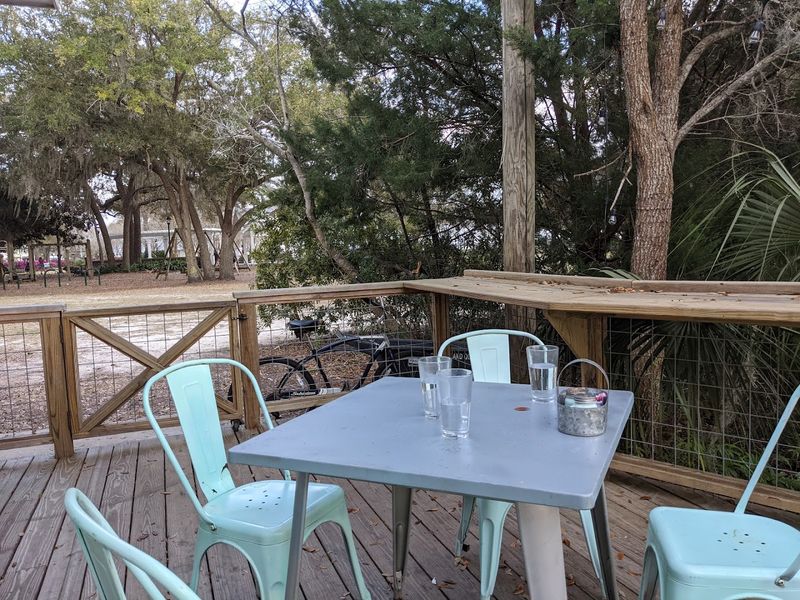
There’s a certain kind of restaurant that thrives in small waterfront towns, the kind that doesn’t need polished marketing because the view and the food speak for themselves. Lang’s Marina Restaurant is exactly that place.
Sitting right on the water in St. Marys, it overlooks the marina and serves seafood that reflects the best of coastal Georgia. I arrived hungry and left happily full, the kind of satisfied that lingers.
The shrimp alone are worth the visit. Georgia wild-caught shrimp have a natural sweetness and firm texture that farmed varieties rarely match, and here they’re prepared simply and well.
My shrimp basket arrived hot and crisp, paired with hush puppies that were golden outside and soft inside. As I ate, a pelican landed on a nearby piling, completing the coastal scene.
The fish selection depends on what’s fresh and local, so the menu shifts with the seasons. A detail that signals quality rather than inconvenience.
Dining outside with a river breeze and a basket of perfectly fried seafood captures the easy rhythm of a road trip stop done right.
St. Marys Submarine Museum
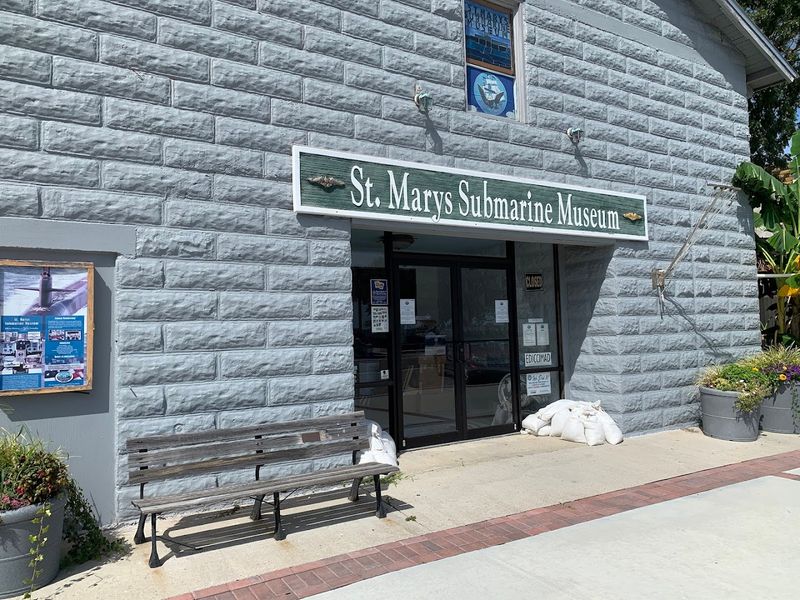
I almost walked past St. Marys Submarine Museum. From the outside, it looks modest, more small-town history room than major attraction.
But stepping inside turned into one of the most unexpectedly fascinating hours of my trip.
St. Marys is home to Naval Submarine Base Kings Bay, one of the largest submarine bases in the world, and the museum tells that story in an accessible, engaging way.
The exhibits trace submarine history from the Civil War to modern nuclear vessels. Artifacts, detailed scale models, photographs, and real equipment pieces highlight the engineering complexity behind these machines.
Interactive displays even let you peer through an actual periscope. An experience that feels surprisingly cinematic.
What stands out most is the human element. The stories of crews, long underwater deployments, and life aboard submarines are presented with care and respect.
A wall honoring submarine veterans is especially powerful and difficult to walk past quickly.
Though small in size, the museum is rich in content, and admission is modest. It’s clearly run with passion, and that energy fills every room.
If you think a submarine museum sounds skippable, this one will likely change your mind, and leave you with something memorable long after you leave town.
St. Marys United Methodist Church And Historic Cemeteries
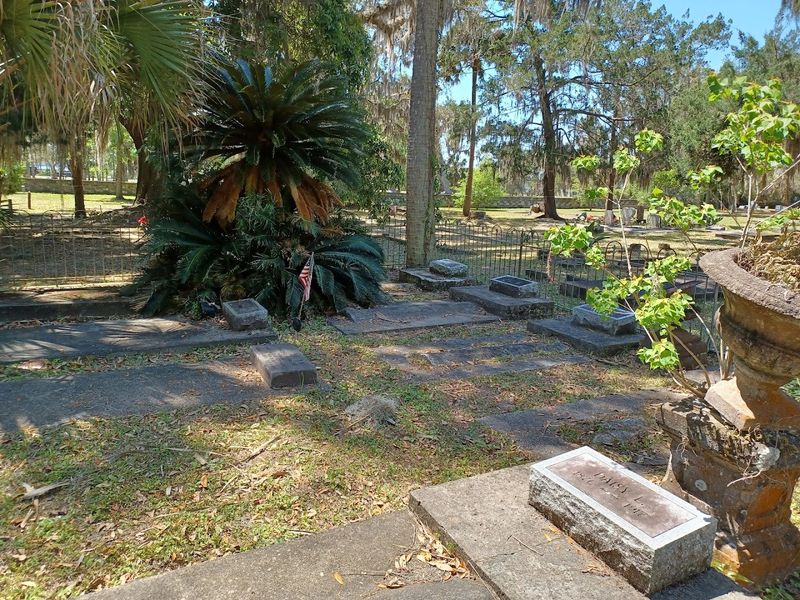
History in St. Marys isn’t just in museums, it’s literally beneath your feet, and the town’s historic cemeteries are some of its most atmospheric spaces. Oak Grove Cemetery, just a short walk from downtown, dates to the early 1800s and holds the graves of some of the town’s earliest residents, including veterans of multiple American wars.
Walking through it feels like reading a quiet, centuries-old book.
Grave markers range from simple fieldstones to ornate Victorian monuments, shaded by towering live oaks draped in Spanish moss. Sunlight filters through the canopy in soft beams, creating a scene that feels like a painting.
Many inscriptions are poetic in that distinctive 19th-century style, formal yet deeply human.
Nearby, the St. Marys United Methodist Church, founded in 1799, is one of Georgia’s oldest Methodist congregations.
Its white exterior and classic proportions exemplify the simple dignity of early Southern church architecture, and the corner it sits on has likely looked the same for over a century.
Exploring these historic spaces adds depth to a St. Marys visit in a way that waterfronts and restaurants alone cannot. Standing where people have lived, worshipped, and been laid to rest for over two hundred years makes the present moment feel both small and profound.
A quietly grounding experience worth seeking out.
Eating Fresh Shrimp And Seafood
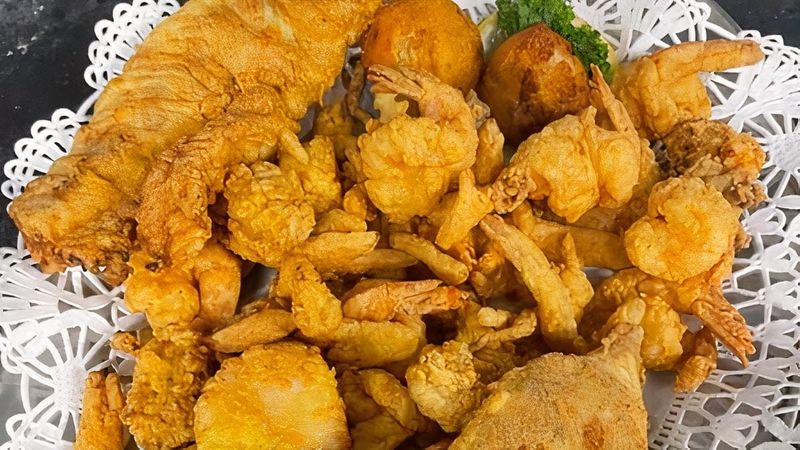
Georgia wild-caught shrimp have a well-earned reputation, and St. Marys sits in the heart of some of the East Coast’s most productive shrimping waters. The boats docked along the waterfront aren’t for show, they’re working vessels, and the seafood on your plate is as fresh as it gets.
I ate shrimp multiple times during my visit and never once regretted it.
The local seafood scene extends beyond shrimp to flounder, blue crab, oysters from nearby estuaries, and whatever the boats delivered that morning.
Waterfront restaurants keep menus seasonal and honest, so you’re not seeing photos of frozen items from months ago. Eating here feels like part of the place itself, not just refueling between activities.
One of my favorite moments was grabbing a takeout container of boiled shrimp and sitting on a waterfront bench, watching the boats drift by. The shrimp were sweet, plump, and only needed the small cup of sauce provided.
Simple, messy, and utterly perfect.
St. Marys proves that coastal food doesn’t need to be complicated or trendy to be extraordinary. When ingredients are this fresh and the setting this beautiful, simplicity is the point.
Leaving without tasting Georgia shrimp even once is a mistake you’ll want to fix on your next visit.