
This Charming Michigan Town Looks Like A Hallmark Movie Come To Life
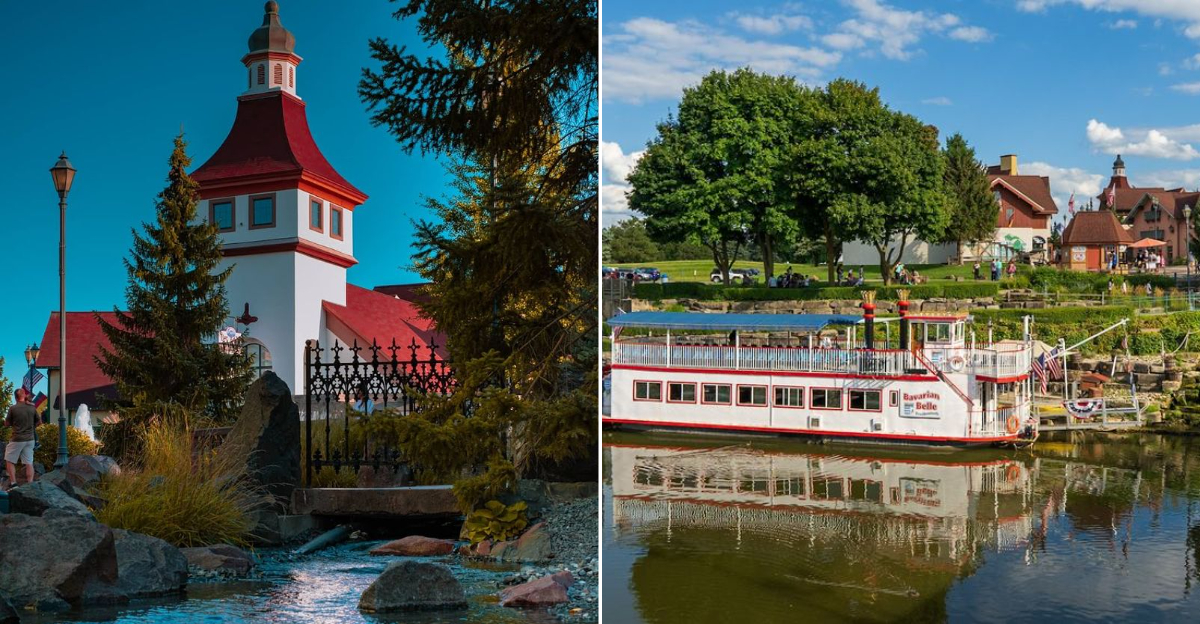
The town looks like a postcard someone shook until it glittered, then set down beside the Cass River with a satisfied nod. With its timbered facades, tidy flower boxes, and a pace that feels gently theatrical, it’s like walking onto a film set where the extras are in no hurry to finish their scene.
Yet, this place is entirely real; you’ll find deep-rooted craft traditions, a history that stretches back to Franconian settlers, and locals who offer a warm “Willkommen” before you even realize you’ve looked lost.
Whether you are crossing the massive wooden bridge or ducking into a shop that smells of year-round peppermint and nostalgia, there is a human touch here that lingers long after your camera is put away.
Discover the charm of Michigan’s Little Bavaria with world-famous chicken dinners, historic riverboat tours, and year-round festive shopping in this iconic German-inspired village.
Main Street’s Bavarian Facades
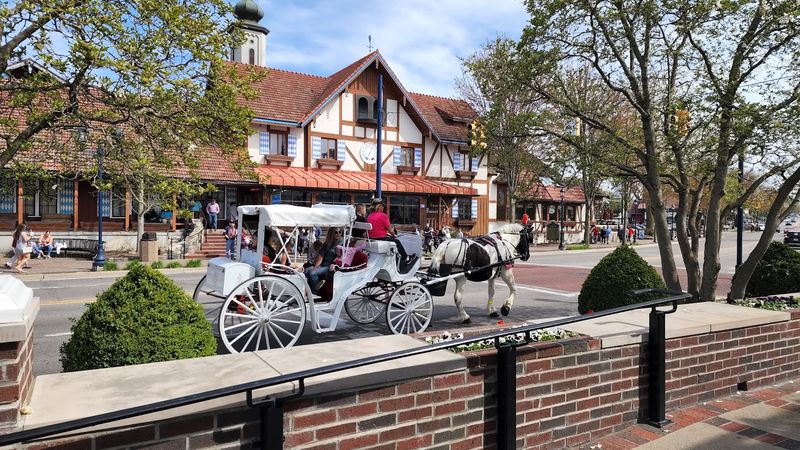
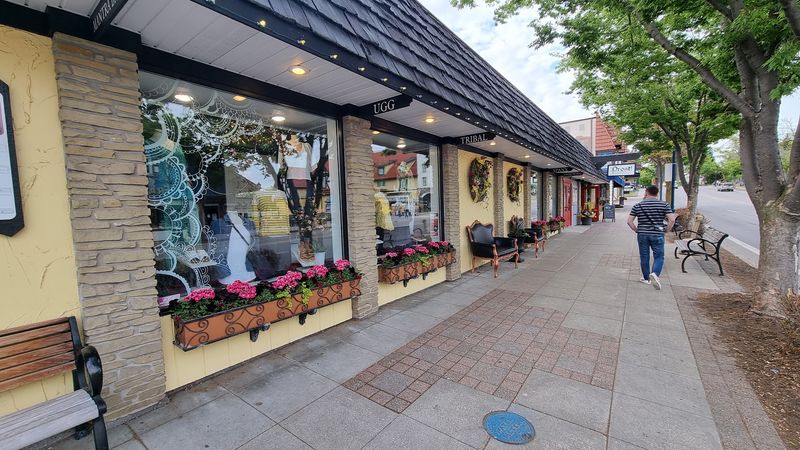
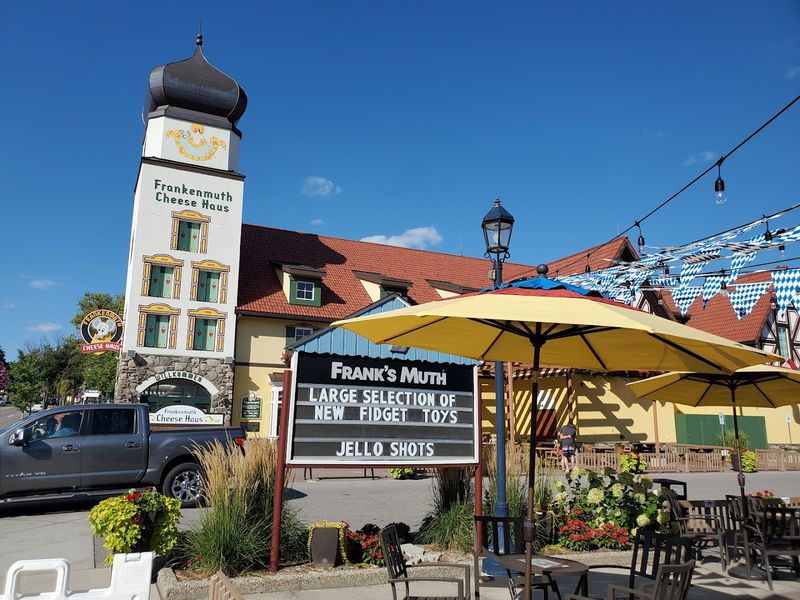
First impression arrives by roofline: onion domes, half timbering, and cheerful gables marching along Main Street. Painted scrollwork and flower boxes cue Little Bavaria without feeling like a theme park, especially when church bells carry across the Cass.
Even the larger storefronts keep a certain human scale, which helps the whole streetscape feel composed rather than oversized or overproduced. The sidewalks move at a neighborly tempo, so you notice window details, wood grain, and the way colors meet cloudlight.
Frankenmuth’s look grew from 19th century German Lutheran settlers, later renewed through careful storefront updates and guidelines that favor harmony over sameness.
That balance matters, because the town reads not as imitation, but as a place that has chosen to keep shaping a shared visual identity over time. For the best overview, start at the Visitor Center and stroll north, crossing at slow lights to see both sides.
Photograph signs early or late, when shadows carve patterns and tour buses thin. A slower walk rewards you most here, since the charm lives less in one landmark than in the steady accumulation of trim, texture, and small architectural decisions.
Holz Brucke Covered Bridge
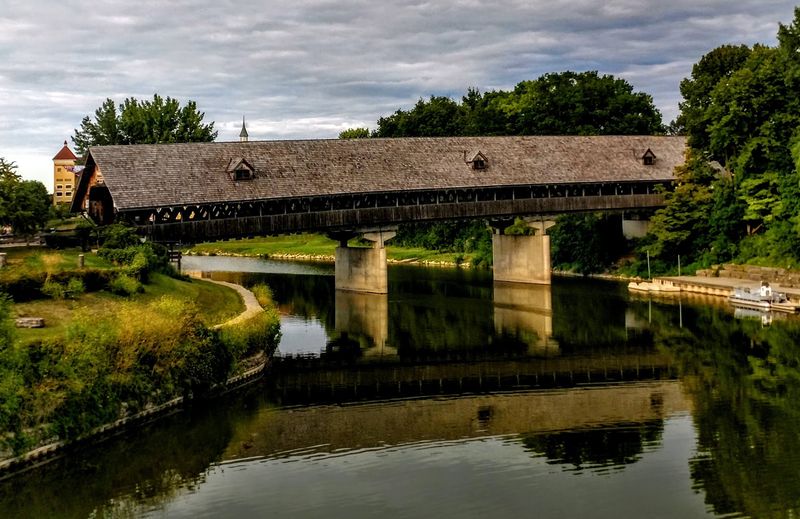
Wood planks creak underfoot on the Holz Brucke, a 239 foot covered bridge dressed in stout trusses. The Cass slides beneath in a steady hush, and the latticework frames the river like a patient camera. Drivers idle, cyclists ring, and the bridge gathers everyone into one narrow, courteous lane.
Built in 1979 using traditional techniques, it nods to Bavarian precedents while solving a very modern crossing.
I like to walk it twice, south to north and back, because the light flips and reveals new grain. Morning brings soft reflections; evenings carry swallows. Step to the pull off to let traffic pass, then lean against the rail and listen. You will hear shoes, river, and wind agree.
Cass River Riverside Pathway
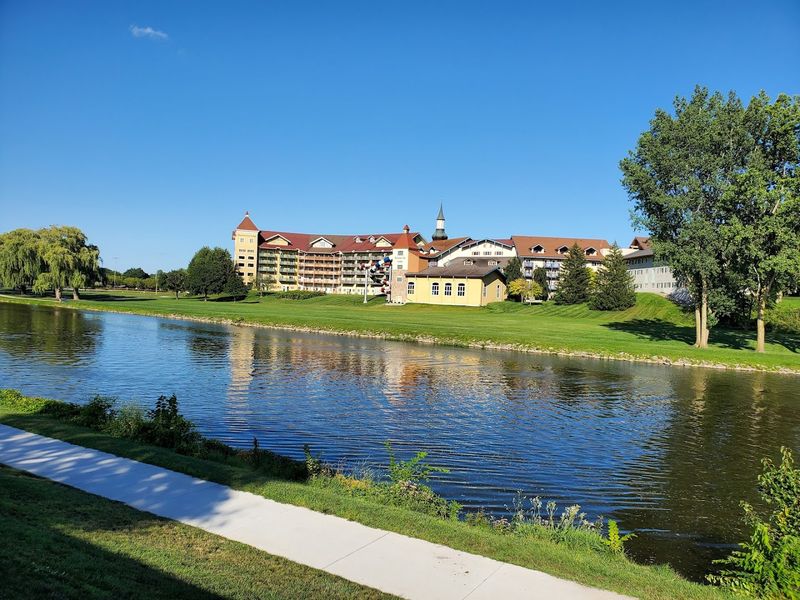
The riverwalk keeps close to the Cass, weaving shade, sunlight, and the occasional duck honk. Benches sit where willow branches lower their voices, and the water carries a brown glass gleam after rain. You pass boats, anglers, and tidy lawns rolling down like green carpets.
The pathway links Heritage Park to downtown, making a calm connector when Main Street feels busy. Civil engineering meets simple pleasure here, with clear signage, lighting, and plowed paths in winter.
Wear supportive shoes and linger at the fishing platforms for views. If you have wheels, the grade is forgiving. Pause when the Bavarian Belle whistles, because the echo folds sweetly along the banks. Sunsets warm everything quietly inwardly too.
Frankenmuth Historical Museum
A carved sign and brick facade open into galleries that feel scaled for conversation. Artifacts tell how Lutheran settlers from Franconia shaped farmland, language, and worship in the Saginaw Valley. Dioramas are simple, patient, and more moving than flashy screens.
Exhibits emphasize migration routes, timber framing, and the way a riverside village learns to trade. Volunteers greet with practiced clarity, then let you explore without hurry. Read the captions about the founding mission and you will spot echoes on today’s storefronts.
Budget an hour, buy the walking tour map, and follow its clues outside. The pairing turns streets into footnotes you can touch. Small kids stay engaged with hands on bits. Ask about seasonal programs.
Michigan’s Military & Space Heroes Museum
Uniforms, flight gear, and mission patches line quiet rooms where Michigan stories speak softly but clearly. The museum honors veterans from the state, including Medal of Honor recipients, with case labels that center dates, places, and service. You move from early conflicts to spacecraft with a steadying respect.
Founded to preserve individual narratives, it organizes exhibits by person, not battle, which changes how you read history. I found the astronaut displays grounding, especially the training equipment and state links. Photography is allowed sparingly, so check signs.
Give yourself time to read a few complete cases rather than sprint. The slower approach makes the signatures and personal letters feel freshly written. Staff gladly clarify acronyms. Onsite.
Bronner’s CHRISTmas Wonderland
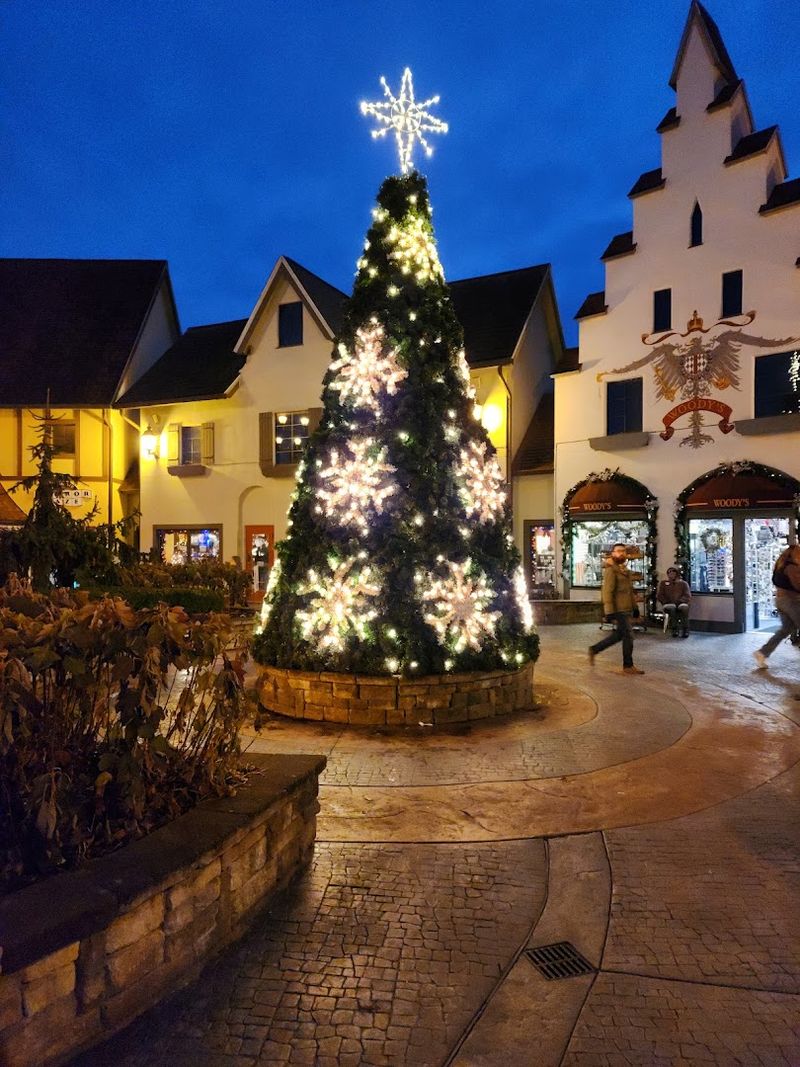
Step inside and the calendar tilts toward December, even if the map says July. Bronner’s is vast, bright, and methodically organized, with ornament styles grouped like encyclopedias in color. Carols drift gently, and display nooks suggest living rooms paused mid celebration.
Founded by Wally Bronner, the store grew from a sign business into a year round celebration of craftsmanship and cheer.
Personalization desks move quickly, though lines build late afternoon. Pick a theme before you enter, or the variety may wash you out to sea. Check the outdoor displays after dusk when lights click on. Parking lots are large, but mark your row for an easy exit.
The chapel replica outside invites a quiet pause.
Heritage Park Festivals
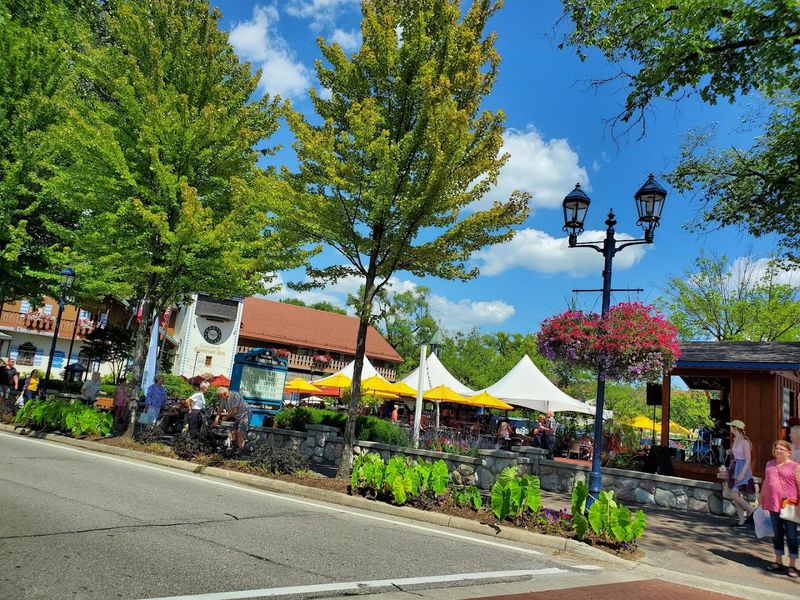
In Heritage Park, tents bloom like tidy mushrooms after rain, and the river keeps the background humming. Paths braid between stages, ball fields, and the event pavilion, turning open space into a village within the village. Families claim lawn squares with blankets and patient strollers.
Frankenmuth’s calendar favors community: Bavarian Festival in summer, Zehnder’s Snowfest in winter, plus races and markets sprinkled between. Setup looks effortless because the park was designed for flow, with power, restrooms, and flexible lawns.
Check the schedule before arriving and bring layers. I stay near the river during crowds, where breezes cool and conversation travels lightly. Leaving is smooth if you pick a lot on the town side. For tomorrow.
Bavarian Belle Riverboat
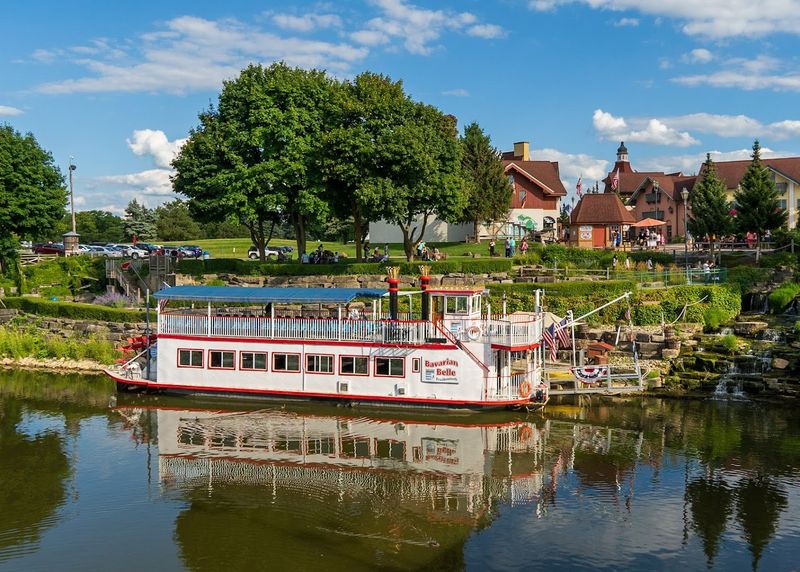
The paddlewheel’s rhythm clicks like a metronome for sightseeing, steady and companionable. From the open deck you read the shoreline differently, catching rooflines, treetops, and that gentle bend where ducks collect. The narration favors history over hype, which suits the easy drift.
Operated seasonally on the Cass River, the Bavarian Belle boards near the bridge and cruises about an hour. Seating is generous, but shade matters on bright days. Port side outbound offers the best light on timbered facades. Bring a light jacket, even in July; the river air cools steadily.
Tickets sell at the dock, and departures run reliably, though checking the day’s schedule saves waiting. Listen for swallows under the bridge. At dusk.
Frankenmuth Aerial Park
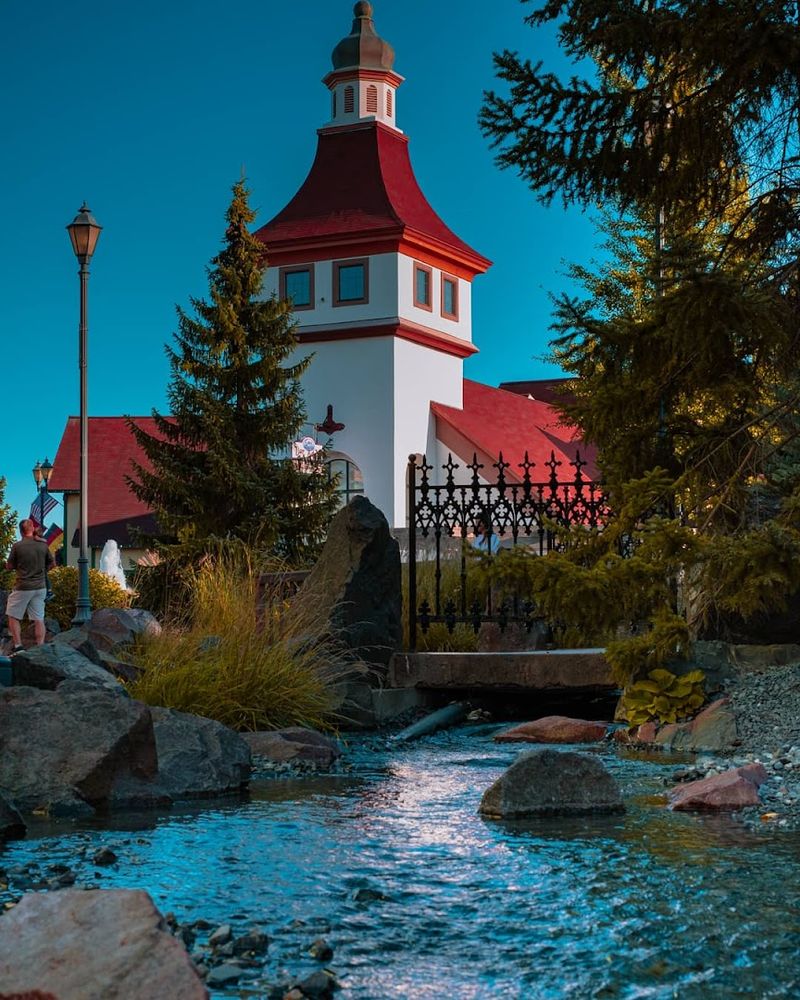
High among the trees, clipped carabiners clack like polite castanets while you puzzle through elements. Courses scale from beginner to spicy, with guides on the ground ready with calm coaching. Zip lines feel earned, not rushed, and the forest smells bright and resinous.
The park sits a quick drive from downtown, making it easy to swap sidewalks for canopy. Safety briefings are clear and repeated, so even cautious folks settle in.
Choose gloves that fit and consider a weekday morning for less waiting. Hydrate before you harness up. You will celebrate small victories out loud, which somehow suits this town that values cheerful effort. Reserve ahead during holidays.
Staff watch routes and offer reroutes. Smiles happen.
Frankenmuth Woolen Mill
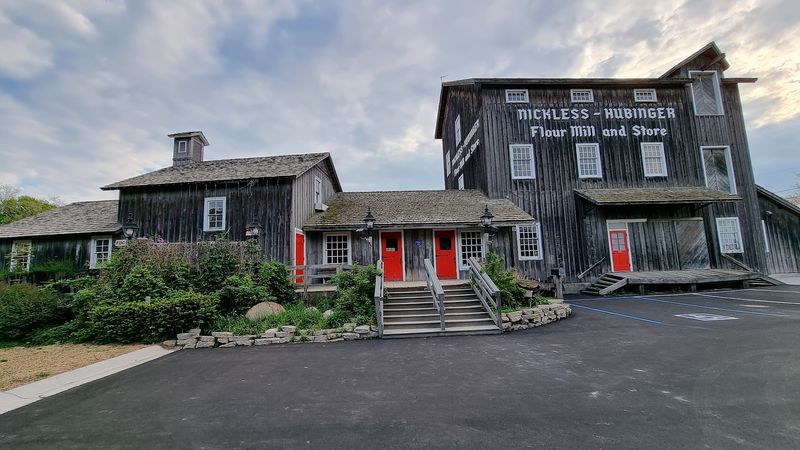
Machines hum at the Frankenmuth Woolen Mill, where raw fibers become tidy, useful goods. Windows frame belts, spindles, and carders moving in practiced choreography that rewards patient watching. The air smells faintly clean, like new sweaters and soap.
Founded in 1894, the mill has kept updating while preserving techniques that anchor the town’s making culture. Tours, when offered, explain scouring and carding with clarity, turning jargon into hand friendly sense. Ask staff how to care for wool once you bring it home. Shoppers can choose practical items that travel well.
The best habit is to touch responsibly, then read tags, because processes hide in plain sight nearby. Hours vary seasonally, so check before driving. Downtown.
Quiet Mornings Off Peak
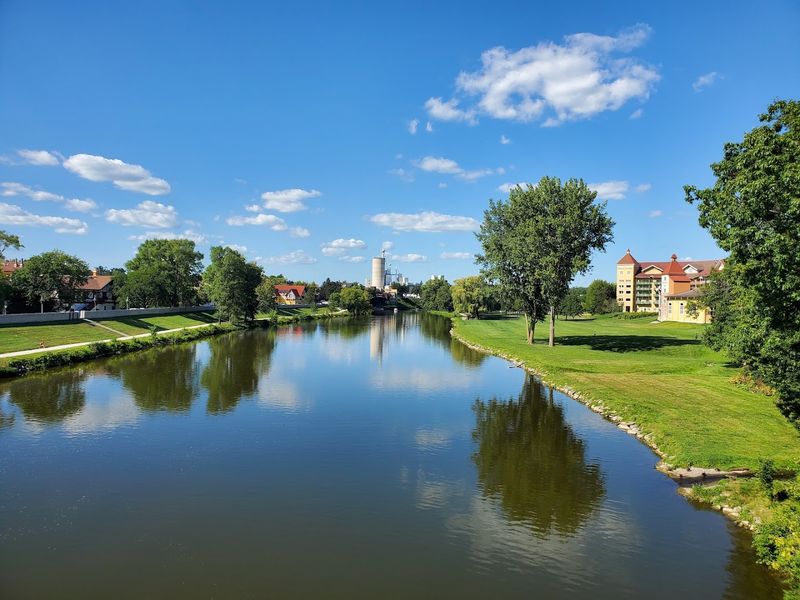
Before most doors open, Main Street sounds like brooms, birds, and distant kitchen clatter. Light sits high on the painted trim, and pots of geraniums steam gently after watering. Delivery trucks practice choreography that ends with tidy sidewalks.
Visiting on weekdays or shoulder months reveals the town’s patient habits, including greetings that arrive without hurry. I bring a small notebook and stroll the river first, then circle back when shops unlock. Coffee in hand, you can linger at a public table and plan the loop.
Park once and treat the day like a slow wheel. Leaving early afternoon keeps the return drive peaceful. Museum doors open later than riverbanks. Maps from the Visitor Center help pace choices.