
This Charming Mountain Town In Arkansas Is A Treasure For Nature And History Lovers
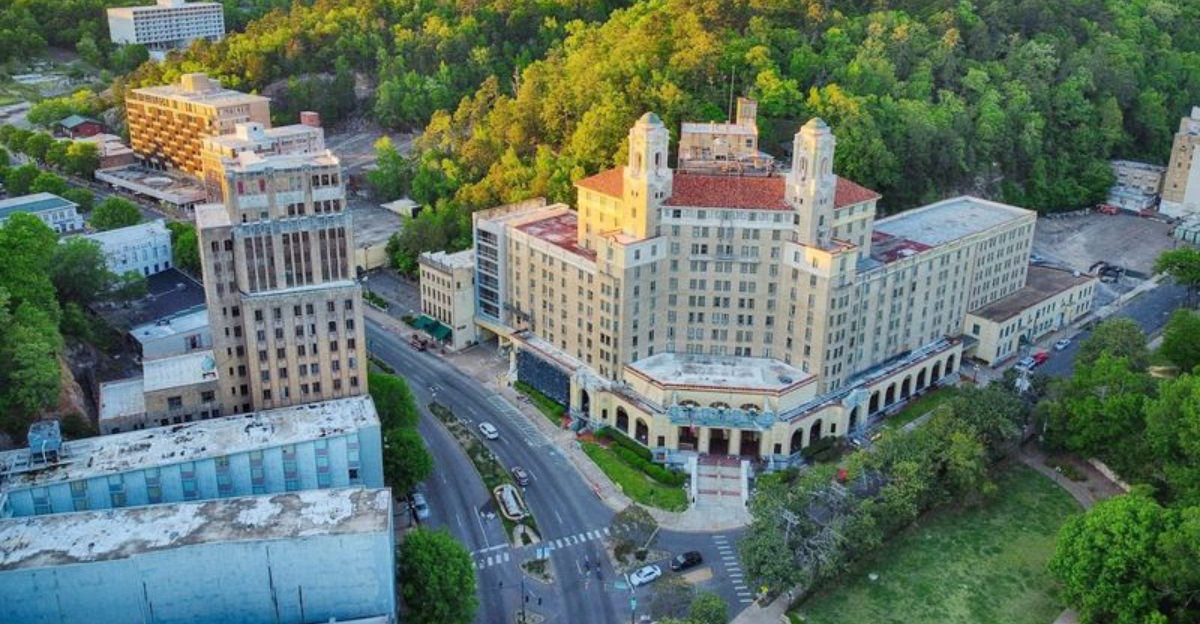
Steam drifts into the cool mountain air before the sun reaches the ridge. The first time I saw it, I stopped on the sidewalk and watched for a moment.
Towns across Arkansas all have their own personality, but this one stands apart. Pine-covered hills rise around the streets, and narrow roads climb toward overlooks where the Ouachita Mountains stretch for miles.
The downtown tells its own story. Grand stone buildings from another era line the avenue, reminders of a time when travelers arrived hoping the mineral springs could cure just about anything.
I like walking here early in the morning. The sidewalks are quiet, and the scent of pine hangs in the air.
Within a few blocks you can pass historic storefronts, spot steaming spring water, or find a trail heading straight into the forest. That mix of mountain scenery and old stories is what keeps pulling me back.
Where Steaming Mineral Springs Rise Straight From The Mountainside
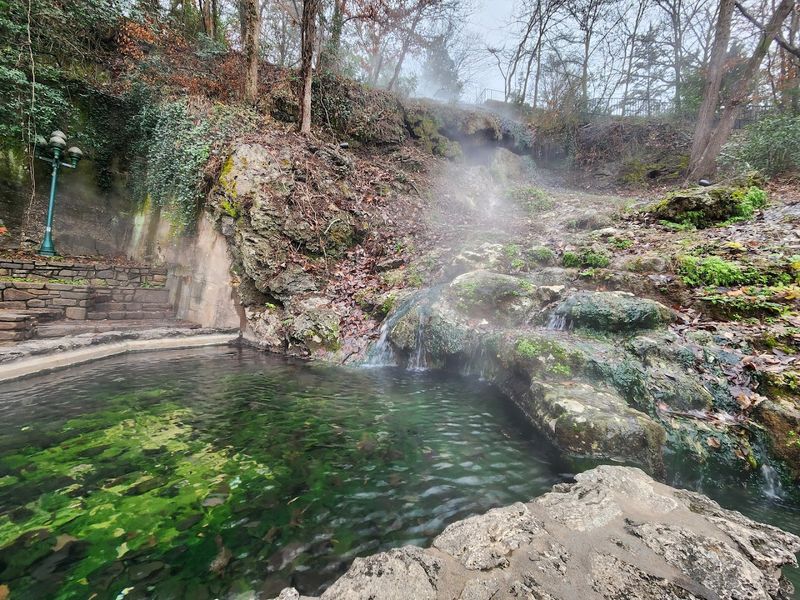
Standing next to a steaming spring that has been flowing since before recorded history is one of those moments that genuinely stops you in your tracks.
This mountain town sits atop a remarkable natural phenomenon: 47 thermal springs that rise through the western slope of Hot Springs Mountain, releasing water that reaches temperatures around 143 degrees Fahrenheit.
What makes the springs even more astonishing is that the water bubbling up today actually fell as rain roughly 4,400 years ago. It slowly filtered through deep layers of rock before returning to the surface.
The springs have drawn people here for centuries. Native American tribes treated the area as a place of peace and healing long before European explorers arrived.
Today, park paths lead visitors past several open springs along the base of the mountain. You can see the steaming water and feel the warmth rising from the stone basins.
The faint mineral scent, the steam drifting through cool morning air, and the sound of water slipping over mossy rock create a scene that feels almost timeless. It all unfolds inside Hot Springs National Park in Hot Springs.
The Gilded Bathhouses That Turned Wellness Into A National Obsession
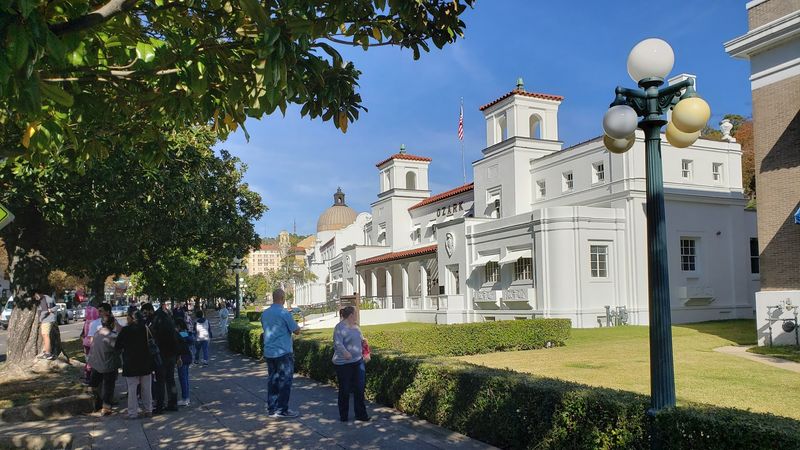
There is something almost theatrical about Bathhouse Row, the stretch of Central Avenue where eight grand bathhouses stand shoulder to shoulder like architectural royalty refusing to step aside for time.
Built between 1912 and 1923, these structures showcase styles ranging from Art Deco to Spanish Colonial Revival, and walking past them feels like flipping through a very fancy history book.
Each bathhouse was designed to make visitors feel that soaking in thermal water was not just healthy but genuinely luxurious, and the interiors backed that promise up with marble floors, stained glass windows, and ornate fountains.
The Fordyce Bathhouse is the crown jewel of the row, restored to its stunning 1915 appearance and now serving as the visitor center and museum for Hot Springs National Park.
Stepping inside the Fordyce, I found myself genuinely impressed by the attention to detail, from the mosaic tile work to the elegant lounging areas that once welcomed guests from across the country.
The Buckstaff Baths still operates as an active thermal bathhouse today, making it one of the only places on the row where you can actually soak in the same tradition that made this town famous.
A Pine-Covered Mountain Skyline Framed By Winding Scenic Drives
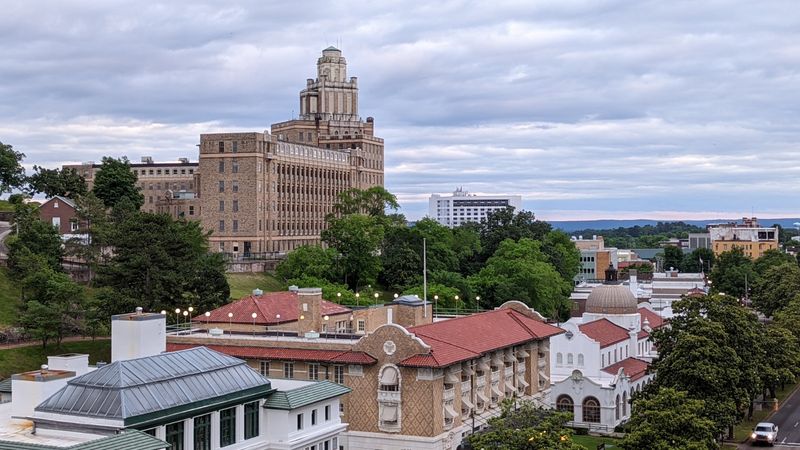
Few things in Arkansas match the quiet satisfaction of winding along a mountain road while dense pine forests blur past your windows and the Ouachita ridgeline stretches out in every direction.
Hot Springs sits within one of the most scenic pockets of the Ouachita Mountains, and the town has thoughtfully built several scenic drives that let you enjoy that beauty without much effort.
West Mountain Drive and Sunset Trail offer two very different but equally rewarding perspectives, one hugging the ridgeline with open views over the city and one threading through shaded forest paths.
For the most dramatic vantage point, the Hot Springs Mountain Tower rises above the treetops and delivers sweeping panoramic views of the mountains and the town spread out below.
I visited the tower on a crisp autumn morning when the pines were mixed with bursts of orange and gold, and the view from the top was genuinely worth every step of the climb.
Even a slow drive along the park roads at dusk, when the light turns everything a warm amber and the forest goes quiet, is the kind of simple pleasure that keeps drawing people back to this mountain town season after season.
A Hillside Garden Erupting With Thousands Of Spring Tulips
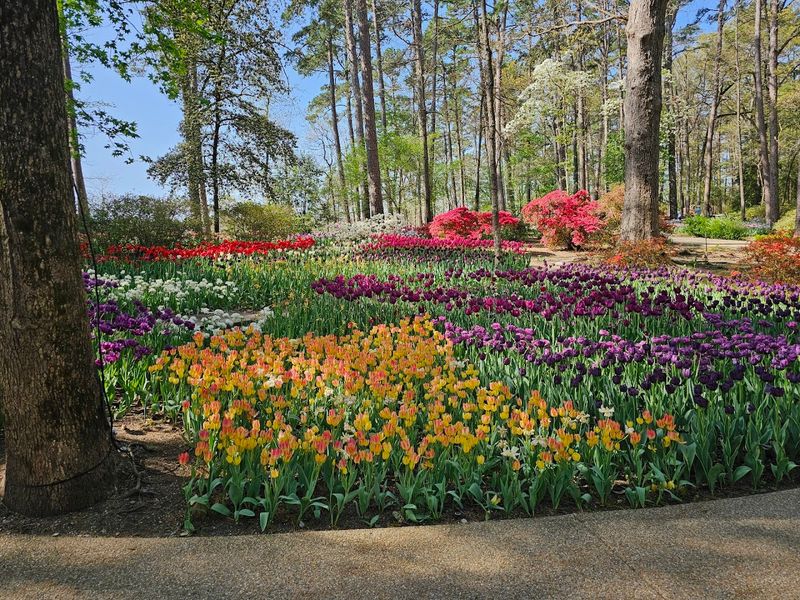
Every spring, one of the most unexpected and genuinely delightful surprises in all of Arkansas unfolds on a hillside inside Garvan Woodland Gardens, just outside the heart of Hot Springs.
The garden, which sits along the shore of Lake Hamilton, transforms into a canvas of color when its tulip collection reaches full bloom, drawing visitors who arrive specifically to walk among the waves of red, yellow, pink, and purple flowers.
Garvan Woodland Gardens spans over 210 acres of native Ouachita Mountain landscape, blending curated garden spaces with natural forest trails in a way that feels both designed and wonderfully wild.
Beyond the tulips, the garden hosts a Japanese garden, a children’s adventure garden, and seasonal plant collections that change the experience depending on when you visit.
I wandered through the tulip beds on a sunny April morning and found myself slowing down to notice details I might have rushed past anywhere else, the way petals catch light, the hum of bees, the faint sweetness in the air.
Garvan Woodland Gardens is affiliated with the University of Arkansas and serves as both a public garden and a living laboratory, which gives every visit a quiet sense of purpose beyond just being pretty.
When Presidents And Baseball Legends Came Here To Recharge
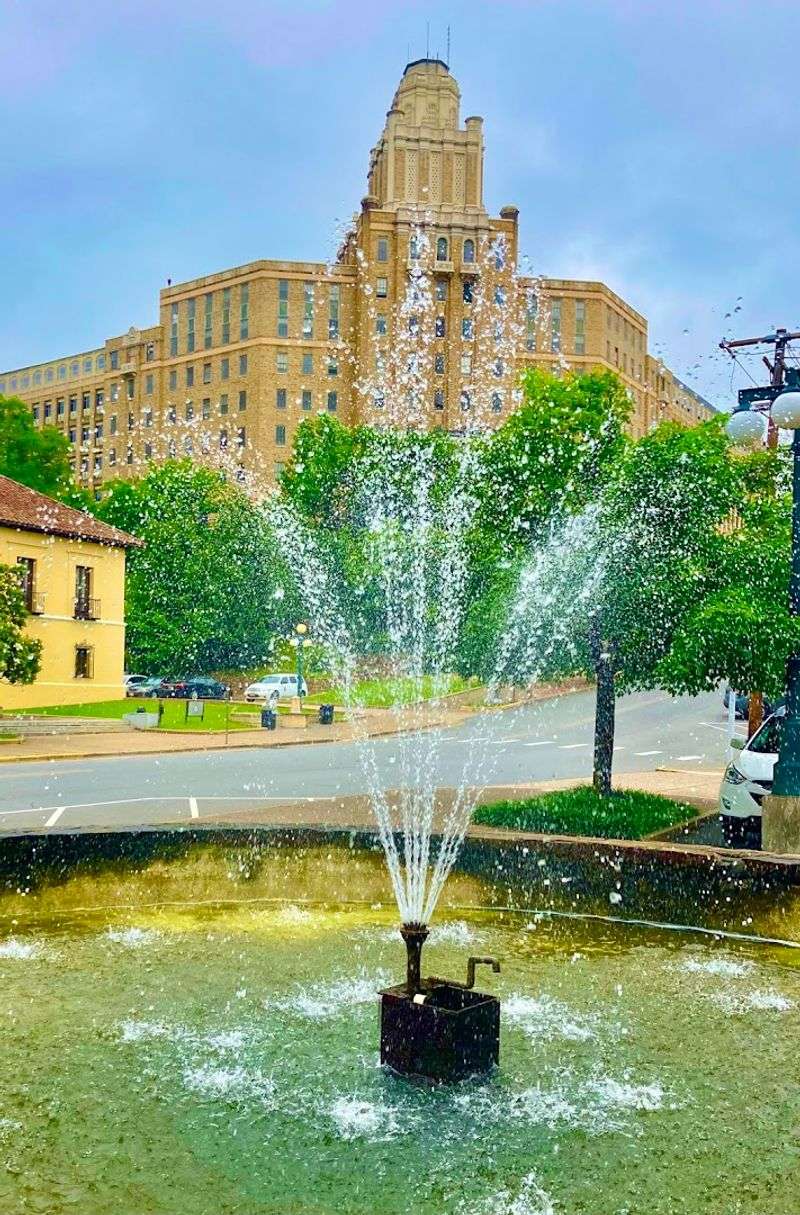
Hot Springs has long attracted famous visitors, and the stories tied to its streets read like pages from an old American travel diary.
In the early twentieth century, travelers from across the country arrived seeking the restorative reputation of the city’s mineral springs. Among them were prominent politicians, entertainers, and athletes who came to relax and recharge.
One of the city’s most notable connections is to Bill Clinton, who spent much of his childhood here and often speaks about how the city shaped his early life.
Baseball also played a surprising role in the town’s past. Long before Florida and Arizona became spring training hubs, several Major League teams prepared for their seasons here, turning the city into a lively gathering spot for players and fans.
Today, that history is still easy to spot. Historic buildings, old hotels, and quiet side streets hint at the many well-known visitors who once passed through on their way to the baths and mountain air.
Thermal Trails And Forest Overlooks Inside America’s Oldest National Park Landscape
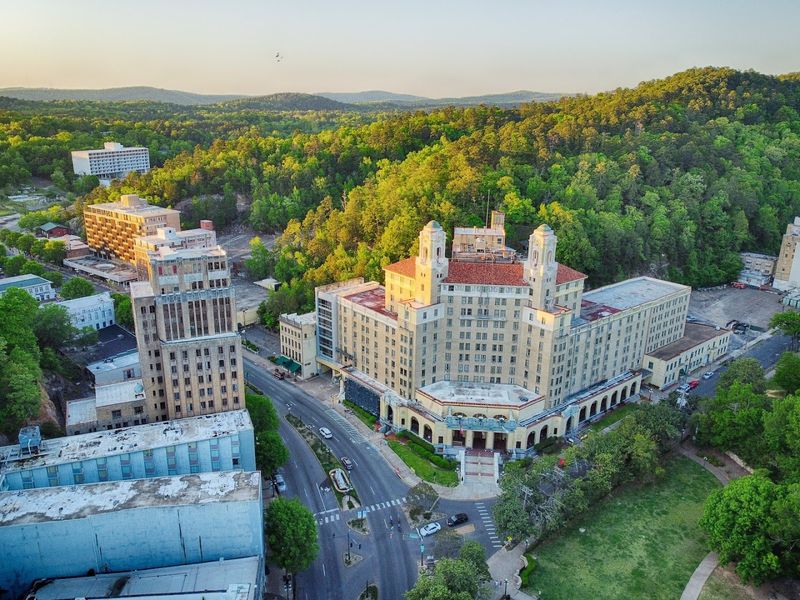
Long before most people think of Hot Springs as a hiking destination, the national park surrounding the city had already been quietly offering some of the most accessible and rewarding forest trails in the entire South.
Hot Springs National Park holds the distinction of being established as a federal reserve in 1832, making it the oldest protected federal land in the United States, decades before Yellowstone was even a concept.
The park encompasses several forested mountain peaks, and its trail network winds through pine and hardwood forests, past open ridge overlooks, and along the slopes where the thermal springs emerge below.
Trails like Goat Rock Trail and Dead Chief Trail offer moderate hikes with satisfying payoffs, including elevated views over the city and the surrounding Ouachita landscape that feel earned after a good climb.
I spent an afternoon on the Sunset Trail, a longer route that connects several of the park mountains, and the combination of quiet forest atmosphere and occasional city glimpses through the trees made it feel like a genuinely dual experience.
The park is also free to enter, which means you can spend an entire day hiking, exploring spring displays, and visiting the Fordyce Bathhouse visitor center without spending a single dollar on admission.
Why This Ouachita Mountain Escape Still Feels Frozen In Another Era
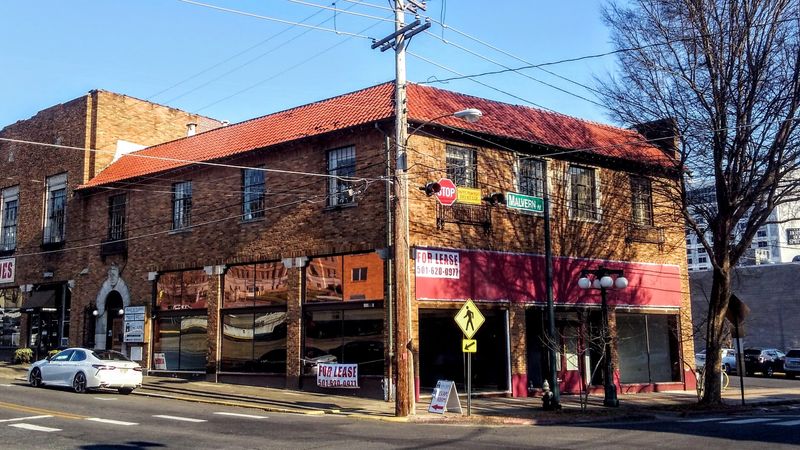
Some towns modernize so aggressively that they lose whatever made them worth visiting in the first place, but Hot Springs has managed to hold onto its character in a way that feels almost stubborn in the best possible sense.
The architecture along Central Avenue still reflects the early twentieth century, with ornate facades, wide sidewalks, and building proportions that belong to an era when people designed things to impress rather than just to function.
The pace of the town itself contributes to this feeling, with locals who seem genuinely unhurried and a downtown that rewards slow walking rather than quick drive-throughs.
Small curiosities dot the city, including the World’s Shortest St. Patrick’s Day Parade held annually on Bridge Street, a 98-foot-long celebration that captures exactly the kind of playful, self-aware charm that defines Hot Springs.
The Arkansas Alligator Farm and Petting Zoo, operating since 1902, adds another layer of old-fashioned character to the city, offering a glimpse into a time when roadside attractions were genuinely novel and exciting.
Every visit to Hot Springs leaves me with the feeling that the town has quietly negotiated a private arrangement with time itself, agreeing to keep certain things exactly as they were so that the rest of us can step back into them whenever we need to.