
This Charming Ohio Town Blends History, Hospitality, And Homemade Flavor
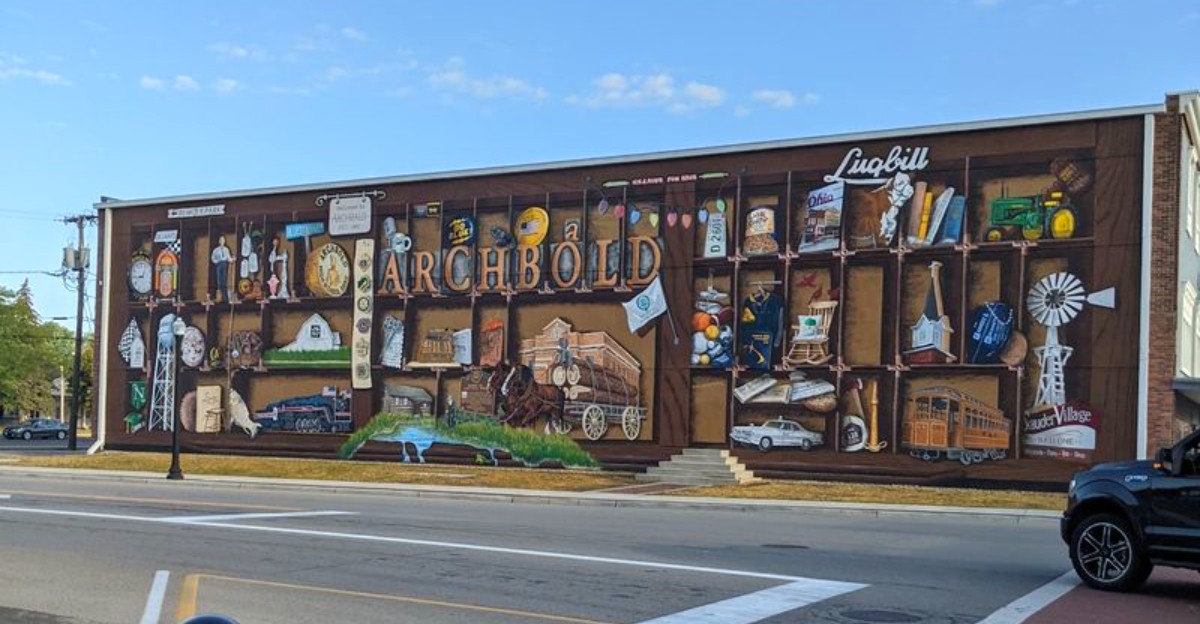
I have a soft spot for Ohio towns that make a two-hour detour quietly turn into an overnight stay. This one managed it with history, homemade food, and the dangerous discovery that I apparently have very little self-control around a good bakery case.
Northwest Ohio is full of farming communities, but this little town has more going on than its quiet streets initially suggest. Historic buildings, local traditions, parks, shops, and plenty of hearty cooking give you surprisingly good reasons to keep wandering.
This is the kind of Ohio getaway where the pace stays slow, the welcome feels genuine, and finding one more place to stop becomes very easy. You may arrive expecting a quick visit and leave wondering how an entire afternoon disappeared.
I found nine reasons this small town deserves far more than a passing glance.
A Village With Rail Roots And A Friendly Handshake
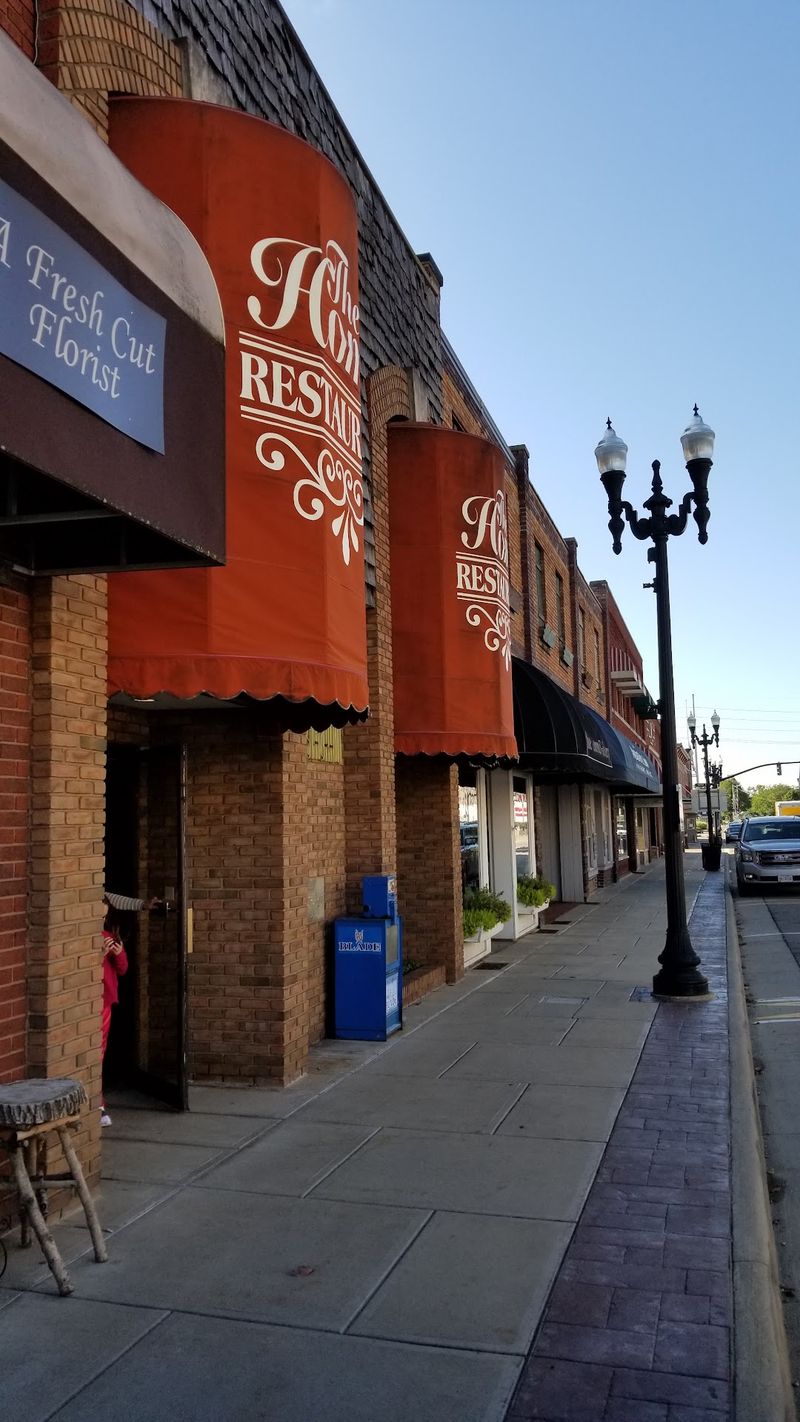
My first stop was the main street, where the storefronts sit low and the parking is free. Nobody honked at me once.
The village grew up around the railroad in the 1850s, and freight trains still rumble through the middle of town today. That railway line is the reason Archbold exists, and locals seem genuinely fond of the sound.
Today about 4,500 people live here, in Fulton County, roughly 40 miles southwest of Toledo. It is close enough to the Ohio Turnpike that you can pull off, eat well, and be back on the road in an hour, though I would not recommend rushing.
Northwest State Community College sits just outside the village, which adds a steady stream of students and keeps the place feeling younger than its farmland surroundings suggest.
What struck me most was the hospitality. Two different strangers asked where I was from before I had even finished my coffee, and both had restaurant suggestions ready.
Bring cash for the small shops and comfortable shoes for the sidewalks. You will find the village of Archbold in German Township, Ohio 43502.
Sauder Village Brings The 1800s Back To Life
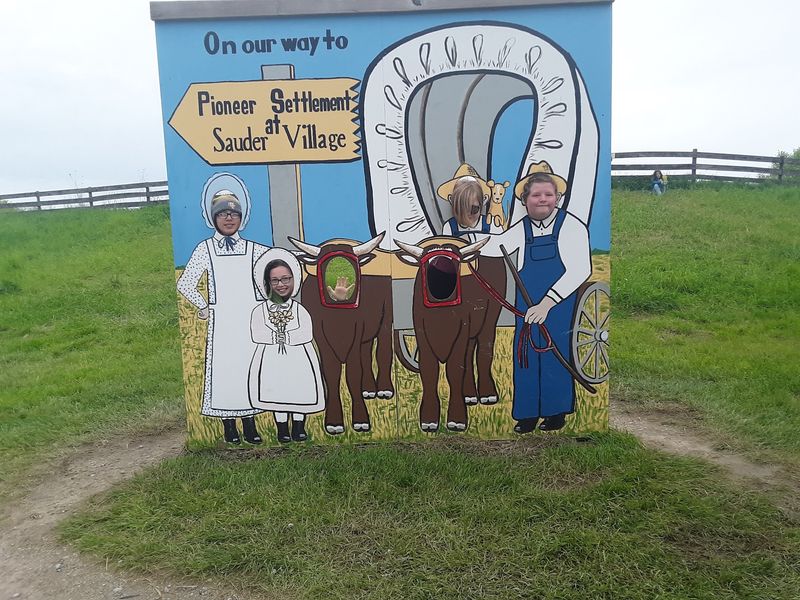
Erie Sauder built a furniture company here, then decided the old ways of doing things deserved saving. The result is Ohio’s largest living history destination, and it sits right at the edge of town.
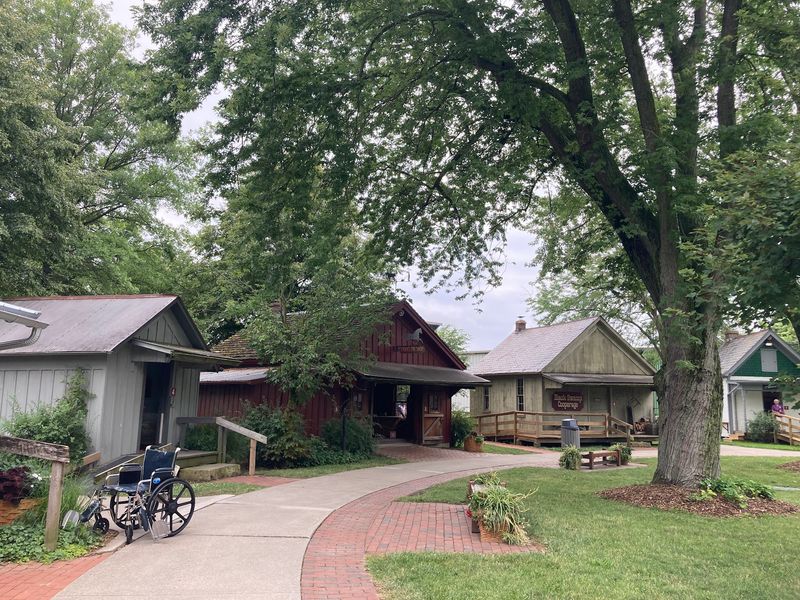
I spent most of a morning wandering between the blacksmith shop, the broom maker, the pottery studio, and a working 1920s barn. The interpreters wear period clothing and actually know their trades, so questions get real answers instead of scripted ones.
The grounds are organized by era, moving from a Native American encampment and 1830s pioneer settlement through the 1920s. Watching a blacksmith hammer glowing iron while explaining why the pioneers needed nails was easily the highlight of my visit.
Costs are reasonable for a full day, and there is a hotel and campground on site if you want to stretch the trip.
My practical tip: arrive when the doors open. Craftspeople have more time to chat in the morning, and the shaded paths are cooler before noon.
The season generally runs spring through fall, with special events at harvest time and Christmas, so check the schedule before you plan.
Pie That Deserves Its Own Fan Club
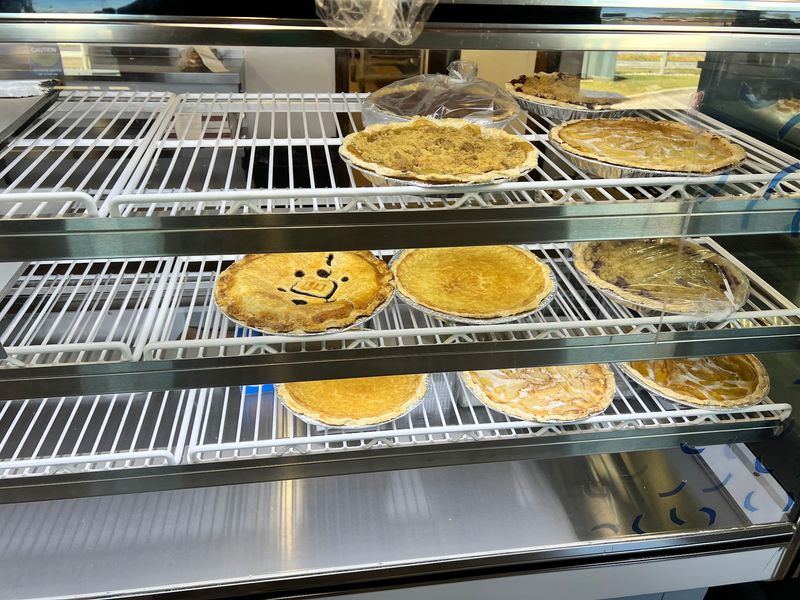
Let me be honest about my priorities. I planned my whole day around dessert.
The Barn Restaurant at Sauder Village serves the kind of home-style cooking that made northwest Ohio’s reputation, with broasted chicken, mashed potatoes, and pies baked on site.
The Doughbox Bakery next door handles the sweets, and the smell alone does most of the marketing.
I ordered a slice of fruit pie and a warm doughnut, fully intending to save half for later. That did not happen.
Mennonite and Amish cooking traditions run deep in this part of the state, and you taste it in the crust, the noodles, and the apple butter. Nothing is fussy.
Everything is generous.
Weekend lunch draws crowds, especially during festival weekends, so either come early or plan to wait a little while people-watching in the lobby.
Buy a whole pie to take home. I did not, and I thought about that decision for the entire drive back.
If you prefer breakfast, the bakery opens earlier than the restaurant, and a cinnamon roll on a picnic table outside is a perfectly acceptable way to start any morning here.
Walking Paths At Ruihley Park
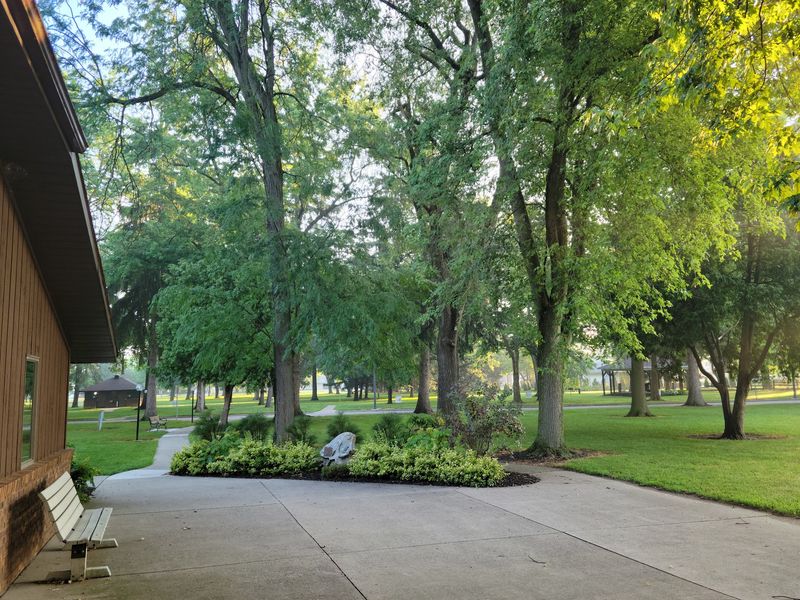
Green space was not what I expected to love most about a farming village, and yet I circled back to the park twice.
Ruihley Park sits close to the middle of town, with tall shade trees, walking paths, playgrounds, and pavilions that seem to host a family reunion every weekend.
The 27-acre park also has basketball courts, pickleball courts, a ball diamond, sand volleyball, and plenty of open space, so you can leave the car parked and still spend a while wandering.
Locals treat these spaces as a shared backyard. I saw a softball practice, a woman reading in a lawn chair, and a group of teenagers playing basketball, all within about a hundred yards.
Bring a blanket and grab something from a local deli or bakery for an easy lunch outdoors. Picnic tables are plentiful and free.
Spring and early fall are the sweet spots. Summer afternoons in this flat farm country get properly humid, so the shade under those old trees earns its keep.
It is a simple pleasure, but simple is rather the point around here.
Furniture Making Built This Town

Ask anyone here what put Archbold on the map and you will hear about wood. Sauder Woodworking started in 1934 and grew into one of the largest ready-to-assemble furniture makers in the country, all from this small village.
That single business shaped everything: the jobs, the population growth, and eventually the museum village that carries the family name.
I toured the store on site and found myself running a hand along a tabletop while doing math about trunk space. The craftsmanship tradition here is not marketing language; it is the local economy.
Other manufacturers followed, and the industrial park on the edge of town keeps humming. For a village this size, the number of people who commute in for work rather than out is unusual.
If you like knowing how things are made, this angle is worth your attention. The connection between the woodshops at the historic village and the modern factories nearby makes the whole place feel like one long story instead of a museum piece.
Retail hours vary by season, so call ahead if furniture shopping is on your list rather than a happy accident.
Festivals That Fill The Streets
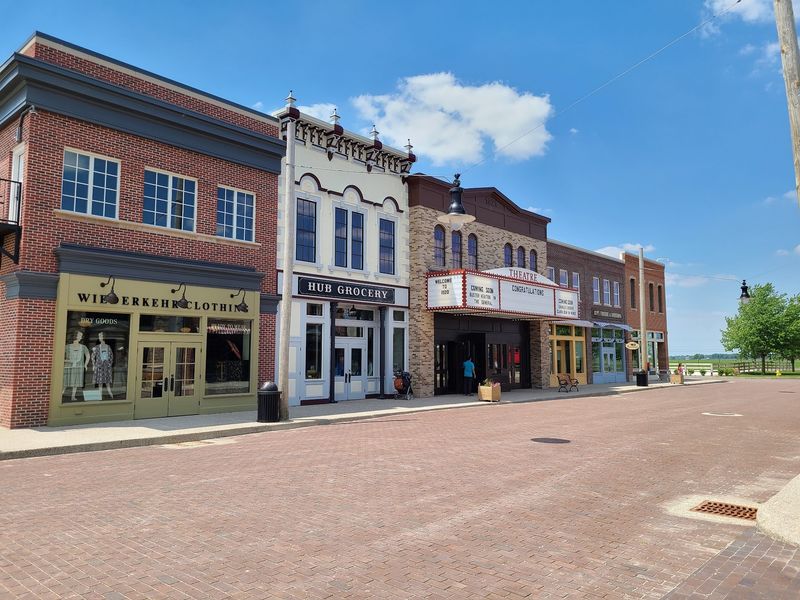
Timing my visit around a festival turned out to be accidental genius. The town practically doubles in size.
Archbold hosts community celebrations through the year, including the annual Carp Festival at Ruihley Park, along with other local events that keep the park calendar busy.
Sauder Village adds its own calendar, including its annual Quilt Show, Antique Tractor Show, and Merry & Bright Holiday Nights that bring the historic buildings into the seasonal fun.
Fall brings Apple Weeks at the Historic Village, with a 150-year-old cider press in action, apple-themed activities, and historic recipes.
What I appreciated was the scale. Nobody is fighting for parking spots or shouting over amplified noise.
You can hear the band and still hold a conversation.
Book a room early if you want to stay overnight during a festival weekend, because lodging in a village of this size fills up fast. Nearby Wauseon and Defiance offer backup options.
Check the village website before you drive, since dates shift a bit each year. Showing up on a quiet Tuesday is pleasant, but showing up during a community event is memorable.
Amish-Mennonite Roots And Mennonite Traditions Nearby
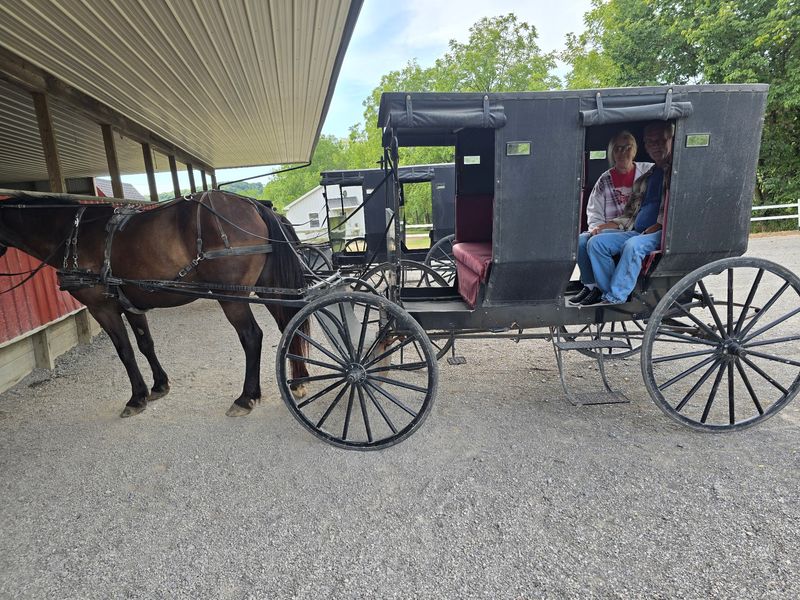
The history of this corner of Ohio reaches well beyond the railroad. Amish-Mennonite families began settling German Township in the 1830s, before Archbold itself developed around the railway.
Those roots remain part of the area’s identity today, with several Mennonite congregations still active in and around Archbold and a long local tradition of farming, woodworking, quilting, and home-style cooking.
I found that history woven through the area rather than packaged into one tourist district. Churches, farm country, family businesses, and exhibits at Sauder Village all help tell the story.
Sauder Village digs especially deeply into the lives of the early settlers, with historic buildings, trades, farming demonstrations, and exhibits that explain how communities developed in northwest Ohio.
The connection between faith, farming, craftsmanship, and family runs through much of the local history. It gives the surrounding countryside more context once you know what you are looking at.
Driving the county roads was my favorite unplanned hour of the trip, with red barns, open fields, and horizon in every direction.
Local Eats Beyond The Tourist Trail
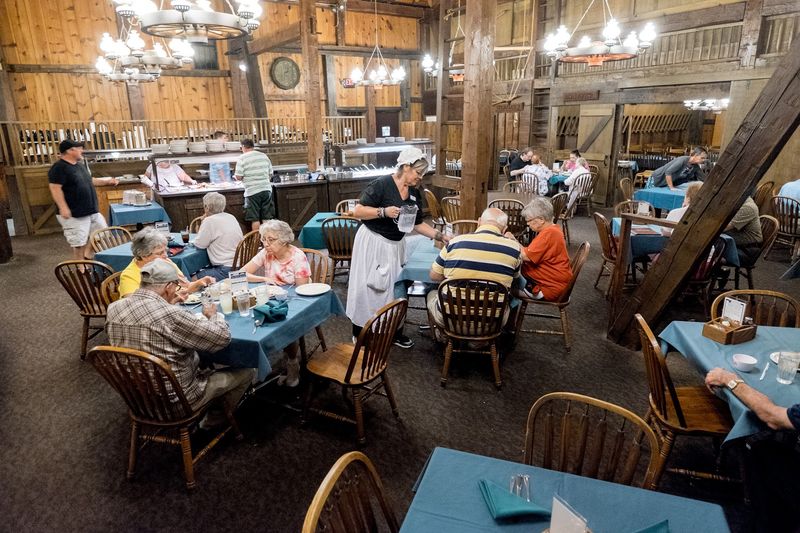
Not every meal here needs a museum ticket. Downtown has its own lineup, and prices that make you double-check the bill.
I found sandwich shops, a pizza place with a loyal after-game crowd, a coffee spot where regulars have unofficial assigned seats, and an ice cream stand that stays busy until the mosquitoes win.
Portions lean generous. Service leans chatty.
My server asked about my drive and then recommended a shortcut to the highway that actually worked.
Breakfast is a serious event in northwest Ohio, so expect eggs, hash browns, and biscuits arriving faster than you can pour cream in your coffee.
A tip worth remembering: many small-town spots close early, sometimes by eight in the evening, and some shut down on Sundays. Late-night dining is not the local sport.
Cash still moves things along at a few counters, though cards are widely accepted now.
What made these meals stick with me was not fancy plating. It was the fact that the person cooking probably knew half the people in the dining room by name, and by dessert, they sort of knew me too.
Planning Your Trip Without Overthinking It
Getting here is easier than most people assume. The village sits near Ohio State Route 66 and just a few minutes from the Ohio Turnpike, so it works as a stop between Toledo and the Indiana line.
Toledo Express Airport is the closest major air option, about 30 miles away and roughly a 35 to 40 minute drive east, and rental cars are essential since public transit is not a factor.
Lodging includes a hotel and campground at Sauder Village plus a few chain options in the area, with more rooms in Wauseon and Defiance if you need them.
Late spring through October is the prime window, since the historic village, festivals, and produce stands all run seasonally. Winter is quiet, cold, and honestly rather peaceful if you only want the bakery and the Christmas events.
Give yourself two days. One day covers the museum village and a good meal, while the second lets you wander the parks, shops, and back roads without checking your watch.
Fill the gas tank before heading into farm country, keep some cash handy, and let the schedule stay loose. The best parts of my trip were the ones I did not plan.