
This Charming Ohio Town Makes It Nearly Impossible Not To Fall For Its Streets
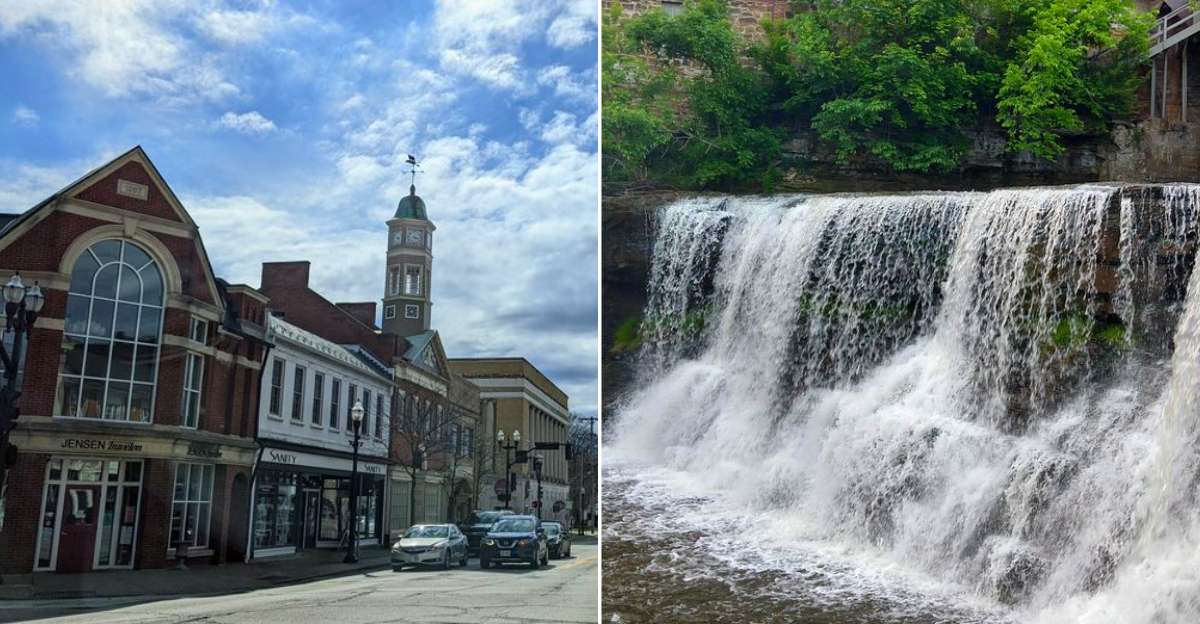
Chagrin Falls greets you with the mesmerizing and rhythmic sound of water folding gracefully over ancient shale ledges while the sharp, sweet scent of maple from nearby boutique shops hangs heavily in the crisp morning air.
The village is compact enough to be thoroughly explored during a single leisurely morning stroll, yet it remains deeply layered with historic old mills, tidy storefronts, and quiet porch conversations that seem to possess the rare power to pause time itself.
You will likely feel immediately welcomed into the local fold without ever being fussed over or pressured, experiencing a genuine sense of belonging that makes you feel more like a longtime neighbor than a mere weekend passerby.
As you keep walking through the heart of the community, the intricate architectural details start linking together to reveal how this place has quietly and successfully perfected the art of small-town grace without letting its nostalgia become uncomfortably sticky or forced.
Whether you are watching the mist rise from the gorge or exploring the curated display windows of the Triangle, the town serves as a living testament to the beauty of deliberate preservation and a slow-paced lifestyle.
Prepare to be enchanted by a landscape where industrial history meets modern artisan culture, creating an environment that encourages you to slow your pace and notice the subtle shifts in light across the water.
This is a destination that rewards the observant traveler with hidden slivers of beauty, from the specific tilt of a 19th-century cornice to the way the evening sun reflects off the surface of the rushing river.
Start At The Falls Overlook
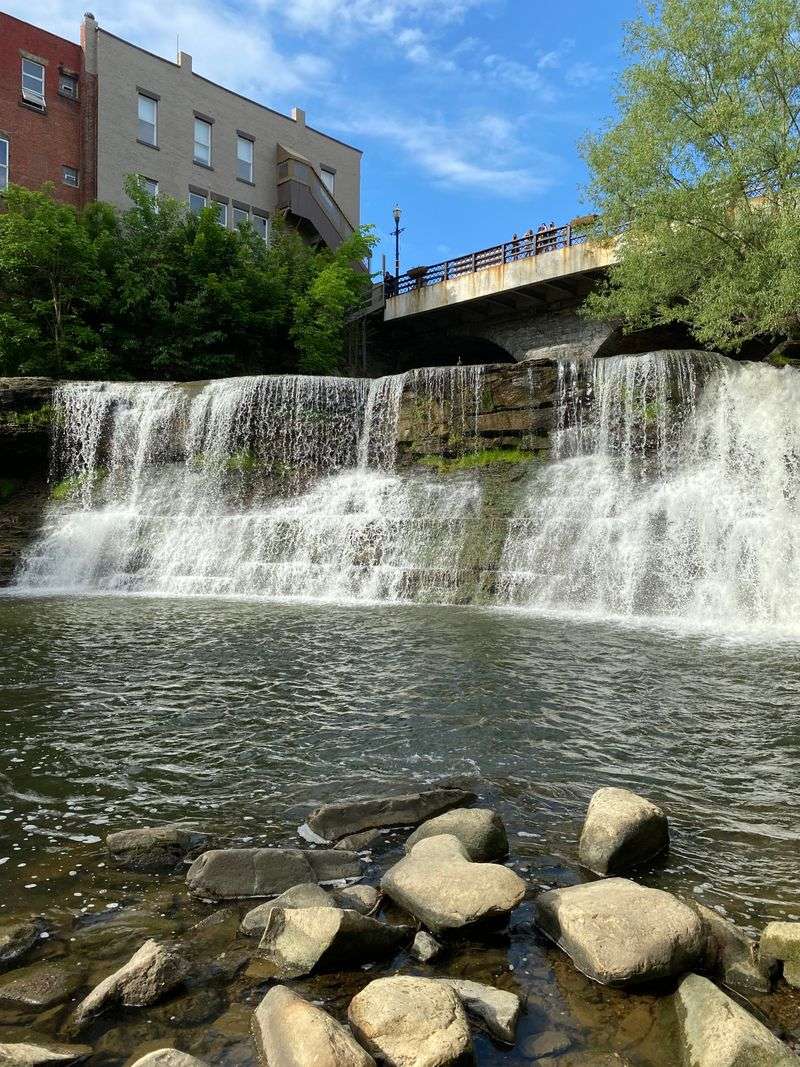
The powerful and constant roar of the water arrives to greet you first, creating a steady and impressive rush that provides a deep acoustic foundation underneath the polite street noise and occasional laughter emanating from the gorge.
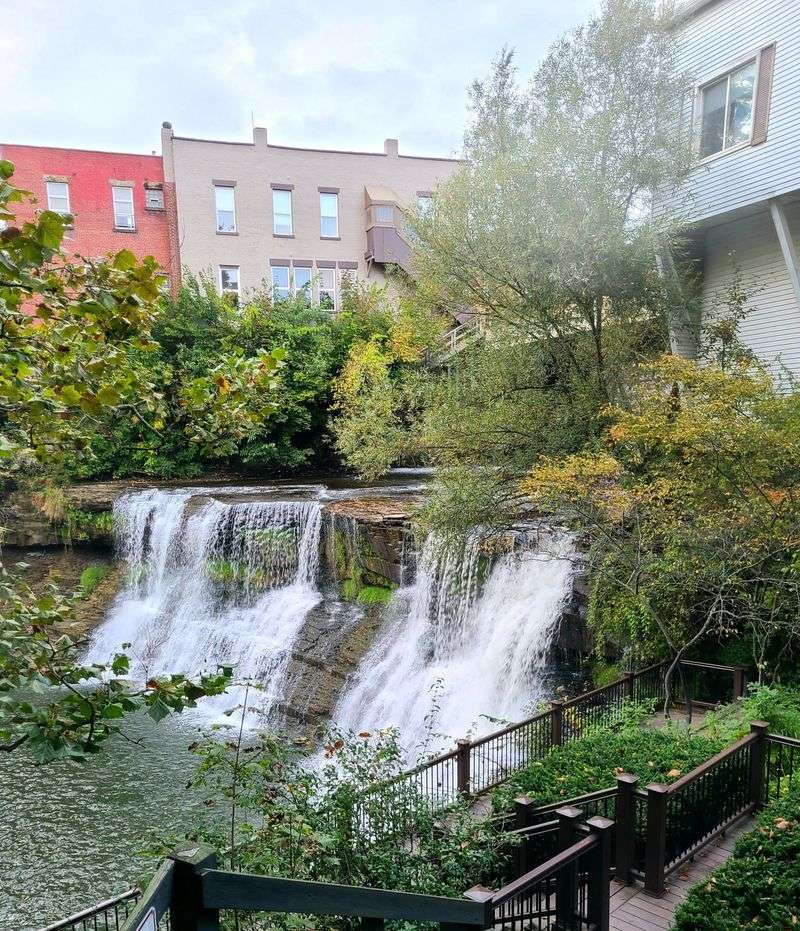
Fragrant cedar and cool, refreshing mist ride the air at the Main Street overlook, where the falls drop dramatically across tiered shale ledges that look remarkably like a giant, meticulously arranged stack of natural ceramic plates.
Early morning light pulls a slick and beautiful shine across the wet rocks at the base of the falls, while the sturdy wooden railing of the observation deck warms slowly under your hands as the sun begins its daily ascent.
Much of the town’s industrial history remains hidden in plain view here, as this powerful water source once served as the primary energy engine for the various mills that originally shaped the village’s geometric and functional plan.
I suggest stepping back for a wider angle to appreciate the sheer scale of the geological formation, then leaning in again to watch the local swallows as they skim the spray in search of their morning meal.
If you are seeking some quiet breathing room to truly connect with the natural landscape, you should aim to arrive before the local shops open their doors and after the morning school buses have cleared the main thoroughfare.
The overlook provides an ideal vantage point for contemplating the passage of time, as the water continues its relentless journey over the stone just as it has for the many centuries that preceded the town’s founding.
Walk The Main Street Bridge
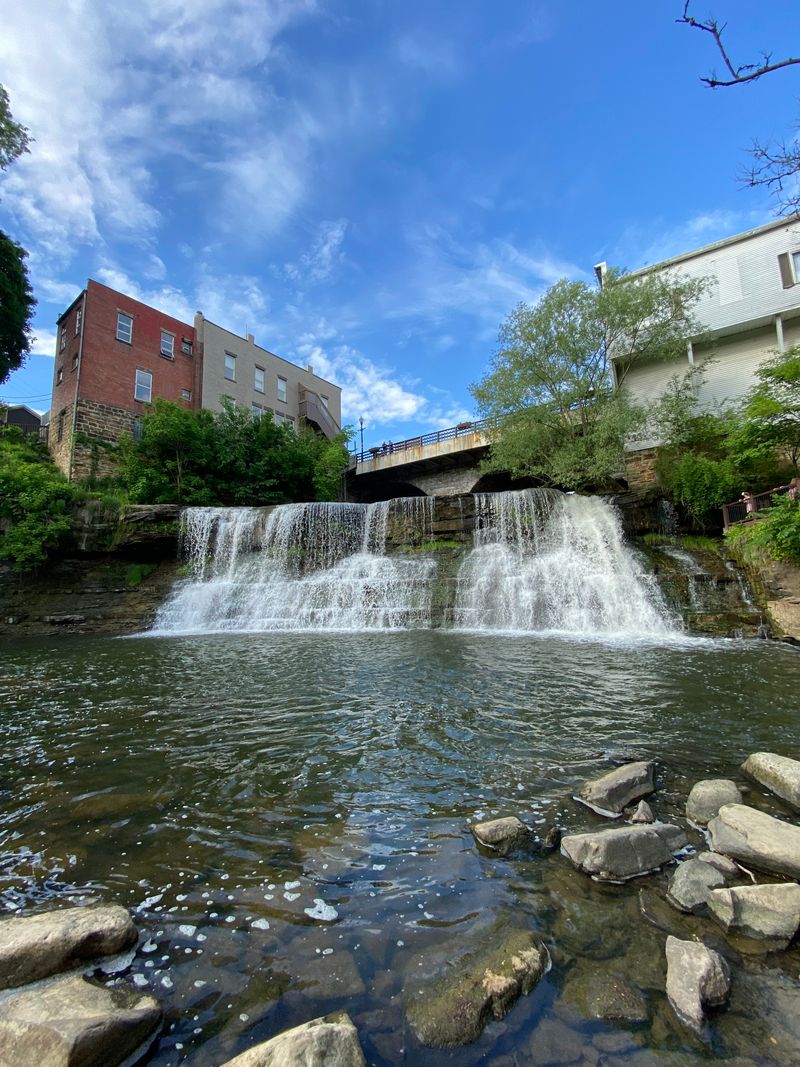
The solid feel of stone underfoot and the exhilarating rush of water below create a fascinating and split rhythm of sensations as you make your way across the historic arches of the Main Street bridge.
The bridge’s modest and elegant stone arches frame the falls at various skewed angles, offering quick and tantalizing glimpses of the white water between the intricate and weathered iron balusters of the railing.
A gentle and unpredictable breeze frequently lifts paper napkins from the nearby restaurant patios, carrying with it the comforting and sophisticated hints of freshly roasted coffee and warm, melted butter.
Originally built to facilitate the heavy flow of industrial mill traffic, the bridge now serves as a central stage that choreographs the fluid movement of pedestrians as much as it directs the local automobile traffic.
You should make a point to pause at the exact midpoint of the span, where the cooling spray drifts upward to meet you and the sound of the cascading water swells to fill your entire field of hearing.
For those travelers hoping to capture scenic photographs without the distraction of passing faces, the best strategy is to stand on the upstream side and keep your camera lens positioned relatively low to the ground.
The bridge acts as a vital transition point between the natural wonder of the falls and the more structured charm of the shopping district, serving as a physical link between the town’s rugged past and its polished present.
Window Shop The Triangle
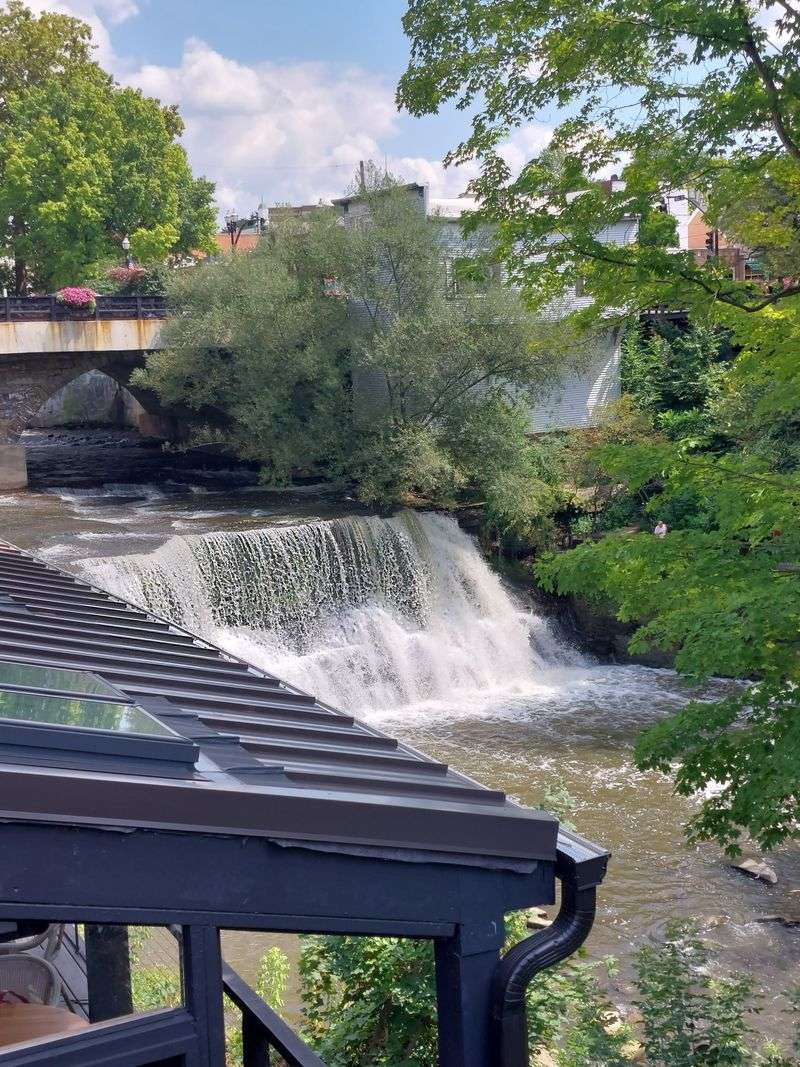
The various display windows at the Village Triangle function remarkably like little individual theaters, where colorful props and artisanal goods are arranged with great care to catch the peripheral vision of every curious passerby.
Stacks of classic books lean casually into handcrafted ceramics, and heavy wool sweaters seem to knuckle the glass panes from the inside when the building’s heating systems kick on during the colder autumn months.
The crosswalks in this specific area serve to stitch together the old red brick buildings, which feature carefully maintained and brightly painted trim that reflects the town’s collective pride in its visual heritage.
Many of these charming storefronts date back to the mid-19th century and have been meticulously restored over the decades rather than being reinvented to fit the fleeting architectural trends of the modern era.
The shopkeepers here often keep their operating hours written simply in pen on a hanging card, a small but significant detail that feels more like a personal handshake than a cold corporate transaction.
If your time in the village is unfortunately short, you should make a quick and efficient loop around Water, Main, and Franklin Streets before doubling back for the specific door that kept tugging at your attention.
The Triangle represents the commercial heart of Chagrin Falls, where the community’s commitment to supporting local artisans and maintaining a human-scaled shopping experience is most clearly and beautifully on display.
Taste Local At Jeni’s And Popcorn Shop
The pervasive and intoxicating sweetness of the surrounding air is almost architectural in its presence, especially as countless ice cream cones form delightful but short-lived sugary spires that seem to decorate the entire length of the dam railings on a warm afternoon.
Jeni’s Splendid Ice Creams is renowned for scooping an array of bright, clean, and often daring flavors that draw inspiration from the season, while the legendary Popcorn Shop continuously perfumes the entire street with the rich, nostalgic scent of bubbling caramel and toasted kernels.
Observing the scene, you will notice children pressing their faces against the polished glass display cases with the wide-eyed reverence usually reserved for tourists at a high-end museum, captivated by the colorful and sweet treasures being prepared inside.
The Popcorn Shop itself has occupied its remarkably slim and well-loved building overlooking the falls since the 1940s, serving as a cherished local landmark that has witnessed generations of families creating memories along the riverbank.
Once you have secured your order, it is wise to walk a careful and deliberate line along the overlook path while keeping a watchful eye upward to avoid the local gulls, who often possess very vocal and aggressive opinions regarding your snack.
Sticky hands and sugar-dusted faces are easily remedied at the beautiful public fountain situated directly across the way, which serves as a convenient and picturesque gathering spot for those needing a quick refresh after their indulgence.
This specific corner of the village represents the pinnacle of local flavor and sensory joy, where the cooling influence of the waterfall meets the warm and welcoming spirit of classic Midwestern confectionery craftsmanship.
Savor The Riverside Boardwalk
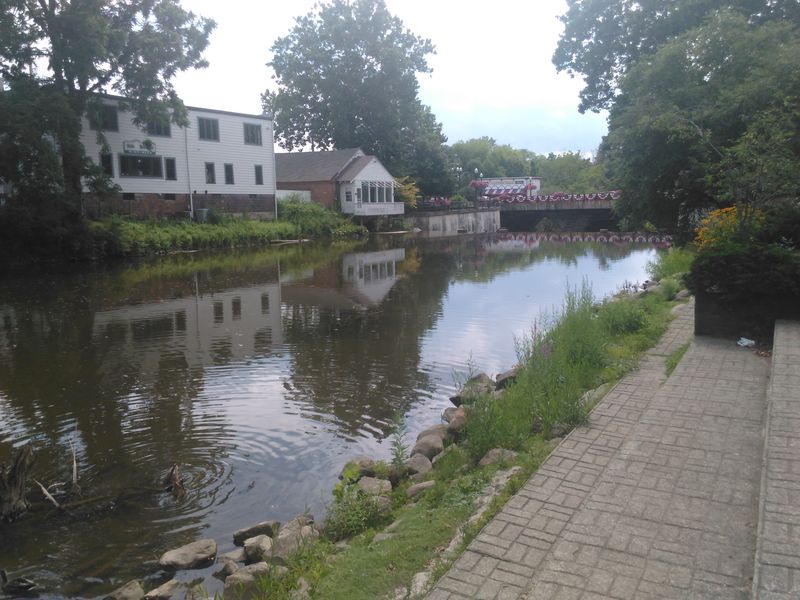
The weathered wooden boards beneath your feet creak with a pleasant and rhythmic groan that provides a private, grounding soundtrack to your journey, weaving a subtle melody beneath the flow of conversation and the steady pulse of the water.
Lush ferns and mossy greenery clutch tenaciously to the steep shale slope of the gorge, and stray droplets of cold river water occasionally land on your wrists to provide a refreshing reminder of the power moving just a few feet away.
The winding path bends with just enough frequency to keep your mind curious about the next sliver of hidden view or the next moss-covered outcropping that might reveal itself around the corner of the dense riverside foliage.
What was originally constructed as a purely practical access route for the backs of buildings that had turned their faces toward the water has now been transformed into an unhurried lane for contemplation and slow-motion exploration.
You should keep a sharp eye out for the strategically placed benches where the roar of the falls finally quiets into a low, meditative hiss, offering the perfect environment for a moment of silence or a shared confidence.
I strongly recommend wearing shoes with a reliable grip if the morning mist has been particularly generous, and always ensure your coffee cup is securely lidded to prevent the uneven boards from claiming a spill.
The boardwalk offers an intimate and immersive perspective on the river’s path that the street-level overlooks simply cannot provide, allowing you to descend into the cool, shaded microclimate of the valley for a truly restorative stroll.
Notice The Italianate Cornices
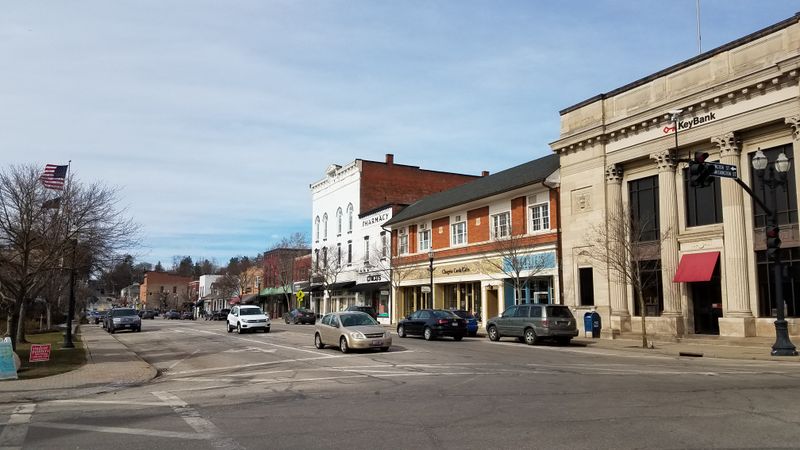
The ornate cornices that decorate the upper stories of Main Street seem to hold a quiet and dignified conversation high above the heads of shoppers, with their decorative brackets stepping across the skyline like a piece of frozen choreography.
The meticulously painted detailing of these architectural features sits in crisp, vibrant contrast against the deep red hues of the historic brickwork, while the tall windows stretch toward the sky with a thoughtful and elegant rhythm.
Walking along the sidewalk, you can almost feel the presence of the original 19th-century builders who insisted that even the most basic utility of a commercial building deserved to be imbued with a sense of artistic grace.
Many of these impressive structures date back to the mid-to-late 1800s, and their distinct Italianate features are maintained with a level of care that includes frequent repainting and the expert installation of tucked copper flashing.
It is a fascinating exercise to count the individual brackets on one facade and then immediately compare them across the street to spot the subtle pattern decisions and unique flourishes chosen by the master craftsmen of the past.
For the most dramatic and flattering light, you should aim to arrive in the late afternoon when the descending sun casts long shadows that lift the architectural profiles without the interference of a harsh or blinding glare.
These upper-story details serve as a constant reminder that the village’s beauty is not merely skin-deep or limited to the water, but is built into the very bones of the structures that have stood watch over the falls for over a century.
Meet The Valley Art Center
A low, melodic hum of creative conversation frequently slips from the open doors of the Valley Art Center, where the interior air still smells faintly of fresh oil paint, damp clay, and the endless possibility of a blank canvas.
Within the building, quiet studios are tucked discreetly behind the main galleries, and classes often spill out into the hallways with students carrying hands full of wet clay or vibrant sketches toward their next artistic breakthrough.
The architecture of the center feels intentionally utilitarian in a way that provides a neutral and unpretentious backdrop, effectively freeing the diverse work of local artists to shine with its own internal light and energy.
Founded in 1971 to foster a deeper appreciation for the creative process, the center now functions as a vital anchor for the local arts community through its rotating exhibitions and its wide-reaching public programs.
I recommend checking the current show schedule and peeking at the workshops listed near the door, as you might find an afternoon demonstration or a guest lecture that perfectly aligns with your own creative interests.
If you are a person who values quiet, uninterrupted looking, you should plan to arrive in the mid-afternoon when the busy morning workshops have paused and the galleries are allowed to breathe in the natural light.
The center provides a necessary intellectual and emotional counterpoint to the town’s commercial district, proving that the heart of Chagrin Falls is just as much about the cultivation of the human spirit as it is about history.
Follow The Seasonal Porch Rituals
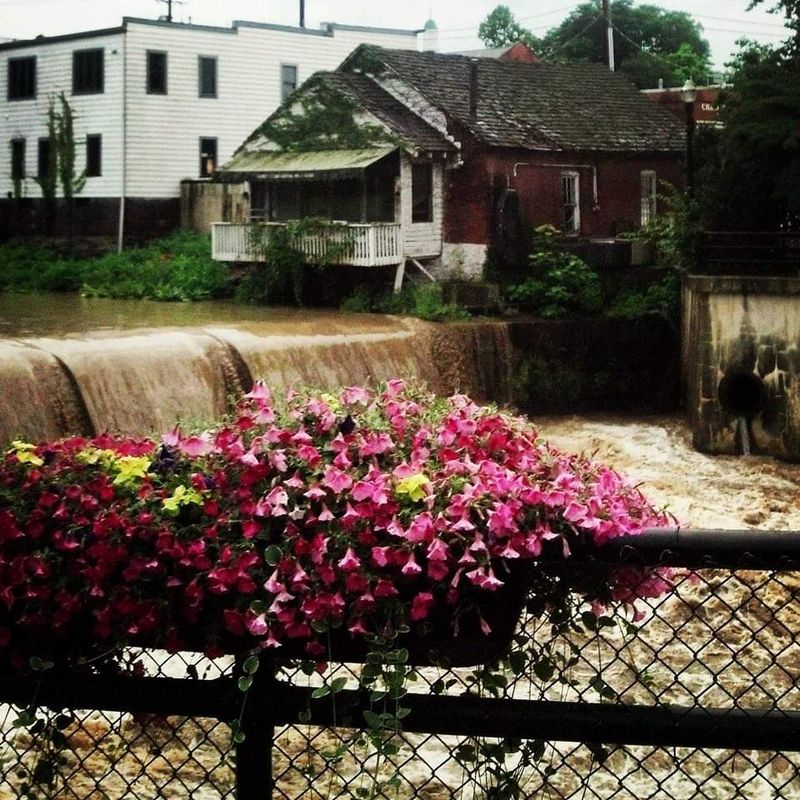
During the vibrant arrival of spring, the various porch planters throughout the residential streets explode into a state of precise and colorful chaos, while in the month of December, festive wreaths line up like a well-rehearsed holiday chorus.
Warm summer evenings produce a distinctive and pleasant drift of neighborly conversation that seems to move gracefully from block to block, echoing the relaxed and communal spirit that defines the town’s most social season.
By the time the first windy week of October arrives, the golden and crimson leaves begin to skate along the stone gutters in a dry, rustling dance that signals the inevitable transition toward the quiet of the coming winter.
These predictable seasonal rhythms reflect a village cadence that has been shaped over many decades by school calendars, annual arts fairs, and the comforting reliability of local church suppers and community gatherings.
You should consider accepting the unspoken invitation to match this local pace by choosing to take your walk after dinner rather than before, allowing the slow settling of the day to dictate your own personal movement through the streets.
If you find yourself visiting during a snowstorm, it is important to step with extreme care near the historic brick thresholds where the daily melt can often refreeze into a thin, deceptive layer of ice by nightfall.
Observing these domestic rituals provides a deep and authentic insight into the lives of the people who call this village home, revealing a culture that finds immense value in the steady and beautiful repetition of the changing seasons.
Learn At The Historical Society
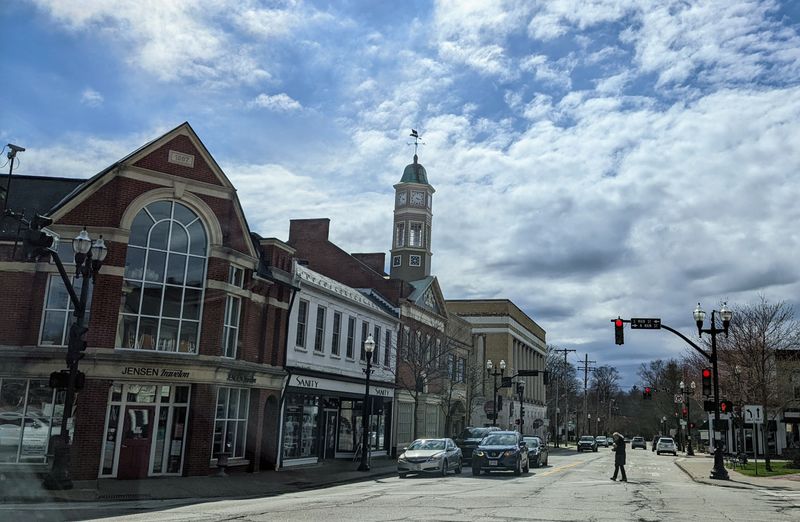
The quiet and reverent rooms of the Chagrin Falls Historical Society are filled with a fascinating collection of sleigh bells, heavy mill tools, and haunting black-and-white photographs featuring the earnest and hardworking faces of the town’s founders.
The labels on the various exhibits are kept intentionally concise and informative, which allows the physical objects to speak for themselves and tell their own stories of industrial triumph, agricultural labor, and everyday domestic life.
A knowledgeable volunteer might take a moment to point you toward a specific streetscape photograph that matches the exact window view outside, offering a startling and powerful visual link between the village’s past and its present.
Established with the noble goal of collecting and preserving every shred of local history, the society ensures that its vast archives remain accessible to the public and that its educational programming remains steady and engaging.
I highly recommend checking for the detailed walking tour pamphlets located near the front desk, as they provide a wealth of information regarding the specific architectural styles and the former residents of the town’s most famous homes.
You should keep your questions ready for the staff and consider bringing a notebook if you enjoy the technical process of tracing old building names and business histories back through the original village directories.
Spending an hour within these walls provides a vital context for everything else you see in the town, transforming a simple sightseeing trip into a deep and meaningful exploration of the human effort required to build such a place.
End With The Evening Glow
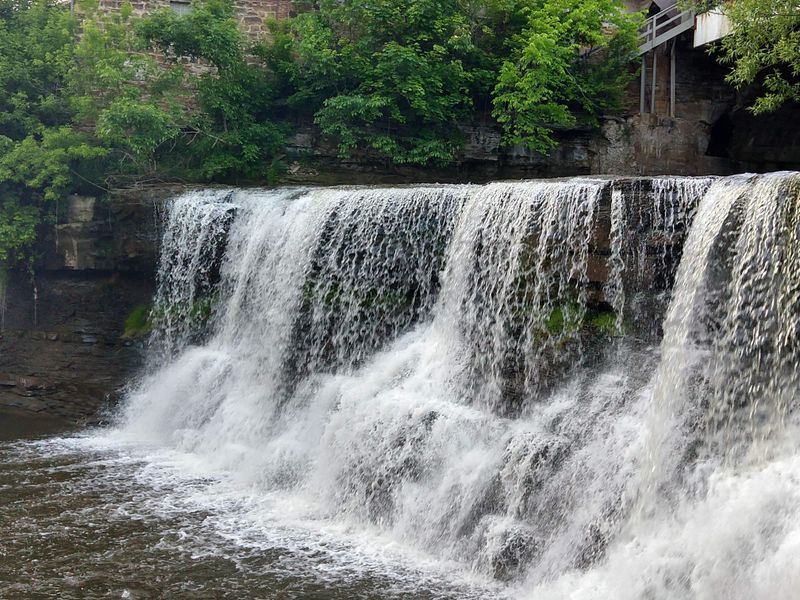
As dusk begins to settle over the valley, the falls are transformed into a soft and rhythmic engine of sound, while the glowing lights of the boutique shops take over from the setting sun with a sense of quiet and understated confidence.
Deep reflections begin to gather and shimmer in the large glass windows until the entire street feels visually doubled, creating a dreamlike atmosphere where the boundary between the physical buildings and their light seems to blur.
Footsteps on the sidewalk naturally slow down during this hour because there is truly not much reason to hurry once the daytime business has concluded and the evening’s peaceful and contemplative energy begins to take hold.
The serene nighttime scene owes much of its success to the community’s deliberate efforts toward historic preservation and the maintenance of reasonable closing hours that keep the noise and the crowds at a respectful level.
I suggest standing near the bridge during the final minutes of light and letting the rising spray from the river mark the conclusion of your visit as the first few stars begin to appear in the darkening sky above the gorge.
As a final practical tip, you should always keep a thin layer of clothing or a light jacket handy for warmth even in the middle of June, because the moving water has a remarkable ability to steal heat from the air very quickly once the sun goes down.
Ending your day with this soft, golden evening glow allows the charm of the village to settle deeply into your memory, ensuring that the peaceful image of the falls at twilight stays with you long after you have left the valley.