
This Coastal Town Was Named South Carolina’s Poorest, But Locals Say Its Charm Is Priceless
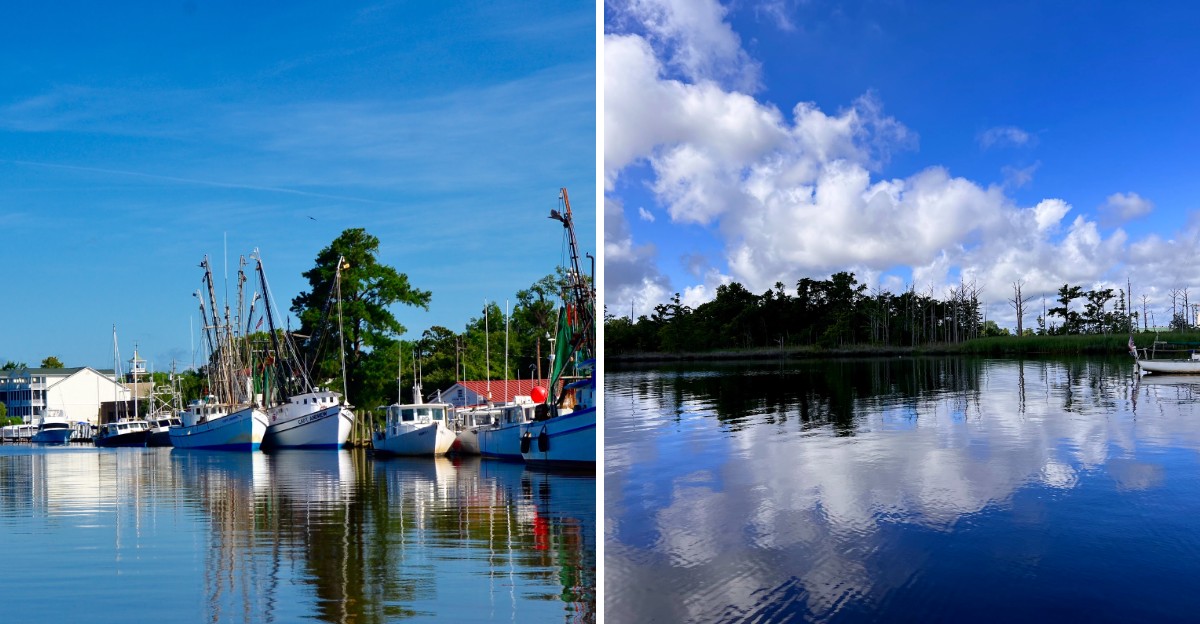
By 1840, one small district on the coast was growing nearly half of all the rice in the United States. Its port shipped more rice than any other port in the world.
That’s a wild claim for a town most travelers drive right past.
Today, that same South Carolina town once landed on a list as the state’s poorest city. I believe that label tells only a sliver of the story.
The town also packs five museums into a walkable downtown.
There’s a half-mile boardwalk along the river, too. Oak trees draped in Spanish moss shade streets that were laid out in 1729.
I like how the place feels lived in, not polished for postcards.
So how does a town with a tough economic headline hold onto so much character? The answer starts on its oldest street.
The Streets Here Are Older Than The Country
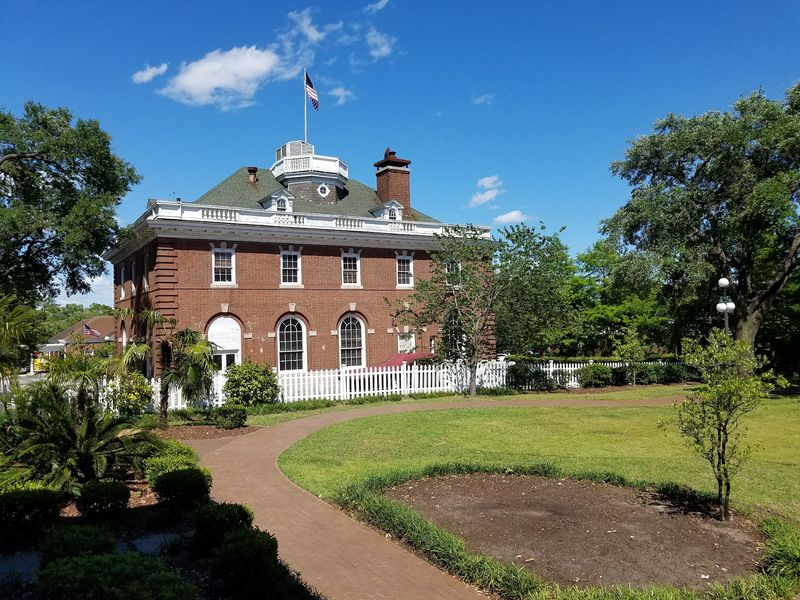
Back in 1729, a man named Elisha Screven sketched out a street grid for a new port. That grid still shapes Georgetown, South Carolina, today, and it sits on the National Register of Historic Places.
Georgetown is the third-oldest city in South Carolina. It also serves as the seat of Georgetown County, so it’s been the local center of things for a very long time.
The town sits where several rivers come together. The Sampit River flows right past downtown and into Winyah Bay, which made this spot perfect for ships.
Downtown has more than 250 historic homes. Over 60 of them are listed on the National Register, which is a lot of history for one walkable area.
Front Street is the main stage. Old storefronts line the road, and live oaks with Spanish moss shade nearby streets.
It’s the kind of place where looking up is just as rewarding as looking ahead.
My tip is simple. Park once, wear comfy shoes, and wander the side streets slowly.
The houses don’t have velvet ropes around them. You’ll spot porches, columns, and old details everywhere, all for the price of a stroll.
That’s a bargain any budget can handle.
Half A Mile Of Boardwalk Makes Slowing Down Easy
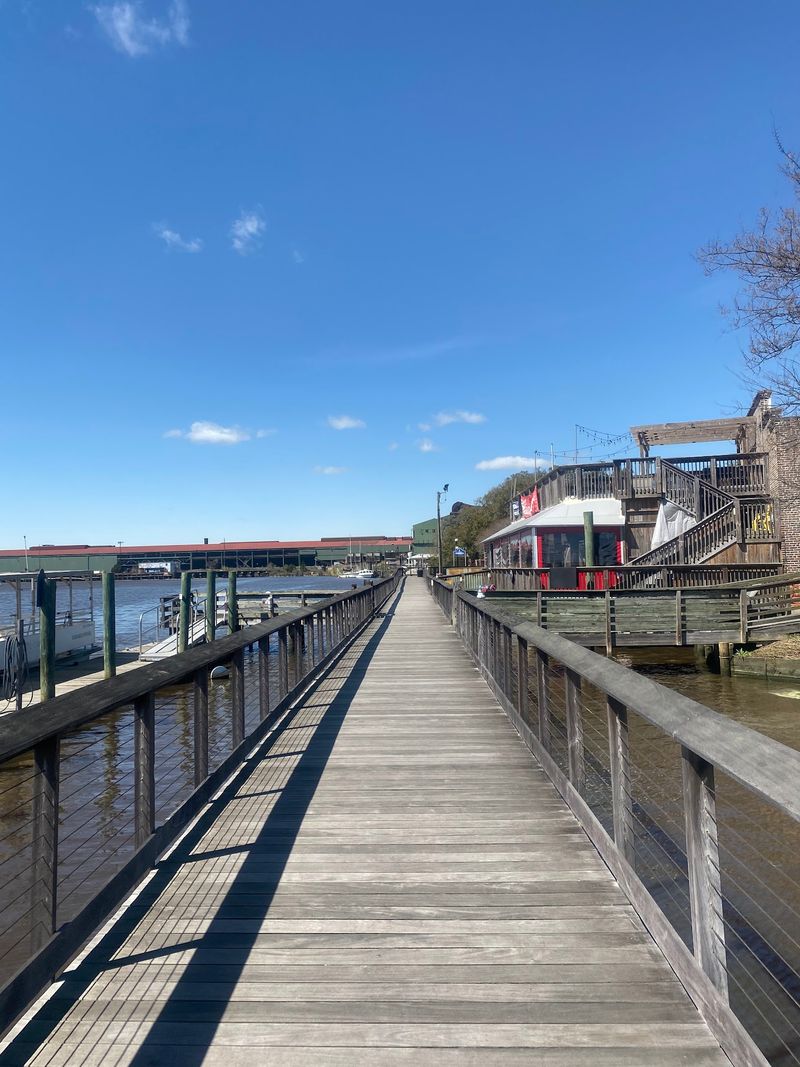
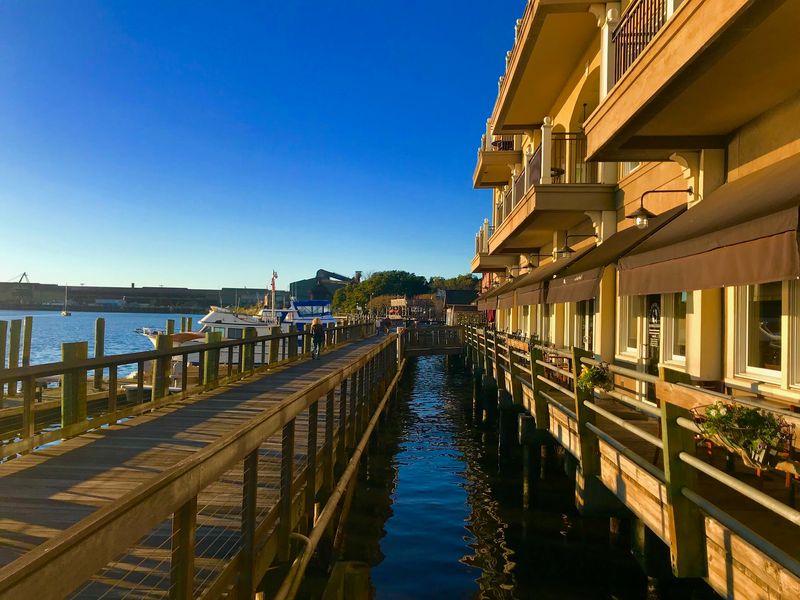
Boats bob in the harbor while a wooden walkway stretches beside them. That’s the Harborwalk, a public boardwalk running about half a mile along the Sampit River.
It’s basically the backyard of downtown. Shops and restaurants back right up to it, and some let you step out onto the boards directly.
You can also reach it through small parks along Front Street. Francis Marion Park is one handy entry point if you’re coming from the street side.
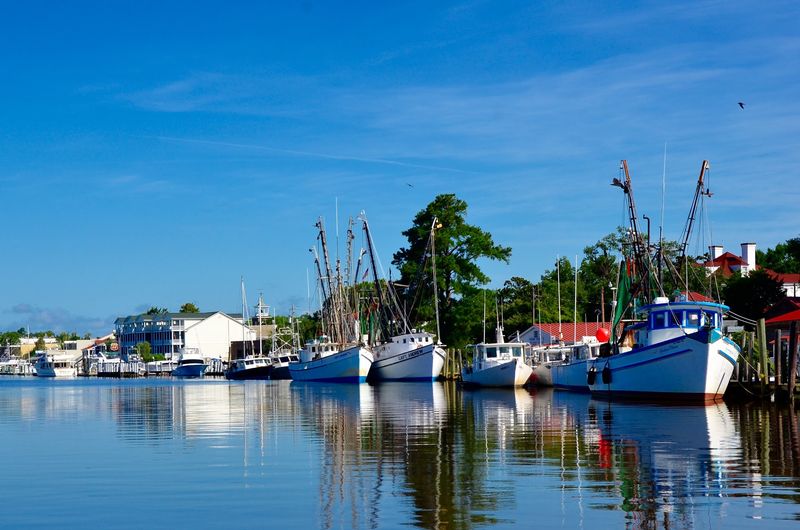
The views are the main event. Fishing boats, sailboats, and open water fill the scene, and sunsets over the harbor are a big draw.
Plan your walk for late afternoon if you can. You’ll get softer light, cooler air in summer, and a nice excuse to grab dinner afterward.
Families with strollers will appreciate the flat, easy path. It’s short enough for little legs but scenic enough to keep grown-ups happy.
Bring a camera or just your phone. Herons, pelicans, and passing boats can turn a quick walk into a much longer one.
Honestly, half a mile has never felt so generous. You might walk it twice without even meaning to, and nobody will blame you.
Five Museums, Zero Need To Move Your Car
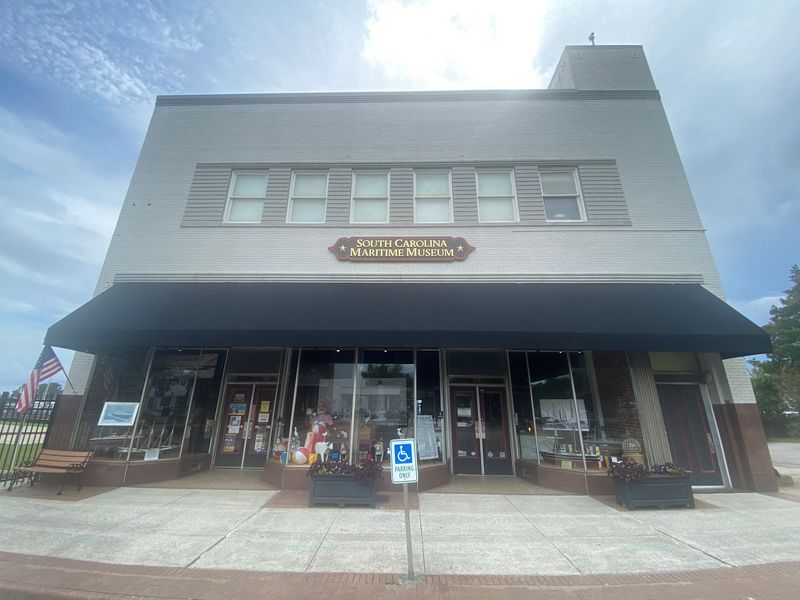
Five museums in a town of about 8,400 people? That’s a serious history habit.
Even better, they’re all within walking distance downtown.
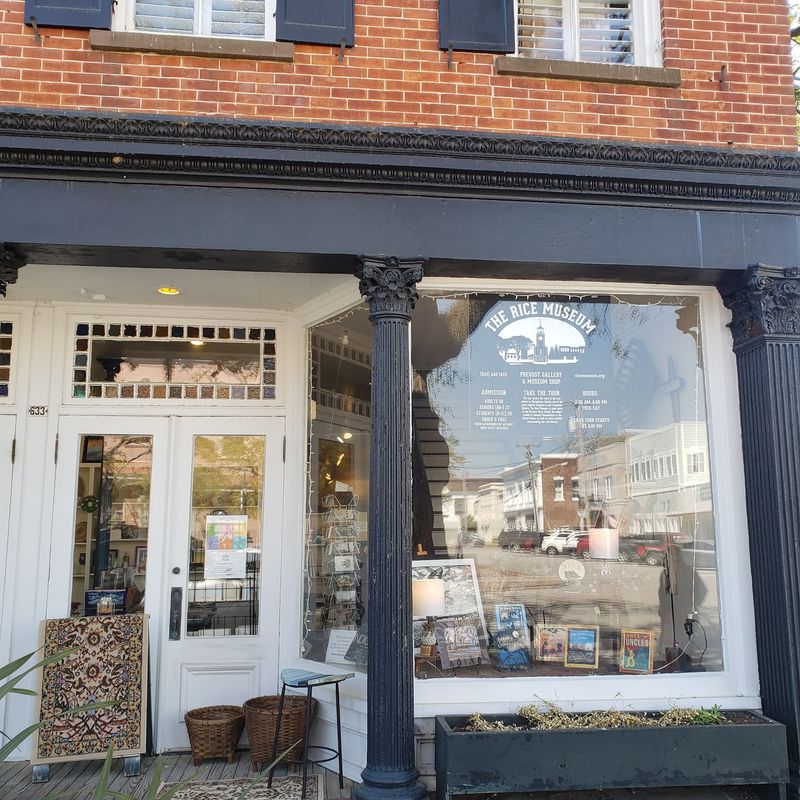
The Rice Museum sits at 633 Front Street inside the Old Market Building, built in 1842. Maps, dioramas, and artifacts explain the rice industry and the enslaved people whose labor made it possible.
Up the street, the Kaminski House Museum overlooks the Sampit River. The Georgian home dates to around 1769 and holds 18th and 19th-century American and English antiques.
The South Carolina Maritime Museum covers the harbor’s seagoing past. Exhibits touch on ships and shipwrecks, plus the original Fresnel lens from the North Island lighthouse.
Over on Broad Street, the Georgetown County Museum spans about 300 years of local history. Admission there is free, which fits this town’s no-fuss style nicely.
Then there’s the Gullah Museum on King Street. It shares Gullah language, crafts, food traditions, music, and storytelling, including detailed quilts.
Try pairing two museums each day. That pace keeps things fun instead of turning your trip into a pop quiz.
Check hours ahead, since smaller museums may keep limited schedules.
Rice Once Made This Port A World Champion
Indigo came first. That bright blue dye was the region’s early cash crop, and British leaders encouraged its growth before the Revolution.
After the Revolutionary War, rice took over. By 1840, the Georgetown District produced nearly half of the rice grown in the entire United States.
That made Georgetown the largest rice-exporting port in the world. Pretty impressive for a place many people now call quiet.
The success had a painful foundation, though. Enslaved Africans did the hard work, and their knowledge of rice growing helped build the complex systems for flooding the fields.
After the Civil War, the industry struggled with big changes in labor. Hurricanes battered the fields too, and the last commercial rice harvest came in 1919.
You can still see traces of that era around the area. Old fields, waterways, and historic homes all connect back to rice.
Knowing this story changes how the town looks. The grand houses, the busy harbor, and the museums suddenly fit together like puzzle pieces.
Start at the Rice Museum for the full picture. Then look at the marshes with fresh eyes, because that landscape once fed a big part of the country.
Breakfast Here Comes With Decades Of Practice
Some restaurants chase trends. Thomas Cafe at 703 Front Street has served traditional Southern breakfast and lunch for more than 75 years instead.
That kind of staying power says something. It’s a true local institution in Georgetown, South Carolina, and a great place to start a day downtown.
Front Street holds roughly 20 restaurants, many close to the Harborwalk. Fresh seafood and Southern comfort food show up again and again.
River Room Restaurant pairs seafood-focused Southern dishes with harbor views. Big Tuna Raw Bar leans into oysters and sushi, which is a fun combo for a river town.
Buzz’s Roost keeps things casual with seafood and relaxed waterfront seating. It’s a solid pick when nobody wants to dress up.
Want something fancier? The Independent sits inside The George boutique hotel on Front Street and serves upscale seafood plus a raw bar.
Between the Antlers on Wood Street focuses on Lowcountry dishes made with local ingredients. That’s a smart choice for anyone curious about regional flavor.
Hours can change by season, so check before you go. Then pace yourself, because one meal on Front Street rarely feels like enough.
Paddle Out To Trees That Started Growing A Thousand Years Ago
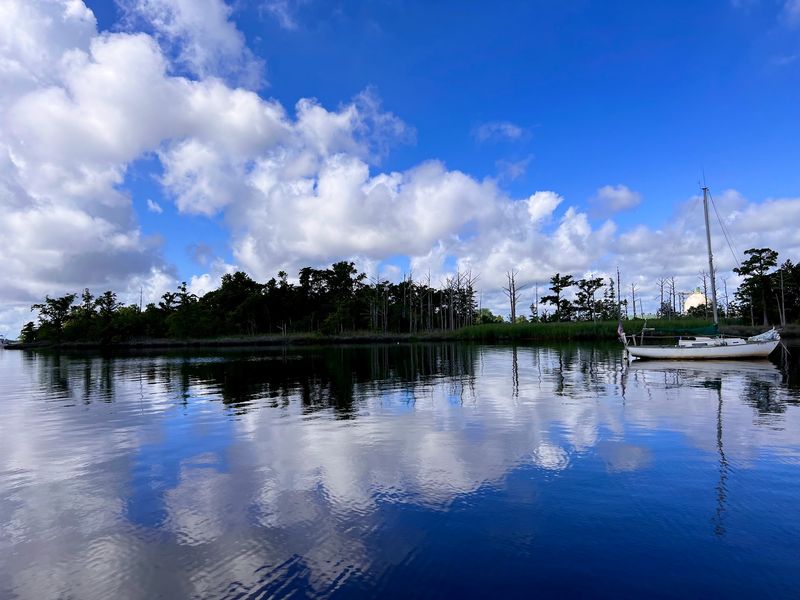
A thousand years old. That’s the estimated age of some bald-cypress trees along the Black River, and you can paddle right up to them.
Black River Outdoors offers guided four-hour paddles to see these giants. It’s a slow, peaceful trip with a seriously big payoff.
Kayaking and paddleboarding are popular all around Georgetown. Winyah Bay, the Black River, and winding tidal creeks give you plenty of choices.
Keep your eyes open on the water. Dolphins, pelicans, and osprey are all part of the local wildlife scene.
New to paddling? A guided trip is the way to go.
Guides know the tides, the routes, and the best spots, so you can just enjoy the ride.
Pack water, sunscreen, and a hat. The Lowcountry sun doesn’t care how relaxing your trip feels.
Wear clothes that can get a little wet, too. Even careful paddlers end up splashed now and then.
This might be the best reason to visit that has nothing to do with Front Street. Downtown shows off the town’s history, but the rivers show off its wild side.
Both are worth your time.
The State’s Oldest Working Lighthouse Is Just A Boat Ride Away
Built in 1801, the Georgetown Lighthouse still shines on North Island. It’s the oldest active lighthouse in South Carolina.
Here’s the catch. You can’t drive there, so you’ll need a boat or a kayak to reach the island.
That little challenge makes it more fun. The trip across the water is part of the adventure, not just a way to get somewhere.
Boat tours are easy to find in Georgetown. Options include scenic cruises, dolphin watching, and sunset outings on the water.
Cap’N Rod’s Lowcountry Tours offers plantation river tours and trips to Shell Island. Those are great picks if you want local knowledge along with the views.
Remember the Maritime Museum downtown? It holds the lighthouse’s original Fresnel lens, so seeing both makes a neat pair.
Visit the museum first, then head out on the water. The tower will mean more once you know its backstory.
Book tours ahead during busy seasons. Weather can shift plans on the coast, so keep a backup day if you can.
A two-century-old light still doing its job? That’s dedication any town would be proud of.
Beach Days And Golf Greens Sit Close To Town
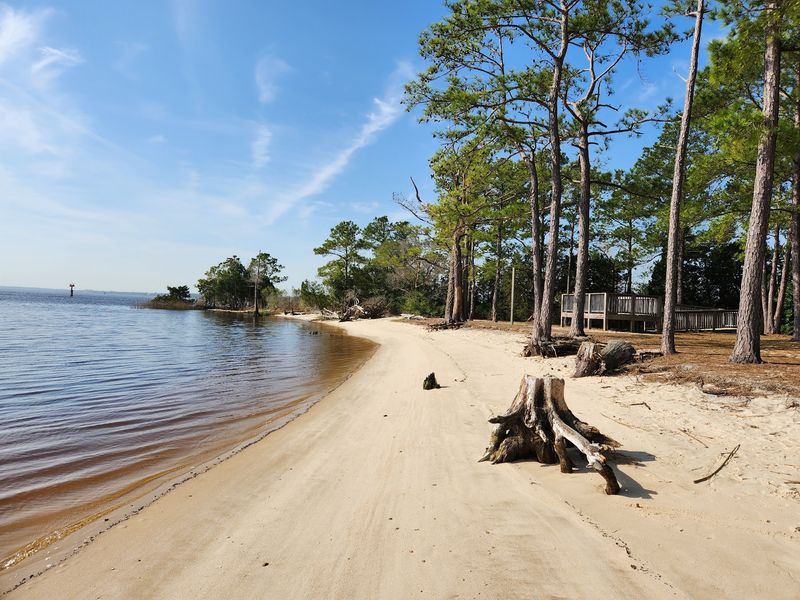
Sand lovers, good news. Pawleys Island is about a 20-minute drive north of Georgetown, with quiet, unspoiled beaches waiting.
That short drive makes a perfect split day. Spend the morning in museums, then trade your walking shoes for flip-flops.
The whole area belongs to the Hammock Coast, the nickname for Georgetown County. It’s a fitting name for a stretch of coast built for slowing down.
Golfers have options too. The Waccamaw Golf Trail runs nearby with well-known courses like Caledonia Golf and Fish Club and Pawleys Plantation.
Staying in town and making day trips is a smart plan. You’ll get historic charm at night and beach time by day.
Families can mix things up easily. Kids might love the beach, while grandparents enjoy the antiques at the Kaminski House.
Check tide times before you head to the shore. Low tide often gives you more beach to explore and plenty of room for shell hunting.
Georgetown works as a home base because it’s calm and central. You get the coast without the high-rise hotel crowd, and that feels like a win.
That Poorest City Label Misses The Real Riches
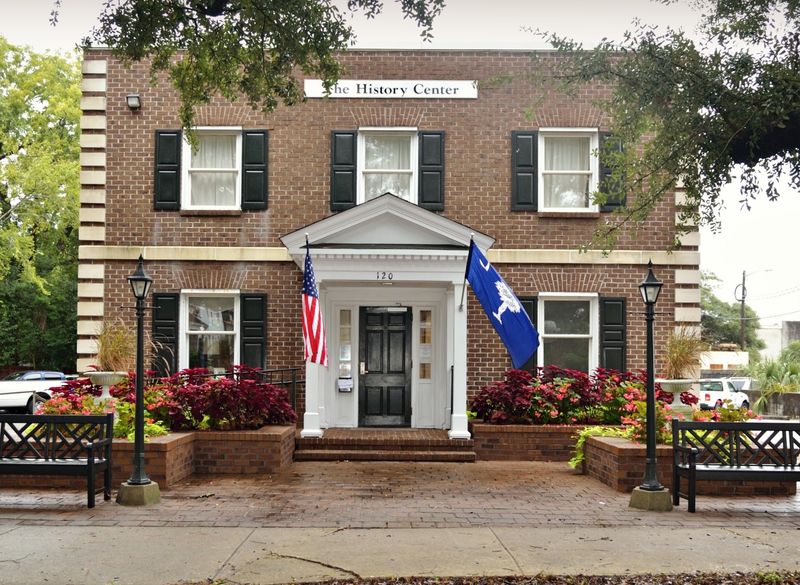
In June 2015, 24/7 Wall St. named Georgetown South Carolina’s poorest city. The ranking used Census data from 2009 to 2013.
Back then, the city’s median household income was about 26,330 dollars. The poverty rate sat near 21.8 percent.
Newer figures cover a different period. According to the Census Bureau’s 2020–2024 American Community Survey estimates, Georgetown’s median household income was $56,981, providing a more recent income snapshot.
So yes, the town has faced real money struggles. That’s worth knowing, and it’s worth respecting.
But numbers can’t measure everything. Georgetown, South Carolina, holds centuries of history, a lively waterfront, and a strong sense of who it is.
Visitors can help in simple ways. Eat at local restaurants, shop downtown stores, and book tours with area guides.
Every dollar spent on Front Street supports neighbors who keep this place going. That’s a pretty good reason to buy the extra souvenir.
I can’t think of a better example of charm beating a headline. The streets are old, the rivers are wild, and the stories run deep.
Poorest city? Maybe on paper once.
In character, Georgetown is doing just fine.