
This Collection Of 10 Historic Cities In Massachusetts Is A Must See For History Lovers
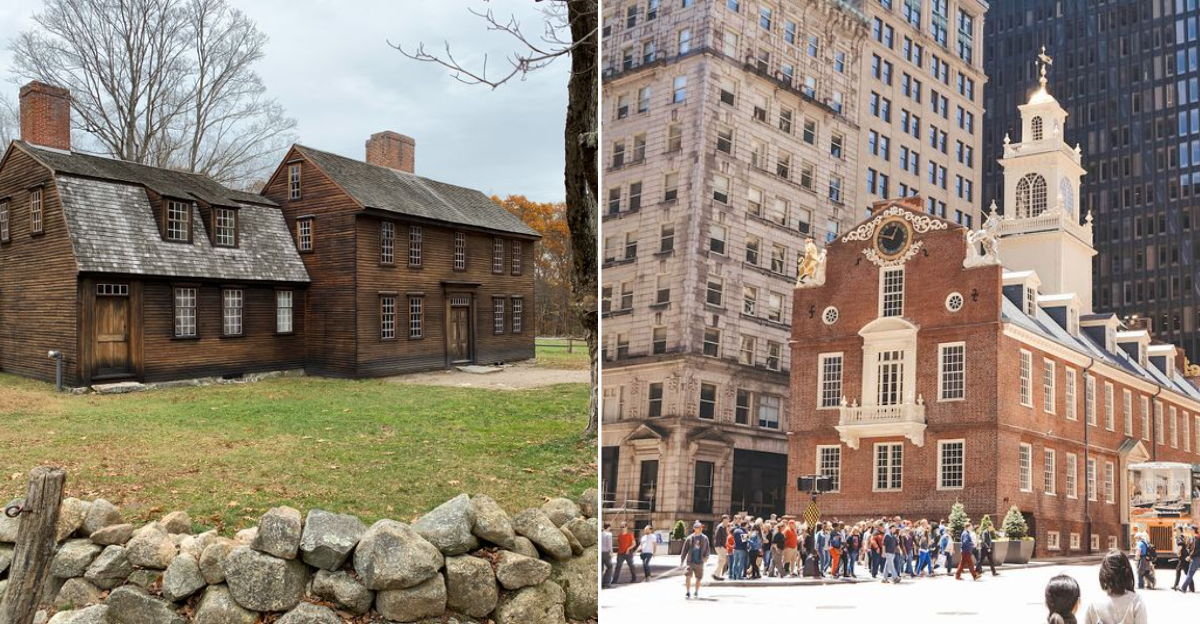
Massachusetts has a way of turning an ordinary stroll into something that stays with you. I’ve wandered through harbor towns where old brick warehouses still smell faintly of salt, and through greens where the air feels heavier because history actually happened there.
In some places, you can hear church bells blend with the sound of passing cars, a reminder that these cities aren’t preserved under glass; people still live, work, and argue over coffee in them.
Museums sit a block from centuries-old homes, and waterfront paths slip between past and present without announcing the shift. If you’re drawn to places where stories linger in the streets themselves, these ten historic Massachusetts cities are worth exploring at your own steady pace.
1. Salem, Massachusetts
Start at Derby Wharf, where gulls cut the wind and the lighthouse blinks across Salem Harbor. The compact streets of the North Shore city are easy to walk, with clapboard houses and Federal facades catching the coastal light. Festivals bring costumes, but the everyday rhythm is neighbors chatting under salt-stained shingles.
At the Salem Maritime National Historic Site, tall ship Friendship of Salem and brick counting houses ground the maritime story. The city’s legacy includes 1692 witch trials, later examined through court records and exhibits. Architecture from the China Trade era adds another layer.
Wear comfortable shoes. Follow the red-lined Heritage Trail between museums, waterfront, and the McIntire Historic District. Weekdays outside October feel calmer and make sites easier to explore.
2. Plymouth, Massachusetts
The town green meets a working waterfront where fishing boats bump gently at their lines. Families wander to the jetty for views across Plymouth Harbor, then circle back along Leyden Street to read old plaques. The South Shore air tastes briny and clean.
Stand by Plymouth Rock, then climb Cole’s Hill to the National Monument to the Forefathers for granite allegory. Nearby, Plimoth Patuxet Museums interpret Wampanoag and 17th-century English life with living history. Burial Hill holds centuries of carved slate.
Time your visit for shoulder season, spring or late fall, when school groups thin out. Use the waterfront walkway to link sites, and leave time for the Mayflower II replica at State Pier.
3. Lexington And Concord, Massachusetts
Feet on packed dirt, I follow the Battle Road Trail where grasshoppers skitter and stone walls seam the fields. The towns feel quietly residential, with white-steepled greens and soft bell notes carrying on the breeze. Picnics happen under maples while cyclists drift past.
North Bridge in Concord and Lexington Battle Green mark the first day of the American Revolution. The Minute Man National Historical Park ties skirmish sites and restored taverns to April 19, 1775. Literary history threads nearby at The Old Manse and Orchard House.
Park at a visitor center and use the shuttle or trails between sites. Arrive early on Patriots’ Day weekend or visit midweek for space on bridges and paths.
4. Lowell, Massachusetts
The first sound is water, pushing through a weave of canals that once drove clattering looms. Red brick mill blocks frame wide streets, and smokestacks edge the Merrimack River. Murals and worker rowhouses add color and rhythm to this Merrimack Valley city.
Lowell National Historical Park preserves Boott Cotton Mills, with a power loom room that hums during demonstrations. Exhibits unpack industrialization, immigration, and labor. Trolleys and restored boardinghouses complete the picture.
Start at the Visitor Center on Market Street, grab a canal boat or trolley schedule, then loop the Riverwalk. Summer offers tours on the water, while winter brings quieter galleries and easy museum access.
5. New Bedford, Massachusetts
The harbor smells of salt and diesel as gulls wheel over scallop boats. Downtown cobbles make a pleasing clink underfoot, and granite curbs frame Greek Revival facades. The South Coast light is broad and reflective.
The New Bedford Whaling National Historical Park links the Seamen’s Bethel, whaling-era counting houses, and the Whaling Museum’s soaring Lagoda model. Herman Melville shipped out from here, and the city’s fortunes rose on whale oil before shifting to textiles and fishing.
Pick up a map at the park visitor center, then walk the compact historic district. Plan extra time for the museum’s upper decks and rooftop views, and stroll the working piers in late afternoon.
6. Gloucester, Massachusetts
I hear halyards tapping against masts, a steady metal chime over the inner harbor. The fishing fleet sits close to town, and artists lean easels against weathered railings. Cape Ann’s granite ledges glow at low tide.
The Gloucester Fishermen’s Memorial watches the boulevard, honoring those lost at sea. Maritime Gloucester and Rocky Neck Art Colony tell the story of a port that supplied schooners and painters. The city traces fishing back to the 17th century and beyond.
Walk the Harborwalk, then detour to Stage Fort Park for views. Summer brings crowds, so shoulder seasons and weekday mornings make parking and pier exploring simpler.
7. Springfield, Massachusetts
The Quadrangle’s lawns are quiet, punctuated by a bell tower and bronze figures. Streets spread into neighborhoods of Victorian houses and wide river flats along the Connecticut River. The city feels spacious, practical, and slightly bookish.
History gathers at the Springfield Armory National Historic Site, birthplace of interchangeable parts in U.S. arms manufacture. Nearby museums include artifacts from regional art and the Dr. Seuss National Memorial Sculpture Garden. Rail and river shaped the city’s growth.
Base at the Quadrangle for museum-hopping, then ride or walk to the Armory up State Street. Weekends suit families, while weekday afternoons are calmer for galleries and the long firearms collection.
8. Newburyport, Massachusetts
A bell rings from a steeple as the tide slides up the Merrimack. Brick sidewalks meet ship chandlery storefronts, and the waterfront boardwalk carries cool river air. The North Shore center feels trim and nautical.
Custom House Maritime Museum anchors the port’s shipbuilding and clipper legacy. Federal-style houses and Market Square recall prosperity and rebuilding after the 1811 fire. The maritime economy shifted, leaving a preserved downtown with river trade memories.
Park once and walk the compact core, linking the boardwalk, High Street, and the museum. Summer evenings are lively, while fall foliage along High Street makes a handsome walking route.
9. Boston, Massachusetts
I catch the clink of a bell outside King’s Chapel and follow brick underfoot along the Freedom Trail. Skyscrapers flicker above old churches, and the harbor air threads into downtown canyons. The city’s pace is quick, but corners slow down near courtyards and burying grounds.
The Freedom Trail links Faneuil Hall, Old South Meeting House, the Old State House, Paul Revere House, and the USS Constitution in Charlestown. These sites chart protest, debate, and war that shaped a nation. Neighborhoods layer in immigration, industry, and learning.
Start at Boston Common Visitor Information Center, grab a map, and ride the T between clusters. Early mornings and winter light make quiet visits and easy photos.
10. Provincetown, Massachusetts
The wind whistles over sand flats and carries a tang of marsh and pine. Narrow streets tilt toward the harbor, and weathered shingles catch sharp Cape Cod light at day’s end. Fishing gear stacks beside galleries, a working edge under the art.
Pilgrim Monument and Provincetown Museum recount the Mayflower’s 1620 anchorage and the Mayflower Compact signed in the harbor. Lifesaving Service history surfaces at Race Point and Old Harbor Life-Saving Station. The town evolved with fishing, arts, and seafaring.
Walk Commercial Street, then bike the Province Lands Trail for dunes and ocean views. Summer is busy, so early morning rides or late September visits bring quieter paths and cooler air.