
This Colorado College Is Turning Heads For Its Top-Ranked Small-School Experience And Affordable Education
Students here take just one class at a time. One.
For three and a half weeks, that single subject is the whole show.
Then comes a five-day break that starts Wednesday at noon. I can’t imagine a better reward for finishing a tough class than a long weekend near the mountains.
This school sits right at the foot of Pikes Peak in Colorado. Classes average around 16 students, and professors teach only one course at a time too.
I like how that setup puts real attention on every student.
The price tag might look scary at first. Yet generous aid brings the real cost down for many families, sometimes by a lot.
So how does a small campus pull off something this bold?
One Class At A Time Sounds Wild Until You See How It Works
Colorado College runs on something called the Block Plan. Instead of juggling five classes, students focus on one course for 3.5 weeks, or 18 class days.
The school formally adopted this plan on October 27, 1969. That means it has been testing this idea for more than half a century, and it still works.
Each block packs a full semester of learning into that short window. Classes usually run from 9 a.m. to noon, so afternoons stay open.
Think about what that does to your brain. No switching from chemistry to history to Spanish in one day.
Professors follow the same rule and teach one class at a time. Their full attention lands on the same group of students for the whole block.
That focus builds closer relationships between students and teachers. Questions get answered faster, and nobody feels lost in a crowd.
Here’s a practical tip for anyone considering it. The pace is quick, so strong study habits matter from the very first day.
Still, many students find the deep focus freeing. You get to fully care about one subject before moving to the next adventure.
Your Professor Will Actually Know Your Name
Around 2,000 undergraduates study here. Compare that to giant state schools with tens of thousands of students, and the difference feels huge.
The student-to-faculty ratio is often listed as 9 to 1. That is tighter than many Ivy League schools, which is quite a flex for a campus in the Rockies.
Average class size sits at about 16 students. Official limits cap most classes at 25, though team-taught classes with two professors can reach 32.
So what does that mean for a regular student? Hiding in the back row becomes nearly impossible.
Small groups make discussions lively and personal. You speak up, share ideas, and hear real feedback instead of waiting weeks for a graded paper.
Shy students might worry about that at first. Many end up gaining confidence because the setting feels friendly and manageable.
The acceptance rate was approximately 26 percent for the fall 2026 entering class, so admission remains competitive. A strong application should show curiosity, not just good grades.
Once you arrive, the small size works in your favor. Professors notice your growth, and that can help later with recommendations and research chances.
Class Could Mean A Mountain, A Reef, Or Paris
A geology class might spend days studying rocks in the Rocky Mountains. That beats staring at pictures in a textbook by a long shot.
Because each block covers one course, classes can pack up and travel. Nobody has to skip a different class to make the trip happen.
The college shares examples like coral biology work in the Caribbean. There are also French philosophy studies right in Paris.
Imagine reading about famous thinkers, then walking the same streets they once walked. Learning starts to feel real, not just something to memorize.
Hands-on work like this helps ideas stick. You remember the cliff you climbed to see rock layers far longer than a slideshow.
The Block Plan gives classes this flexibility to take studies outside the classroom. It is one of the biggest perks of the whole system.
If you love adventure, ask about field courses early. Planning ahead helps you find the trips that match your interests and goals.
Of course, not every class leaves campus. Yet knowing the option exists makes each new block feel a little like opening a mystery box.
The Sticker Price Is Not The Whole Story
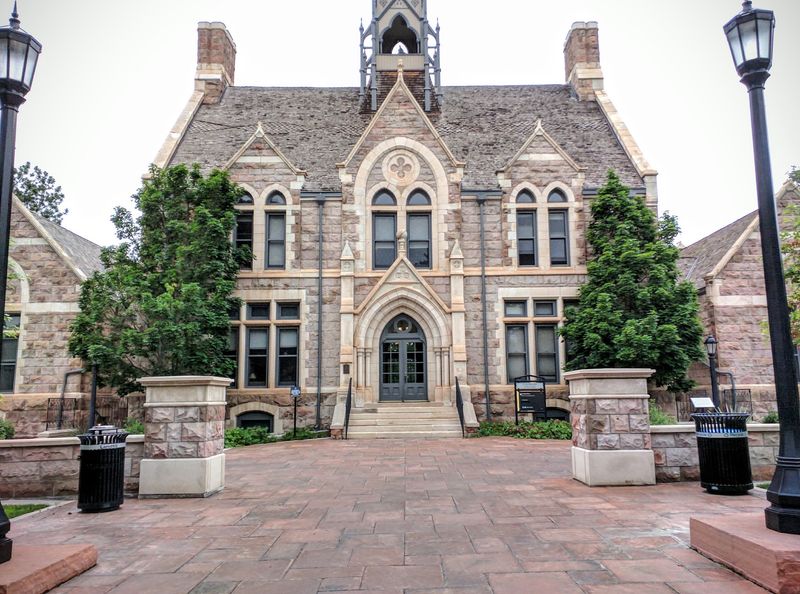
Big numbers on a college website can make families gulp. At Colorado College, though, the posted price often shrinks after aid.
Colorado College reports that the average annual financial aid package for first-year students is about $58,000. Roughly half of all students receive some kind of financial help.
Net price, the cost after aid, depends heavily on family income. Families earning under 30,000 dollars pay far less than those earning over 110,000 dollars.
That gap matters a lot. A lower-income family might pay a small fraction of what the sticker suggests.
So how does the school afford it? Colorado College has an endowment of over one billion dollars, which helps support its yearly budget.
Spread across a small student body, that endowment stretches impressively far. It works out to more than half a million dollars per student.
Some students still feel scholarships are hard to find. That’s why using the school’s net price calculator early is a smart move.
Fill out financial aid forms on time and ask questions. A quick call to the aid office could change your whole college plan.
Four And A Half Days Off Every Block Is A Real Thing Here
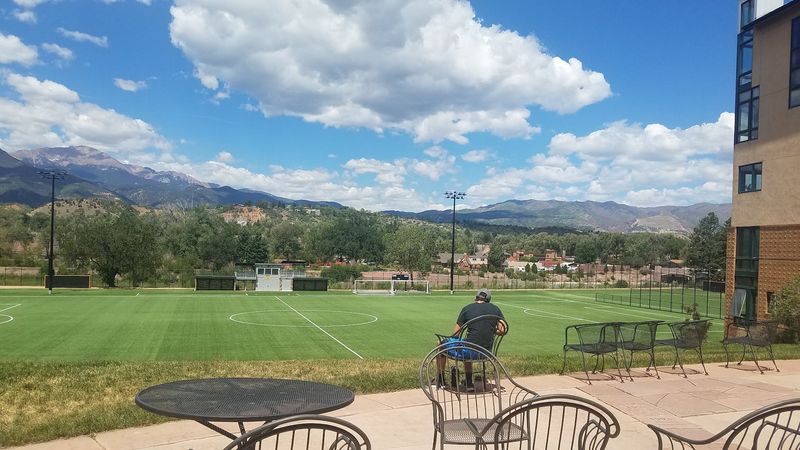
Wednesday at noon hits differently on this campus. That is when the five-day block break kicks off after each course ends.
The break runs from Wednesday noon until the following Monday, giving students four and a half days off. It gives students time to rest, recharge, and maybe chase a little adventure.
Colorado Springs makes that easy. Ski resorts and national parks sit within reach for day trips and weekend escapes.
Some students head for the slopes. Others catch up on sleep, visit family, or explore the nearby city.
The Outdoor Education program helps a lot here. It offers over 200 student-led trips every year for different skill levels.
Activities include rock climbing, kayaking, snowshoeing, fly fishing, and backcountry backpacking. Beginners are welcome, so no one needs to be a pro already.
The Outdoor Education Center even has a Gear House and a Bike and Ski Co-op. There’s also the Ritt Kellogg Climbing Gym for practicing on campus.
My advice? Treat block breaks as part of the learning, not just time off.
Fresh air and new places can reset your mind before the next intense class begins.
Pikes Peak Makes A Pretty Great Backyard
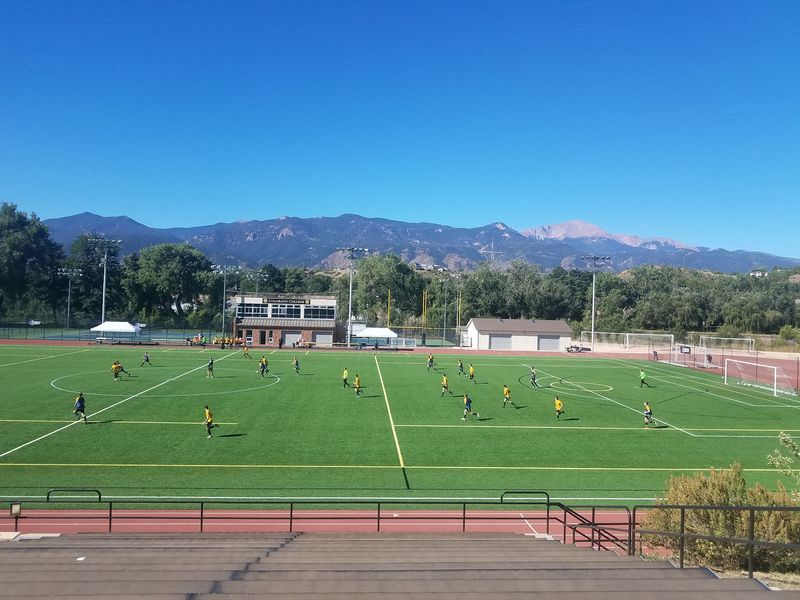
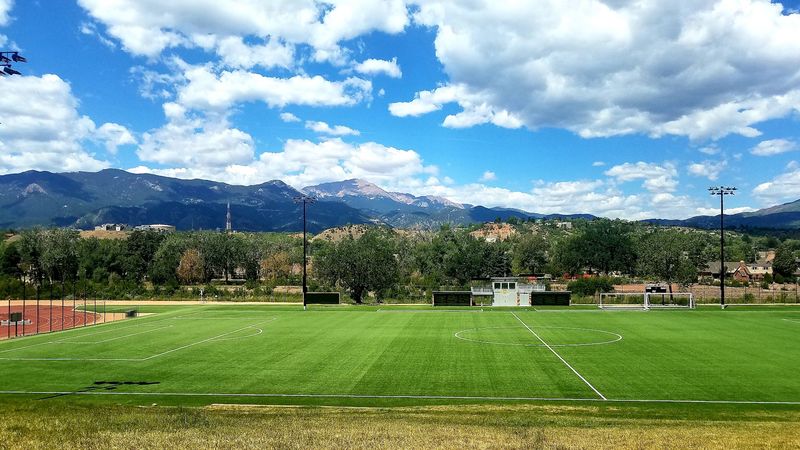
Few schools can claim a famous mountain as their view. Here, Pikes Peak rises right above the rooftops.
You’ll find the campus at 14 E Cache la Poudre St, Colorado Springs, CO 80903. It sits just three blocks from downtown, so city life stays close.
The area enjoys around 300 days of sunshine each year. That’s a lot of bright mornings for walking to a 9 a.m. class.
Downtown offers shops, food, and events within an easy walk. Students get mountain views and city energy in one neat package.
Denver and Boulder are also reachable for bigger city trips. That gives Colorado College students plenty of cultural options beyond campus.
Nature and city together can be a rare combo. Many campuses offer one or the other, but not both this closely.
Families visiting for tours should bring sunglasses and a light jacket. Colorado weather can change quickly, even on sunny days.
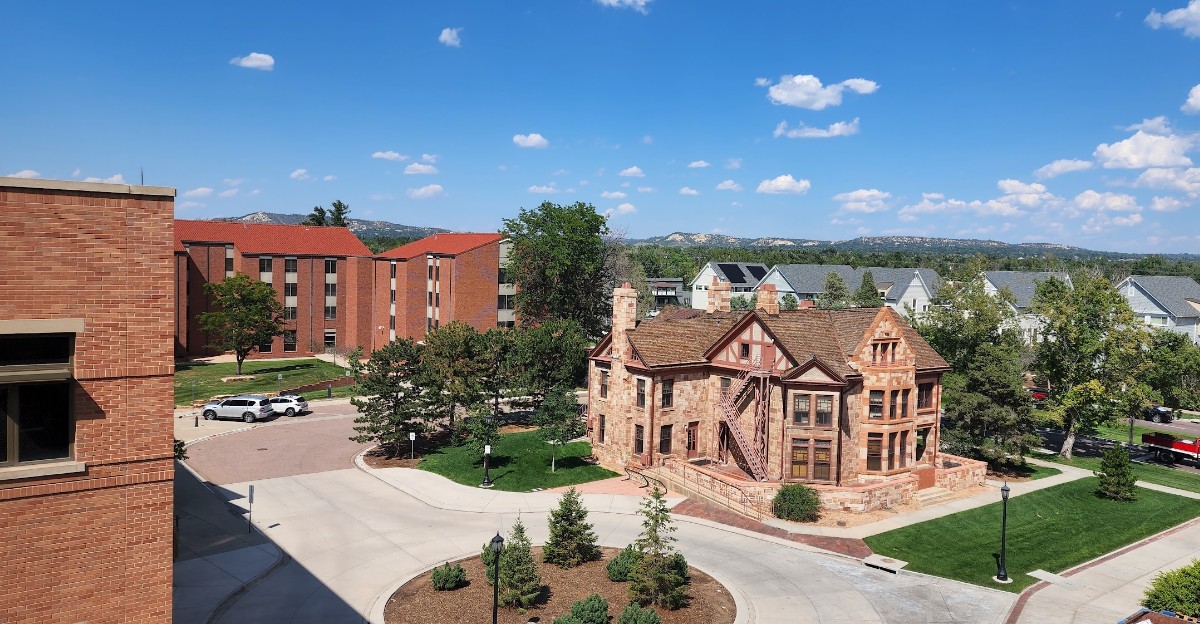
Take time to stroll the grounds during your visit. The mix of historic buildings, open green space, and mountain scenery helps you picture daily life there.
Red Sandstone And Big-Name Buildings Fill The Campus
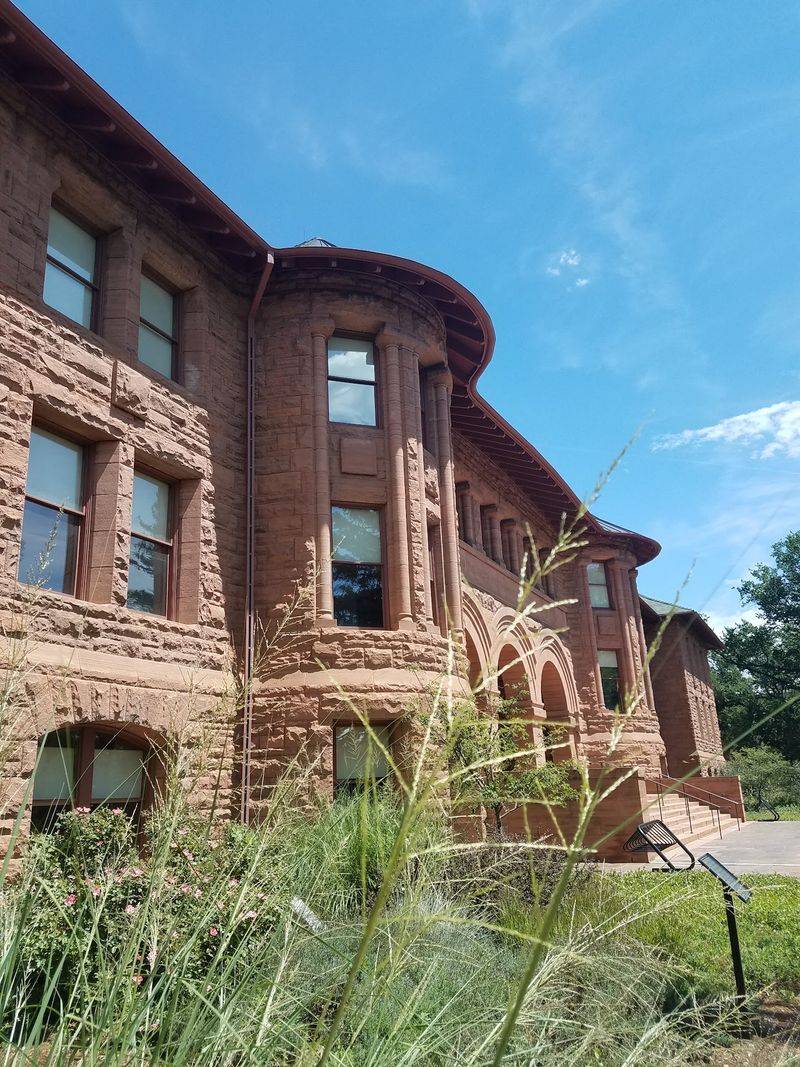
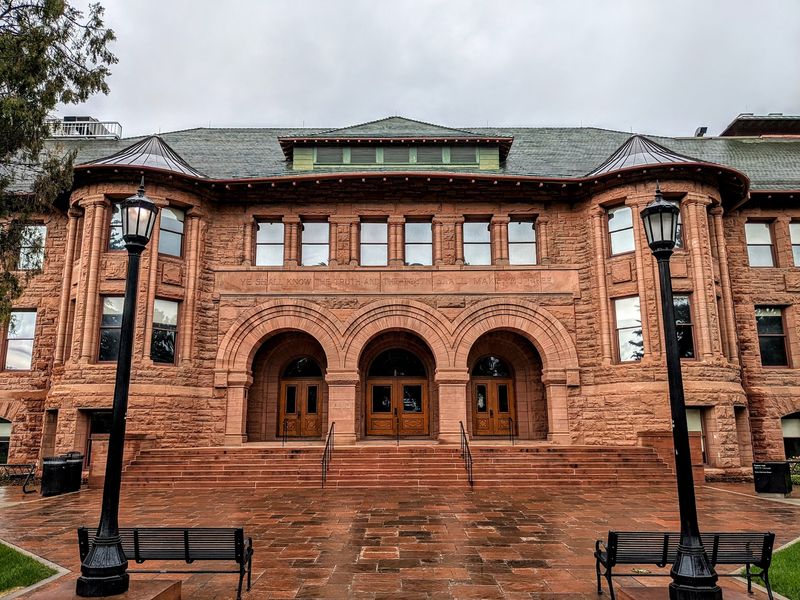
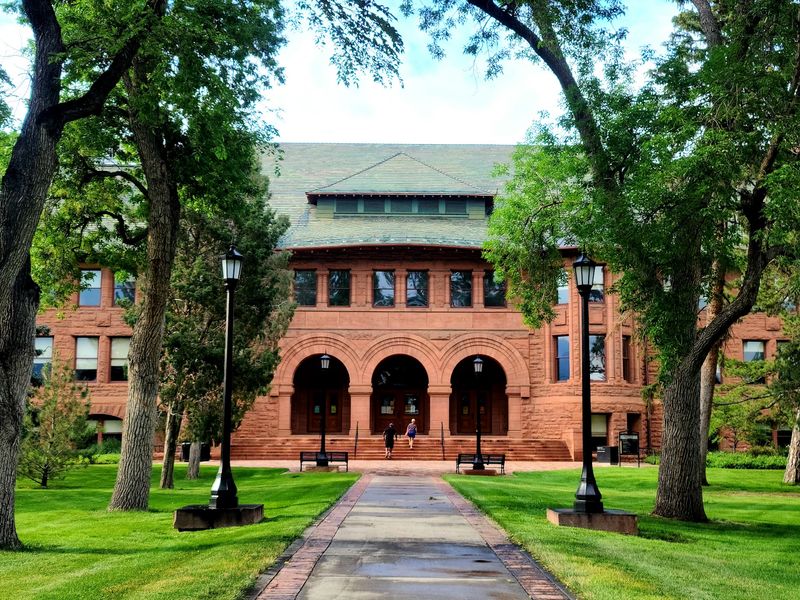
McGregor Hall stands out for its local red sandstone. The stone gives the building a warm, earthy color that fits the Colorado setting.
Plenty of other notable spaces fill the grounds. Tutt Library, Armstrong Hall, and Boettcher Health Center all serve students in different ways.
Arts lovers can head to the Edith Kinney Gaylord Cornerstone Arts Center. It gives creative students a dedicated home for their work.
Sports fans have Ed Robson Arena, home to the hockey team. The school also offers a fitness center to help students stay active.
Food matters too, of course. Campus dining ranges from traditional all-you-can-eat spots to sushi and an all-natural cafe.
That variety helps when a tough block has you craving comfort food. Or maybe something lighter after a long study session.
Students generally must live on campus for their first three years, while seniors can choose to live off campus. Seniors are generally free to live off campus, while younger students can qualify for exceptions to the three-year residency requirement.
Living close to classmates builds friendships fast. You’re never far from a study partner, a meal buddy, or a weekend hiking crew.
Hockey Fans Get Division I Action On A Small Campus
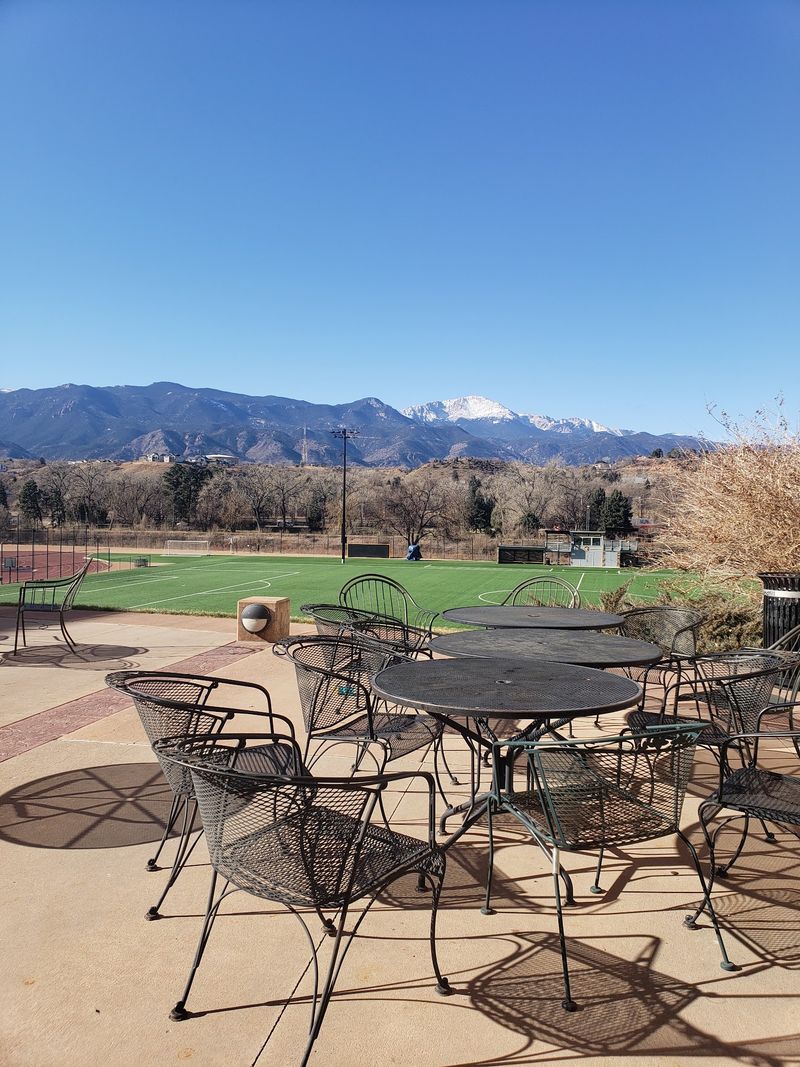
Small school, big games. Men’s hockey and women’s soccer compete at the NCAA Division I level here.
Most other Colorado College teams play in Division III. That mix gives students a chance to cheer for top-level programs while enjoying a cozy campus.
Hockey games happen at Ed Robson Arena. Having a home rink on campus makes it easy to catch a game with friends.
Not every student plays varsity sports, and that’s fine. Club sports and intramurals offer fun ways to stay active without the pressure.
Student organizations cover a wide range of interests too. From clubs to activities, there’s plenty to fill those open afternoons.
Greek life here is described as low-key. So social life tends to center on clubs, teams, and outdoor plans instead.
Want a tip for new students? Try a club or intramural during your first block.
It’s one of the quickest ways to meet people beyond your class.
Since classes end around noon, afternoons are perfect for practice or meetings. That rhythm leaves room for both serious study and real fun.
A 150-Year Story That Started Ahead Of Its Time
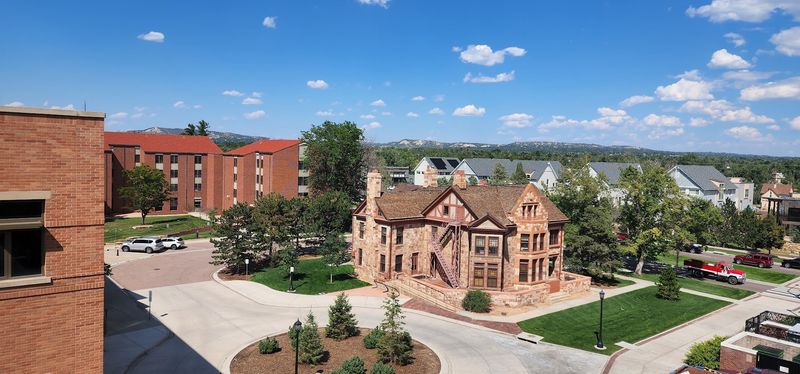
Back in 1874, letting men and women study together was unusual. Colorado College did it from day one.
The first classes met on May 6, 1874. Thomas Nelson Haskell founded the school, with ties to General William Palmer, founder of Colorado Springs.
That early choice to be coeducational shows a forward-thinking spirit. It’s a nice reminder that bold ideas run deep in this school’s roots.
In 2024, the college celebrated its 150th anniversary. A century and a half of teaching is quite a milestone for any school.
Fast forward, and the Block Plan continued that daring streak. Few colleges have tried something so different for so long.
Support programs help newcomers feel at home today. The First-Year Program, Bridge Scholars Program, and CC Elevate all help students settle into college life.
Those programs matter for first-generation students and anyone feeling nervous. A smooth start can shape the next four years.
History, innovation, and support all blend together here. For a Colorado school with a small student body, Colorado College sure knows how to make a big impression.