
This Colorado Ghost Resort Writes A New Chapter In The High Country
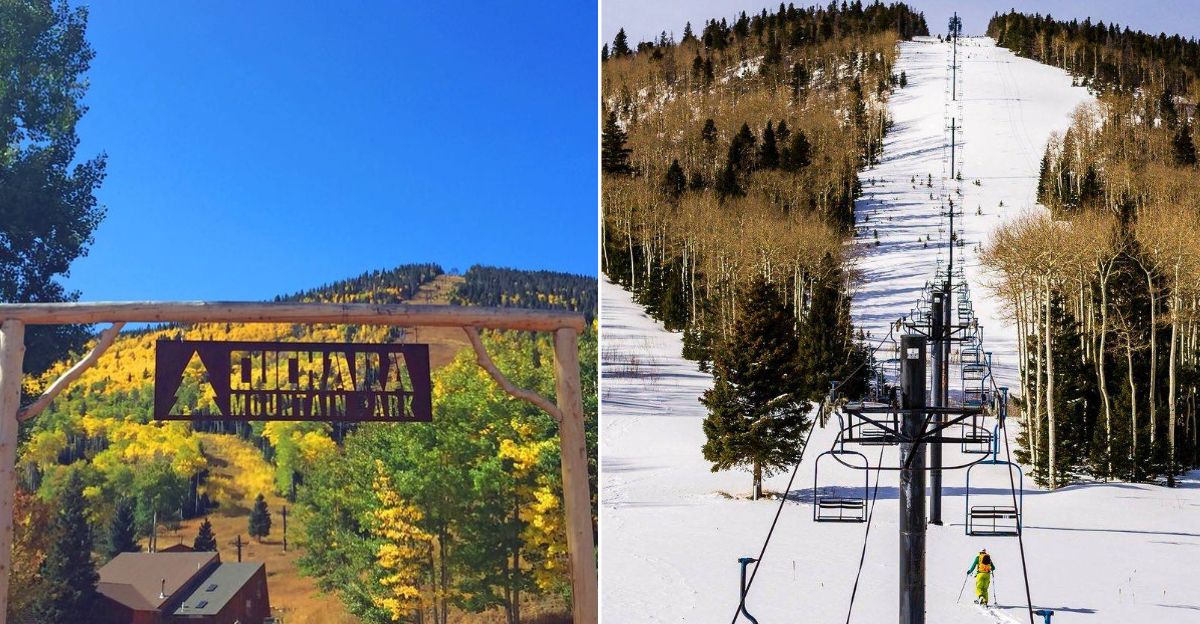
High in the Sangre de Cristo Mountains, Cuchara Mountain Park is finding new life. Once a shuttered ski resort, the slopes now welcome skiers, sledders, hikers, and bikers under county care and local devotion.
The place feels raw and scrappy, but that’s its charm, you’ll see snowcats hauling skiers to untouched runs in winter, then return in summer for trails, disc golf, and mountain air that feels endless. I wandered up one morning and watched families and locals carve out their own rhythms on the hill, grateful to see it thriving again.
What struck me most is how Cuchara isn’t just reopening, it’s reshaping itself into a gathering ground where the mountain belongs to everyone.
Old Ski Hill, New County Park
Grassy runs and weathered lift towers still mark the slopes, telling the story of a mountain once bustling with skiers. The place holds echoes of the past.
After years of closure, Huerfano County reopened the base as Cuchara Mountain Park in 2017, reclaiming about 50 acres for public use. Community support has been its backbone.
The vibe is half nostalgia, half possibility. Walking through the base, you feel how the mountain has shifted from private resort to shared ground.
Nonprofit Panadero Leads Revival
Instead of a corporation steering the future, locals formed the Panadero Ski Corporation to oversee operations. Their mission is access, not exclusivity.
They signed a 40-year agreement with the county, ensuring steady stewardship. Grants, donations, and volunteer hours now keep projects alive.
Visitors can join volunteer workdays. It’s a different experience, carrying a tool instead of a ski pole, but being part of the rebuild makes the mountain feel personal.
Snowcat-Assisted Turns On Select Days
The rumble of a snowcat breaks the stillness, carrying riders up terrain without lifts. The machine becomes both shuttle and stage for the day’s skiing.
Snowcat service fills the gap until Lift 4 reopens, letting the community carve turns while infrastructure slowly returns. It’s a creative solution in transition.
I actually loved the novelty. Riding uphill in a groomer and sliding down slopes built in the ’80s gave the whole day a renegade, adventurous spark.
Target: Re-Open Lift 4
Bright orange safety tape marks the area where Lift 4 once carried families uphill. Its silence feels temporary, like a stage waiting for lights.
The lift served beginner terrain during the resort’s heyday, and reopening it remains Panadero’s central goal. Certification and repairs are underway with fundraising still active.
Follow the park calendar. The announcement of Lift 4’s return will mark the shift from novelty park to functioning ski area, and locals won’t keep it quiet.
Sledding Hill And XC Loop
Laughter echoes from the tubing slope, sleds carving new tracks with every run. It’s less about speed, more about joy.
Next to it, a cross-country loop weaves quietly through the base, giving skiers an aerobic option without crowds. The dual setup ensures everyone finds a rhythm.
I spent an afternoon here, sliding until my legs ached. It reminded me that mountain play doesn’t always need vertical drops, it’s enough to feel carefree again.
Summer Hikes, Disc Golf, Bike Skills
When the snow melts, the mountain doesn’t sleep. Hiking trails emerge, disc golf baskets dot the hillside, and bikers practice on skill features.
This pivot keeps the park alive year-round. Repurposed ski runs make natural fairways, while access roads transform into loop trails. Events in summer bring steady traffic.
You should bring variety gear. You can hike in the morning and throw discs in the afternoon without moving your car, giving the park a festival-like flexibility.
About 50 Acres At The Base
The footprint isn’t sprawling, but the compact scale feels approachable. Roughly 50 acres anchor the park, centered around the old base lodge and beginner terrain.
This acreage allows room for tubing, cross-country skiing, and events while keeping maintenance realistic for a small nonprofit. It’s the manageable heart of the revival.
Think of it as a hub, not a destination resort. What happens on these 50 acres powers the bigger vision for the mountain’s future.
Free Entry Most Days
Visitors are often surprised to learn there’s no gate fee. Walking up with sleds, skis, or just boots feels easy and welcoming.
The county’s choice to keep entry free matches the park’s community-first approach. Costs stay low thanks to grants, donations, and volunteer support.
The openness struck me. After years of skiing places where every detail had a price tag, stepping onto snow without paying felt refreshing in more ways than one.
Near La Veta Pass
From Highway 12, the road climbs toward La Veta Pass, winding through forests before revealing the old resort base. The drive is scenic in all seasons.
The park sits at about 9,000 feet, minutes from the pass itself. Its location makes it a convenient detour for travelers exploring the Highway of Legends.
Pair the visit with a drive over the pass in fall. The aspen colors plus the ghost-resort backdrop create a uniquely Colorado blend of scenery.
1980s Heyday, 2000 Closure, 2017 Rebirth
Old photos show crowded lift lines, neon ski suits, and a buzzing lodge during the 1980s. The resort thrived, drawing families and weekend warriors alike.
Financial trouble forced its closure in 2000, and for years the slopes grew wild until Huerfano County reopened the base in 2017. It became Cuchara Mountain Park.
The layered history makes each visit richer. You’re not just skiing or hiking, you’re walking into a story that’s still being written.
Grants And Donations Boost Operations
Signs near the lodge list donors and organizations that keep the park alive. Their presence shows just how dependent the project is on community support.
Funding comes from small grants, local fundraising drives, and individual gifts. Together, they keep equipment running, slopes groomed, and future projects within reach.
I admire that transparency. Seeing names and dollar amounts displayed openly made me realize this is more than a park, it’s a public trust shared by its visitors.
Simple Base, Limited Services
The base area feels stripped back: a modest lodge, parking on dirt, and portable restrooms. It’s mountain recreation without the trimmings.
That simplicity reflects the park’s budget and philosophy, put energy into terrain access, not luxury amenities. For many visitors, that’s part of the appeal.
Tip: pack snacks and water. There’s no food court or gear shop here, but the trade-off is affordability and a space that stays focused on play.
Small Town Mountain Vibe
La Veta sits just down the road, its main street lined with galleries, diners, and old storefronts. The town feels welcoming in a way that big resorts rarely do.
Visitors often combine a ski day with a meal or stroll through town. It’s not just an add-on, it’s part of the rhythm of the experience.
Stop for coffee or dinner locally. Supporting the town helps ensure the mountain’s revival remains tied to community, not just recreation.
A Model For Reviving Ski Hills
Across the U.S., shuttered ski areas dot the mountains, most left to rot. Cuchara shows another path.
The nonprofit model, free entry, and volunteer-driven upkeep make it stand out as a case study for small-scale sustainability. Other counties have taken note.
Think of your visit as casting a vote. By skiing, sledding, or donating, you reinforce the idea that even ghost resorts can thrive again, with the right mix of grit and heart.