
This Colorado Lake Looks Like A Spring Postcard Come To Life
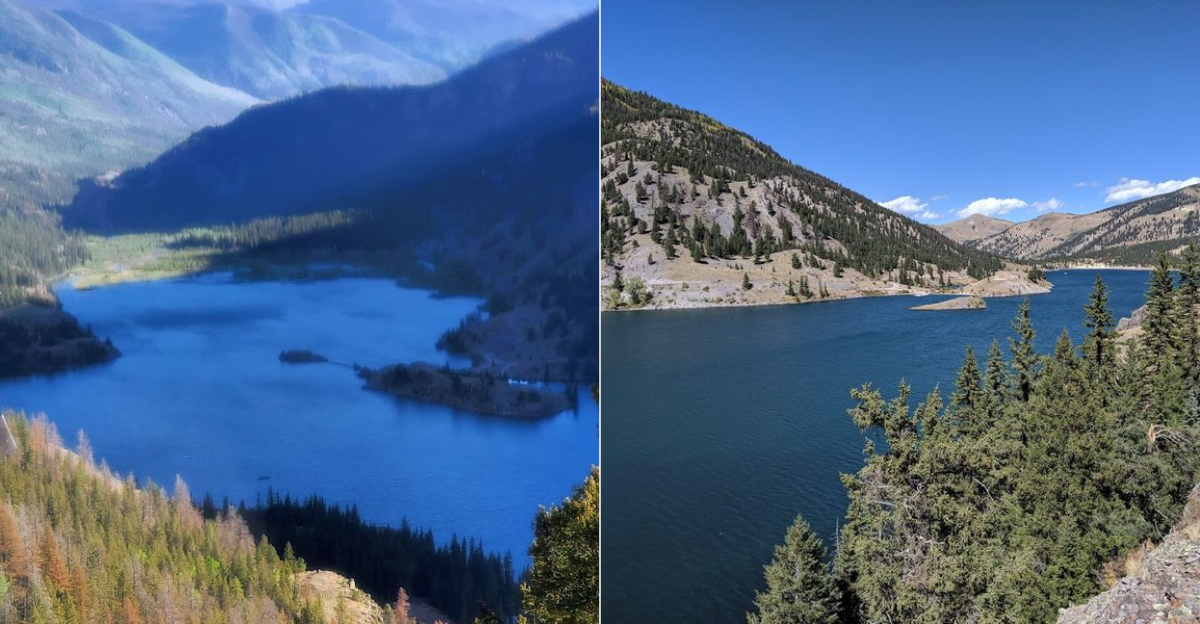
Some destinations do not need a flashy introduction or a dramatic sales pitch. They simply exist, looking so absurdly gorgeous that your only real option is to stop, stare, and immediately start planning the drive.
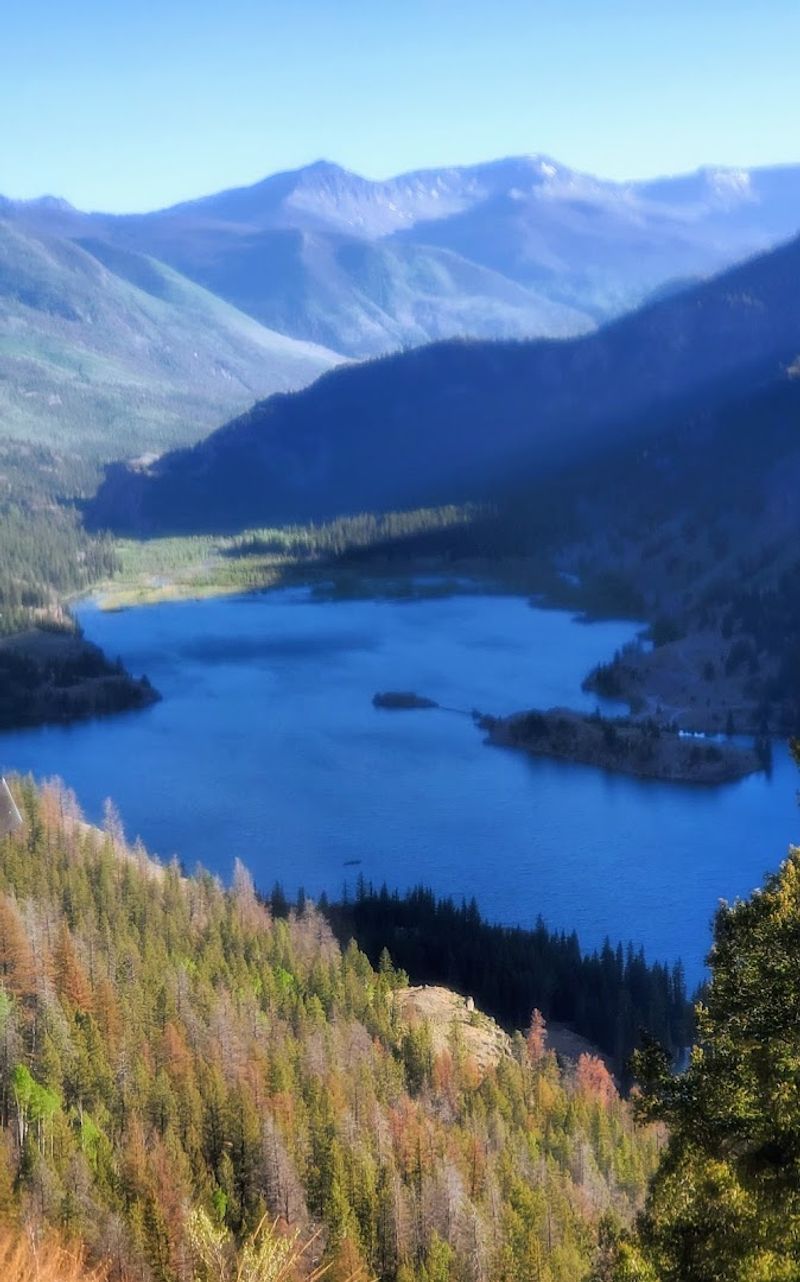
This alpine lake has that effect in a big way, with glassy water, towering scenery, and the kind of spring light that makes everything around it look freshly invented. Snow still lingers on the peaks, the air feels sharp and clean, and every angle somehow looks like it was arranged by a very overachieving postcard artist.
In Colorado, places like this have a way of making you forget whatever else was on the schedule, because once the view takes over, the day is no longer yours. It belongs to the mountains, the breeze, and that ridiculous blue water.
Bring a camera if you want, but do not be surprised when it fails to capture the scale of it. Colorado really does know how to make beauty feel gloriously unfair sometimes.
The Lake That Makes You Pull Over
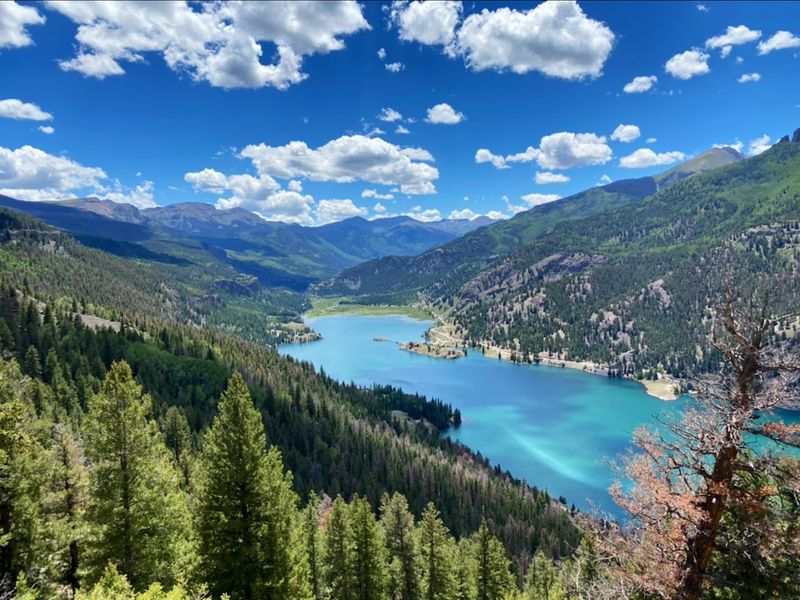
There is a specific kind of silence that greets you when you first lay eyes on this place from County Road 30. It is not the silence of emptiness.
It is the silence of everyone around you collectively forgetting what they were about to say. Colorado’s second largest natural lake spans roughly 342 acres, and in spring, when snowmelt feeds the water and the surrounding peaks are still dusted white, the whole scene carries a quality that feels almost theatrical.
The lake was formed thousands of years ago by the massive slumgullion landslide, one of the largest and most studied landslides in North America. That geological drama produced something unexpectedly serene.
The water sits calm and reflective on most mornings, mirroring the ridgelines above with an accuracy that makes you question which side is the real one.
Quick tip: Morning light hits the lake at an angle that turns the surface into something resembling hammered copper. If your camera is anywhere in the vehicle, retrieve it before you reach the shoreline.
You will not regret the extra thirty seconds.
This is the kind of view that earns its place on your phone’s lock screen without you even debating it.
Colorado’s Second-largest Natural Lake, And Why That Title Actually matters
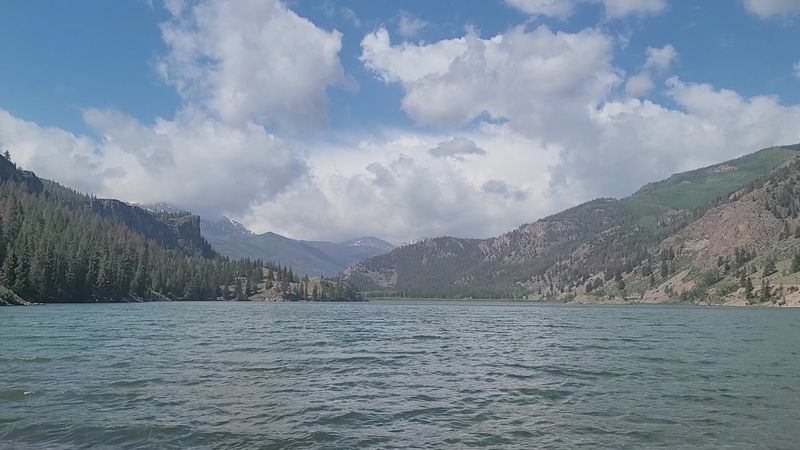
Rankings in nature can feel arbitrary until you are standing in front of the thing being ranked. Lake San Cristobal earns its title as Colorado’s second largest natural lake not through technicality but through sheer presence.
At roughly 342 acres and about a mile long, it commands the valley floor with the confidence of something that has been here far longer than the roads built to reach it.
What makes the designation meaningful is context. Colorado is not short on lakes.
The state has thousands, many of them spectacular. So landing in the top two among natural lakes is a statement.
The slumgullion landslide that dammed the Lake Fork of the Gunnison River created this body of water, and the result is a lake with unusual depth and clarity compared to many mountain reservoirs.
Why it matters: Natural lakes in the Colorado high country behave differently than man-made reservoirs. Water levels stay more consistent, the ecosystem around them matures over centuries, and the shoreline develops a lived-in, organic feel that no engineered project replicates.
For visitors, that translates to a place that feels complete rather than constructed, like a landscape that arrived fully formed and simply waited for you to show up.
Spring At 9,000 feet: What The Season Actually looks Like Here
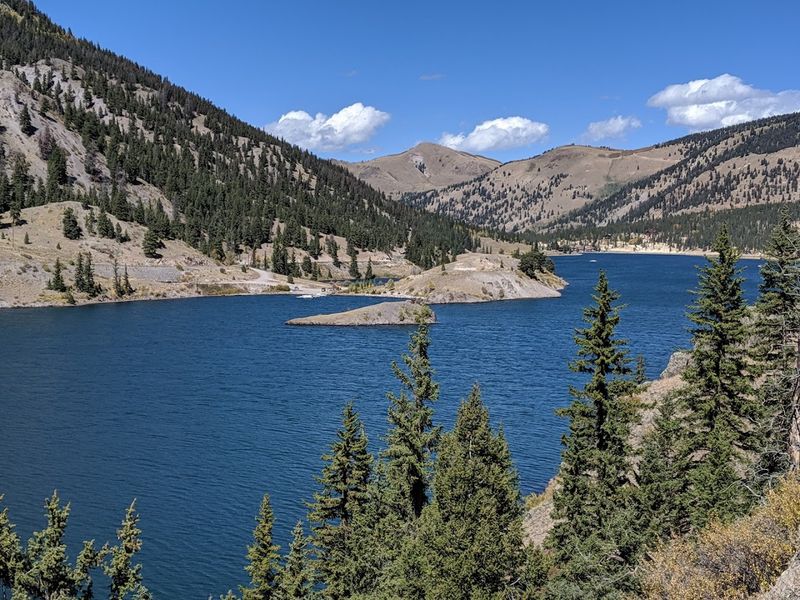
Spring at high elevation operates on its own schedule, and Lake San Cristobal has not received the memo about keeping pace with the calendar. While lower elevations are already deep into warm-weather routines, the lake and the surrounding San Juan Mountains are still negotiating the transition in April and May.
Snow lingers on the peaks. The air carries a sharpness that reminds you this is 9,000 feet, not a coastal boardwalk.
What emerges from that negotiation is something genuinely rare. The combination of snowmelt clarity in the water, fresh green growth along the shoreline, and white-capped ridgelines in the background creates a layered visual that no single season alone could produce.
Spring at this altitude is not one mood. It is three seasons happening simultaneously within a single view.
Best for: photographers, families with kids who appreciate dramatic landscapes without a long hike, and anyone who finds that peak-summer crowds dilute the experience of a beautiful place.
Pack layers regardless of the forecast. Mountain weather at this elevation changes with a speed that is almost comedic if you are dressed for it and genuinely inconvenient if you are not.
A light jacket stuffed in a bag has saved more afternoons than any weather app.
Lake City: The Small Town That Sets The Stage
Lake City sits about two miles north of the lake along the same county road, and it operates with the low-key confidence of a town that knows exactly what it is. With a population that barely clears 400 year-round, it qualifies as one of Colorado’s smallest incorporated towns.
The main street is short enough to walk end to end in about ten minutes, which means you will pass the same storefronts twice and feel entirely fine about it.
The town has a genuine Victorian-era character, with historic buildings that were not preserved for tourism purposes but simply survived because the pace of change here runs slower than most places. That is not nostalgia as a selling point.
It is just the observable reality of a mountain community that predates modern development patterns by a century and a half.
insider tip: After visiting the lake, a short stroll through Lake City’s main street provides the kind of small-town atmosphere that pairs well with the natural drama of the water. The two experiences balance each other in a way that neither could achieve alone.
consider it a palate cleanser between the grandeur of the landscape and the drive back. Small towns near spectacular scenery often get overlooked.
This one deserves a slower pace than most visitors give it.
The geological backstory That Makes This Lake Even More interesting
Most lakes come with a straightforward origin story: glacier, river, rain. Lake San Cristobal’s backstory involves a landslide so large it reshaped an entire valley.
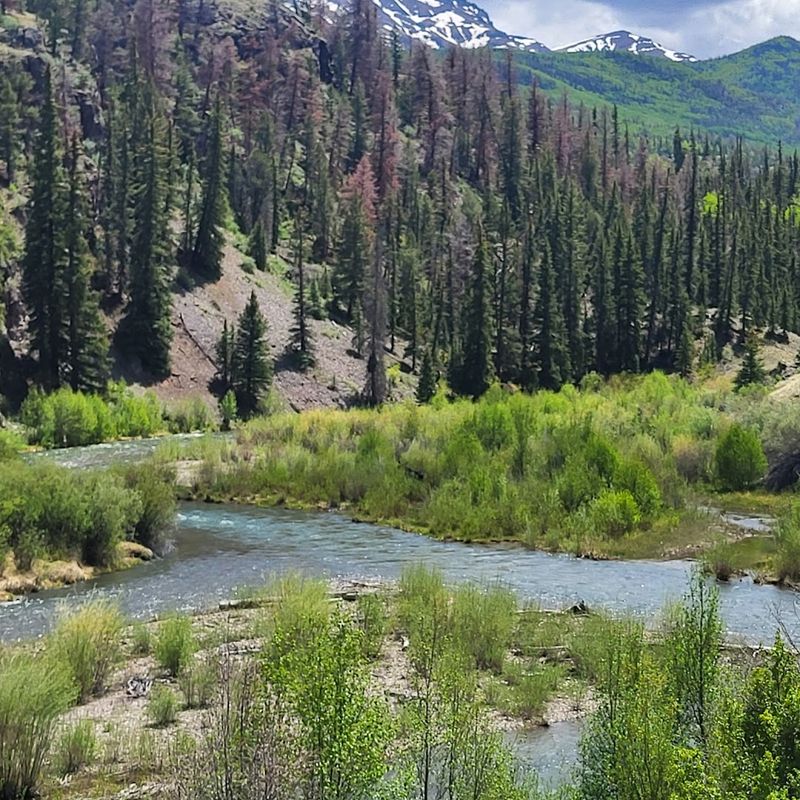
The slumgullion landslide, one of the most extensively studied in North America, dammed the Lake Fork of the Gunnison River and created the lake in the process. The original slide is estimated to have occurred somewhere around 700 years ago, though geologists continue to refine that timeline.
What makes this particularly interesting is that a younger portion of the slumgullion is still moving today, inching downslope at a measurable rate. You can observe evidence of the slide from the road, and interpretive signage along the route provides context without requiring a geology degree to follow along.
It is the kind of roadside education that sneaks up on you.
Fun fact: The name “slumgullion” is believed to derive from an old mining-era term for a muddy, watery mixture. Considering the slide’s composition and movement history, the name aged remarkably well.
For families with curious kids or adults who appreciate knowing why a place looks the way it does, this geological layer adds real depth to what could otherwise be a straightforward scenic stop. The lake is beautiful on its surface and fascinating underneath that surface simultaneously.
How Real People Actually Plan A Visit Here
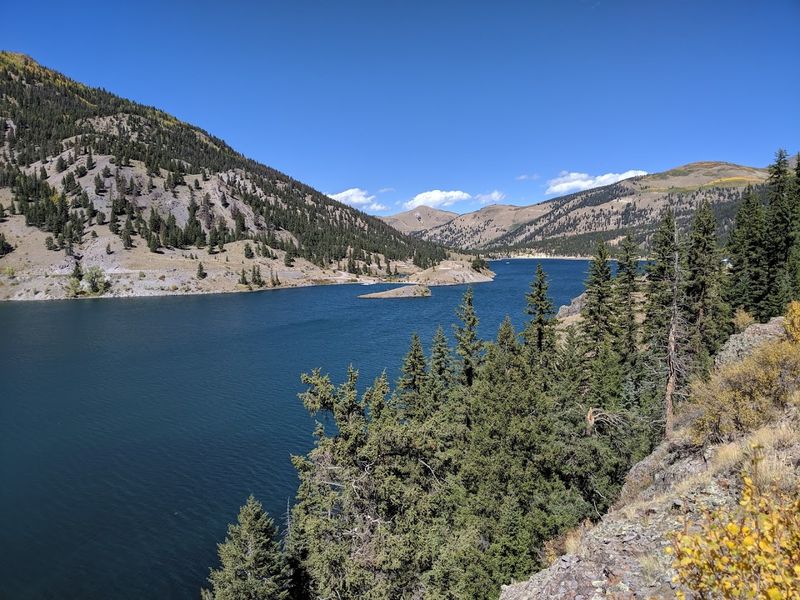
Lake San Cristobal is located along County Road 30, roughly two miles south of Lake City, Colorado. The road is paved and accessible to standard passenger vehicles, which removes one of the common friction points that keep people from reaching mountain destinations.
You do not need a truck, a high-clearance vehicle, or a printed map from 2003. You need a car and a general sense of direction.
The drive from Gunnison, the nearest larger town, runs approximately 55 miles and takes just over an hour. That positions the lake as a genuine day trip from a regional hub rather than a multi-day expedition. Couples, families, and solo travelers all make this drive regularly, and the road itself offers views that justify the trip before the lake even appears.
Planning advice: go on a weekday if the calendar allows. Spring weekends attract visitors who have done their homework, and the parking areas near the shoreline fill faster than the lake’s serene appearance suggests they would.
Pack a lunch. There is no concession stand waiting at the water’s edge, and that is genuinely part of the appeal.
The absence of commercial infrastructure keeps the atmosphere intact and reminds you that some of the best destinations still require you to bring your own provisions like a functioning adult.
Final verdict: Why This Lake deserves More Than A Drive-by
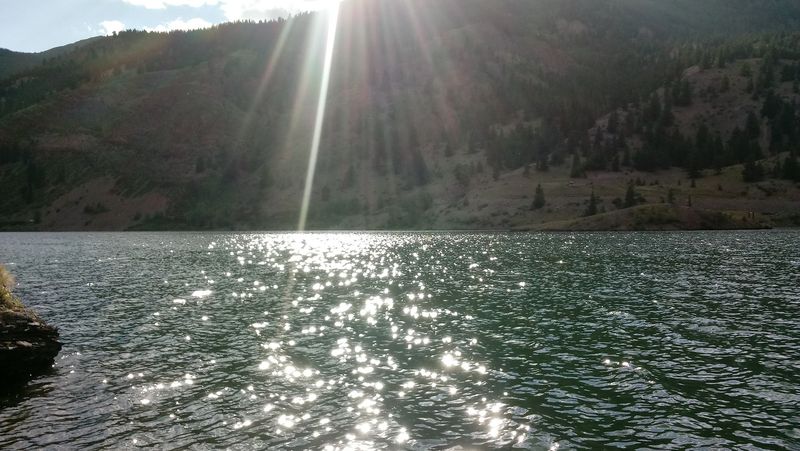
Lake San Cristobal is not trying to compete with the national parks. It does not have a visitor center with a gift shop or a branded water bottle sold at the entrance.
What it has is a geological origin story that could fill a documentary, a spring appearance that makes landscape photographers quietly rearrange their schedules, and an elevation that ensures the air feels genuinely different from the moment you step out of the car.
Colorado’s second largest natural lake sits in a valley that rewards the kind of visitor who shows up prepared to slow down rather than check a box. The lake does not rush.
The surrounding San Juan Mountains do not rush. The town of Lake City, two miles up the road, does not rush.
The entire corridor operates at a pace that feels corrective rather than inconvenient.
Key takeaways: bring layers, arrive before midday, take the short walk to the shoreline rather than viewing from the road, and allow more time than you think you need. The lake has a way of extending visits through no mechanism more complicated than being genuinely worth staying at.
A friend’s confident recommendation for this one would read simply: go before the summer crowds figure out what the spring visitors already know. The postcard version is real, and it is waiting along County Road 30.