
This Colorado Mine Tour Takes You Straight Into The Heart Of A Mountain
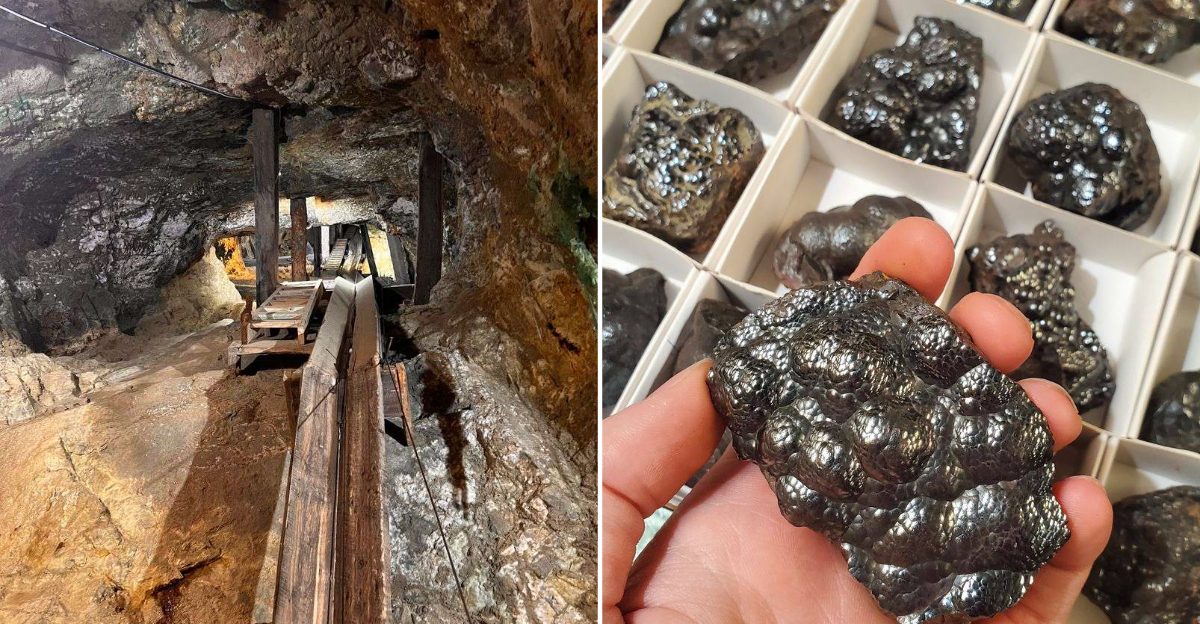
Riding a rickety elevator 1,000 feet straight down into solid rock sounds like something out of an adventure novel, but at Mollie Kathleen Gold Mine in Cripple Creek, Colorado, it happens every single day.
I still remember the first time I squeezed into that tight cage with eight other people, hearts pounding as we descended nearly 100 stories into complete darkness, unsure what waited below.
The mine at 9388 CO 67 has welcomed visitors since gold production ended, offering an unfiltered look at life underground.
Reading plaques or watching videos does not prepare you for standing in narrow tunnels where miners once chipped directly into real gold veins.
Every creak of the elevator, every drip of water echoing through the shafts, and every demonstration of century old equipment pulls history out of textbooks and into your body.
It is immersive, a little intimidating, and unforgettable.
Experiences like this reveal a raw side of Colorado that still feels thrillingly alive.
The Legendary Elevator Ride Down
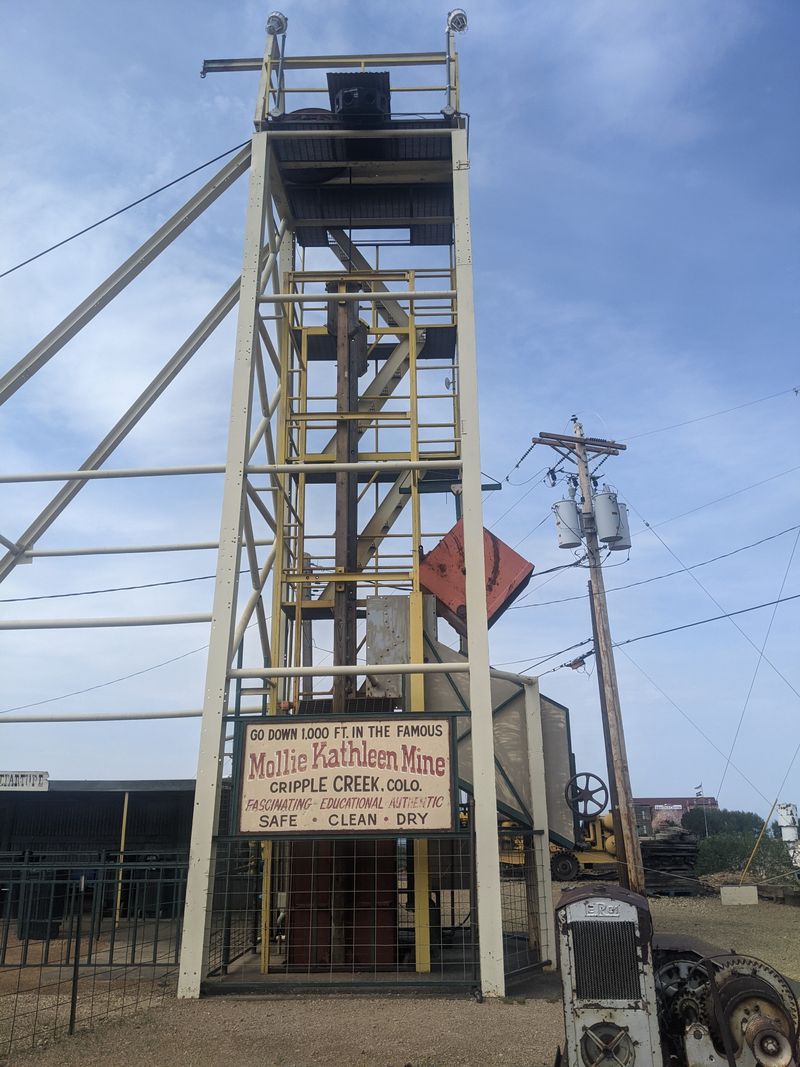
Squeezing into that nine-person elevator cage feels like boarding a time machine built by people who never heard of personal space. The metal framework groans as the door clangs shut, and then you’re dropping through absolute darkness for what feels like forever but is really just two minutes.
I won’t sugarcoat it because the reviews all mention the same thing: if tight spaces make you nervous, those 120 seconds will test you. Bodies press together like sardines while the cage rattles and rocks slightly, descending through 1,000 feet of solid rock with only the hum of machinery breaking the silence.
But here’s the thing that nobody tells you until afterward: that uncomfortable ride becomes the story you tell first when describing the whole experience. The elevator itself is a piece of working history, the same kind of lift that miners rode daily when this was an operational gold mine.
Knowing that real miners made this journey every single shift, often multiple times, adds weight to those two minutes of darkness.
By the time you reach the bottom and step out into the lit tunnels, your heart is racing and you feel genuinely connected to the mining experience in a way no museum display could ever replicate.
Walking in Actual Mining Tunnels
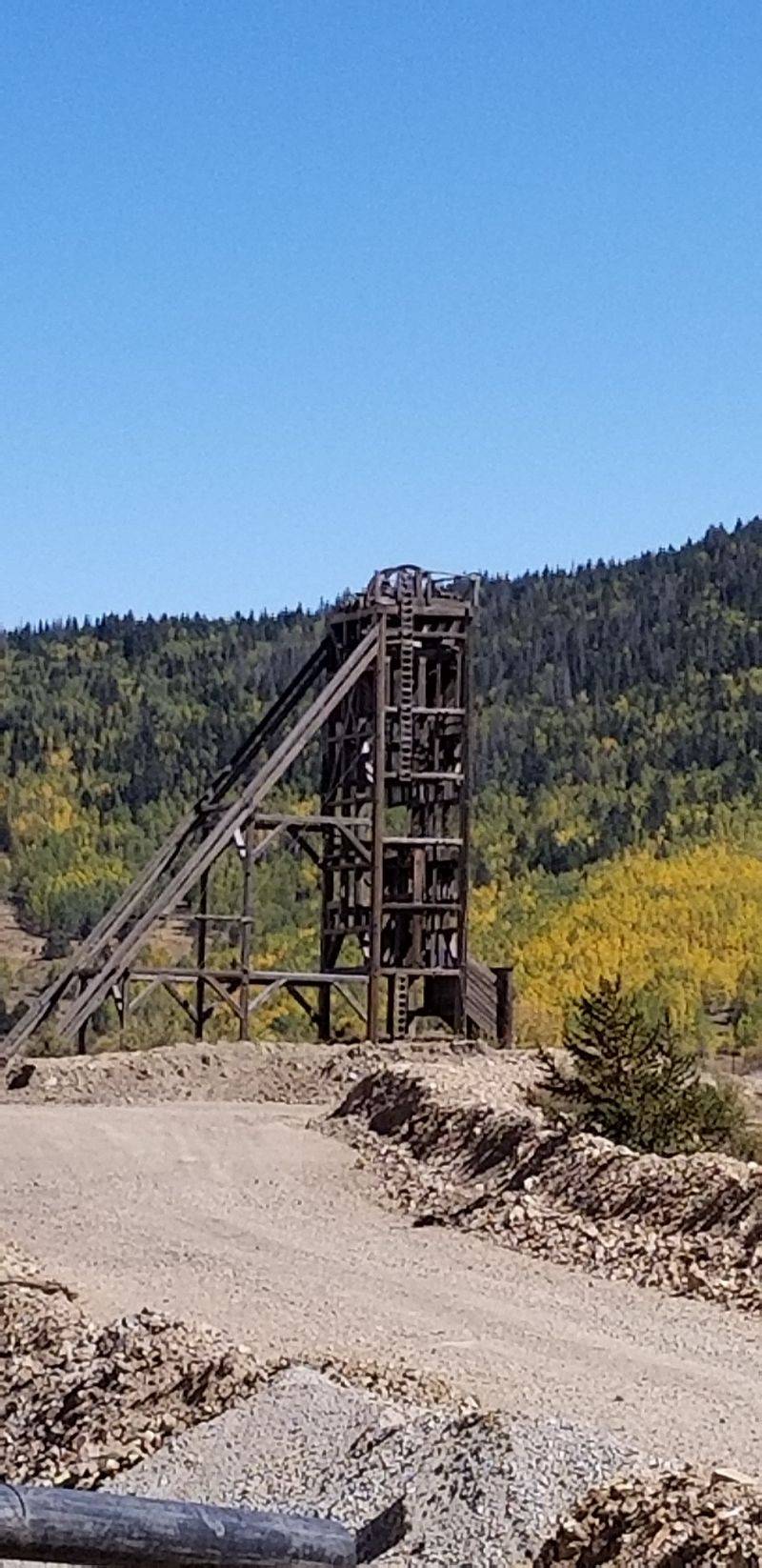
Stepping out of that elevator into tunnels carved by hand over a century ago hits different than any history lesson ever could. The air sits cool and still at exactly 50 degrees Fahrenheit, and suddenly all those warnings about bringing a jacket make perfect sense even if you’re visiting in summer.
These aren’t recreations or movie sets but actual passages where miners spent their working lives chipping away at rock. The walls still show tool marks from drilling equipment, and in several spots, you can see gold veins running through the stone exactly as they appeared to the original prospectors.
I remember pressing my hand against the cool rock and thinking about how many other hands had touched that same spot, how many dreams of striking it rich had echoed through these very tunnels.
The tour route takes you through different sections that showcase various mining techniques used over the decades.
Some areas feature wooden support beams that have held firm for generations, while others display more modern reinforcement methods.
Walking these passages feels like reading a book written in stone and timber, each section telling a different chapter of Colorado’s gold rush story that shaped the entire region’s development.
Live Equipment Demonstrations
Nothing prepared me for the earsplitting racket of a pneumatic drill firing up inside a confined tunnel. Your guide doesn’t just point at old equipment and recite facts; they actually fire up the machinery and let you experience the deafening reality of what miners endured every single shift.
The demonstrations cover mining technology spanning multiple generations, from hand-cranked drills to pneumatic hammers that shake your entire body when they roar to life. I watched our guide demonstrate how miners would position themselves against the rock face, bracing against the drill’s violent vibration for hours at a time.
The noise alone made me grateful for modern hearing protection, and it really drove home how physically brutal this work was before safety regulations existed. Each piece of equipment tells its own story about innovation and human endurance.
You’ll see how a single technological advancement could double productivity or cut injury rates, and you’ll understand why miners who worked with the earliest tools often ended up partially deaf.
These aren’t static museum pieces but working demonstrations that connect you viscerally to the mining experience, making the guides’ stories about their own mining careers or family histories feel immediate and real rather than distant and academic.
Guides Who Actually Worked the Mines
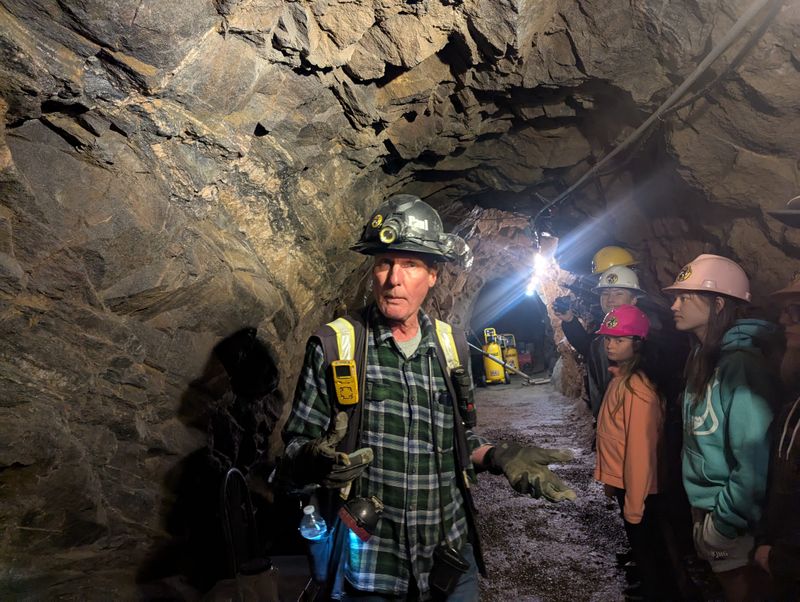
Our guide Mark had this matter-of-fact way of describing equipment that could easily crush you or tunnels that sometimes collapsed, probably because he’d actually worked in operational mines for years before becoming a tour guide.
That firsthand experience transforms what could be a dry history lecture into vivid storytelling that makes you lean in and listen.
These aren’t actors reading scripts but real miners sharing genuine knowledge earned through years spent underground. When they explain how to read rock formations or describe the feeling of hitting a promising vein, they’re drawing on personal memory rather than rehearsed facts.
I noticed how they’d pause at certain spots in the tunnel, pointing out details that only someone who’d worked these depths would recognize as significant. The guides clearly love what they do, cracking jokes to keep the energy up while weaving in serious information about mining’s dangers and rewards.
They answer technical questions with ease and share stories about the mining community that give you insight into a whole culture built around extracting precious metals from stubborn rock.
Their enthusiasm proves contagious, and by the end of the tour, you find yourself genuinely interested in topics like ore processing and shaft ventilation that seemed boring before you met someone who lived that life.
Gold Ore Veins in Natural State
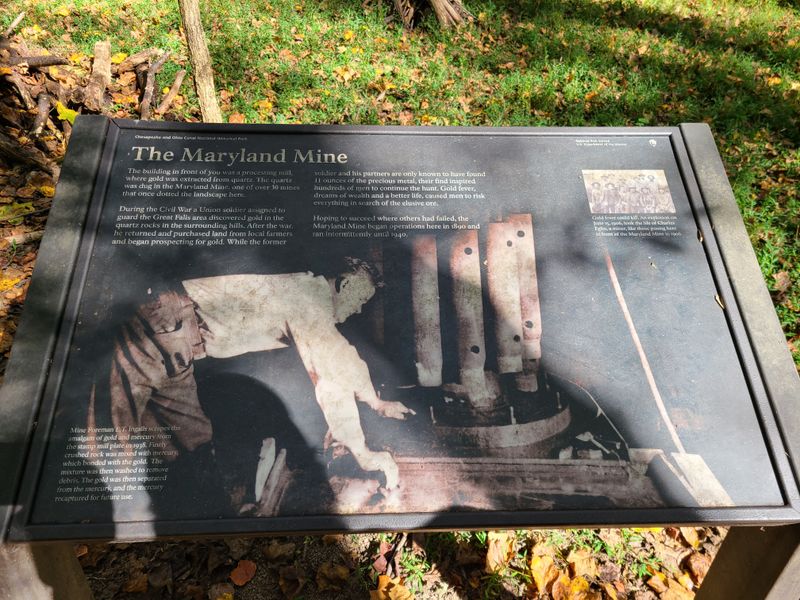
Seeing actual gold still embedded in the tunnel walls creates this weird tension between wanting to chip some out yourself and respecting that these veins represent protected history.
The ore doesn’t look like polished jewelry but appears as dull metallic streaks running through darker host rock, sometimes barely visible until your guide points it out with their flashlight.
The tour takes you past several spots where gold deposits remain in place, left there deliberately so visitors can see exactly what miners were searching for. I found myself staring at these veins, trying to imagine the rush of excitement a miner must have felt when their drill first broke through to reveal that telltale glitter.
The guides explain how to distinguish gold from fool’s gold and other minerals, teaching you to read rock the way prospectors did. What struck me most was realizing how much backbreaking work went into extracting relatively small amounts of precious metal.
The veins might look impressive, but processing the ore to separate usable gold from worthless rock required tremendous effort and industrial equipment.
Standing there looking at gold in its natural state, still imprisoned in stone, you gain serious respect for the determination and labor that built Colorado’s mining economy one tunnel at a time.
Underground Tram Ride Through Shafts
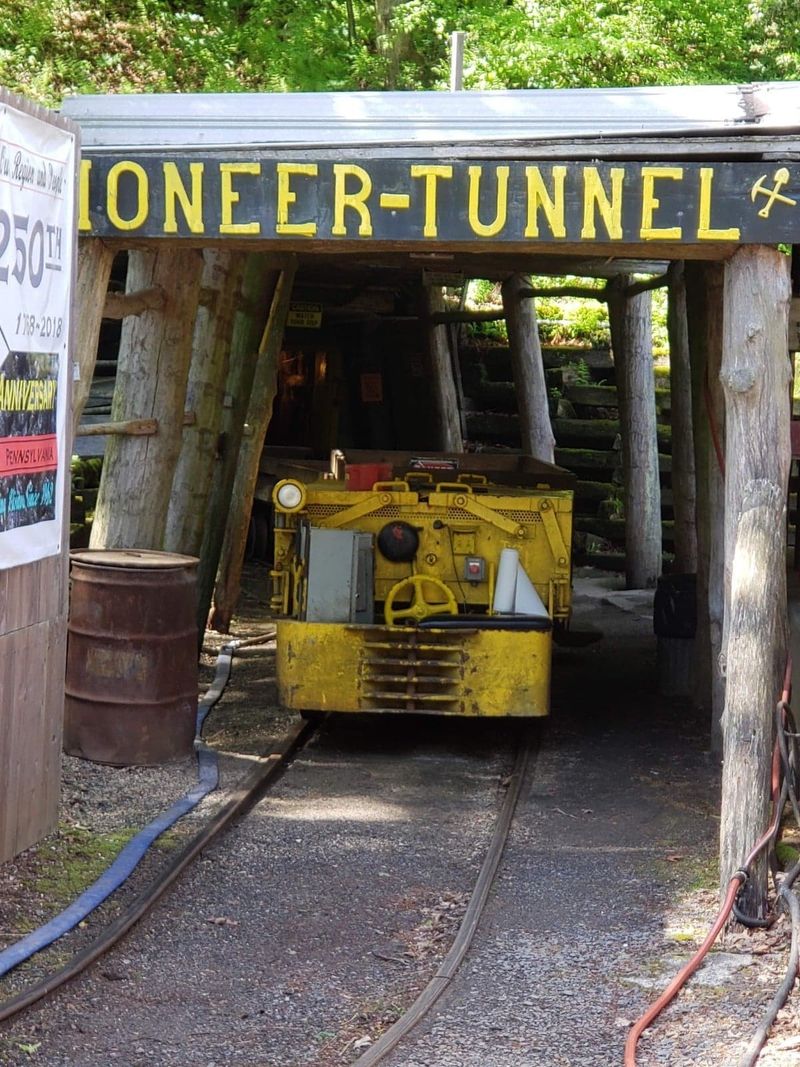
After walking through several tunnel sections, climbing aboard the underground tram feels like a reward for your feet even though the real purpose is showing you parts of the mine too distant to reach on foot. The small electric vehicle bumps along tracks that miners once used to transport equipment and ore, giving you a sense of the mine’s full scope.
Riding deeper into the mountain reveals how extensive the tunnel system really is, with passages branching off in multiple directions like an underground highway network.
The tram route passes through areas with different geological features, and your guide points out changes in rock composition that indicate various mineral deposits.
I remember feeling genuinely disoriented down there, completely losing my sense of direction as we wound through passages that all looked similar in the dim lighting. The tram ride also demonstrates how miners moved through the workspace efficiently, since walking everywhere would have consumed too much time and energy.
You pass old equipment stations, storage areas, and intersections where different crews would have worked simultaneously.
That brief ride transforms your understanding of mining from a simple image of people hitting rocks to a complex industrial operation requiring logistics, planning, and coordination across a vast underground network carved entirely by human determination.
Free Gold Ore Souvenir Selection
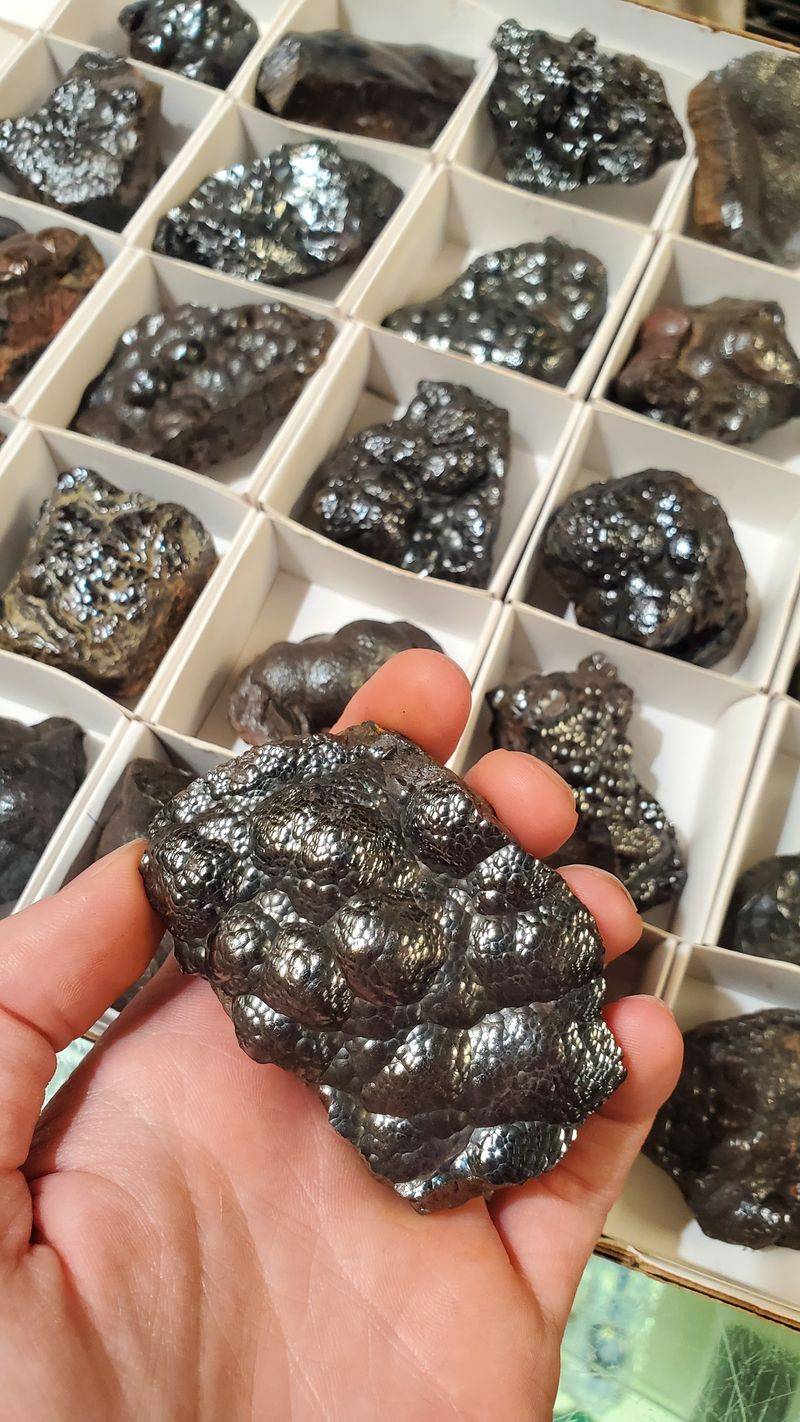
At the end of the tour, you get to choose your own piece of gold ore from a collection of samples, which sounds simple until you’re actually standing there trying to pick the best one like you’re selecting produce at a farmers market.
Some visitors grab the biggest piece, others hunt for the most visible gold streaks, and a few just close their eyes and point.
I spent an embarrassing amount of time examining different samples, holding them up to the light and comparing their weight and appearance. The ore pieces aren’t huge, but they’re genuine specimens from the mine itself, making them meaningful souvenirs that actually connect to the experience you just had.
One guide mentioned he’d watched people debate their selection for ten minutes, treating it like a high-stakes decision even though every piece contains real gold. Taking home that ore transforms the tour from a memory into something tangible you can hold and show people.
Mine sits on my desk where I can pick it up and remember squeezing into that terrifying elevator, hearing those drills roar to life, and standing in tunnels where desperate, determined people once chased their dreams through solid rock.
It’s not valuable enough to retire on, but as a reminder of human perseverance and Colorado history, that little chunk of rock is priceless.
The Mine’s 130-Plus Year History
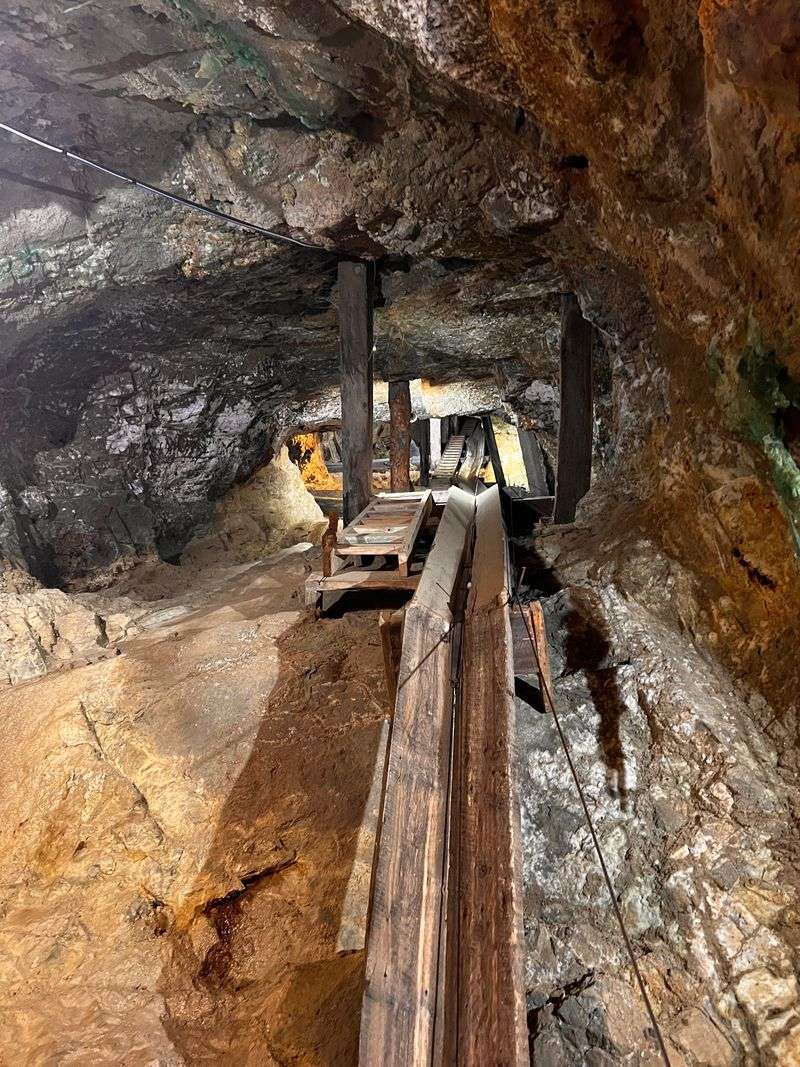
Mollie Kathleen Gortner discovered gold on this site back in 1891 while out for a walk, which sounds like the kind of lucky break that makes you want to start taking more hikes in Colorado. The mine that bears her name operated continuously for decades, producing significant amounts of gold and employing generations of local miners who built entire family legacies around working these tunnels.
The tour weaves historical context throughout, explaining how mining techniques evolved from simple hand tools to sophisticated machinery as the industry modernized.
You learn about the boom years when Cripple Creek was one of the world’s most productive gold mining districts, and about the economic shifts that eventually made small operations like Mollie Kathleen less profitable than keeping them running.
The guides share stories about specific miners, accidents that led to safety improvements, and technological breakthroughs that changed how ore was extracted and processed.
Understanding this timeline adds depth to everything you see underground, turning random tunnel features into specific historical markers.
That wooden beam might date from the 1920s expansion, while this section of track was laid during the final operational years.
The mine stopped producing gold but found new life as an educational attraction, preserving mining heritage while giving modern visitors a genuine taste of what built Colorado’s economy and shaped the entire Rocky Mountain region’s development.
Perfect Temperature Year-Round
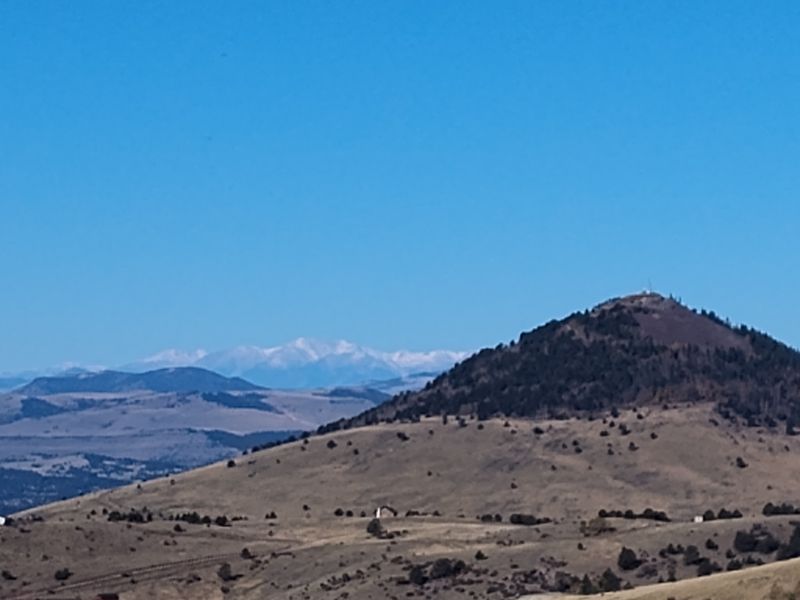
The constant 50-degree temperature underground means you’re escaping summer heat or winter cold depending on when you visit, though that jacket recommendation is serious business regardless of what the surface weather is doing. I made the mistake of thinking my short sleeves would be fine since it was July outside, and I spent the entire tour trying not to shiver while pretending I wasn’t cold.
That stable temperature exists because you’re insulated by 1,000 feet of solid rock that doesn’t care about seasonal changes happening on the surface.
The thermal mass of the mountain maintains consistent conditions year-round, creating an environment that feels refreshing in summer and surprisingly mild in winter.
Some visitors from Texas apparently skip the jacket entirely and just tough it out, but most people appreciate having an extra layer once they’ve been underground for twenty minutes. The cool air also preserves equipment and tunnel structures that might deteriorate faster in fluctuating temperatures.
You’re experiencing the same conditions that miners worked in daily, which means you gain authentic insight into their physical comfort or lack thereof.
Knowing they spent eight-hour shifts in this temperature without modern synthetic fabrics that wick moisture and retain heat adds another layer of respect for their endurance and commitment to work that was already brutally demanding even without climate challenges.
Educational Value for All Ages
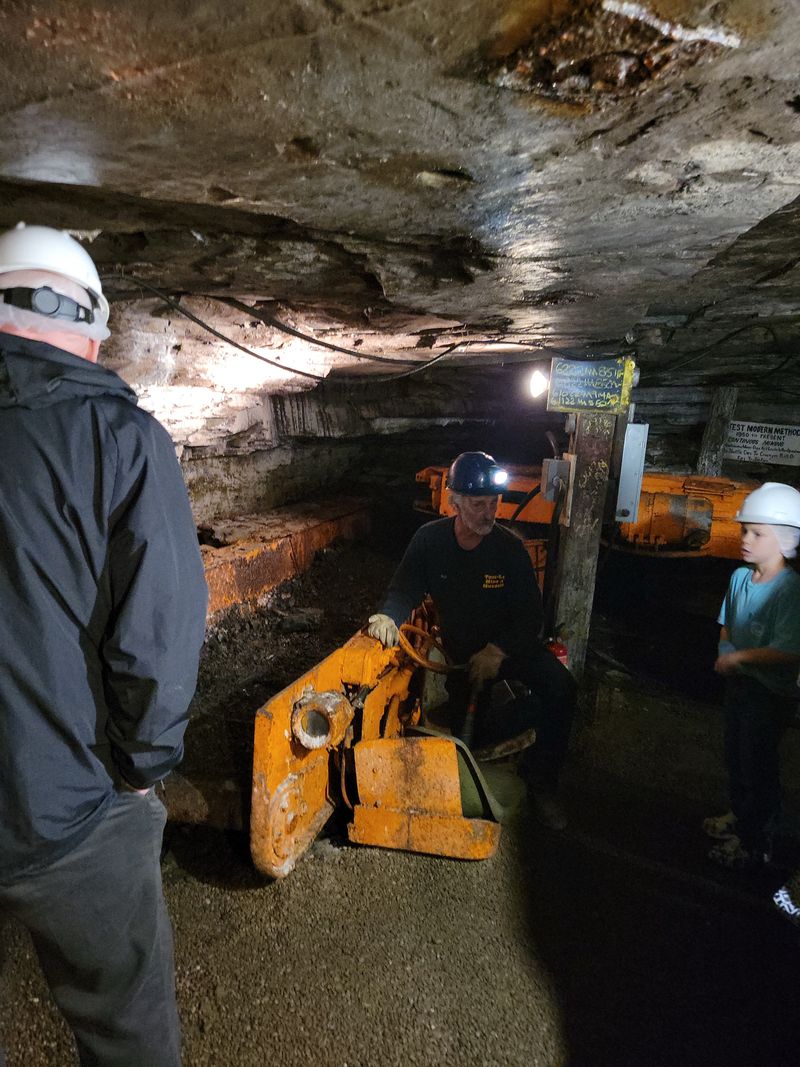
Watching an eleven-year-old’s eyes go wide when the pneumatic drill fires up proves that this tour works for way more than just history nerds and geology enthusiasts. The guides adjust their presentation based on the group composition, adding extra kid-friendly explanations or deeper technical details depending on who’s listening.
The hands-on demonstrations and interactive elements keep younger visitors engaged rather than bored, while the genuine historical significance satisfies adults looking for substantial educational content.
I saw teenagers who’d been dragged along reluctantly become genuinely interested once they understood they were standing in real tunnels where actual miners had worked and sometimes lost their lives.
The tour manages to be both entertaining and informative without dumbing down the content or making it feel like a classroom lecture. Parents appreciate that their kids come away with concrete understanding of how mining shaped American development and Colorado’s economy.
The experience teaches geology, history, engineering, and economics all wrapped into one hour underground, making it the kind of educational attraction that justifies itself beyond simple entertainment value.
Plus, getting to keep that ore sample means children have a physical reminder that reinforces what they learned, turning abstract historical concepts into something tangible they can hold onto and remember for years after the tour ends and everyone heads back up to the surface.