
This Colorado Roadside Burger Stand Serves Burgers That Might As Well Be From 1965
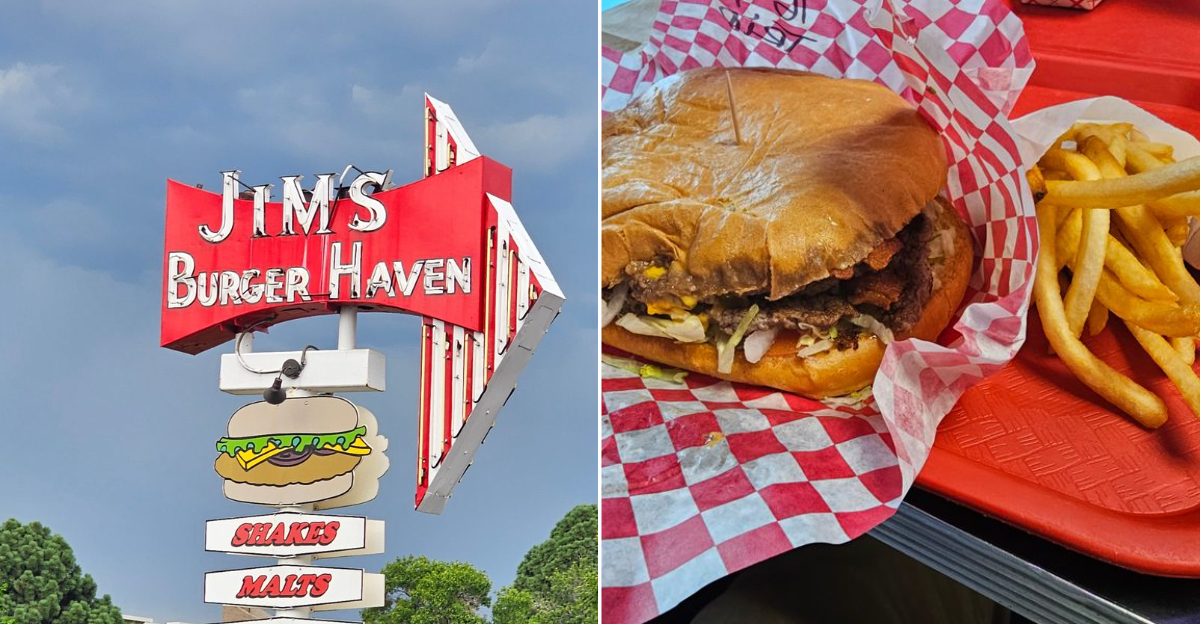
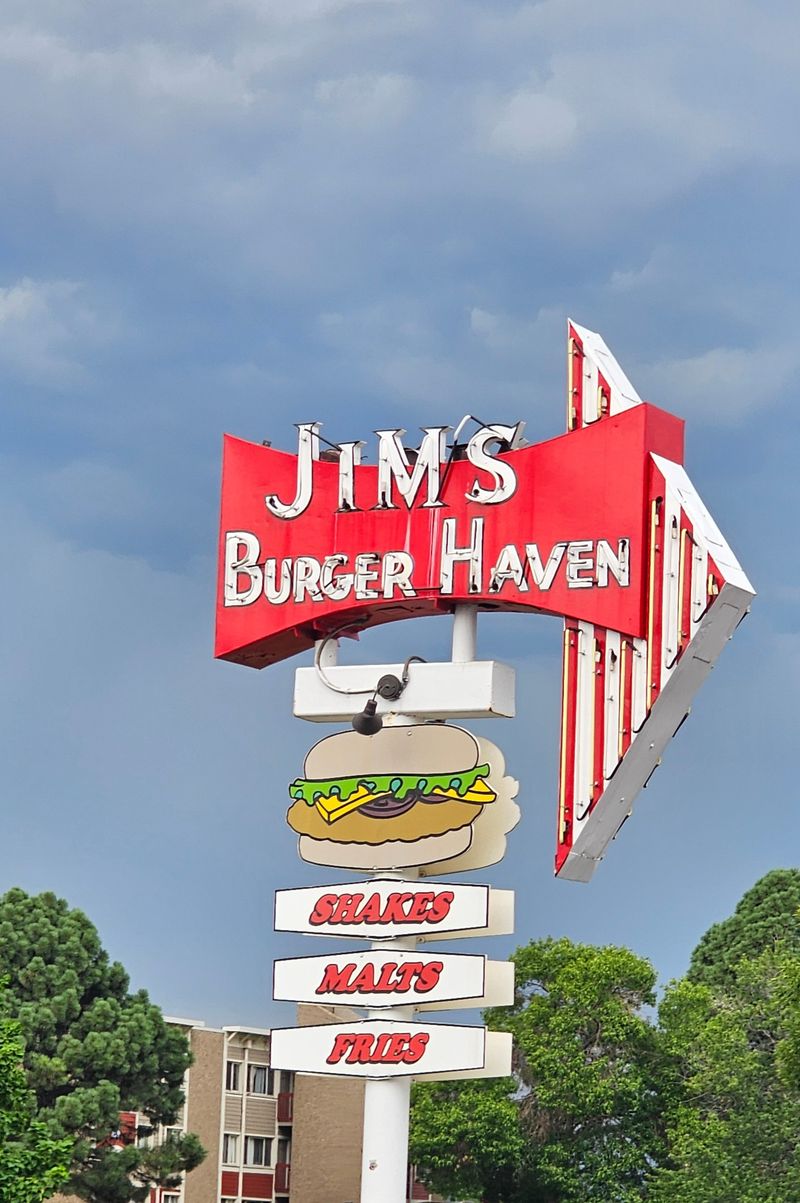
Pulling off East 88th Avenue always feels like a small decision with an outsized payoff, because the moment Jim’s Burger Haven comes into view the world seems to agree to slow down to diner pace, and it all leads you straight to 595 E 88th Ave, Thornton, CO 80229.
I notice it immediately in the neon glow that doesn’t try to be clever, the steady hiss of the grill, and that unmistakable aroma that cuts straight through any lingering thoughts about complicated burger trends and reminds you why burgers didn’t need rescuing in the first place.
Stepping inside, the room reads itself quickly if you’re paying attention, regulars taking their places without ceremony, orders called with confidence, the rhythm of a spot that has done the same thing well for a long time and sees no reason to complicate it now.
What I’ve learned is that enjoying Jim’s fully isn’t about nostalgia, even though it has plenty of that baked in, but about knowing how to move with the place rather than against it.
Crisp edges matter here, simple stacks matter, and so does understanding when to order, where to stand, and how to savor the small details that make the experience feel intact rather than curated.
The service is honest and direct, the kind that assumes you know what you came for or are happy to learn by watching a few plates go by.
Think of this list as a set of quiet cues, how to order smart, read the room, and get the most out of a Thornton landmark before the line stretches to the door, because this is one of those places where doing less, and doing it right, still feels timeless.
Start With The Single Cheeseburger
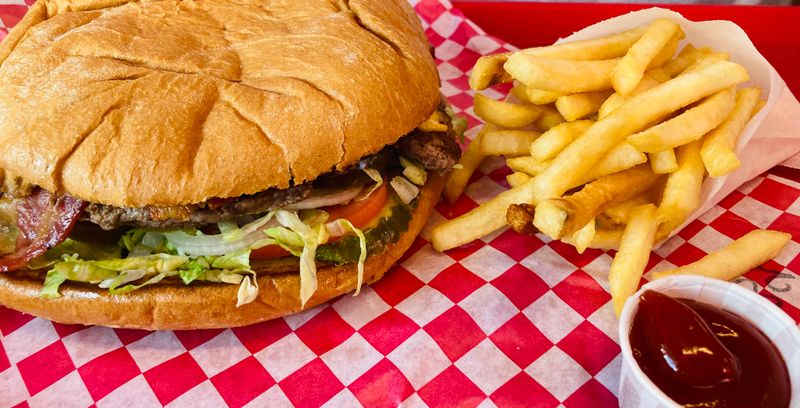
The single cheeseburger establishes the entire logic of Jim’s Burger Haven in one motion, arriving wrapped tight with a thin, deeply browned patty whose crisp edges announce themselves audibly before you even lift the paper.
American cheese melts fully into the meat and bun rather than sitting on top, creating a unified bite where salt, fat, and heat feel resolved instead of stacked.
The seasoning stays minimal by design, relying on a well-managed flat-top and repetition rather than embellishment, which is why the burger tastes anchored in another era without trying to reference it.
Jim’s opened in the 1960s, and this burger still reflects that roadside ethic of speed, clarity, and trust in fundamentals that locals learned to order almost automatically.
Pickles snap sharply enough to reset your palate, while onions provide either sweetness or bite depending on how you order them, never drifting into excess.
What you hold feels deliberate and fast, a burger meant to be eaten immediately rather than photographed or modified.
The reaction is usually a quiet pause followed by a second bite taken before conversation resumes, because the baseline is convincing on its own terms.
Double If You Are Hungry
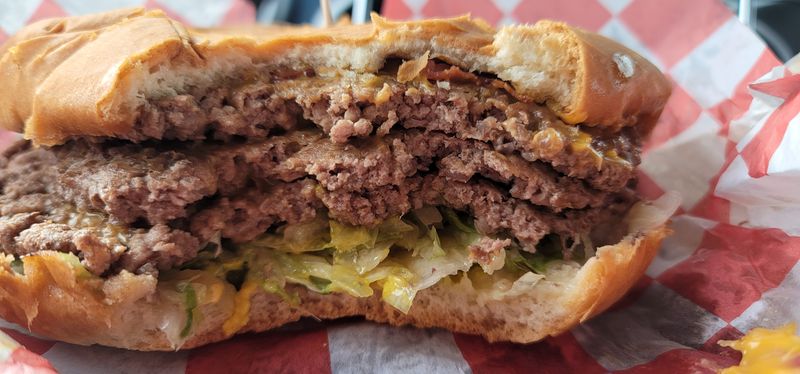
Ordering the double announces itself first through sound, as the grill sizzles harder and the aroma deepens into something richer and more assertive without crossing into heaviness.
Two patties mean twice the crust and more rendered fat, yet the structure holds because the bun is toasted just enough to resist collapse.
Shredded lettuce and pickles keep the stack active, preventing the extra meat and cheese from dulling your palate halfway through.
Decades of repetition show in how quickly the burgers are flipped and assembled, preserving crisp edges instead of compressing them through overhandling.
Lines move efficiently even during busy periods, but ordering early in the rush keeps the experience relaxed rather than hurried.
The double satisfies hunger without dragging you down afterward, which feels increasingly rare in oversized modern burgers.
Timing matters here, because eating it hot preserves the contrast between crust, melt, and bun that makes the order worthwhile.
Fries For Crunch, Rings For Sweetness
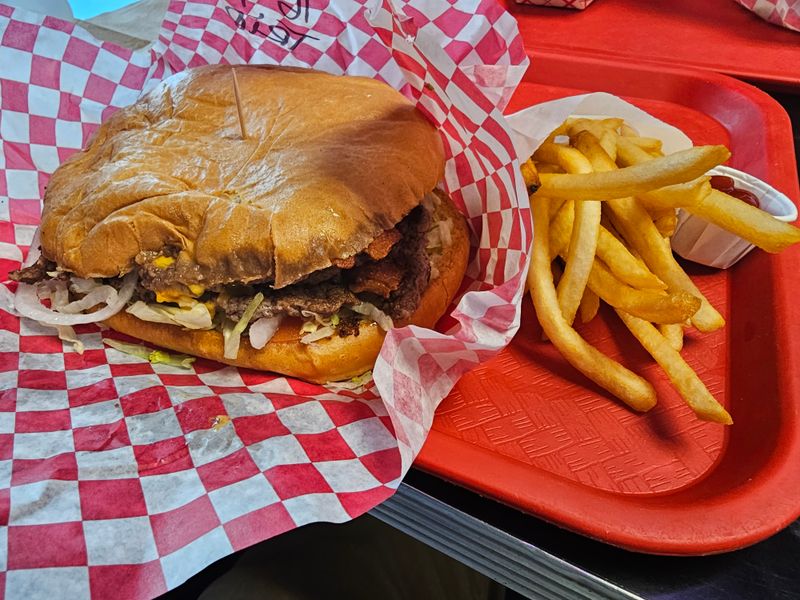
The first scent of fryer oil sets expectations clearly, and the fries deliver with a clean, salt-forward crunch that lands somewhere between shoestring and classic diner cut.
They stay crisp long enough to survive a full burger without turning limp, especially when dipped lightly rather than buried in condiments.
Onion rings move in a different direction entirely, leaning sweet and tender inside a light, airy coating that avoids greasiness.
Many older burger stands treat sides as an afterthought, but Jim’s keeps them disciplined and consistent, matching the restraint of the main event.
The menu’s refusal to chase novelty reads as confidence rather than stubbornness, which is why nothing feels dated.
Sharing both fries and rings works especially well, giving your palate contrast without distracting from the burger itself.
Alternating bites keeps the meal lively and reinforces why simplicity here feels intentional rather than limiting.
Green Chile Upgrade
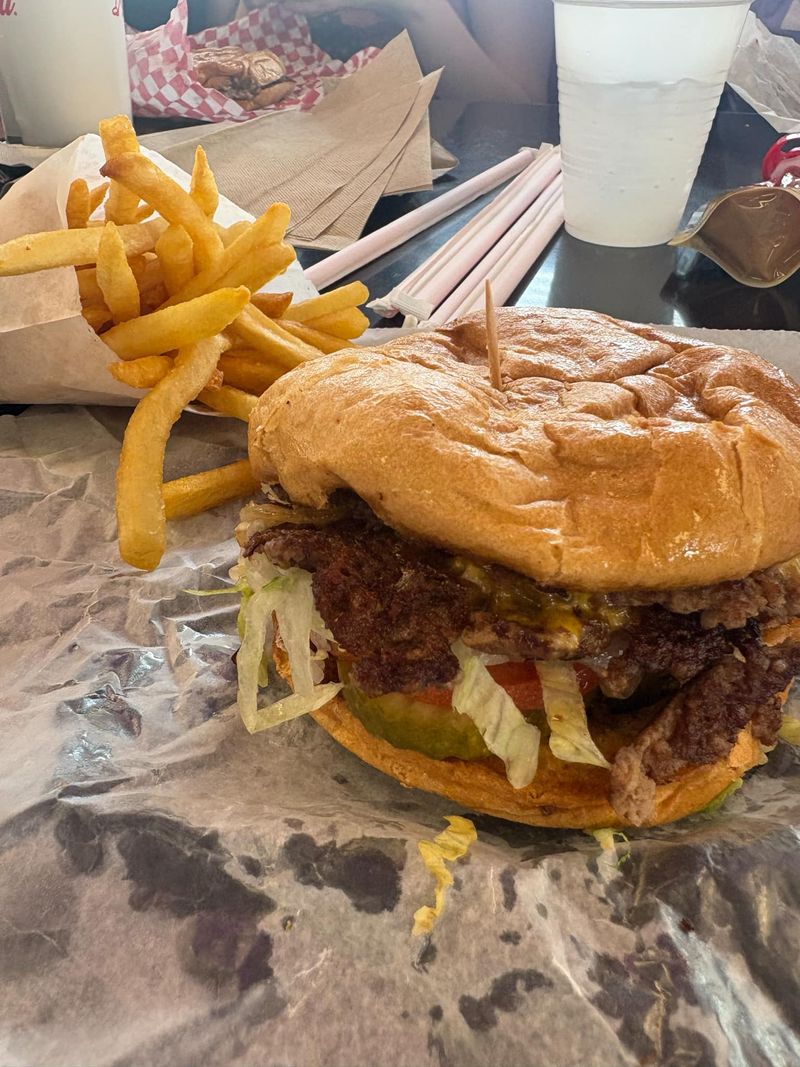
The green chile addition announces itself gently rather than aggressively, slipping beneath the cheese and into the beef so the heat reads as warmth and depth instead of a challenge.
Roasted flavor leads the bite, bringing a softly smoky note that works with the patty’s char rather than competing with it.
In Colorado this choice feels regional without being performative, a nod to local taste that respects the burger’s original balance.
Jim’s applies the chile with restraint learned over decades, understanding that too much would flatten texture and blur the grill’s work.
The extra moisture makes the burger juicier, which subtly slows your eating pace and asks for more napkins.
Cooler evenings seem to amplify its appeal, when the warmth lingers just a second longer on the finish.
Skipping extra sauces here lets the chile speak clearly, proving that quiet additions often make the biggest difference.
Milkshake Timing Matters

Milkshakes at Jim’s arrive thick enough to pull slowly through a straw, which is charming until it distracts from a burger that deserves immediate attention.
Ordering the shake a beat after the food keeps temperatures aligned, so nothing rushes or waits too long.
Chocolate and vanilla lean classic and steady, while strawberry carries a nostalgic sweetness that never tips artificial.
The texture reflects an old-school approach, dense and creamy rather than aerated, suggesting a formula refined by habit rather than trend.
You taste patience in the blend, the kind that comes from doing the same thing thousands of times without shortcuts.
Taking a few sips early, then letting the cup rest, resets your palate between bites without stealing focus.
The contrast between cold shake and hot burger works best when timed carefully, turning restraint into part of the pleasure.
Grilled Onions Versus Raw
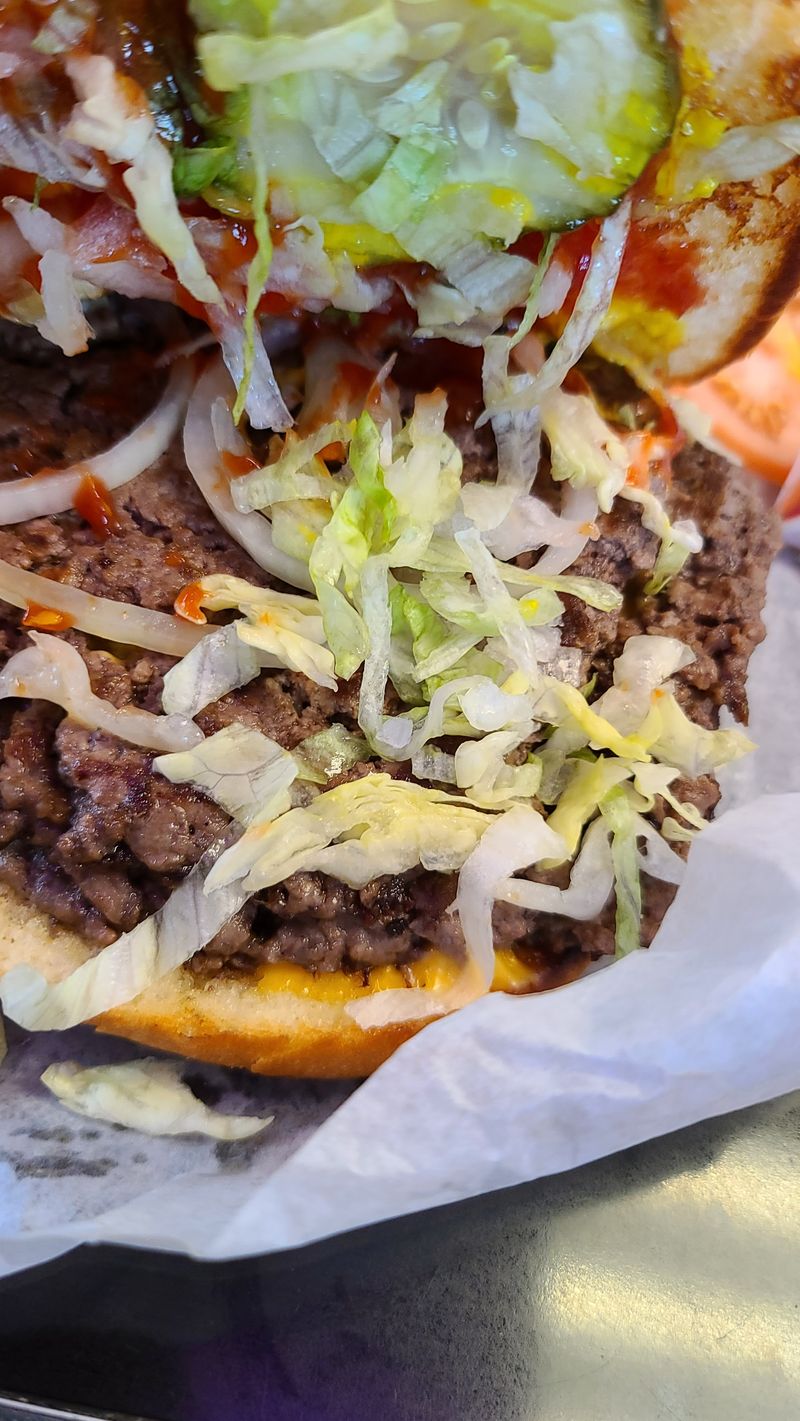
Lifting the wrapper releases a plume of onion aroma that immediately tells you which direction the burger will lean.
Grilled onions soften and sweeten into the cheese, amplifying beefiness and creating a cohesive, comforting bite.
Raw onions cut sharper, adding crunch and brightness that keeps the burger feeling lighter and more alert.
The grill has space and discipline to handle caramelization without smoking everything else, a skill earned through years of repetition.
This choice matters more than most toppings because it reshapes the burger’s entire mood rather than adding surface flavor.
Evening meals tend to favor grilled onions, when warmth and richness feel right.
Midday visits pair better with raw onions, letting acidity and crunch match the pace of traffic and sun outside.
Hot Dogs Deserve Respect
Not every roadside burger stand treats its hot dogs as anything more than an afterthought, but here the snap of the casing, the even heat through the center, and the way the bun is warmed just enough to stay pliable without steaming tells you that this menu item has been given the same quiet attention as the burgers.
The first bite delivers a clean, savory profile that feels familiar yet deliberate, with mustard laid in a precise line, onions adding texture instead of noise, and relish offering sweetness without tipping the balance into carnival territory.
There is a lineage at work in how the dog is assembled and wrapped, echoing a time when speed mattered but sloppiness was not tolerated, and when handheld food still had to behave properly from first bite to last.
Longtime regulars order it without hesitation, often alongside fries or as a lighter counterpoint to a burger, which signals a trust built over decades rather than a novelty choice.
You notice how neatly it is packaged, how the paper holds heat without trapping moisture, and how nothing slides out of place when you tilt it for a better grip.
It becomes a smart option during rushes, when you want something satisfying without committing to a full double and the line behind you is growing restless.
In a menu defined by restraint and repetition, the hot dog earns its spot by being exactly what it should be, no more and no less.
Mind The Hours And The Rush
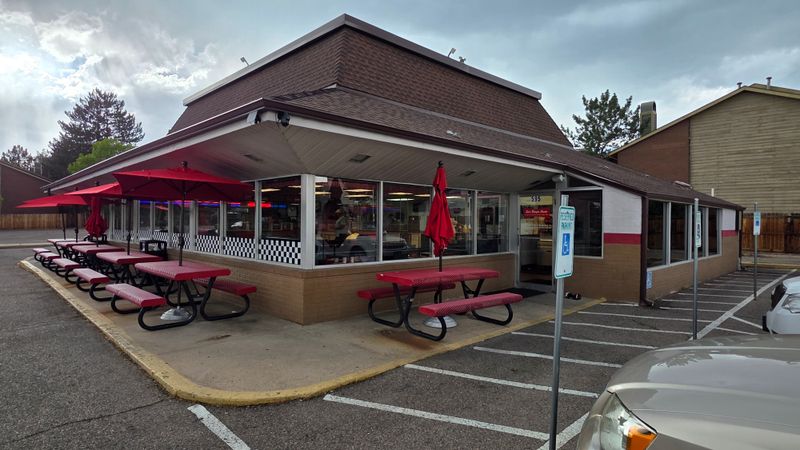
The room takes on a different energy as dinner approaches, when car engines quiet in the parking lot, the door swings more frequently, and the grill settles into a faster, more insistent rhythm that signals a familiar surge.
Service remains friendly and controlled, but you can feel the compression of time as tickets stack and conversations shorten, which subtly changes how the space feels even before the food arrives.
Earlier in the day, during late lunch or the lull between meals, the stand breathes more easily, letting the hiss of the flat-top and the clink of baskets define the soundtrack.
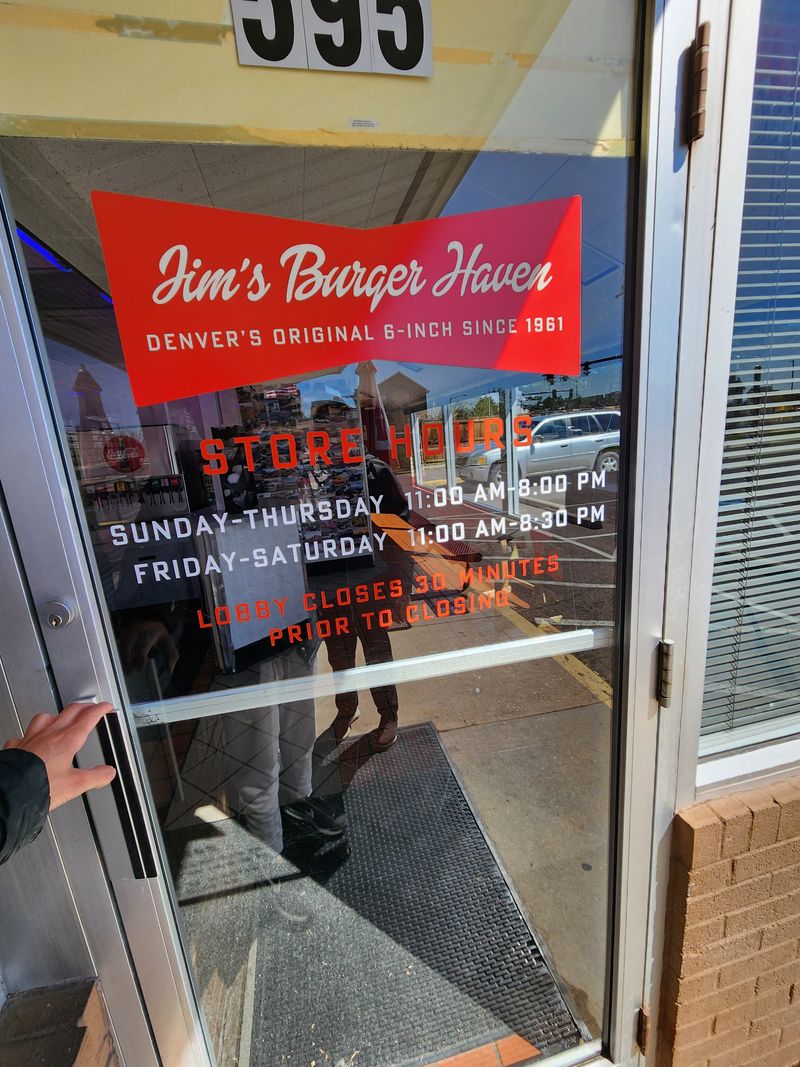
Jim’s keeps hours that reflect a neighborhood routine rather than nightlife ambition, closing in the evening and honoring a schedule that has stayed remarkably consistent over the years.
That predictability is part of its charm, but it also means visitors who arrive late or without checking hours sometimes miss their window.
Showing up ten minutes before your ideal eating time gives you room to order calmly, find a seat, and settle in without feeling hurried by the line.
The food tastes better when you are not watching the clock or the door, and timing your visit is the simplest way to protect that experience.
Keep The Sauces Simple
The smell of a toasted bun and seared beef already carries enough information to suggest that restraint will be rewarded here.
The standard sauce setup, a balanced and familiar blend, is calibrated to support the patty’s crust and the cheese’s salt rather than overwrite them.
Decades of repetition have taught this kitchen that technique does the heavy lifting, while condiments exist to underline, not dominate.
Adding too many extras risks flattening the crisp edges and muddying the clean transitions between beef, bun, and pickle.
Visitors often reach instinctively for more ketchup or something creamy out of habit, forgetting that this burger was built to stand on its own.
Taking the first few bites exactly as served reveals how complete the flavor already is, making adjustments feel optional instead of necessary.
If you do change anything, a single thin line of mustard is usually enough, letting the burger remain the main voice rather than becoming a background note.
Sit Inside If You Can
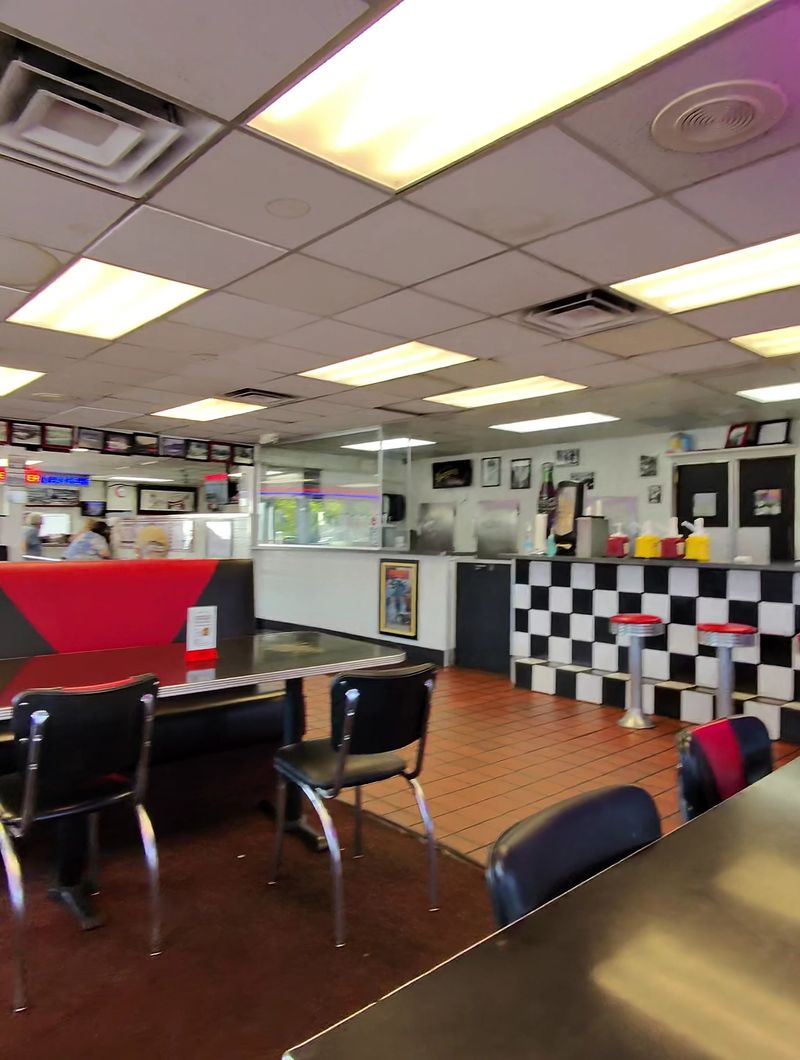
Stepping inside sharpens the whole experience, as chrome trim, red vinyl booths, and the steady crackle of the flat-top create a contained pocket where the outside world feels briefly irrelevant and time compresses into the length of a meal.
The room has a way of focusing your attention, making the burger taste louder, the fries feel hotter, and the milkshake colder, simply because your senses are not competing with wind, traffic, or a cooling bag on the passenger seat.
Watching the grill in action adds a quiet layer of anticipation, as patties flip, cheese melts on cue, and wrapped orders stack with practiced efficiency that only comes from years of repetition.
Jim’s interior has changed very little, and that continuity matters, because it frames the food as part of an ongoing routine rather than a one-off indulgence.
Regulars slide into booths with muscle memory, staff move through narrow aisles without wasted steps, and even the sound of paper wrapping a burger becomes part of the atmosphere.
Eating inside also protects texture, keeping buns warm, edges crisp, and fries at their peak instead of slowly surrendering to steam.
If you have the choice, take the booth, unwrap slowly, and let the setting do its quiet work, because this is where the burger feels most complete and most itself.