
This Colorado Town Is So Affordable, You Could Live There On Social Security Alone
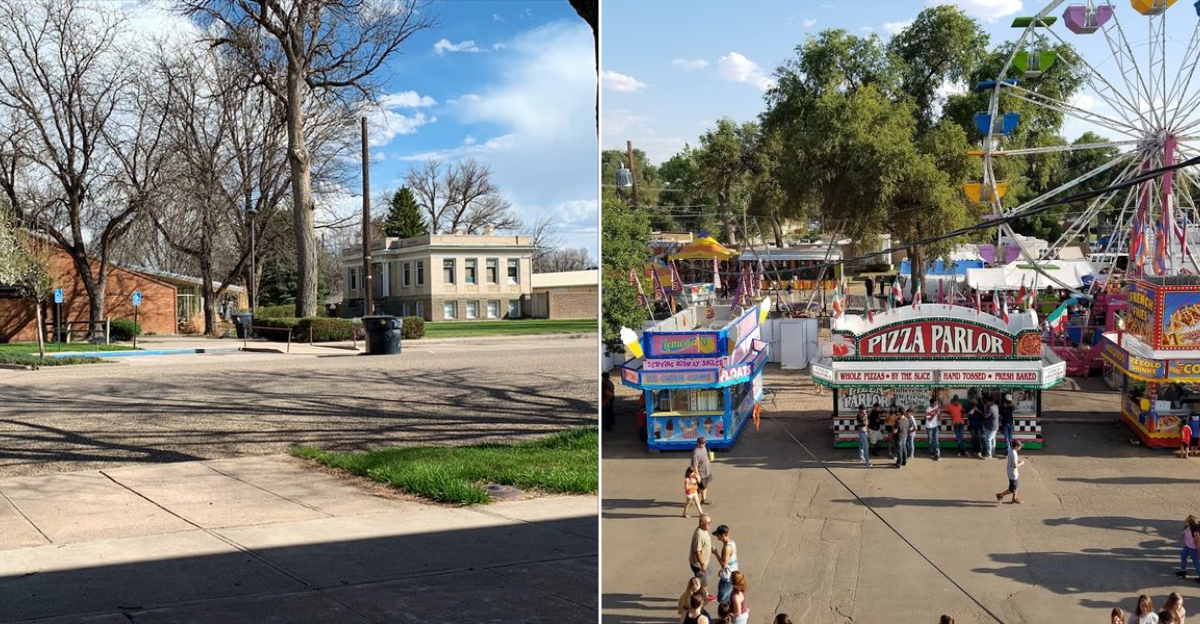
A retirement budget can feel a lot bigger when the town around it is not trying to drain every dollar. Somewhere in southeastern Colorado, there is a small city many travelers pass without realizing what they just missed.
It has wide skies, quiet streets, a modest Main Street, and the kind of everyday prices that make fixed-income living feel less like a constant balancing act. For retirees relying on Social Security, that matters in a very real way.
This is not about flashy luxury or pretending a tiny town is a resort. It is about breathing room: lower housing costs, slower mornings, familiar faces, and enough simplicity to make life feel manageable again.
Colorado’s bigger destinations may get the attention, but places like this offer something more practical and more personal. Sometimes the smartest retirement move is not chasing excitement.
It is finding a place where your money finally gets to relax.
Housing Costs That Actually Make Sense
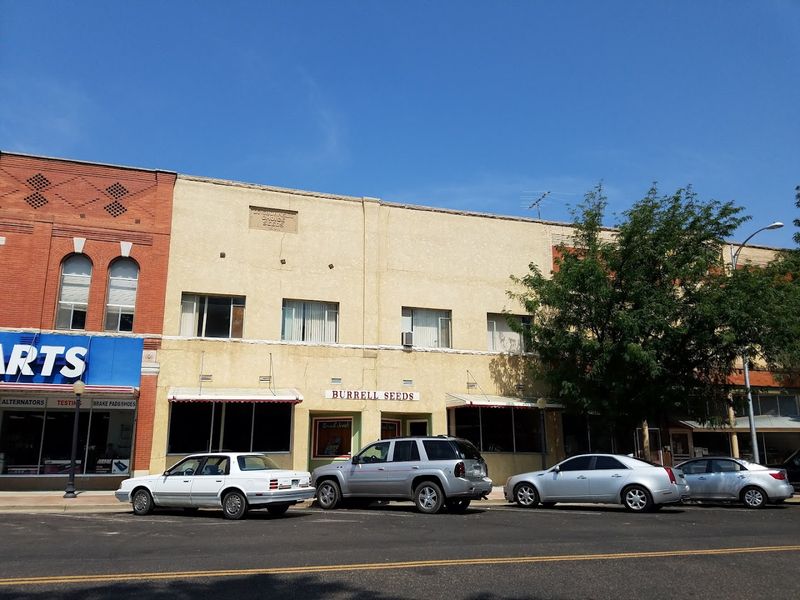
Most conversations about affordable housing eventually hit a wall where the numbers stop adding up. This Colorado town is the rare exception that makes the math work in your favor.
Median home prices in this small Otero County city consistently fall well below the Colorado state average, putting homeownership within reach for people whose monthly income tops out at a Social Security check.
Renters fare just as well. Monthly rents for modest apartments and small houses here run significantly lower than what you would pay in Denver, Colorado Springs, or even Pueblo.
For a retiree budgeting carefully, that gap between what housing costs and what Social Security pays is not a crisis. It is breathing room.
Quick Tip: Single-story homes are common in Rocky Ford, which is a practical bonus for older adults who prefer to avoid stairs without sacrificing square footage or yard space.
Who This Is For: Retirees, fixed-income households, and anyone priced out of larger Colorado cities who still wants a real address in a real community with real neighbors who wave back.
The Cost of Groceries and Everyday Goods in Town
There is a particular relief that comes from buying groceries without wincing at the receipt. Rocky Ford delivers that relief consistently.
Everyday goods, fresh produce, and household staples carry price tags that reflect a small-town economy rather than an urban markup. That difference adds up fast when you are living on a fixed income.
Rocky Ford is famously associated with its locally grown cantaloupe, which has earned a genuine regional reputation for quality. During harvest season, fresh melons are available at prices that feel almost absurdly fair compared to what supermarkets charge in larger cities.
That is one small but vivid example of how local agriculture keeps everyday costs grounded here.
Best For: Budget-conscious shoppers who want access to fresh, locally sourced food without driving an hour to reach a decent produce section.
Insider Tip: Shopping locally in Rocky Ford supports the regional agricultural economy, which in turn helps keep prices competitive and fresh options available throughout the growing season. It is a small-town economic loop that actually benefits the person at the checkout counter rather than a distant corporate office.
Utility Bills That Do Not Require a Spreadsheet to Manage
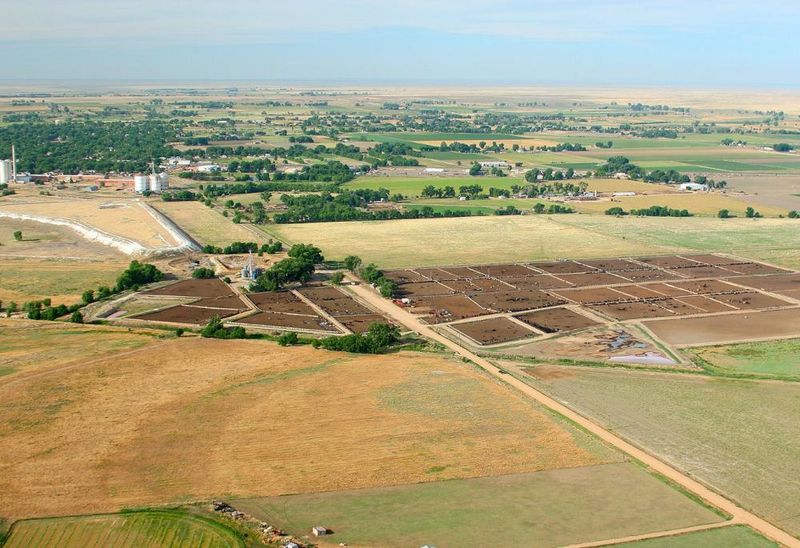
Utility costs are one of those invisible budget items that quietly wreck a retirement plan. In Rocky Ford, the combination of a dry climate, relatively mild winters compared to mountain Colorado communities, and a modest cost-of-living baseline keeps monthly utility bills manageable for most residents on fixed incomes.
Heating costs in southeastern Colorado can climb during winter months, but Rocky Ford sits at a lower elevation than much of the state, which moderates temperature extremes somewhat. Cooling costs during summer are real, given the area’s warm, sunny climate, but efficient window units and ceiling fans handle the job in smaller homes without pushing electric bills into alarming territory.
Why It Matters: For someone living on Social Security, a predictable utility bill is not a small thing. It is the difference between a budget that holds and one that cracks in January.
Planning Advice: Look into Colorado’s utility assistance programs, which are available to low-income and fixed-income residents statewide. Rocky Ford residents qualify for several of these programs, adding another layer of financial stability to an already affordable living situation.
Healthcare Access for Residents on a Tight Budget
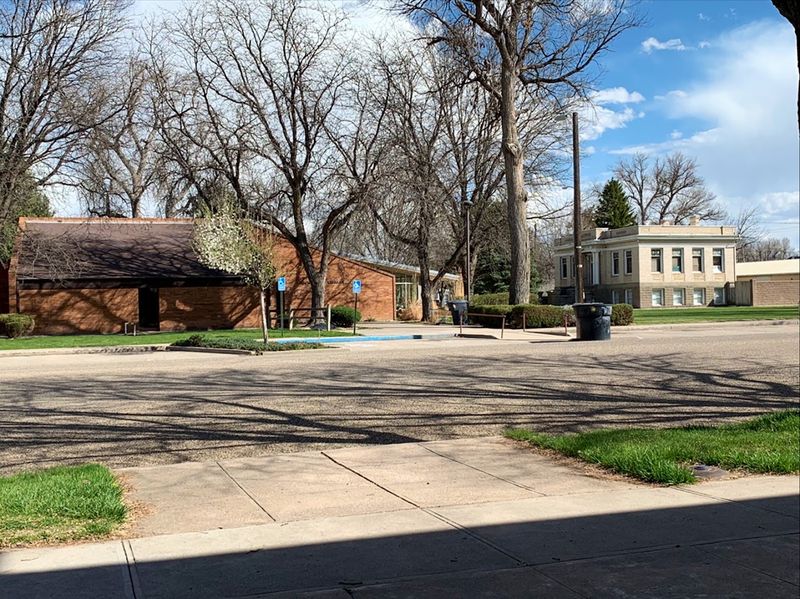
Healthcare is the variable that scares most retirees more than any other line item. Rocky Ford is a small city, so it does not have a major hospital campus within its limits, but Otero County and the surrounding region offer access to medical services that serve the community’s population.
La Junta, located just a short drive away, provides a broader range of healthcare facilities for Rocky Ford residents.
For Medicare recipients, the cost structure of healthcare in a small, lower-income Colorado community tends to be more straightforward than navigating a large urban system with layers of specialist referrals and facility fees. Community health resources in the region are designed to serve residents who are working with limited financial means.
Common Mistakes to Avoid: Do not assume that small-town healthcare means no healthcare. Research specific providers and clinics in Otero County before relocating, so you arrive with a plan rather than a question.
Best Strategy: Pair Medicare coverage with a supplemental plan suited to your health needs, and establish a relationship with a local primary care provider early. In a community this size, continuity of care is easier to maintain than in a large city practice.
Transportation Costs and Getting Around Rocky Ford
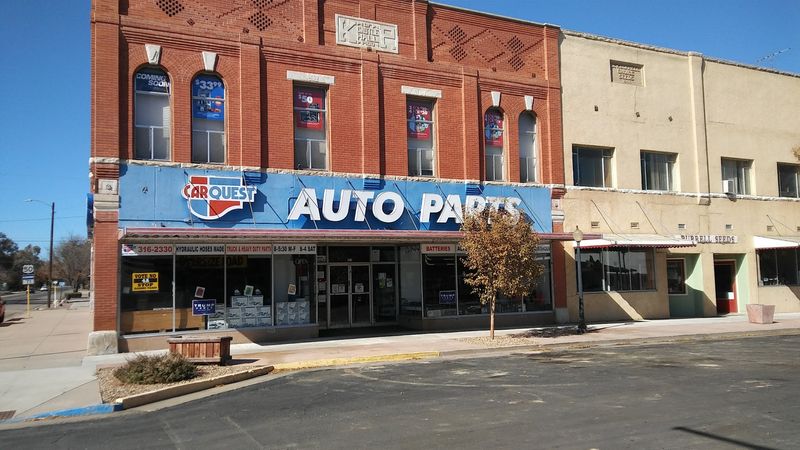
Rocky Ford is not a city built around public transit, and that is worth knowing before you arrive. The town is compact and flat, which makes it genuinely walkable for everyday errands within the core of the community.
A short Main Street stroll covers a surprising amount of ground without requiring a car, a bus, or a plan more complicated than putting on shoes.
For trips beyond walking distance, a personal vehicle remains the practical standard in southeastern Colorado. The good news is that fuel costs and car insurance rates in rural Colorado tend to run lower than in metro areas, which helps offset the absence of transit options.
Parking is free, plentiful, and never a source of stress, which is a detail that anyone who has circled a Denver block for twenty minutes will appreciate deeply.
Quick Tip: Rocky Ford’s flat terrain is friendly for cyclists and older adults who prefer walking. Many daily needs can be handled without a car if you live near the town center.
Who This Is Not For: Anyone who relies entirely on public transportation for medical appointments or major shopping trips will need to plan carefully, as regional transit options in Otero County are limited compared to urban Colorado.
Community Life and Social Connection in Rocky Ford

One of the underrated costs of retirement is loneliness, and it is not measured in dollars. Rocky Ford, with a population of just under 4,000, operates at a scale where community connection is not an event you have to schedule.
It is a byproduct of living in a place where people recognize faces and remember names without a LinkedIn prompt.
The town has a long agricultural identity rooted in the Arkansas River Valley, and that shared history gives Rocky Ford a sense of place that newer, faster-growing Colorado communities sometimes lack. Local events tied to the harvest season, community organizations, and the rhythms of small-town life create a social fabric that is genuinely accessible to newcomers willing to show up.
Best For: Retirees who want to feel like a neighbor rather than a resident number, and who find meaning in community participation rather than urban anonymity.
Mid-Article Check-In: If the housing, grocery, and utility savings have your attention, the next sections cover the practical lifestyle details that make those savings sustainable long-term rather than just attractive on paper. The picture gets more complete from here.
Why Rocky Ford Works as a Long-Term Retirement Base
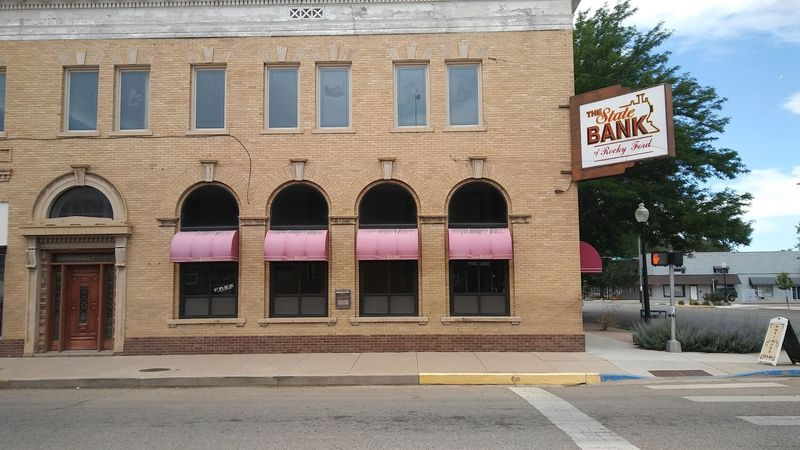
Affordability gets you through the door, but livability is what keeps you there. Rocky Ford makes a credible long-term case because its low costs are structural rather than temporary.
The town’s economy, geography, and population size all point toward sustained affordability rather than the kind of short-lived cheapness that disappears the moment a city gets discovered and developed.
The Arkansas River Valley setting gives Rocky Ford a natural identity that does not depend on tourism trends or tech industry migration. The surrounding landscape is open, the pace is deliberate, and the cost of simply existing day to day is low enough that a Social Security income does not require heroic budgeting to stretch across a month.
Quick Verdict: Rocky Ford, Colorado is not a compromise destination for retirees who could not afford somewhere else. It is a genuinely functional, low-cost small city where a modest fixed income covers housing, food, utilities, and community life without constant financial anxiety.
Final Planning Advice: Visit before committing. Spend a long weekend walking the town, talking to residents, and checking the distance to services you use regularly.
Rocky Ford rewards the person who arrives with realistic expectations and leaves with a surprisingly strong case for coming back permanently.